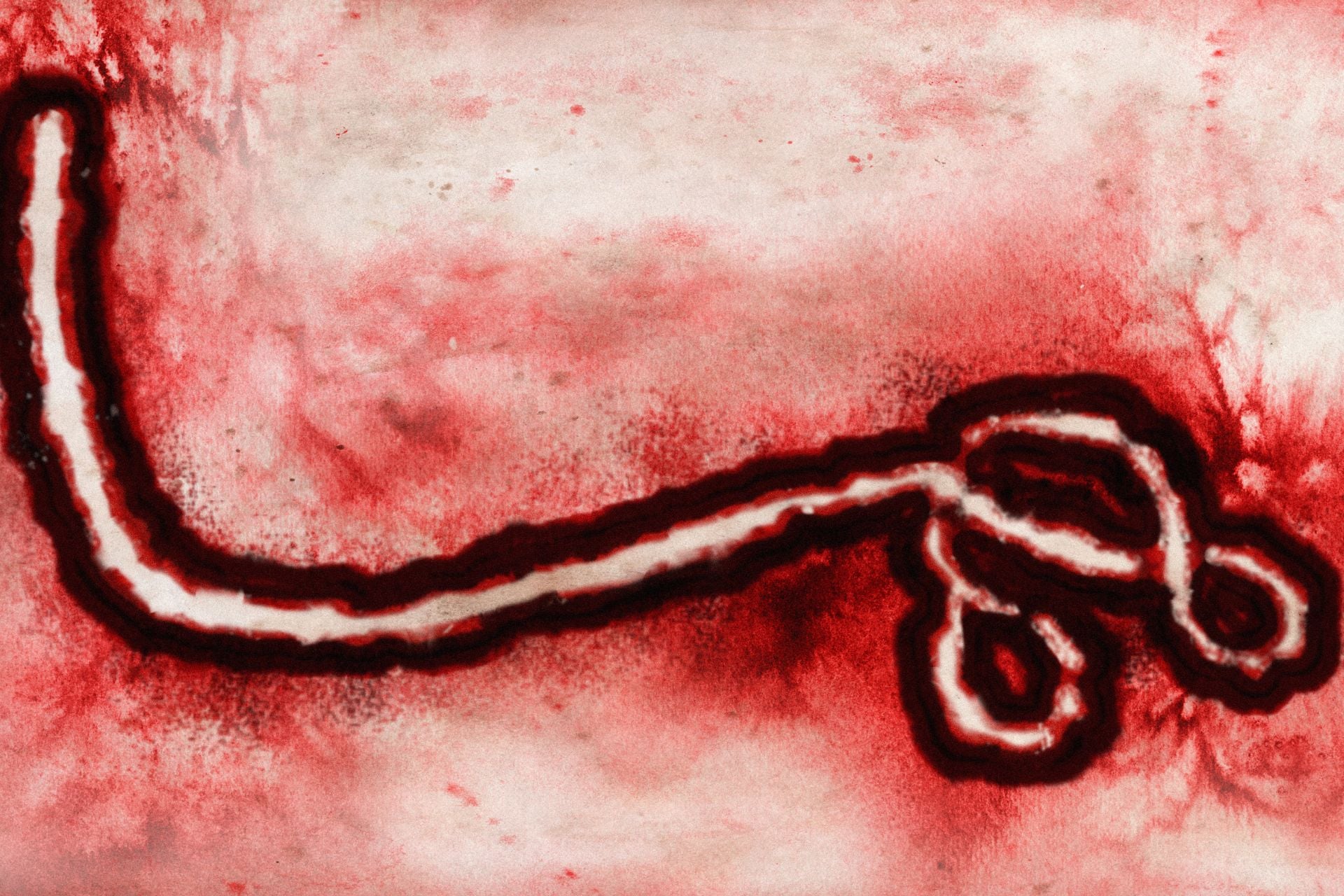
A concerning outbreak of Ebola in Africa is growing larger and deadlier. And now, an American in the area has tested positive for the viral disease.
Officials from the Centers of Disease Control and Prevention reported the American case over the weekend, involving a doctor working for a medical missionary group in the Democratic Republic of Congo. The doctor has been airlifted to Germany for treatment. There are now over 500 suspected cases and more than 100 suspected deaths linked to the outbreak, according to the World Health Organization.
“We have significant uncertainty about the number of infections and how far the virus has spread,” said WHO representative Anne Ancia in a press briefing Tuesday.
Out of nowhere
Reports of a cluster of unexplained illnesses in the DRC first emerged in early May. On May 15, DRC officials officially confirmed the outbreak, though it had already grown quite large by then, with roughly 250 suspected cases. By May 16, the WHO declared a public health emergency of international concern over the outbreak—notably the first such declaration made by the WHO without seeking advice from an outside expert committee.
The majority of suspected or confirmed cases have been detected in the DRC, but there have been two imported cases identified in the bordering country of Uganda. The first known cases occurred in Bunia, the capital city of the DRC’s Ituri province, but it is not clear yet whether these represent the origin of the outbreak. As of May 19, only 30 or so cases have been confirmed.
There are several species of related viruses that cause Ebola disease. And this particular outbreak is being caused by the rarely seen Bundibugyo virus. Importantly, there are no vaccines or treatments specifically approved for Bundibugyo, though early supportive care can reduce the risk of death.
While CDC officials have not disclosed the identity of the American case, the medical missionary group Serge confirmed Monday that it was one of their workers, Peter Stafford. Stafford was serving patients in Bunia when the outbreak occurred. He developed symptoms over the weekend and tested positive for the virus on Sunday.
Two other physicians with the group, including Stafford’s wife, Rebekah Stafford, were potentially exposed to the virus but are currently asymptomatic, according to Serge. Stafford has been medically evacuated to a specialist center in Germany for treatment. Six other people are also expected to be evacuated for monitoring or treatment, said CDC official Satish K. Pillai on Monday.
What happens next
Though Ebola is low on the list of possible pandemic threats (barring an unlucky mutation that allows it to spread easily between people), it can still cause widespread illness and death. The largest outbreak of Ebola to date sickened roughly 30,000 people and killed over 11,000 throughout West Africa between 2014 and 2016.
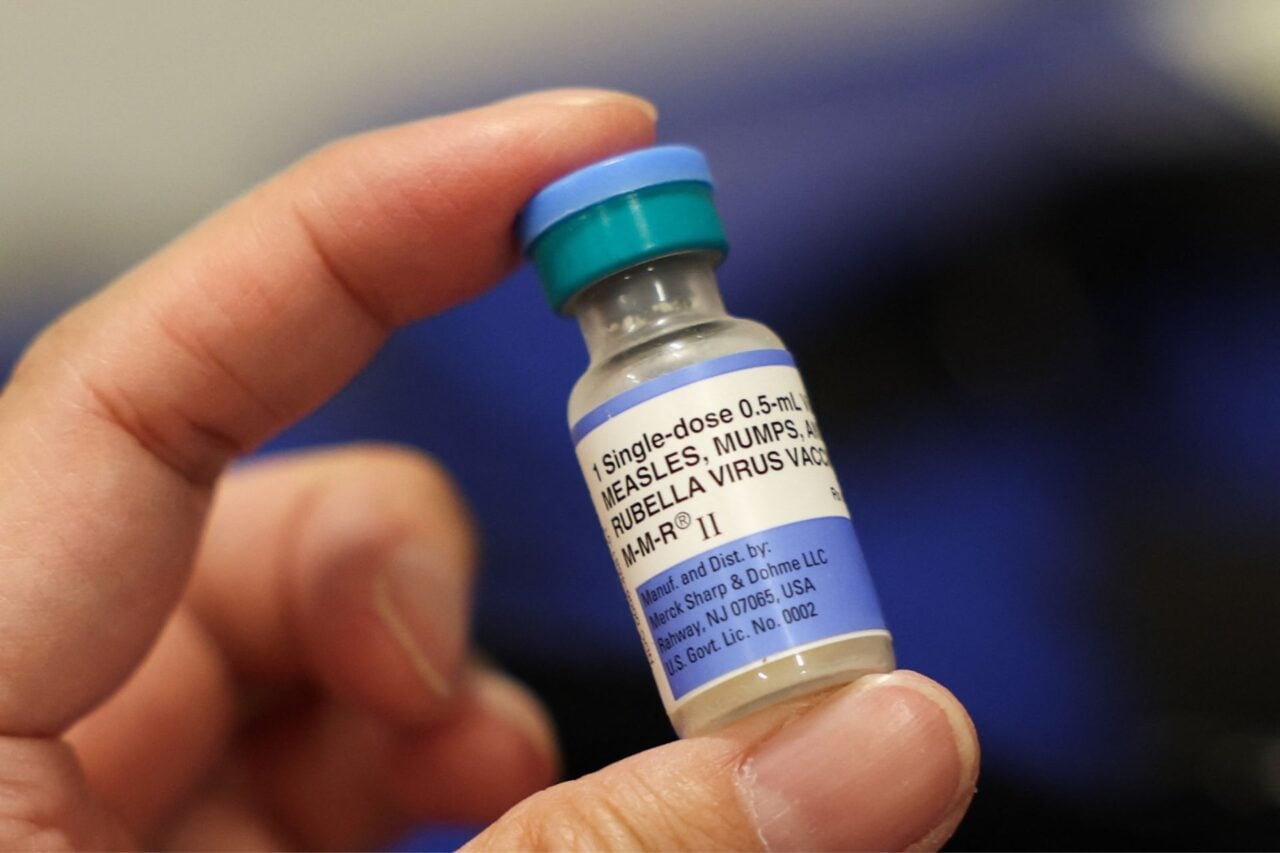
Given the rapid pace of this latest outbreak and the lack of standard interventions available for it, it’s imperative to contain its spread before it spirals further out of control. WHO officials are considering the use of Ervebo, a vaccine approved for the Zaire Ebola virus, but it would likely still take at least two months to secure an adequate supply.
Meanwhile, the CDC has taken steps to increase the public health screening of passengers arriving to the U.S. from the DRC, Uganda, and South Sudan; it has also imposed entry restrictions on non-U.S. passport holders who were in these areas sometime in the last 21 days.