Unfortunately, it’s gearing up to be a hot tick summer as new data from the Centers for Disease Control and Prevention shows that bloodsucking tick bites are surging this year.
According to the CDC, emergency room visits related to tick bites this past April were the highest they’ve been for this time of the year in nearly a decade. Tick bite rates have seen recent highs in nearly all parts of the country as well. And we still haven’t reached the peak of the tick season, which will continue until the fall.
“Tick season is here and these tiny biters can make you seriously sick,” Alison Hinckley, an epidemiologist with the CDC’s Division of Vector-Borne Diseases, said in an agency statement.
The tick tracker
The CDC has been publicly monitoring tick bites since 2017, via its Tick Bite Tracker. It collects emergency room data associated with tick bites from hospitals all across the country.
According to the tracker, the monthly rate of tick bites was higher in April 2026 than any other year since 2017, and well above the seasonal average. ER visits may have declined in May, though the latest month’s data is preliminary and incomplete; even still, the current rate is well above that of many other recent years.
The danger of ticks
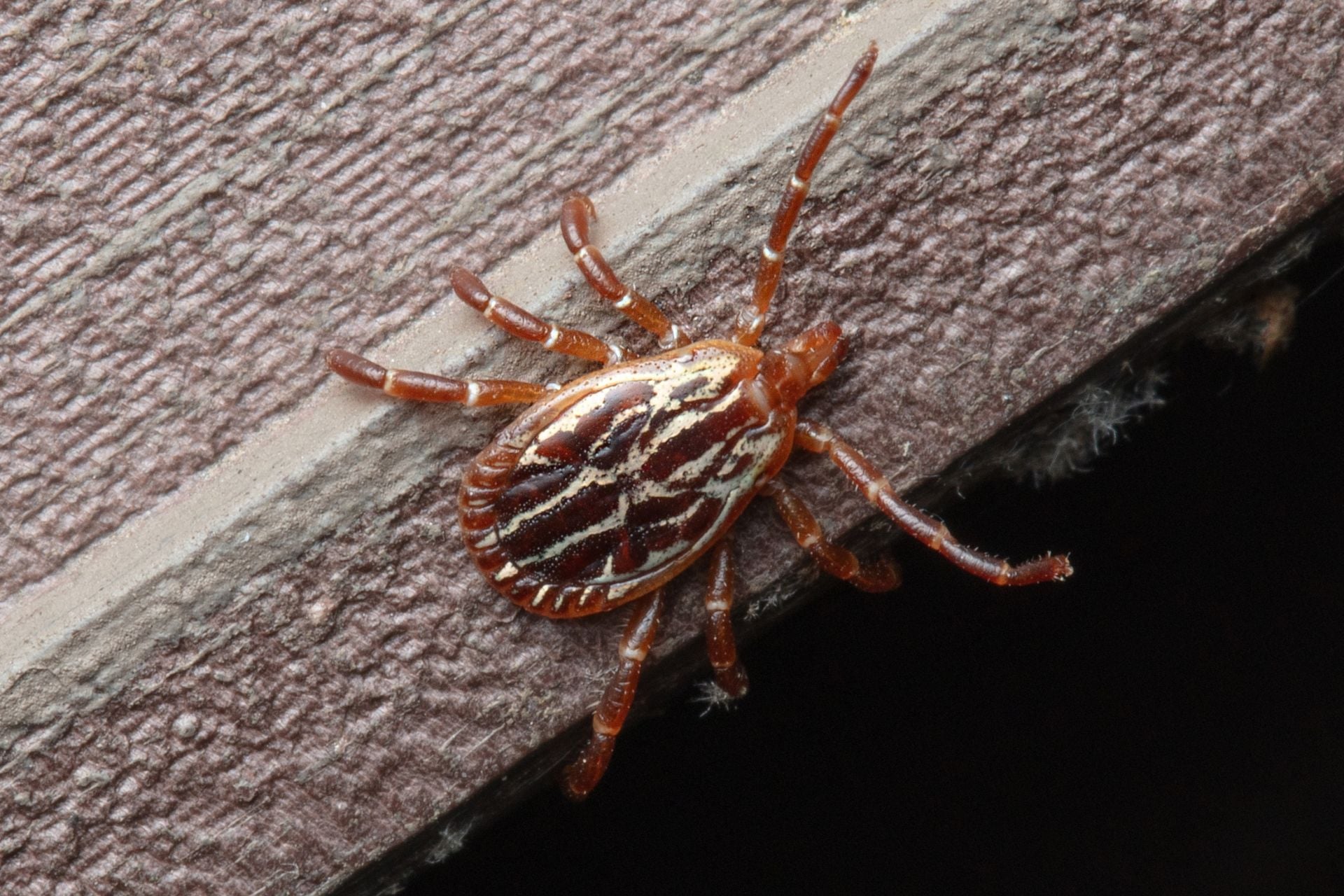
Ticks can spread many different ailments, including Lyme disease, Heartland virus, and Rocky Mountain spotted fever. The bite of some species can also trigger a strange condition that causes an allergy to red meat, known as alpha gal syndrome.
Tick season is typically between April and October, though exposure can happen anytime in the year. And the warming climate has allowed tick species in the U.S. to expand their geographical range and to survive longer into the colder months. As a result, cases of tickborne illness have risen over the years and will likely continue to climb in the years to come.
Right now, it’s estimated that nearly a half million Americans every year are diagnosed and treated for Lyme, making it the most common disease in the U.S. spread by arthropods (which includes insects like mosquitoes, as well as arachnids like ticks).

There is ongoing work to develop effective vaccines against Lyme and other tickborne illness. In the meantime, it will remain important to practice good tick prevention hygiene. The CDC advises people to wear repellent-treated clothing when visiting tick-friendly locations like wooded and brushy areas with high grass and leaf litter, for instance.
You should also carefully check that you, your clothes, and other items are tick-free whenever you come home from these endemic locations. And showering within two hours of these outdoor trips can further lower risk by allowing you to more easily examine your body and potentially wash off any ticks that haven’t attached to you.
“These simple steps can go a long way in protecting you and your family from diseases spread by ticks,” said Hinckley. “And if you develop a rash or fever in the days to weeks after a bite, or after being in an area with ticks, seek medical care promptly.”