Shark sightings are hitting record highs along U.S. coastlines as the apex predators seek cooler waters amid rising ocean temperatures.
This summer, beachgoers are on alert after receiving multiple warnings of shark sightings in popular spots like Rockaway Beach in New York, among others. Research suggests that warmer oceans are forcing several shark species to change their habits, adopting new migration paths that puts them further north during this time of the year.
Things are heating up
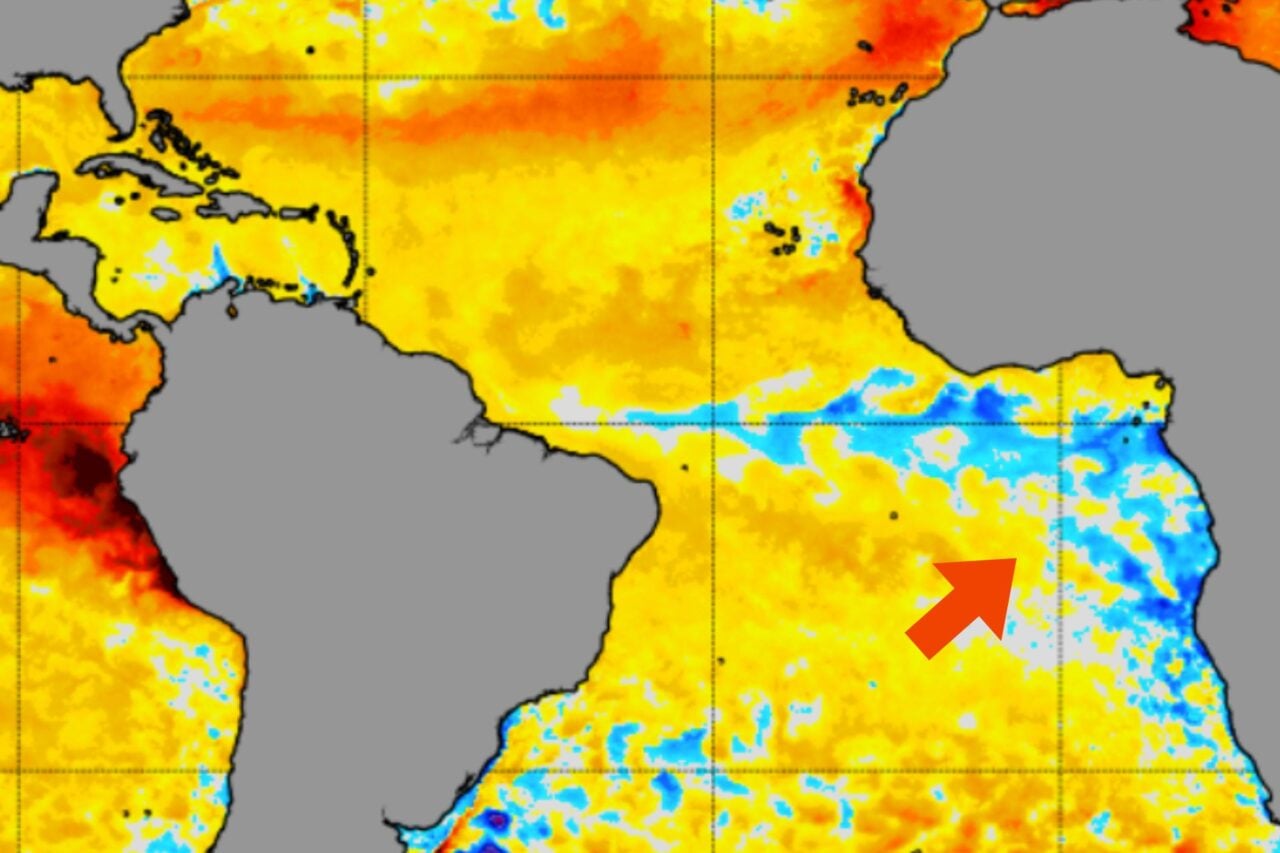
Over the past decade, the oceans have experienced record temperatures. The ocean absorbs most of the excess heat from greenhouse gas emissions, soaking up more than 90% of the heat trapped in Earth’s climate, according to the National Oceanic and Atmospheric Administration.
Cold-blooded sharks are not a fan of warm waters, and these increases are forcing them to adapt by shifting their geographic ranges to escape the heat. As a result, some species are expanding their range further north along the East coast.
In Rockaway Beach, New York, there’s been 23 shark sightings between late May to early July, with 16 of them occurring in the first week of July, NBC New York reported. Rockaway, as well as other popular beaches in New York, have been temporarily closed due to shark activity, and state park police are using drones to monitor the waters over the summer in an effort to keep beachgoers safe due.
Over In California, there’s been an increased number of juvenile great white sharks moving north due to rising ocean temperatures, as well. One video captured a juvenile great white shark leaping out of the water not too far from a person surfing on a boogie board.
Shifting habits
The rapidly warming ocean is pushing many marine species, including sharks, toward the poles as they seek cooler waters, especially in the summer. That means sharks are moving into new habitats and swimming along coasts where they weren’t usually present before.
That includes a shark named Ernst, a 12-foot-long (3.6 meters), 1,000-pound (450 kilograms) female great white who was first spotted off Montauk, New York, in June. The great white shark is following an unusual path north toward Atlantic Canadian waters, Newsweek reported based on data from marine research organization OCEARCH.
An even larger great white named Contender, measuring at nearly 14 feet long, appears to be following a similar path, making it one of the largest ever tagged in the Atlantic Ocean.
A study published in April found that western Atlantic bull sharks are altering their nurturing behavior to cope with warming water. The sharks are relocating near-shore habitats that they use as nursery sites farther up the East coast, moving their young toward temperatures generally preferred by the juveniles.
As a result of these shifting behaviors, there’s going to be more shark sightings where these apex predators aren’t normally seen. That may not necessarily be a bad thing since sharks are a good sign for a healthy ocean and they help regulate marine ecosystems.
“Sharks have been overfished and have been declining… when you see shark numbers increase, I think it points to their recovery,” Neil Hammerschlag, shark researcher, told NewsNation’s Morning in America.
Their presence isn’t necessarily a threat either since humans aren’t their preferred prey. You are actually more likely to get struck by lightning than get bitten by a shark, with a 1 in 3.7 million chance of suffering a fatal shark attack.