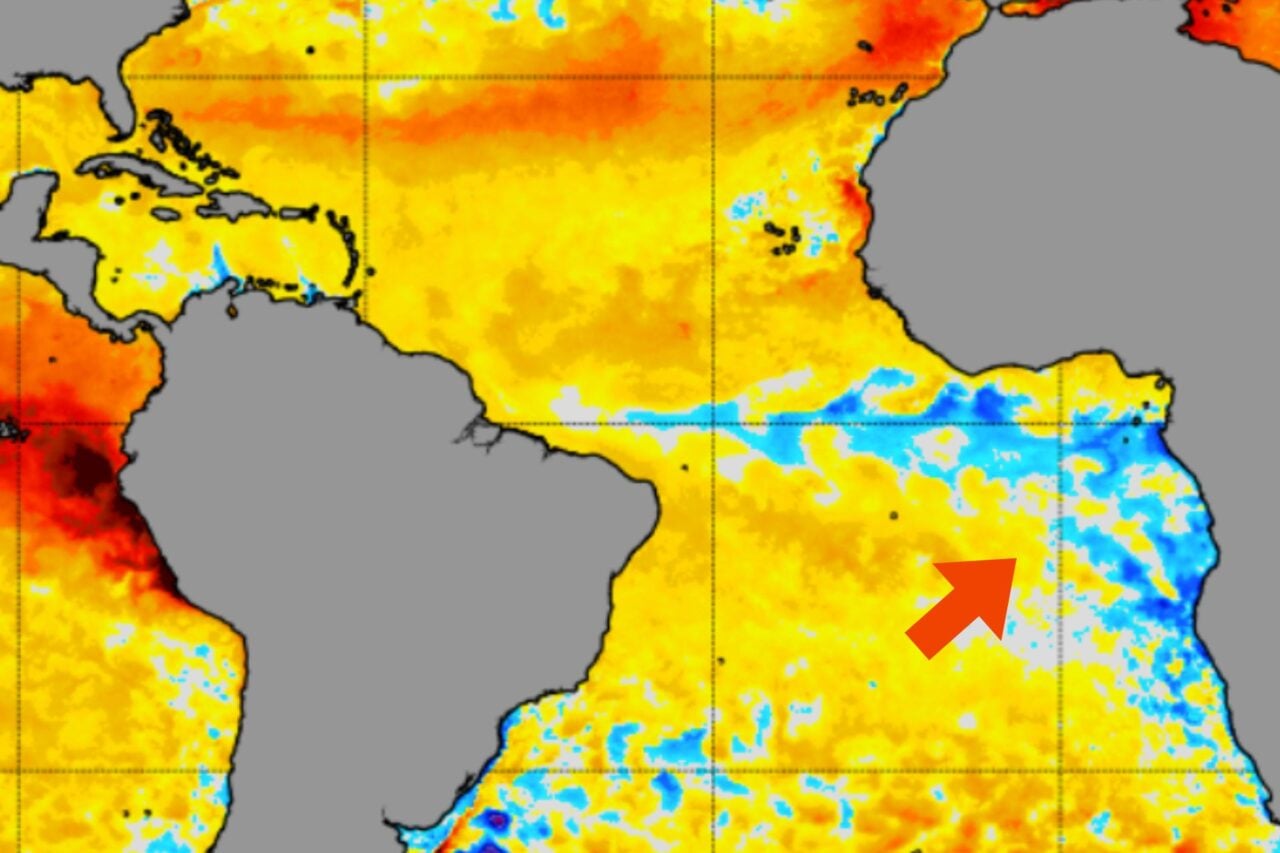
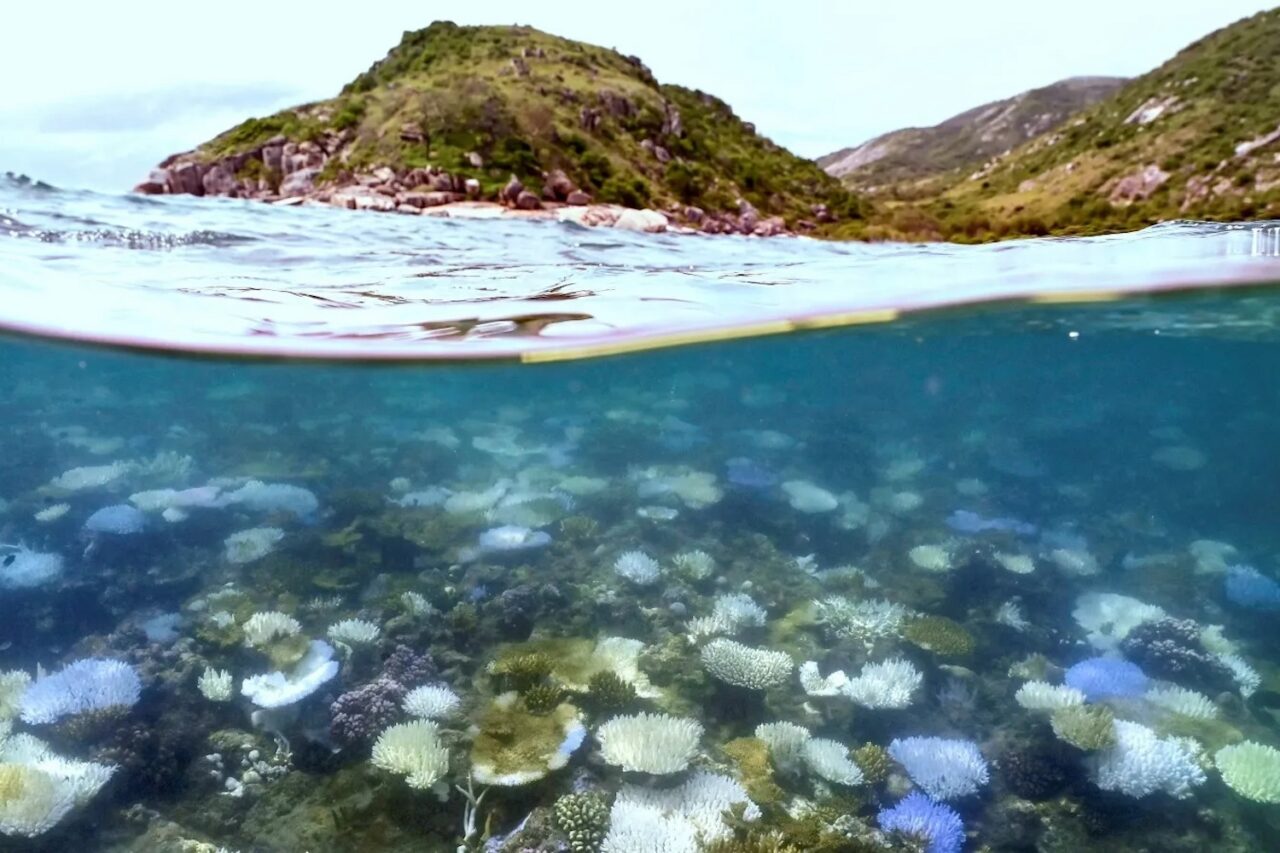
The global ocean heat content increased yet again in 2025, further raising the risk of catastrophic storms, sea-level rise, and coral bleaching.
The recovered carcass is believed to be a fin whale, the second largest species on Earth.
Researchers say our understanding of Earth’s largest biome is based on a tiny, unrepresentative sample dominated by just a few countries.
The tiny hitchhikers might be yucky, but they’re also a sign of a thriving deep-sea ecosystem.
Two squid species never before filmed alive just made their deep-sea debut—one after a century-long wait.
Ancient sponges and corals were found on the exposed seafloor, in an area previously inaccessible to humans.
The behemoth A23a calved in 1986 and has been drifting across the Southern Ocean for the last five years.
The veteran HOV can now officially dive deeper into the sea, broadening the horizons of scientific discoveries under the surface.
A new study finds that the rate of ocean warming has more than quadrupled over the past 40 years—and pinpoints why.
Rudiger Koch spent around four months in a 322.9-square-foot capsule 36 feet below the surface of the water.
Climate change is wrecking the delicate balance between groundwater and ocean water, according to new research.
The newly discovered predator sheds light on the surprising creatures that have evolved to thrive in some of the world's most extreme environments.
A nudibranch from the midnight zone has fingers on its tail, collects food with a hood, and glows.