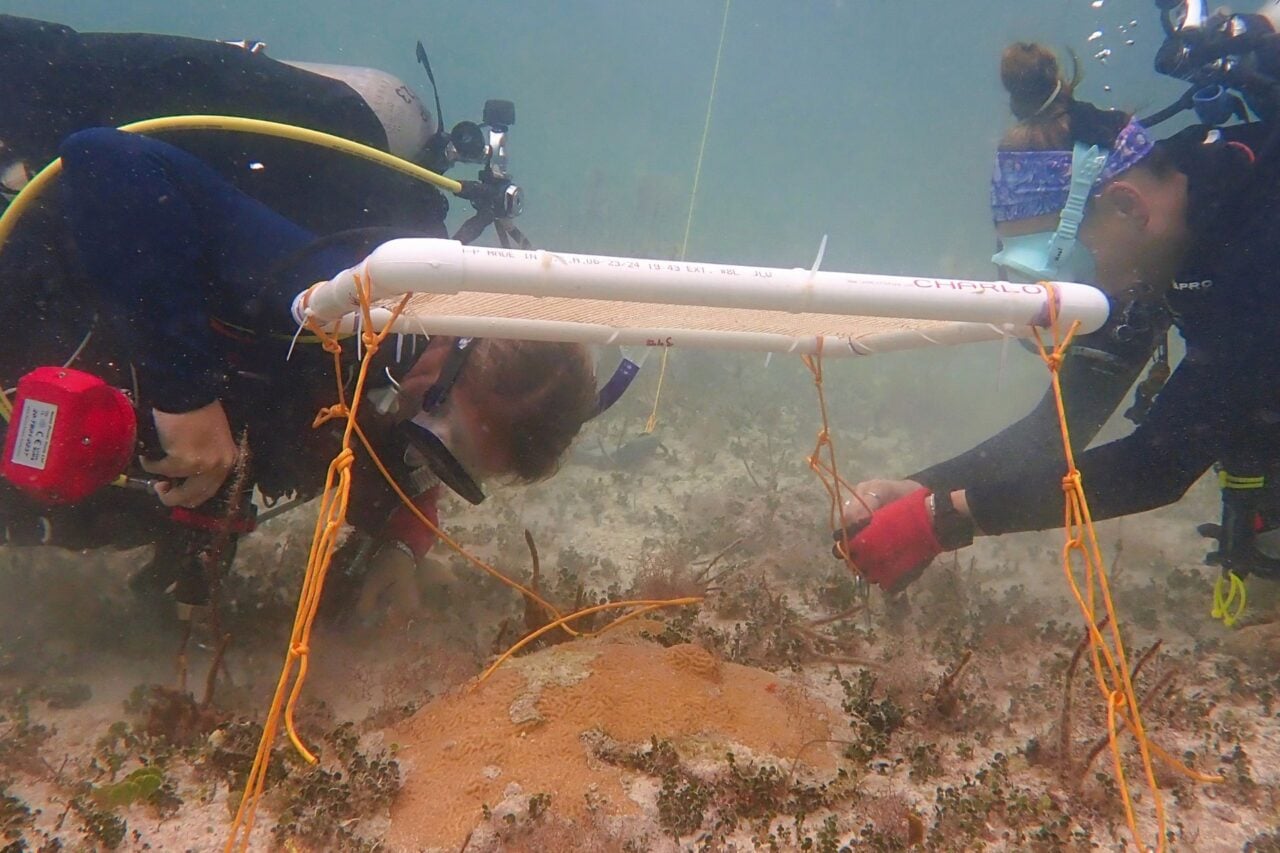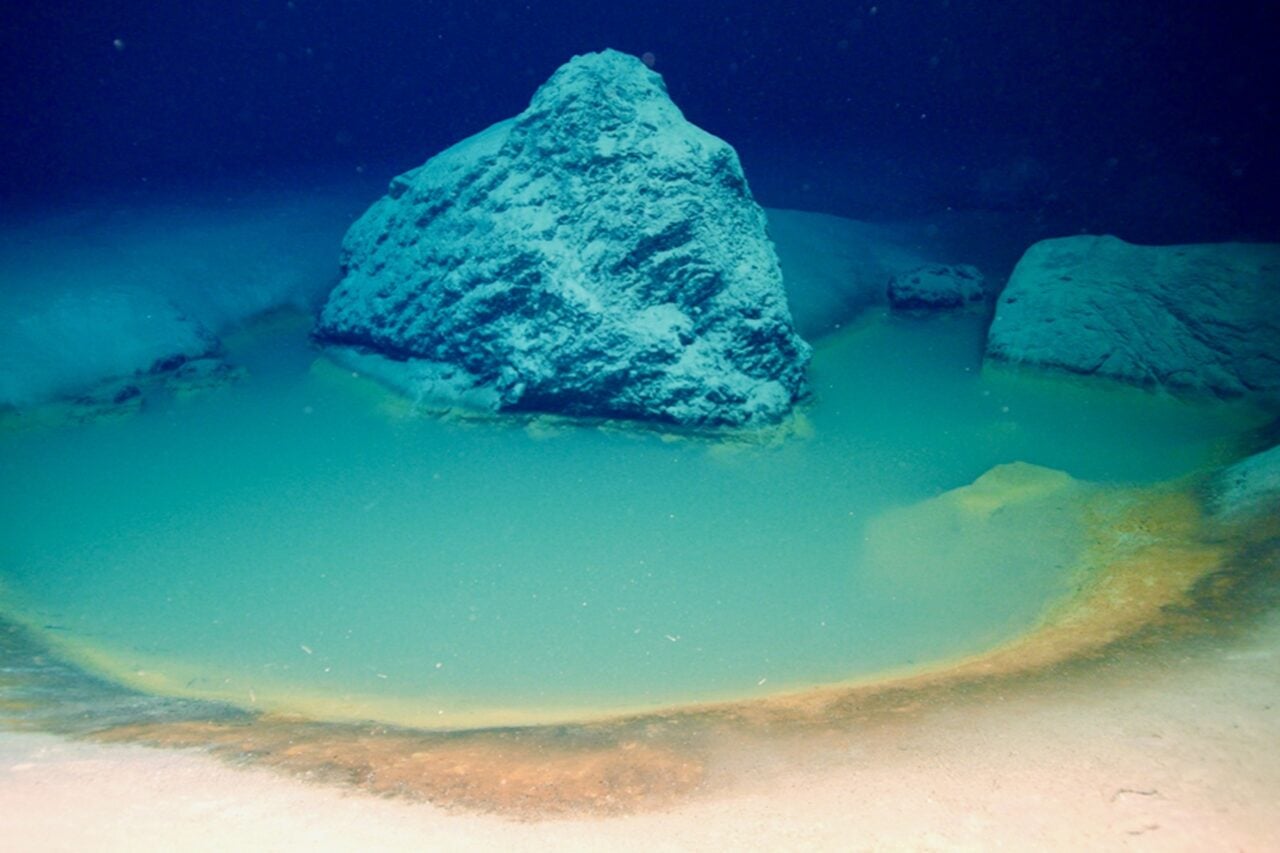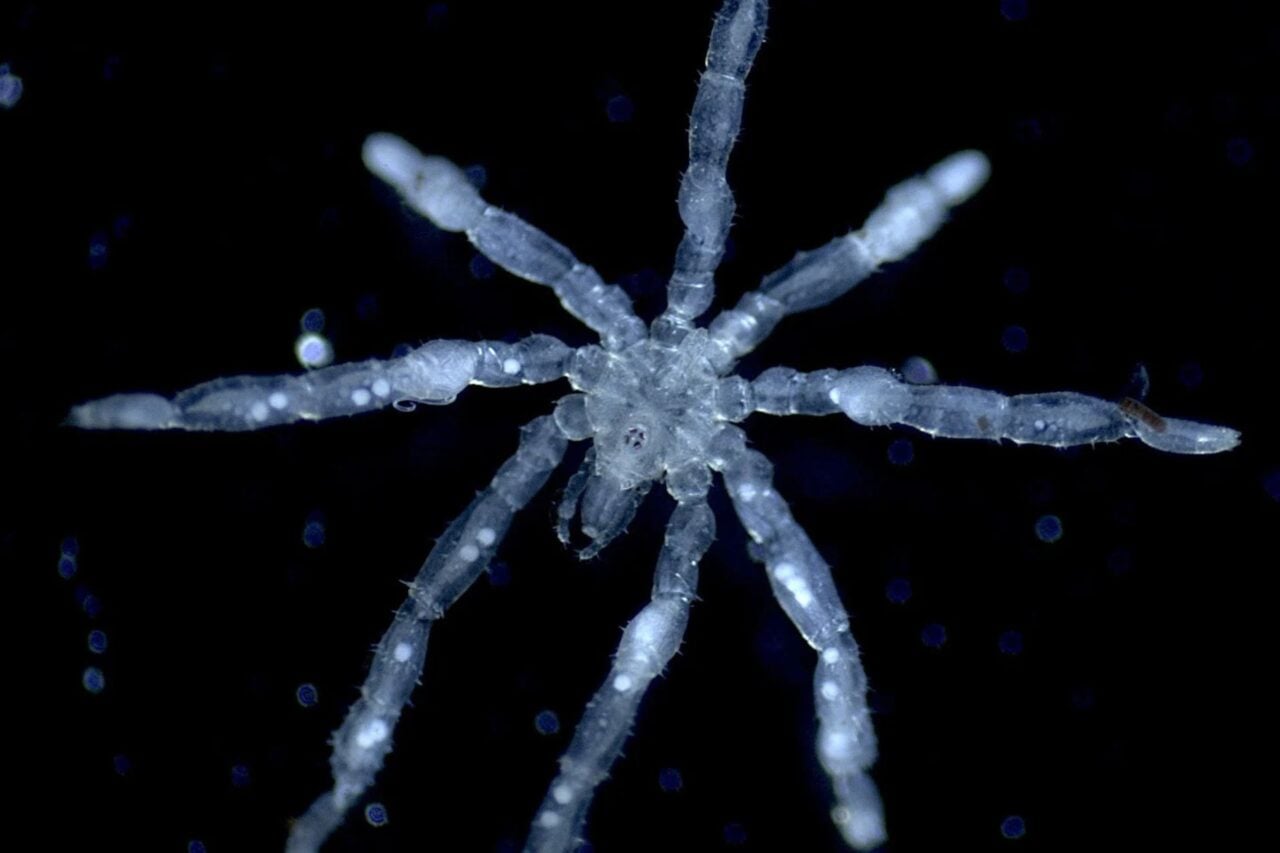
Oxygen, the element that sustains nearly all multicellular life on Earth, is disappearing from the world’s aquatic ecosystems. In a new review, scientists warn that this rapidly escalating, human-driven crisis threatens to upend the biosphere.
The paper, published June 30 in the journal Limnology and Oceanography, argues that aquatic deoxygenation should be added to the Planetary Boundaries framework. First introduced by a group of 28 internationally renowned scientists in 2009, the framework identifies nine ways that humanity is pushing crucial processes that maintain Earth’s stability and resilience past their limits. They are climate change, ocean acidification, biodiversity loss, atmospheric aerosol loading, stratospheric ozone depletion, freshwater change, land-use change, chemical pollution, and biogeochemical flows.
“The health and stability of our planet depends on the health and stability of aquatic ecosystems, which need oxygen to function normally,” lead author Erica Ferrer, a postdoctoral scholar at the University of California, Santa Barbara’s National Center for Ecological Analysis and Synthesis, said in a statement. “This study is designed to elevate the profile of aquatic deoxygenation as a global threat and show that it does not operate in isolation.”
How humanity is draining oxygen from Earth’s waters
Oxygen is a core component of water, represented by the “O” in H2O. But the oxygen bound up in water molecules isn’t available for organisms to use in respiration. Instead, they rely on dissolved oxygen, which is literally oxygen gas (O2) dissolved in water.
As carbon emissions drive up Earth’s average temperature, oceans, lakes, rivers, and other aquatic ecosystems are warming. Warm water holds less dissolved oxygen than cold water because the higher the temperature, the less soluble oxygen becomes. At the same time, warm surface layers prevent oxygen from mixing into deeper waters.
Then there’s nutrient pollution. Agriculture, wastewater discharge, stormwater runoff, and other industrial processes are dumping too much nitrogen and phosphorous into Earth’s waters, fueling massive algal blooms that ultimately decompose, consuming oxygen. Warming and excess nutrients also stimulate microbial oxygen consumption, leading to further reductions.
Globally, the ocean has lost roughly 2% of its dissolved oxygen since the 1950s, and scientists expect it to lose another 1% to 7% by the end of the century, according to Copernicus, the European Union’s Earth observation and environmental monitoring initiative. While that may not sound like a significant reduction, it doesn’t take much to deprive organisms of the oxygen they need and upset delicately balanced aquatic ecosystems.
The case for a tenth planetary boundary
The Planetary Boundaries framework is designed to help humanity understand and operate within safe limits for human pressure on nine critical Earth processes. We’ve already breached seven of them, namely climate change, biosphere integrity, land system change, freshwater use, biogeochemical flows, pollution, and ocean acidification.
In this review, Ferrer and her colleagues synthesize “important, in some cases poorly understood” interactions and feedbacks between deoxygenation and all nine of the established planetary boundaries. They concluded that deoxygenation “interacts with and extensively modulates other boundary processes, including climate change, nutrient loading, biodiversity loss, and aerosol loading.”
“Given these interactions and current rates of oxygen loss, we argue that aquatic deoxygenation is approaching an ‘unsafe space,’ with Earth-system impacts that are likely to be irreversible in our lifetimes,” the study states.
The researchers propose four indicators that scientists can use to assess the status of aquatic deoxygenation and eventually define a global boundary for it within the framework. Those indicators are dissolved oxygen concentration (and the prevalence of extremely low or negligible levels); how close the water is to its dissolved oxygen capacity; changes in oxygen-sensitive plants and animals; and a measure called the Metabolic Index, which compares how much oxygen organisms need with how much is actually available.
Ferrer and her colleagues hope adding aquatic deoxygenation to the Planetary Boundaries framework will not only call attention to this growing ecological threat but also give humanity a roadmap for tackling it. Still, whether their warning leads to meaningful action remains to be seen.