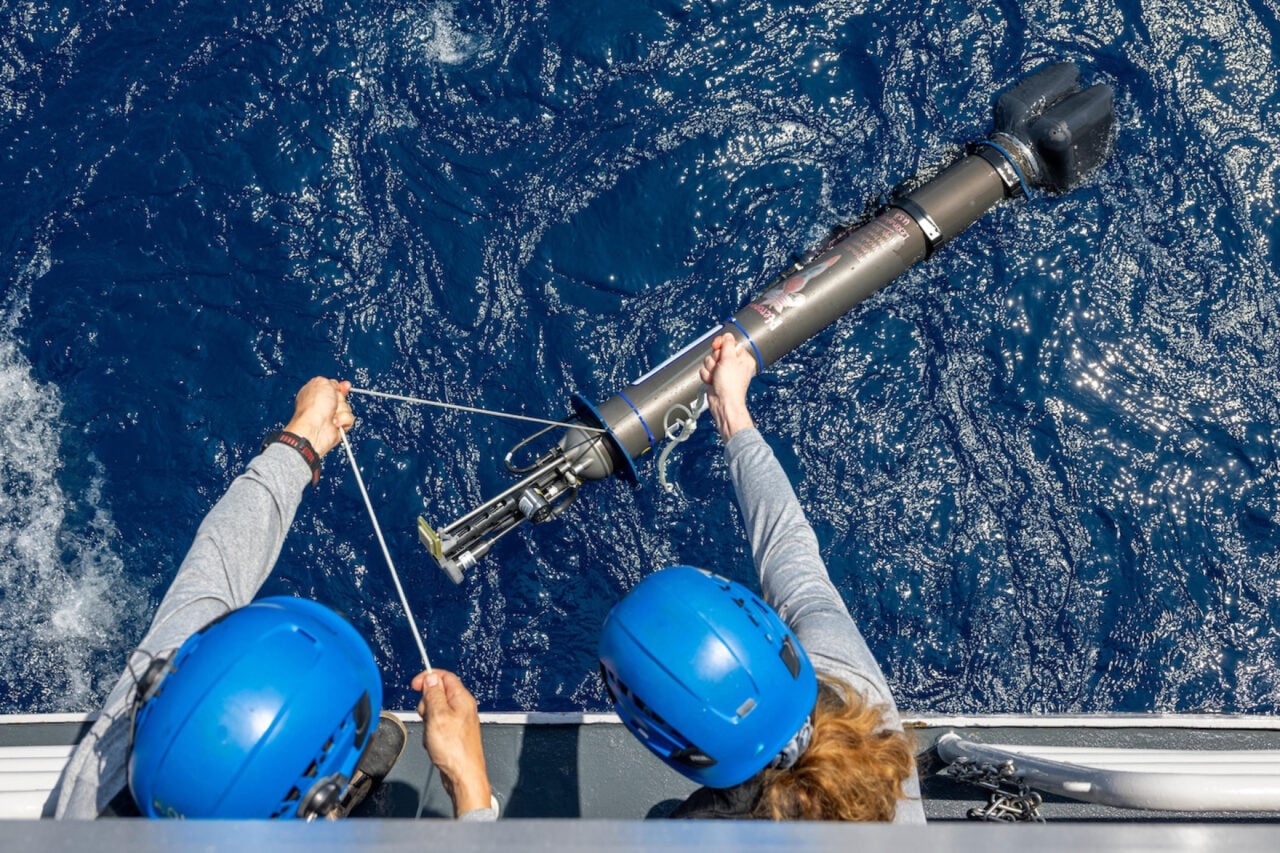
A trove of robotic floats is bringing our knowledge of the deep sea to new depths.
The researchers aren't sure yet why exactly, but the whales do seem to be having a good time.
A detailed investigation into these strange creatures is finally giving scientists and fishermen valuable clues about when and where they strike.
The two top predators seem to be working together to track, kill, and feast on salmon, researchers say.
The discovery could hold serious implications for the mining industry.
The pointy shell of sea urchins hides a remarkably complex neural network that resembles the brains of vertebrates, new research suggests.
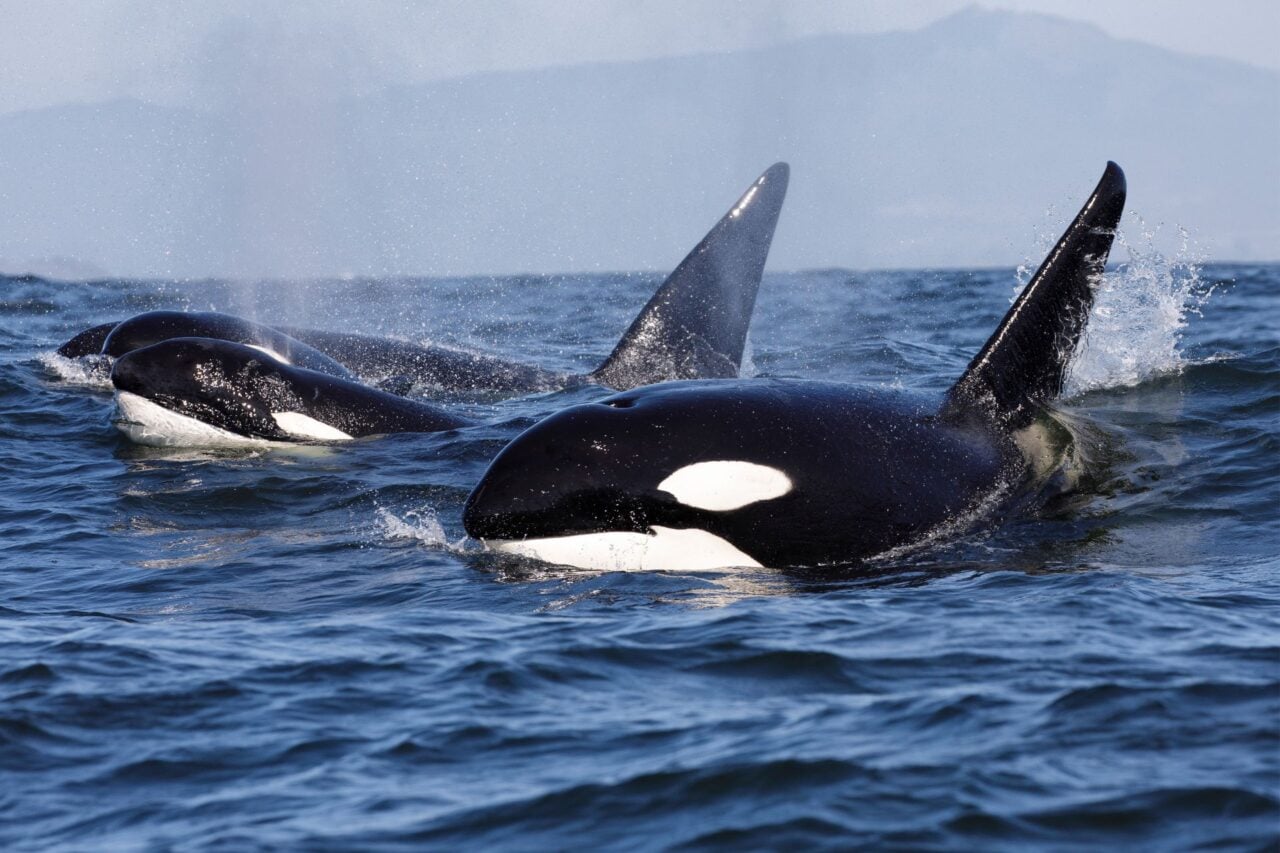
A pod of orcas in the Gulf of California have learned to effectively paralyze juvenile great white sharks.
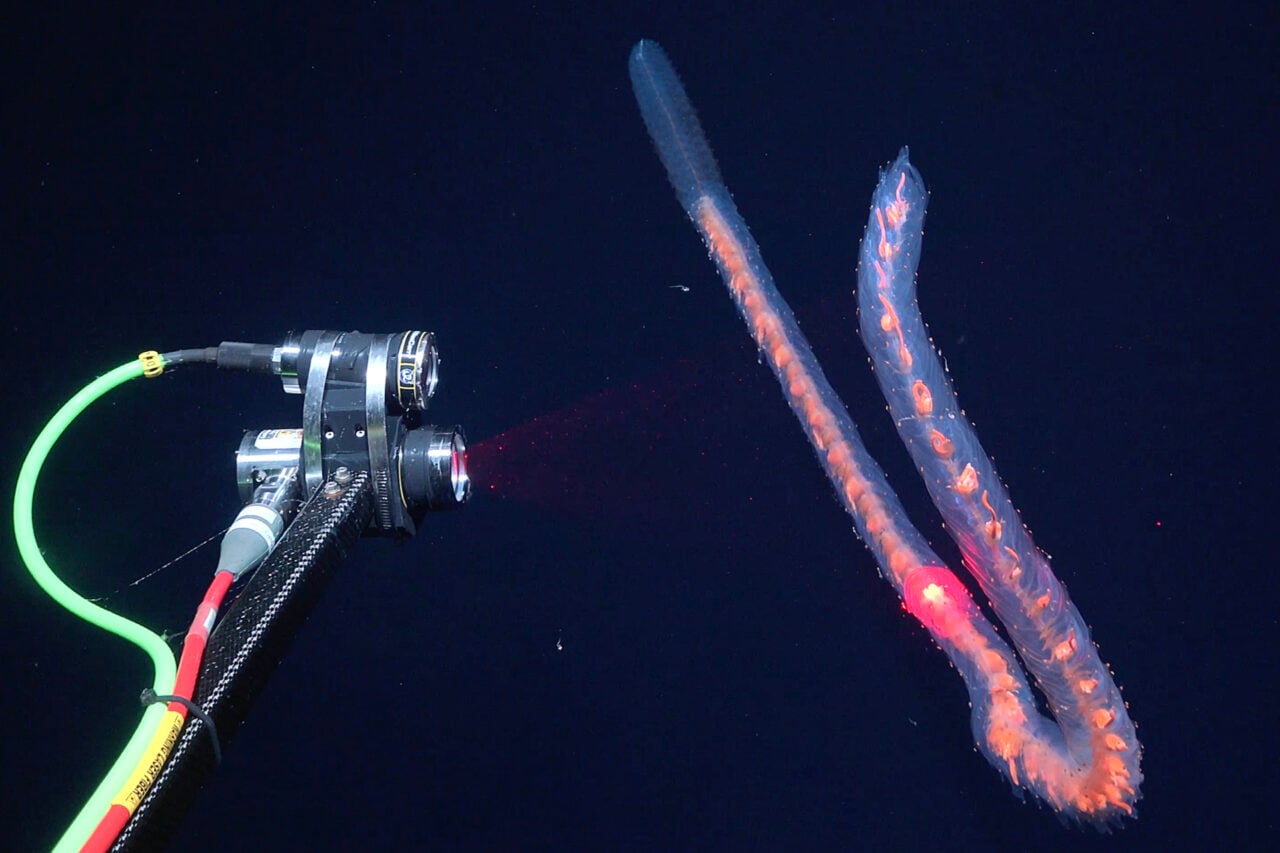
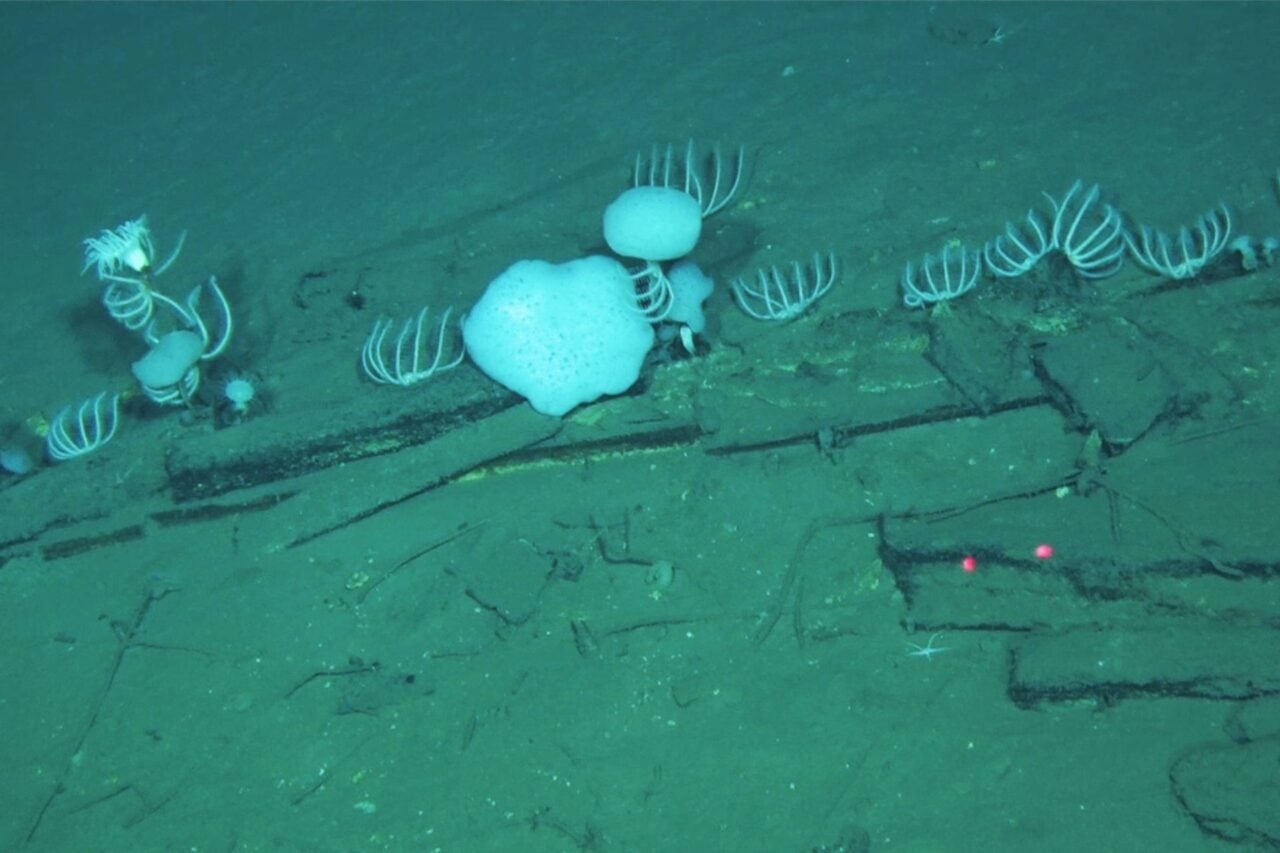
Researchers are not even halfway through analyzing the thousands of samples collected from the Southern Ocean, but they've already discovered 30 new deep-sea creatures.
Researchers first tagged the 13.8-foot-long (4.6 meters) shark off the coast of Florida and Georgia.
A new study has found evidence to suggest that warheads tossed into the sea can serve as viable habitat for several species of marine life, but that doesn't mean we should leave them at the bottom of the ocean.
The winners of the 2025 Ocean Photographer of the Year competition captured the ocean and its wildlife like you’ve never seen before.
Little is known about how leopard sharks mate in the wild. Rare footage shows a female doing the deed back-to-back with two different males.
Scientists discovered these peculiar, tiny creatures swimming in the deep sea near California.
Whale sharks are getting brutalized by tourists and fishers, new research shows.
Yes, that seabird soaring above your head will poop on you—for very scientific, evolutionary reasons.
The remarkably stiff and durable teeth of a common mollusk species could offer invaluable insights for future technological advances, scientists say.
In 2023, a tourist stumbled upon a jellyfish species not seen since 1976. A follow-up investigation strongly suggests these jellies are very much alive and swimming.
Researchers have discovered a highly specialized community of sea creatures living 6 miles beneath the ocean surface—deeper than any found before.
Whale bones retrieved from prehistoric shores are shedding light on how humans lived—and hunted—along Europe's vanished coastlines.
Animal welfare organization TideBreakers is calling for international action, warning that a killer whale mother and her calf could be euthanized.