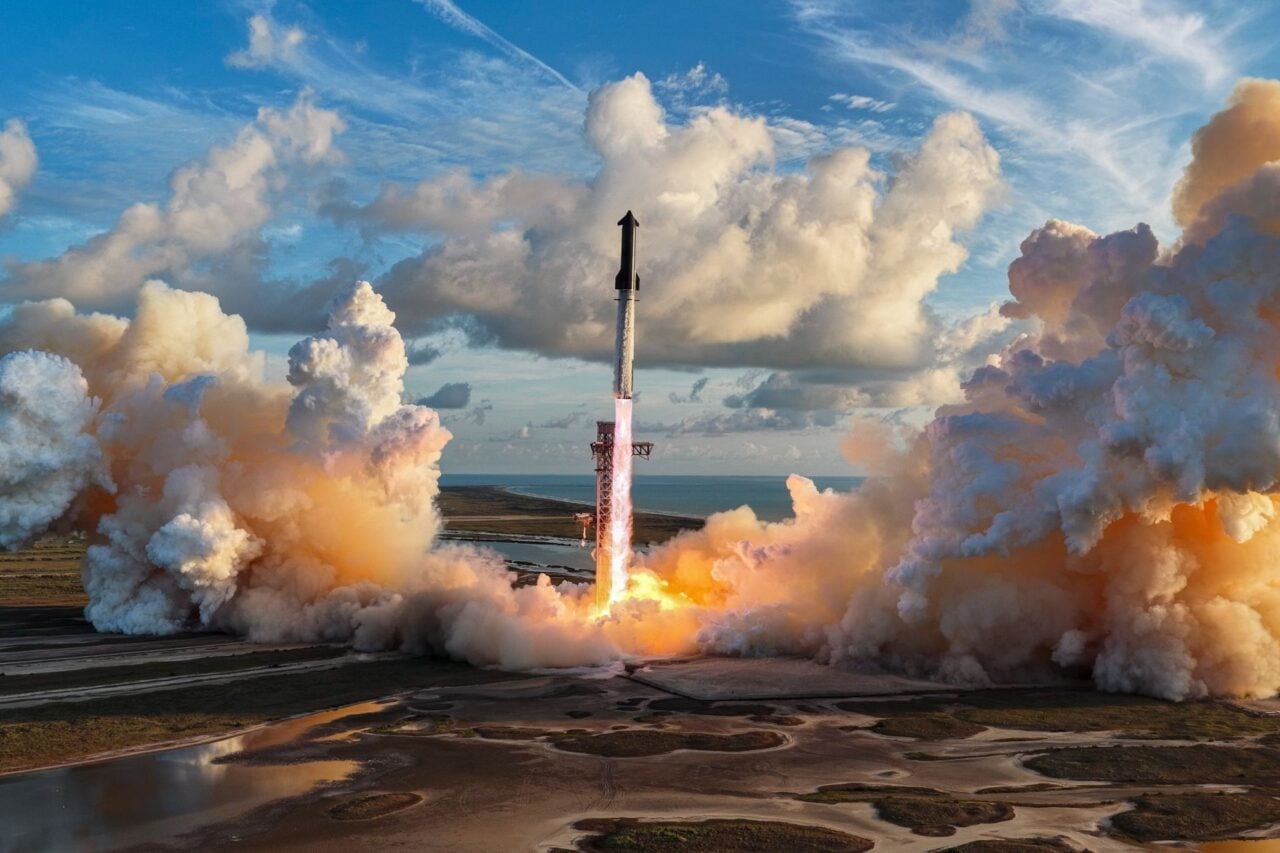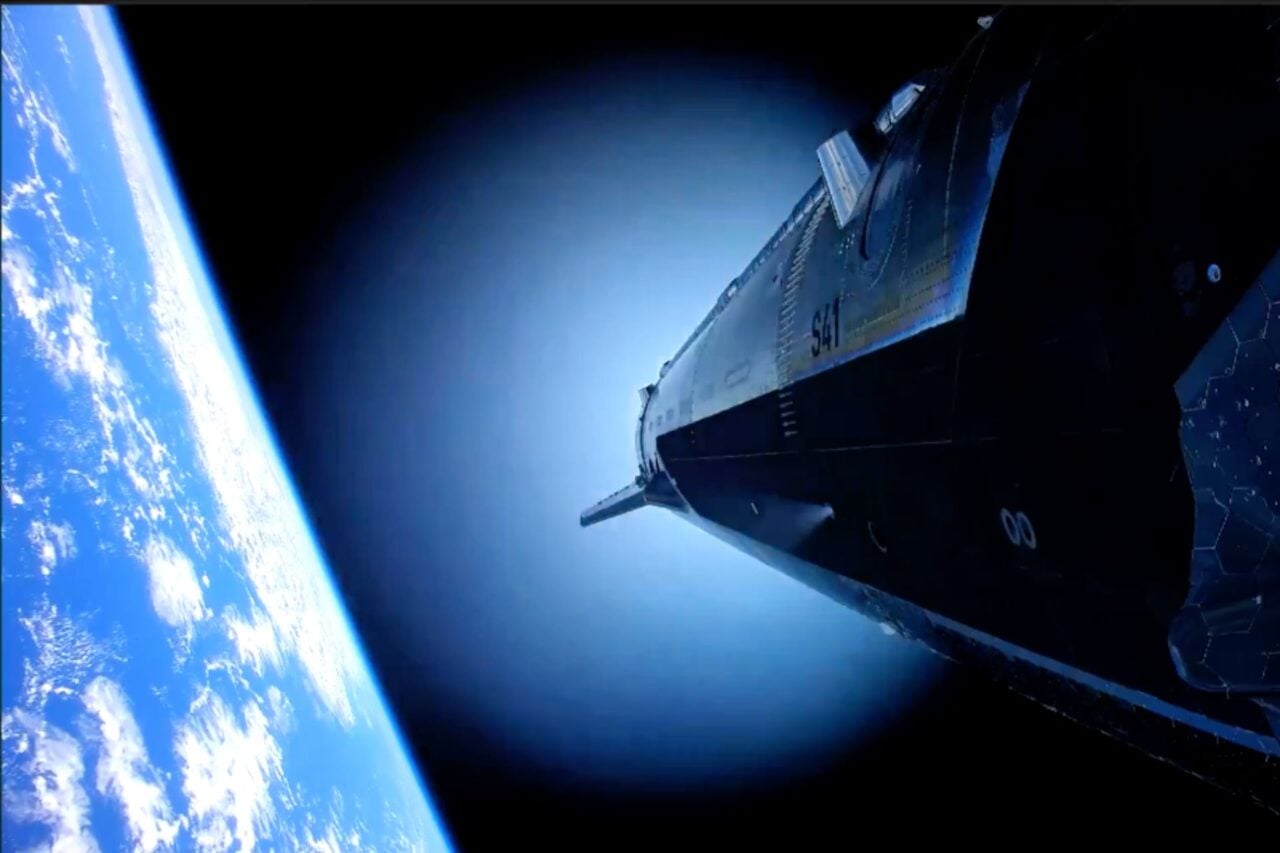
Update: Friday, May 22, 6:40 p.m. ET: Starship V3 launched from Starbase, Texas, at 6:30 p.m. ET on Friday, May 22. Once in space, the Super Heavy V3 booster successfully separated from the Starship upper stage at 6:33 p.m., though the upper stage lost an engine in the process. The booster splashed down in the Gulf of Mexico at 6:37 p.m. ET.
Update: Thursday, May 21, 7:45 p.m. ET: SpaceX stood down from its Thursday evening launch attempt and will try to launch Flight 12 during a window that opens at 6:30 p.m. ET on Friday, May 22. The broadcast (provided below) is slated to begin at 5:58 p.m.
The original article follows.
Alright, we don’t want to jinx it, but it’s looking like SpaceX will finally attempt to launch Starship V3 during the evening of Thursday, May 21. This new iteration of the company’s super-heavy-lift rocket is the biggest, most powerful launch vehicle ever built. A successful maiden voyage could signal the start of a new era for SpaceX—and the spaceflight industry writ large.
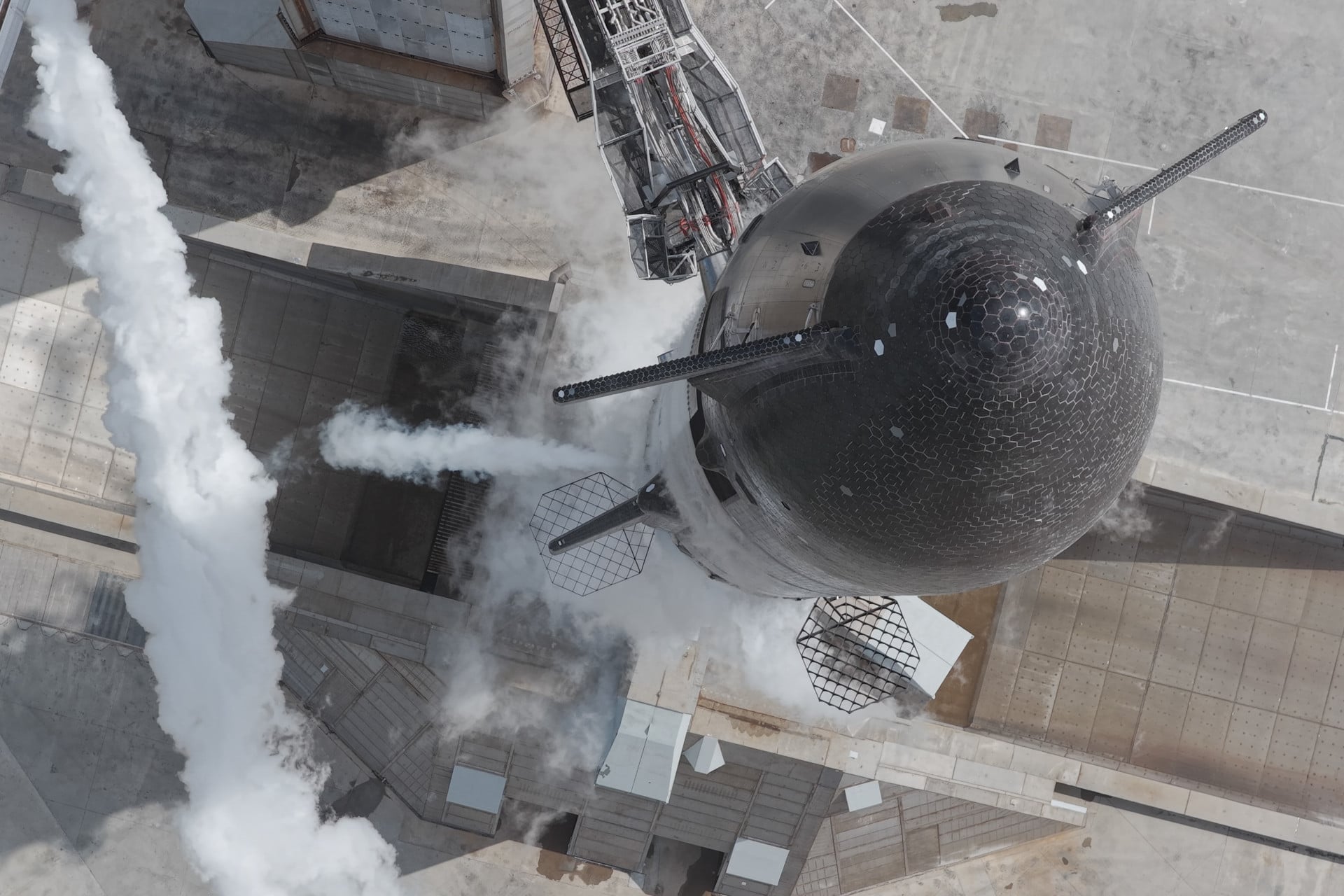
Late Tuesday evening, SpaceX shared several photos of Starship V3 getting stacked on the launch pad at Starbase, Texas. The company had planned to launch Flight 12 on Tuesday but has bumped the mission back by 24 hours every day since Sunday. Now, the latest target appears to have stuck. As of Wednesday afternoon, SpaceX is aiming to launch Starship V3 during a window that opens at 6:30 p.m. ET on Thursday.
SpaceX’s live webcast of the flight test will begin about 45 minutes before liftoff, and you can watch via the company’s website, its X page, or any of the third-party livestreams below.
Watch Starship's twelfth flight test https://t.co/caRB1thMlg
— SpaceX (@SpaceX) May 22, 2026
Starship V3 faces its first test
This mission will be the 12th test flight of SpaceX’s Starship rocket, but the first for this version of the vehicle. CEO Elon Musk has said that almost every part of Starship V3 is different from its predecessor, Starship V2. Indeed, engineers not only made this rocket bigger but also gave it numerous upgrades to support increased payload capacity and—in theory—quicker turnaround between flights. Starship V3 is also designed for orbital refueling, which will be critical for missions to the Moon and beyond.
The rocket’s journey to the pad hasn’t exactly been smooth. It has faced several setbacks during pre-launch testing, including a booster explosion in November and a Raptor 3 engine blowup in April. As for the repeated Flight 12 delays this week, SpaceX has not offered an explanation, but the Occupational Health and Safety Administration is currently investigating the death of a contractor who reportedly fell from a scaffold at Starbase on Friday. It’s unclear whether the incident is related to the delays.
Despite this, the targeted Thursday launch window continues to hold firm. The primary goal of this flight test will be to demonstrate each new element of Starship V3 in the flight environment, validating its capabilities. The booster’s main objectives will be executing a successful launch, ascent, stage separation, boostback burn, and splashdown in the Gulf of Mexico. Since this is the booster’s first flight, SpaceX will not attempt to catch it using the Mechazilla launch tower’s chopstick arms.
Following booster separation, the Starship upper stage will continue on a suborbital trajectory. While in space, it will deploy 20 dummy Starlink V3 satellites and two modified Starlink satellites that will use cameras to beam imagery of the Starship’s heat shield back to Earth. SpaceX will also attempt to relight one of the upper stage’s Raptor engines in space. About 65 minutes after liftoff, Starship will reenter the atmosphere for a controlled splashdown in the Indian Ocean.
If this all goes according to plan, Flight 12 will mark a major milestone for SpaceX’s Starship program. The company needs to prove that V3 is ready to fly before it can ramp up its launch cadence. This test flight is the first step toward commercial viability, which would open the door to missions that are currently too ambitious to launch.