If May proved anything, it’s that gadgets are getting more premium and pricey by the day. As just one example, major gaming consoles like the Nintendo Switch 2 and Steam Deck OLED suffered price hikes this month due in large part to the ongoing RAM price apocalypse. We’ll likely see laptops, phones, and other tech get more expensive in the months ahead.
Outside of pricing news, Google’s big I/O developer conference came and went, featuring wall-to-wall Gemini stuffed into everything. There was little room for gadgets when Google was too busy finding ways to reinvent Search, though the company did offer more enticing details about the upcoming Android XR smart glasses—sorry, I meant “intelligent eyewear”—as well as AR spectacles.
When looking back at May, there sure was a heap of expensive gear. At least, a lot of them were really strong contenders in all their respective categories.
Anker Solix E10
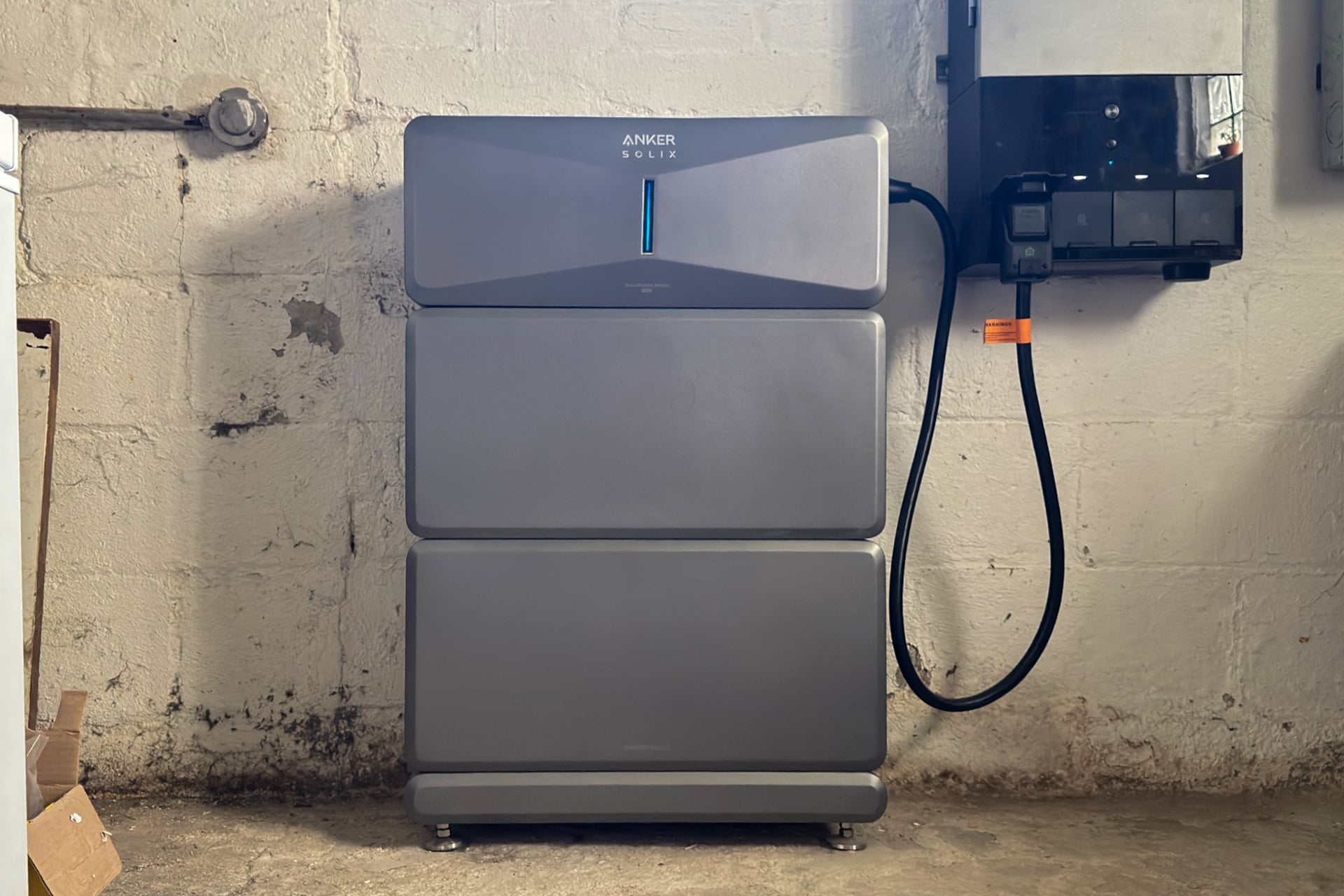
The U.S. power grid isn’t looking too hot these days. And with natural disasters becoming more prevalent due to climate change, you’re probably investigating what you’d need should you lose power. Anker’s Solix E10 is one of the most modular backup home battery systems we’ve seen yet. You can stack up to five batteries in a single power module, and you can connect up to three of these power banks in one unit. The Solix E10 is not cheap, but it is more affordable than some of the competition, such as Tesla’s 13.5kWh Powerwall 3 all-in-one system.
Bose LIfestyle Ultra Speaker
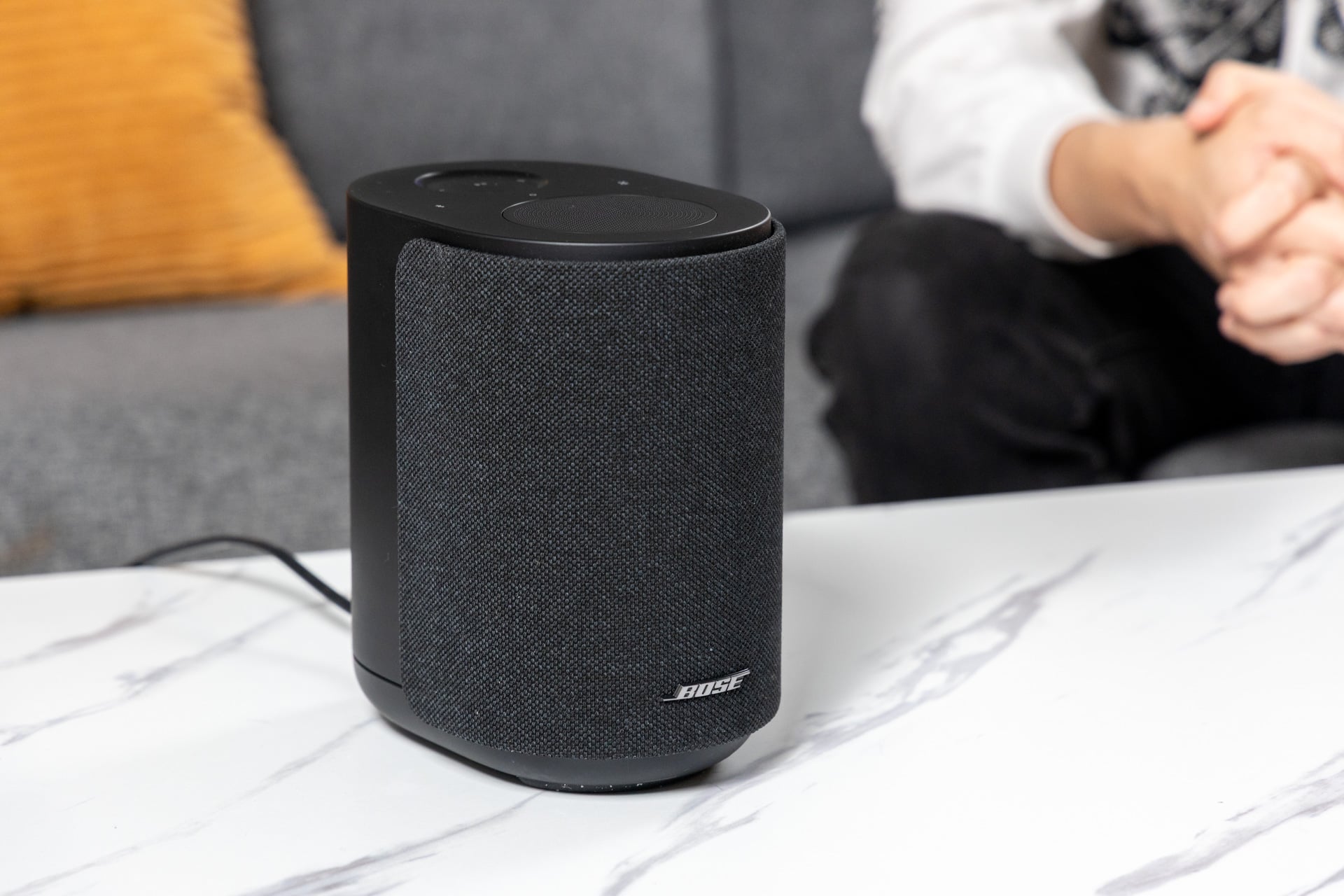
Bose’s new Wi-Fi speakers are so good, they should make Sonos sweat bullets. The company’s new Lifestyle Ultra Speaker produces impeccable sound quality when paired up with your Wi-Fi network. They’re wired speakers, meaning you’ll need to keep them at home, but we found they had room-filling, quality audio enough that you may even want two to create a stereo pair for some head-banging spatial audio.
See Bose Lifestyle Ultra Speaker at Amazon
reMarkable Paper Pure
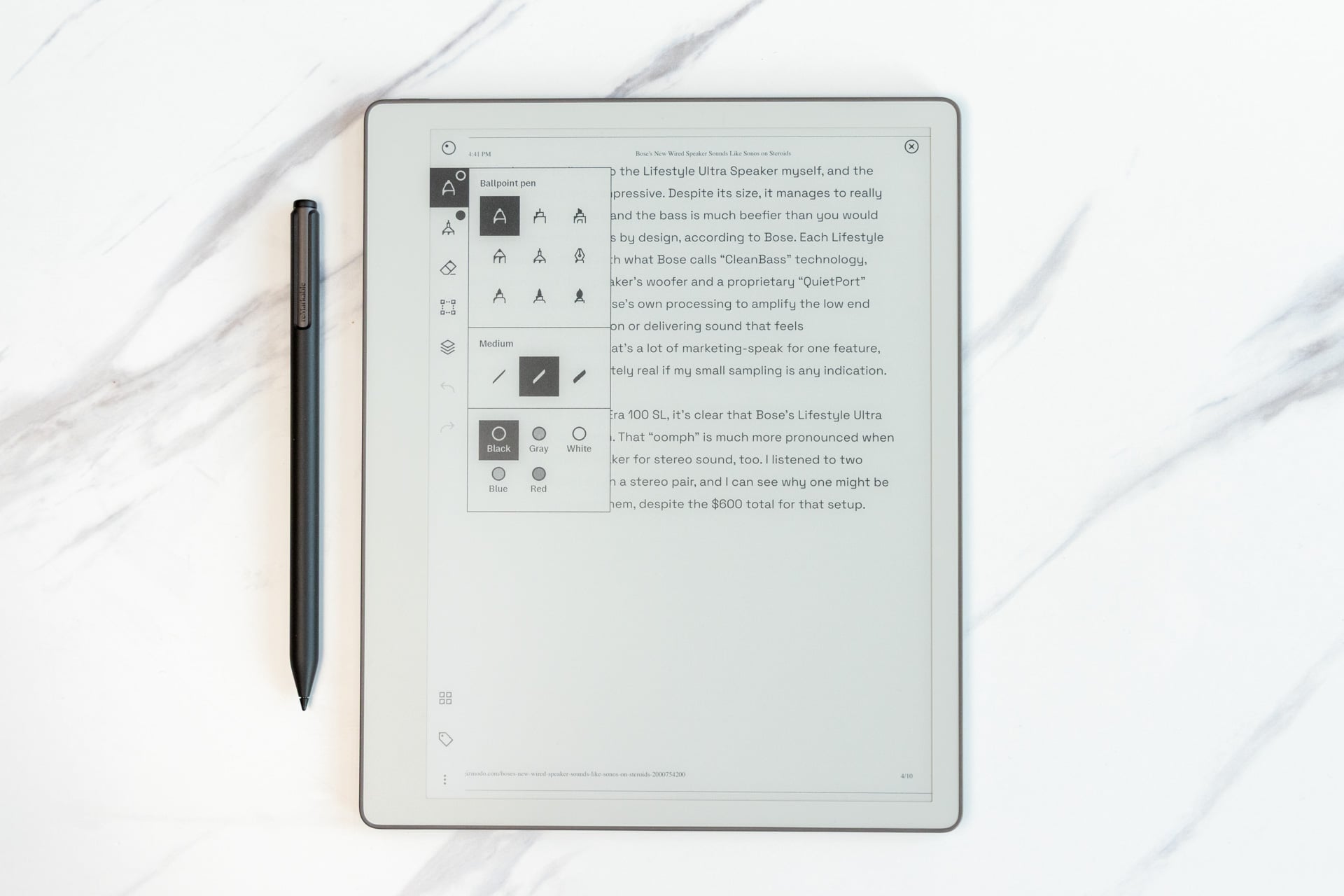
The company that brought us the reMarkable Paper Pro and Paper Pro Move keeps racking up wins in E Ink tablets. The Paper Pure is the reMarkable’s black-and-white entry-level tablet, though despite its plastic design, the screen is a real pleasure. The Paper Pure features a faster refresh rate than the company’s color E Ink tablets. It’s a small bundle of note-taking joy that may be the best e-reader or E Ink notetaking device for students who can’t lug around any more textbooks.
Fitbit Air

Google is going after Whoop’s popular fitness tracker with a wearable you can actually own without needing to constantly pay for a subscription. The $100 Fitbit Air sticks a slew of health-based sensors, like a heart rate monitor, inside a slim, flexible band you can wear all day and night—up to around a week on a single charge. Like last year’s Polar Loop band, you can access the majority of its health and sports tracking features without needing to pay extra for an annual subscription. It’s meant to work with Google’s revamped Fitbit app, named Google Health, though you may want to wait for the company to remedy all the complaints users have had with the recent redesign.
See Google Fitbit Air at Amazon
Alienware 16 Area-51 (2026)

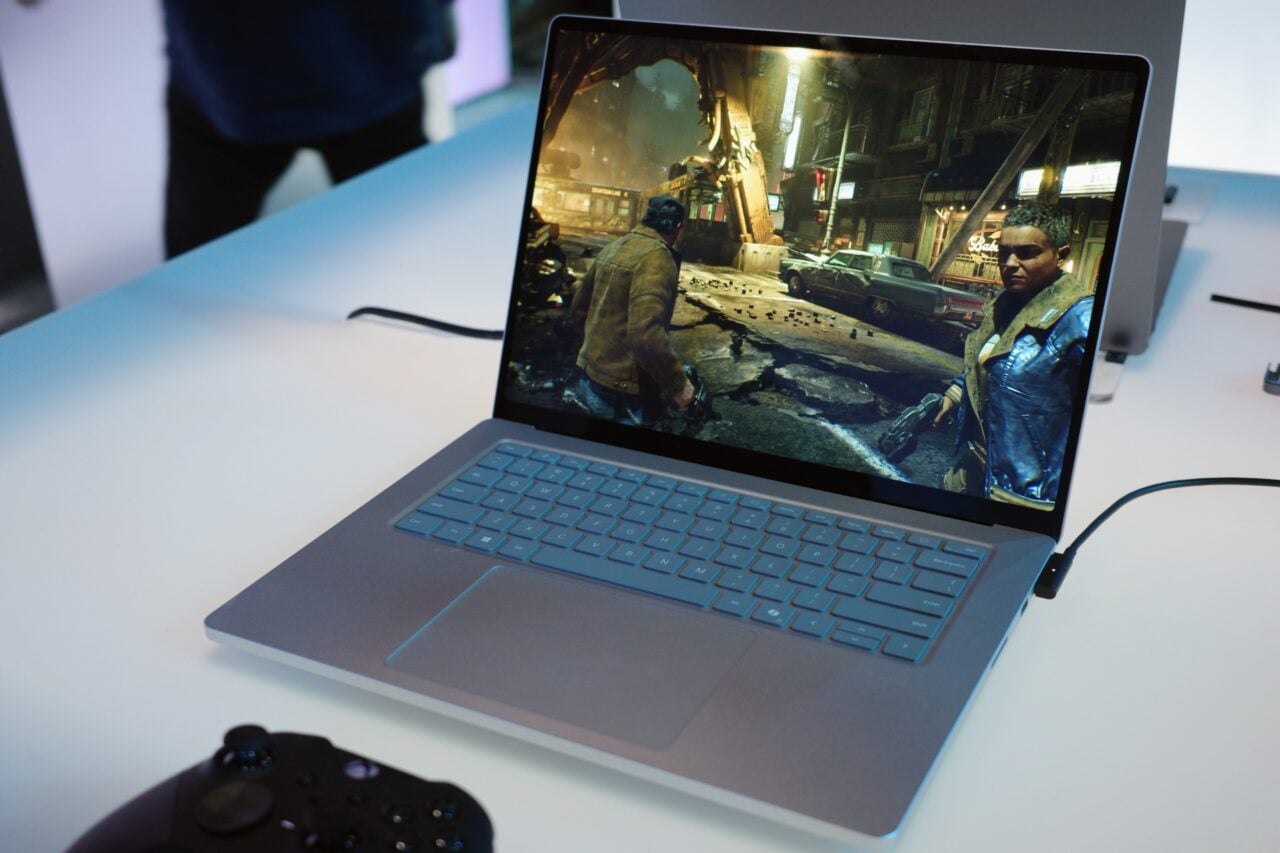
For laptops that can replace your desktop gaming PC, none feel more responsive or pretty to behold than Alienware’s revamped 16-inch Area-51. Unlike the 2025 model, this new version comes with an OLED display as well as an anti-glare filter to make it legible even in daylight. Not to put too fine a point on it, the laptop has one of the best gaming laptop keyboards we’ve used. With the top-end specs and a new Intel Core Ultra 9 290HX Plus CPU, it’s also one of the best-performing laptops today. It’s so large and so expensive, you shouldn’t leave home with it, but we still enjoyed the hell out of it just sitting on our desk.
Soundcore Liberty 5 Pro Max
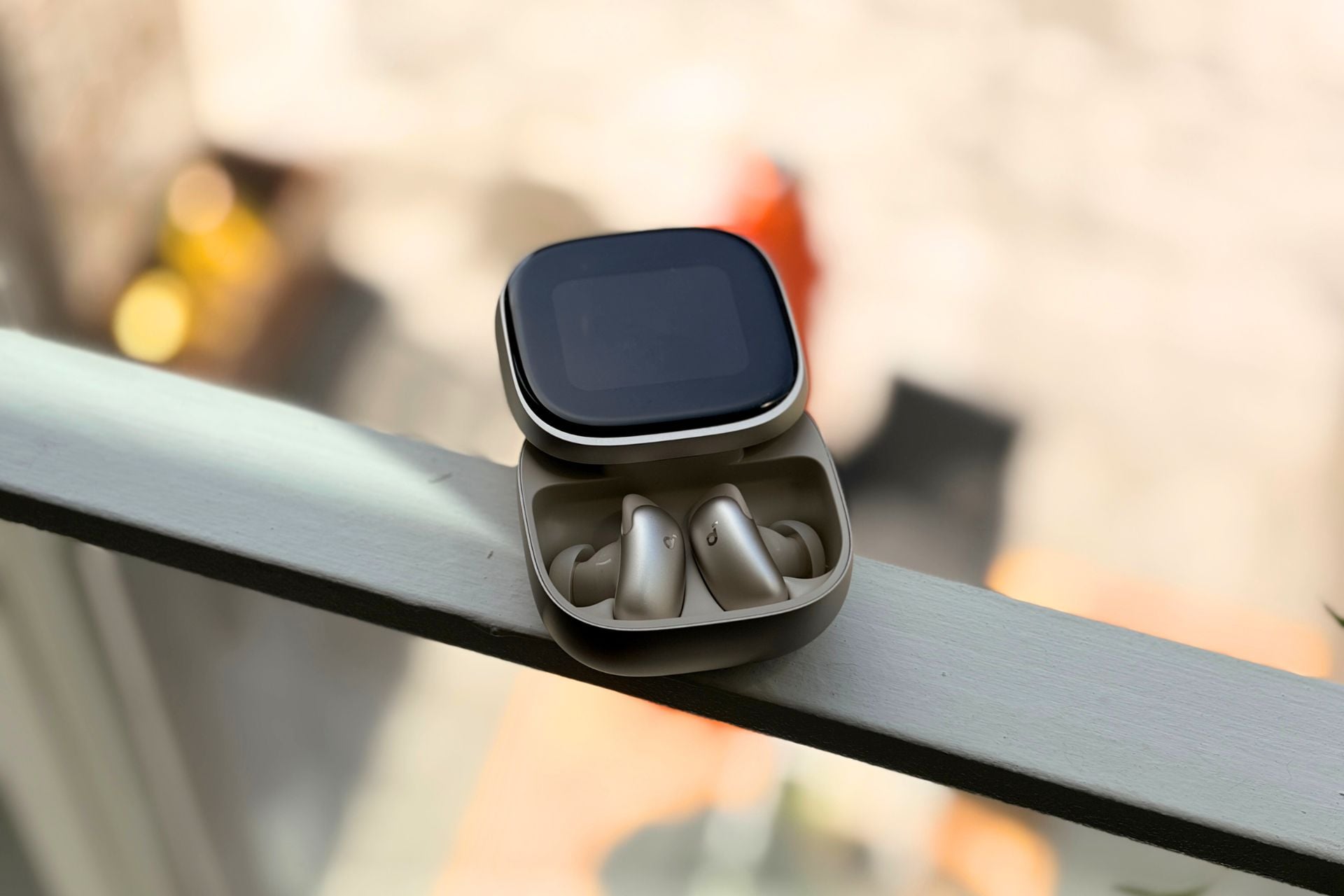
Do you really need a screen on your wireless earbuds case? Maybe not, but the Anker Soundcore Liberty 5 Pro Max still has enough features to make it worthwhile. Anker’s Thus chip built inside these buds enables some of the best active noise-canceling capabilities we’ve heard in a pair of wireless earbuds. You can practically tune out an entire rattling subway car just with these two buds sitting comfortably in your ears. Otherwise, the case features a unique recording and AI transcription ability that, as journalists, we found especially appealing.
See Soundcore Anker Liberty 5 Pro Max at Amazon
Logitech G G512 X
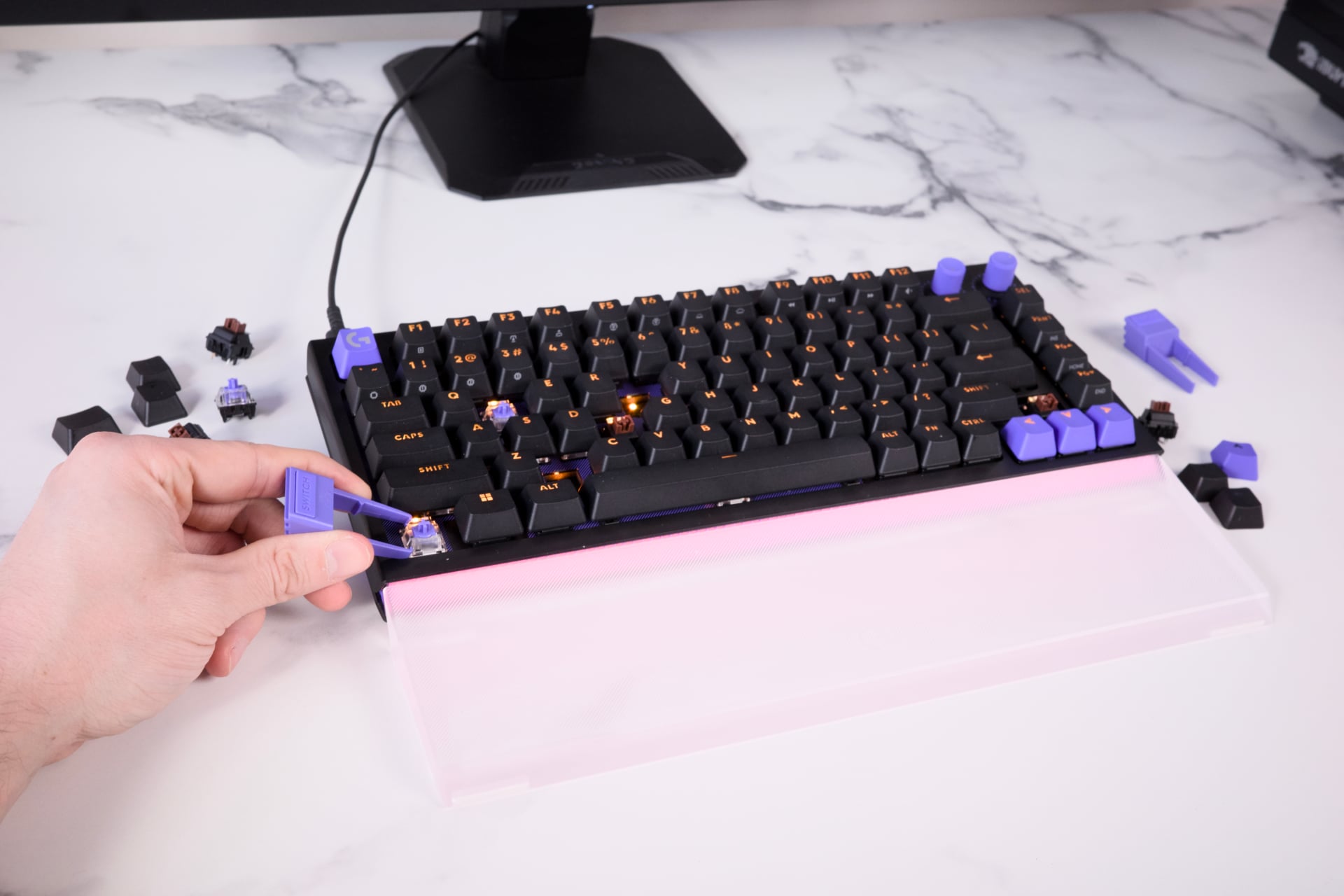
If you’ve ever wanted to try esports-ready analog switches without needing to buy an entire magnetic keyboard, Logitech has the equivalent of a “pro” keyboard tasting menu with the G512 X. The Logitech G keyboard comes with nine built-in analog switches, making it all too easy to swap your switches and keycaps on the fly. The keyboard also has several wholly unique features, like “SAPP” rings that let you create more than one input by putting more pressure on individual keys.
See Logitech G512 X 75 at Amazon
Sony Bravia 9 II
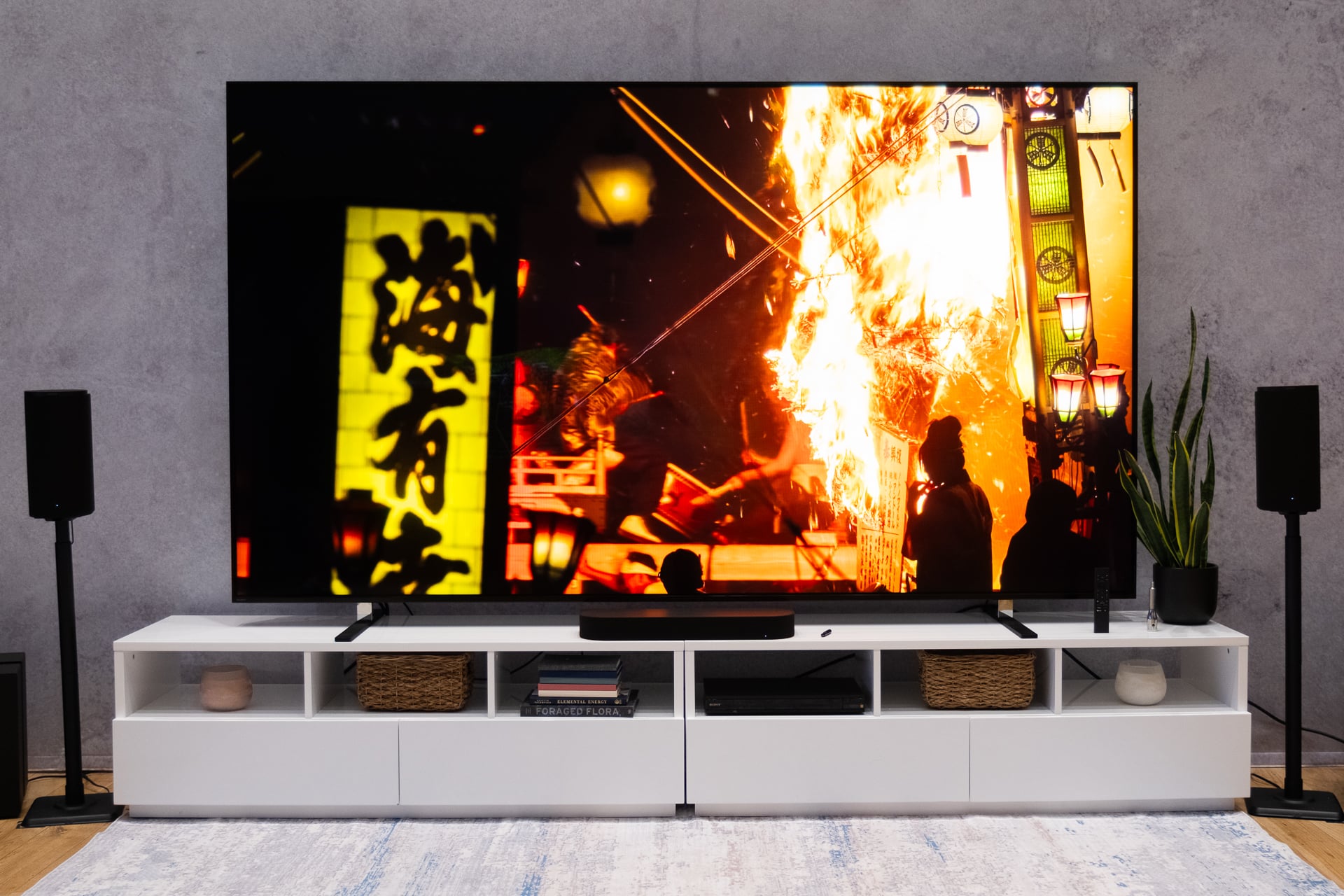
It seems like every TV maker is sporting its own blend of RGB TV. Only Sony has been dedicated enough to the technology that it abandoned all its older QLEDs in favor of “True RGB” screens like the Bravia 9 II. The TV is certainly a looker, with a max brightness of 4,000 nits (the same as Sony’s professional cinema reference monitors) and an extra black filter to enhance contrast. While we found the TV’s vivid settings were perhaps too vibrant—making some scenes seem unrealistic—it’s also promising some of the most cinema-accurate color and picture quality around.
See Sony BRAVIA 9 II at Best Buy
Asus ROG Zephyrus Duo (2026)
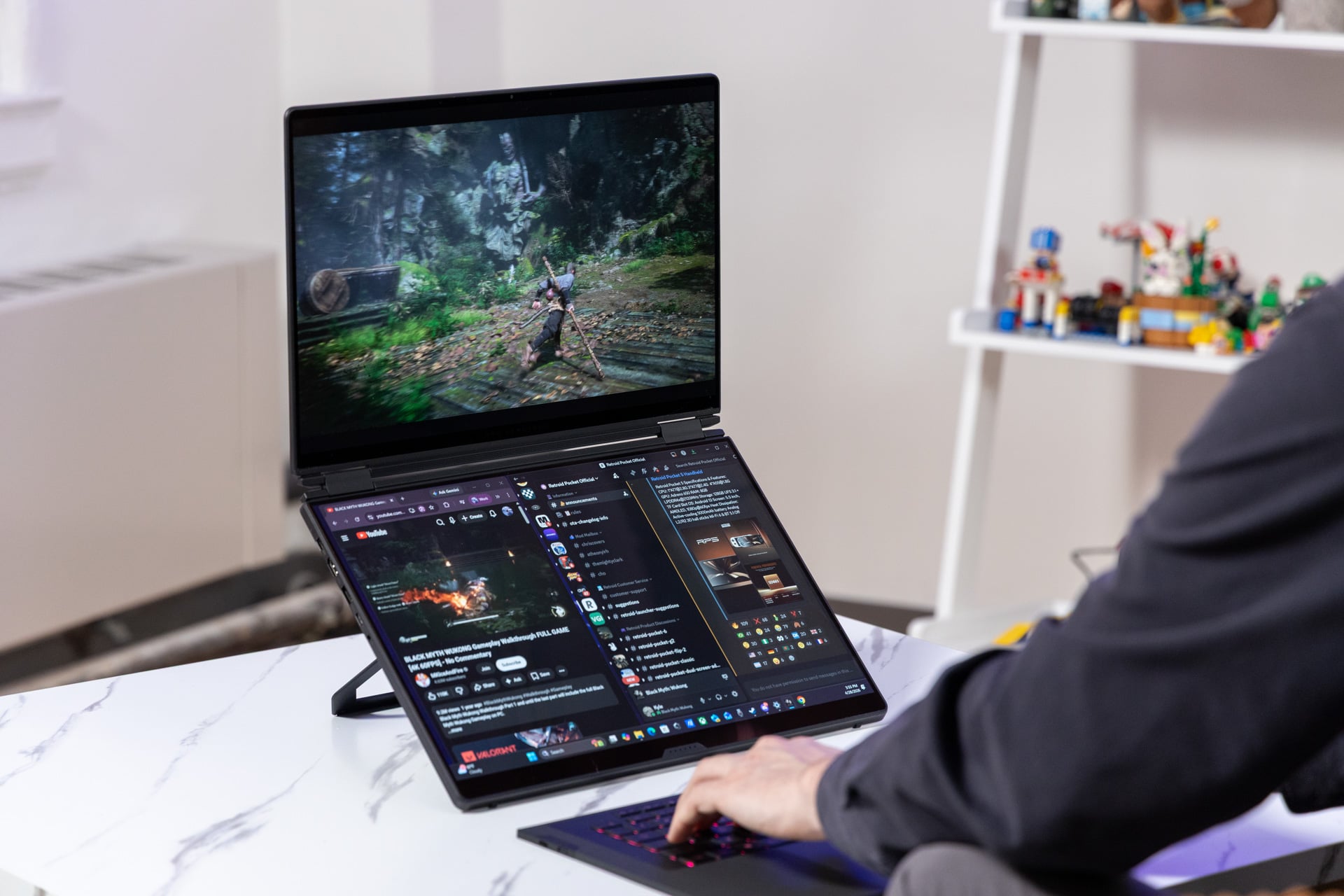
What’s better than one screen? Two screens, that’s what. That statement won’t make sense until you try a device like the Asus ROG Zephyrus Duo, a gaming laptop with dual screens on a hinge. A magnetic keyboard attaches to the bottom 16-inch OLED display, enabling you to use it like any other laptop. However, with both screens revealed, you can have one game running on one display and have your browser or Discord chats open on the other. The only downside to this setup is that it starts at an astronomical $4,500, and that version doesn’t even come with the top-end Nvidia RTX 5090 GPU.
Xreal Project Aura

The ongoing partnership between Google and Xreal is turning out one of the more exciting pairs of XR spectacles we’ve seen from any major brand. Project Aura have some of the same capabilities as a headset like the Samsung Galaxy XR, including limited hand tracking and access to major Android apps. Unlike an AR headset, the Xreal spectacles are light and low-key enough for you to wear on a flight and not receive some odd looks from fellow passengers. We still don’t have a price or release date, but what we’ve seen so far has us intrigued.
Sony 1000X The Collexion

Sure, you already balked at the $550 price tag of a pair of AirPods Max 2. Then comes along Sony, who looked at the cost of Apple’s high-end wireless headphones and whispered, “Hold my beer.” Sony’s 1000X The Collexion sport a new vegan leather wrap across both the earcups and head strap, new sound drivers, and a $650 price tag. Despite all that, we have to admit that they sound pretty freaking good. They feature Sony’s DSEE Ultimate audio upscaling tech, which enables better audio mixing you usually lose when listening over Bluetooth.
See 1000X THE COLLEXION at Amazon
Soundcore Nebula SpaceFlow

Anker’s odd accessory for its Nebula X1 projectors will turn any house into a recreation of National Lampoon’s Christmas Vacation and the movie’s promotion of excessive holiday decorations. The SpaceFlow is supposed to recognize a 3D model of your walls, then use the accompanying projector to map a unique image to fit that space. That means it can have Santa climbing out your windows or bats escaping through your door during Halloween. To make these bespoke images, Anker is using AI to generate the images you see. I’ll let you imagine all the ways AI-generated public projections could go awry. All this “fun” won’t come cheap. The accessory costs $400 on top of the $2,500 Nebula X1 ($5,000 if you spring for the X1 Pro).