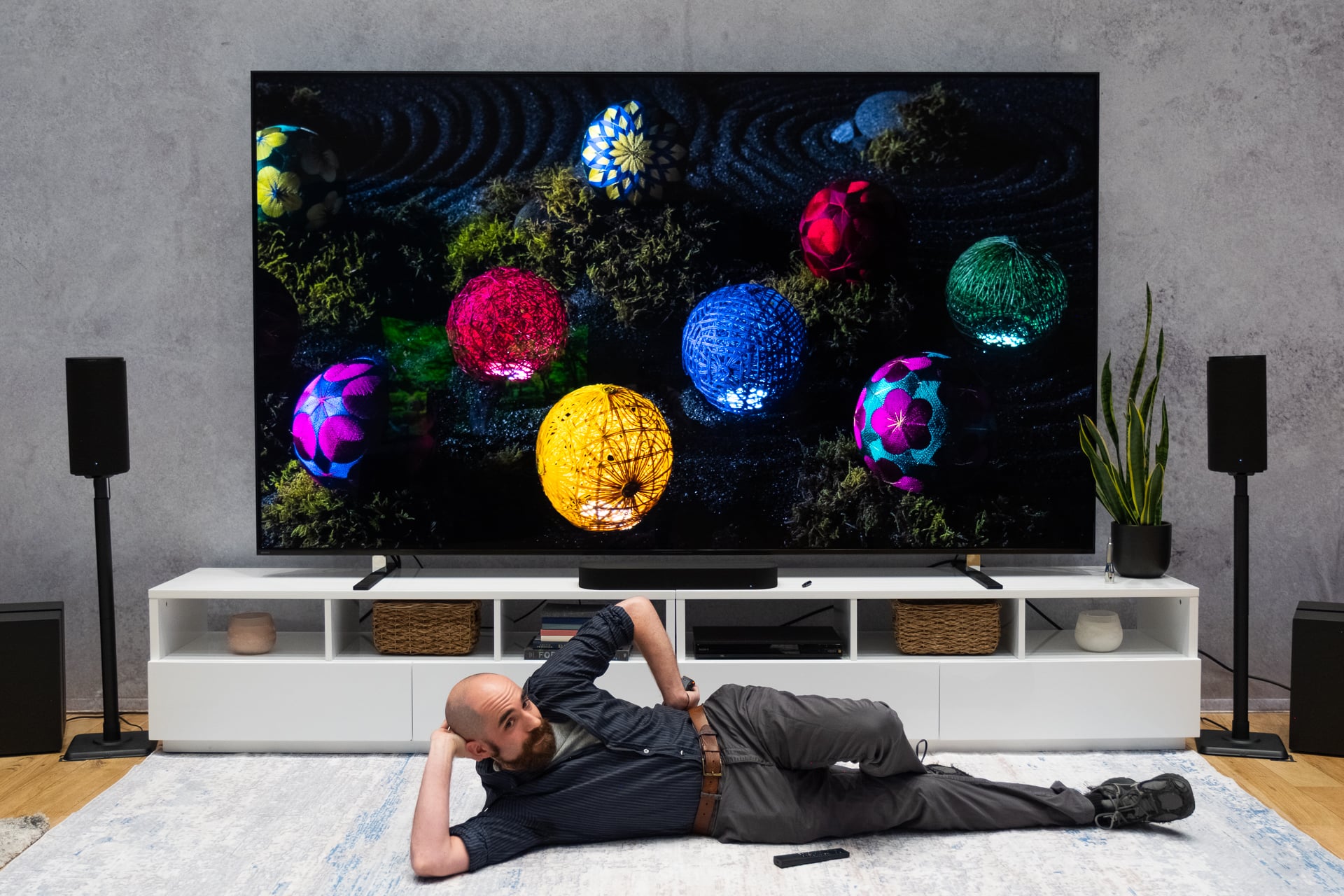
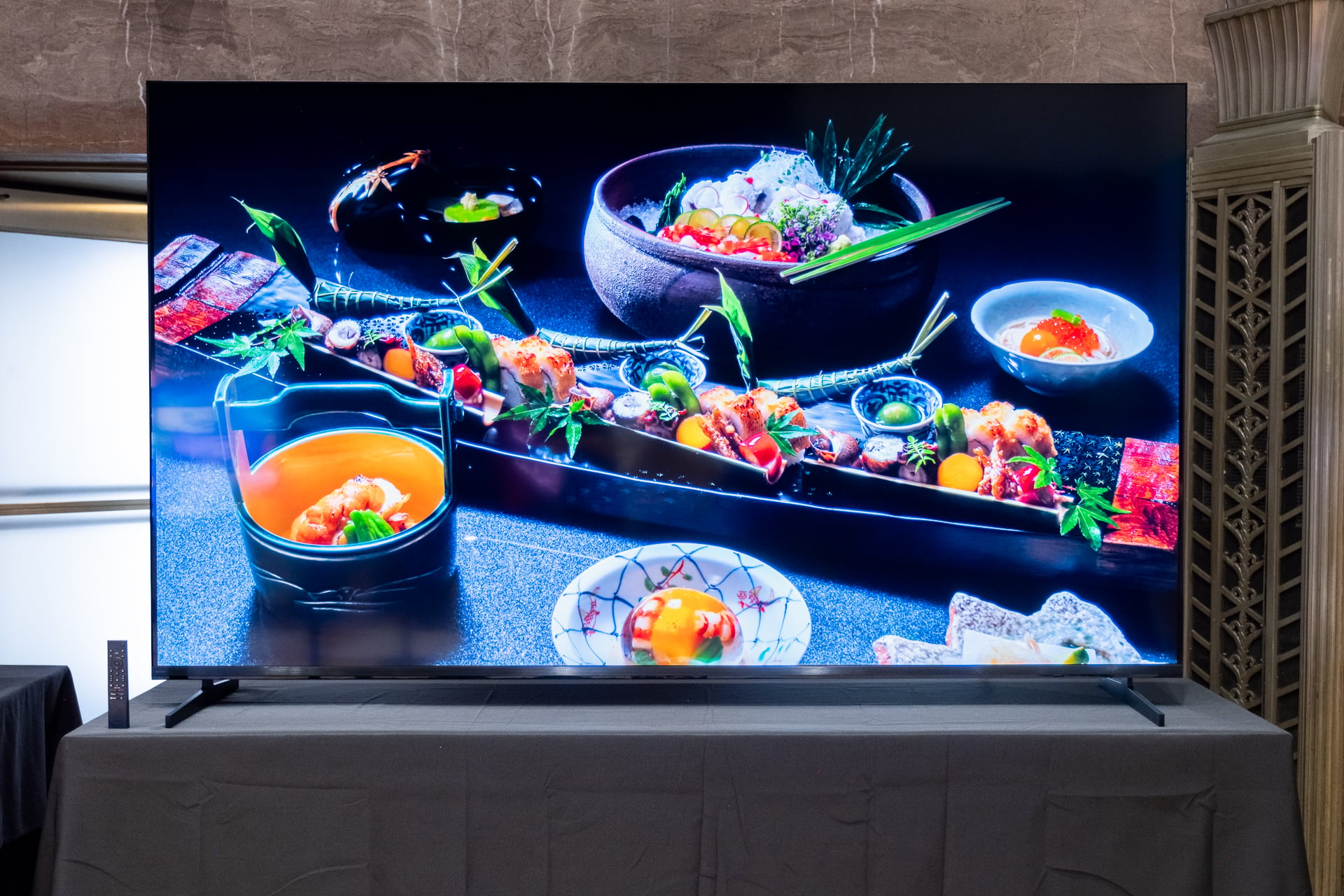
There’s a small voice in the back of my head squeaking with indignation, telling me that turmeric is not nearly as yellow as what I see in front of me. What appears on the screen of Sony’s new Bravia 9 II RGB TV looks more like nuclear dust. While cinephiles will likely be quite interested in “True RGB,” Sony’s upcoming replacement for its premium QLEDs, they may not be prepared for just how vivid this “vivid” picture is.
I came out of two hours staring at the picture on Sony’s new Bravia 9 II and Bravia 7 II, sporting its new “True RGB,” with a nagging sense of déjà vu. Two months ago, I exited Samsung’s Micro RGB showcase wondering whether these novel TV forms were so focused on pushing color that they were making images seem unrealistic. That’s not to say the products I saw were bad TVs. “True RGB” may indeed be the future and a quality alternative to OLED. But just how good it actually looks may come down to settings.
See Sony BRAVIA 9 II at Best Buy
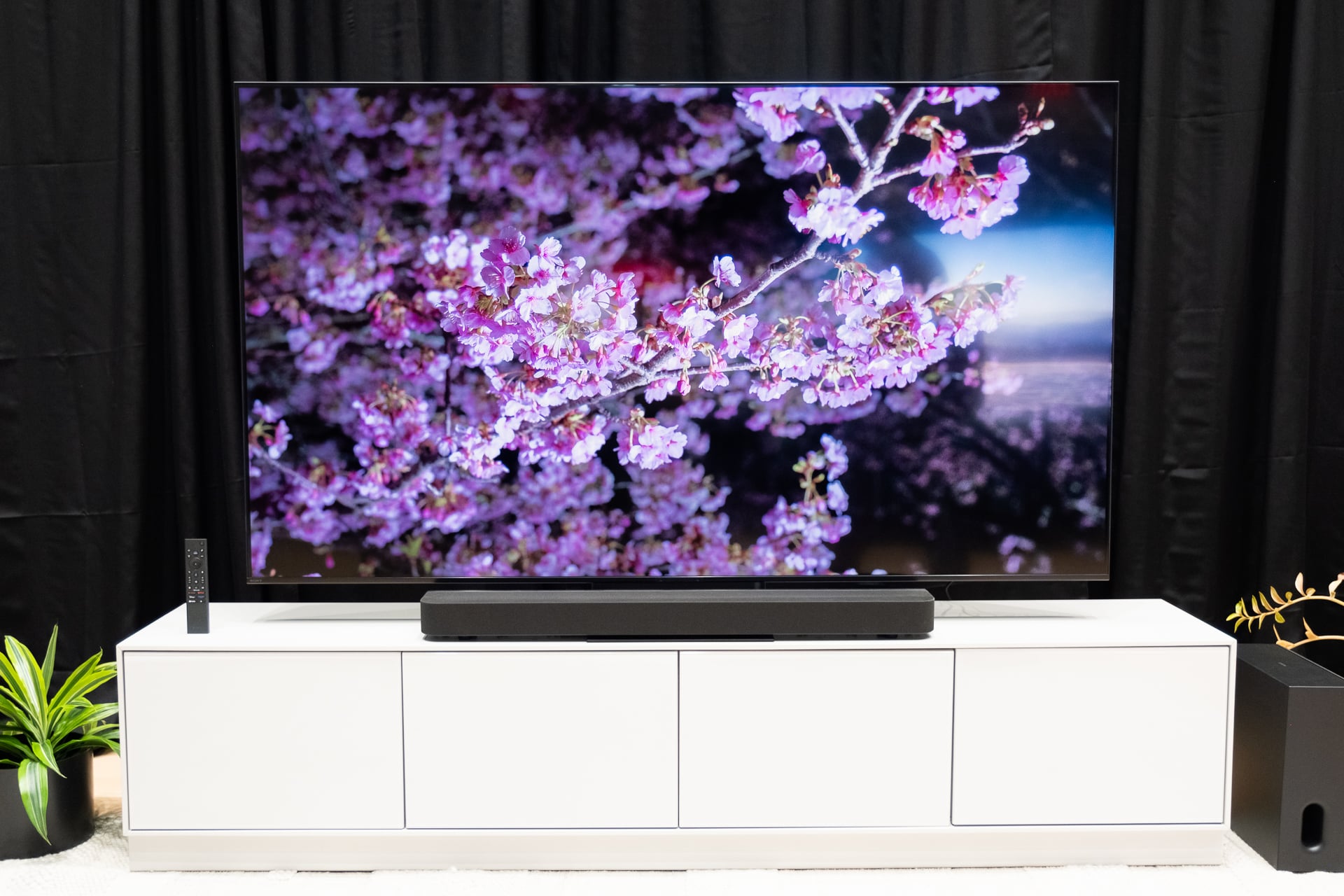
Sony is pushing the claim that its “True RGB” TVs offer the most accurate picture quality and the best RGB backlights on the market. For reference, newfangled RGB TVs are akin to older mini LED technology, though instead of an array of white lights, these televisions use extremely small red, green, and blue diodes to maximize the color you see on screen. Sony claims its new Bravia 9 II has twice the color volume as the older Bravia 9 QLED. Side by side, the new top-end RGB may hold the barest edge in picture quality compared to Sony’s flagship TV from 2024.
These screen types improve on mini LED in other ways, such as maximizing off-axis viewing. I could stand at a nearly 80-degree angle from the new Bravia 9 II without any loss in quality. The screen is also blazingly bright, promising the same 4,000-nit peak brightness as a BVM-HX3110 professional reference monitor. The Bravia 9 II also features an antireflection filter that enhances black levels and contrast in bright environments. Though the Bravia 7 II uses the same RGB technology, it lacks the black filter and extra tweeters in the higher-end TV’s speaker array.
A pretty picture, with the right settings
Both RGB Bravia TVs include several midrange speakers and a subwoofer on the back. They sound pretty clean as screens on their own. As for looks, that depends on the settings you’re using. I sat through roll after roll of nature scenes and found that the Bravia 9 II RGB technology could make some scenes pop with added detail, enough to spot orange tones among the deep greens of a Japanese pine forest.
Image quality started to look off when watching scenes from movies like Disney’s live-action Aladdin. As I mentioned before, I don’t remember any yellow cake in the original animated film. It wasn’t just the array of turmeric and spices that felt too colorful; it was the way those blooming hues affected the scene’s tone. Such a vibrant picture may work in a Disney musical extravaganza, but I have to wonder how it could impact darker, less colorful shows or movies.
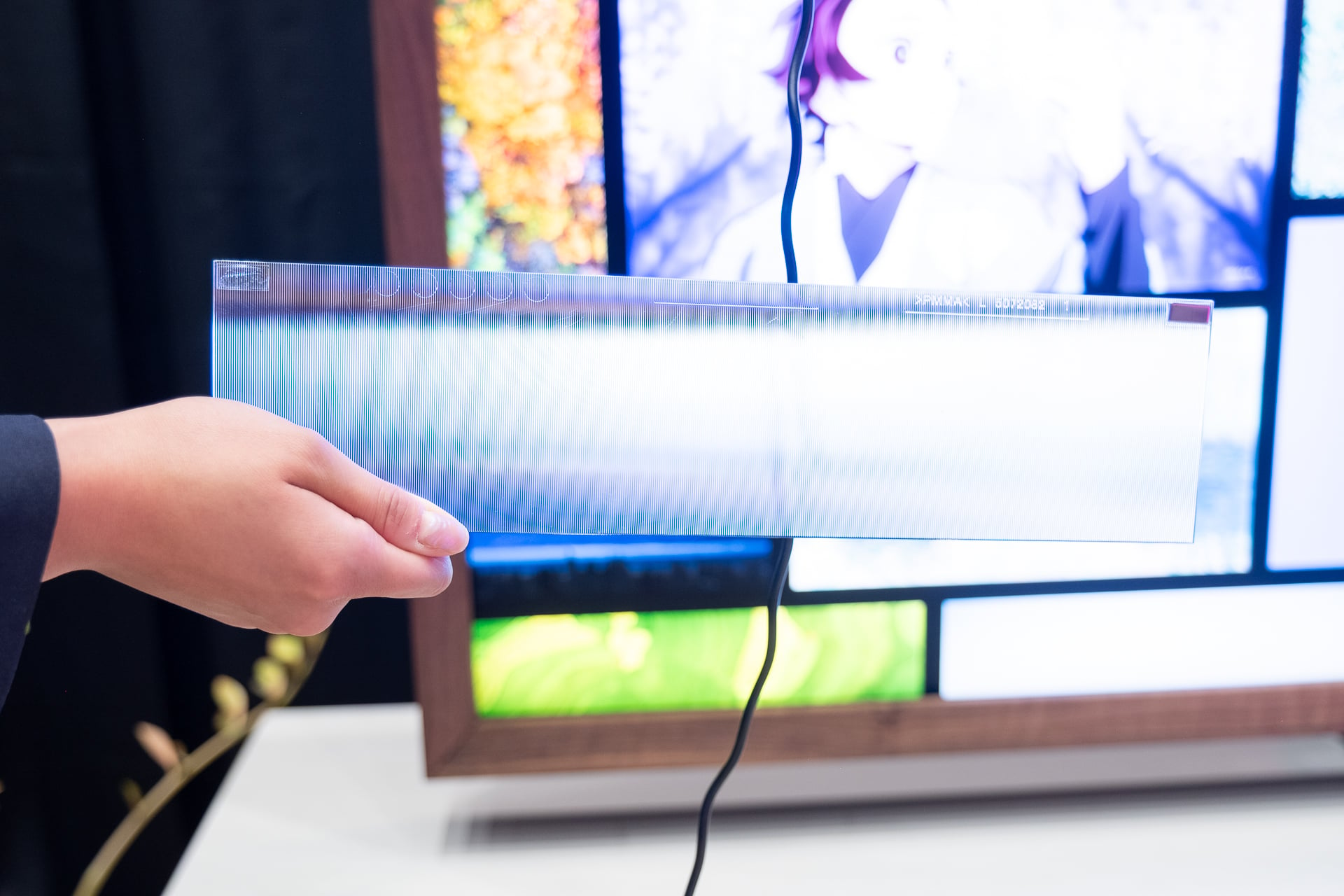
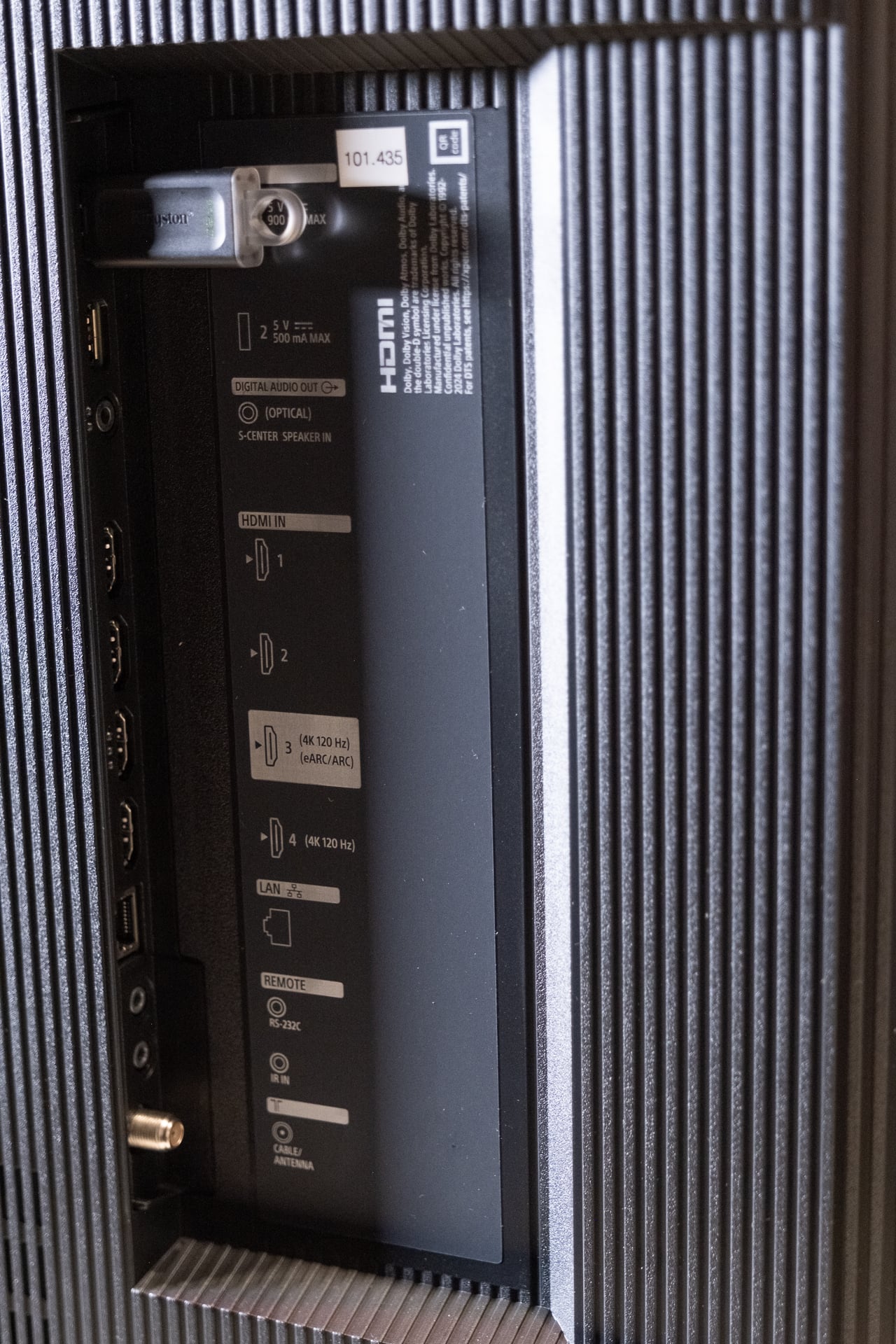
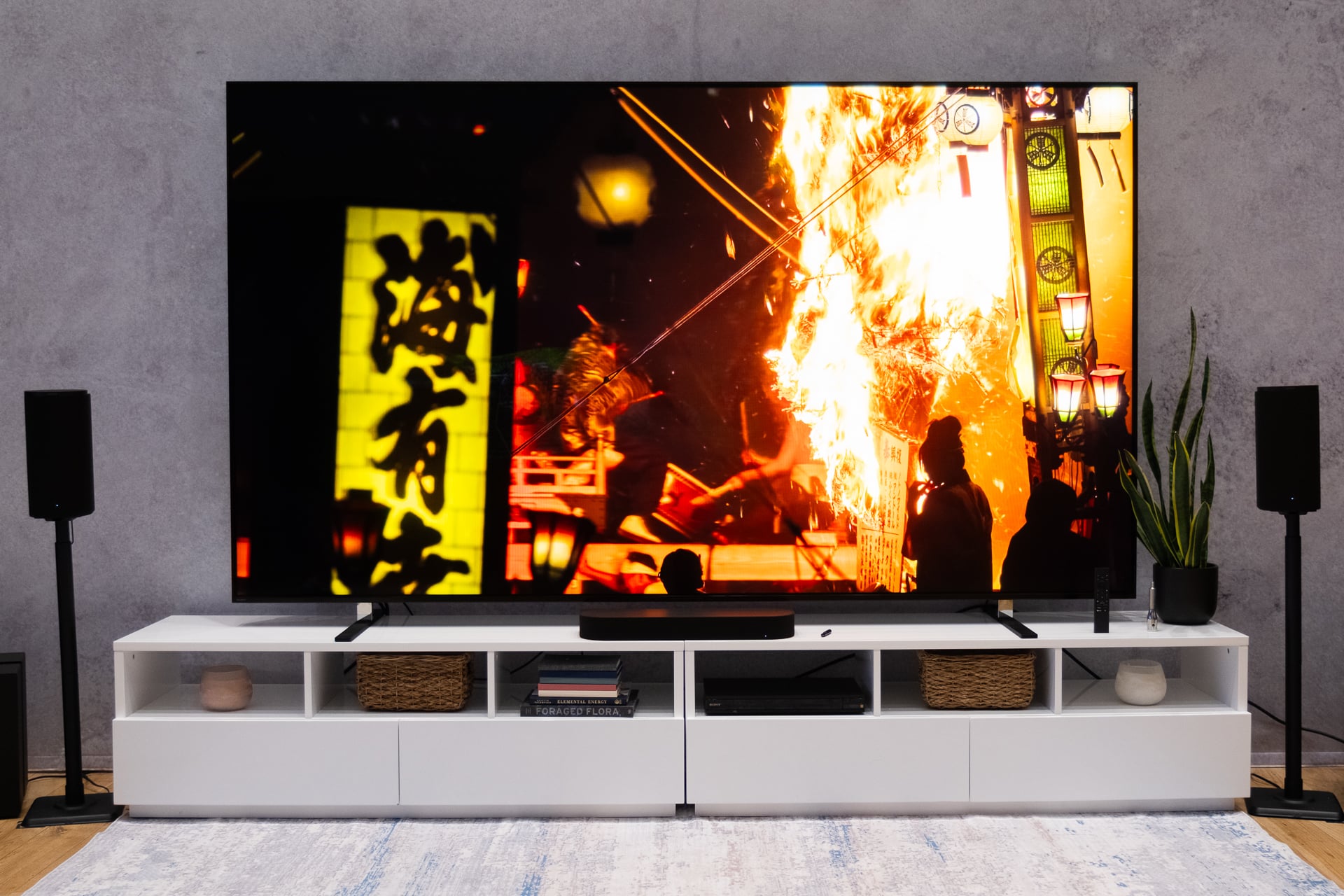
Sony first showed Gizmodo all this content running on the TVs in vivid picture settings. These new Bravias tell a different story when you see the same scenes in standard mode. In a scene from a Chinese New Year festival late at night, the vivid profile made fire appear more realistic when set against a pure black background. In standard mode, the flames seemed dull by comparison.
On the flip side, Sony took us into a pitch-black room to compare the new Bravia 9 II to its own reference monitors. Several of these scenes seemed very accurate to the original creative intent, with minimal blooming around light sources. Seeing these screens compared to a BVM-HX3110 was indeed impressive, though only exacting viewers may care that the specific blue of a night scene is what the director originally intended. Sony goes a step further by allowing you to set a “My Cinema” preset on its TVs, promising to reproduce the filmmaker’s intended picture quality.
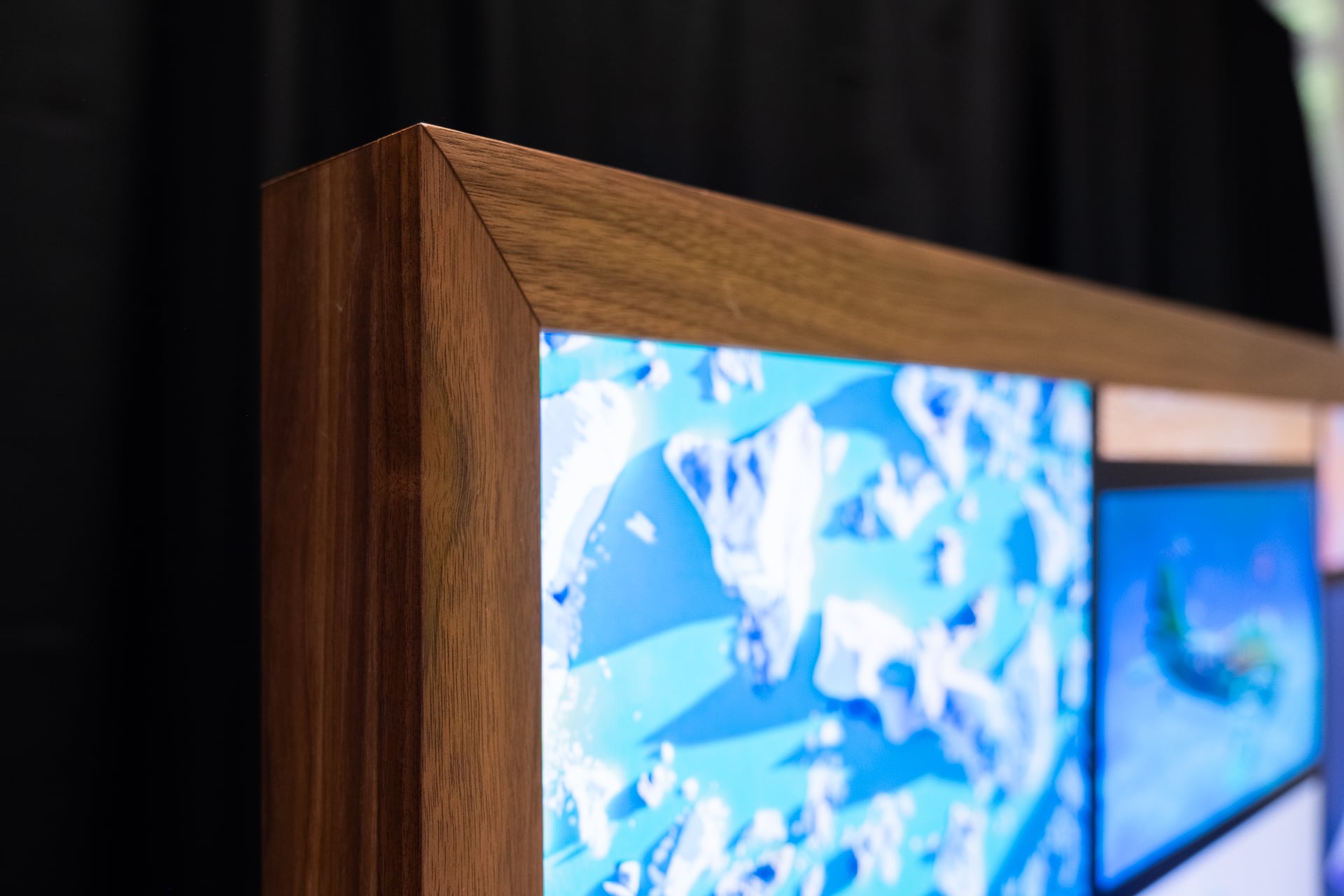
All of Sony’s new RGB televisions are running on Google TV by default. Sony is still missing out on the market for Samsung Frame-like art TVs. To that end, Sony partnered with Leon Studio to make real-wood frames for its two higher-end Bravia TVs if you really want to complete the faux-art look.
How much is ‘cinema-quality’ worth?
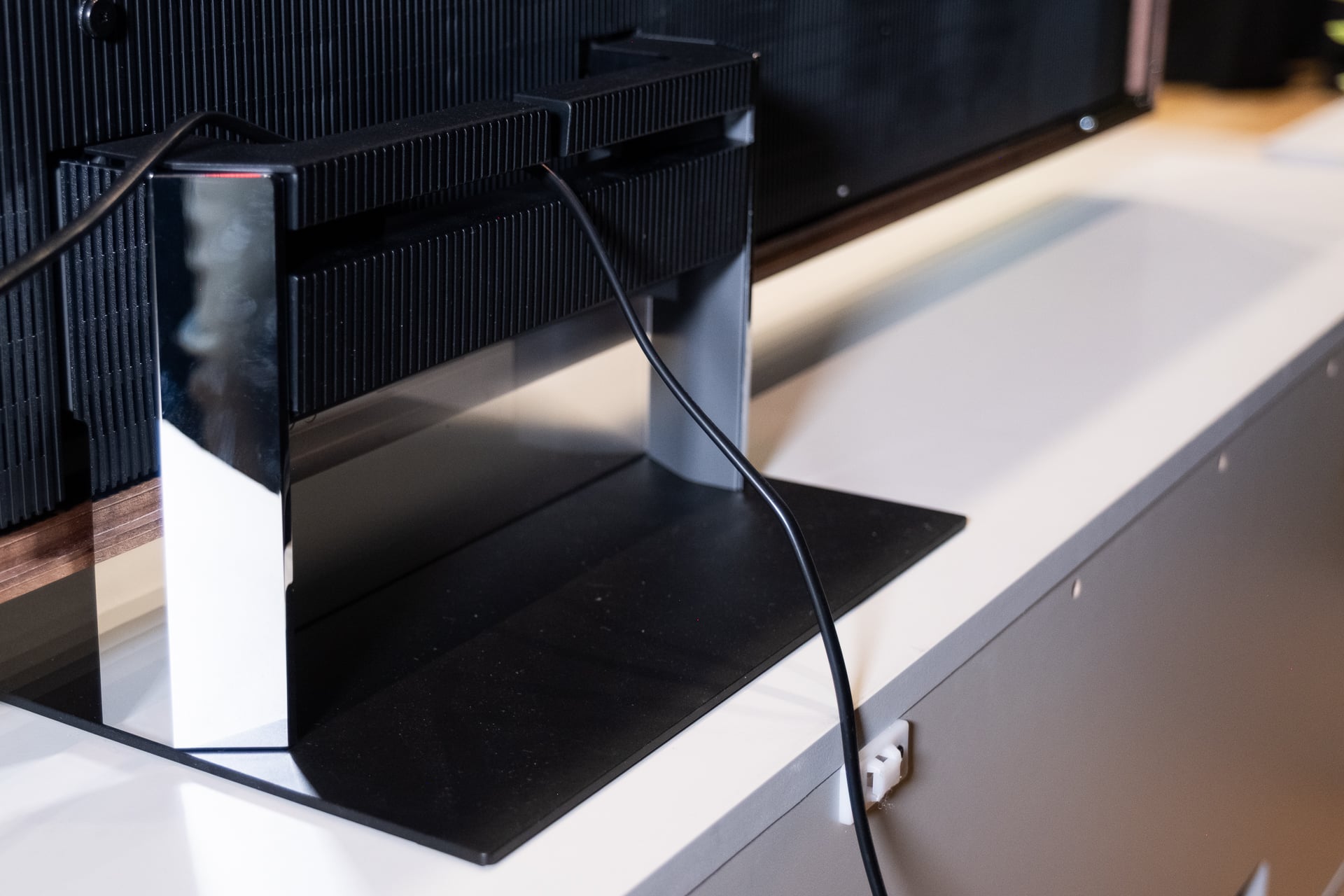
There’s more to like about these screens, such as the refracting monopod stand with a translucent base that also hides any cables sneaking behind the TV. They certainly look nice on a stand or hanging up with those Leon Studio frames. You’ll still have the option of the Bravia 8 II OLED, though the Bravia 9 II will take the top spot as the 2026 flagship. Sony is also releasing new LED TVs, including a new budget-friendly Bravia 3 II, but unlike brands like TCL, Sony isn’t pushing QLEDs for the foreseeable future.
In other ages, it would’ve taken years for TV companies to make new screen technologies even semi-affordable. That’s not the case with RGB TVs. The Bravia 7 II’s 50-inch model starts at $1,600. The price scales quickly after that, with 55-inch models costing $2,100 and the 65-inch device demanding $2,600. The largest 98-incher is $9,000.
The Bravia 9 II is even more demanding. For Sony’s best picture quality, you’ll need to spend at least $3,600 for a 65-inch set. The massive 115-inch model hits the max price point of $31,000. That model is built for the wealthiest, who can drop five figures on a TV just to say they have one. Sony said some of these TVs should be available starting in mid-to-late June, though others may be available for purchase as early as this week.
See Sony BRAVIA 9 II at Best Buy
This article was updated to remove mention of an art subscription service that we demoed. It’s unclear if the feature will still be launching in the future.