Samsung is working on a wearable that could fill a new affordable slot in its lineup, according to code references spotted by SamMobile. The tech giant has long sold “Fan Edition” models at lower prices and offered a range of budget phones and fitness trackers. But focusing on affordability now seems critical: the new Galaxy Watch 9 and Ultra 2 cost at least $30 more than their predecessors did, and rising RAM prices won’t improve the situation anytime soon.
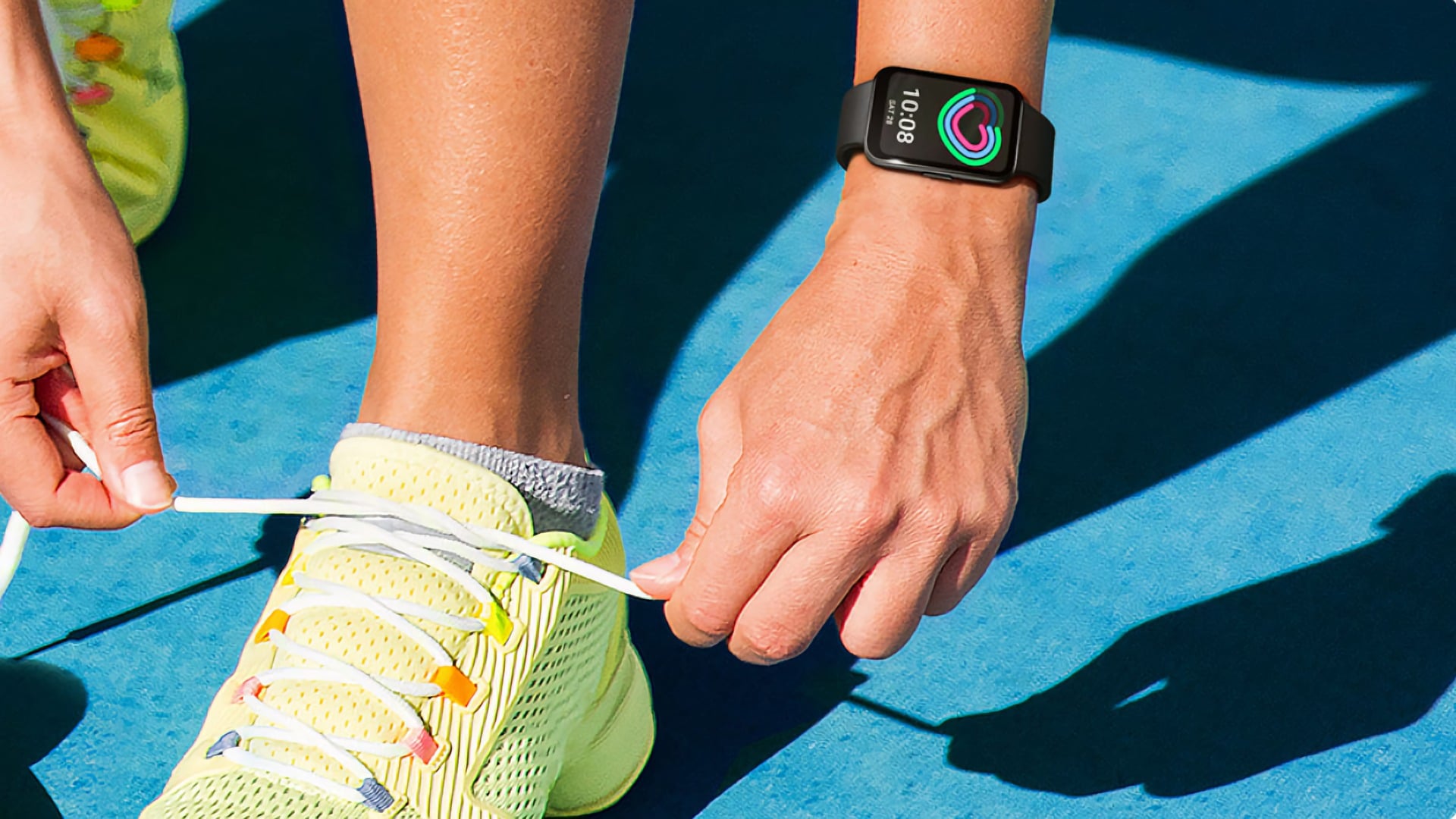
The code SamMobile found in the Galaxy Wearable app refers to a “galaxy_RTOS_watch,” which is reportedly called the “Galaxy Aero.” The publication says the device features a screen, but the inclusion of “RTOS” in the code itself suggests it won’t run Wear OS, which Samsung uses on its flagship Galaxy Watches. A real-time operating system, or RTOS, is fairly stripped down. That means no third-party apps, but also cheaper, more efficient hardware. Samsung already uses a customized version of FreeRTOS on its $60 Galaxy Fit 3 fitness tracker. The fact that it might use the OS on a new watch suggests it will be similarly affordable.
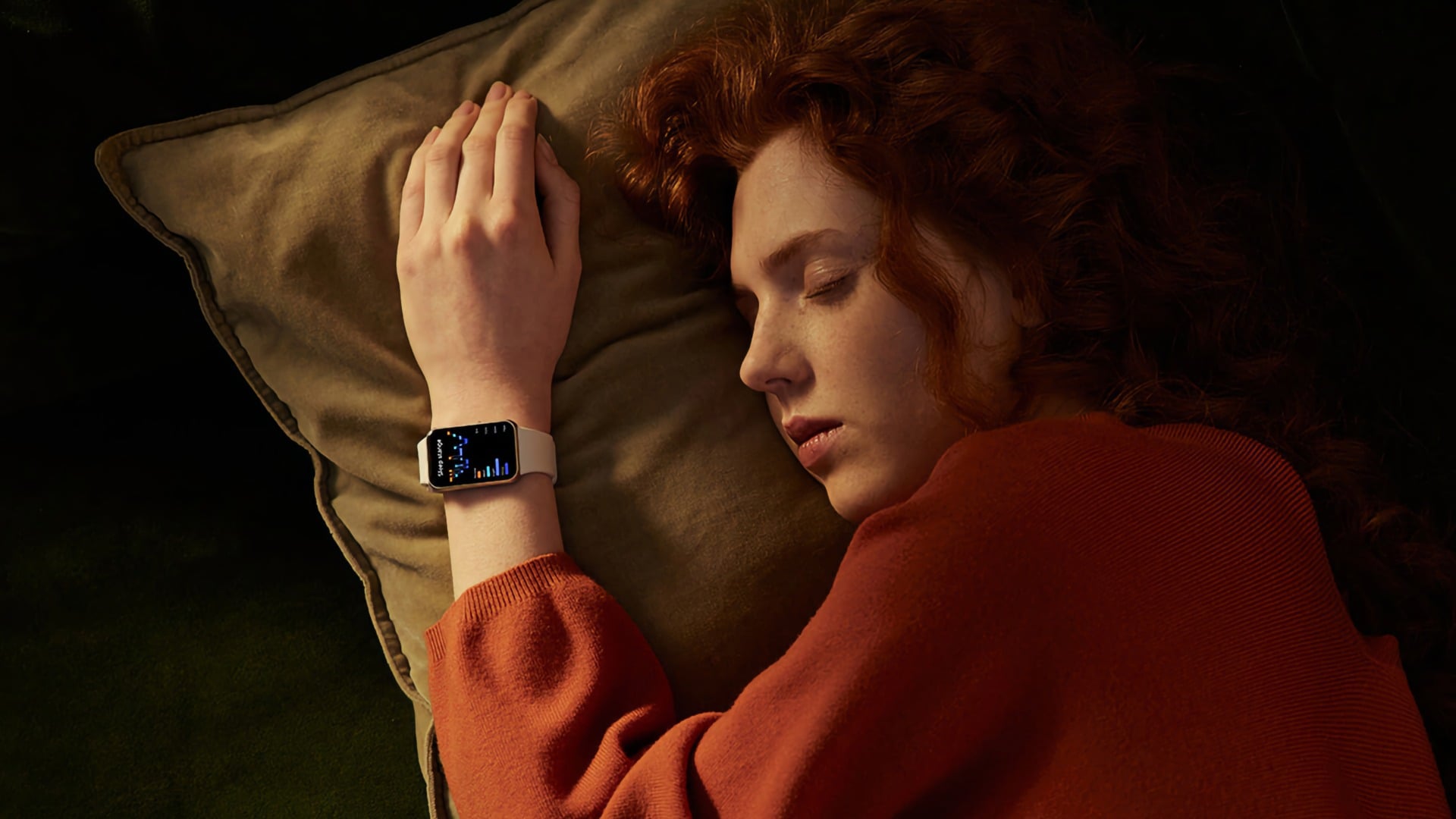
Whether that’s a new device or a sequel to something the company already sells remains to be seen, but Samsung is reportedly working on a Galaxy Fit 4. Android Authority writes that it has seen documents referencing a “FIT4” and feature diagrams of a rectangular device resembling the back of Samsung’s fitness tracker. This new device supports Bluetooth Low Energy and appears to use a Goodix GH3036 sensor module, according to Android Authority, which suggests it could offer health-tracking features similar to those of the Galaxy Fit 3. Other missing features, such as support for NFC payments, could sweeten the deal further.
Samsung warned that the current memory shortage would negatively affect prices in January, and the impact is already visible in the price of the Galaxy Z Fold 8 Ultra and the company’s Q2 earnings. The company’s DX division (the home of its mobile business) reported its first loss of 800 billion won ($544 million) for the quarter, partly due to higher component costs. Worse yet, during that same earnings call, the company said it expected the memory shortage to continue through 2028.
All of those factors make a cheap wearable more appealing than a $380 Galaxy Watch 9 might be in the back half of 2026. And arguably, the growing trend of screenless wearables also points that way. The popularity of fitness bands like the Fitbit Air might make it seem as though customers are souring on screens, but these bands are also much more affordable. The popular Garmin Cirqa and Fitbit Air are both cheaper than a smartwatch and nearly as capable. If Samsung plays its cards right, its new wearable could pull off the same trick.