It’s not even April, and large wildfires are already erupting across the United States, marking an early start to what experts warn could be one of the worst fire seasons on record. Meanwhile, the Trump administration’s new wildfire agency is still coalescing, raising concerns about federal preparedness.
Since February, roughly 3,900 federal firefighters have shifted from the National Park Service, Bureau of Land Management, Bureau of Indian Affairs, and the Fish and Wildlife Service to the Wildland Fire Service. This new agency was created by a July 2025 executive order to consolidate federal wildfire response under the Department of the Interior, with a goal of streamlining operations.
Some experts doubt the reorganization will achieve that goal—and with a particularly brutal wildfire season on the horizon, the stakes have never been higher.
Off to a roaring start
On March 20, the National Interagency Fire Center reported that over 1.4 million U.S. acres had been consumed by wildfire since the start of 2026, more than doubling the 10-year average. As of Thursday afternoon, roughly 150 large fires were active across the U.S., and nearly 200 more were emerging.
Many of the most severe blazes were concentrated in central states. Fast-moving wildfires have torn through the Great Plains since early March, including the Morrill Hill fire in Nebraska, which consumed more than 640,000 acres before crews managed to fully contain the blaze on Wednesday. It was the largest wildfire ever documented in the state.
Gulf Coast states and the Carolinas have also been battling numerous smaller fires. The National Fire in Florida’s Everglades burned more than 35,000 acres during the first half of March, making it one of the largest blazes in the Southeast so far this year. Out West, fire activity is ramping up, though some evacuation orders in Colorado and New Mexico were lifted this week.
This is a mere snapshot of the unprecedented situation that’s still unfolding across the country. The early and severe start to the 2026 wildfire season is primarily being fueled by a historic western snow drought and an intense, far-reaching heat dome over the western and central United States. Record-high temperatures, extremely low humidity, and parched vegetation have allowed a multitude of fires to break out and expand rapidly across the nation.
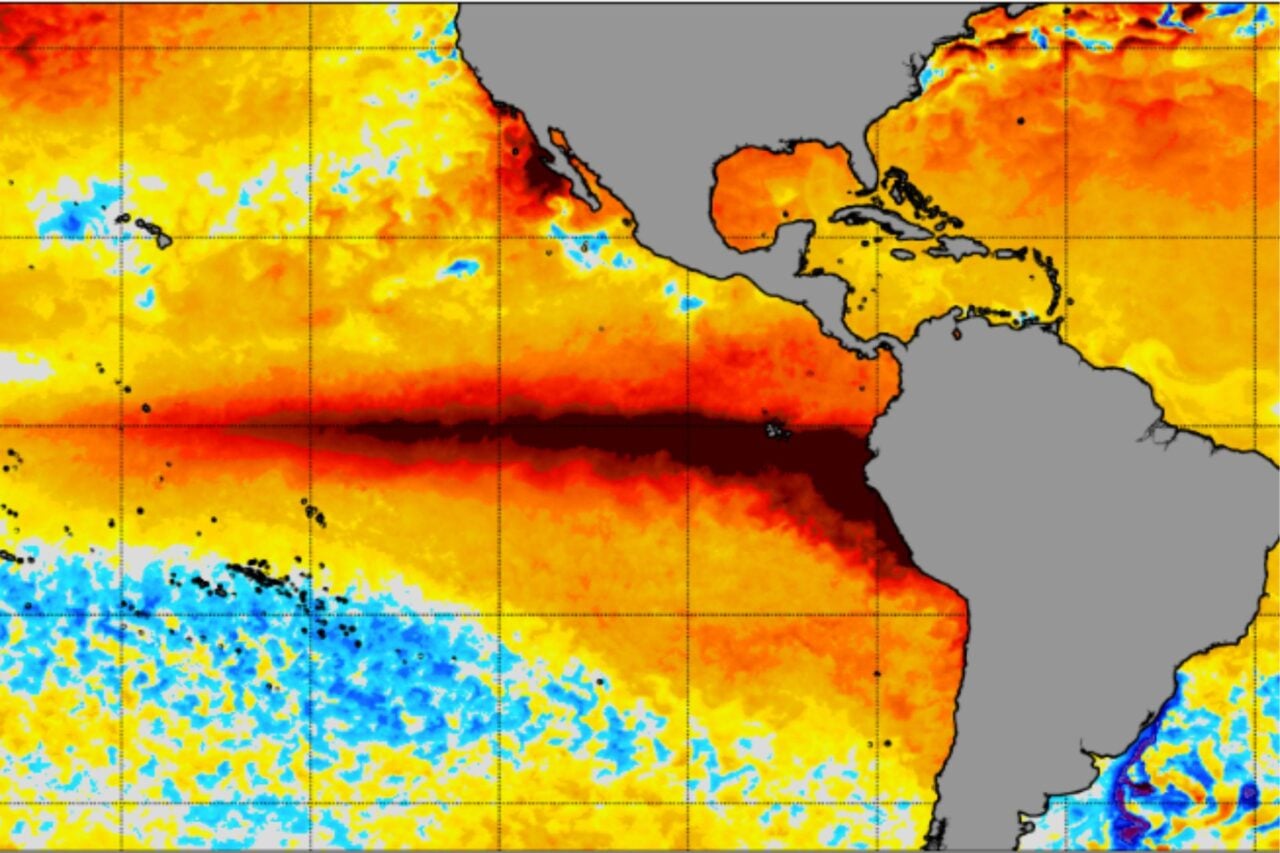
But the worst is yet to come. As summer approaches and temperatures climb, a major Pacific marine heat wave—and the potential emergence of a “super” El Niño—could push them even higher, exacerbating the hot, dry conditions that fuel wildfires. The fact that the central U.S. is already battling large, swift fires has experts concerned that the nation could suffer one of its most destructive wildfire seasons in history, with blazes spreading faster, consuming more acreage, and threatening more communities than usual.
Bad timing for big change?
It’s not out of the question that the consolidated Wildland Fire Service could eventually offer a more tightly coordinated, efficient response to major wildfires, but many questions remain unanswered. It’s currently unclear how the agency will integrate fire response and land management, how budgets and resources will be reallocated, or whether the reorganization will be complete by peak fire season.
The DOI told E&E News that it will share details about the Wildland Fire Service’s structure and funding “at the appropriate time” and claimed firefighting capabilities will remain fully operational throughout the reorganization process.
Still, upending the structure of federal firefighting amid a high-risk fire season could do more harm than good. The move has garnered criticism from some members of Congress, who argue that the rapid restructuring advanced without adequate analysis, transparency, or planning to prevent disruption during the 2026 wildfire season.
While consequences of the reorganization remain to be seen, the fire season’s outlook is clear. The new Wildland Fire Service will certainly be put to the test, with the safety of millions of Americans on the line.