It’s been nearly 70 years since the Santa Susana Field Laboratory (SSFL) partially melted down, but the defunct nuclear reactor and rocket testing site is still contaminated with hazardous chemicals and radioactive materials. Now, a fast-growing wildfire threatens to release those substances into the air.
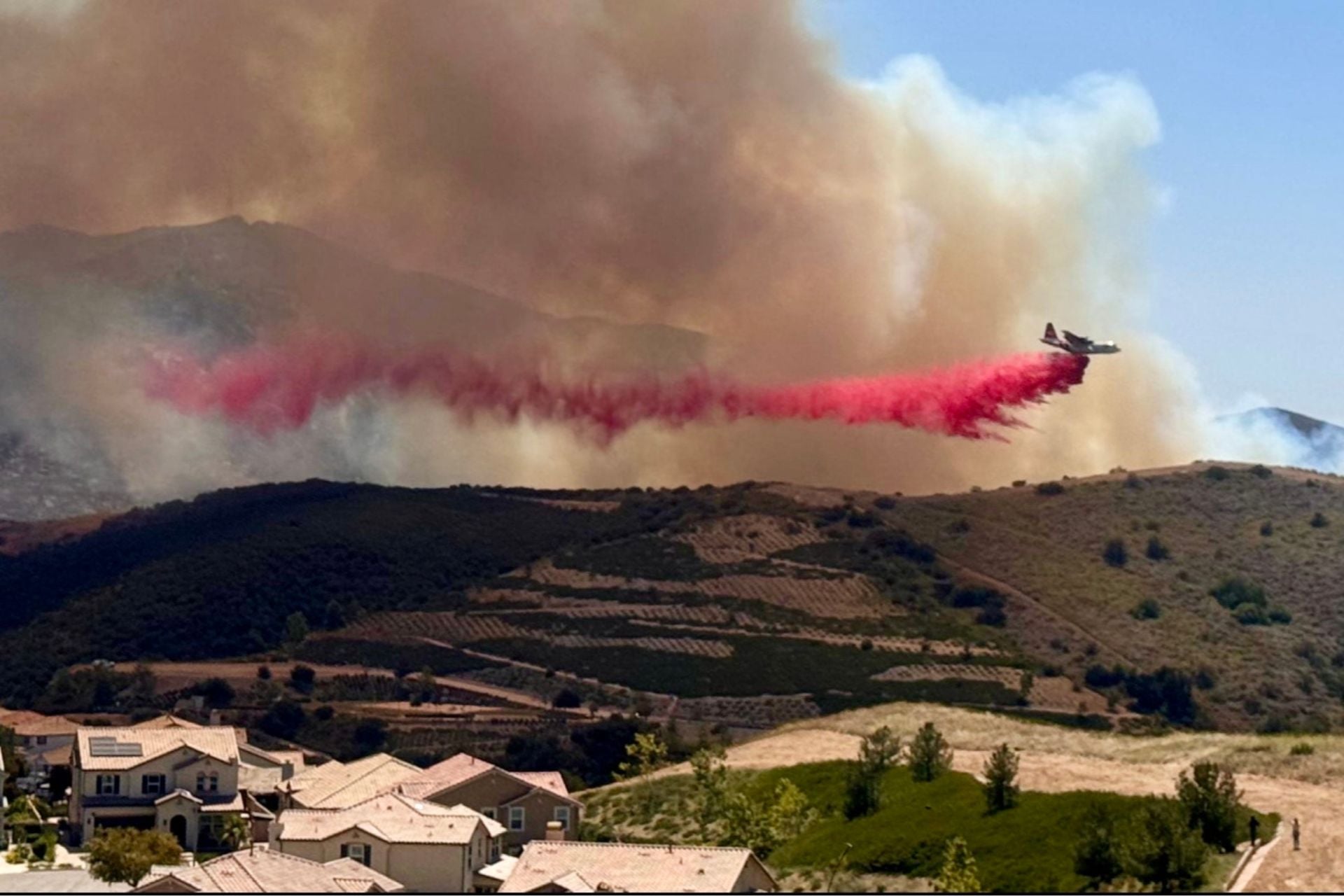
Firefighters are working desperately to contain the Sandy Fire, which was burning about a quarter-mile from the site on Tuesday morning, according to Inside Climate News. As of Wednesday morning, the blaze stretched nearly 1,700 acres across Ventura County and was just 15% contained, CAL FIRE reported.
By Wednesday evening, more than 43,700 Simi Valley residents were under evacuation orders, and nearly 400 more were under evacuation warnings, according to the Ventura County Fire Department. Boeing, which has owned the majority of SSFL since 1996, told Gizmodo that it has evacuated all personnel from the site who are not involved in coordinating with authorities responsible for fire control.
“We are actively monitoring the Sandy Fire near the Santa Susana site and are in close coordination with local authorities and emergency responders,” the company said in an emailed statement. “This is an ongoing situation, and as it evolves, we will continue to monitor fire conditions.”
Andrew Dowd, a public information officer for the Ventura County Fire Department, told Gizmodo that its responders are doing everything possible to limit the fire’s spread in all directions, including toward SSFL.
“We are very aware of the importance of doing everything we can to limit the spread of fire. We have put in extensive fire control features around that facility,” Dowd said.
The Sandy fire rages on
According to CAL FIRE, the Sandy fire ignited in Simi Valley around 10:50 a.m. PT (1:50 p.m. ET) Monday morning, though the cause remains under investigation.
Simi Valley police told Eyewitness News that someone called the department just before 10:30 a.m. PT (1:30 p.m. ET) Monday, saying they struck a rock while clearing brush with a tractor, which then ignited a fire. The police department has not confirmed whether that sparked the blaze but said it is investigating the incident.
Fire activity diminished overnight Monday but increased again on Tuesday, according to the Ventura County Emergency Information website. Inside Climate News reports that winds shifted direction from the west Tuesday afternoon, placing SSFL in the immediate path of the blaze.
“As of Tuesday, May 19, 2026 at 5:27 pm, the fire has NOT impacted the Santa Susana Field Laboratory (aka Rocketdyne) located on Woolsey Canyon Road,” reads a Ventura County Emergency Information update. “Fire crews continue to prioritize protection of the area.”
The Ventura County Fire Department was unable to provide an update on the distance between the fire line and SSFL, as this is an evolving situation. Dowd said the department expects hot, dry, windy conditions to influence the fire’s perimeter this afternoon.
Protecting toxic land
Decades of industrial activities and the 1959 partial nuclear meltdown at SSFL released chemical pollutants and radiological contaminants into the surrounding soil and groundwater. Those hazardous substances include solvents, metals, petroleum hydrocarbons, and radionuclides, according to the California Department of Toxic Substances Control (DTSC).
The DTSC is overseeing a cleanup plan that will be implemented by Boeing, the U.S. Department of Energy, and NASA. The plans are still being finalized, but interim measures have removed more than 6,000 cubic yards (4,600 cubic meters) of contaminated soil from the site in 2024.
If the Sandy fire were to encroach on this area, its smoke could become contaminated. Wildfire smoke is already hazardous to human health, as it contains fine particulate matter, harmful gases, volatile organic compounds, and toxic substances like benzene and heavy metals. Adding more radioactive material and more chemicals to this mix would increase the danger to nearby communities.
At this time, there is no evidence to suggest SFFL or the contaminated area surrounding it are at imminent risk of burning, and local firefighters will certainly do everything within their power to prevent that from happening. But with a brutal wildfire season on the horizon, this may not be the last time they have to protect the site this summer.
Update: 5/20/2026: This story has been updated to include comments from Andrew Dowd, public information officer at the Ventura County Fire Department.