GKIDS continues its hot streak of bringing anime films, from unknowns to household-name favorites, to the big screen. Its upcoming film, The Last Blossom, by ODDTAXI creators Baku Kinoshita and Kazuya Konomoto, is coming to theaters in North America for two nights only at the end of August, and it’s bringing all the heartbreak.
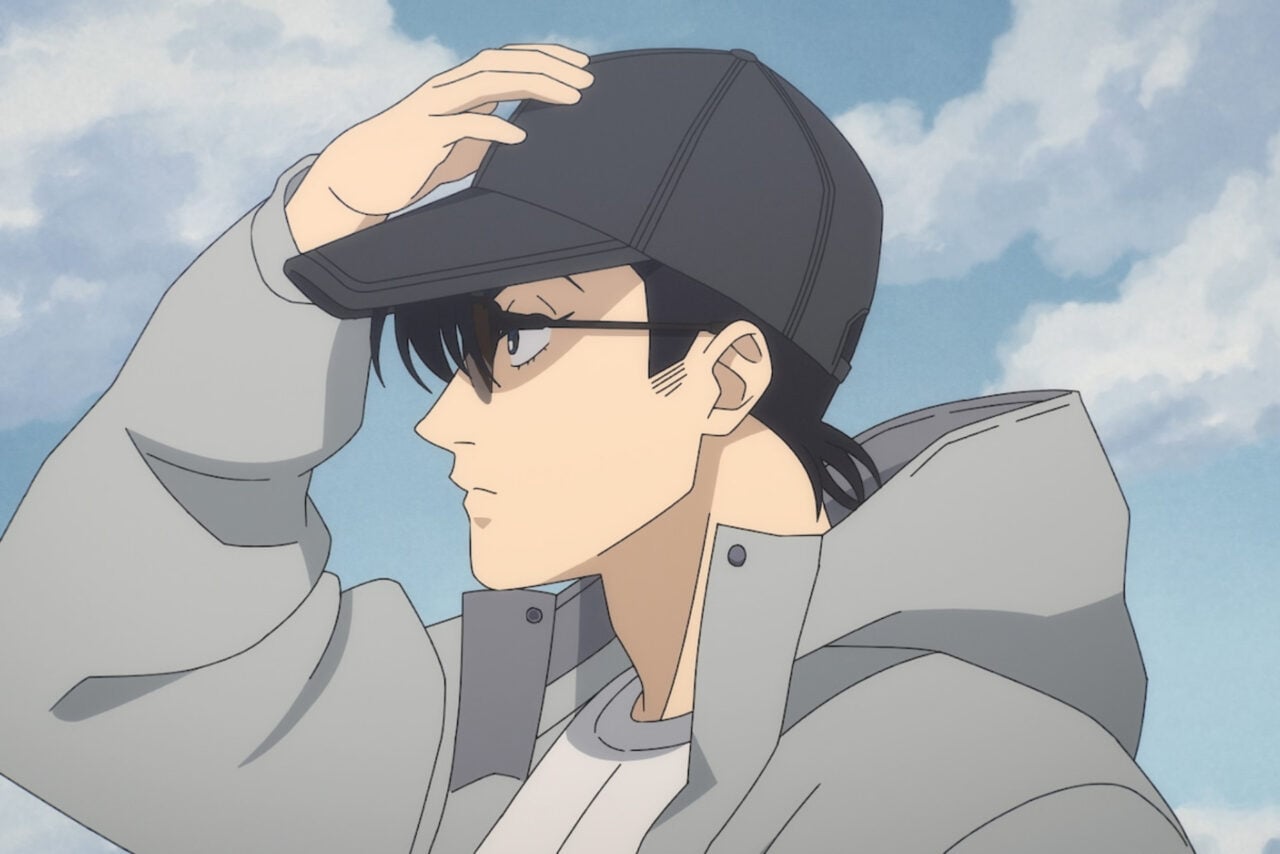
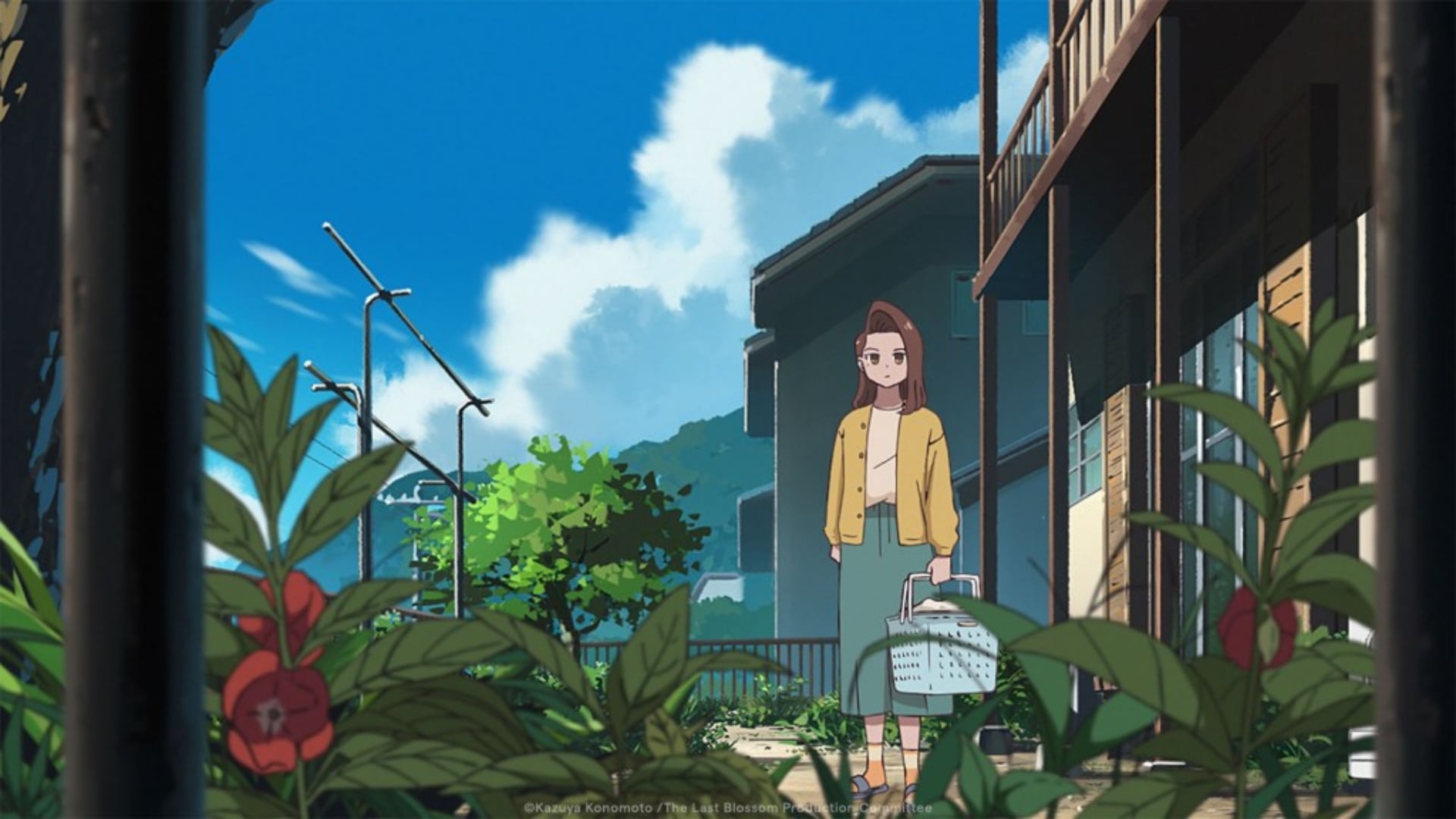
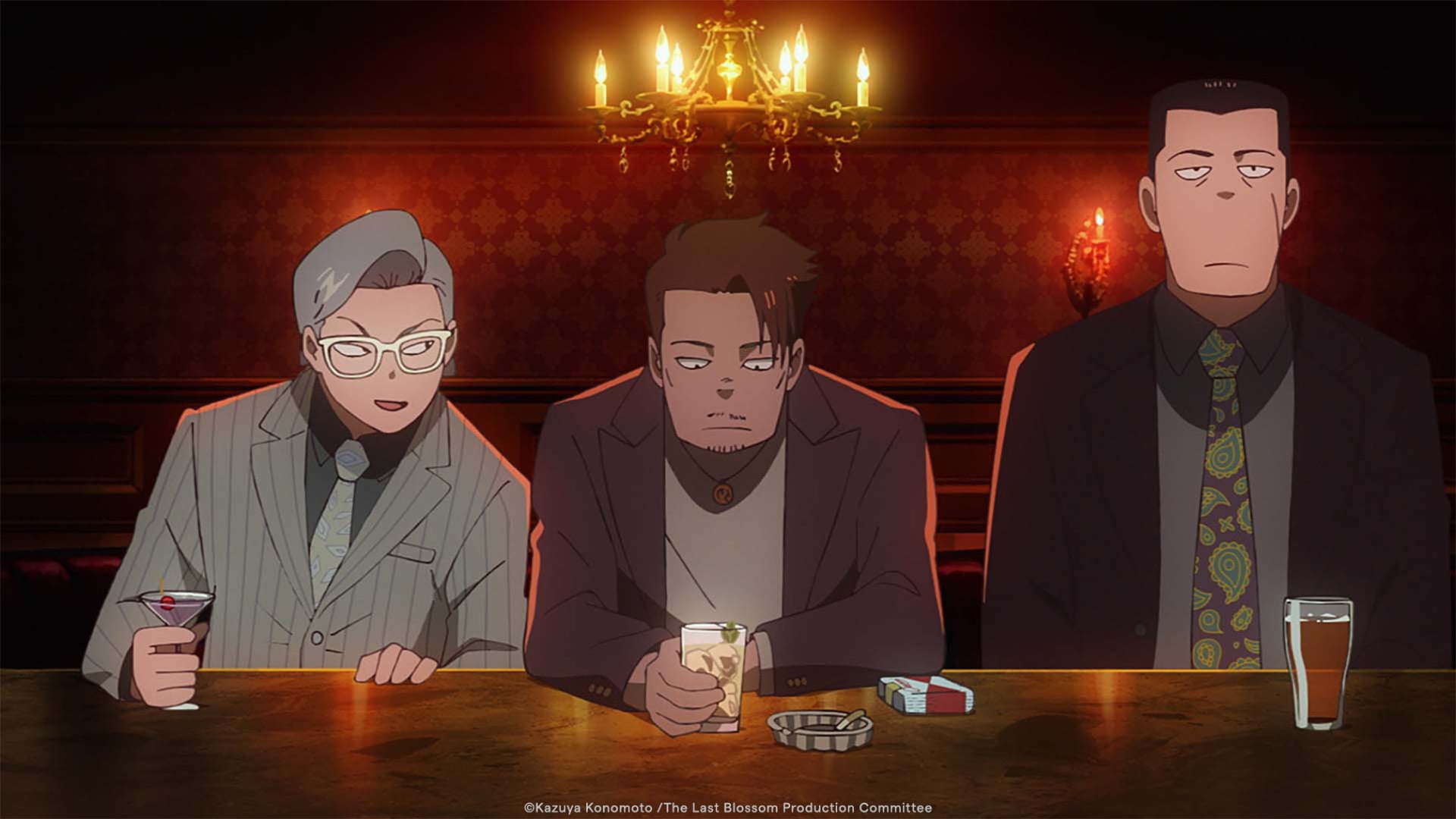
The Last Blossom follows Akutsu (Junki Tozuka), a former yakuza spending the twilight years of his life behind bars. His only companion is Hōsenka, a smart-mouthed, sarcastic talking plant growing out of a rusted tin can, who has the worst bedside manner as Akutsu reminisces about his life. Key among his memories is the found family he once had with a woman he never told he loved, and her child, whom he gave everything to help rear. And the many mistakes and regrets he made along the way. But along their trip down memory lane, the two discover there’s no shelf life on redemption.
In the lead-up to the film’s release, io9 interviewed Kinoshita about how his film debut extends and diverges from his claim to fame in ODDTAXI, his affinity for yakuza storytelling, and how the film’s titular plant became a perfect narrative foil for its sunsetting hero.
For those who weren’t there at the time, ODDTAXI‘s release was an aptly odd one in a sea of killer shows like Ranking of Kings, Sonny Boy, 86 Eighty-Six, Jujutsu Kaisen, and Attack on Titan jockeying for Anime of the Year in 2022. For starters, it looked like nothing fans had really seen before. Plus, its dramedy blend of storytelling, told from the perspectives of a bursting cast of anthropomorphic animals all tied to a walrus taxi driver and a yakuza murder plot, made its intrigue all the more engrossing—especially as Kinoshita’s directorial debut anime series.
Despite fans flocking to theaters to see The Last Blossom, expecting it to echo ODDTAXI‘s vibes, Kinoshita never set out to make the film similar to ODDTAXI in any way.
“As a creative, we have to always explore new territories,” Kinoshita said. “That is the policy I set for myself. It’s not like I go, ‘Oh, ODDTAXI did so well,’ that I went in that same direction.”
One distinct difference between the two works is the breadth of its cast. While ODDTAXI thrives on a rotating ensemble, each adding their own texture to city nightlife, The Last Blossom, by contrast, has five characters at the heart of its story. Shorter stories begat a smaller cast of characters, which Kinoshita says helped him tell a deep story focused solely on depicting “the beauty of life,” even if that life is rife with reminders of his past regrets. Another key difference is the animation studios.
Bringing Kinoshita and writer Konomoto’s The Last Blossom to life is Studio CLAP. CLAP’s 2021 film, Pompo: The Cinéphile, left a deep impression on Kinoshita; he praised the studio for its “audacity in creating without being bound by commercial constraints.” Admittedly, Kinoshita hasn’t encountered any restraints on his own creativity in animation (knock on wood), in stark contrast to his early 20s at an advertising firm, but it’s that same sense of creative freedom to draw outside the margins of what constitutes traditional storytelling in anime that made the trio a match made in heaven.
“In the world, there are people who are good at drawing cute young girls for an anime or doing robots for mecha. But that wasn’t the direction I wanted to go in. I didn’t want to be that kind of creator,” he said. “I wanted to create a story that has a plain old man reflecting on his plain old past. I felt like CLAP was in the minority in wanting to make a movie like that, but I thought they’d be willing to do it. I thought that’s why they were so perfect for it.”
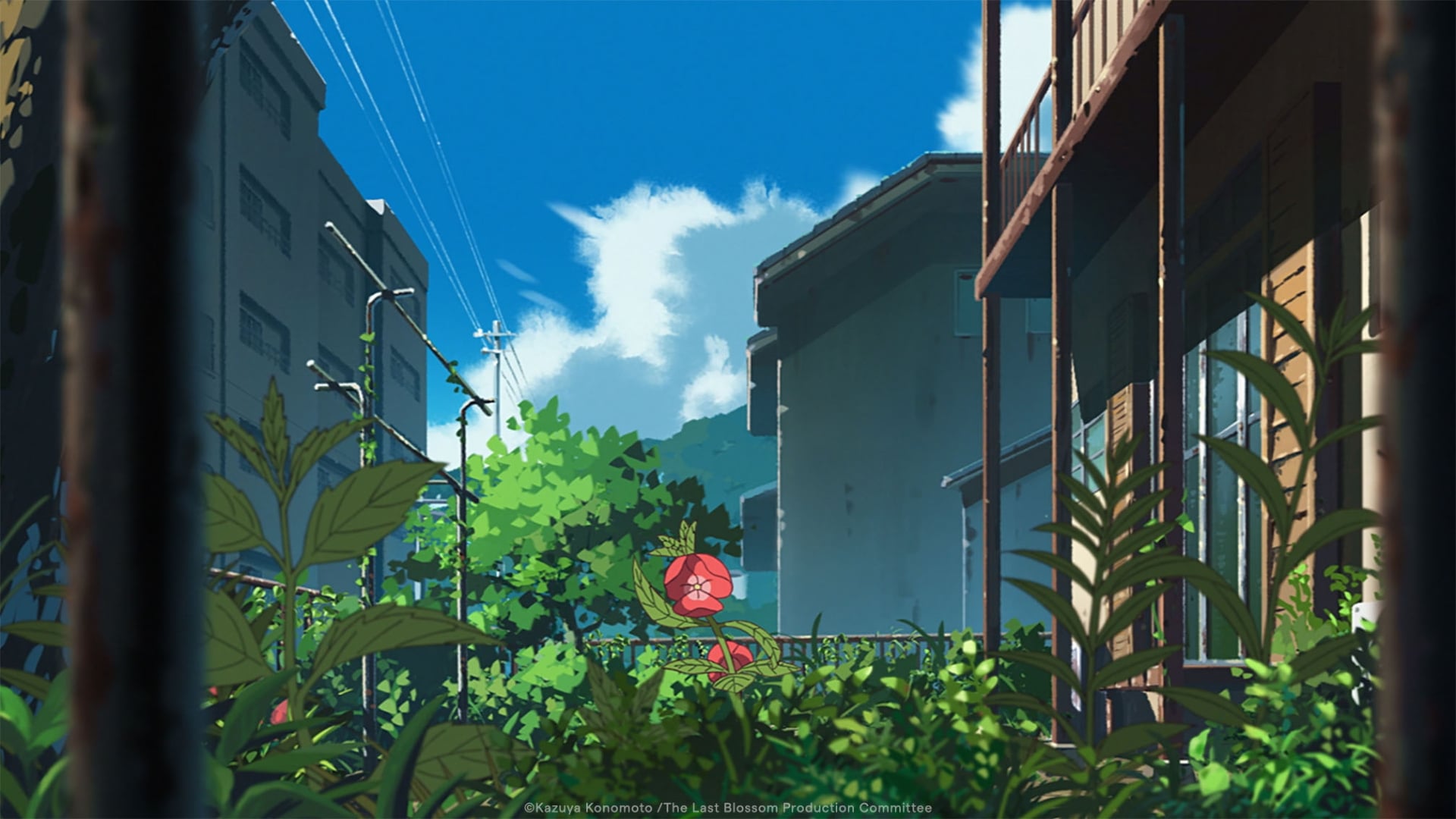
Although Kinoshita noted that his two works go in completely different directions from one another, both tonally and narratively, thematically the two share an uncanny tie in how they utilize the criminal underworld of the yakuza. Typically, anytime yakuza show up in media, it’s to glorify their rise to power, romanticizing the violence it took to get to the top of the hill. ODDTAXI and The Last Blossom instead use the often machismo-heavy elements of the yakuza as a storytelling device, unearthing the tenderness beneath all the bravado. I couldn’t help but draw the comparison and ask what drew Kinoshita to using the yakuza as a storytelling lens once more.
“I think yakuza—or people who are living in the criminal world—their future isn’t promised. They don’t know how long they’re gonna live,” he said. “Because of that, they live in the moment, and they’re really careful with what they’re experiencing. And I think because their future isn’t promised—their life is so fleeting—that’s what makes it interesting and alluring to me.”
Another quality of the film, reminiscent of Satoshi Kon’s Millennium Actress, is how it slips between past memories as a kind of confessional between characters. However, Kinoshita says the film’s tone draws inspiration from the works of comedian and gangster-cinema actor/director “Beat” Takeshi Kitano. That connection comes to the forefront through the absurdist yet wholesome relationship between The Last Blossom‘s gangster and his talking plant confidant.
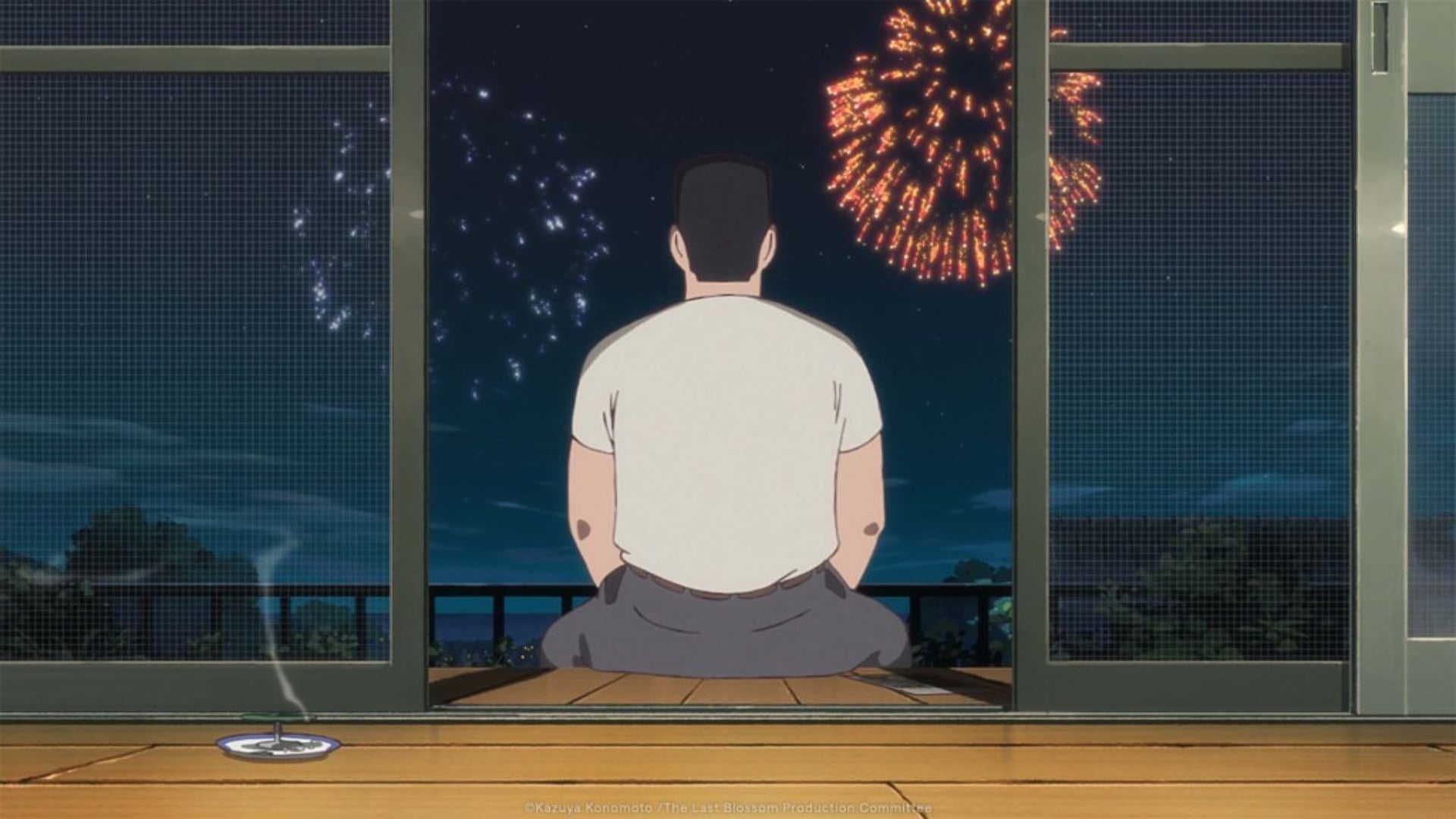
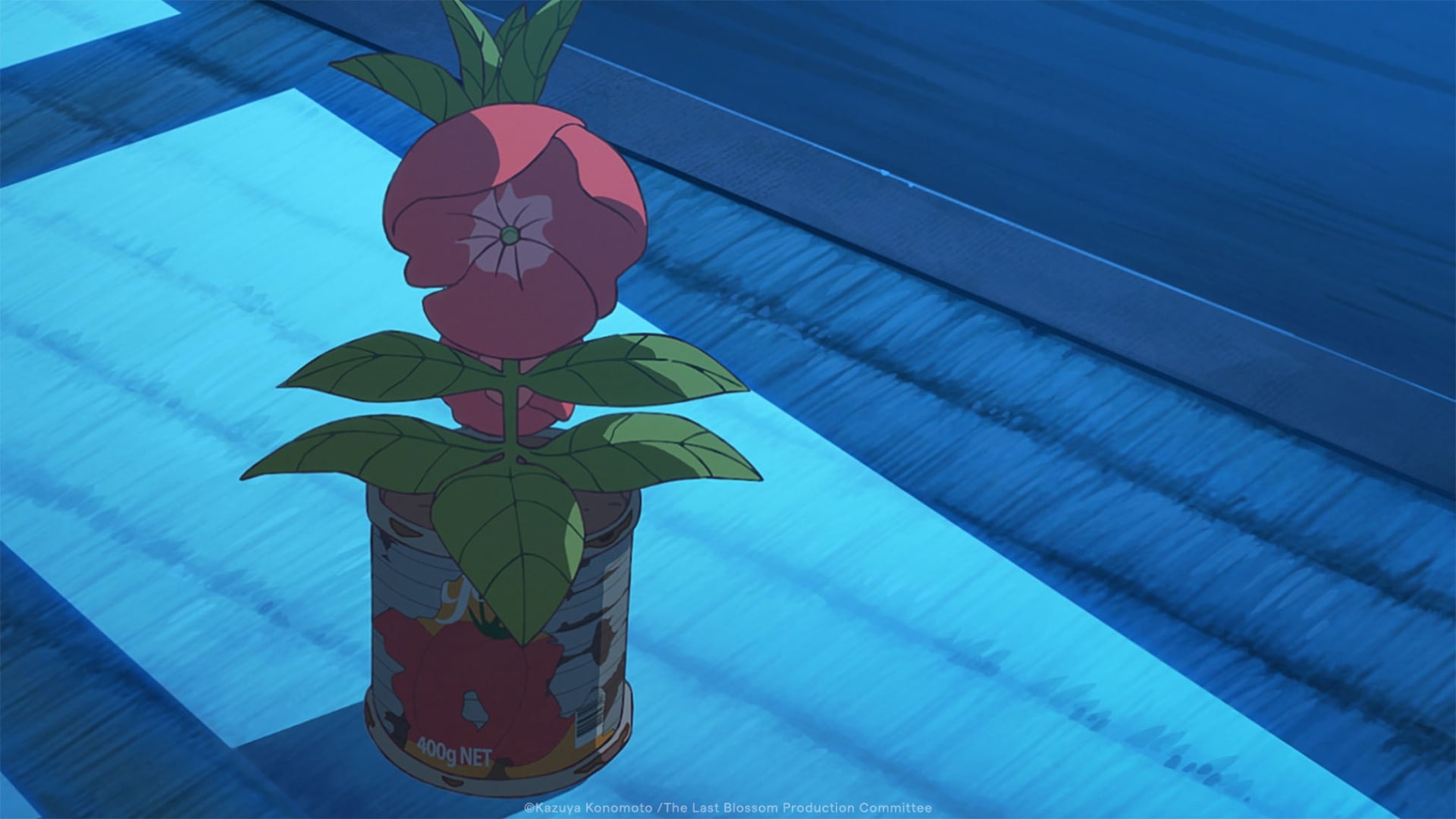
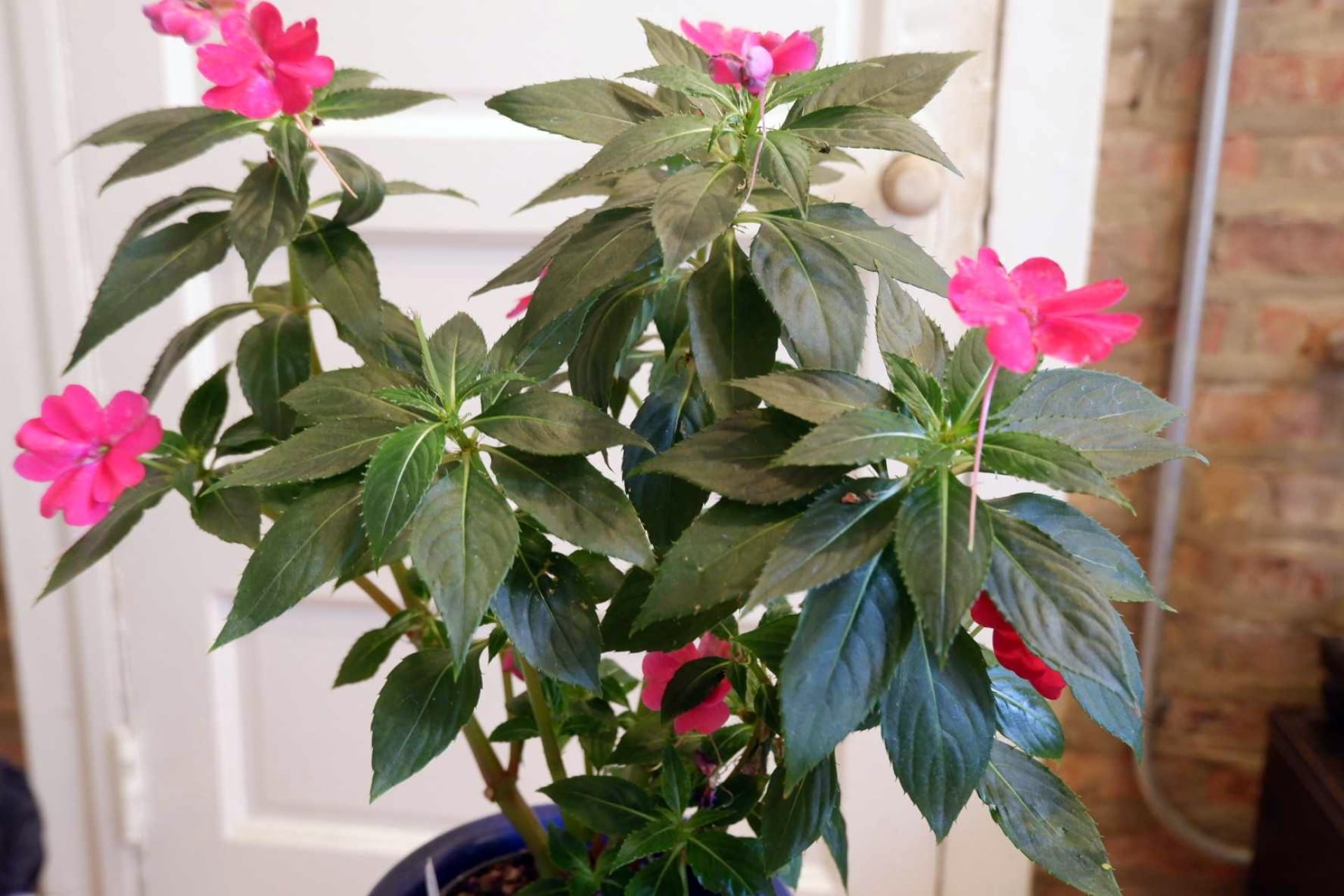
After screening the film, I trekked out to buy a balsam plant of my own to figure out why Hōsenka looked wilted in one scene and perfectly fine the next. Thanks to my local botanist, I learned that Hōsenka belongs to a temperamental plant family called impatiens. Although their on-the-nose-sounding name is derived from how their seeds disperse at the slightest touch—like Akutsu to Hōsenka—I found my balsam to be the most dramatic plant I’ve ever owned. In addition to requiring daily watering and ample sunlight to stay alive with human assistance, they wilt at the touch but can learn to accept human contact. It’s the most tsundere plant on earth. On top of surprising Kinoshita by being the first interviewer who brought the titular plant (he had a plushy of Hōsenka), I picked his brain about the symbolism of having such a petulant plant as an essential scene partner for The Last Blossom‘s go-with-the-flow lead.
“The Balsam is a very sensitive plant. What it’s most famous for is the pod that bursts when you touch it. That really has biological meaning, because when the pod bursts, its seeds travel far. That’s part of their survival strategy. I really thought that survival strategy was very smart, and being willing to do that much to spread your seed is different from how Akutsu is,” Kinoshita said. “I really thought their contrasting personalities would be an interesting juxtaposition to showcase in the movie.”
Moving from a series with a collective runtime of four-and-a-half hours to a film clocking in at 90 minutes meant Kinoshita had to fine-tune characters and scenes to make the most of The Last Blossom‘s screen time. Kinoshita said his creative experience on ODDTAXI helped him achieve a balance between impactful, meditative moments in The Last Blossom and the transformative stories he wants to helm in the future.
“Filmmaking—if they give you more time—you tend to use all that time, and then you even use more. Following the schedule and the deadline is what I learned. But also, in my next projects moving forward from ODDTAXI and The Last Blossom, I still want to go into even more new territory.”
The Last Blossom is in select theaters on August 30 and August 31.
Want more io9 news? Check out the best movies and TV shows to stream this month and all the upcoming sci-fi, fantasy, and horror books that should be on your radar.