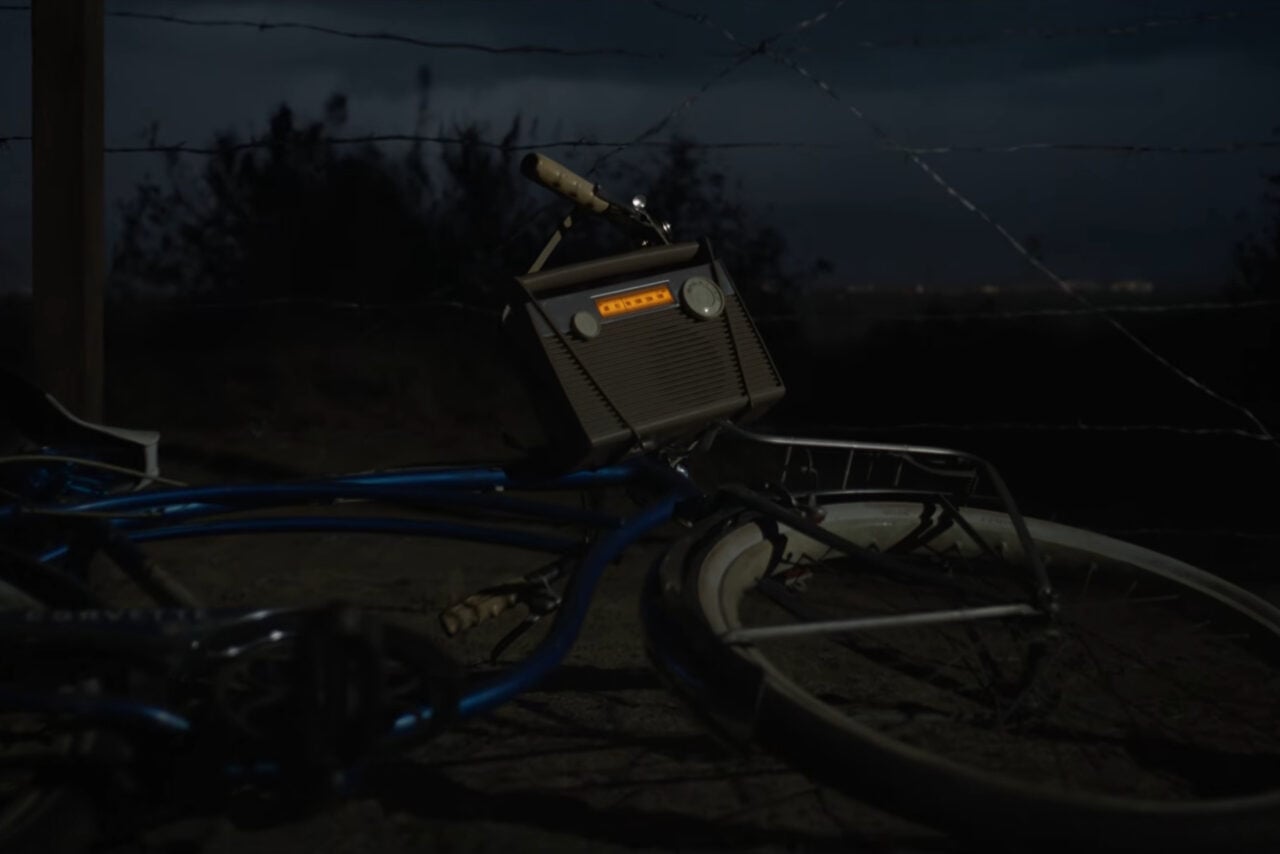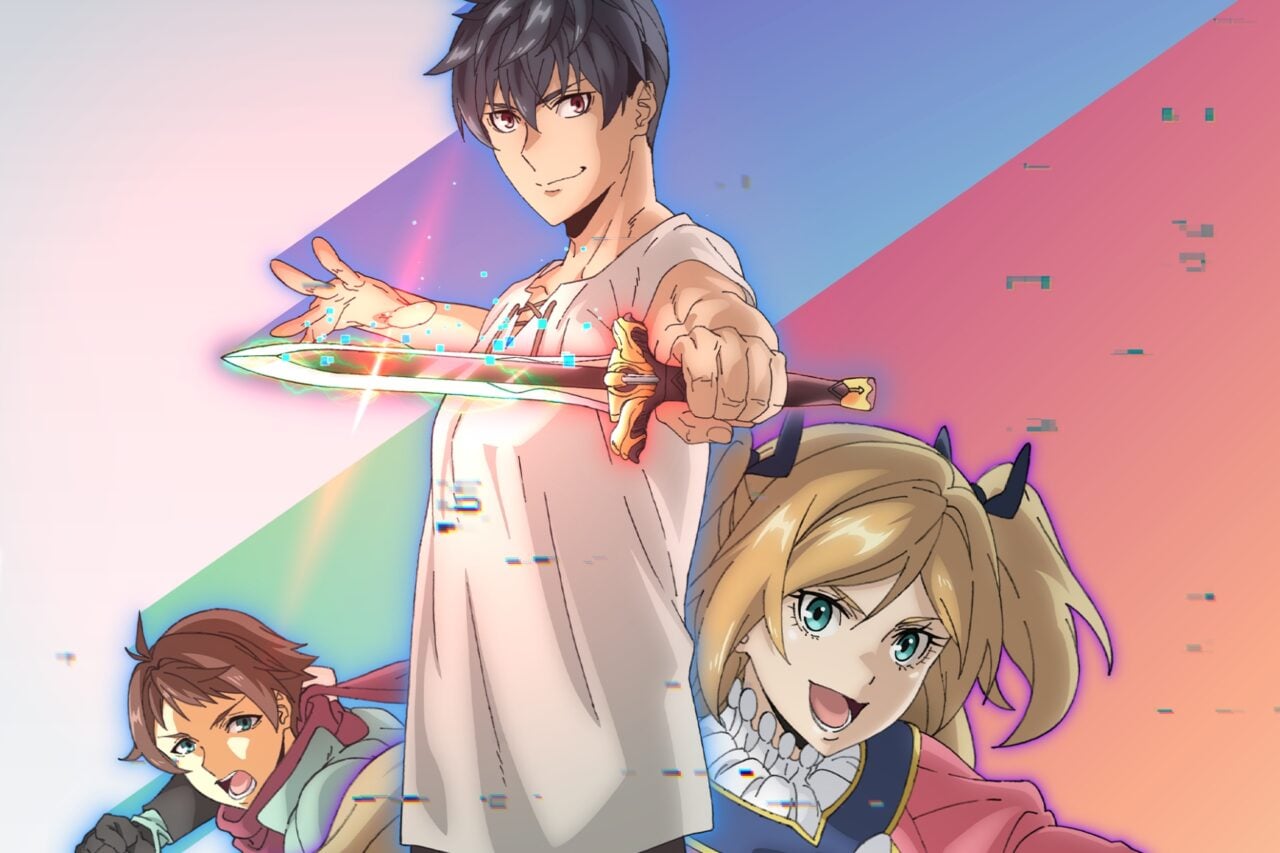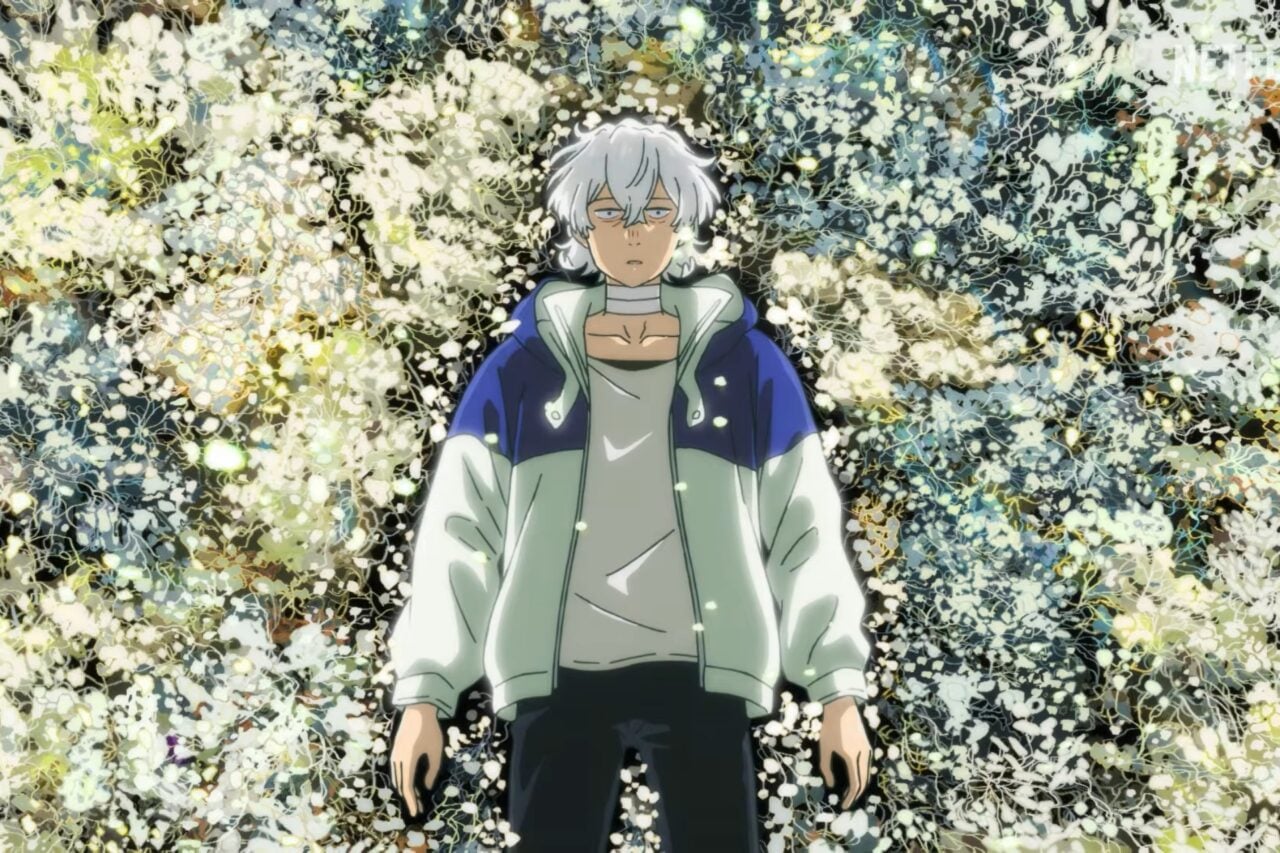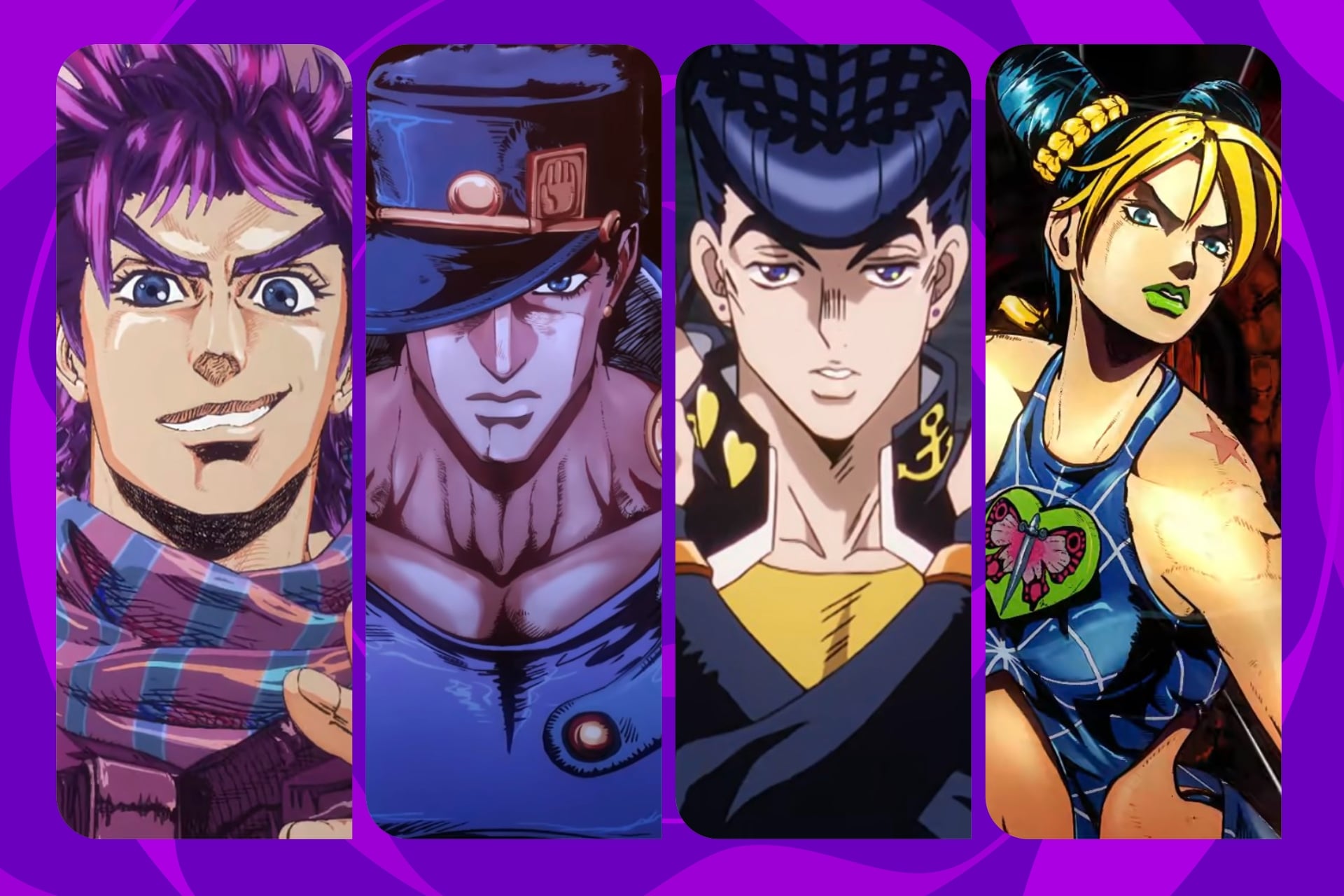
Steel Ball Run, the seventh part of David Production’s anime adaptation of Hirohiko Araki’s long-running series, JoJo’s Bizarre Adventure, is still in full stride on Netflix. With the return of its weekly release format, JoJo Fridays has brought an influx of fandom memes with each passing episode about skipping its cloppy outro song as the anime trots along into the third stage of its wacky cross-country race. Along with it have come tier-list rankings of folks sizing up which part of Araki’s series is better than the others. Not leaving well enough alone from our last foray into anime lists, we figured we’d throw our hat in the ring with our own JoJo’s Bizarre Adventure ranking.
First things first, we won’t be including Steel Ball Run in this ranking. For starters, the anime is still airing, so it’d be awkward to put it at the top of the list based on the manga alone. Better to let the anime cook before ranking it at the top right out of the gate. But know Steel Ball Run is my favorite JoJo part, full stop. We’re only covering released anime parts, so no manga mentions. It goes without saying this is my personal ranking of favorite JoJo parts. I’ve got a Joestar tattoo on my shoulder, the menacing onomatopoeia characters down my forearm; it’s my list, and I make da rules. But feel free to deliberate your own personal rankings in the comments! Without further ado, here’s my ranking of JJBA parts from least to most favorite.
Phantom Blood
Being the progenitor of an ongoing franchise is a tough role for any anime series. I adore Phantom Blood for laying the groundwork for the series; even though it promised to adapt Araki’s manga up to Stone Ocean in its opening sequence, it’s clear the series is still figuring out what it wants to be. Instead of teetering between a send-up of Fist of the North Star and a super-powered vampire epic, Phantom Blood stomps down on the seesaw and says, “Why not both?” This part not only introduces one of anime’s most dastardly villains, Dio Brando, but also lays the track for the “to be continued” meme that seeped outside the anime’s confines and into pop culture.
The series follows hero Jonathan Joestar as he treks out to battle his adopted brother, Dio, after he turns into a vampire, kills their father, and wreaks havoc on the world with his vampire lackeys. Along the way, Jonathan gets swole and learns how to wield the power of the Ripple with the help of his mentor, Baron Zeppeli. It ranks low on my personal list because I don’t feel antsy to rewatch it as often, but it’s still entertaining. I’m especially fond of its English dub, which has veteran actor Johnny Yong Bosch deliver his best British accent as the mild-mannered Jonathan Joestar. Phantom Blood is JoJo at its most Shakespearean and melodramatic, with tons of quotable moments and a surprisingly moving finale that sets the stage for Dio’s generational hatred toward the Joestar bloodline.
Battle Tendency
For a long time, Battle Tendency, the ancillary to Phantom Blood, was my all-time favorite JJBA part. It had a bouncier opening with Coda’s “Bloody Stream,” and a nifty tonal shift from Fist of the North Star to Indiana Jones. But mostly, I loved this part because of sheer charisma oozing from its dynamo of a protagonist, Jonathan’s smarmy grandson, Joseph Joestar.
I’d never encountered an anime protagonist so completely unlike the hero who came before him. Whereas Jonathan Joestar was a noble, honor-bound gentleman, Joseph was a loudmouthed, self-aggrandizing troublemaker who thrived on chaos. Whether he predicted his opponents’ next line before they could say it, relied on his secret technique of running away when the odds were stacked against him, or somehow stumbled into victory through sheer improvisation, Joseph brought a completely different energy to JJBA. Through him, the series felt uniquely self-aware, embracing familiar tropes only to poke fun at them in a way that was clever rather than cynical. Given that his particular adventure saw him battling a triumverate of gods and, literally, a Nazi (whom he befriends, but let’s not talk about that), over the possession of an all-powerful gem, the amount of anime bullshit on display in Battle Tendency is one for the ages.
In my rewatches of the series, I often get really amped to get to Battle Tendency for how raucous and fun it is, as the subsequent arc dovetails some of the consequences that came before it. It’s dumb fun to the nth degree, and few other JJBA parts match its infectious energy, even when it feels like Araki is making shit up as he goes along.
Golden Wind
Golden Wind, the fifth part of JJBA, is one I used to like a little less than other arcs in the anime. My biggest gripe was that the potential of its protagonist, Giorno Giovanna, was more interesting on paper than he was on screen. Basically, Giorno is the son of both Dio and Jonathan through the most bizarre circumstances, and he carries a smattering of both their temperaments. Outside of a few choice moments, like the long-ass punch-out sequence against one of the most messed-up villains in the series, I never really felt he lived up to the hype as the series lead compared to his “JoBro” and real series highlight, mafioso Bruno Bucciarati.
Still, the show’s premise was interesting enough. Golden Wind is basically The Godfather of the JJBA franchise. It sees Giorno join a “GangStar” group, Passione, led by Bucciarati. After some hijinks, they land in the crosshairs of their boss for uncovering a secret that ties to his true identity while escorting his daughter, Trish Una. While the motivations of its big bad, Diavolo, are pretty laughable in the grand scheme of things, the show’s search for him leads to some of the most inventive Stand battles the series has ever had. Its opening theme is a highlight, and Passione’s group camaraderie is a huge boon to the series. However, sometimes the complicated powers of the big bad and Giorno made the manga hard to follow.
Thankfully, the anime does a ton of extra heavy lifting to parse through how the series’ more complicated ghost powers work, culminating in one of the most exciting weekly episodic runs of JJBA to date. Personally, though, the show ranks lower for me because powers suddenly doing different things than their somewhat ill-defined explanations gleaned (cough cough, Giorno and Diavolo) it feels like one of the more disconnected parts of the quasi-anthology. Compared to other parts, you can kinda watch Golden Wind without background knowledge of the previous parts, though I wouldn’t dream of recommending that.
Stardust Crusaders
By far the most popular part of the entire series, Stardust Crusaders is a monster of an anime to get through. It’s really long. And with that length comes a lot of misadventures for its hero, Jotaro Kujo, with peaks and valleys of monster-of-the-week battles. But amid it all, the show introduces the series’ titular concept of Stands: the superpowered, song-referential ghosts its ensemble wields in battle. The show itself also sees two members of the Joestar bloodline fight alongside each other for the first time in the series, with Jotaro teaming up with his grandfather, Joseph. Their mission is to defeat Dio, who is holed up in Egypt, to save Jotaro’s mother from dying. Their globe-trotting adventure sees them battle hordes of Dio’s new underlings.
I’m mostly cool with rewatching Stardust Crusaders because it’s a bigger commitment than other JJBA parts. I’ll dip in here and there for certain episodes friends are rewatching, like the deadly Darby card-game battle, but I’m chill about revisiting the show in earnest until a friend lets me know they’ve reached the show’s final stretch in Egypt. That’s when Stardust Crusaders gets crazy good. Still, there’s a nice little rhythm in seeing Jotaro and crew encounter a murderer’s row of villains like an evil baby attacking them in their sleep, Freddy Krueger-style, a peregrine falcon, and the goddamn Sun. Nothing quite beats the show’s reveal of Dio’s time-rewinding power, The World, another artifact of the show that became so popular it became an out-of-context meme unto itself.
For all the coolness of JJBA‘s inventive game of chess and its battles, it also has some of the biggest ass-pulls in the series, including its finale. But still, that doesn’t stop its rule of cool from keeping it from being the arc most fans think back to as what the series is all about.
Diamond Is Unbreakable
Similarly to how “Chase” is my favorite opening despite early detractors in the fandom wrongfully thinking it’s the worst song in this part’s bunch, I’ll always hold Diamond Is Unbreakable as one of my all-time favorite JoJo’s Bizarre Adventure parts. One reason is that it was my first formal introduction to the series back in my freshman year of college, when I walked in on my roommate playing the first episode. Sure, I was aware of the memes and such, but this part opened my eyes to the vibes each show had to offer with each subsequent arc. Mainly, I loved Diamond Is Unbreakable‘s unmistakably comfy and unnerving Twin Peaks vibes. Don’t worry, I didn’t commit the cardinal sin of part-skipping by watching its fourth part first. However, Diamond Is Unbreakable was the carrot at the end of the stick that motivated me to check out the series in the first place and learn what its voguing ensemble and supermodel ghosts, Stands, were all about. It was my gateway drug into JoJo’s.
Compared to the others, Diamond Is Unbreakable is the lowest-stakes adventure. There’s no globe-trotting odyssey to stop a universe-altering villain. The show never leaves its central location of the sleepy town of Moriocho. It follows the pompadoured hero, Josuke Higashikata, on a monster-of-the-week, formulaic run for most of its first half. Some adventures are as benign as encountering a gourmet chef piling on the meats, proving whether the local weirdo is actually an alien, or nearly dying fighting a rat. It’s a comfy show that basically houses a smorgasbord of Junji Ito what-if scenarios within the confines of its town. I like this part because it feels like Araki figuring out what he wants JJBA to be as a series.
Most notably, this arc sees him shift from harsher outlines of the show’s bodybuilder characters, who are the spitting image of Sylvester Stallone, Arnold Schwarzenegger, and Kenshiro from Fist of the North Star, to slimmer, softer supermodels with attitude. As proof of concept that JJBA has a foothold in the queer community, Diamond Is Unbreakable opened me up to my own queer and non-binary identity by showing Araki’s character-design evolution in real time through Josuke, particularly in how comfortable he was sticking his hip out in cool, cunty poses.
And just as you get into a comfortable rhythm getting to know its ensemble and loving the green and purple hues of its skies, the show rips the rug out from under you by turning into a serial-killer murder mystery with the time-looping, David Bowie-inspired baddie, Yoshikage Kira. (A lot of villains wind up having time-manipulating powers, and his is far from the most broken).
Everyone brings their A-game, from both the Japanese and English voice acting departments, with some of the most iconic and hilarious line reads of the series. But most of all, I adore this part because of the voice acting chops of Josuke’s late English voice actor, Billy Kametz. Kametz always brought a unique, playful energy to his portrayal of Josuke that made the show’s goofy vibes shine.
Stone Ocean
Part of why I was on Netflix’s neck for never promoting Stone Ocean‘s binge release while I was at Kotaku was that it felt like the streamer really dropped the ball on one of the series’ most emotionally cathartic arcs. As the first arc set in the aggro zone of Florida, Stone Ocean follows Jotaro’s daughter, Jolyne Cujoh: the first female protagonist in the entire series. And boy, howdy, do they put her through the wringer. Unlike her predecessors, Jolyne doesn’t have the luxury of taking a break and licking her wounds in between deadly Stand battles. Jolyne’s in the crucible of a Florida state prison, fighting for her goddamn life after getting arrested for a crime she didn’t commit. When she’s not fighting for her life in prison against superpowered inmates, Jolyne is coming to fight tooth and nail to save her father from his own demise.
Like Diamond Is Unbreakable and Stardust Crusaders before it, Stone Ocean also shines a bit brighter as a JJBA part because it sees a previous generation’s hero interact directly with their successor. But unlike those parts, Jolyne’s story is ultimately less about living up to a legacy than forging her own. In many ways, Stone Ocean is the only part that fully delivers on the series’ quasi-anthology premise. Rather than living in her father’s shadow, Jolyne struggles, grows, and ultimately emerges as her own kind of hero, earning her place among the Joestars as the story shifts from a low-stakes premise to the most consequential, universe-ending one. Likewise, her big bad, Enrico Pucci, and her ally Weather Report give the series a focus on racial disparities in the South in ways the series never explored before.
On the lighter side, Stone Ocean also feels like the final form of everything that made the anime adaptation special. Stone Ocean pushed the franchise’s already notorious love of pop-culture references to its limits, pulling stand names and allusions from musicians, films, and even Disney properties in ways that felt increasingly impossible to untangle from copyright law. It’s also home to one of Araki’s funniest acts of pop culture spoiler culture. Infamously, the manga had Jolyne spoil the twist in The Sixth Sense before the film was released in Japan. Few parts embody JoJo‘s chaotic relationship with popular culture quite as perfectly as Stone Ocean.
But what I love most about Stone Ocean is how it feels like the culmination of a promise David Production made when it first set out to adapt Araki’s manga. From Phantom Blood‘s opening sequence onward, Jolyne’s silhouette lingered on the horizon like the final destination on a roadmap, the point toward which every JoJo adaptation was steadily marching. More than just another arc, Stone Ocean arrived as the payoff to that decade-long journey. While its Netflix release unfortunately saw its finale come and go without the fanfare it deserved, the series still delivered on that promise with a gut-wrenching conclusion that saw Jolyne face the most broken time-manipulating power the franchise had ever conceived, bringing the original Joestar saga to a bittersweet, universe-ending close.
In many ways, Steel Ball Run‘s reputation as the best part of the series stems from its remixing and rebuilding all the hallmarks that came before it. It’s the closest thing manga has come to an Avengers-level culmination and reboot in storytelling. But for me, Stone Ocean will always stand as the emotional endpoint of the original JoJo’s Bizarre Adventure: the moment David Production fulfilled the promise it had been building toward since day one.
With that chapter closed and the third stage of Steel Ball Run on the horizon, now’s a great time to double back and check out the parts that preceded it and feel the full weight of why many JJBA fans consider it the best part of all time.
Steel Ball Run is streaming on Netflix.
Want more io9 news? Check out the best movies and TV shows to stream this month and all the upcoming sci-fi, fantasy, and horror books that should be on your radar.