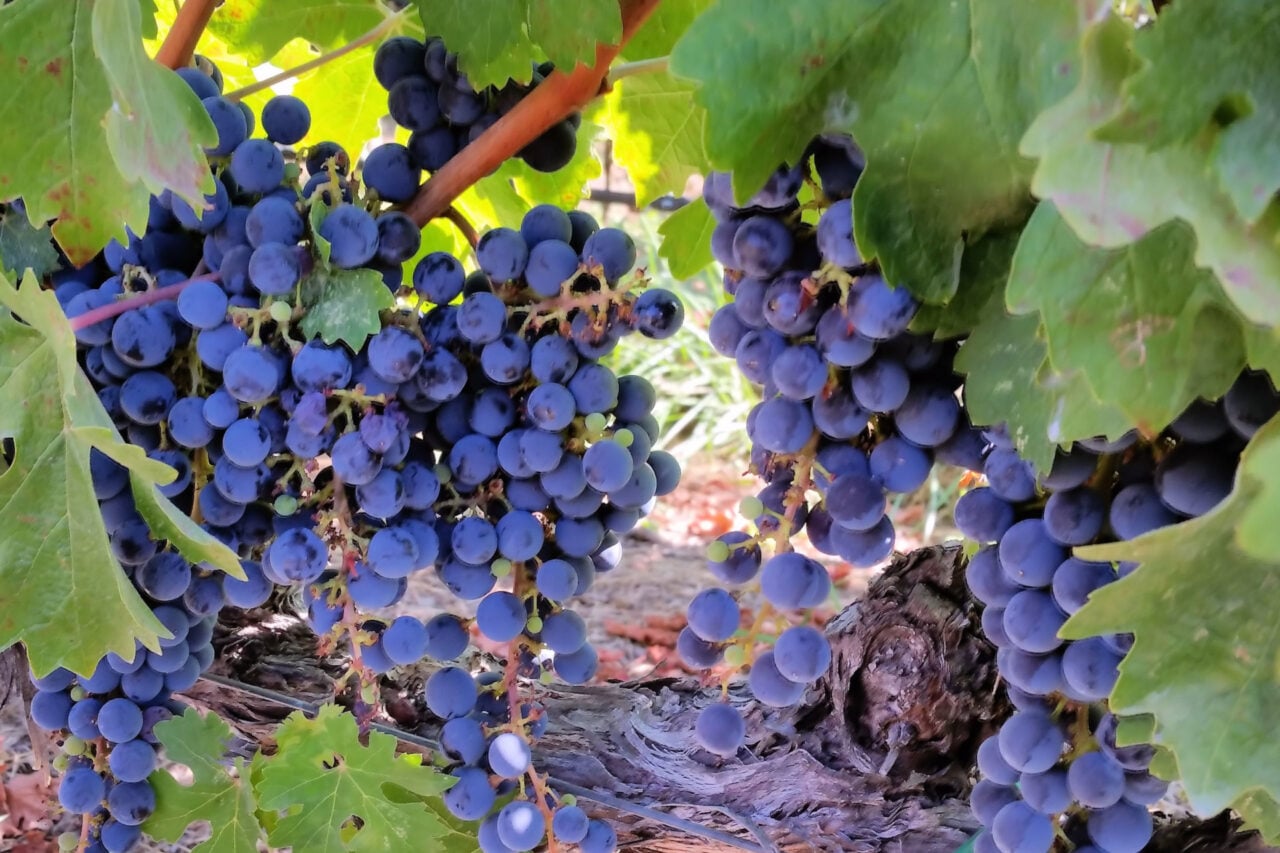
Skin samples from people who ate grapes revealed increased natural protection against ultraviolet rays.
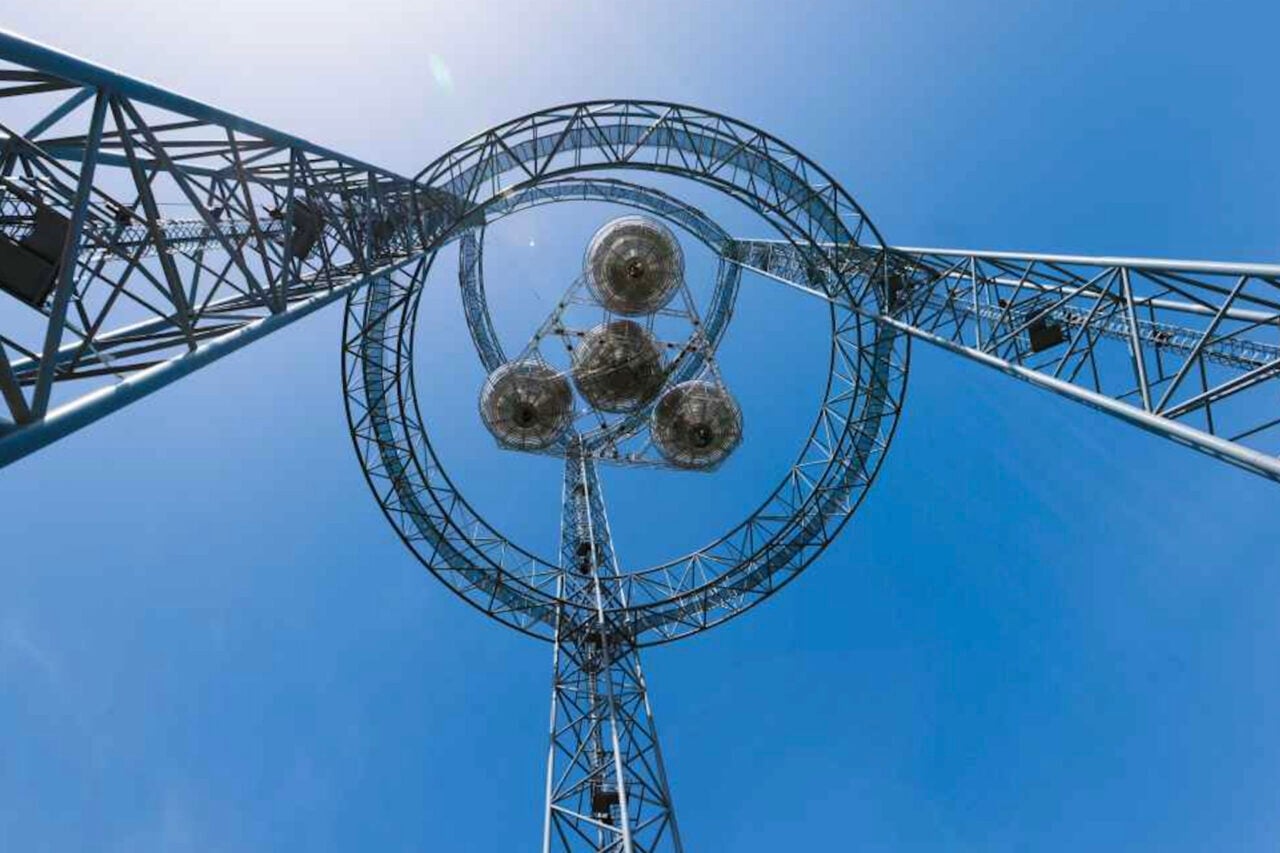
China's prototype orbital solar plant can now beam 143 watts of power to a drone cruising in mid-flight.
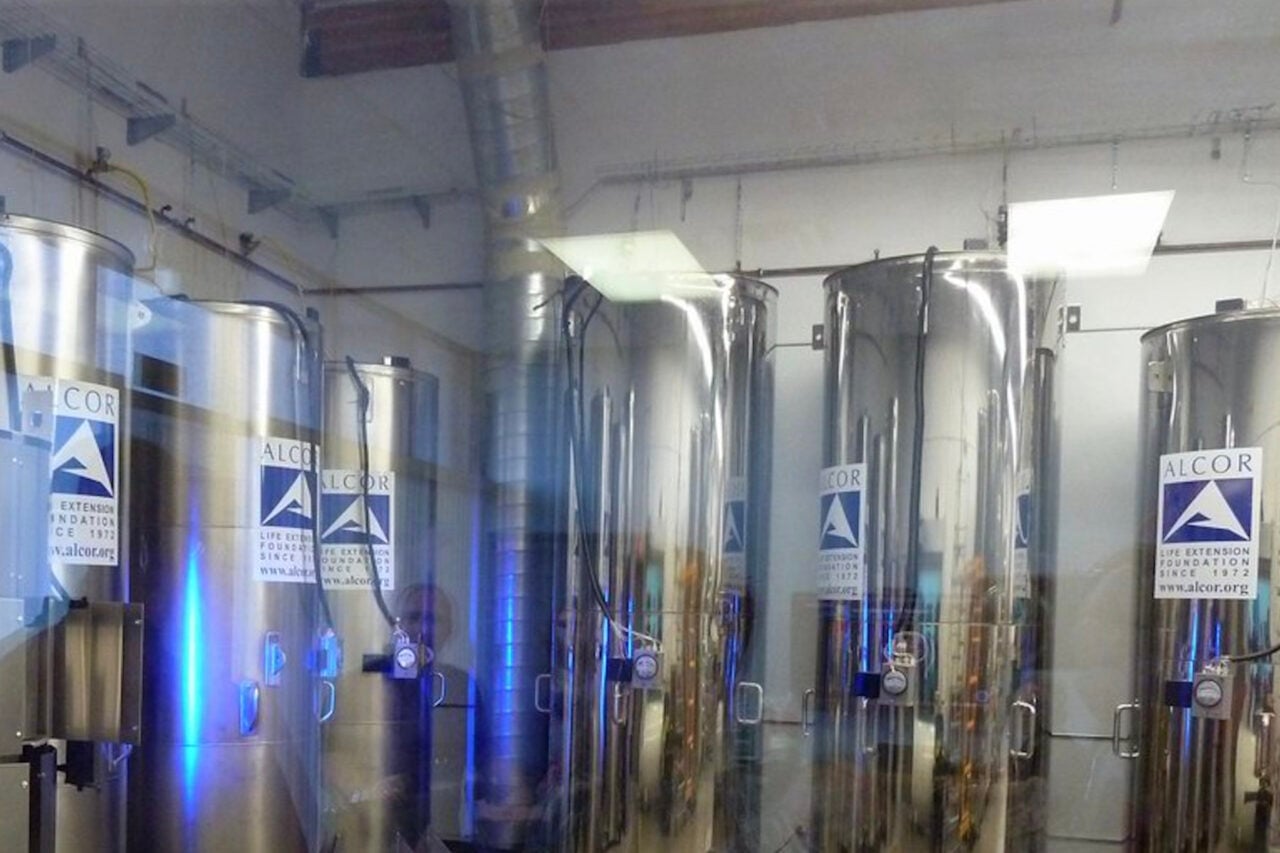
Researchers surveyed over 300 physicians to get their take on leaving patients in suspended animation for future revival.
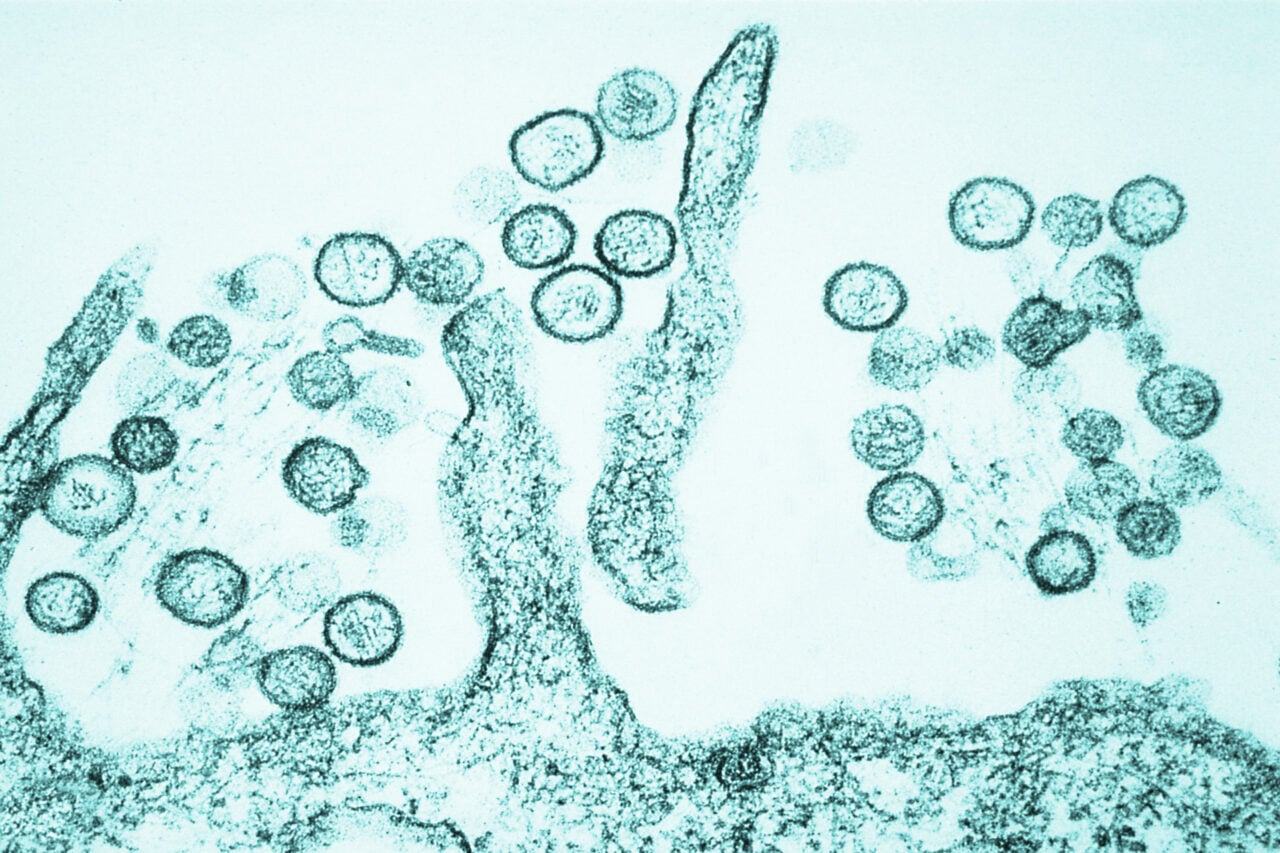
Colorado officials are asking residents to be mindful of hantavirus infections from the local Sin Nombre strain during spring cleaning.
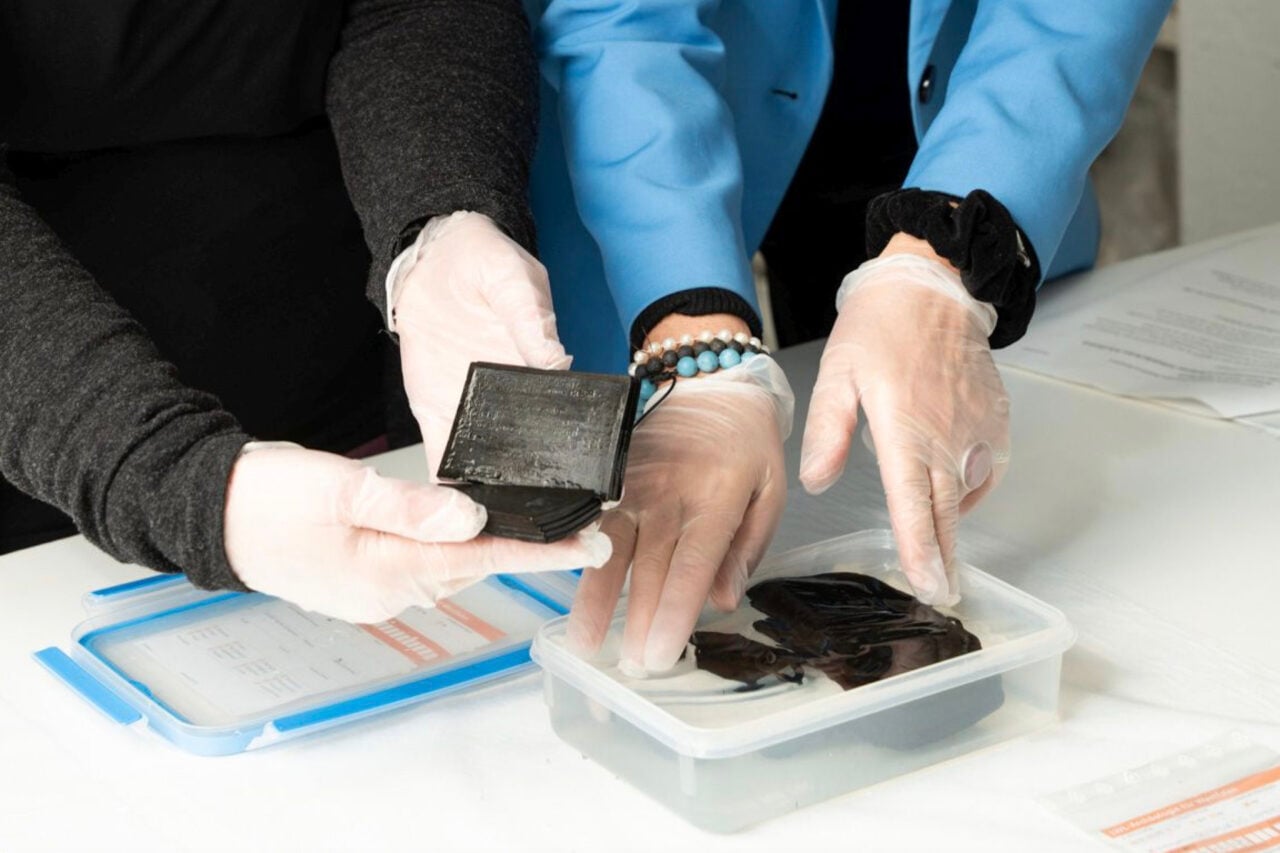
An ‘exceptionally well-preserved’ notebook pulled from a late Middle Ages latrine was found alongside silk scraps believed to once be fancy toilet paper.
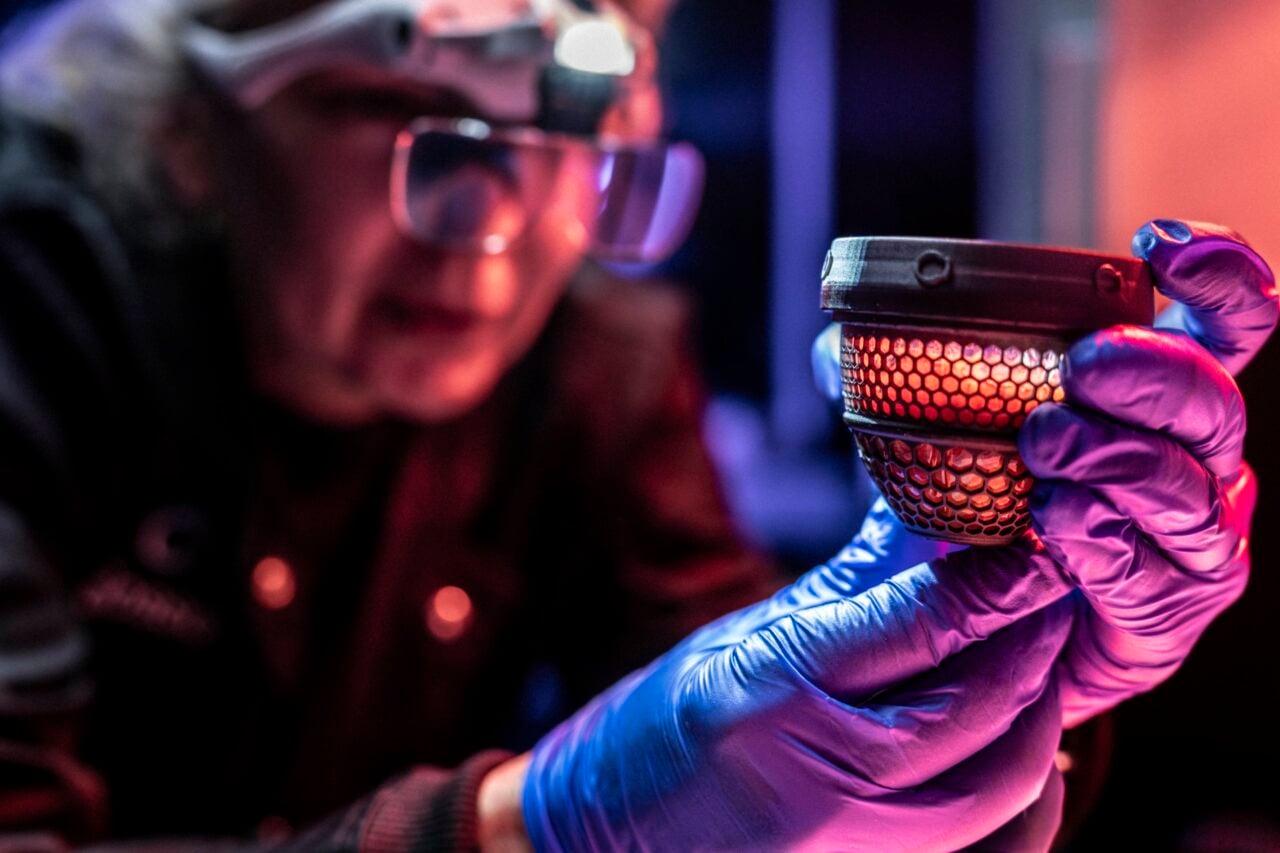
Colossal Biosciences has announced newborn chickens from an ‘egg’ made of titanium and bioengineered silicone. It’s the firm’s next step toward resurrecting New Zealand's extinct giant moa.
The company entrusted with 5,500 artifacts salvaged from the Titanic wants to pawn off 100 to deal with its creditors.
Chinese firms are selling off their stake in U.S. solar power production, according to new economic reports.
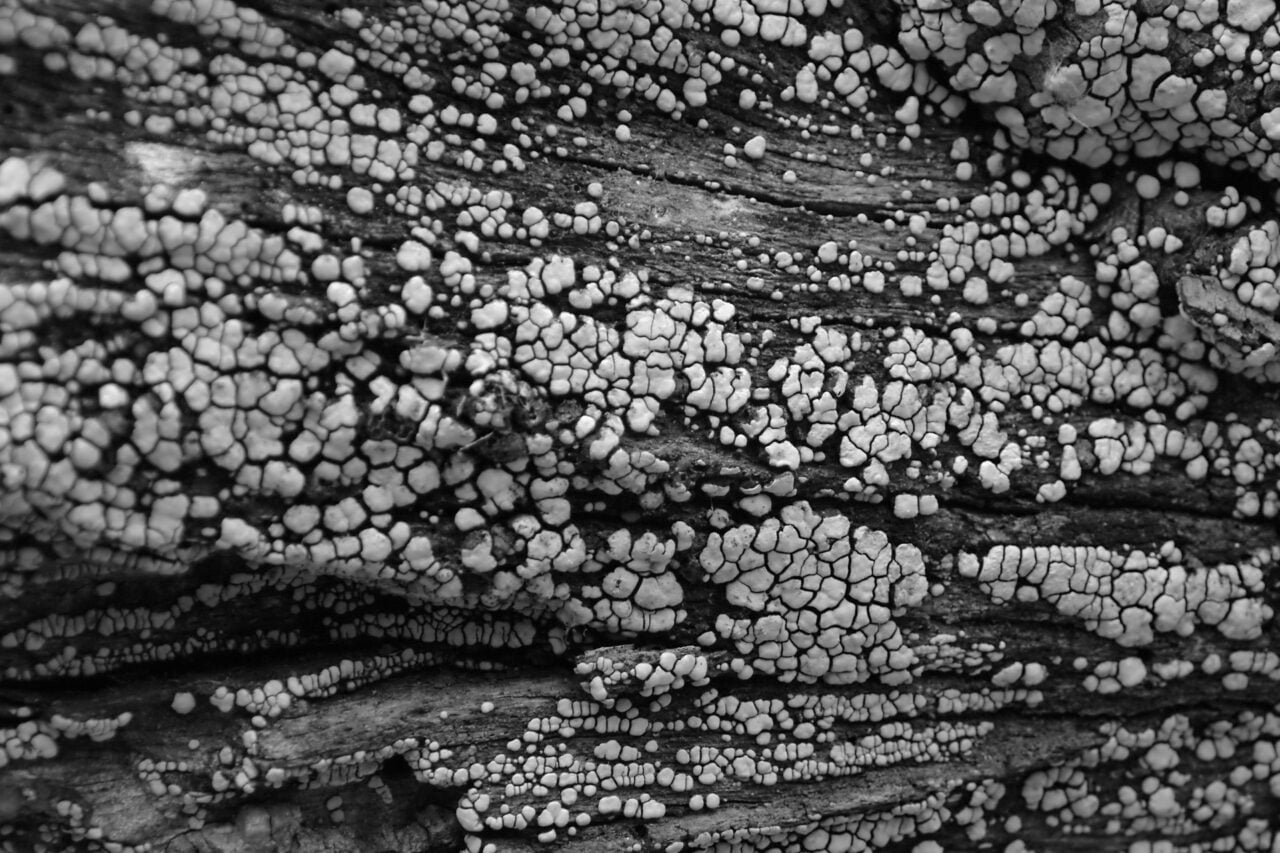
Fossilized spores confirm that legions of fungi made a meal of Earth’s dying dinosaurs.
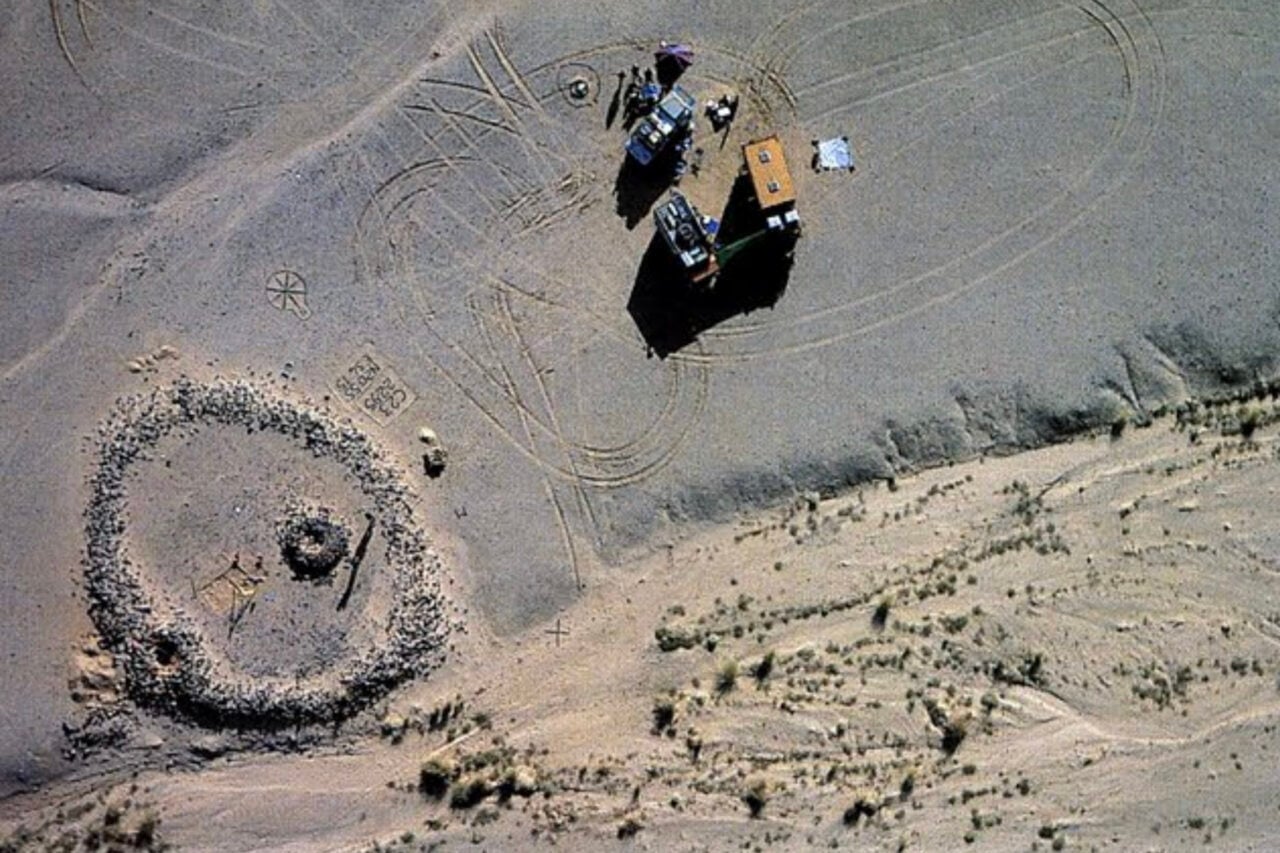
Over 280 ancient mass graves have been discovered east of the Nile, and the monuments predate ancient Egypt.
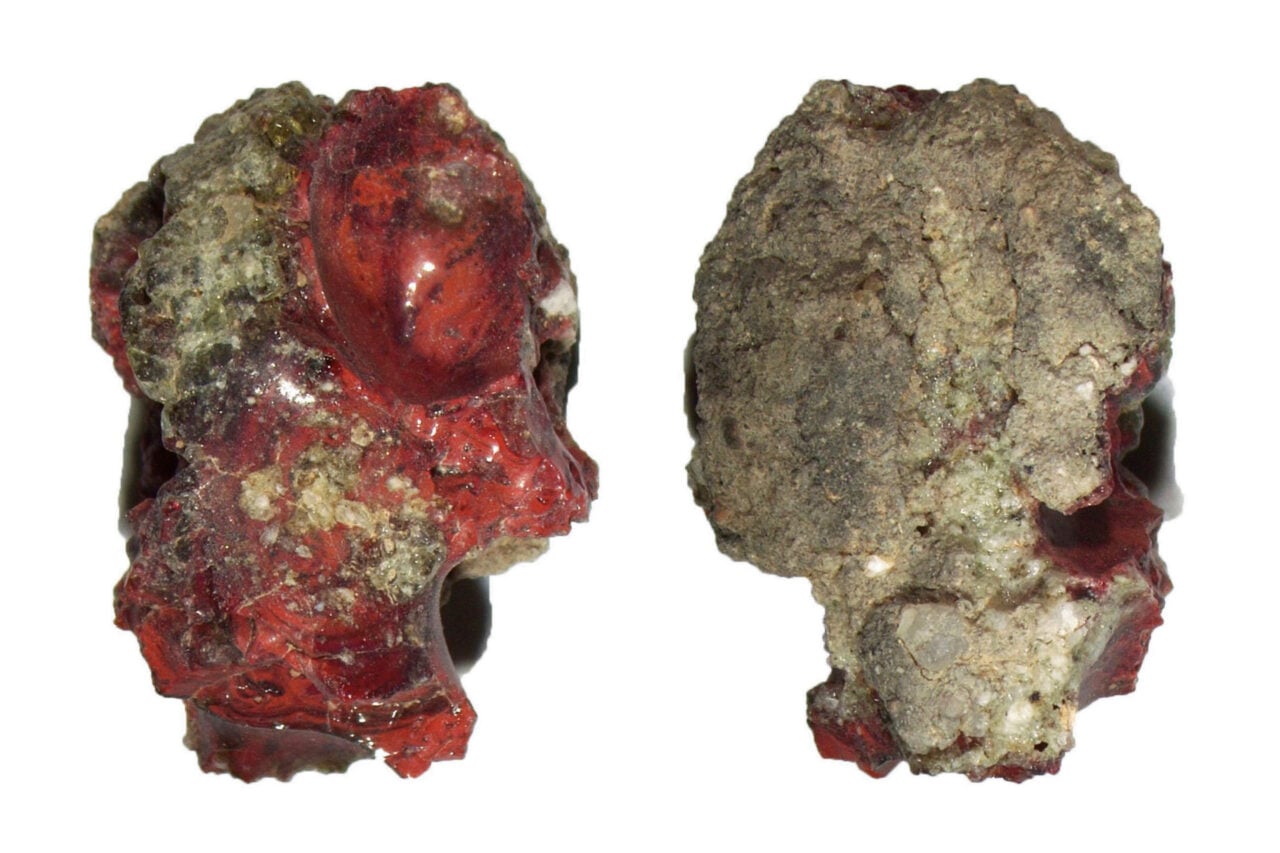
An unusual crystal created by America’s first nuclear bomb test could help scientists understand a structure needed for quantum computers, solar power, and batteries.
The Brazilian tree extract‘s ‘multitarget’ attack on covid could also foil future strains of the virus.
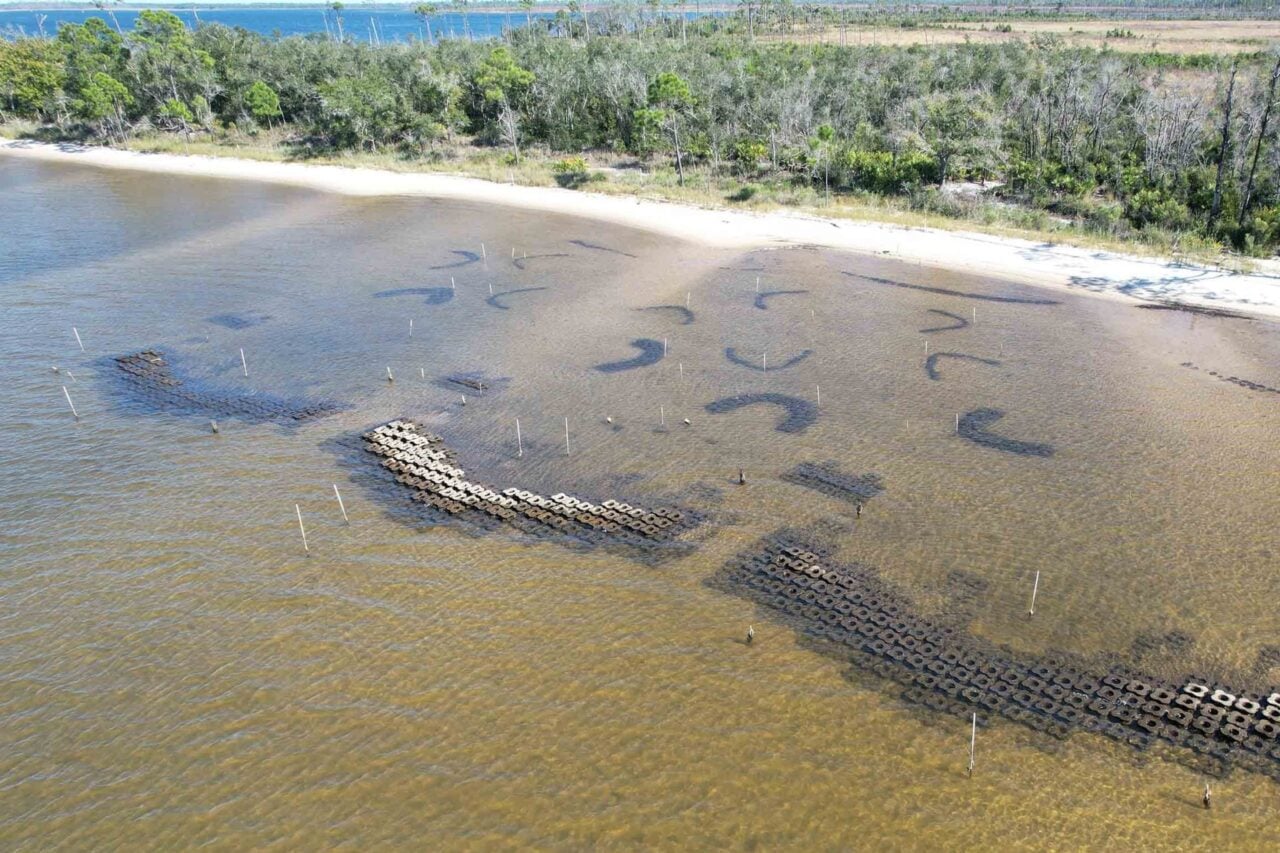
After Hurricane Michael laid waste to Tyndall Air Force Base, DARPA turned to a common bivalve for assistance.
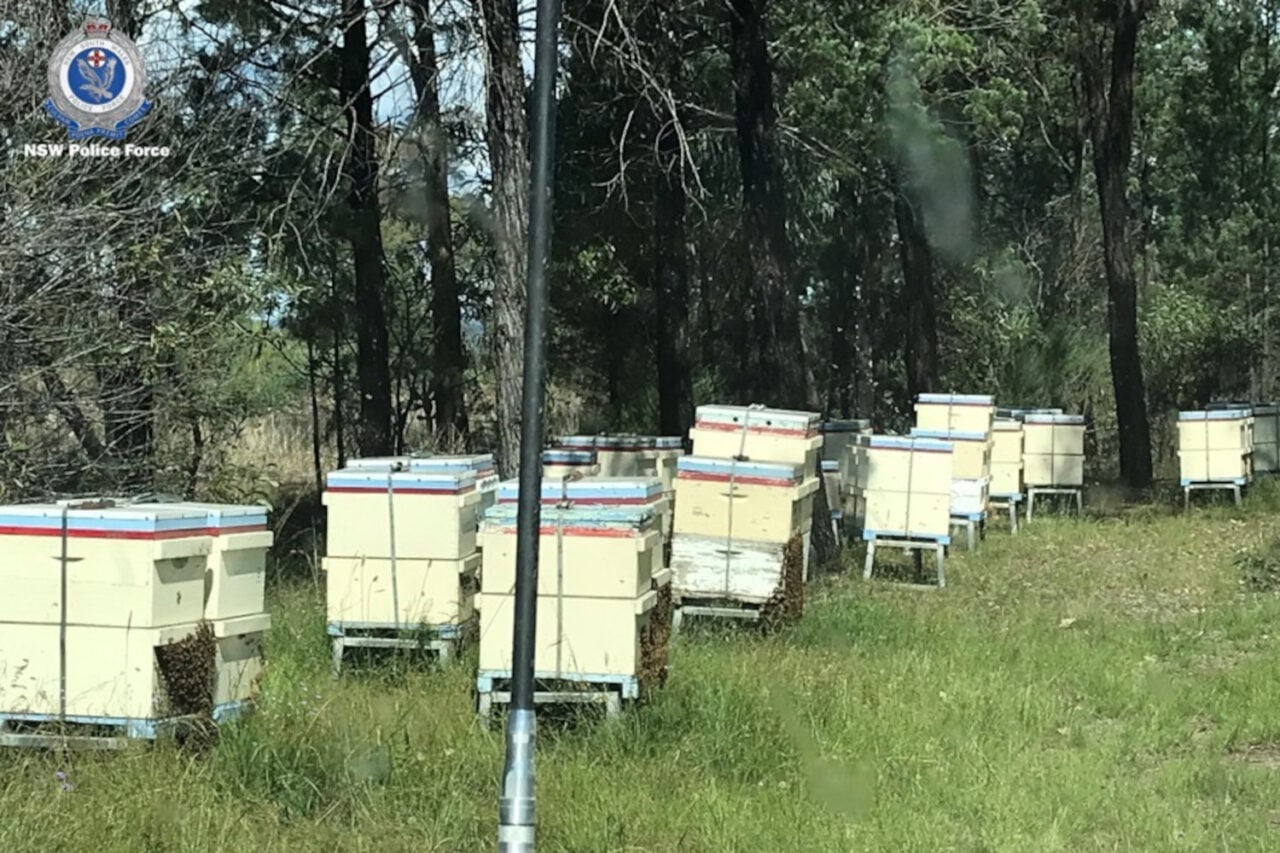
Bee theft has “escalated” into a million-dollar black market, beekeeper associations warn.
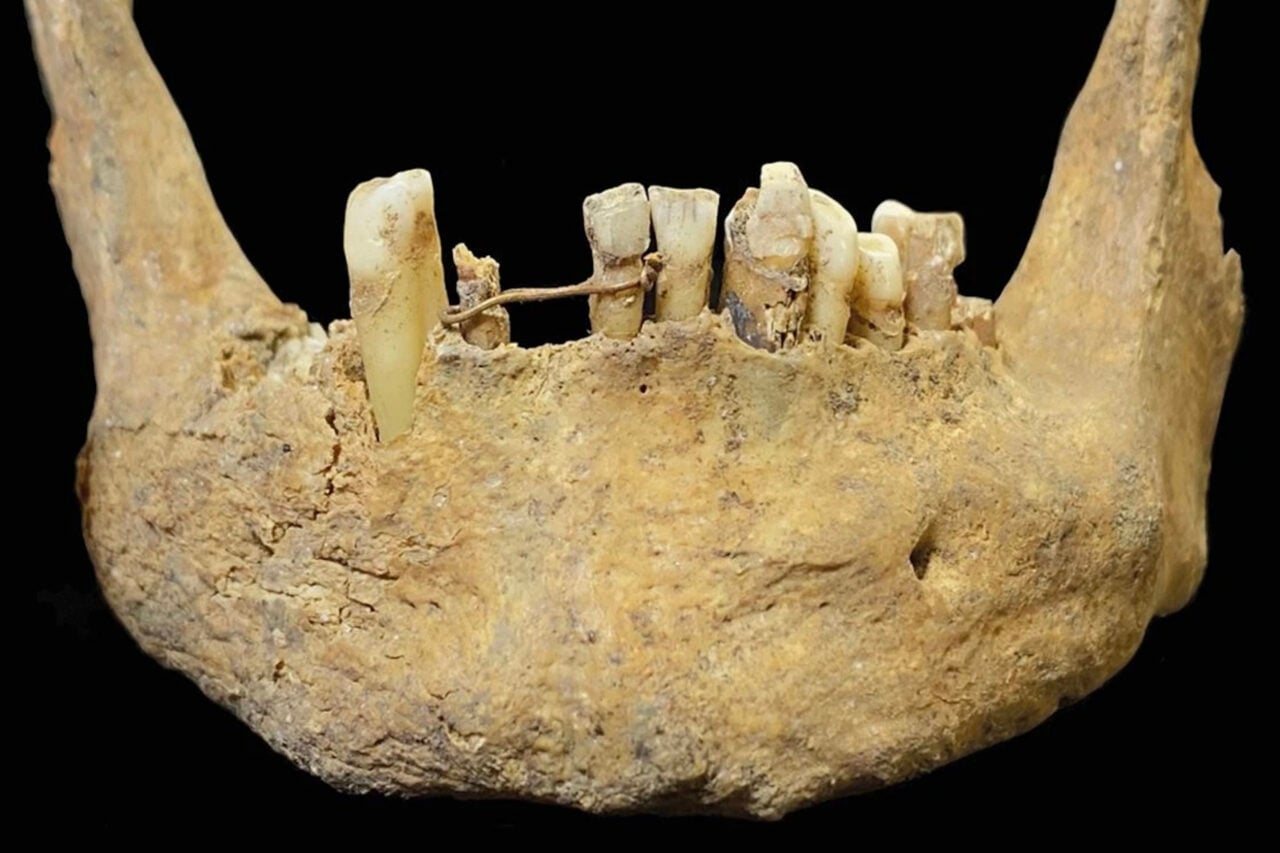
The sophisticated dental ligature dates to the late Middle Ages and is made of 20-carat gold.
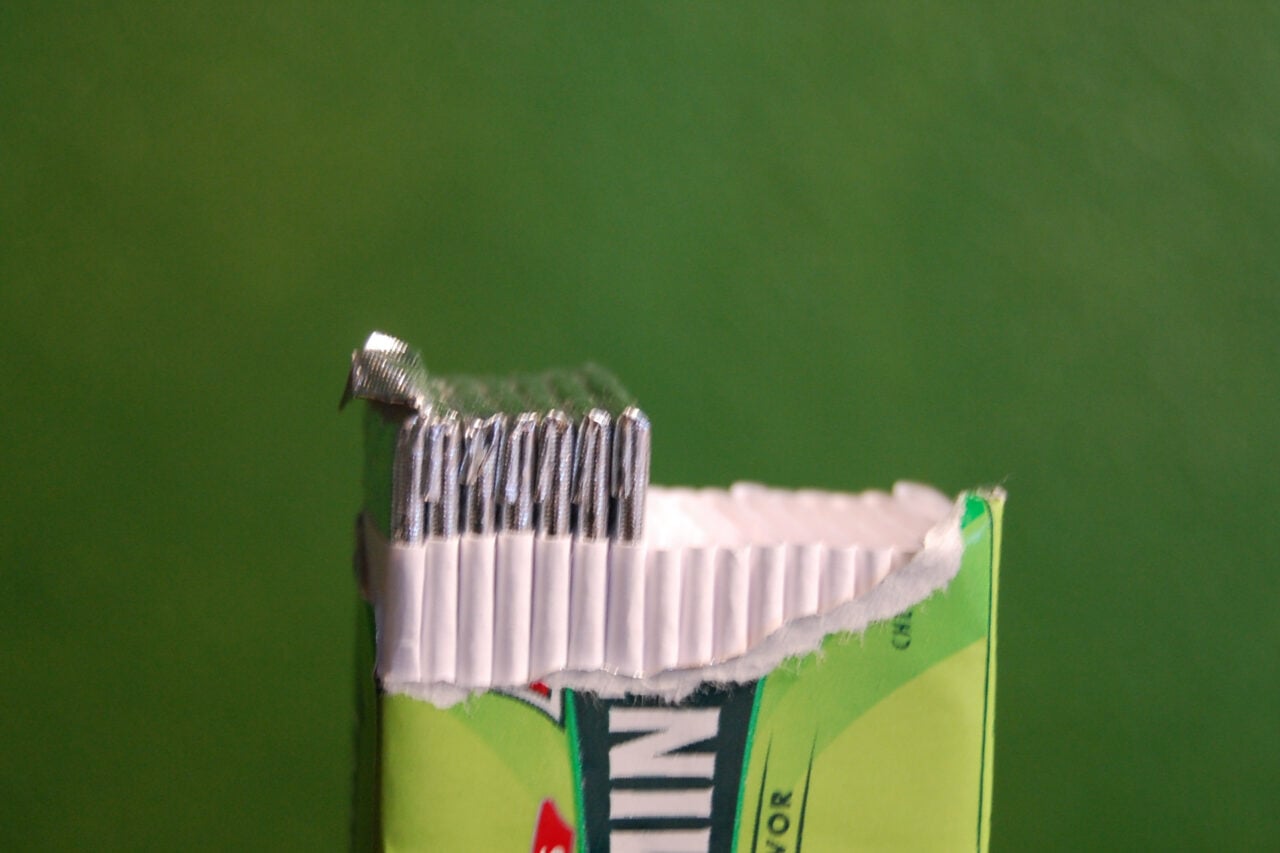
Hershey’s CEO told stockholders that GLP-1 side effects are creating a ‘strong demand for gum.’
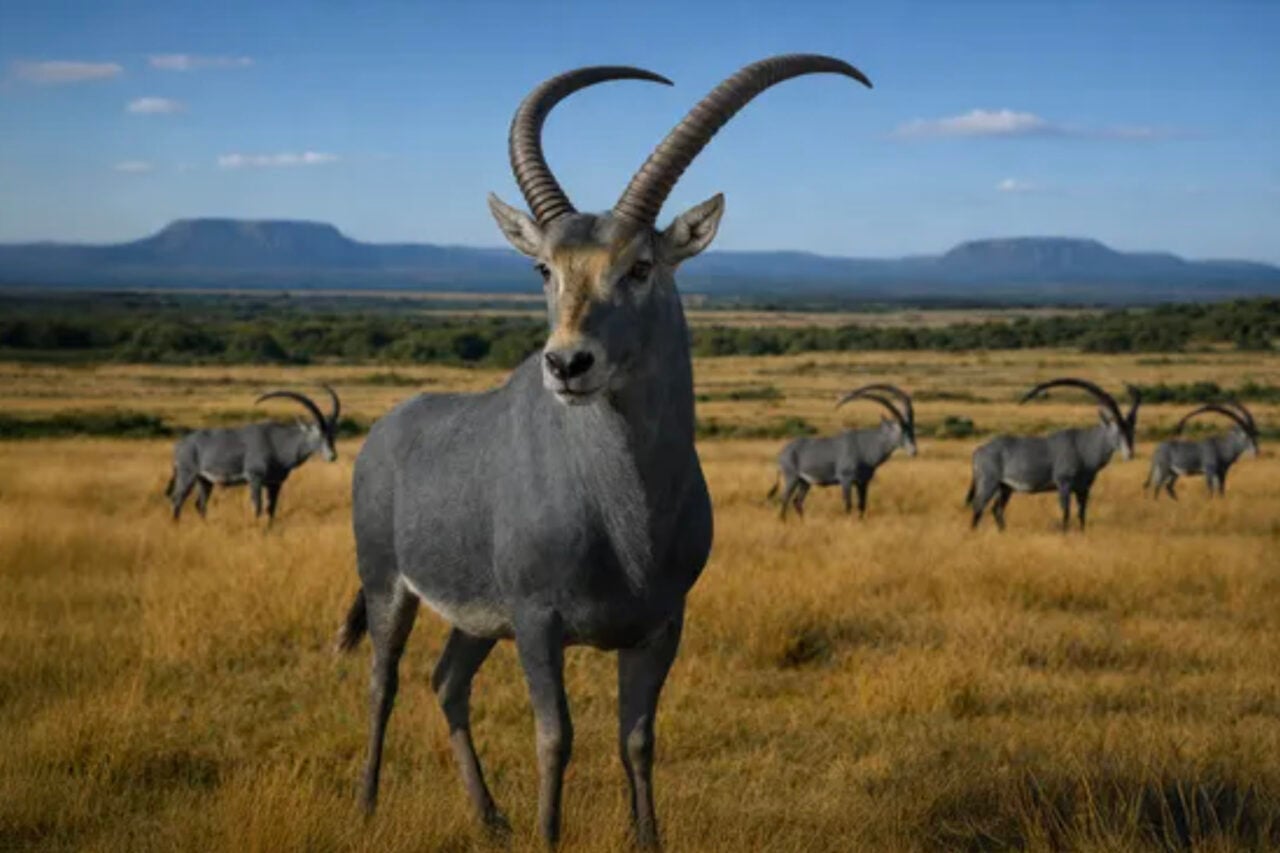
Colossal Biosciences’ bluebuck de-extinction project could also help the world’s dozens of currently endangered antelope species.
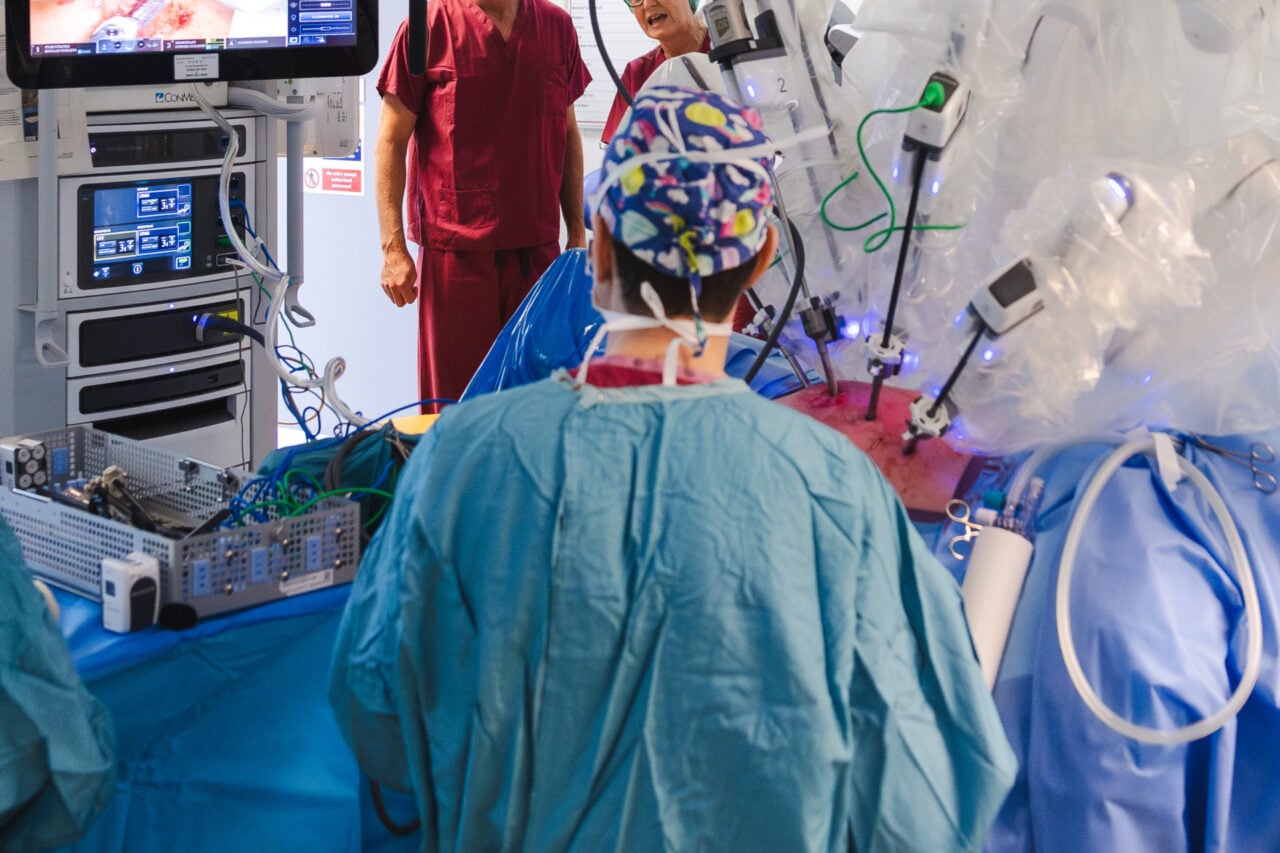
An advanced ‘reasoning’ model AI scored over 11% higher than two human doctors when diagnosing emergency room cases.
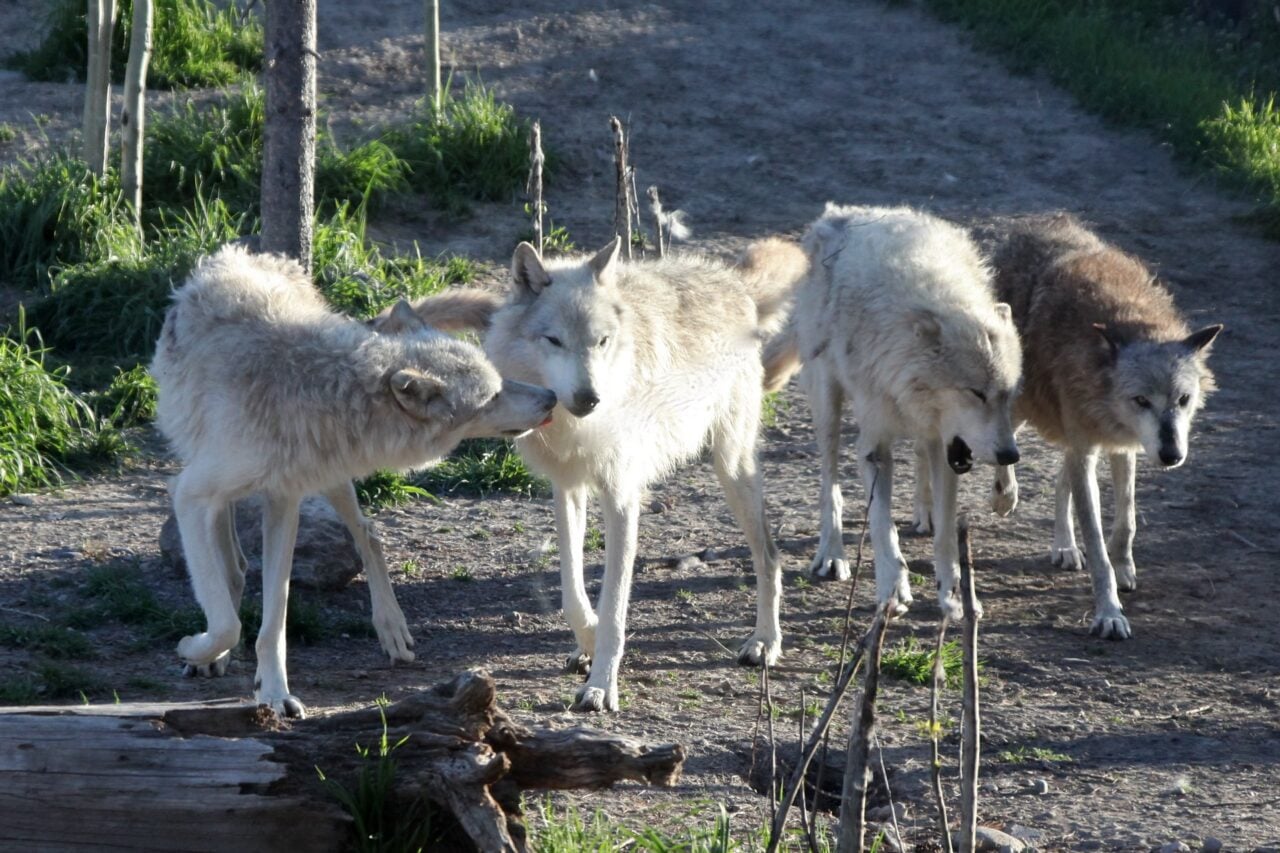
Gray wolves now living in the Chernobyl exclusion zone also show a new genetic resistance to cancer, researchers have found.
Paterna Biosciences said it has mastered the molecular signals that teach stem cells how to mature into sperm for a promising new fertility treatment.