Ozempic, Wegovy, and other GLP-1 weight loss drugs are doing some pretty gross things to people’s mouths—an unofficial side effect to the medication’s more official side effects, like gastrointestinal distress and dehydration. And, this year, the rise of “Ozempic breath” has gotten so bad that it’s starting to show up in market data.
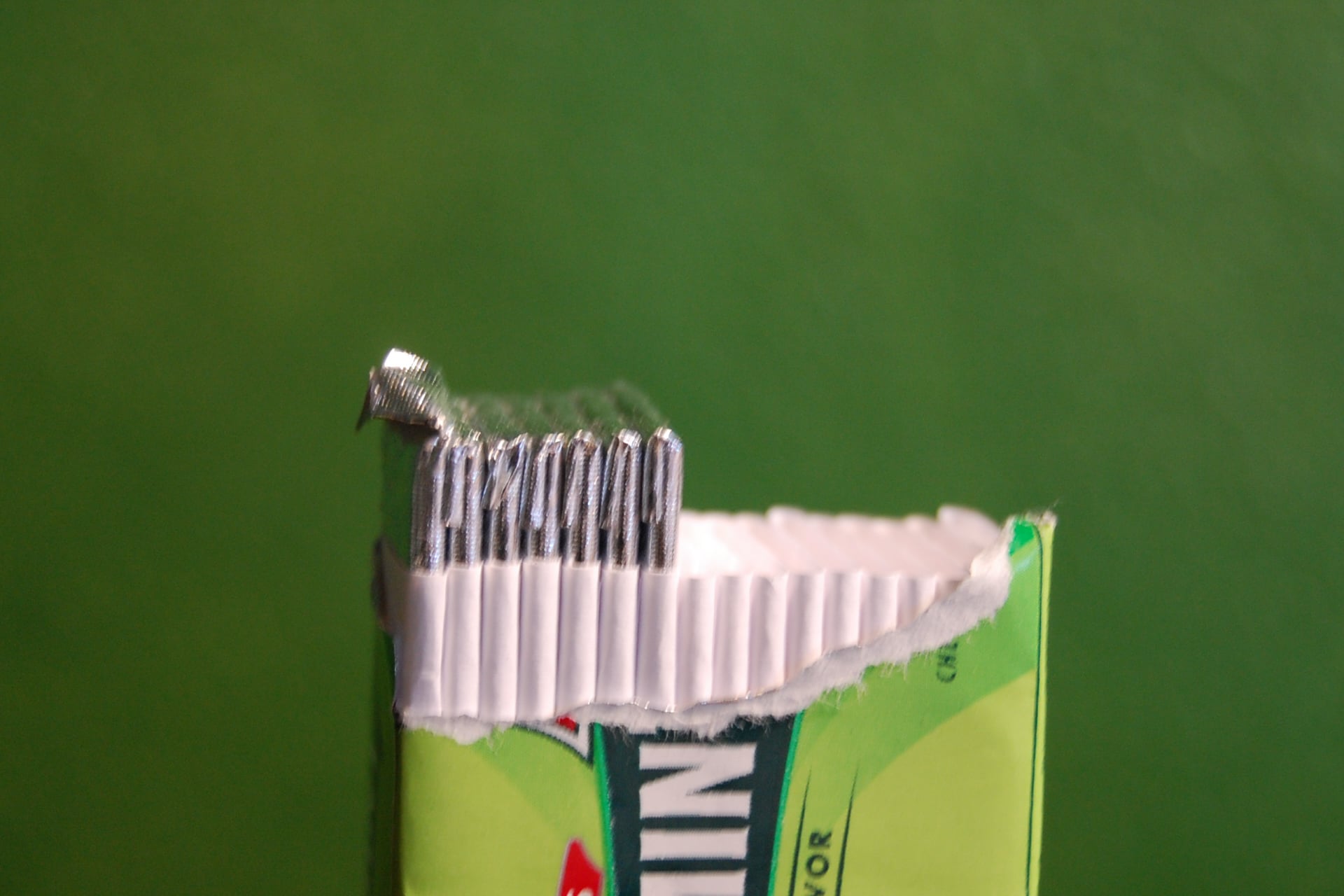
Hershey CEO Kirk Tanner told investors on Thursday that sales of the company’s breath-freshening gum brand Ice Breakers leapt up in early 2026, in an apparent response to halitosis cases induced by GLP-1 use.
“Retail sales for our third-largest confection brand, Ice Breakers, increased over 8% in the quarter,” Tanner said in a pre-recorded message issued for the chocolate and confection maker’s Q1 earnings call this week, as reported by CNBC. Hershey’s CEO explained that this “strong demand for gum and mints” was a benefit of “functional snacking tailwinds,” including “GLP-1 adoption.”
But the world’s gum and mint merchants aren’t the only confectioners now charting a new course to capitalize off these “functional snacking tailwinds.” Hershey reported that sales of its protein bars (another purpose-driven, “functional” snack) jumped up by 17% this quarter as well, as did sales for pricier luxury treats sold in smaller portions.
The science behind ‘Ozempic breath’
People seem to forget to stay hydrated while taking appetite-suppressing drugs like Ozempic, according to Ann Marie Defnet, a specialist in obesity medicine and bariatric surgery at Northwell Health’s North Shore University Hospital in New York.
“One of the big things I always counsel my patients on is they just have to remember to continue to drink water, even if they’re not thirsty, even if they’re not hungry,” Defnet told MedPage Today last summer. “That seems to help with all of these symptoms.”
But according to Lancaster University anatomy professor Adam Taylor, GLP-1 receptor agonist drugs can also simply reduce the flow of saliva through the mouth, reducing the movement of digestive enzymes and fostering a more welcoming atmosphere for bacteria.
“This encourages bacteria that contribute to bad breath and the formation of cavities to thrive,” as Taylor explained it in an essay for The Conversation in 2025. “These bacterial species include Streptococcus mutans and some strains of Lactobacillus.”
One species that is a particularly offensive contributor to bad breath, Porphyromonas gingivalis, thrives in dry mouths, where at least one study has shown that it helps generate volatile sulfur compounds responsible for uniquely foul cases of bad breath.
Really, just drink more water
While Taylor does recommend sugar-free gum as a “sensible option” to encourage the saliva production needed to help beat back Ozempic breath, the researcher did also echo Defnet’s advice to simply stay more hydrated.
“Drinking water regularly during the day can help to keep the oral surfaces from drying out,” Tayor wrote. “This helps maintain your natural oral microbiome, which can reduce the risk of an overgrowth of the bacteria that cause bad breath and tooth damage.”
Granted, the reality is that multiple causal factors can lead to bad breath for those taking GLP-1 drugs. The simple act of entering a ketogenic state—a caloric deficit in which the body starts to consistently convert fat into energy—can generate a fruity or acetone-like smell in a person’s breath, almost like nail polish remover. While minty gum can obviously help mask keto breath, it can’t make it go away during ketosis.
But, even here, simply staying hydrated does wonders, according to advice published by CITIDental Boston and countless other oral health providers. “Drinking water consistently throughout the day,” as CITIDental Boston put it, “supports saliva production and helps dilute ketones released in the mouth.”
Listen: Go ahead and chew gum if you want to. Just don’t let unscrupulous gum merchants riding those functional snacking tailwinds pressure you into chewing gum.