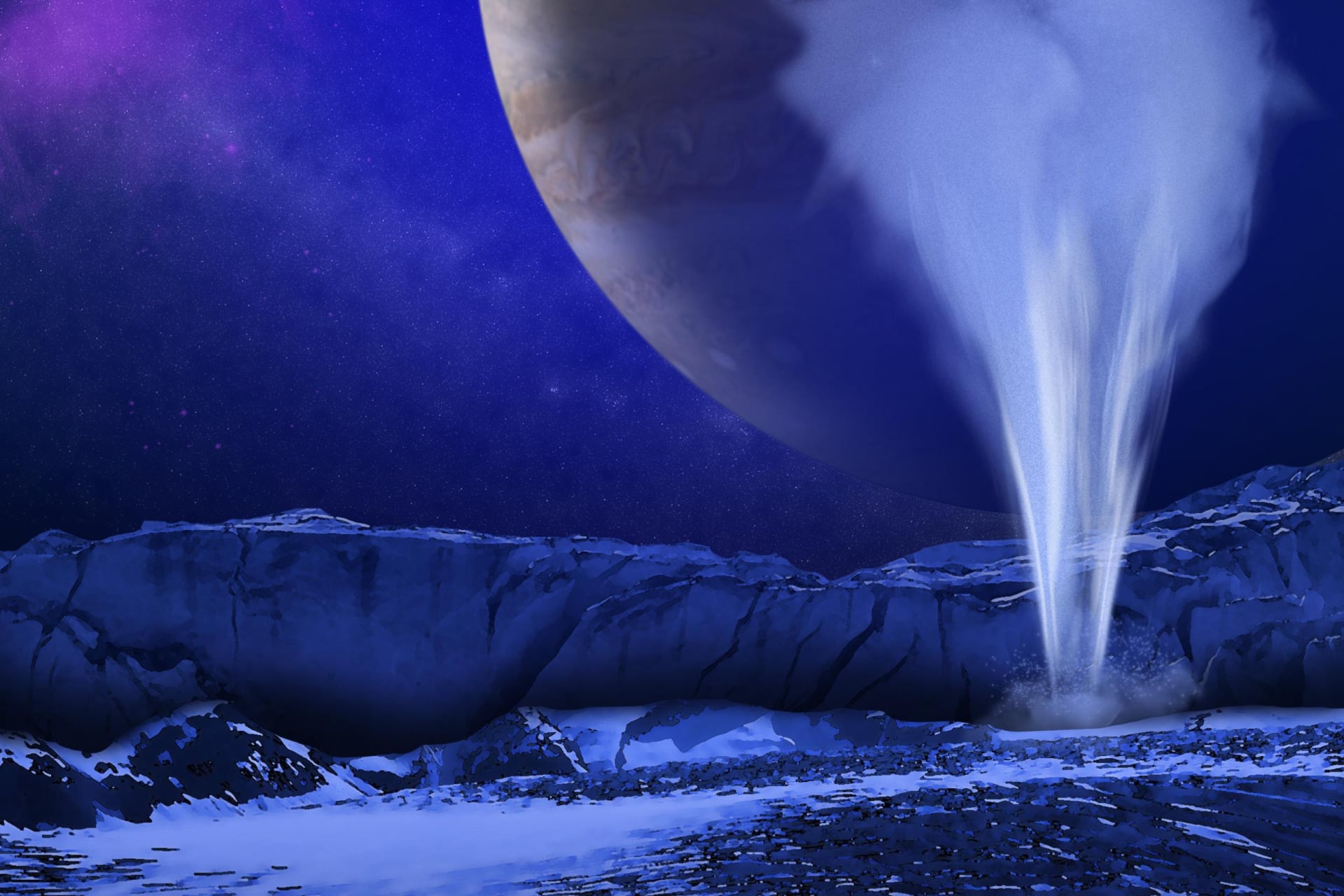
In 2014, a monumental Science paper showed that Hubble data pointed to intermittent plumes of water vapor on Europa, one of Jupiter’s many moons. Twelve years later, the same researchers revisited data from the same observatory. Now, they’re not so sure.
Technically speaking, Europa’s surface could indeed release these fumes of water vapor, as suggested in 2014 and later by a different group in 2016. But the latest analysis, recently published in Astronomy & Astrophysics, takes down the certainty of the 2014 results by several notches; the plumes could exist, but the evidence presented before may well have been statistical noise misinterpreted as something significant.
“The discrepancy with earlier results arises primarily from differences in the assumed position of Europa’s disk on the detector,” the researchers wrote in the paper. “We find evidence to support a persistent hydrogen exosphere at Europa, but no evidence of localized water vapor.”
“When we did not find confirmation of the initial detection in images taken on 20 different days thereafter, it seemed only logical to take another look at the original data,” Lorenz Roth, a planetary scientist at the KTH Royal Institute of Technology in Sweden and the first author of both the 2014 and 2026 papers, told Gizmodo. There wasn’t a particular moment in the long process that prompted Roth and colleagues to revise the original results, but it “became clear” at some point, he added.
99.9% confidence
The team was already “pushing the limits of the Hubble telescope’s capabilities” between 2012 and 2014, according to a statement from the Southwest Research Institute. At the time, the team studied Lyman-α and OI emissions detected by Hubble, which were signatures of hydrogen and oxygen, respectively.
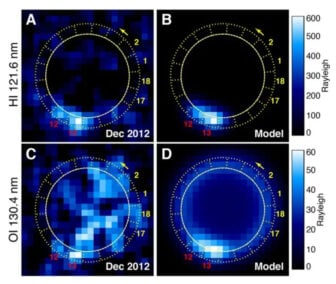
In late 2012, the researchers spotted “blobs” of hydrogen and oxygen near Europa’s south pole that appeared to be “best explained by two plumes of water vapor roughly 200 kilometers [124 miles] high,” Roth had told Nature News in 2013.
The 2014 paper decreed a 99.9% confidence in the plumes’ existence, Roth said in the latest statement. But the reanalysis reduces that to “less than 90% […] That’s simply not enough evidence to support the certainty of claims we made at the time.”
“The way Hubble works left some uncertainty in terms of placement relative to the center of the image,” added Kurt Retherford, the study’s co-author and a researcher with the Southwest Research Institute. “If Europa’s placement was off even just by a pixel or two, it could affect how the data gets interpreted.”
Hubble’s hobble
For the newest analysis, the team—which shares many members from the 2014 study—reviewed Hubble data on Europa from 1999 and between 2012 and 2020. The goal was to better understand the hydrogen content in Europa’s exosphere, in addition to revisiting the water plumes hypothesis. This time, the team took steps to address past issues. For instance, its observations of Europa were taken in sunlight and when the moon wasn’t transiting Jupiter.
The observations and reanalyses “made us reconsider the strength of the previous paper’s conclusion regarding water vapor plumes,” Retherford said. At the same time, the latest investigation allowed the team to get a very close look into the hydrogen in Europa’s atmosphere, which scientists still believe “[originates] from its water ice surface,” he added.
“Overall, the feedback—including from the scientific community—has been relatively positive,” Roth told Gizmodo. “At the same time, it still feels somewhat strange to be proud of refuting our own earlier results. But I would say that we followed the scientific process, and that feels right and good.”
To be continued, probably
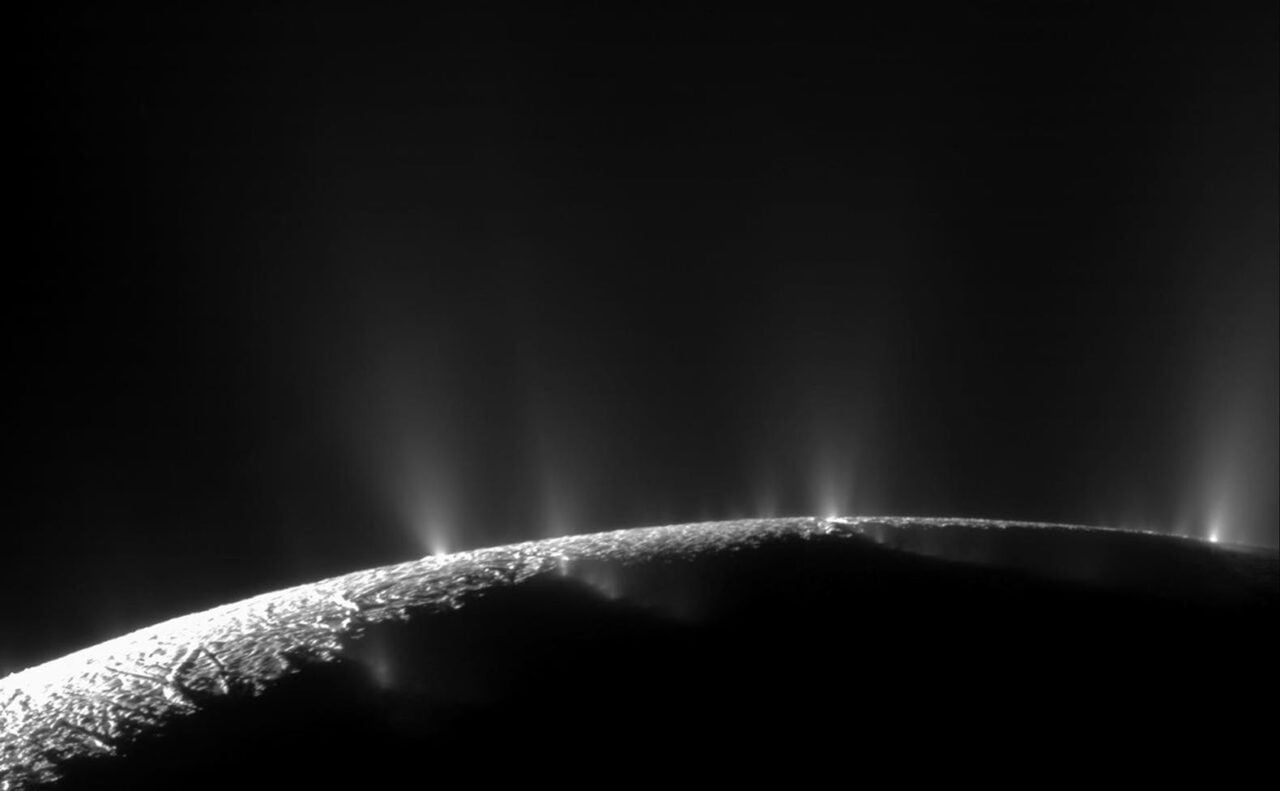
Plume or no, Europa is still a fascinating target for astronomers. A 2019 study by NASA detected water vapor above Europa’s surface. Icy ocean moons like Europa and Saturn’s Enceladus (which scientists have confirmed spouts vapor plumes) overall have unique surface compositions that researchers expect to provide key insights into astrobiology and chemistry.
But I’d argue that the findings aren’t necessarily a loss for astronomy. If anything, it’s reassuring that researchers are able and willing to reevaluate previous results, no matter how fantastic or reasonable some conclusion looked at the time. With Europa Clipper and JUICE on their way to Jupiter, we’ll be able to refine our database even further.
Related article: Missions to Ocean Moons Face a Strange Hazard Scientists Didn’t Expect
Update 05/28/2026: This story has been updated after publishing to include Lorenz Roth’s comments to Gizmodo.