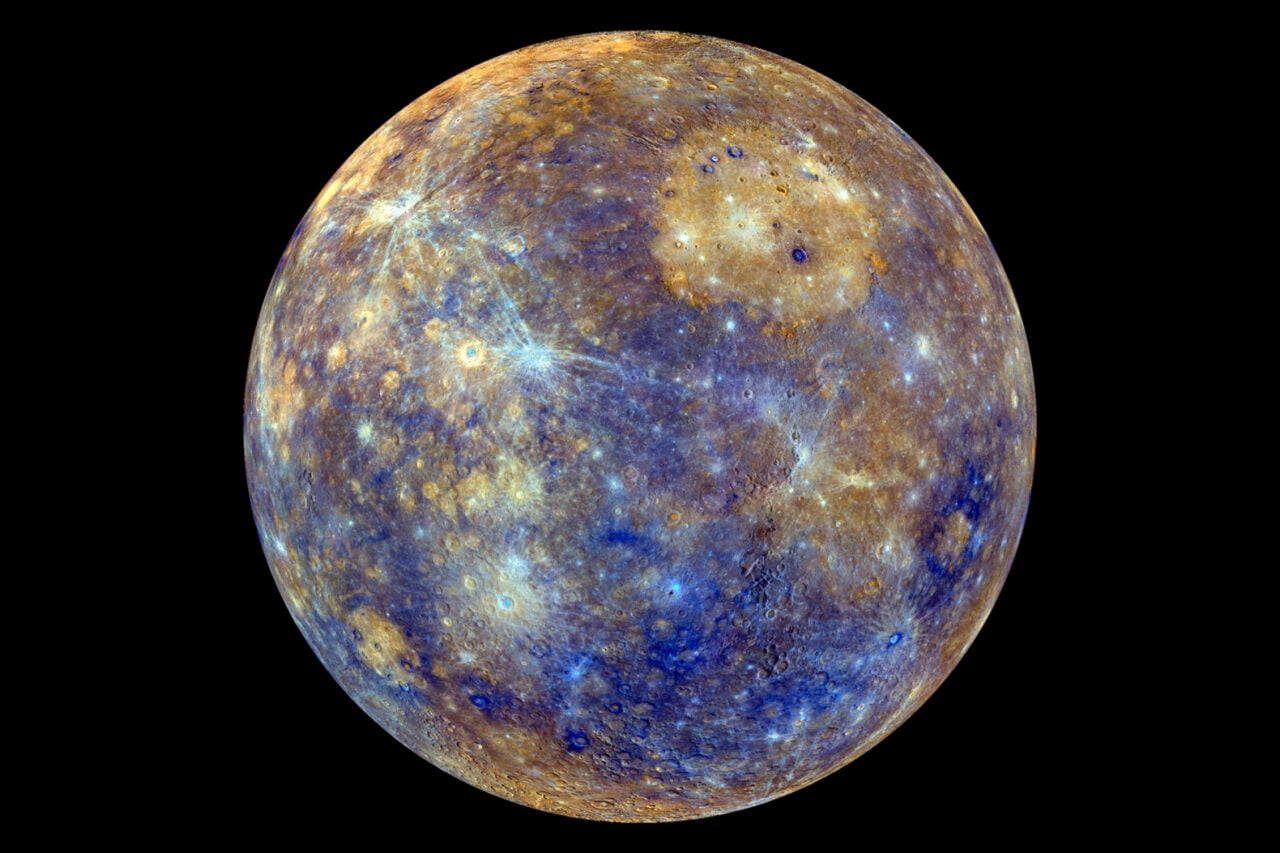
If true, it would address several mysteries surrounding our solar system's most decorative planet.
First it was an exoplanet. Then it became a dust cloud. Now it's bringing a cosmic revelation.
Hold the jokes—this is serious news.
Earth and the planetary object that gave rise to the Moon were likely born in the same region of the solar system.
A machine-learning-enhanced approach to chemical analysis is drastically expanding the chemical record of life on Earth, and it could help us find evidence of life on other planets too.
When a Mars-sized meteorite slammed into Earth billions of years ago, the impact completely reset any and all chemical processes on Earth, leaving nothing from before. Or so we thought.
Researchers calculated the rate at which the asteroid belt is gradually losing mass.
The finding suggests phosphine—a potential biosignature—shouldn’t be viewed as evidence of alien life until natural, non-biological sources are ruled out.
Scientists using the James Webb Space Telescope observed dark beads and lopsided star patterns drifting over Saturn’s northern regions.
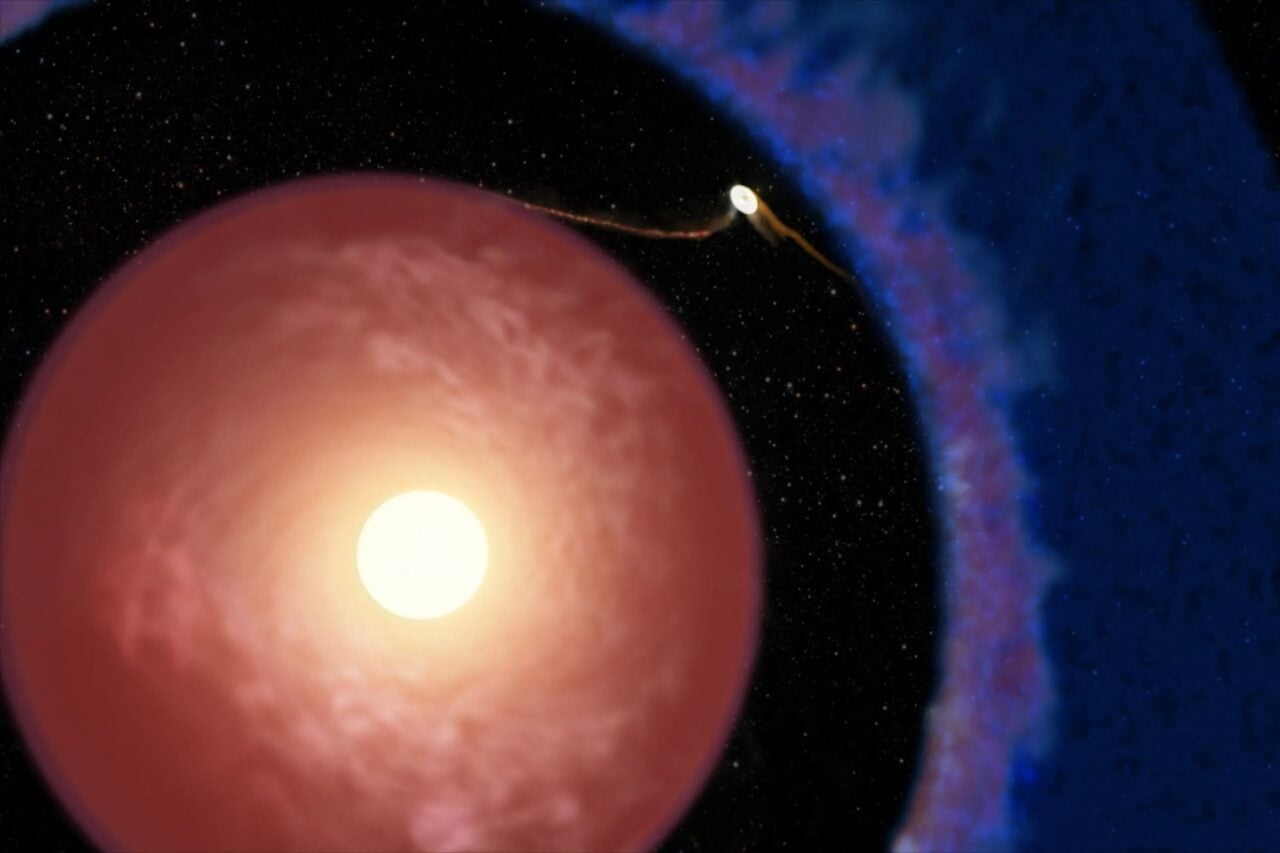
By studying the chemical composition of an odd, dying star, astronomers discovered that it had been feasting on what used to be an icy, Pluto-like object.
Designated S/2025 U1, the newly discovered moon is so small and faint that astronomers are wondering if Uranus might be hiding even more moons.
Alien life could exist on hot, rocky planets, sustained not by water but by a type of salty fluid, new research suggests.
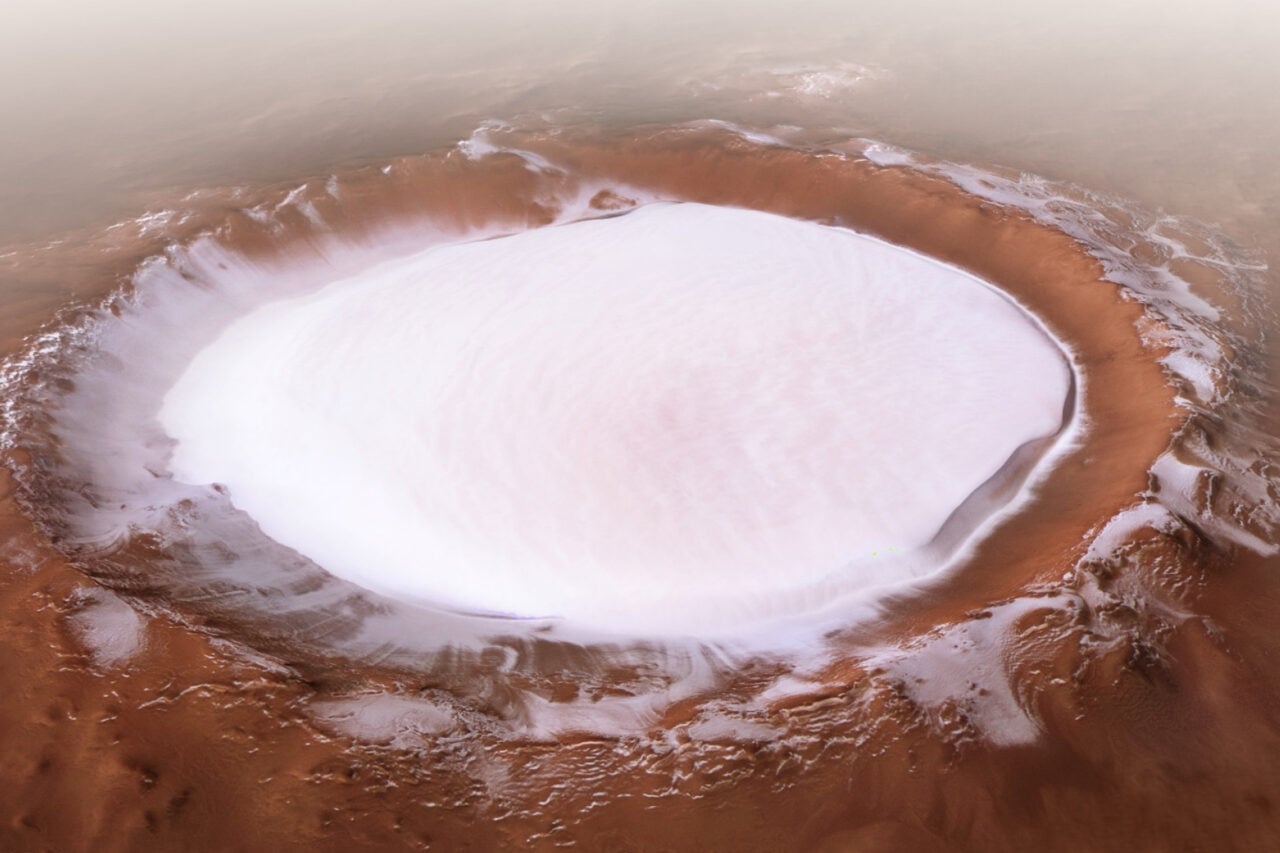
Scientists identified an iron-rich mineral on the surface of Mars that suggests the planet’s surface may be more dynamic than we thought.
Astronomers have captured a rare glimpse inside HOPS-315, a young star that appears to sit at the center of a nascent version of our own solar system.
The space-based observatory has revolutionized the way we see space, and it can now add another remarkable accomplishment to its growing list.
Perplexing data in the early 2000s raised questions about how planetary formation began in the universe, and new data from Webb provides some answers.
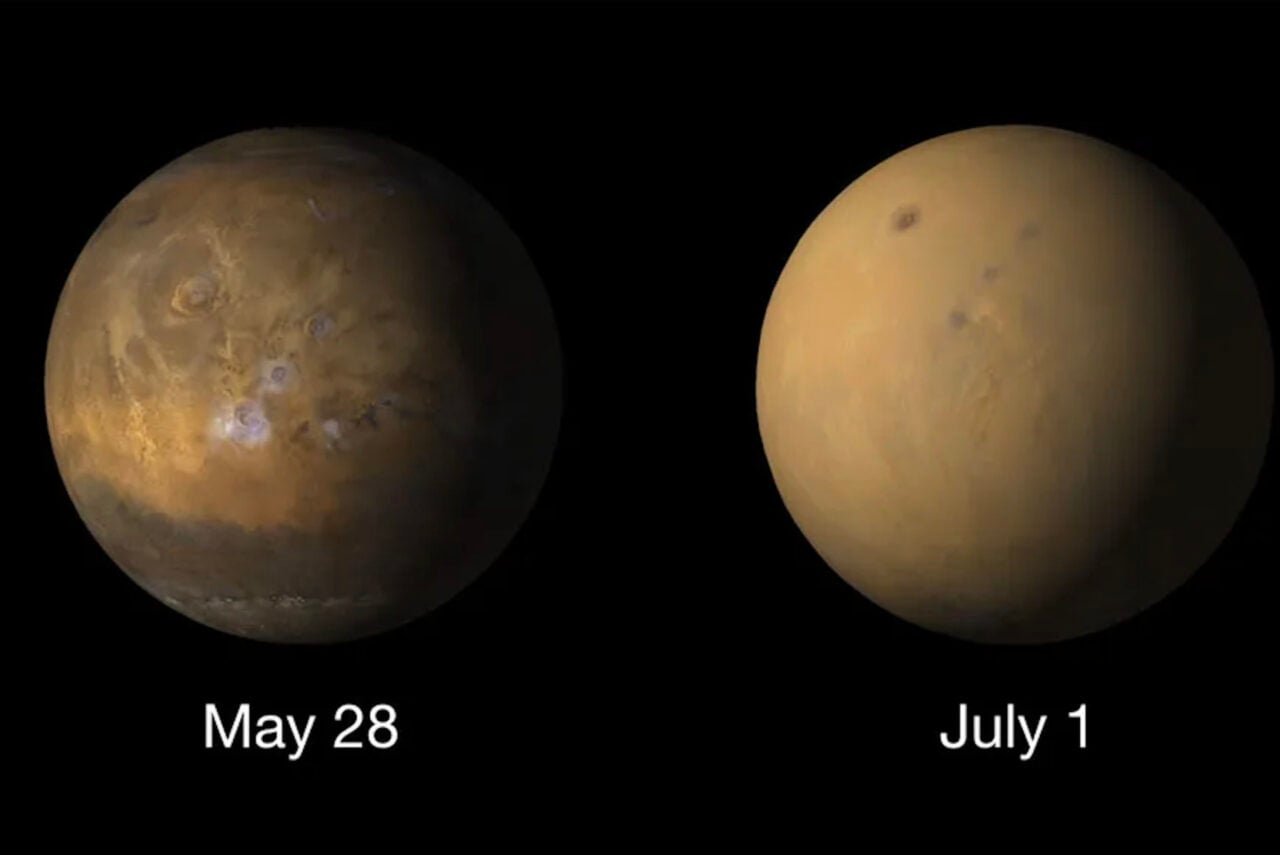
Scientists have identified surprising weather patterns underlying Mars' notorious dust storms.