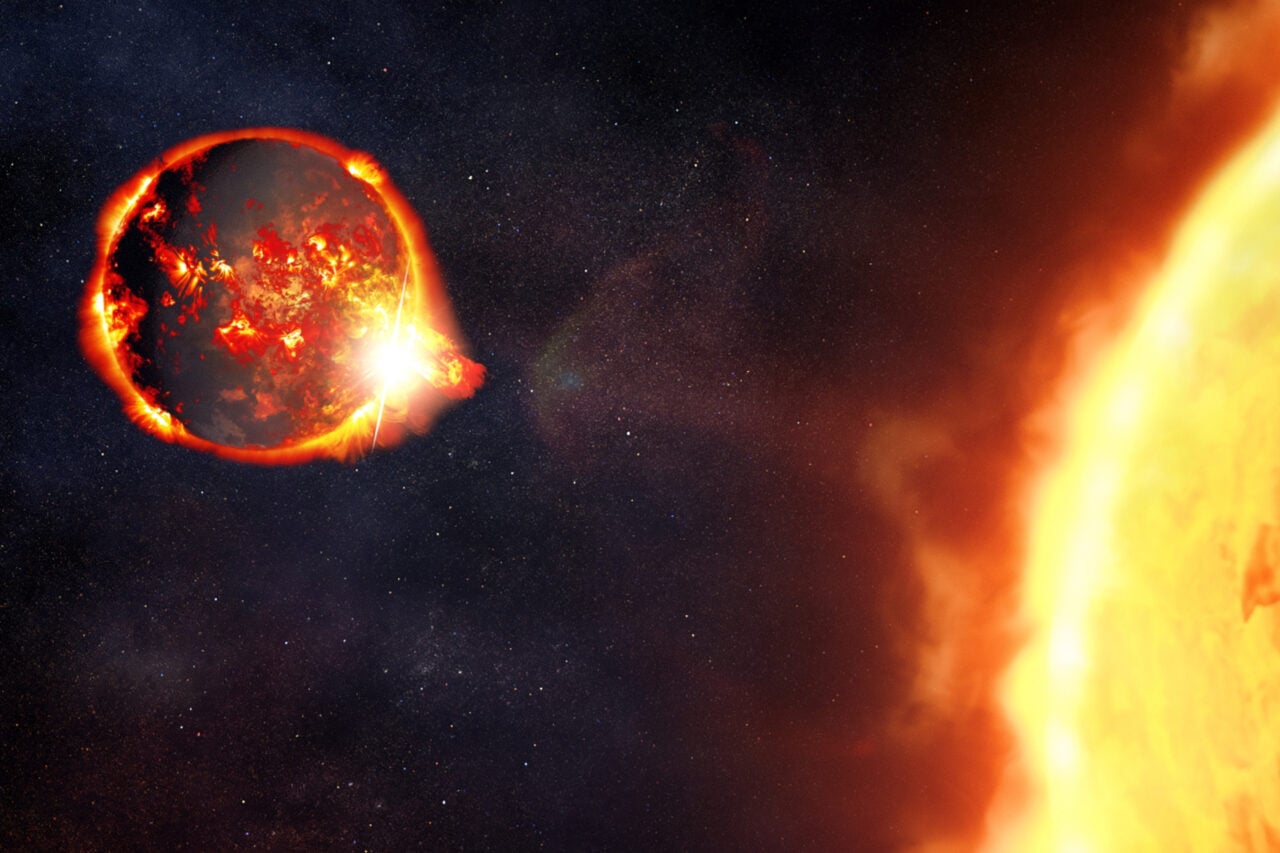
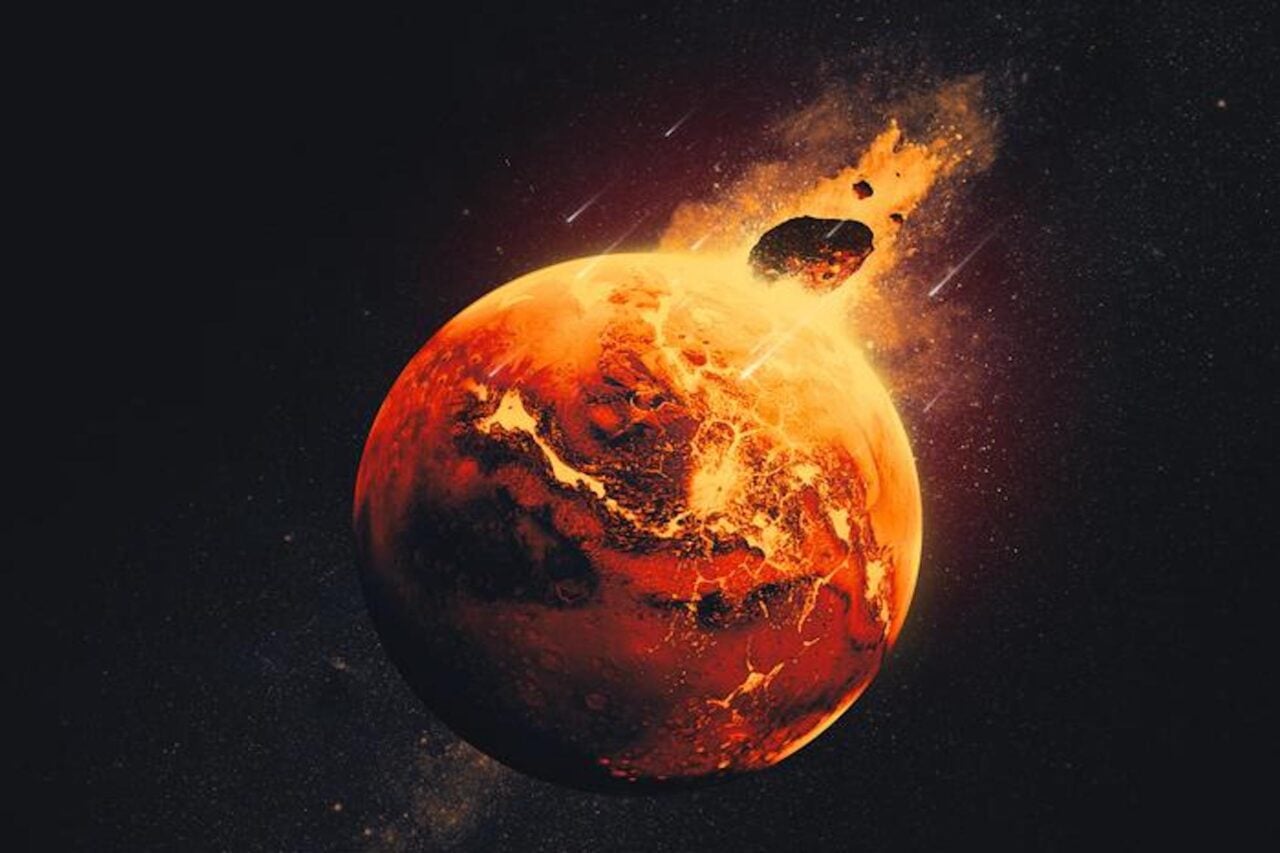
The collision likely resembles the one that formed the Moon around 4.5 billion years ago.
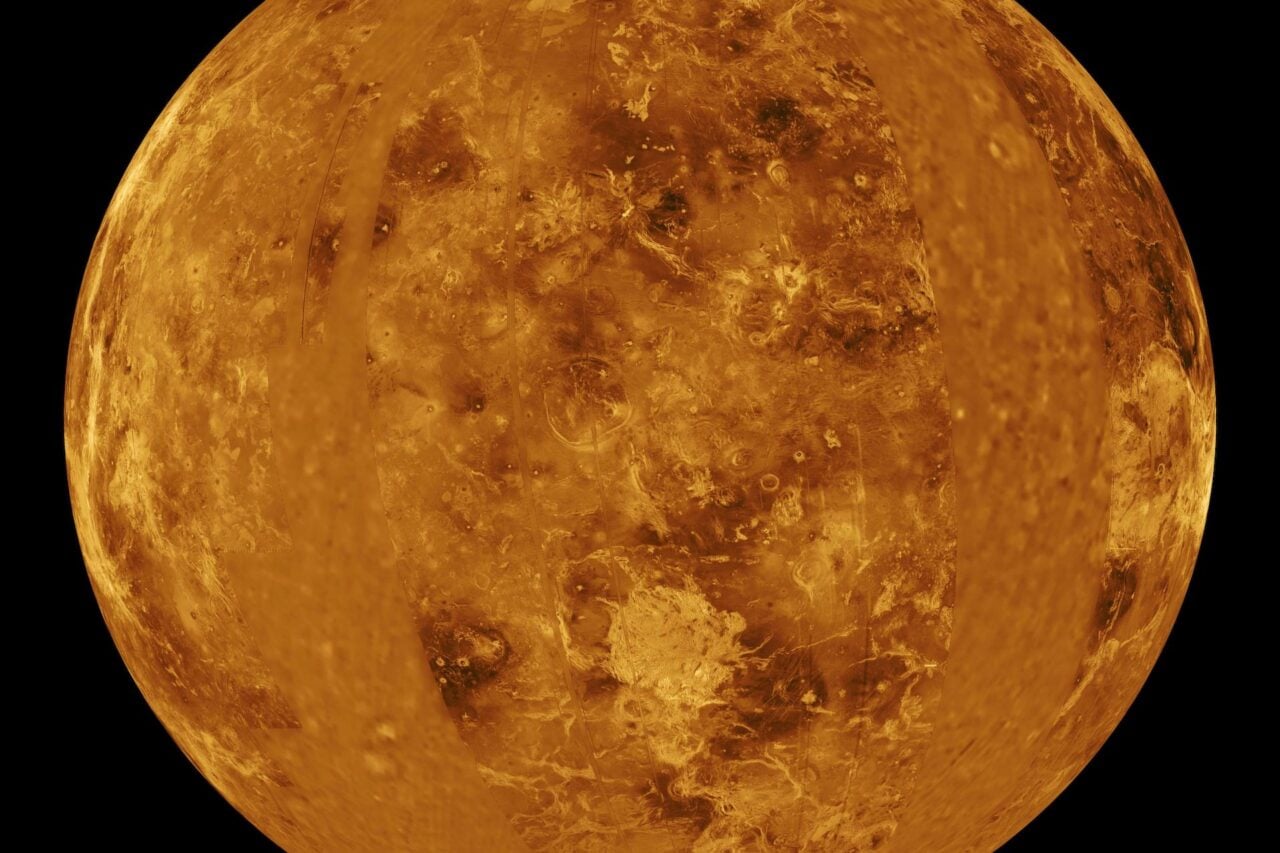
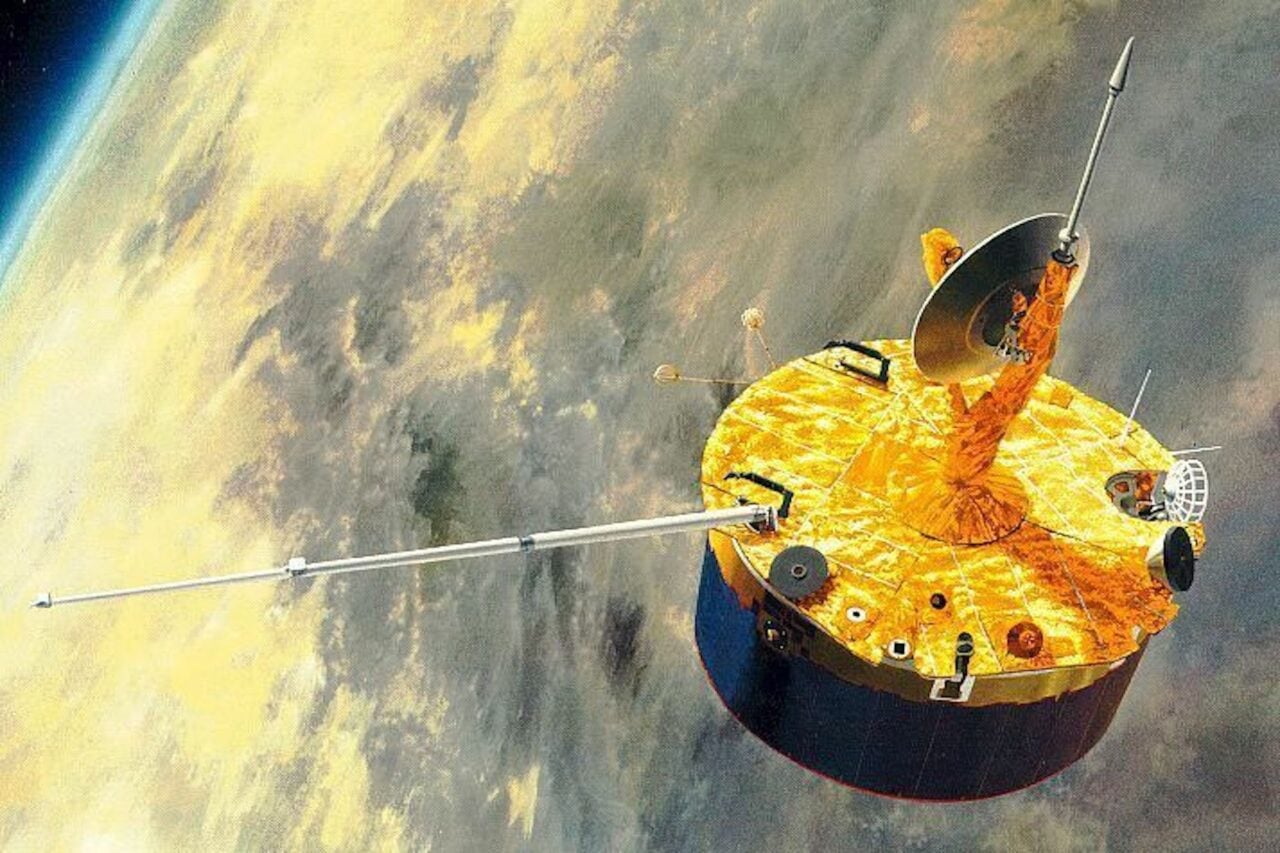
Venus may be hiding a vast network of underground caves carved by ancient lava.
A closer look at the planets around a star called LHS 1903 may just flip our understanding of how planetary systems form.
The volcanic hot spot is larger than Lake Superior, spewing eruptions six times the total energy of all of the world's power plants.
The encounter left behind a trace in the clouds of gas and dust surrounding our solar system.
A new study finds that our star system is moving more than three times faster than previous models predicted.
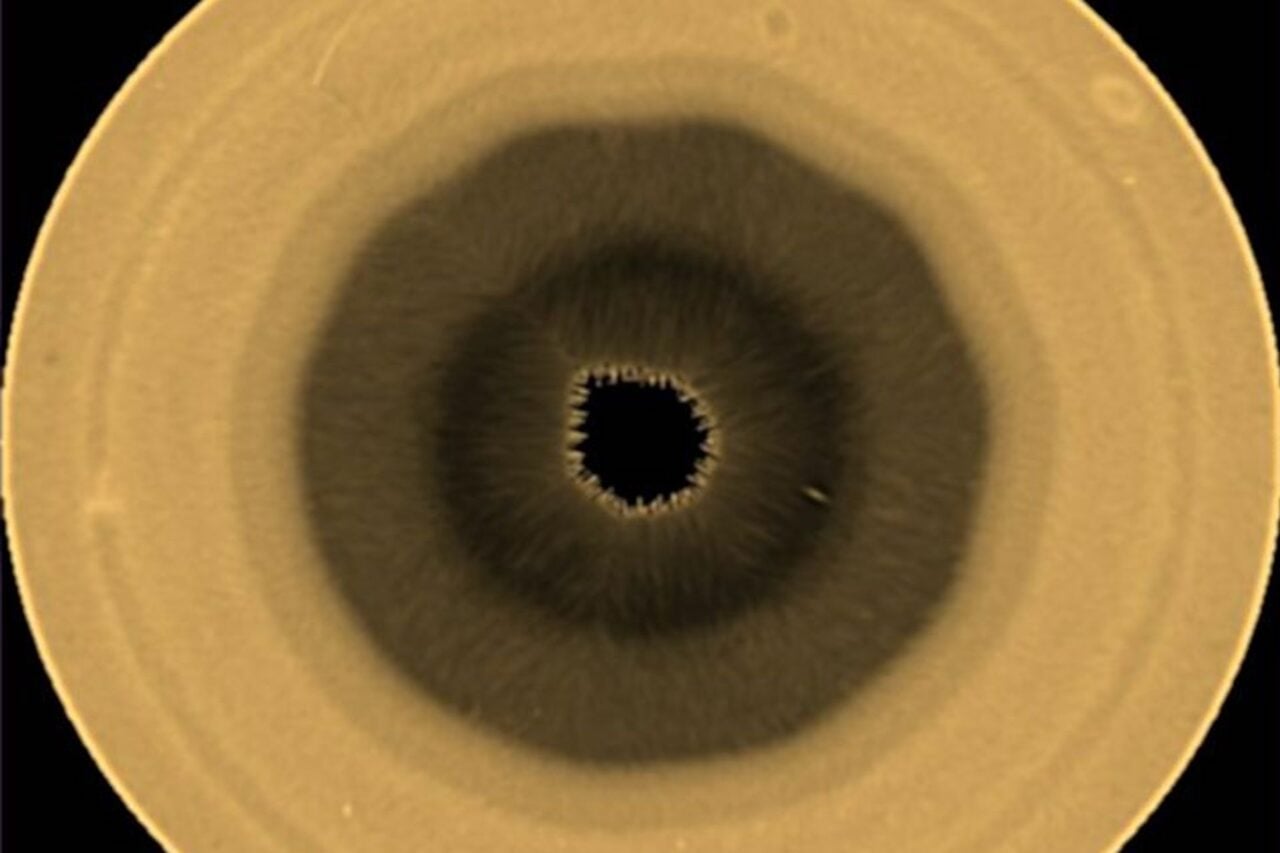
Astronomers found evidence of three rings around Chiron, which orbits the Sun between Uranus and Saturn.
As if we needed more proof, an internet legend traced the telling pattern of his garage's shadow over the course of a year.
Researchers calculated the rate at which the asteroid belt is gradually losing mass.
ESA engineers worked through the night to troubleshoot an ill-fated software bug that jeopardized the mission.
Named 2020 VN40, this tiny body completes one orbit around the Sun for every ten Neptune makes.
Named Ammonite, the distant object casts doubt on the existence of the elusive Planet Nine.
Astronomers have captured a rare glimpse inside HOPS-315, a young star that appears to sit at the center of a nascent version of our own solar system.
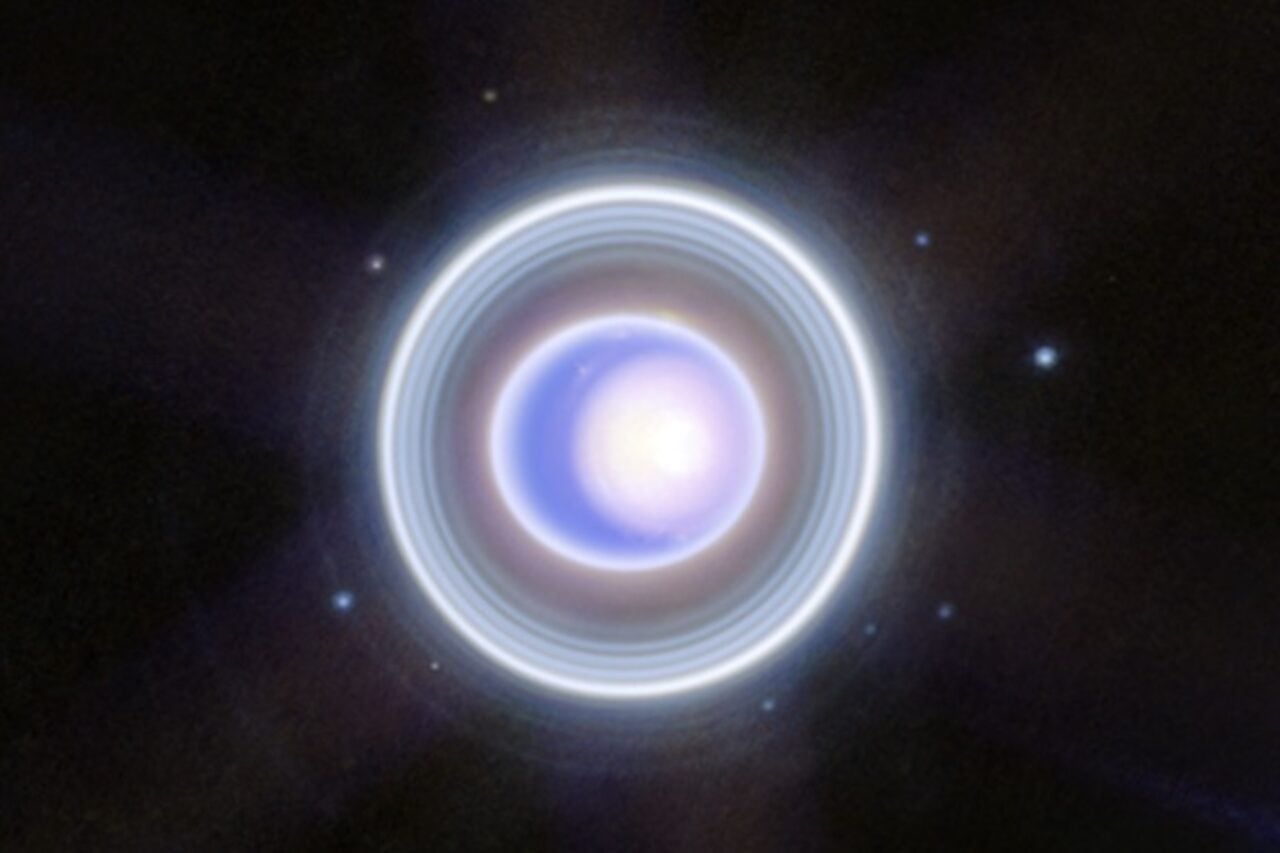
The discovery challenges findings made by Voyager 2, which collected data suggesting Uranus, unlike other giant planets in the solar system, didn’t have an internal heat source.
Sedna will make its closest approach to the Sun in 2076, giving us a rare opportunity to visit the planetoid before it drifts off for thousands of years.
As the closest planet to the Sun, Mercury is exposed to the star's enormous gravitational field. And it's really stressful.
Mars is not safe either.
A new study suggests the planet’s iconic domes owe their strange shape to both thick lava and a flexible surface.
Using two infrared space telescopes and a 23-year gap, scientists may have spotted a mysterious, slow-moving object beyond Neptune.
The molecular cloud is brimming with material that could birth baby stars.