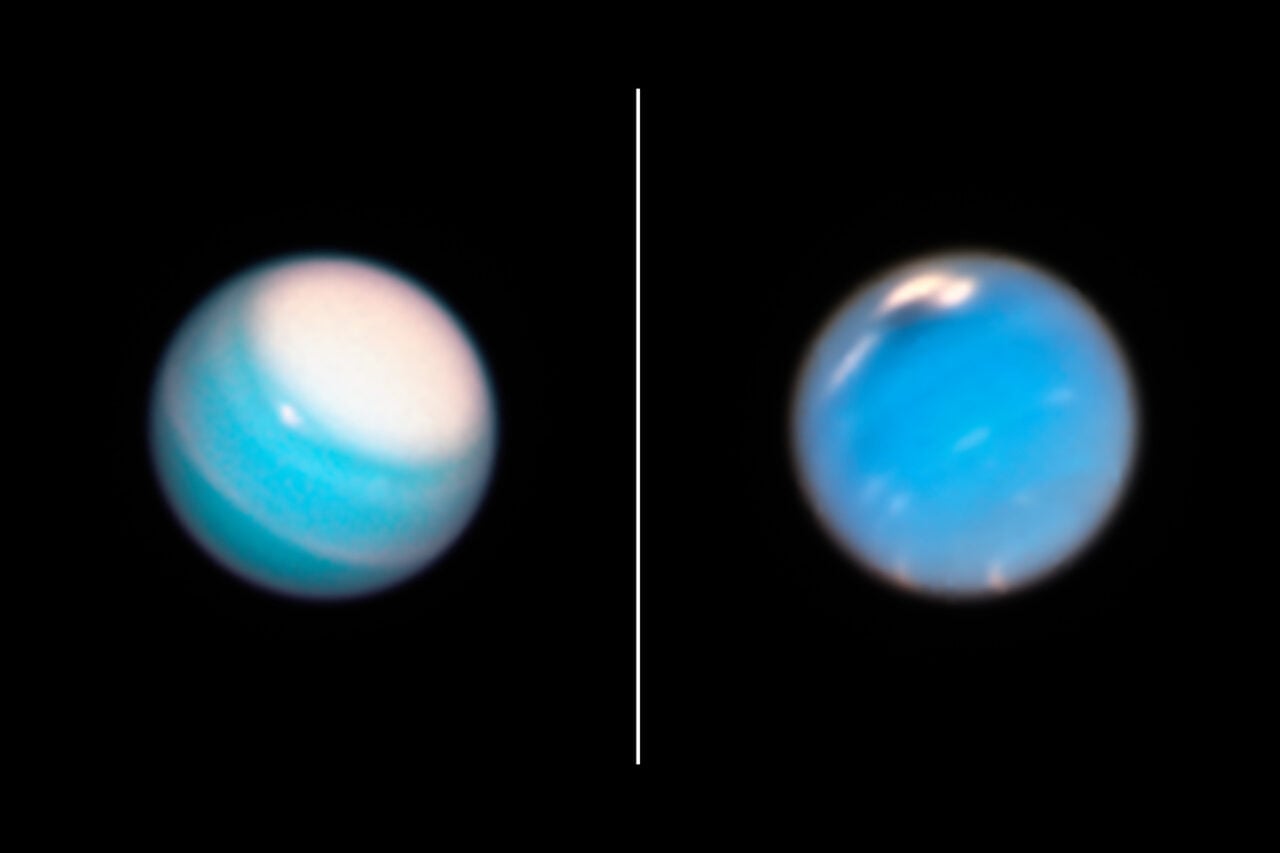
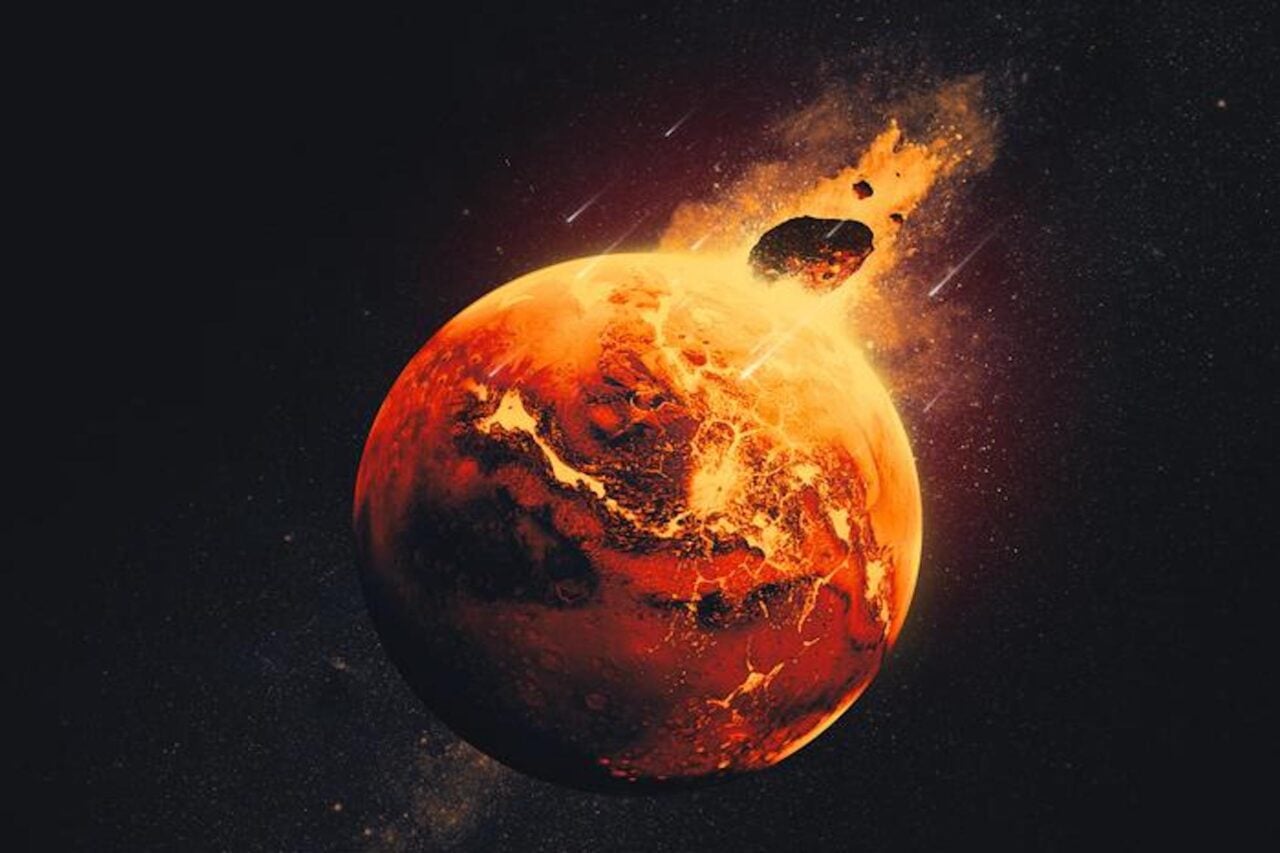
Before the Voyager 2 flyby of Uranus and Neptune, these two distant planets were thought to be cold, dead worlds on the outskirts of the solar system. The historic spacecraft visit, however, revealed that there’s a lot more to these highly active, complex planets than meets the eye. While the Voyager flyby confirmed the planets’ classification as ice giants, there is still ongoing debate over their unique composition. Now, a new study suggests that rather than an icy interior, the two planets have a magma ocean brewing on the inside.
A team of researchers from the University of California is coming for Uranus and Neptune’s notorious nickname, suggesting that Uranus and Neptune may be better described as “magma-ocean giants” rather than traditional ice giants. In a recent study submitted to The Astrophysical Journal, the researchers share new insight into the interior structure of the two planets, which they believe could be used to study sub-Neptune exoplanets in the galaxy.
A case of mistaken identity
NASA’s Voyager 2 remains the only spacecraft to have visited Uranus and Neptune. On January 24, 1986, Voyager zipped by within 50,640 miles (81,500 kilometers) of Uranus’ cloud tops, discovering 11 new moons and two new rings around the planet. Later on August 25, 1989, the spacecraft swooped past Neptune’s north pole, discovering six new moons and four ring arcs.
Most of what we know about the two planets is largely based on that one flyby, and both worlds remain shrouded in mystery to this day. As the least explored planets in the solar system, the two planets have never been thoroughly investigated. Therefore, scientists aren’t sure where the planets originally formed in the early solar system or the reason for their wildly chaotic magnetic fields.
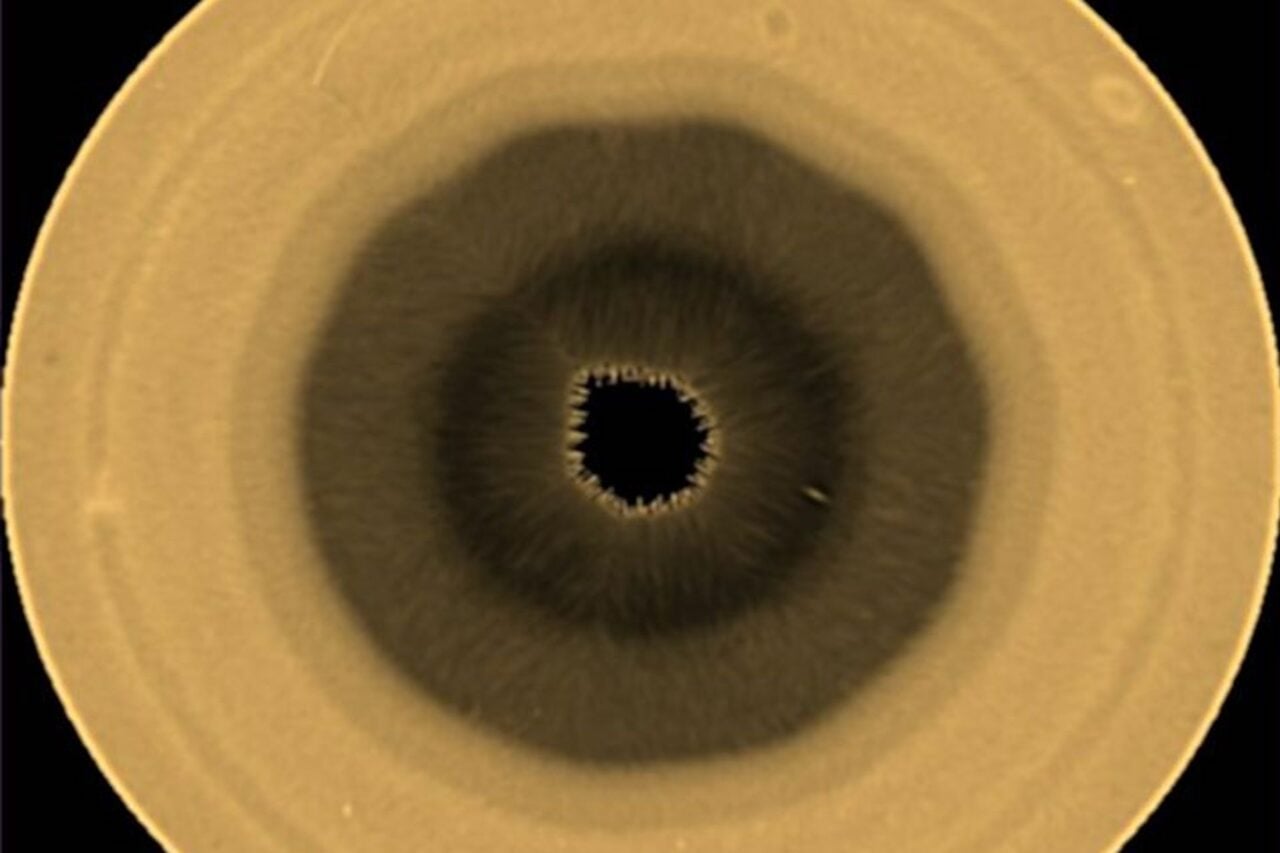
A long-standing hypothesis suggests that both worlds have a hydrogen/helium atmosphere that covers a vast mantle of ices, made primarily of water, ammonia, and methane, with a rocky core.
The new study, however, notes that the three-layer model of an ice giant’s interior structure is not the only way to explain the properties of the two planets. The researchers also point out that objects found in the Kuiper Belt, which are thought to preserve evidence of the material in the outer Solar System where Uranus and Neptune formed, are primarily composed of rock rather than ice.
Ice giants no more?
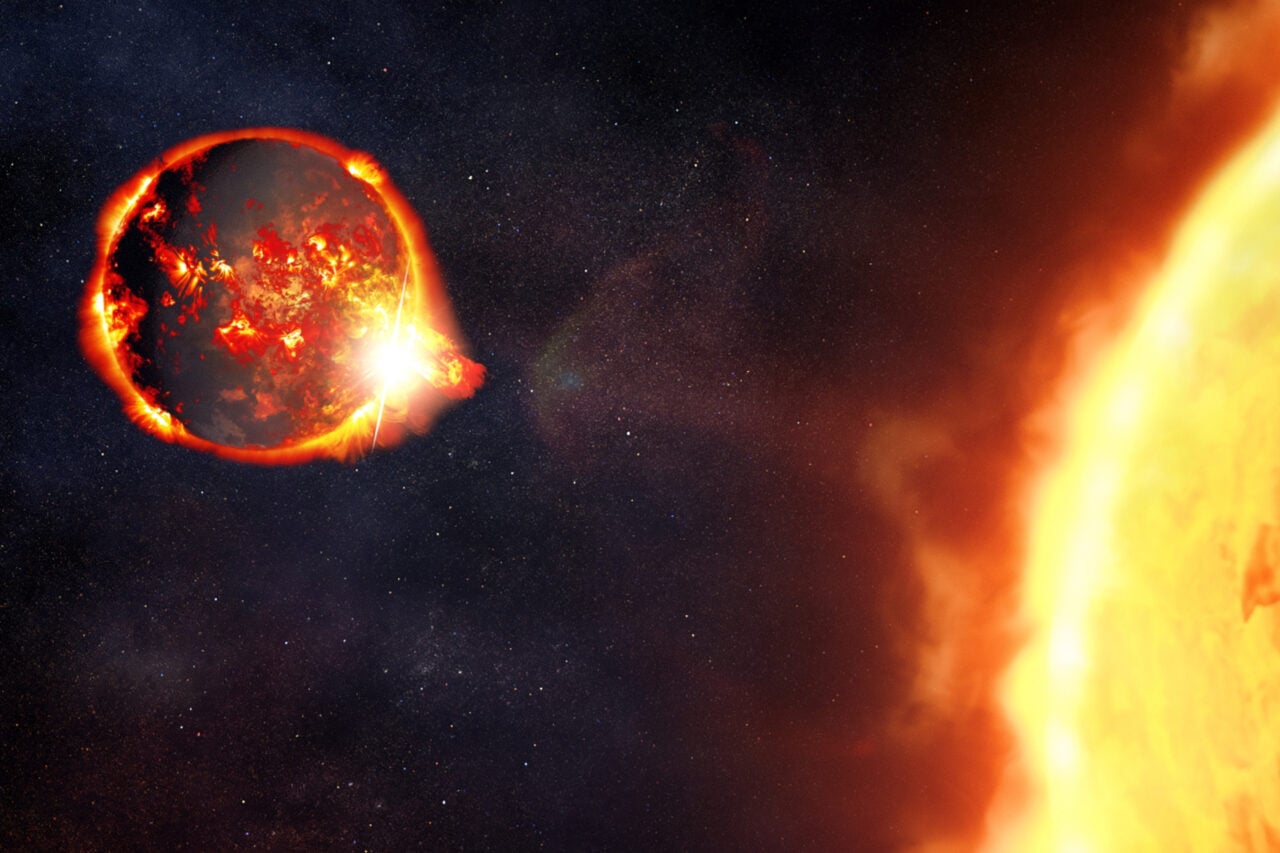
For the recent study, the researchers simulated different models for the interior processes and composition of Uranus and Neptune. The model that best fits Uranus’s and Neptune’s different properties suggests the two planets have a well-mixed magma ocean with dissolved hydrogen at the bottom and a hydrogen-dominated envelope at the top.
The model suggests that at high pressures, hydrogen gas can dissolve into magma, forming a well-mixed fluid. This mixing might help explain Uranus’s and Neptune’s density, which has traditionally been interpreted as evidence for an ice-rich interior.
So, do the researchers denounce Uranus and Neptune’s long-held classification as ice giants and hail them as magma giants instead? That may take a little longer to stick.
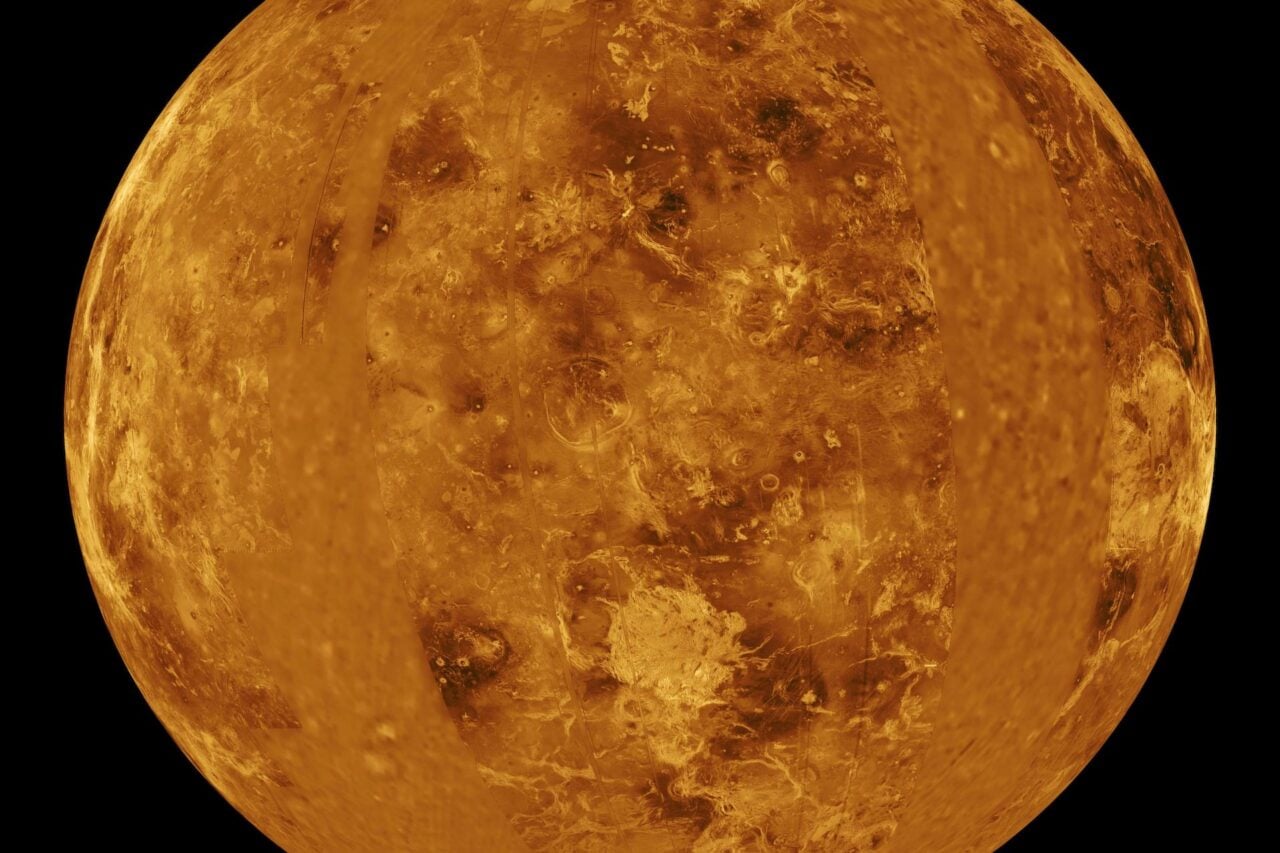
The recent findings could also help scientists understand the interior structure of sub-Neptune planets in the Milky Way, which have thus far remained a mystery.