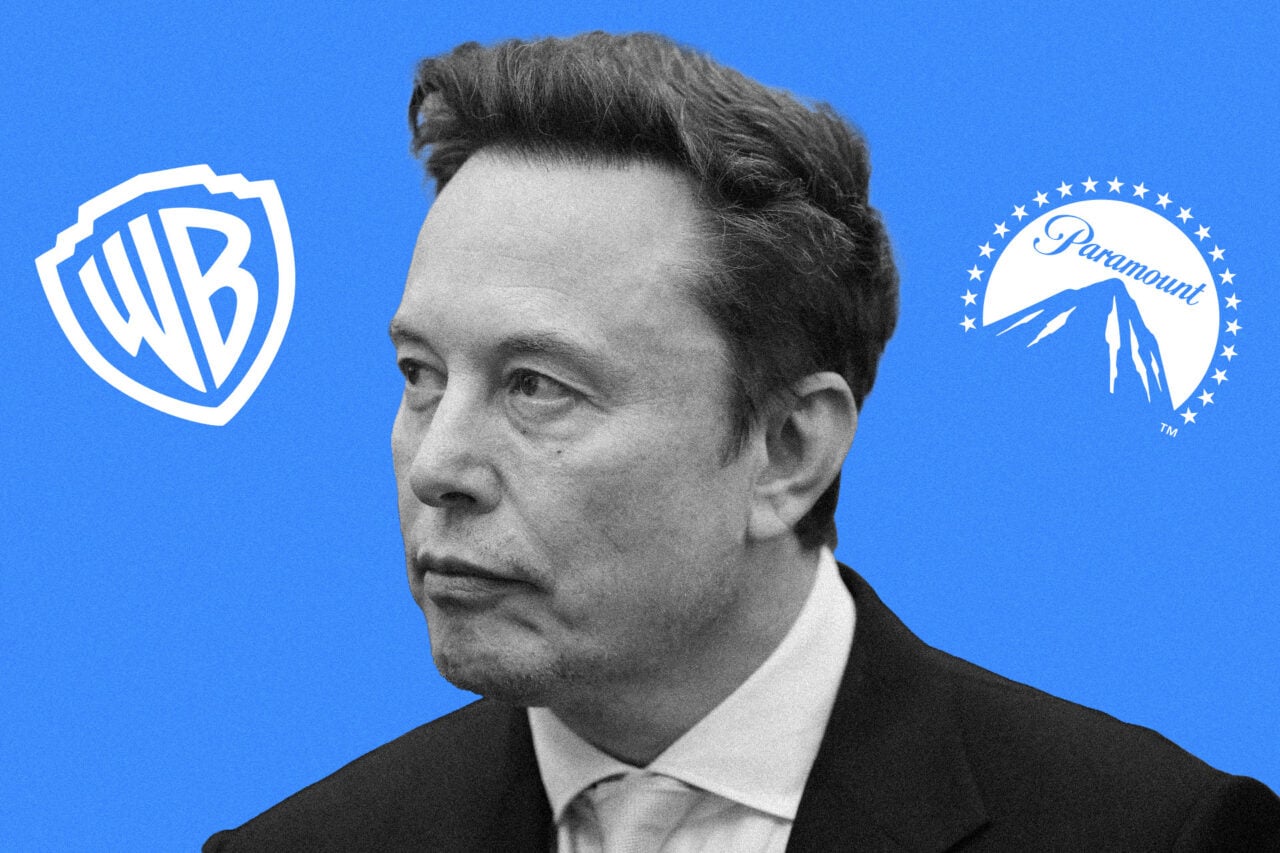
Earlier this year, Paramount struck a $111 billion deal to acquire competitor Warner Bros. Discovery, and legal and regulatory challenges both in the U.S. and abroad swiftly followed. Now, it seems the controversial merger is getting rid of each challenge one by one, a concerning sign for many critics who want the merger stopped.
On Thursday, the merger got a green light from both the British competition watchdog, the Competition and Markets Authority (CMA), and the United Kingdom Department for Digital, Culture, Media and Sport, even though culture secretary Lisa Nandy has previously said she could intervene in the deal even if it gets approved by regulators in the United States. As part of the clearance, Paramount will keep British Channel 5 News’ editorial direction separate from CBS and CNN.
“With the clearance from the Competition and Markets Authority, bodies and governments representing 66 jurisdictions have either cleared the transaction or chosen not to challenge it on competition and/or foreign direct investment grounds,” Paramount said in a press release. The European Union’s governing body also cleared the deal late last month.
The two companies are undeniably huge competitors in a film and TV industry that is already rapidly shrinking. They are even currently producing dueling Nightmare on Elm Street reboots.
The studios are also competing entities in news ever since Paramount, led by Trump-ally David Ellison, acquired CBS News last year. Since that merger, CBS has undergone a major personnel purge and a striking change in editorial direction favoring Trump, a process that critics fear will also befall WBD’s CNN if the merger goes through.
While the hurdles abroad are gradually easing, the merger still faces considerable legal obstacles stateside. A group of 12 states led by California brought an antitrust lawsuit against the deal, which led Paramount to delay the merger until a decision is made on that case. Earlier this week, a federal judge set the trial in that lawsuit for March.
The Writers Guild of America also brought a legal challenge last month, claiming the merger would harm writers.
“With fewer competitors, the merged Paramount-Warner Bros. entity would have both the incentive and the ability to lower costs by suppressing writers’ wages and reducing output. Writers will be paid less and have fewer employment opportunities,” the WGA complaint states.
On the Warner Bros. earnings calls on Thursday morning, CEO David Zaslav said the merger process has “been challenging,” but they expect the deal to close.
“We are confident this transaction will close, and we’ve been trying to drive the value of the company to deliver to [Paramount-Skydance] and to David, the best company possible,” Zaslav said. “Our focus has been how do we drive a stronger company to meet and exceed our business plan and deliver a stronger and higher growth company to PSky and David, so that Paramount coming together with Warner Brothers is even stronger.”
Paramount CEO David Ellison also reiterated his confidence in the deal at the company’s earnings call earlier this week, saying that Paramount is “absolutely open to finding a solution out of court” but also confident that they would “win at trial.”