For obvious reasons, the Sun’s influence weakens as you get closer to the edge of the solar system. But things might be a lot more complicated than we previously thought, according to a new study.
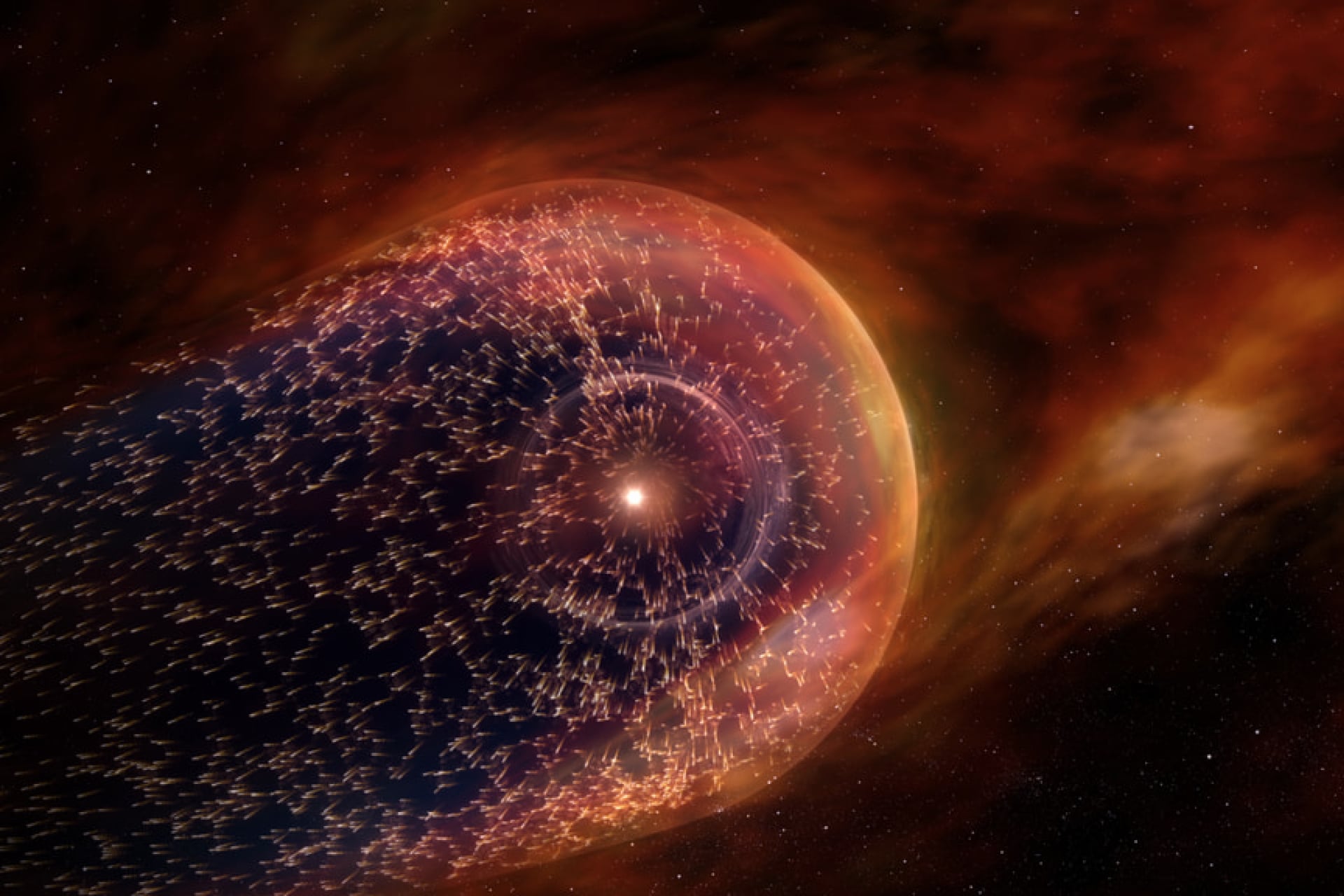
Specifically, interstellar atoms bleeding into our solar system’s peripheral regions place an additional “break” on supersonic solar particles. In a recent study published in The Astrophysical Journal, scientists examined data from NASA’s New Horizons spacecraft to get a better understanding of how such events shape the environment at the edge of the heliosphere. According to the paper, the gradual decrease in solar wind speeds prior to termination shock is caused by the steady accumulation of ionized interstellar material as it travels through the outer heliosphere.
“Studying the heliosphere is like solving a cosmic puzzle,” Heather Elliott, the study’s first author and an astrophysicist at Southwest Research Institute, said in a statement. “Not only do we learn more about how the Sun’s influence ends, but we also gain a deeper understanding of the boundary between our solar system and interstellar space—a critical step toward planning future interstellar travel.”
Interstellar explorers
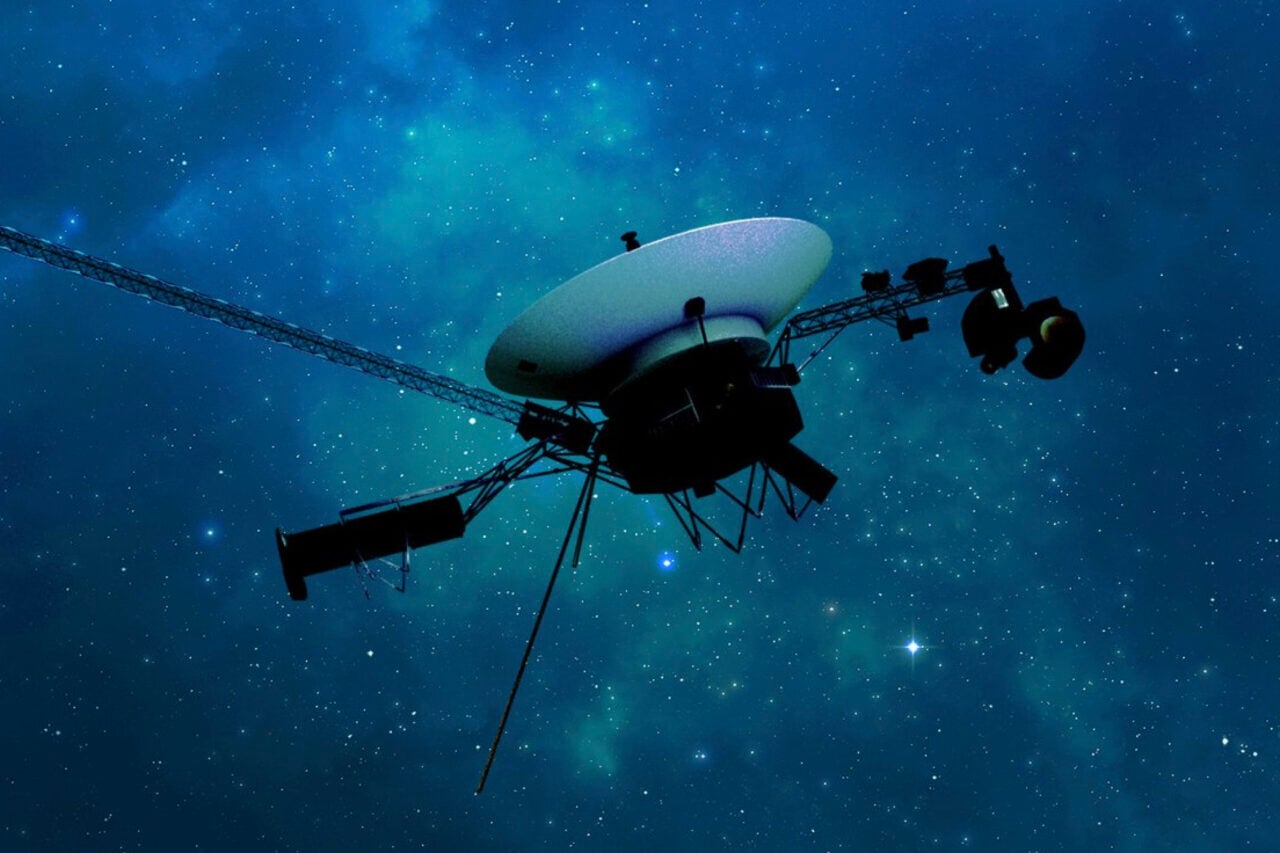
So far, the only human spacecraft to have traveled beyond the heliosphere are Voyager 1 and 2, which crossed that boundary in 2012 and 2018, respectively. This was when scientists first observed termination shock, a boundary of the Sun’s influence during which solar wind abruptly drops from supersonic speed to less than the speed of sound, according to NASA. In terms of distance, Voyager 1’s entry into interstellar space occurred at about 122 AU, or roughly 11 billion miles (18 billion kilometers) from the Sun.
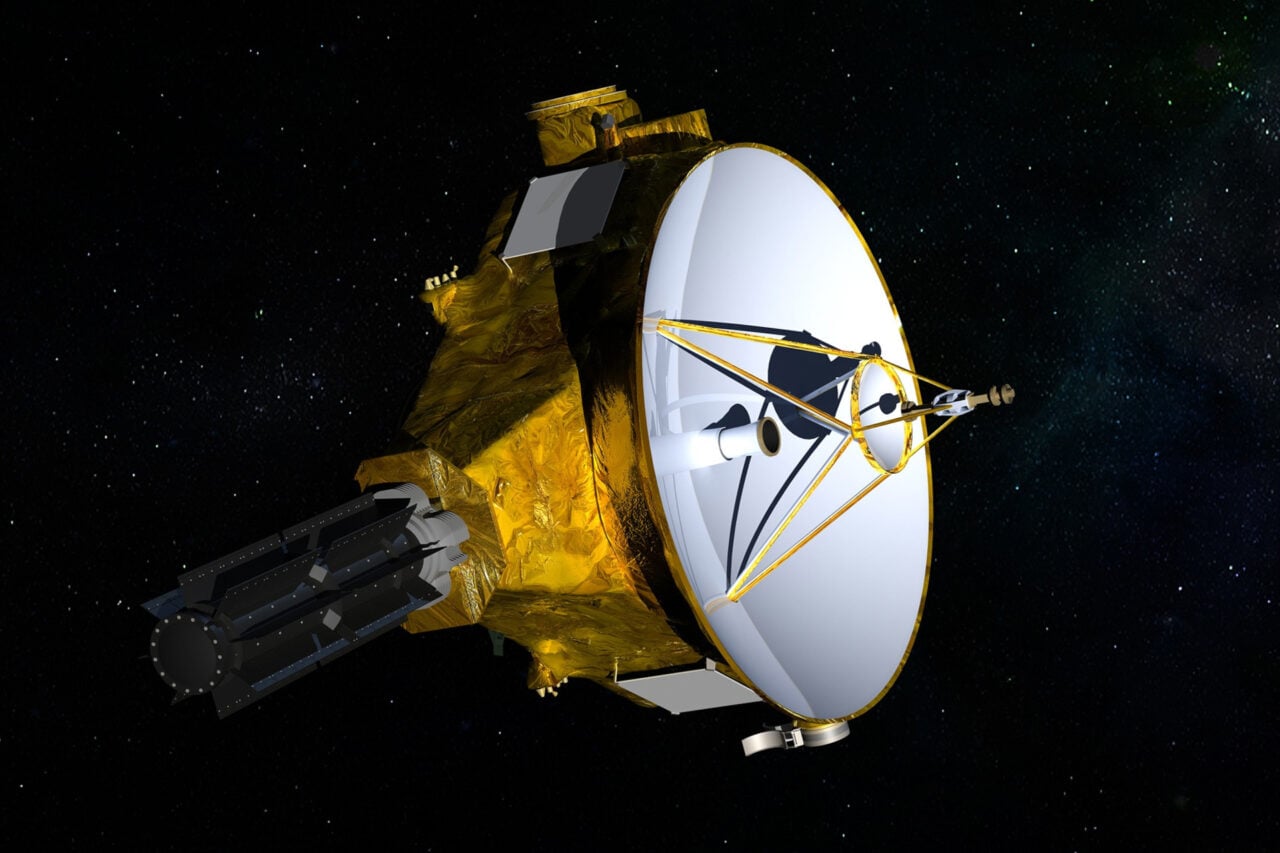
New Horizons, on the other hand, launched in 2006 to study Pluto up close. Currently, the spacecraft is halfway to the edge of the solar system, journeying outwards at about 66 AU from the Sun. New Horizons is still among the farthest-traveling spacecraft out there, prompting scientists to use its data to make some meaningful comparisons to previous observations from Voyager 2.
Before the shock
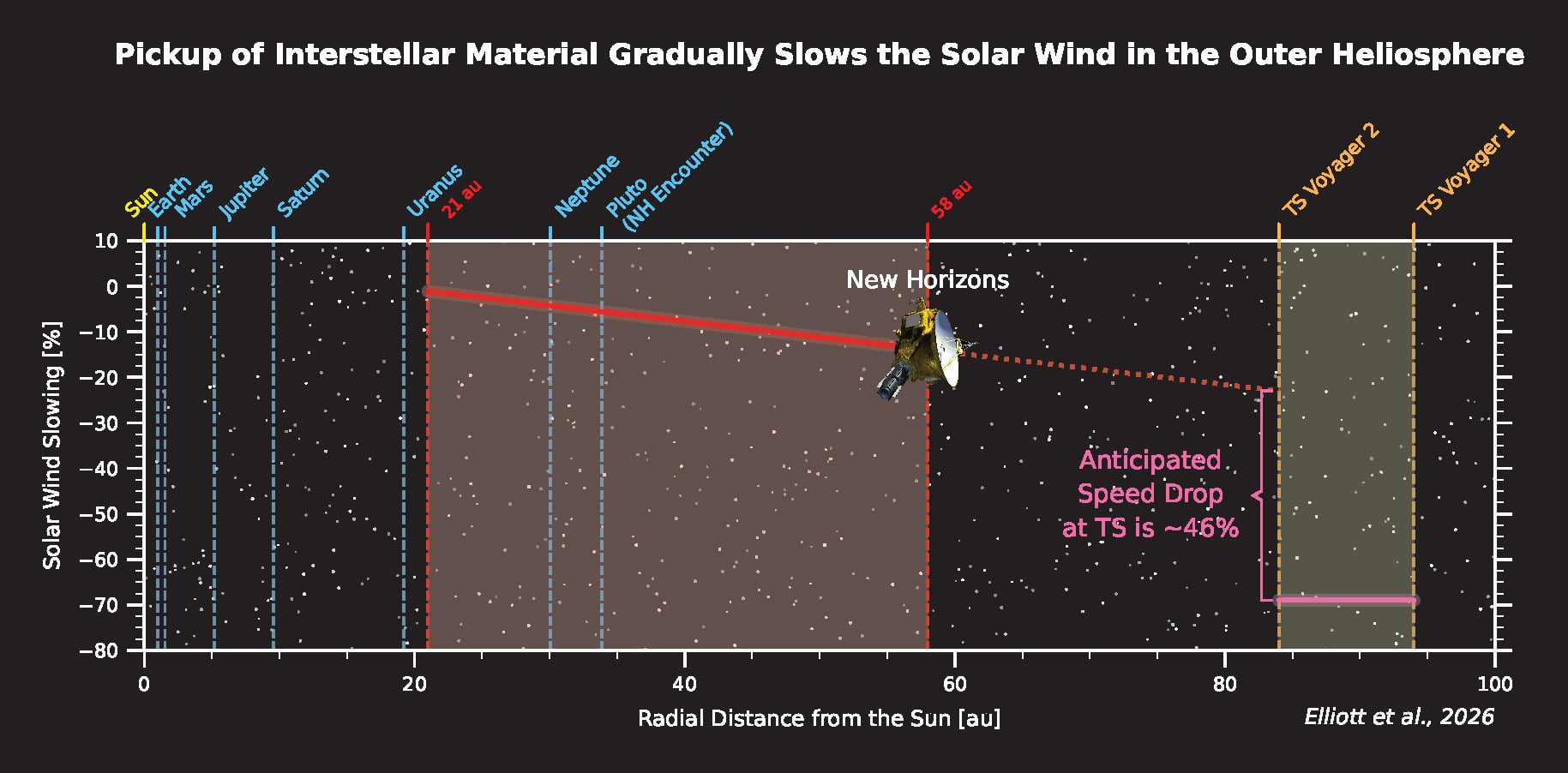
To study how distance and interstellar material each influence solar wind speed, the team devised a simulation based on measurements to work out the technical details. The simulations indicated that measurements by New Horizons were generally consistent with previous observations by Voyager 2 at similar distances. For instance, both spacecraft showed that solar wind was 5 to 10% slower between 30 and 43 AU as opposed to solar wind at 1 AU, or the distance between the Sun and Earth. The most recent New Horizons data indicated that solar wind was 13 to 15% slower at 58 AU.
Importantly, this wasn’t just because the spacecraft was simply farther away from the Sun. Without accounting for interstellar material, the simulated speed was “well above” the actual speeds measured by New Horizons, according to the paper. In other words, there is a gradual speed drop in solar winds at farther distances from the Sun. However, the “shape and properties of heliospheric boundaries” that determine what galactic cosmic rays enter our solar system likely have a significant impact on how interstellar material interacts with solar winds.
Bracing for impact?
This understanding will come in handy when New Horizons travels far enough for scientists to prepare to observe termination shocks. For Voyager 2, that represented a “dramatic” 56% drop in the speed of solar winds, the paper noted. However, the simulations suggest that before then, it might be difficult to confidently discern whether decreases in speed were because termination shock was near or just a “temporal variation in the source of solar wind” buffeting against New Horizons.
Furthermore, galactic cosmic rays pose severe health risks to space travelers—humans or spacecraft. Accordingly, the new data could inform how scientists account for changes in the “outer boundaries of the heliosphere and solar system and ultimately the amount of galactic cosmic rays radiation exposure of astronauts, satellites and spacecraft to harmful cosmic radiation, especially as we look toward more ambitious deeper-space exploration.”