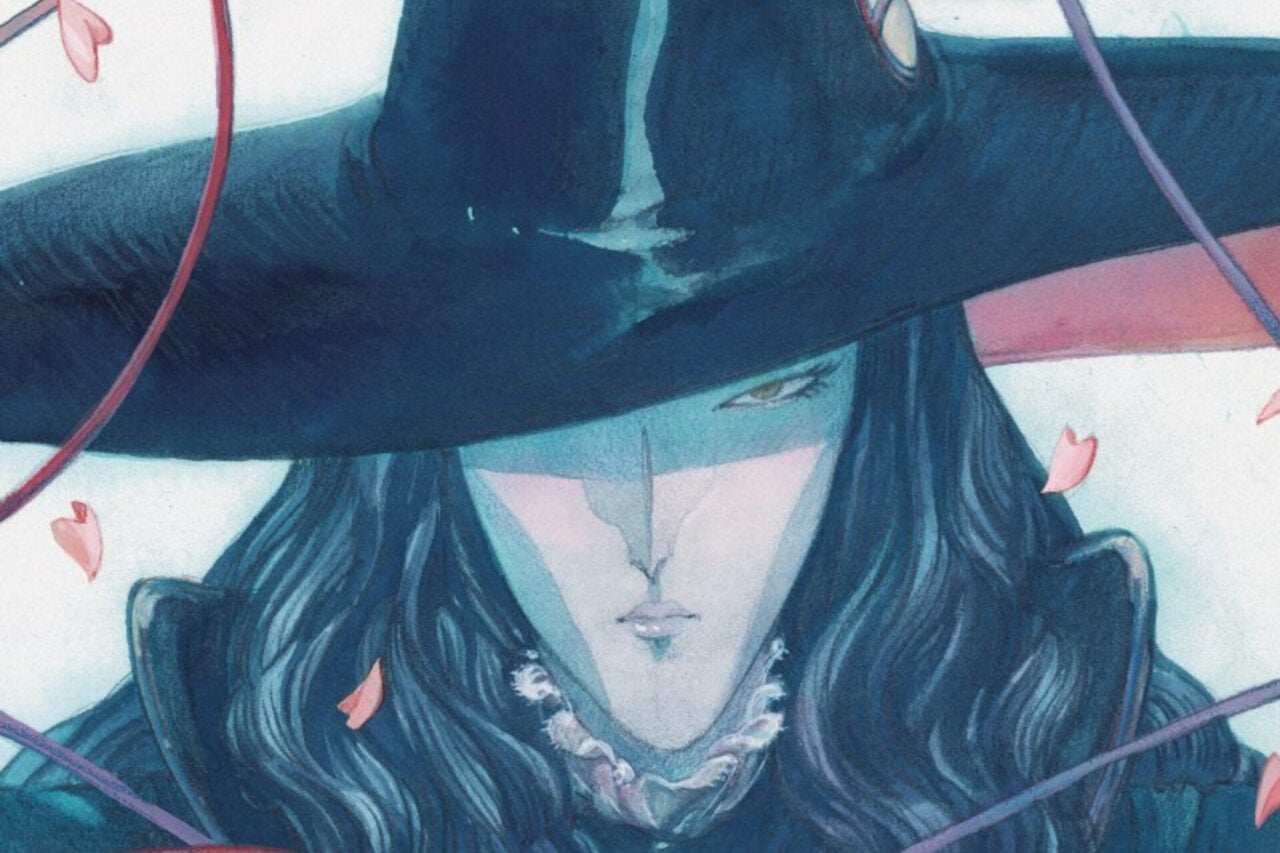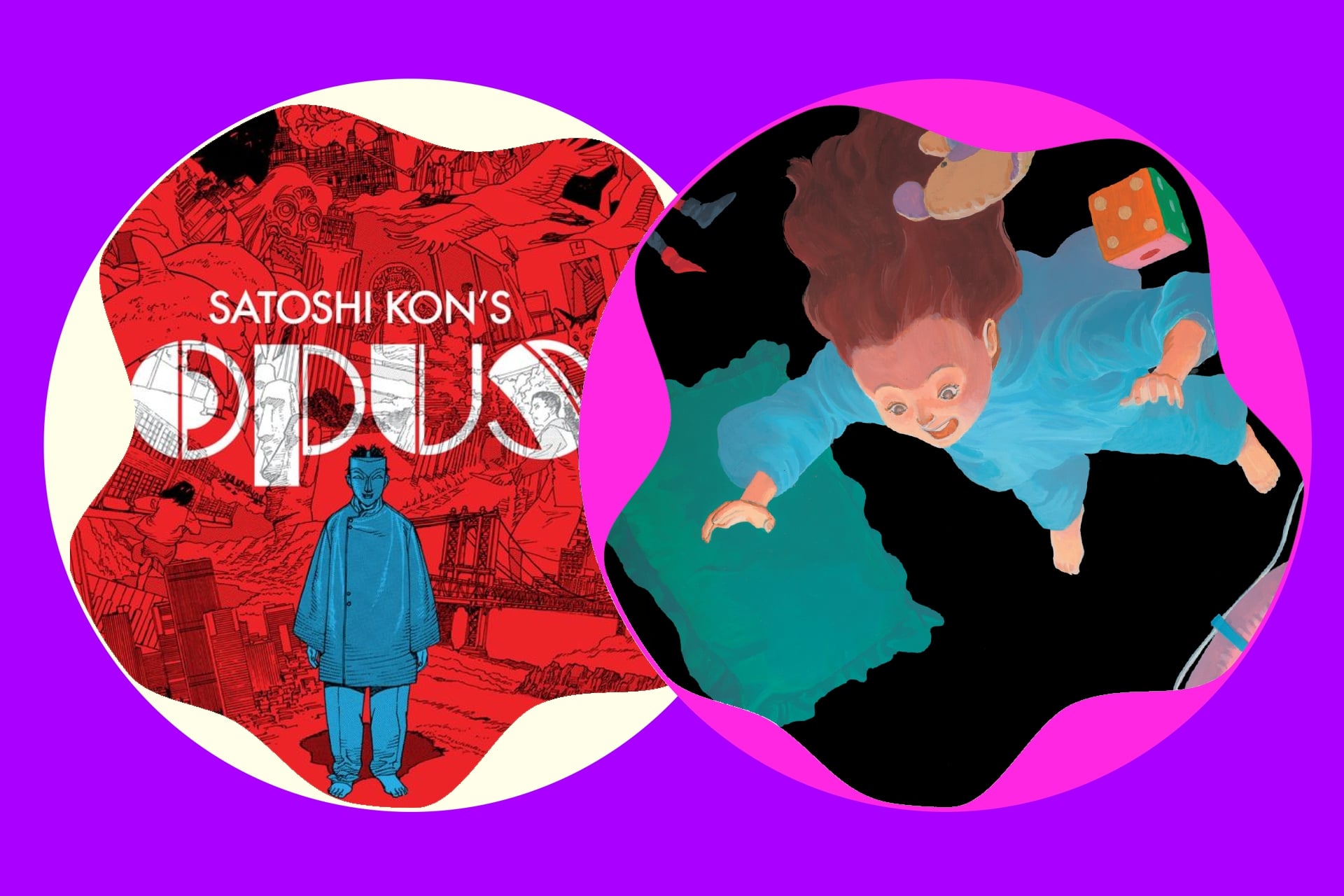
Whenever folks think of the late Satoshi Kon, the first thing that usually comes to mind is the legendary anime director’s films: Perfect Blue, Millennium Actress, Tokyo Godfathers, Paprika, and the trippy Paranoia Agent TV show. But what doesn’t get enough love is Dream Fossil and Opus, Kon’s works as a manga creator before he became a household name. Manga, I’d argue, make for the perfect bookend for folks like myself who’ve made his films an annual rewatch to appreciate the full scope of his unique ability to blur the lines between dreams and reality.
While I’d heard of Opus before, I stumbled upon Dream Fossil by complete happenstance while browsing my local bookstore. In the same way, Tatsuki Fujimoto 17-26 piqued my interest as a collection of short stories before he hit it big with Fire Punch and Chainsaw Man, Dream Fossil: The Complete Stories of Satoshi Kon was the quickest purchase of my life. Why? Well, it’s a collection of fifteen short stories he wrote before he dove into directorial work. As a fan of Kon, whom critically acclaimed directors like Christopher Nolan and Darren Aronofsky have paid homage to (and ripped off, respectively), I was curious to see the kinds of works the auteur wove before stunning the world with his anime. Unsurprisingly, I walked away from the book with a newfound appreciation for Kon, with inklings of ideas he’d revisit in the larger arc of his work, while learning a couple of really cool facts about him I hadn’t connected the dots on before.
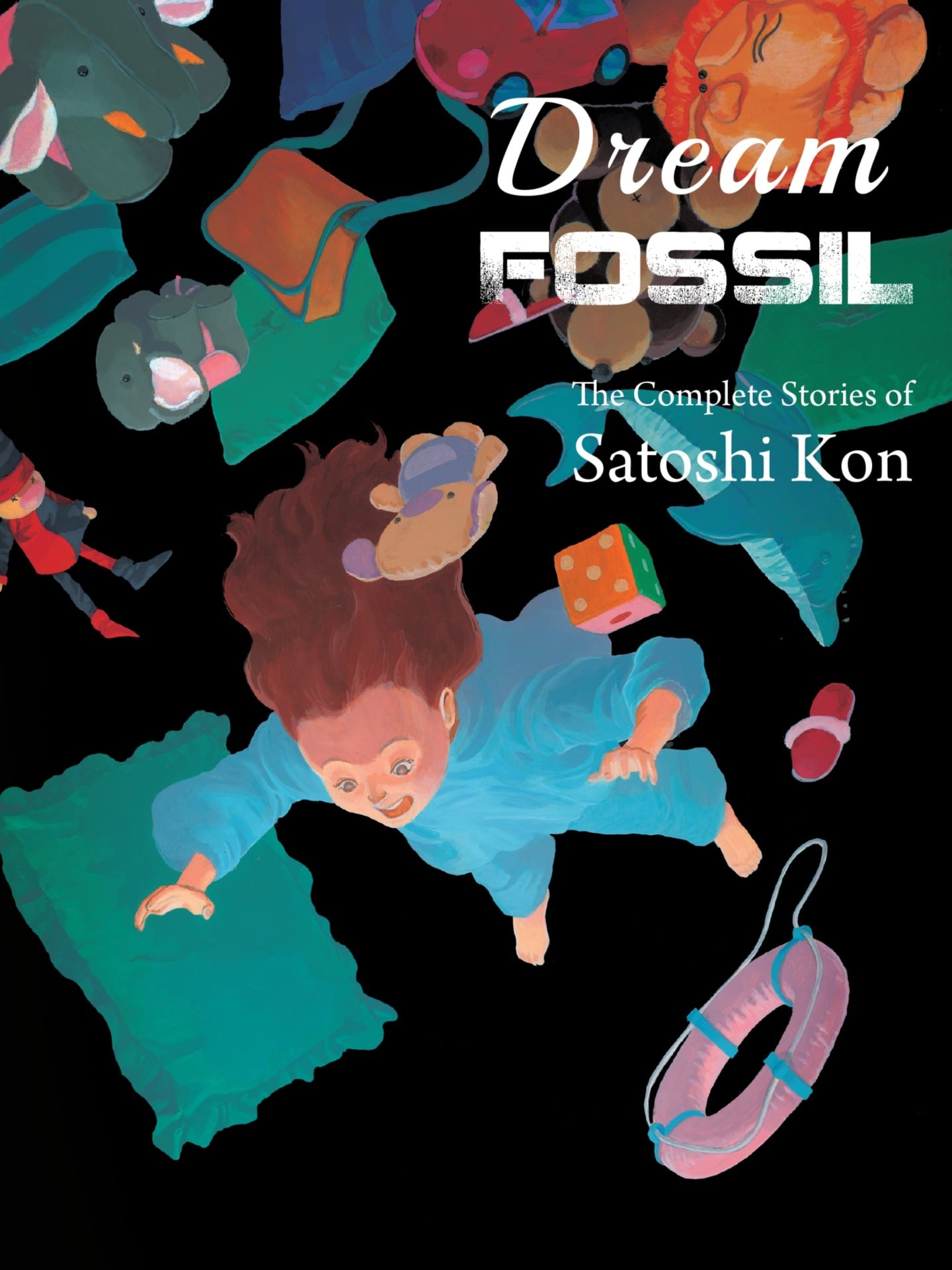
If I were to pin down the overall vibe of the 15 short stories in Dream Fossil, I’d say they’re the less-depressing doppelgänger of Paranoia Agent. Sure, there are speculative fiction thrillers in there to showcase his ability to dream up imaginative stories. Key among them are Carve, a tale about two twins gifted with ESP trying to survive in a FUBAR world; Guests, a humorous tale about a family trying their damnedest to ignore that their fancy countryside house is haunted by ghosts; and Toriko, his two-part Akira-esque dystopian story about a rebellious boy running away from robot police in a desperate attempt to avoid being tossed into a rehabilitation center for the crime of buying cigarettes and sneaking liquor from his parents’ cabinet.
Picnic, the full-color short story Dream Fossil‘s editor’s notes all but declare as the sister tale to Akira, came with the casual mention that Kon was a former assistant to Akira creator Katsuhiro Otomo, a fact that makes a lot of sense when I think about their uncannily similar art styles and the themes in their works. We love the goated assistant-to-mentor pipeline in manga.
But my absolute favorite short stories in Dream Fossil were the ones teeming with slice-of-life whimsy. Tales like Summer of Anxiety, where a bike rider strikes up a meet-cute romance with a woman while being chased by her ex. Or Joyful Bell, a story about a mall Santa who spends his night helping a little girl find her way home while she pesters him about getting her a daddy for Christmas. But my favorite of all of Kon’s short stories was Beyond The Sun, an unserious Looney Tunes-like adventure about a nurse giving chase to her elderly patient after her hospital bed unlocks and it becomes the whole town’s problem. Every one of these stories had the magical ability to conjure up a visceral sense of nostalgia, like the heat of the summer sun on my skin as I walked under trees to the school bus in elementary school. And it managed to do so for a time I wasn’t alive for. Mind you, this was Kon before the world really knew what he was about.
While Dream Fossil touches on the latent potential Kon had at the onset of his career, Opus lands with a painful what-if that made me go, “Oh my god, it ends like that?!” out loud at my big age.
Whenever folks think of the big what-if of Kon’s career, they often think of Dream Machine, his proposed fifth film that never came to be before he died in 2010 at the age of 46. But the pang of agony I felt after reading Opus was leagues beyond my everyday misery over the indefinite hiatuses of Ai Yazawa’s Nana and Takehiko Inoue’s Vagabond.
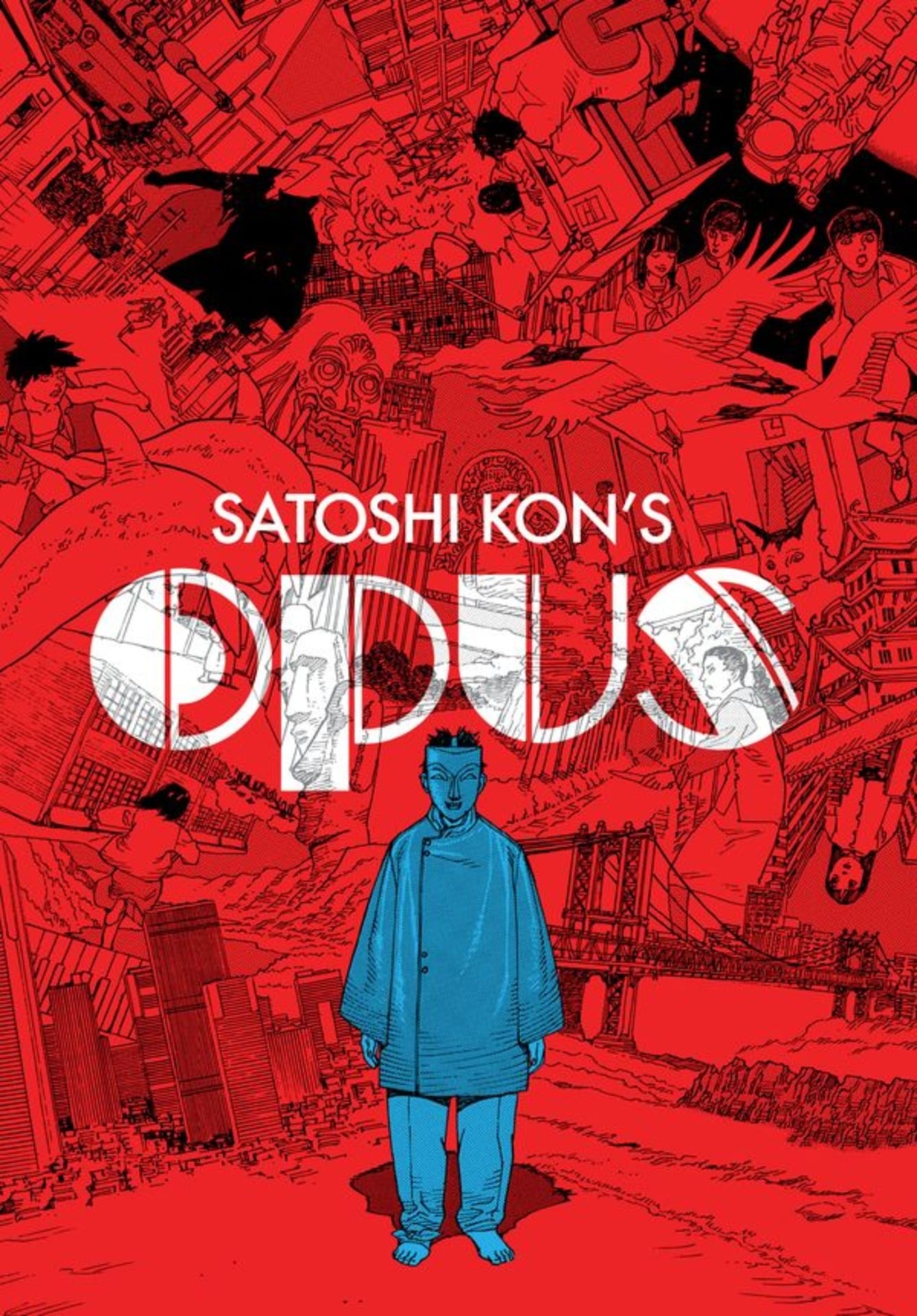
Opus, in my humblest opinion, is the most ambitious, experimental story Kon has ever concocted. Like what-if-Paprika-were-a-manga levels of ambition. What’s more, despite its metanarrative premise being pretty common, I’ve never experienced a story quite like Kon’s. Opus follows Chikara Nagai, a famous mangaka on the verge of penning the final page of Resonance, his beloved sci-fi manga. The only problem is that the final page of the manga is stolen by the very character he planned to shockingly kill on that page, leading to Nagai being spirited away into his own series.
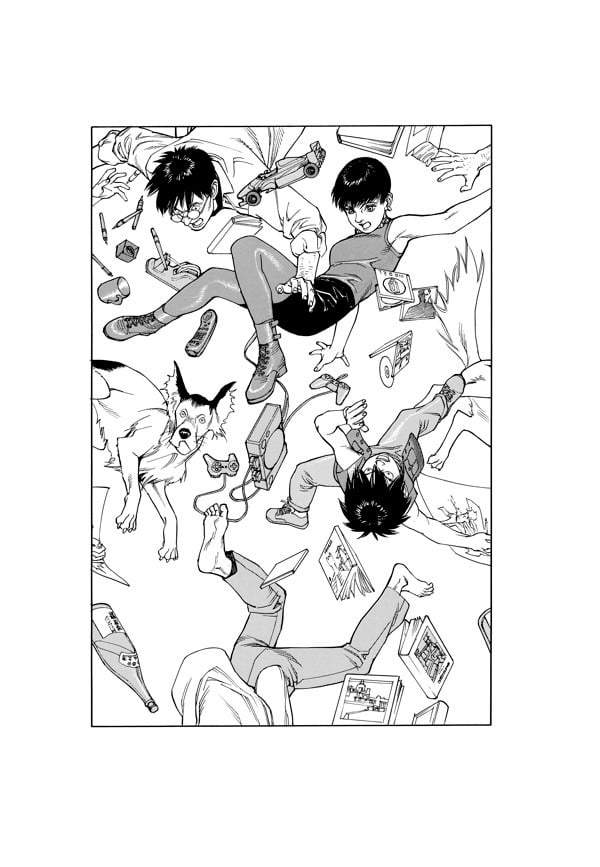
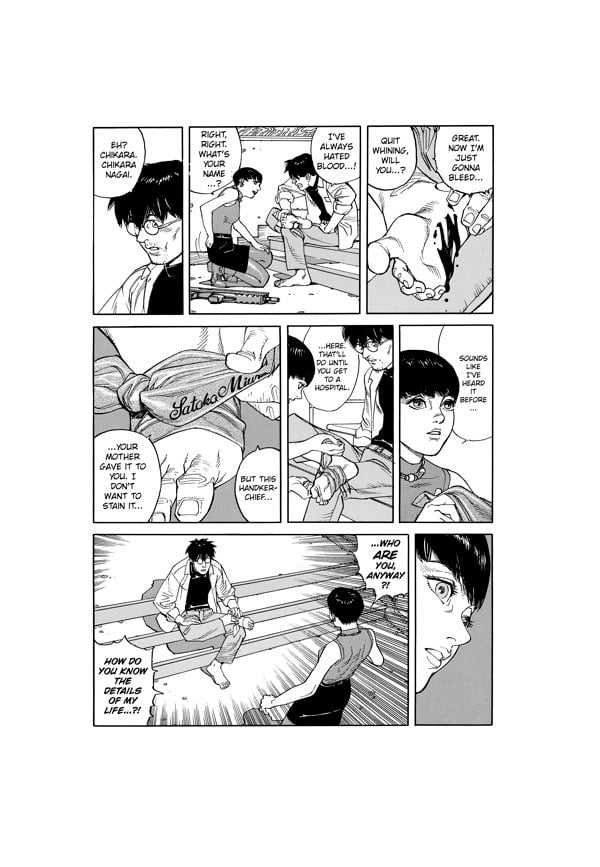
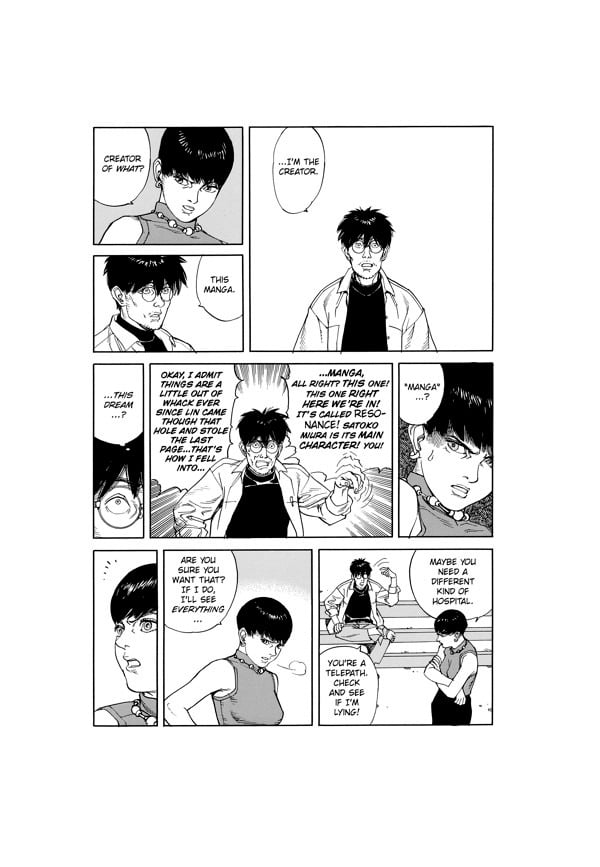
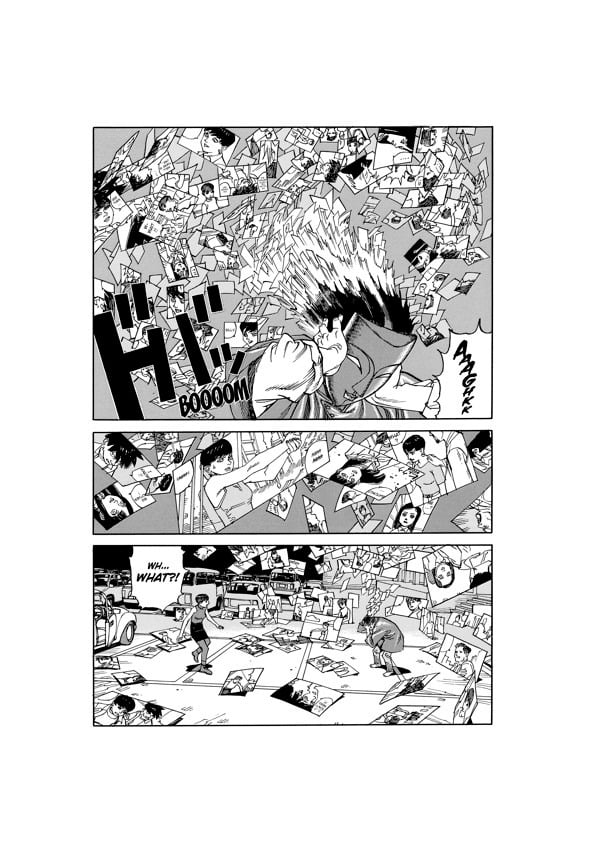
Since this is Satoshi Kon we’re talking about, what follows in the manga’s rousing adventure isn’t as clear-cut as Nagai and Satoko, the heroine of Nagai’s manga, teaming up to fetch the final page from her rogue sidekick and save the day. Things are far messier than that. For starters, the fact that Nagai wastes no time revealing that he made Satoko and the world she inhabits—including all the trauma she’s experienced thus far—for entertainment value (and to please his editor) leaves her existentially conflicted about helping him. The manga dives headfirst into how messy their whole arrangement is through imaginative panels that take full advantage of using the medium as a canvas to tell its meta story.
Key among its breathtaking panel work are moments where over-detailed background art gives way to rough outlines of crowd shots and characters mixed with a flood of overlapping panels where characters break reality, diving through a maze of memories and graphic novel volumes like ripping portals through a page.
Witness the stunning remaster of PERFECT BLUE, coming to 4K UHD Steelbook for the first time ever. Packed with tons of extras including interviews & lectures from director Satoshi Kon.
Available June 16. 🎀
💙 Pre-order now: https://t.co/AqyLo0ygZ3 pic.twitter.com/VsnVtJjTRq
— GKIDS Films (@GKIDSfilms) May 21, 2026
But my big “oh shit” moment with Opus is that its manga never reaches a conclusion. You see, the series was halted so Kon could take a hiatus and make Perfect Blue. That hiatus ended up being permanent and Opus was never completed. Worse yet, it ends on a cliffhanger. Like, I’m talking Berserk-level cliffhanger from when Kentaro Miura passed away. Thankfully, there’s a half step toward a happy ending to the shock I felt in real time flipping through the not-climax of Opus. In the greatest bit of posthumous metanarrative writing I’ve ever seen, the folks at Dark Horse were able to acquire an additional rough chapter that Kon worked on for Opus but never officially released and add it to the end of the manga.
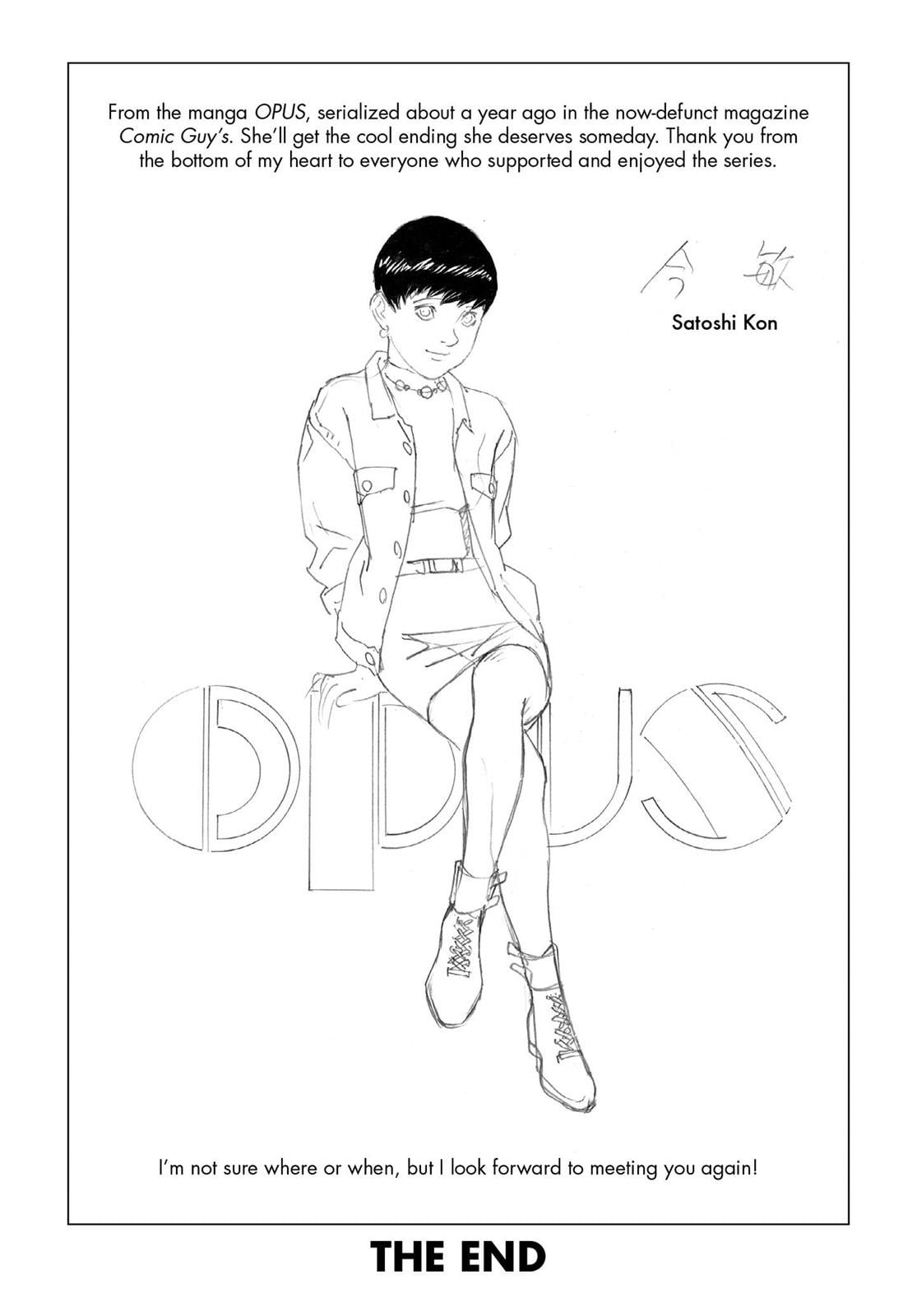
While I won’t give away what happens in the additional chapter, I will say that it goes even further beyond how over-the-top meta Opus already was. It had me guffawing and misty-eyed. But more importantly, it cemented Kon’s legacy as an absolute master of his craft.
Want more io9 news? Check out the best movies and TV shows to stream this month and all the upcoming sci-fi, fantasy, and horror books that should be on your radar.