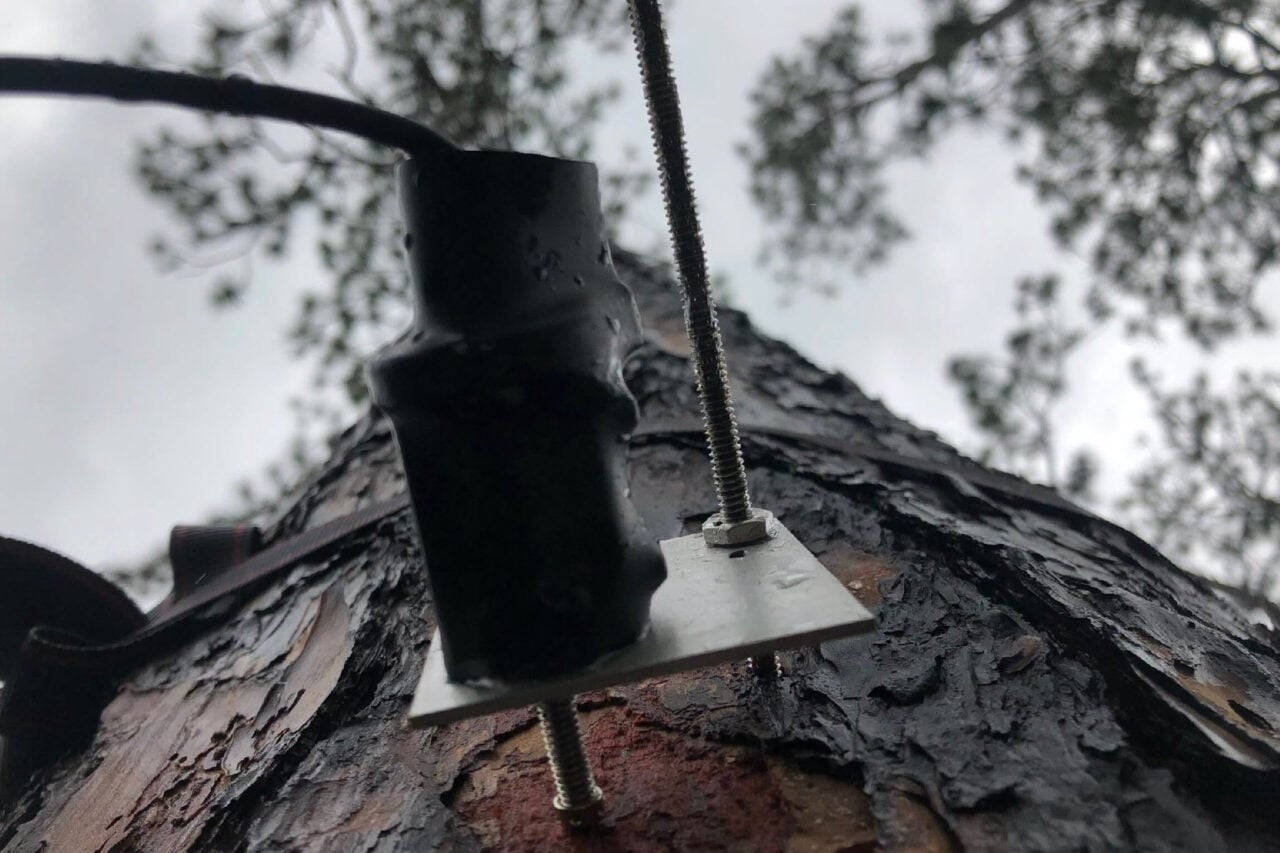
Researchers in the United States, Europe, and Argentina have discovered that some trees stop growing in the heat of summer—a find that could upend current climate models.
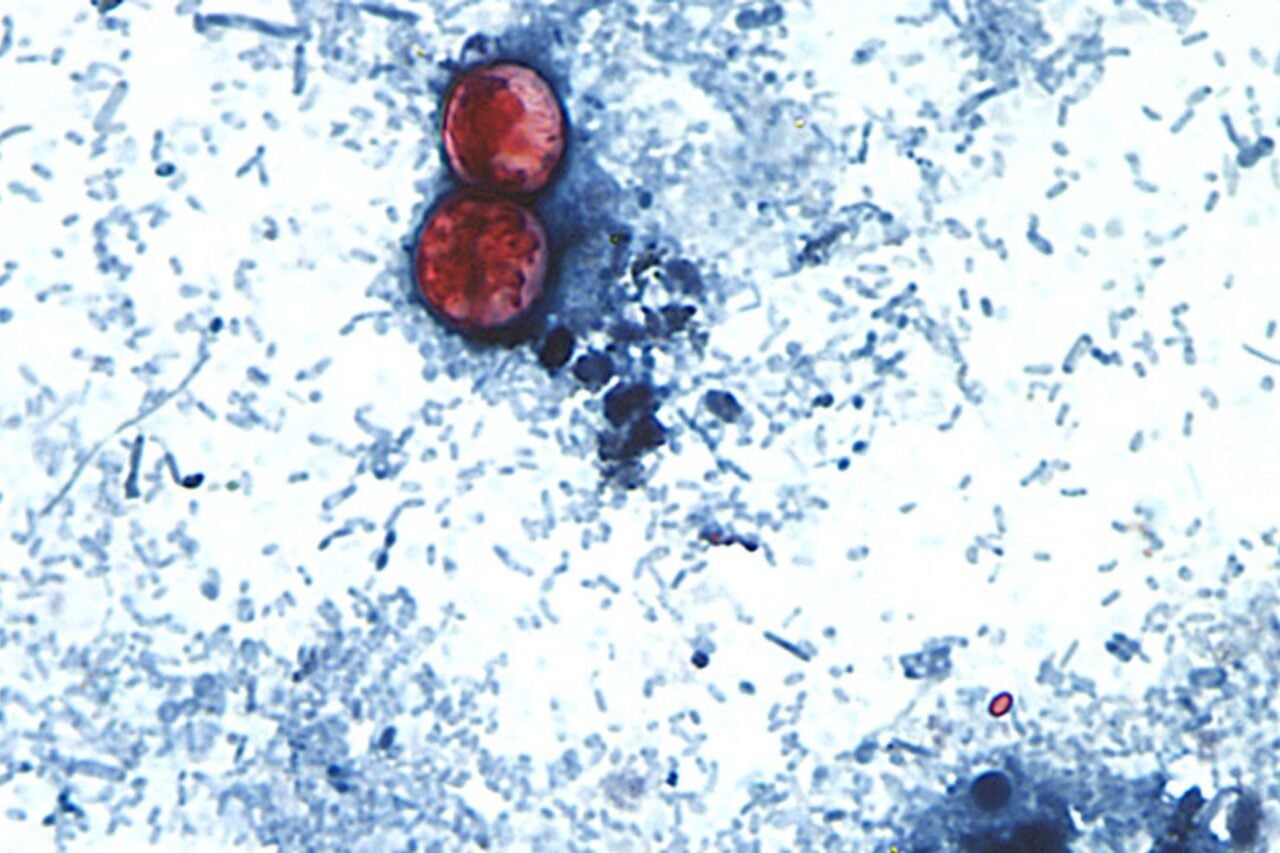
Health officials are reporting record numbers of the unpleasant gastrointestinal infection in southeastern Michigan.
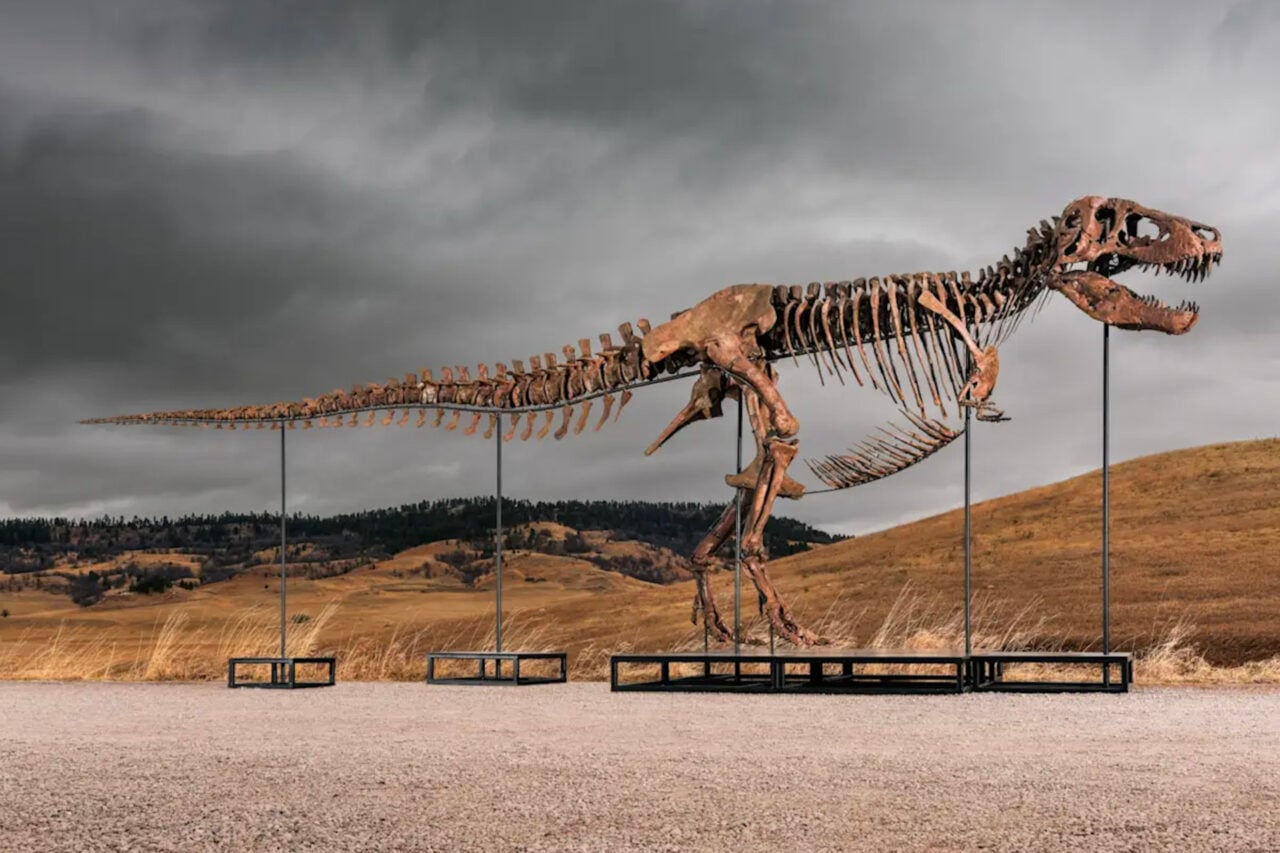
Nicknamed “Gus,” this Tyrannosaurus rex is reportedly one of the biggest, most complete, and most expensive dinosaur fossils ever to be sold via a commercial auction.
Researchers working with the Smithsonian pored over 10,061 artifacts and other elements to determine whether tiny ‘Homo floresiensis’ used fire or hunted big game.
NASA’s never-before-attempted plan to move a sensitive scientific satellite into a safer orbit has faced a week of delays—but it’s still go for launch.
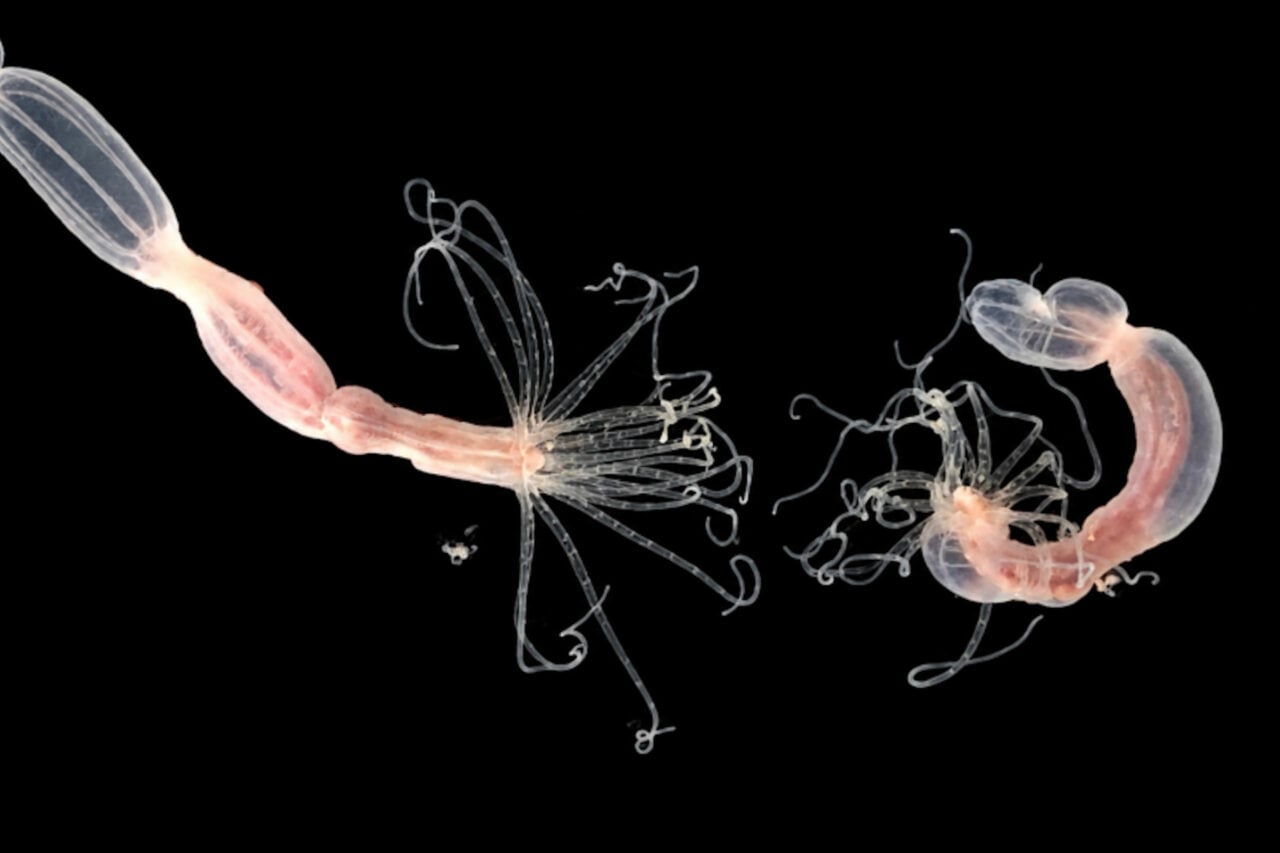
Teetering near endangered status, the starlet sea anemone produces “an ancient mechanism” for fighting viruses that researchers called “counterintuitive.”
The National Oceanic and Atmospheric Administration’s public-facing hub for climate science, climate.gov, has been reborn as climate.us.
An advanced research vessel off the coast of Brazil has ID’ed a new cousin to crabs and lobsters, nine new jellyfish, and two gigantic single-celled organisms visible to the naked eye.
A leaked memo from U.S. Department of the Interior has blocked National Parks staff from confirming deaths or “the severity of injuries” sustained by any park patrons.
The biotech startup that’s promised to “de-extinct” the woolly mammoth has partnered with the U.S. Fish & Wildlife Service to preserve America’s endangered species before they die off.
A biologist specializing in invasive species has partnered with a former Pentagon strategist in pushing NASA to construct a “lunar biocontainment facility.”
New radiocarbon dating of the ‘Llullaillaco Maiden’ appears to rule out a response to natural disasters or Inca campaigns of conquest.
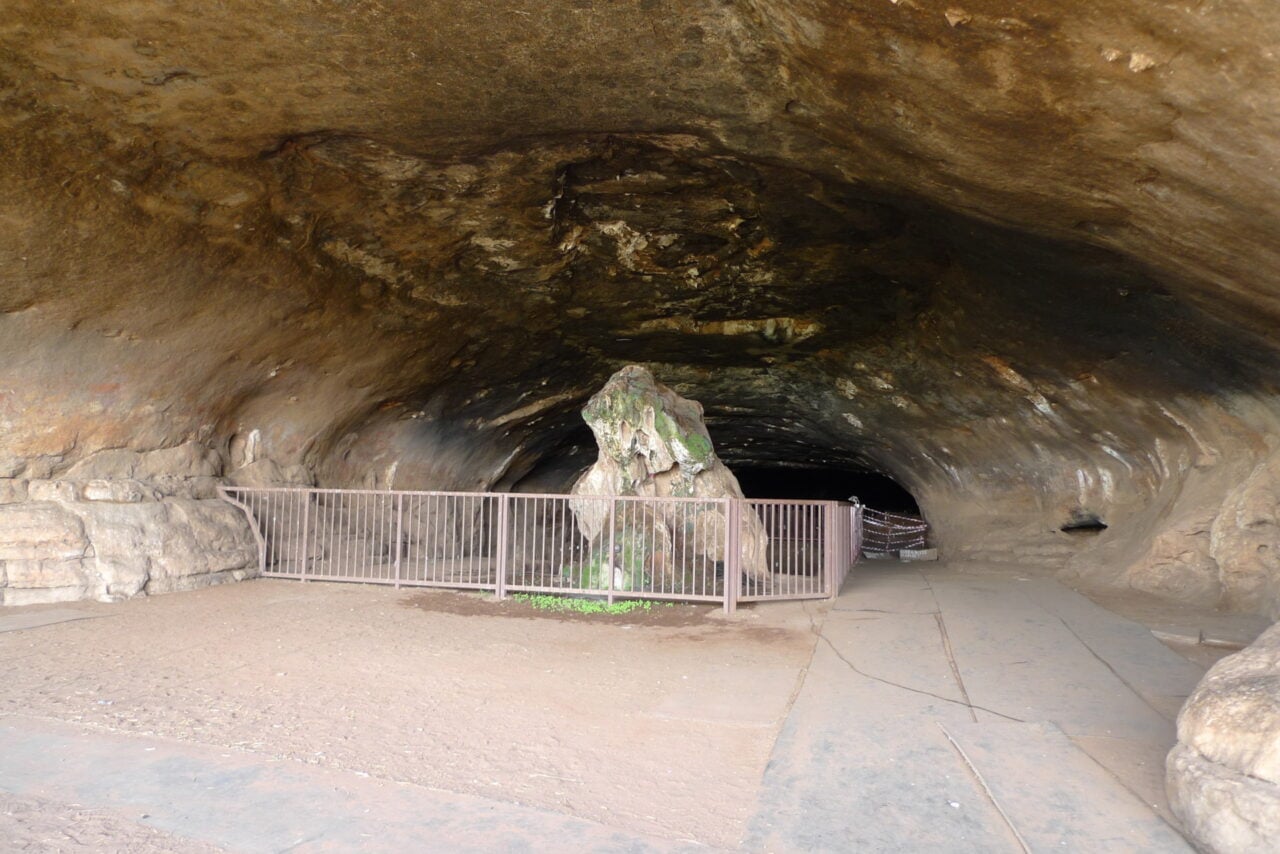
An international team in South Africa has pinned the earliest known use of fire by Homo erectus back to between 1.07 and 1.79 million years ago.
Researchers with Singapore-based Nipsea have created a new “ultra-black coating” that absorbs an average of 99.9% of all visible light wavelengths.
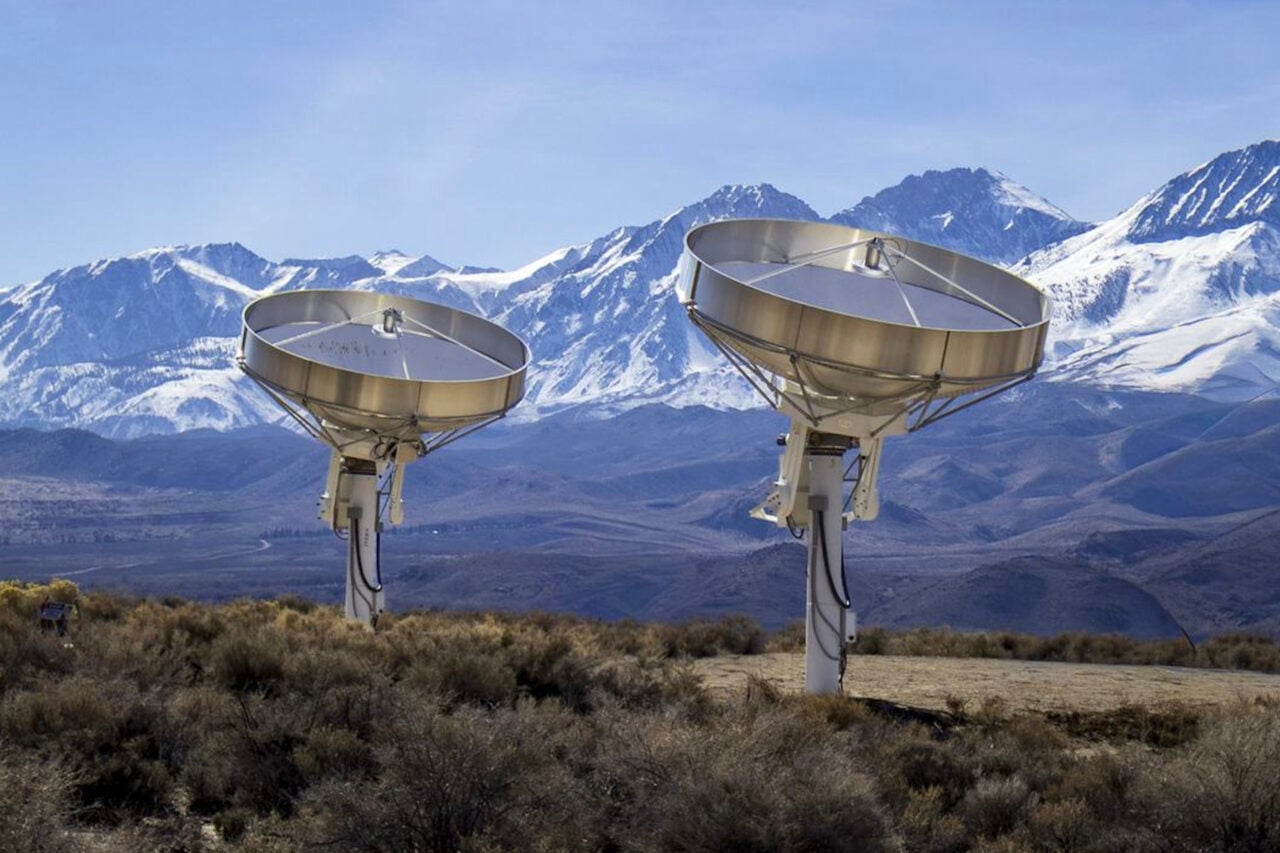
Caltech says its Deep Synoptic Array will be larger and 100-times faster than any radio telescope ever constructed.
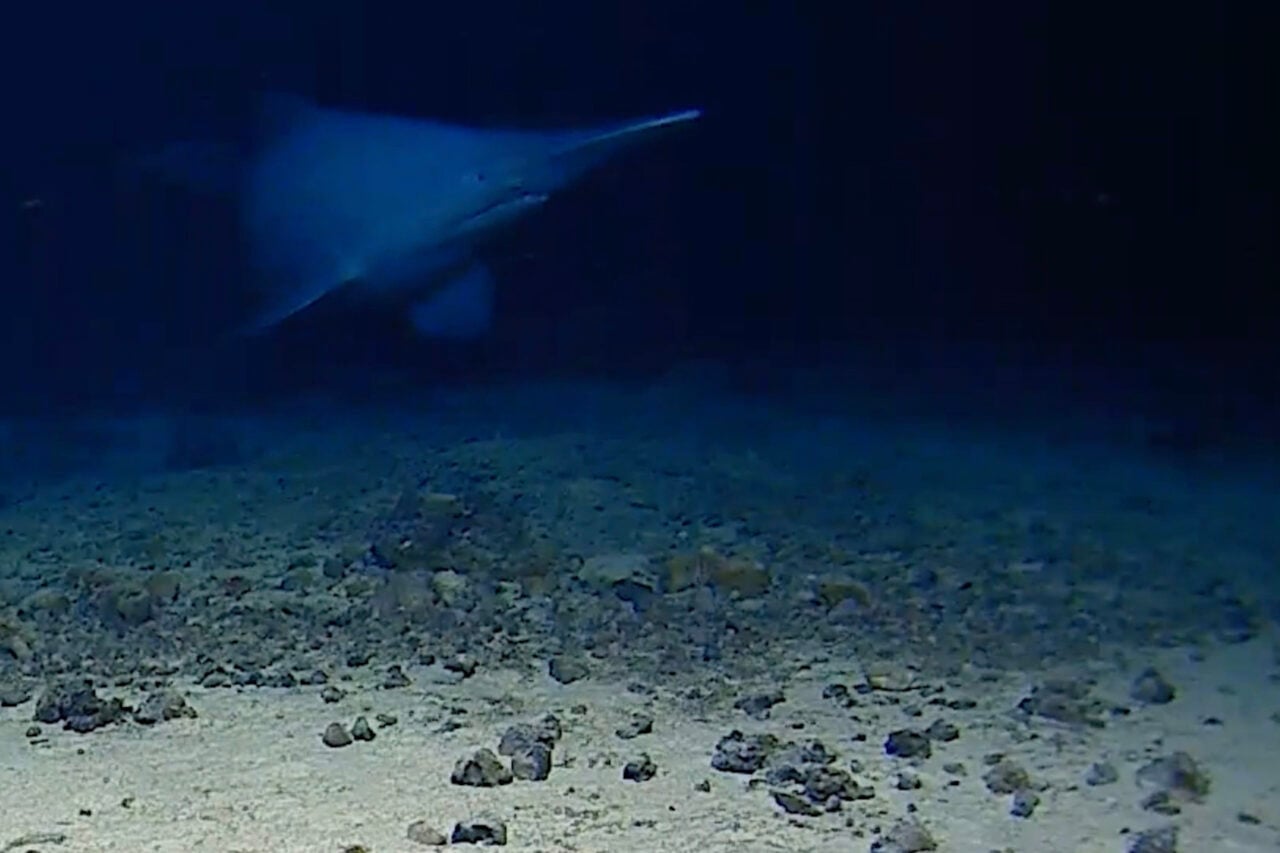
An extremely rare "living fossil," the goblin shark has been recorded alive for the first time lurking 6,552 feet (1,997 meters) below sea level.
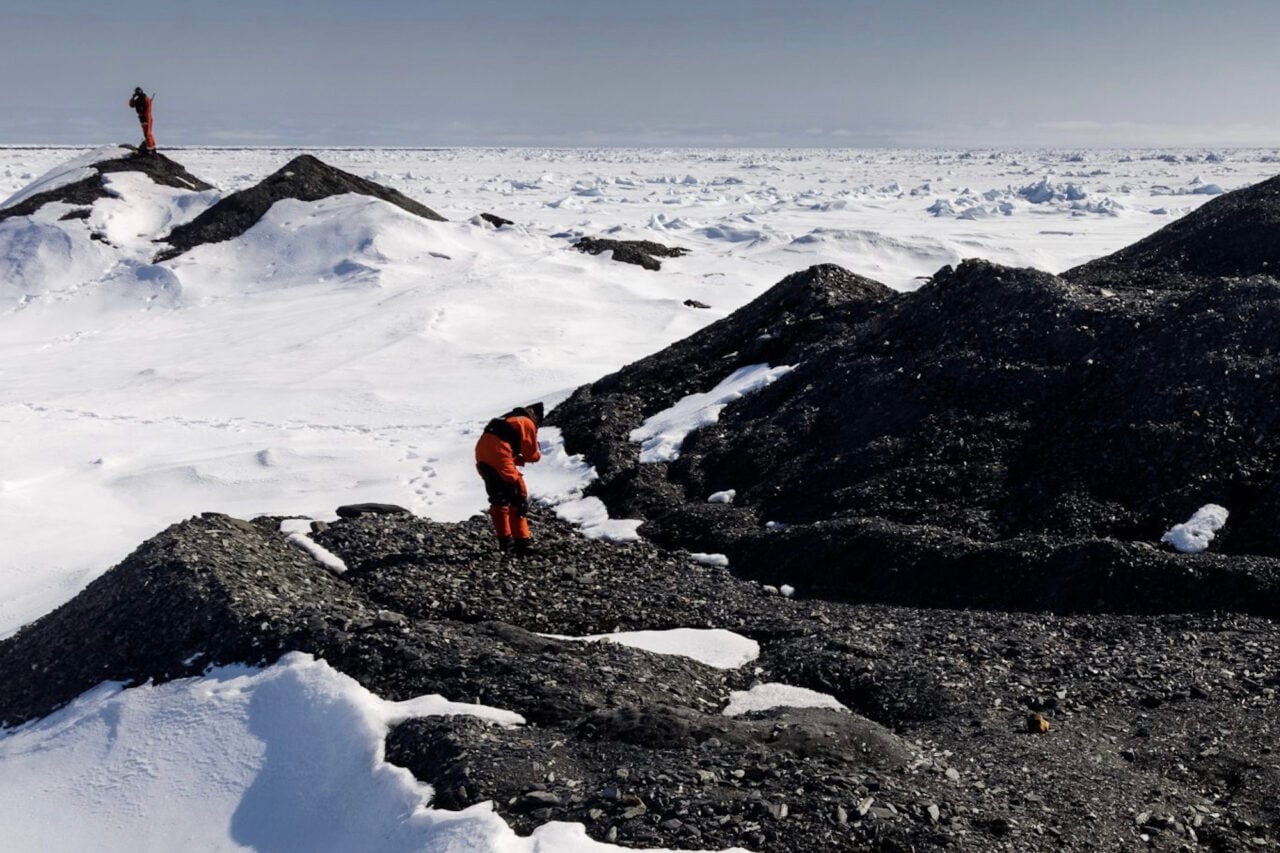
Researchers traced new undersea ecosystems of soft coral, sea anemones, sponges, and more to large rocks and mineral deposits ferried by icebergs from dry land to the Arctic floor.
Researchers tested their newly discovered peptide against one common antibiotic-resistant bacteria. Only about one in every hundred million survived to pass on genetic resistance.
Some climate scientists are getting over four to six times the profession's average salary to help Wall Street profit off climate change.
A team led by a geophysicist in Italy now believes that about 90% of Earth’s fresh water ice may not be on solid ground after all.