Paleontologists know very little about Tyrannosaurus rex babies. Given how long these iconic carnivores have loomed over the public imagination, it might surprise you to learn that the first fossilized remains of an embryo belonging to any member of the tyrannosaurid family was only first confirmed in the peer-reviewed literature back around 2021.
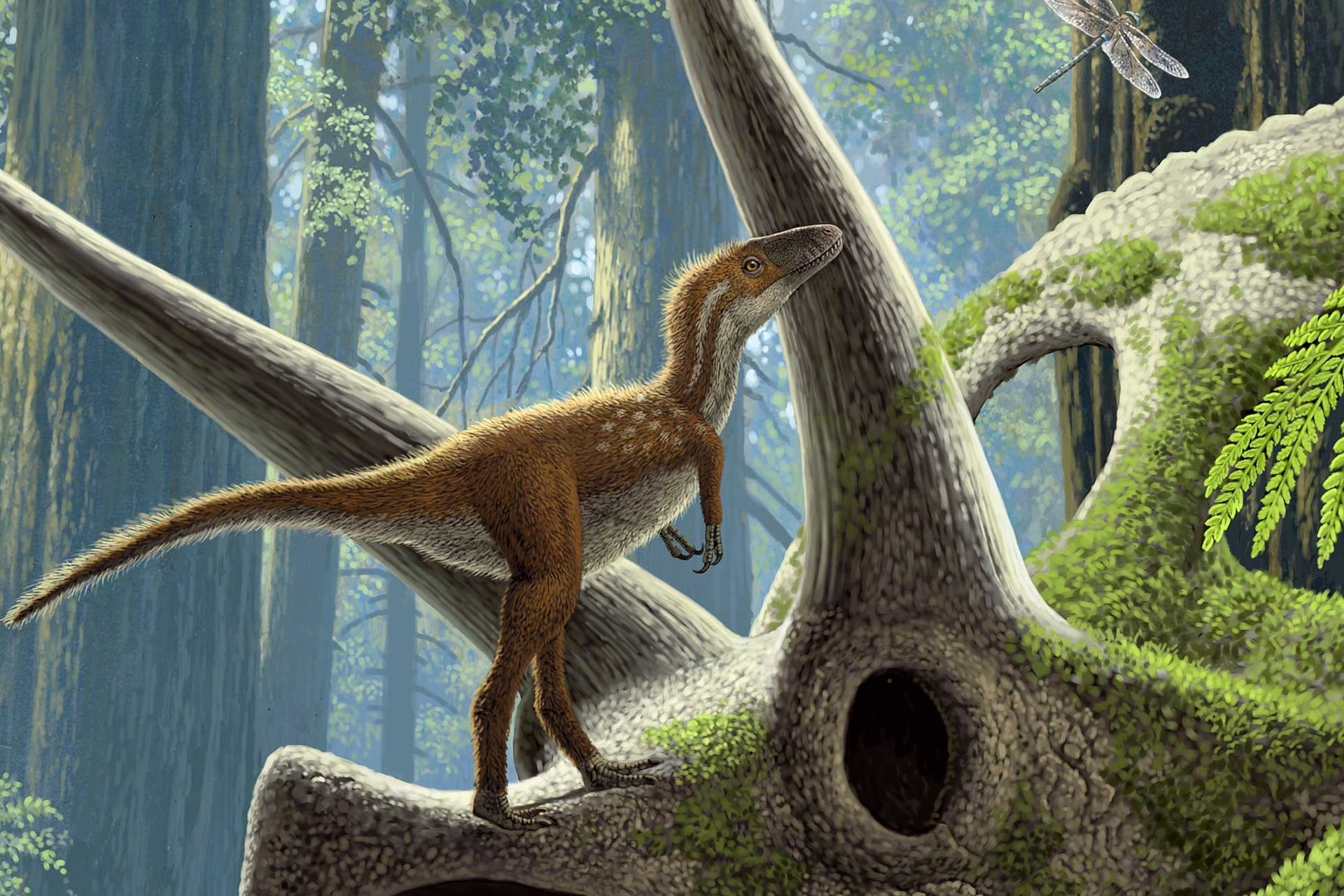
It’s a shame we didn’t know about this sooner (Spielberg will be kicking himself), but it turns out that the baby T. rex was a vicious little miscreant right out of the gate. A new study published this month in the journal Biology has analyzed fossils from two tyrannosaurid hatchlings, some classic T. rex and others from its close cousin Gorgosaurus libratus. Both species, the researchers found, displayed persuasive dental and vascular evidence that their little infant progeny were actually quite active and quite lethal. And they really were small: At 5.5 pounds (2.5 kilograms), baby T. rex was no bigger than a house cat.
“Tyrannosaurus were unsafe at any size,” study co-author and Oklahoma State University anatomy professor Eric Snively said in a statement. “Babies were quickly out of the nest and killing the heck out of things.”
“The babies were smashing into the bones of their food, just like giant adults,” according to Snively, whose work applies biomedical engineering and 3D imaging to better understand the anatomy of groups as diverse as dinosaurs and human athletes.
L’enfant terrible, tyrannique
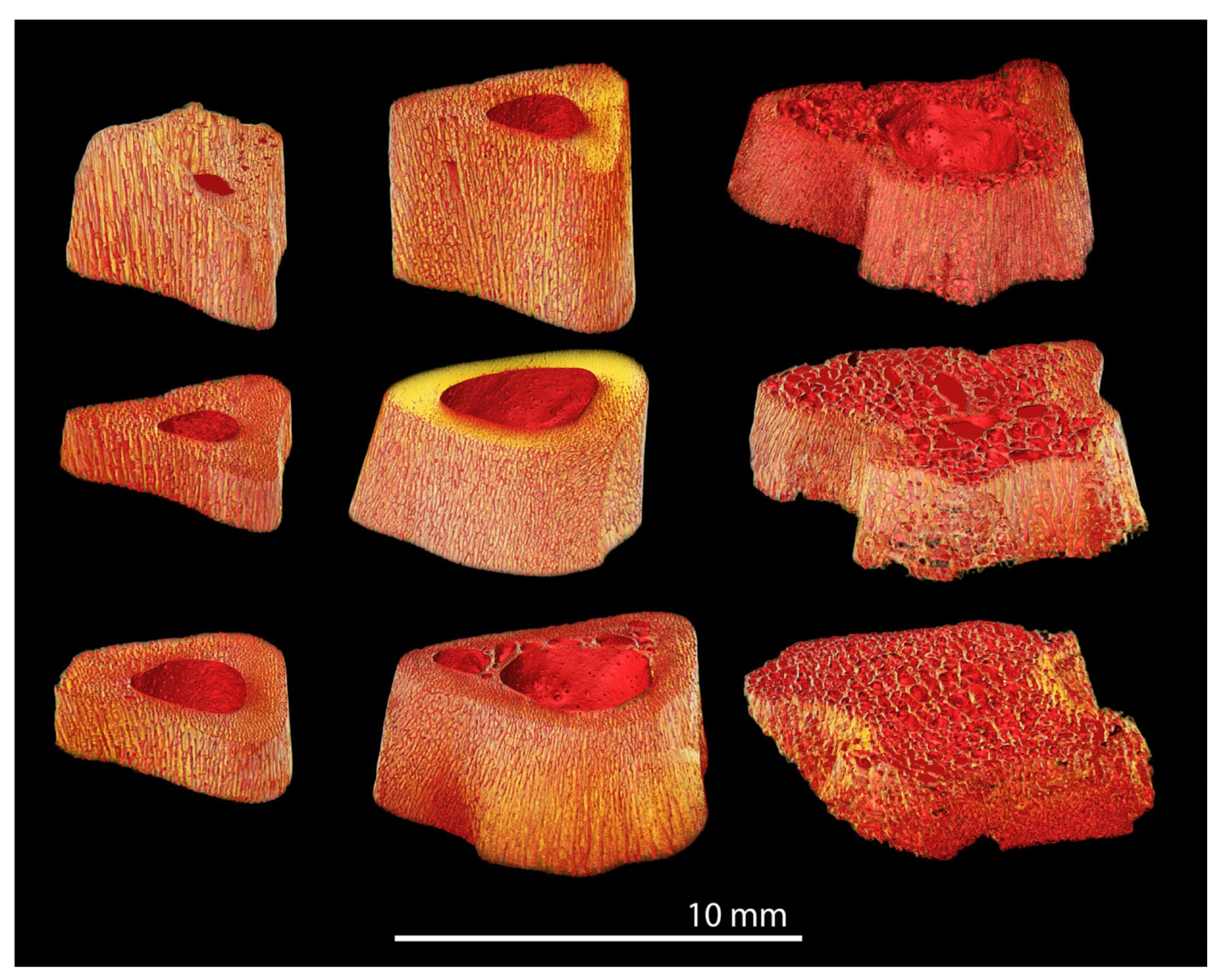
Snively and his colleagues worked with fossilized T. rex and G. libratus metatarsals, long bones found in the midfoot and toes. Snively’s colleague, paleontologist Nicholas Longrich, had found the first of these fossils—the metatarsals of a baby T. rex—buried within the collection of the Royal Saskatchewan Museum’s T. rex Discovery Centre in Canada.
“Metatarsals of a baby Tyrannosaurus might tell us if the babies were hunting right away or were in the nest for a longer time,” Snively explained. “Sure enough, we found canals in the bone that indicate they were quickly out of the nest and running around.”
Snively and his colleagues used a sophisticated version of X-ray computed tomography (CT) scanning, known as synchrotron computed microtomography, to confirm both of these dinosaurs’ relative ages and lifestyle. The T. rex metatarsal revealed no growth rings, which confirmed that this fossil had come from a nearly newborn member of the species. The scans also showed a dense and intricate web of blood vessels coursing through the bone itself—a strong indication that the specimen had been growing rapidly.
The researchers also looked at fossilized teeth from these tyrannosaurids, finding evidence of wear and tear (such as enamel worn away at a tooth’s apex) consistent with the routine dental damage seen on adult fossils of these species.
Based on this, as well as comparisons to the behavior of young crocodiles and related birds, the researchers concluded that baby T. rex and baby G. libratus “apparently left the nest soon after hatching and likely hunted as well.”
The brood
Prior fossil evidence, combined with the team’s own findings, suggests that T. rex laid around 20 to 30 eggs at a time. Longrich, the study’s lead author, believes that number offers a clue to the dinosaur’s approach to raising its young.
“Because animals have limitations in what they can invest in the next generation, they can either invest in having lots of young, or invest a lot in their young, but not both,” according to Longrich, a senior research fellow at the University of Bath in England.
“The small size of tyrannosaurs suggests they pursued the first strategy—they had lots of small young and had a light touch when it came to parenting,” Longrich said.
“There was probably a fair amount of parental investment, like nest guarding and guiding the young for a while, like in crocodilians and larger ground birds like ostriches,” he added. “But the babies could fend for themselves pretty soon after hatching.”