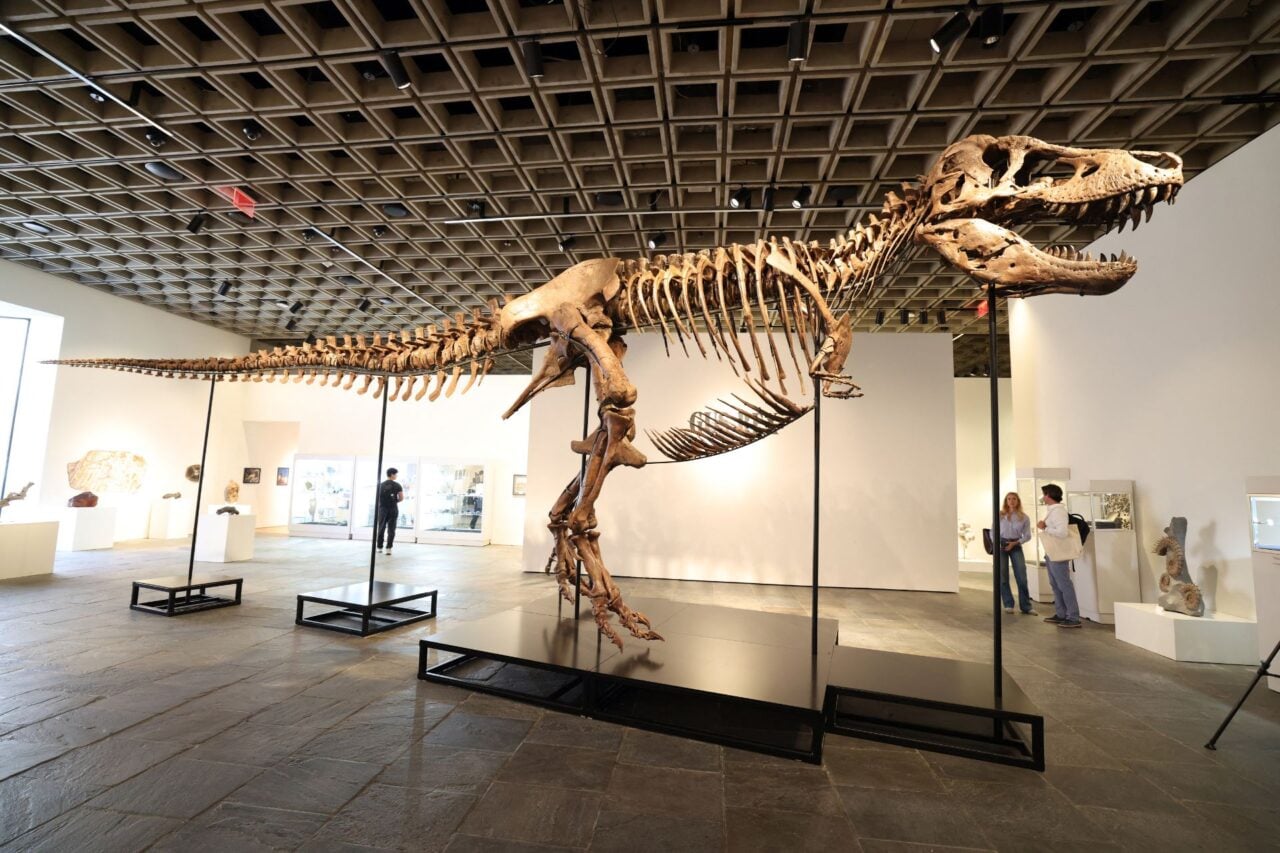
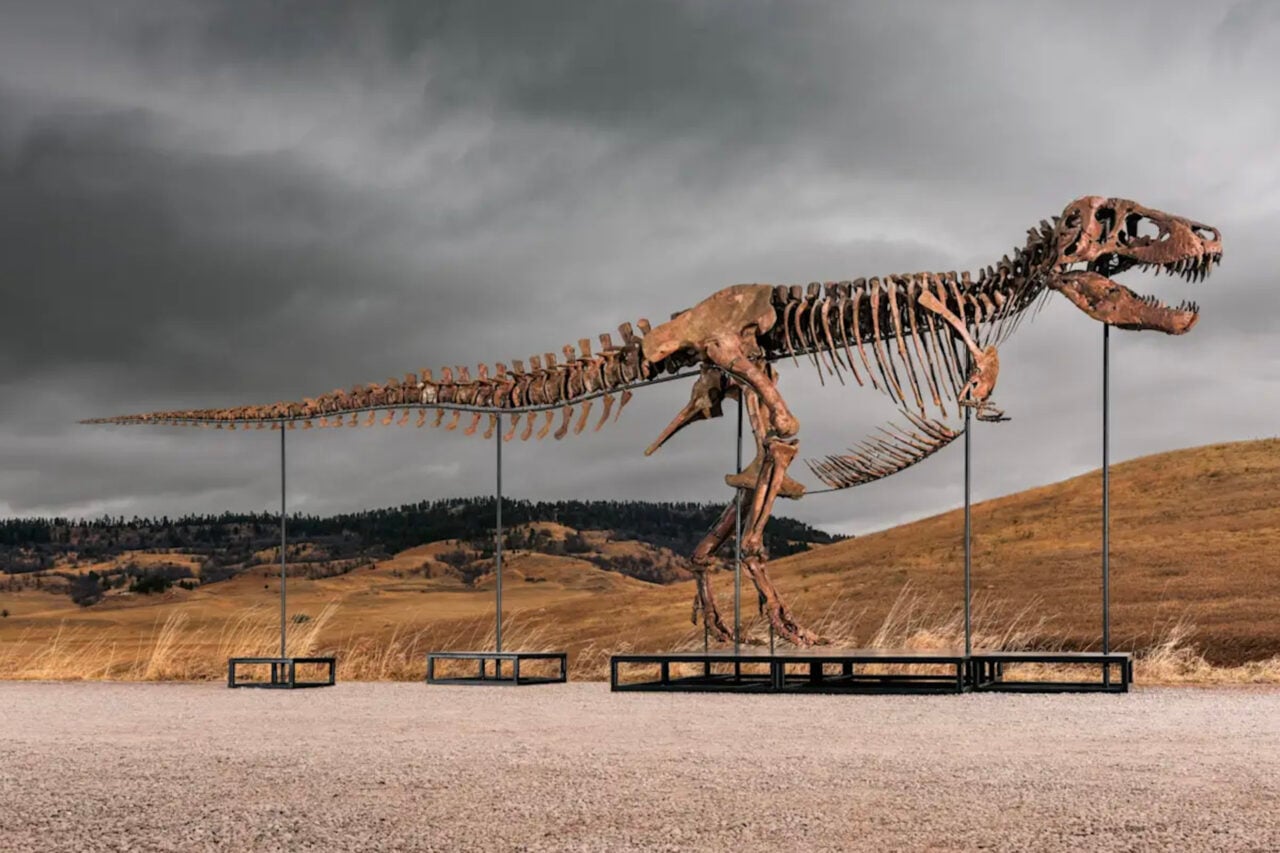
A comprehensive analysis of Tyrannosaurus rex fossils is surprising scientists with just how long these apex predators took to become big boys.
Paleontologists have long debated whether small tyrannosaurs were their own species or simply teenage T. rexes. This debate just got a major shake-up.
Two duck-billed dinosaur carcasses were preserved in a thin layer of clay for 66 million years. Now, they’ve helped researchers recreate their living appearance.
"Just be sure you’ve got a big backyard."
Rock layers deposited before and after the major dinosaur extinction event 65 million years ago are surprisingly different.
Spicomellus clearly didn't need sharp teeth to make an impression.
“Evolution sometimes seems to favor the extravagant over the practical.”
CT scans, UV light, and careful prep work uncovered feathers that may have given the ancient dinosaur liftoff.
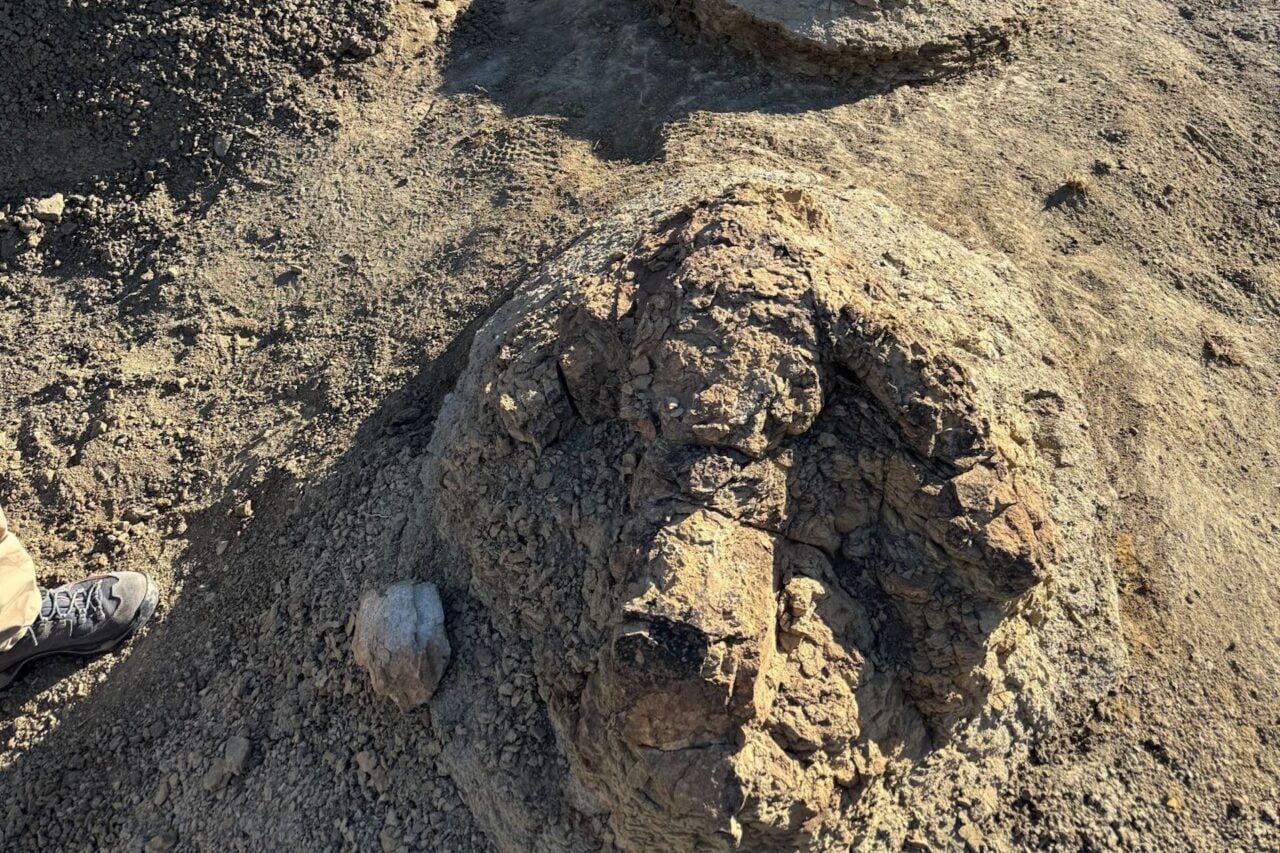
The footprint was likely left behind by a 19-foot-long spiky dinosaur with a sledgehammer-like tail club.
New analysis shows several families of dinosaurs were likely thriving in North America in the latter days of the dinosaur era.
A slab of rock at an Australian high school, a boulder in a parking lot, and a bookend in a private collection feature 200-million-year-old dinosaur footprints.
Paleontologists in Denmark found a once-gloopy, now-hardened mess that they believe was spat up by a Cretaceous-era fish.
The fossil, destroyed in an air raid 80 years ago, had faded from memory until a paleontologist found archival images.
Meet Lishulong wangi, a newly described dinosaur that lived 200 million years ago.
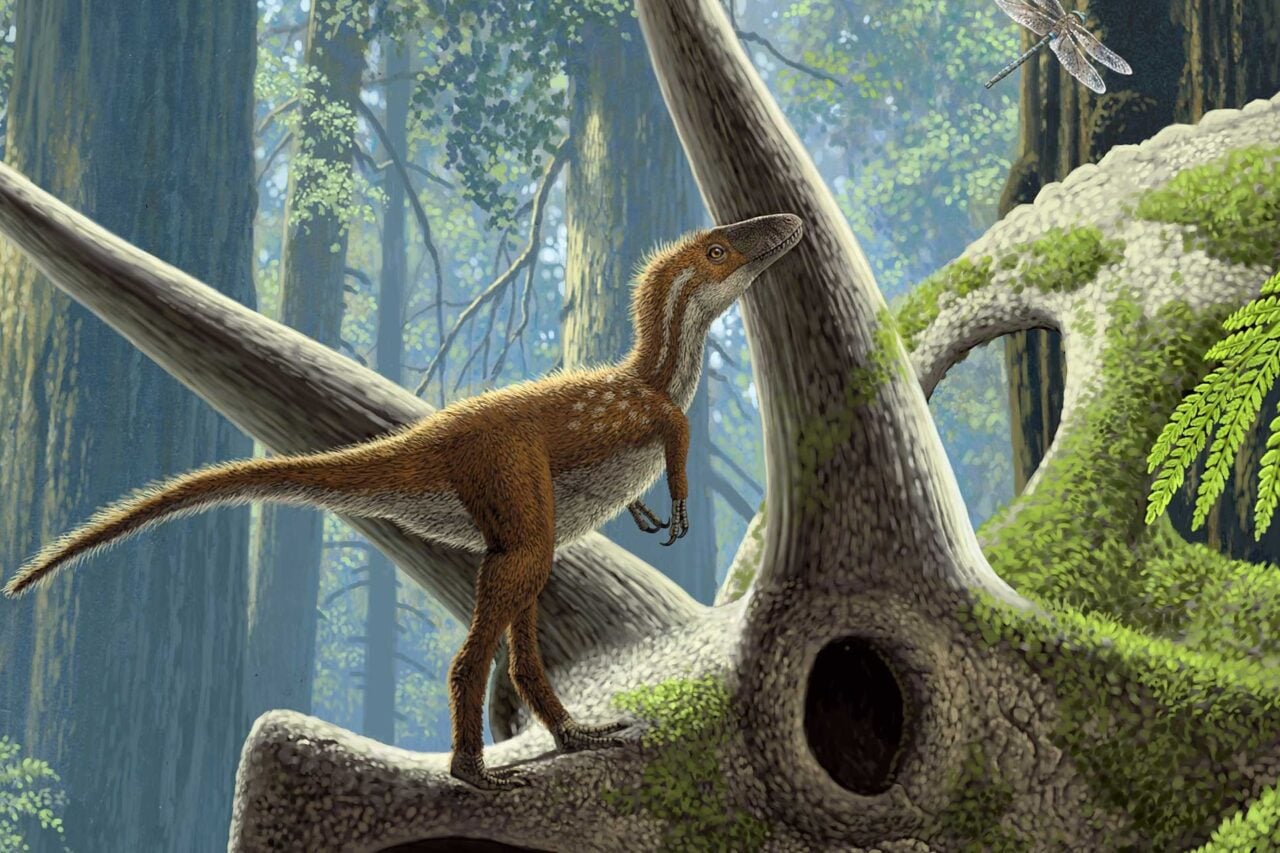
A chicken-sized dino, the oldest known in North America, has thrown a wrench in the widely accepted timeline of early dinosaur history.
At least five trackways were found in Oxfordshire, revealing a dynamic environment from about 166 million years ago.
The end of the Cretaceous period saw disastrous geological and astronomical events, but researchers say that one in particular is to blame for the mass extinction.
The specimen is especially big and superlatively complete, and could clue researchers into the ancient beast's growth rate and metabolism.
Gizmodo spoke with David Hone, author of a new book exploring how paleontologists study dinosaurs—and why it’s time to rethink the rules.
Fossilized droppings from the Triassic and Jurassic are revealing the diets of some dinosaurs—including a surprising taste for charcoal.