While checking out of a recent medical appointment, I was suddenly horrified to realize the front desk receptionist I was speaking with had on a pair of Meta Ray-Ban AI smart glasses.
“Those aren’t filming, right?” I asked, mentally pre-filing my HIPAA violation suit. She seemed surprised to even receive such a question, taking a moment to clock that I was referring to the recording device on her face that has been embroiled in controversies. No, she assured me; once it clicked, the camera wasn’t on. She was only using them to listen to music. Resisting the urge to suggest that the AirPods lying on her desk might better serve that purpose, I opted to leave the convo there, further surrendering myself to the idea that I am part of a dying breed who actually cares about the existential privacy invasions presented by a population paying to be walking panopticons.
Despite complaints from women recorded without their knowledge and consent by creeps sporting them—who are then extorted for money when they ask for the published video to be taken down—wearing smart glasses in public is not (yet) being treated like the breach of social contract it inherently is, in or out of doctors offices. In fact, the number of units sold just keeps going up. A Q4 earnings report from Ray-Ban’s parent company, EssilorLuxottica, showed that sales for the wearables had tripled in 2025 over the previous year. It will come as no surprise to anyone that one of the biggest names in consumer tech is planning to carve out a big slice of that market for themselves.
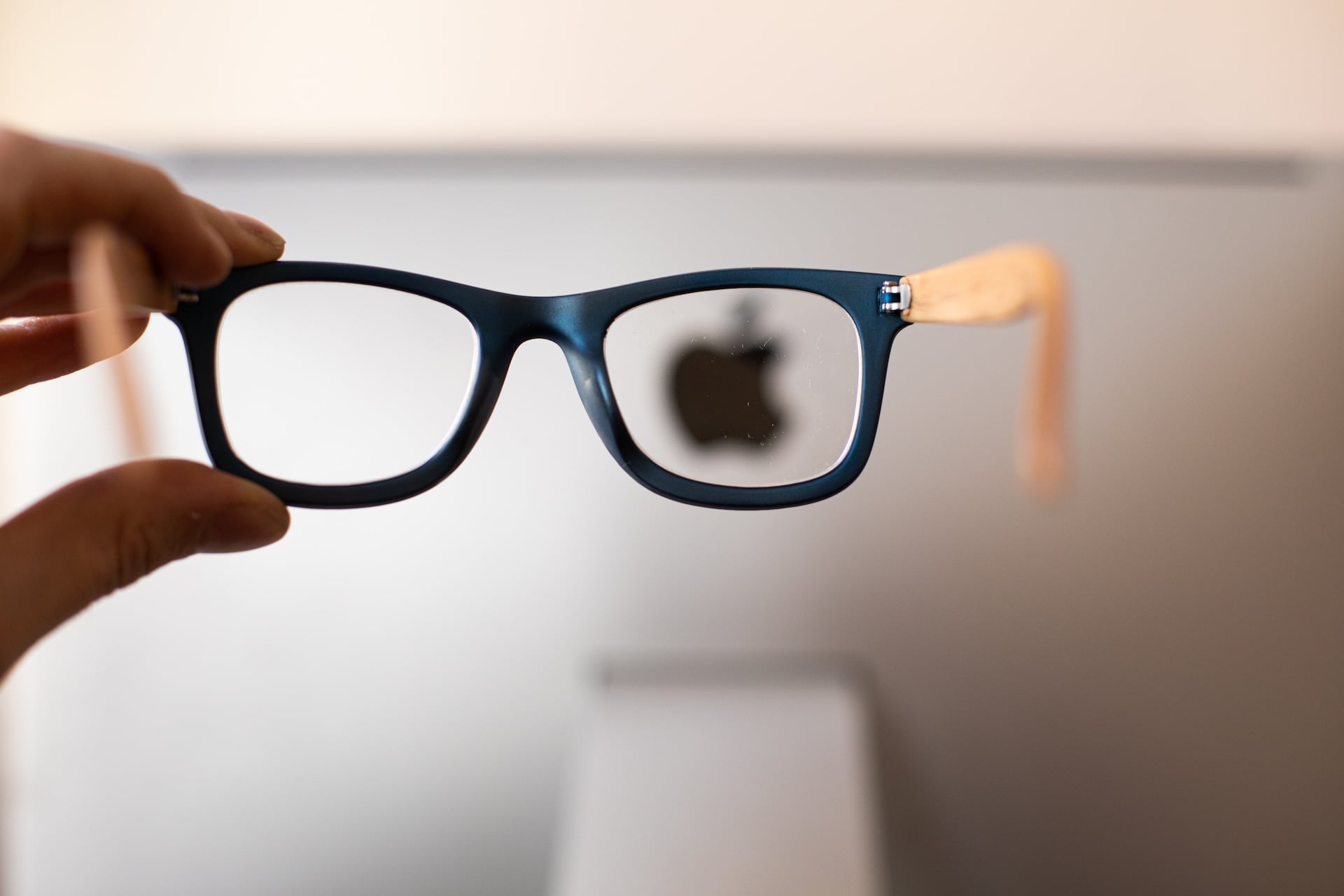
Recent reporting by Bloomberg’s Mark Gurman confirms what we all knew was coming—Apple has its own smart glasses in the works and hopes to disrupt that wearable market similarly to how it did with smartwatches, which now generate an estimated $17 billion annually for the company.
Rumors have been swirling about the tech giant’s inevitable foray into the smart glasses space for years, the most recent of those suggesting its first-gen specs, internally codenamed “N50,” would be revealed to customers by the end of 2026 and sold early the next year. But developmental delays, a perennial hindrance for Apple, have reportedly pushed their planned release date back to later in 2027, presumably just in time for the holiday gift season.
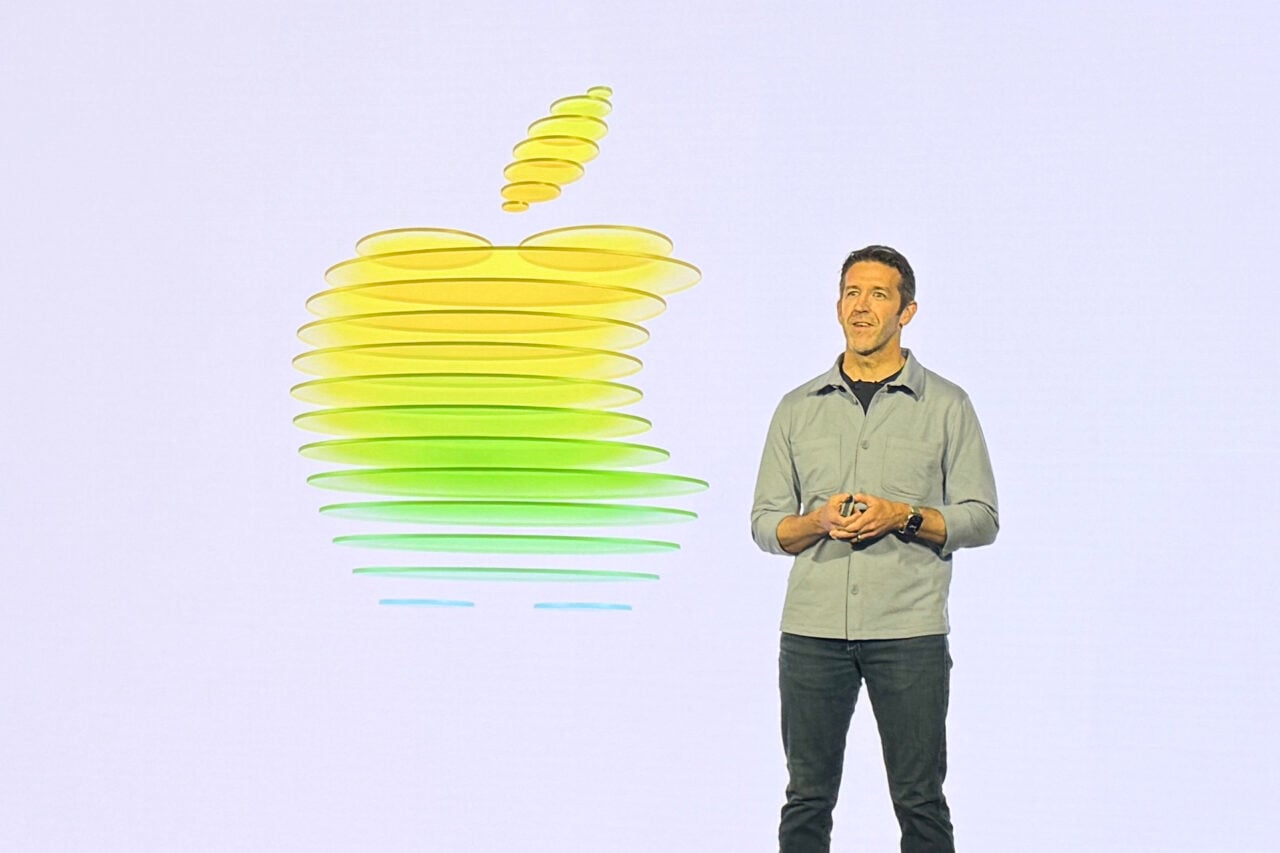
Sources told Gurman that current CEO Tim Apple (aka Tim Cook) is making development of these wearables his “top priority” before passing the company reins over to his successor John Ternus on Sept. 1. Fittingly, Ternus has been leading Apple’s Vision Products Group (VPG) for the past two years while they’ve been developing the product. However, this is the same group who’ve also been working on the rumored AirPod Pros with built-in infrared cameras, the announcement of which generated dread from segments of the internet wondering why such an upgrade was necessary, even if they won’t enable full-on scumbag behavior.
The proposed smart glasses, on the other hand, explicitly seek to compete with Meta’s wearables and everything they’re used for. Targeting the $200 to $500 range, according to Gurman, Apple’s smart glasses will reportedly come in a number of popular styles and have built-in cameras and mics for taking photos and videos, and speakers for calls or playing music, podcasts, and Siri announcements. The main aesthetic difference between these and Meta’s current smart glasses roster is that Apple’s cameras will purportedly be oval rather than circular. Gurman also believes that Apple’s smart glasses won’t have in-screen AR display capabilities like the Ray-Ban Meta Display for at least a few years.
It remains to be seen if these products are on track to become their next ubiquitous hit, à la AirPods, or will flop like the prohibitively expensive Vision Pro. But if those price points and society’s increasing indifference to the surveillance state are any indicators, it might be prudent to start polishing your Computer Vision Dazzle makeup skills just in case.