Computex 2026 is set to be the most consequential computing conference in many years.
The annual computing showcase set to take over Taipei, Taiwan, from June 2 through June 5 will bring us all-new computing platforms we’ve been hinted at for months. While Nvidia gets busy hyping its own new ARM-based CPUs, we’ll likely see refreshed laptops hoping to fight back against the budget-end king of the ring, the MacBook Neo. New single-processor designs combining CPU and GPU capabilities are delivering unbelievable performance, making at-home computing more accessible than ever.
At the same time, the computing industry as a whole is threatened by dire tidings due to the skyrocketing cost of memory—including SSDs and RAM. All the major players in silicon, including Qualcomm, Intel, AMD, and—of course—Nvidia, are set to showcase new computing platforms for PCs in all form factors. In the same breath, each company will want to promote processors designed for data centers and AI hyperscalers, driving the cloud-based computing that’s exacerbating the RAM pricing apocalypse.
There’s a reason you can still hold hope in your heart. Computex is renowned for letting PC and peripheral makers get weird. Computex 2026 may be the best showcase for why the era of “personal computing” is worth fighting for. Gizmodo will be in Taipei and live blogging it all.
That’s All, Folks

Well, I’m five minutes from boarding my 15-hour flight back to New York. That was a lot, wasn’t it? You laughed, I cried, and I’m totally fried. Let’s do this again next year!
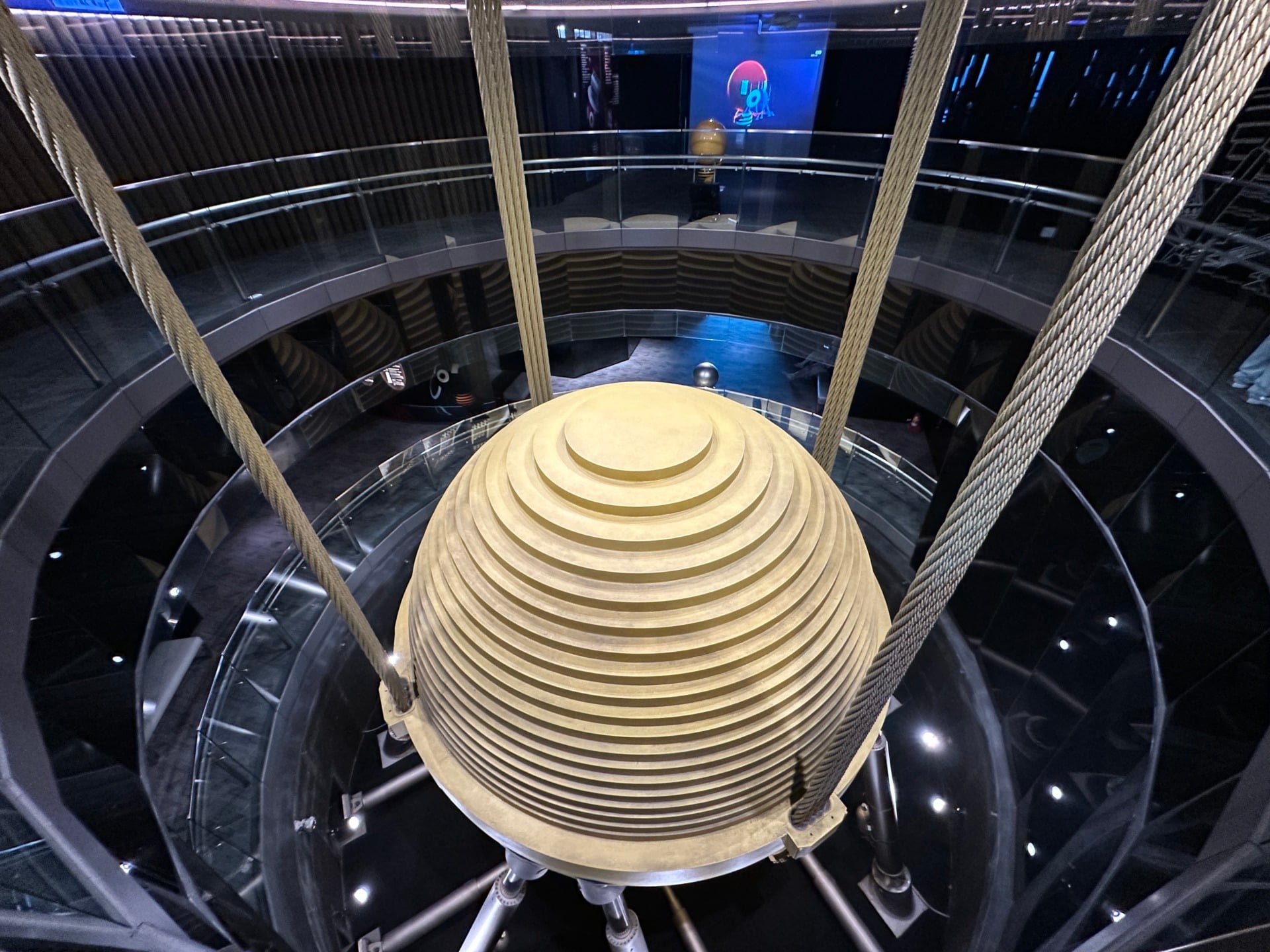
Before I go, let me present you a picture of the mass damper inside of the famed tourist trap, Taipei 101. Let this feat of engineering inspire you in your next adventure. OK, now I’m signing off… for real this time. —Kyle Barr
Here Are the Sickest PC Cases at Computex 2026
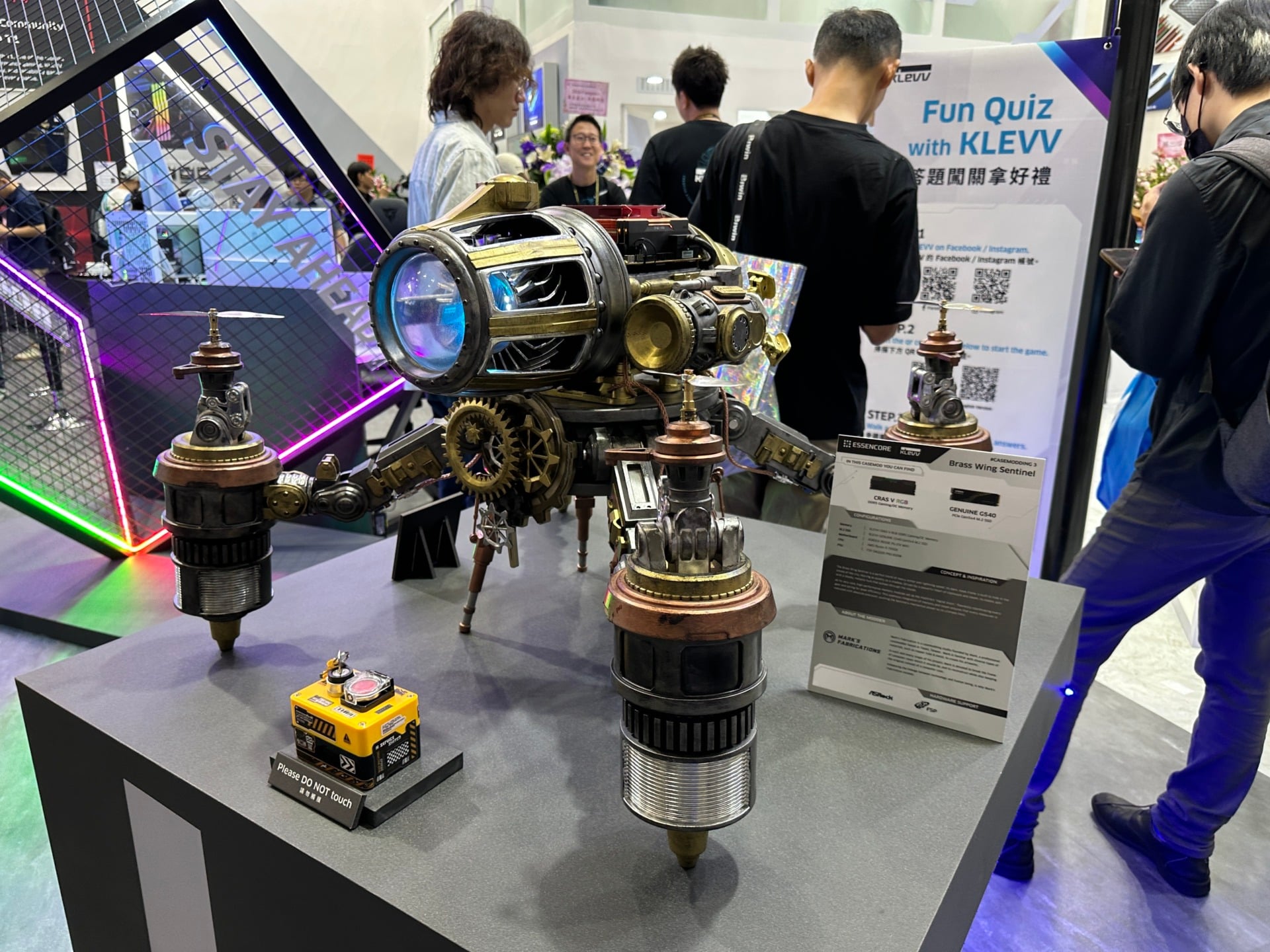
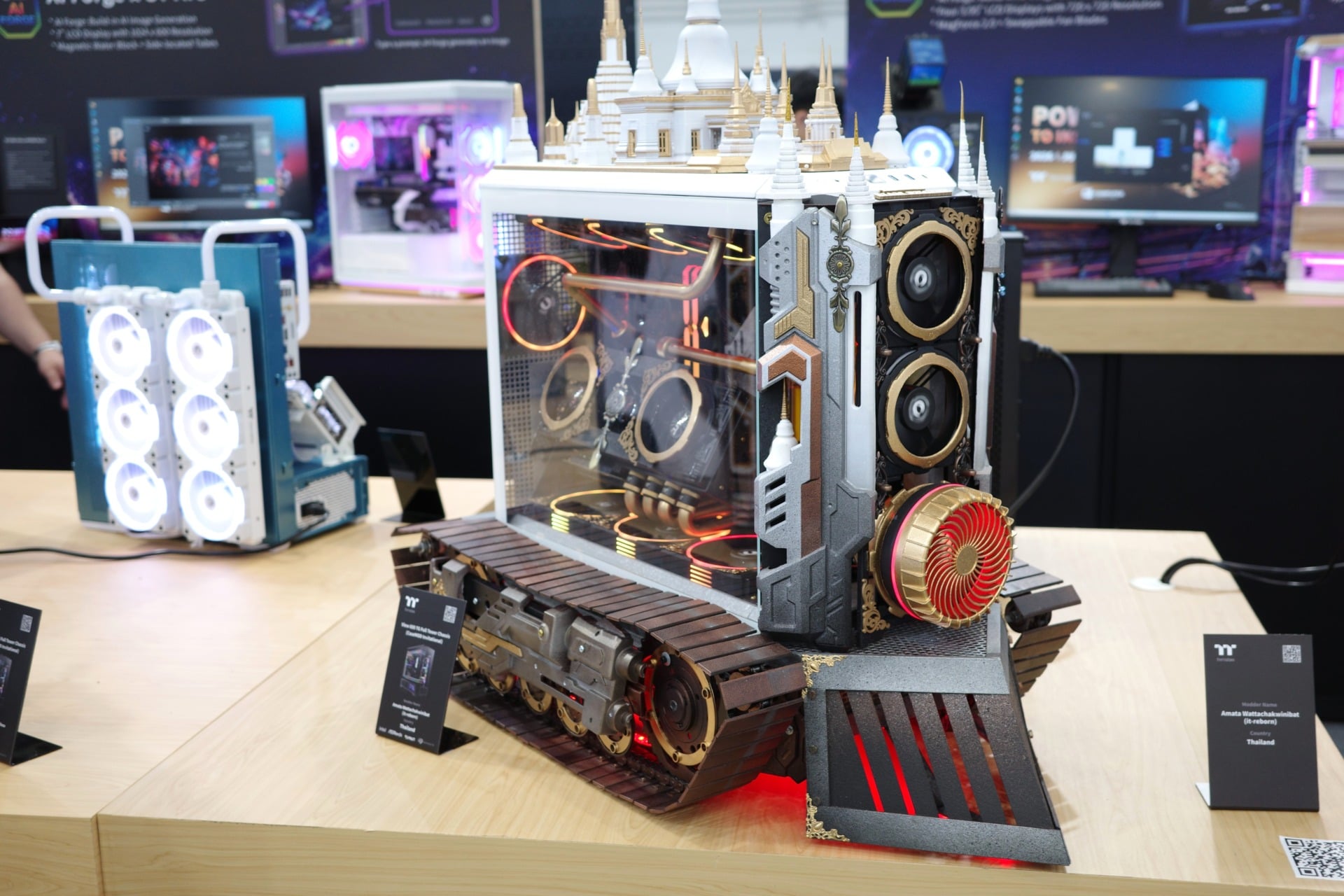
On one side of Computex 2026, Nvidia was busy promoting the destruction of personal computing, promising we’ll give up our CPU and GPU processing for the sake of AI agents. On the other side of this year’s showcase, the best of PC builders’ creativity and engineering skills was on full display. Let’s give some love to the latter, shall we?
First, let’s look at the custom builds, the ones where artisans of style and substance go HAM to bring us some truly outlandish, nearly otherworldly designs. And before you continue, just know that some of these builds have featured at other Computex conferences and worldwide trade shows. Just because you’ve seen them before doesn’t mean other people have as well. Be kind, please.
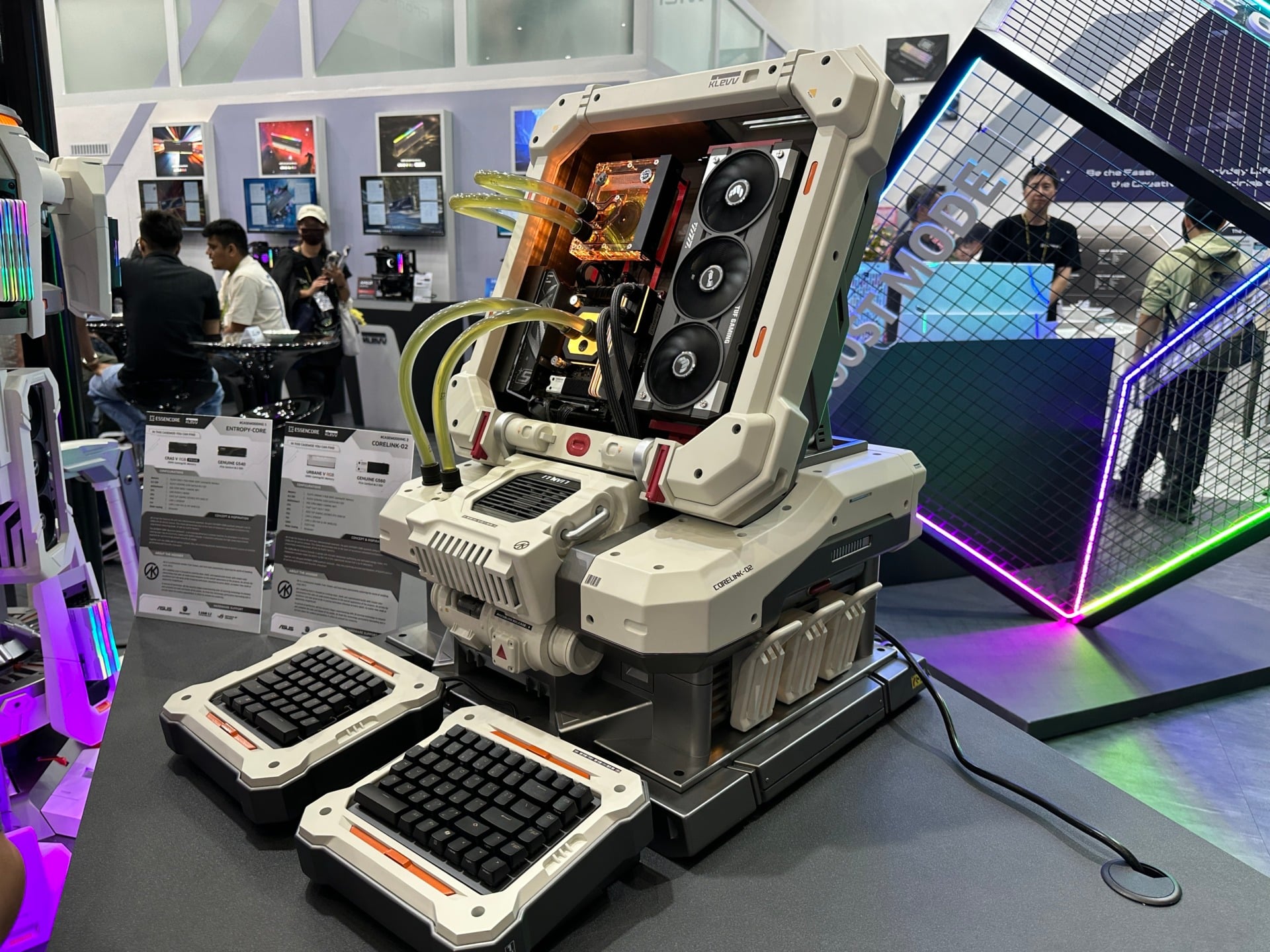
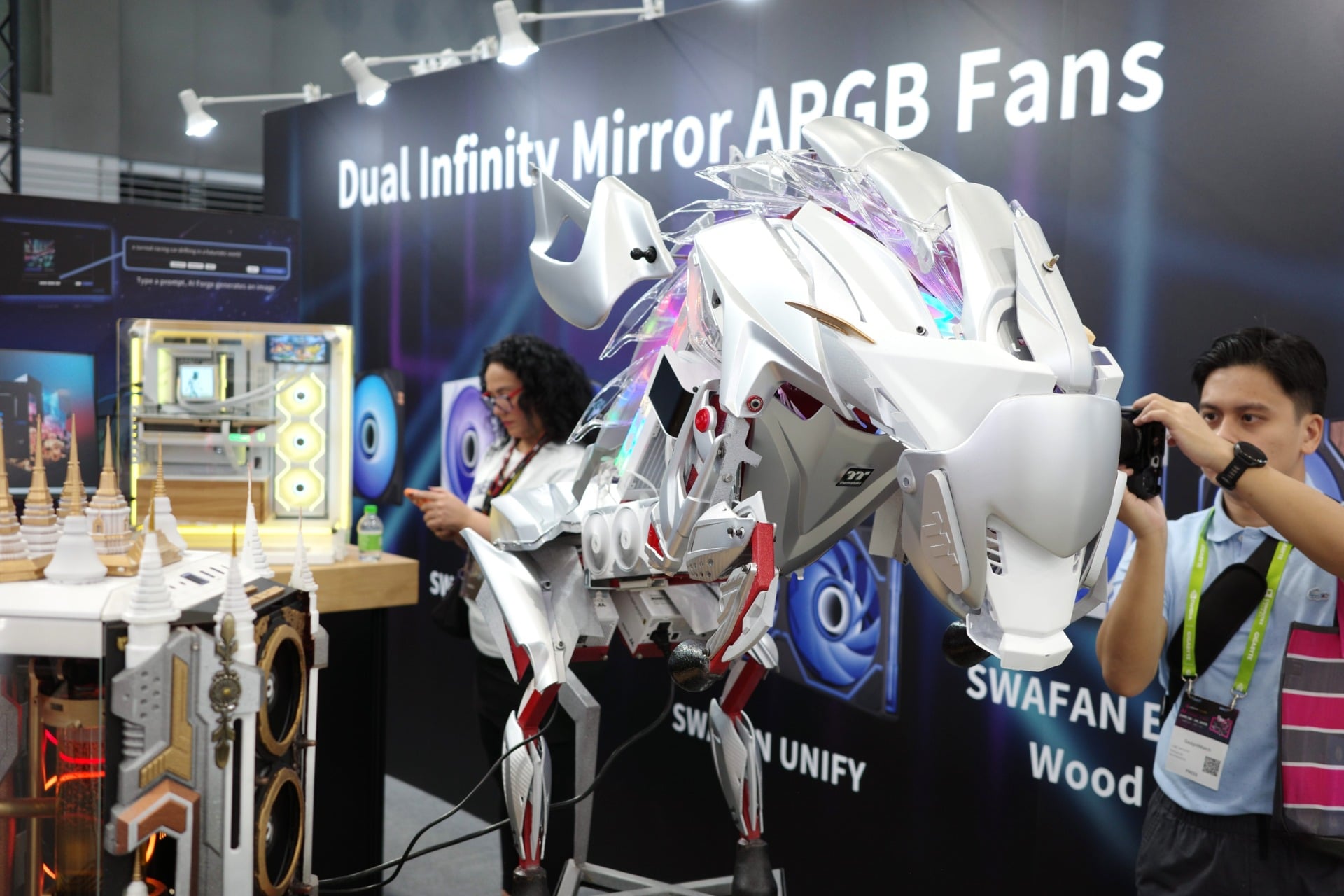
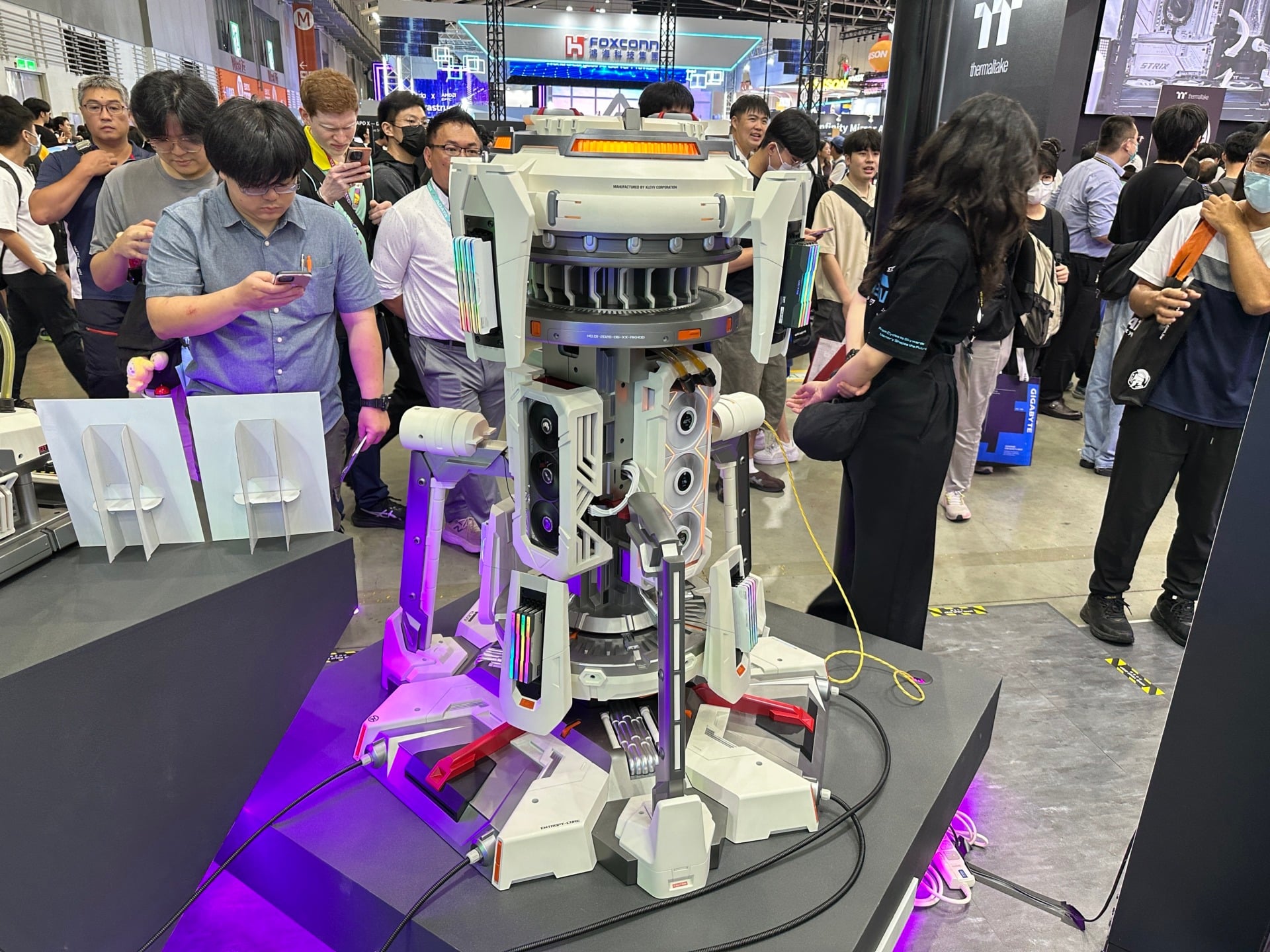
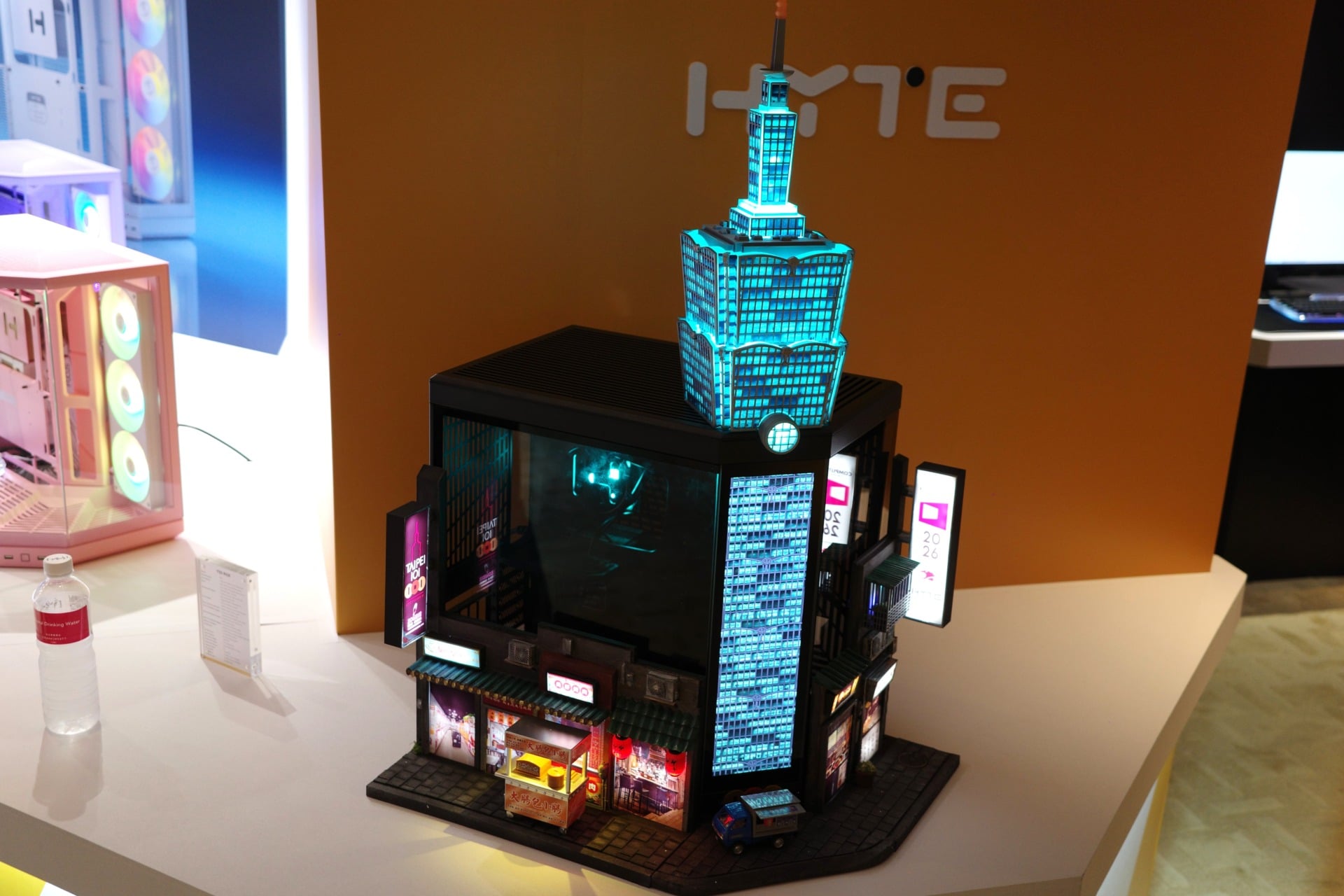
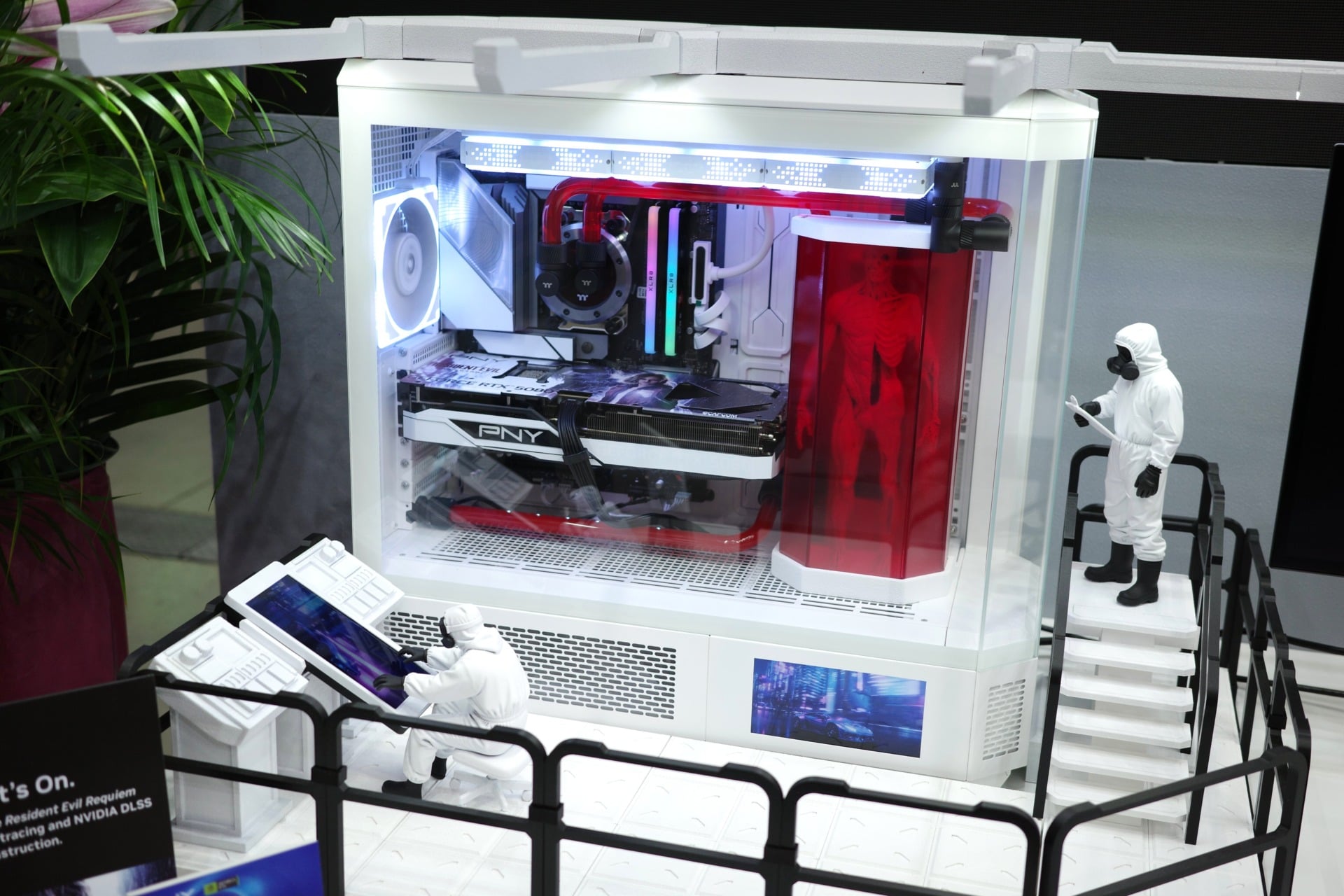
Next, let’s gander at the new or recent PC cases that deserve some special attention. Whether it’s because of their coolness factor (a unique look), their coolness factor (as in, how well they keep components under temperature), their build quality, or their price, there’s a reason to give these designs another look.
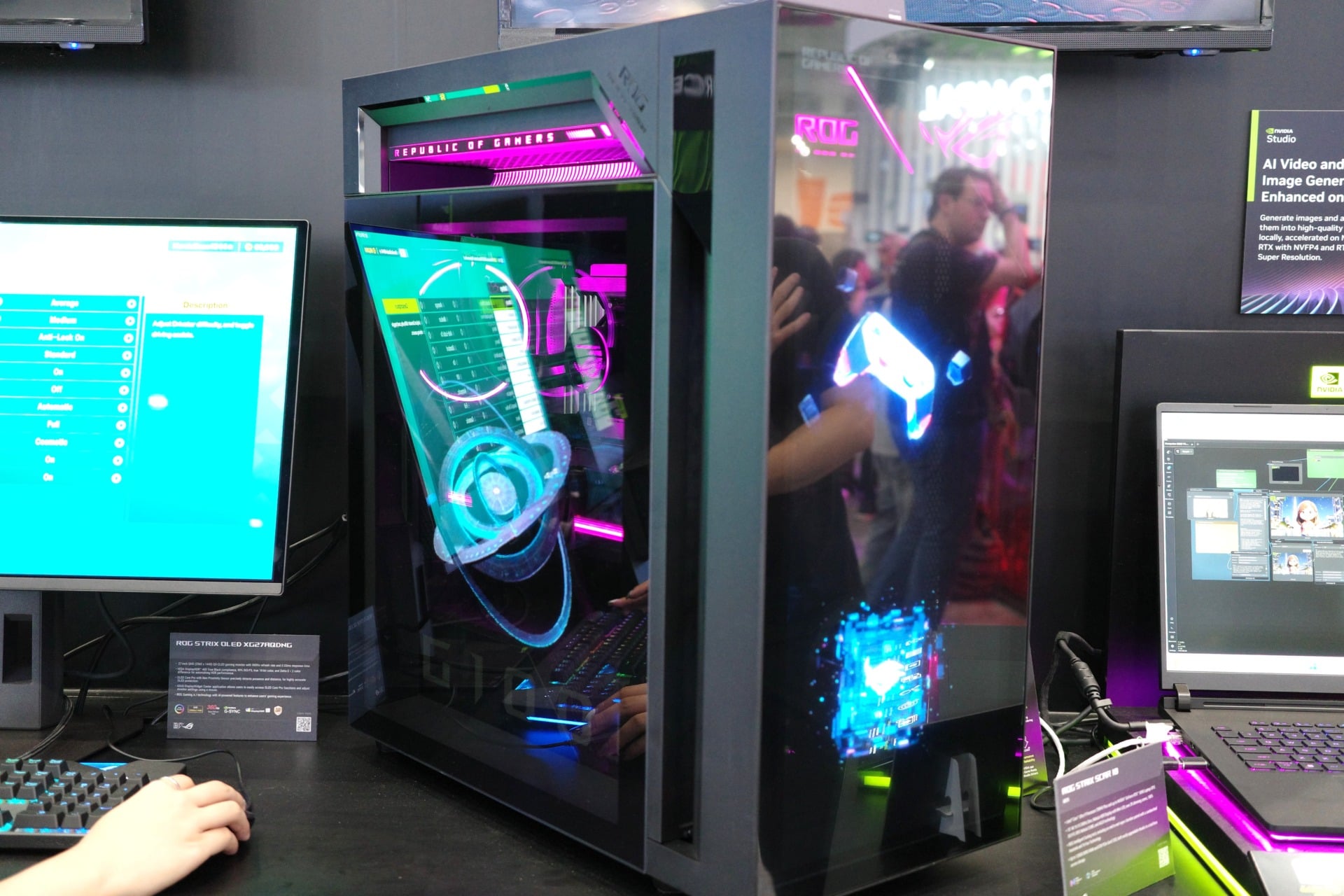
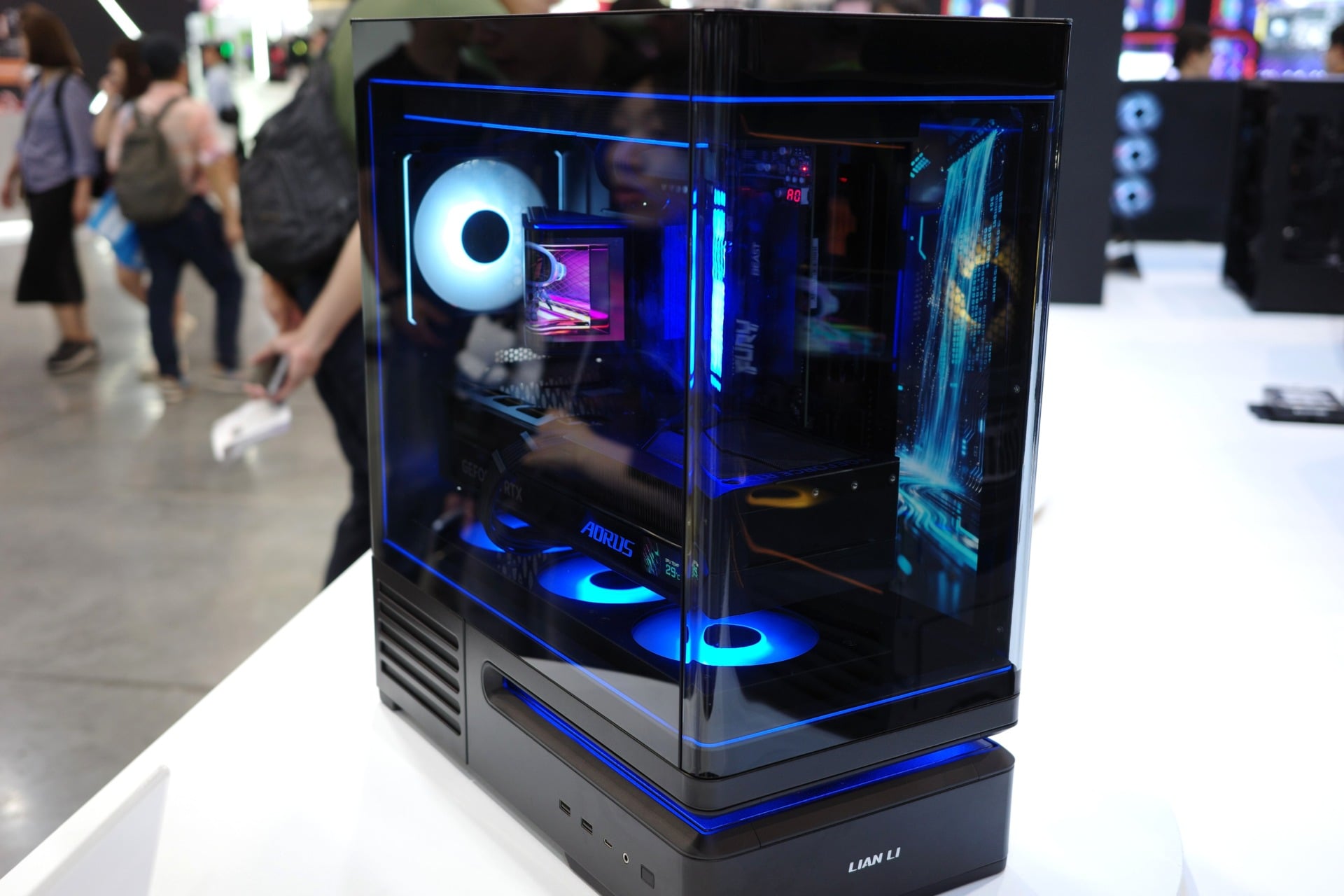
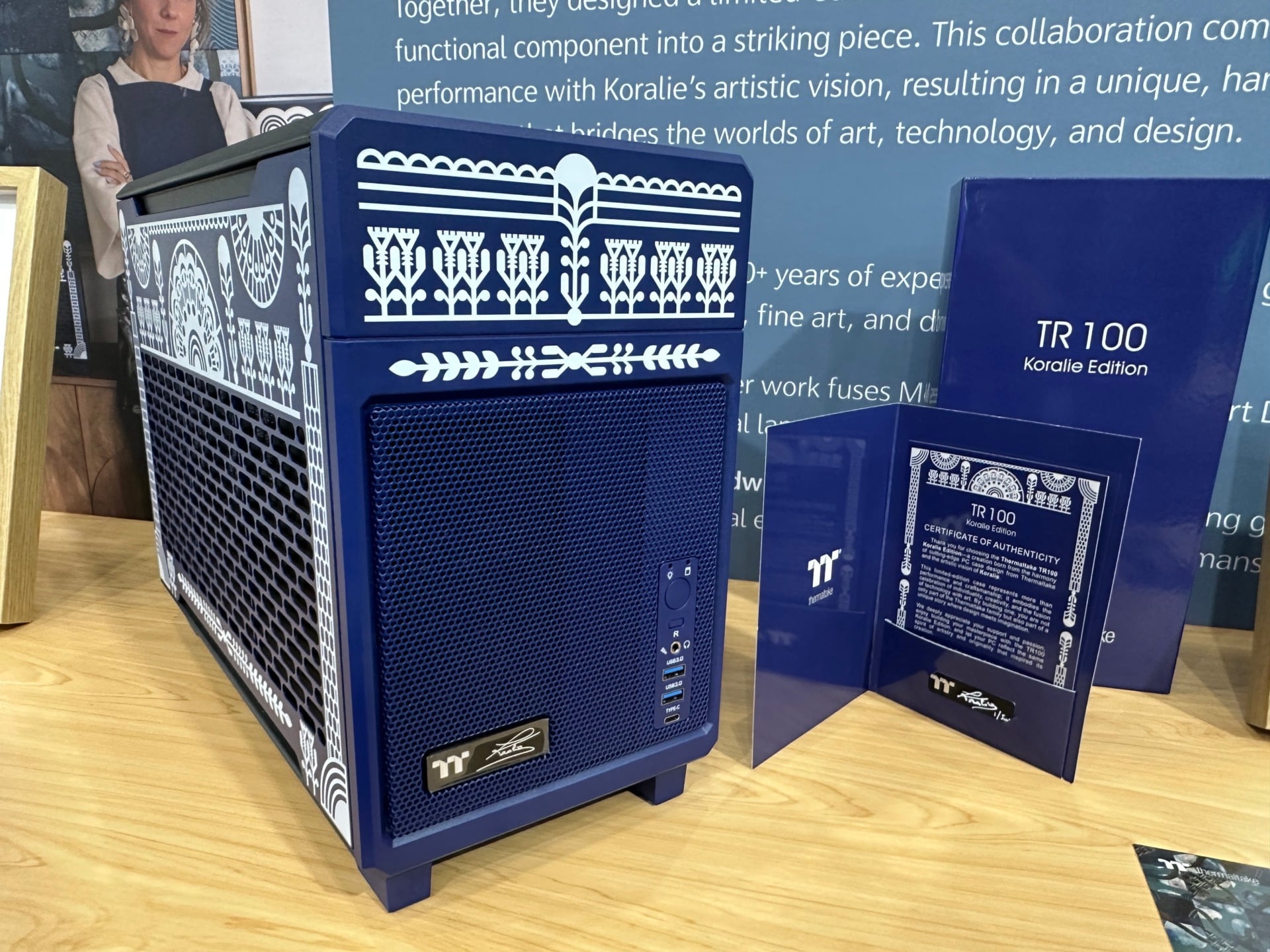
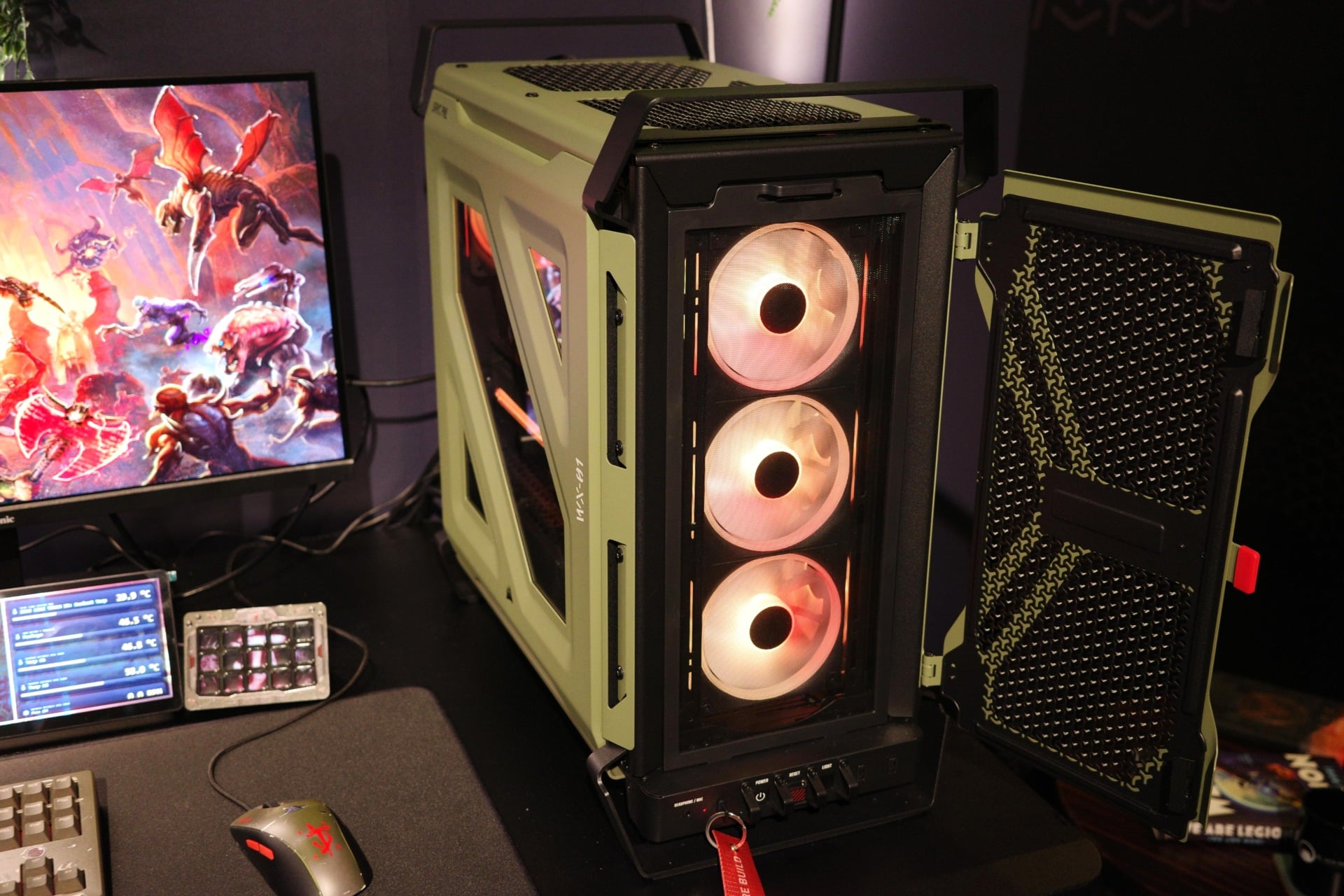
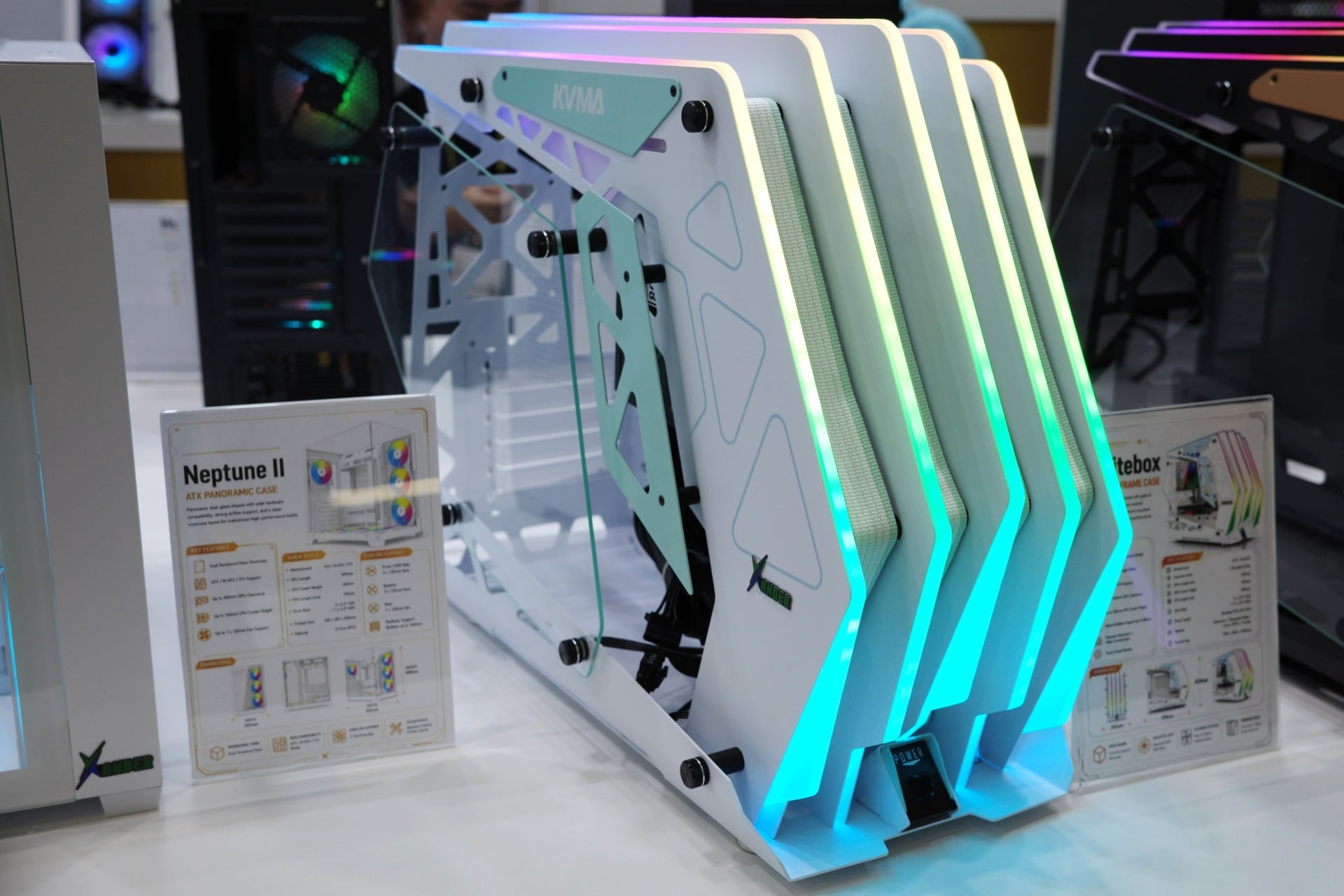
Let us know your favorite (mine is probably the Corsair Warthog, but don’t let that influence you). —Kyle Barr
Intel’s Trying to Fix the Worst Part of ‘Fake Frames’
Frame generation, known more accurately as frame interpolation, is likely the most controversial technology built for PC gaming, hence the nickname “fake frames.” Intel hopes to change that perception with a technology that Intel fellow Tom Petersen calls “frame extrapolation.” Essentially, imagine if mouse prediction models could guess where you’ll move your cursor, then insert a generated frame to increase the “smoothness” of gameplay. There’s a lot to this tech, so read the full interview to learn more. —Kyle Barr
A Cute Retro Console Made By a Guy Who Makes Killer Drones
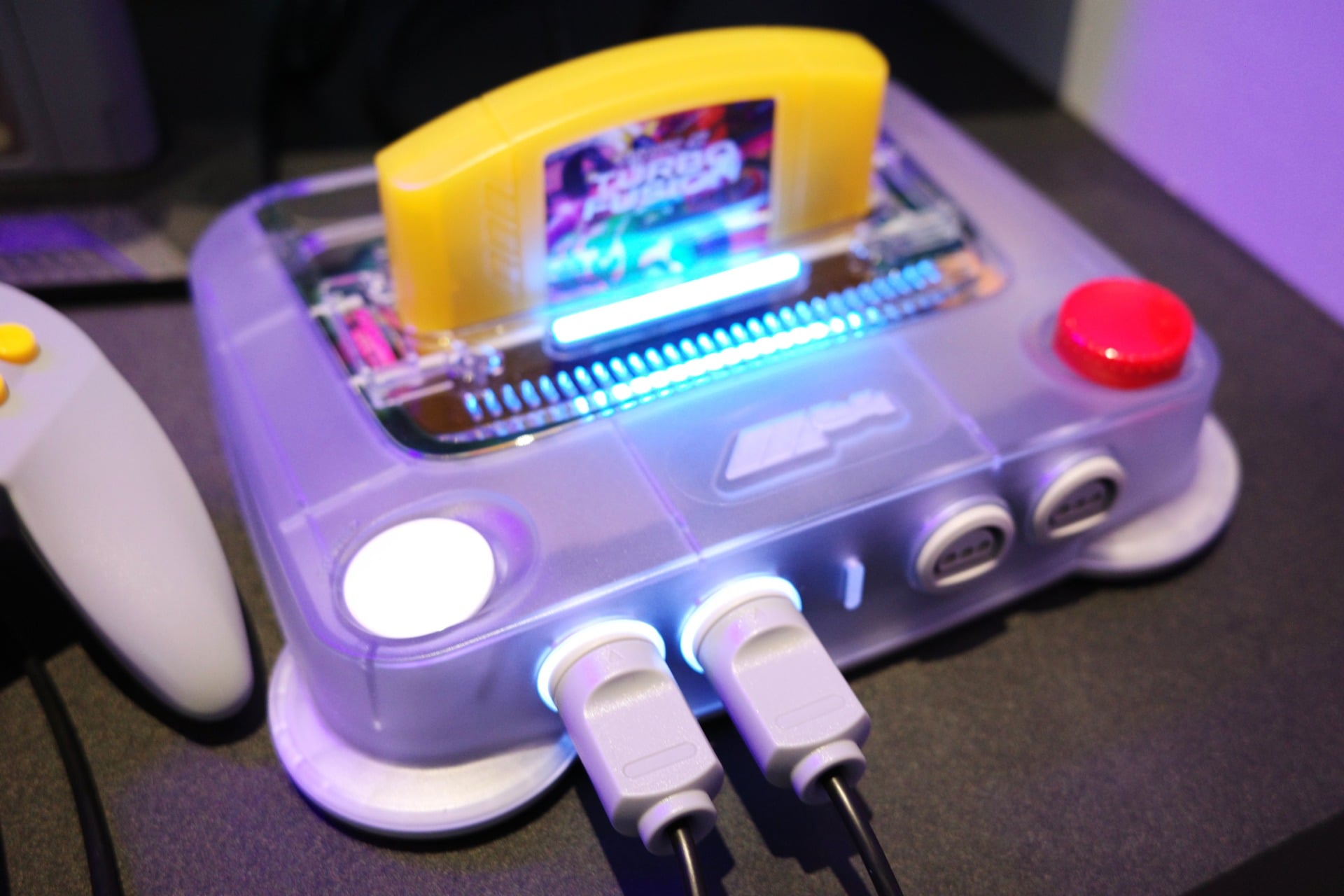
My time with the ModRetro M64 reminded me just how much I love the original Nintendo 64 and also reminded me how there’s no such thing as ethical consumerism. I spelled out my full thoughts in my article, but TL;DR, you can buy an Analogue 3D that does the same thing without the same moral dilemma. —Kyle Barr
All the Crabs Are Going Wi-Fi 8
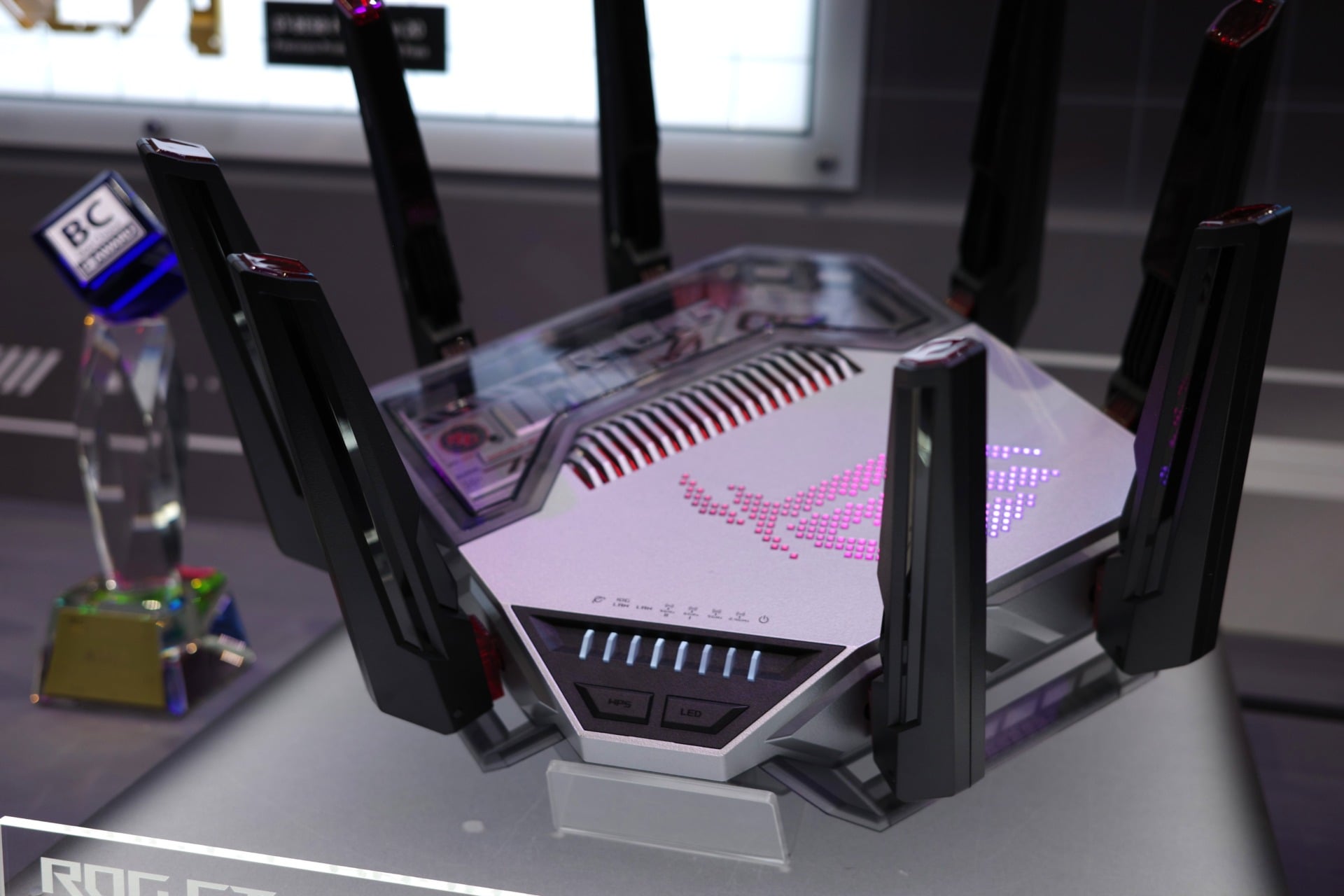
Asus ROG’s massive Wi-Fi routers are getting an update, and it may make you say, “But I’m still only using Wi-Fi 5.” The upcoming Asus ROG Rapture GT-BN98 Pro sports all the dancing lights and see-through plastic you expect for an excessive gamer-fueled device. The big news is that the RGB-laden routers are getting upgraded to Wi-Fi 8. What does that mean for internet speeds? We don’t actually know, since Wi-Fi 8 isn’t a finalized standard yet. Thankfully, Asus also has an ROG Rapture GT-BE98 Pro Edition 20 router that supports Wi-Fi 7, which you should be actually able to buy… eventually, hopefully. —Kyle Barr
Gigabyte’s Concept Motherboard Is Covered in Webs of 3D-Printed Metal
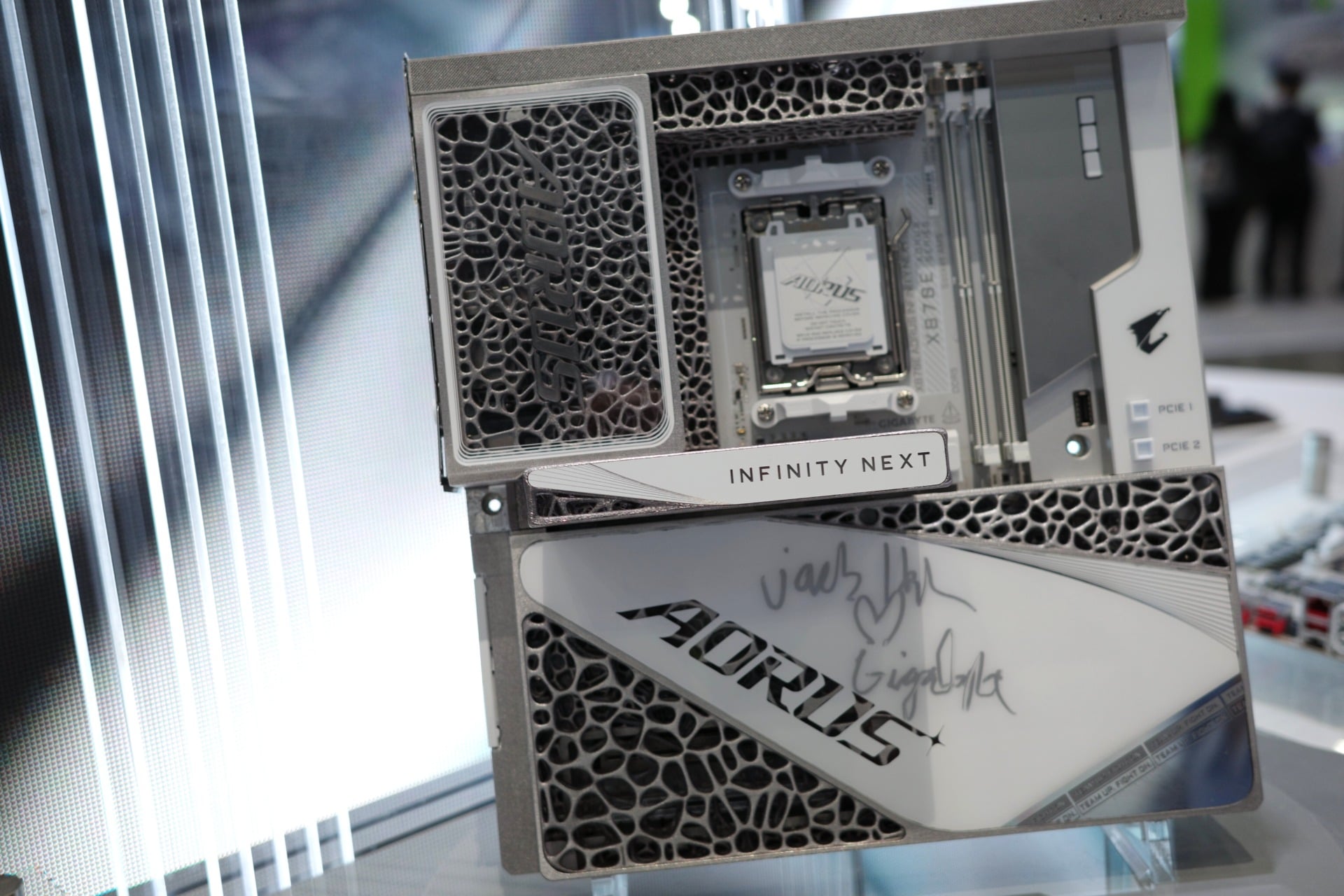
Gigabyte’s Aorus X870E Infinity Next is certainly not your average motherboard. Just look at the image above. You see all that weird metallic webbing going along it? Yep, that’s meant to be there, and all those random patterns are supposed to make this thing very cool and really freaking heavy.
Gigabyte told me it took inspiration from space-based thermal engineering. Since you have no air to transfer heat, using these algorithmically generated shapes helps move the heat throughout, which helps keep the surface cool. The team went through multiple designs to get it right, and as you can see by the images, the motherboard is absolutely covered with these thick blocks of 3D-printed aluminum. Thankfully, each block is modular so you can actually access the motherboard’s PCIe slots.
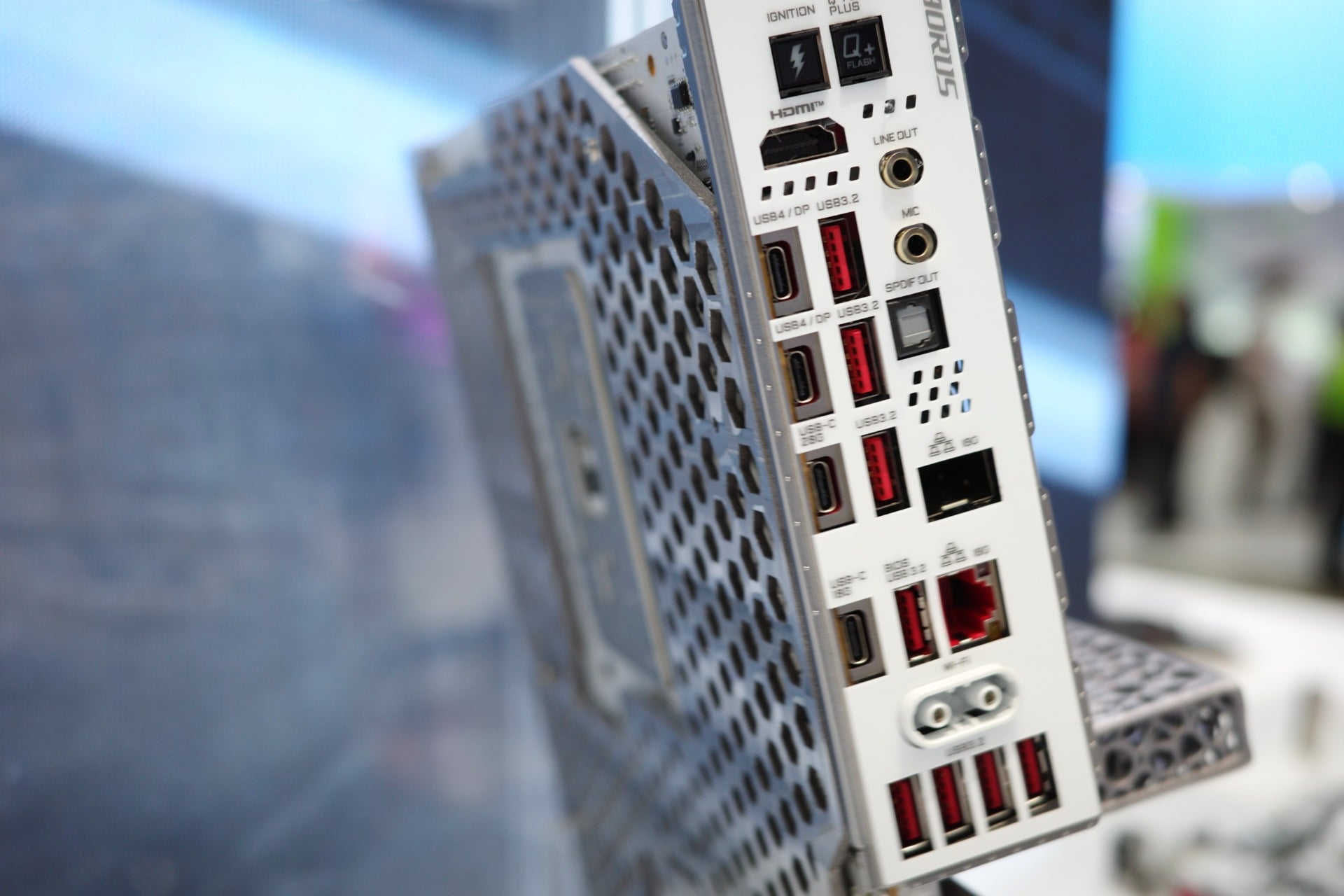
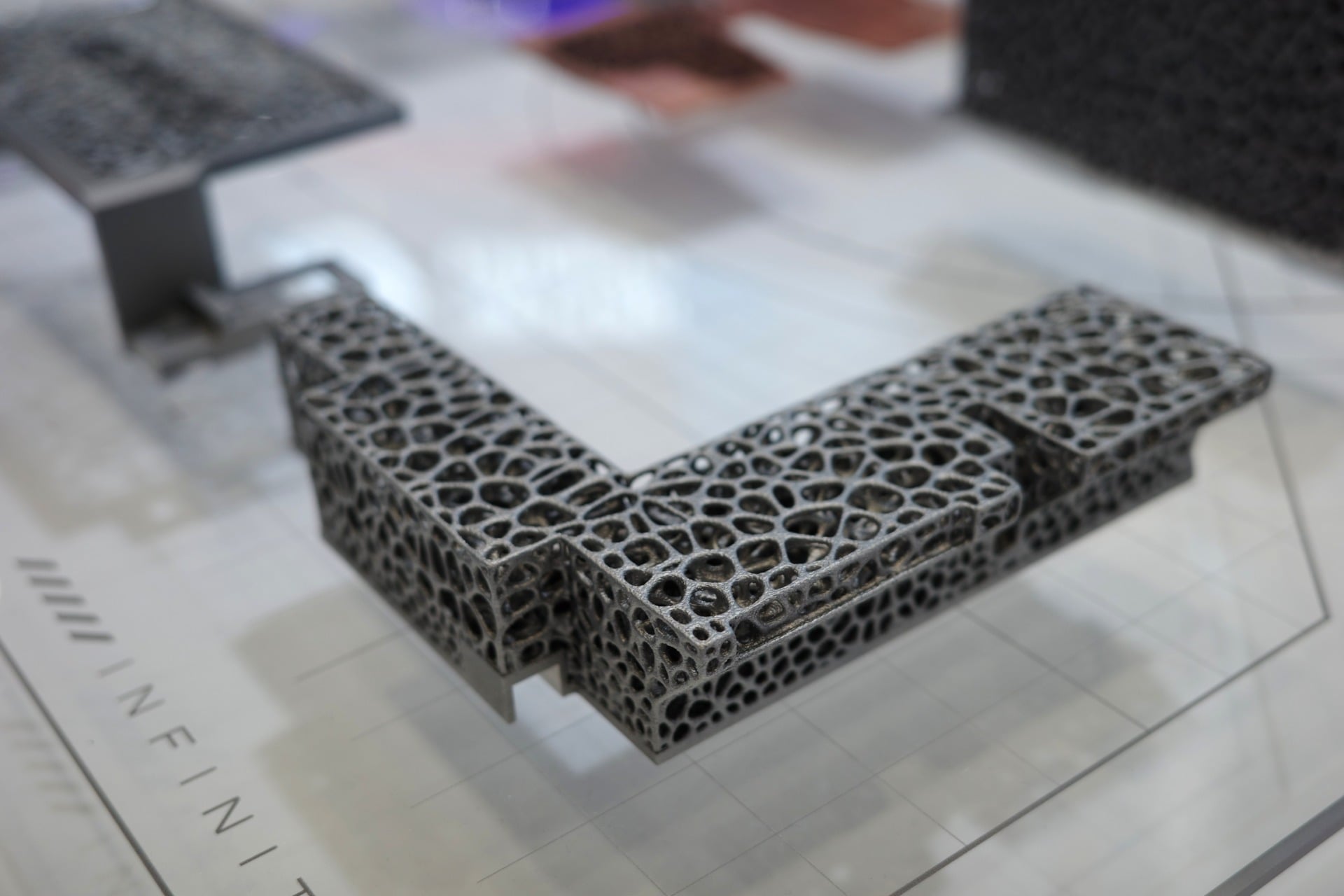
All those extra modules add 44% more cooling surface. This makes it really freaking heavy, which is why Gigabyte has a large honeycomb backplate to keep the motherboard from breaking apart. The company also said it was still perfectly stable using the typical six screws to mount the motherboard, but I’d want an extra sturdy case keeping this sucker aloft. And no, you can’t buy one, at least not yet. The metal 3D printing isn’t cheap, so Gigabyte first needs to gauge PC builders’ reactions before it makes any. —Kyle Barr
Samsung’s First 360Hz 4K QD-OLED… Umm… Exists, I Guess
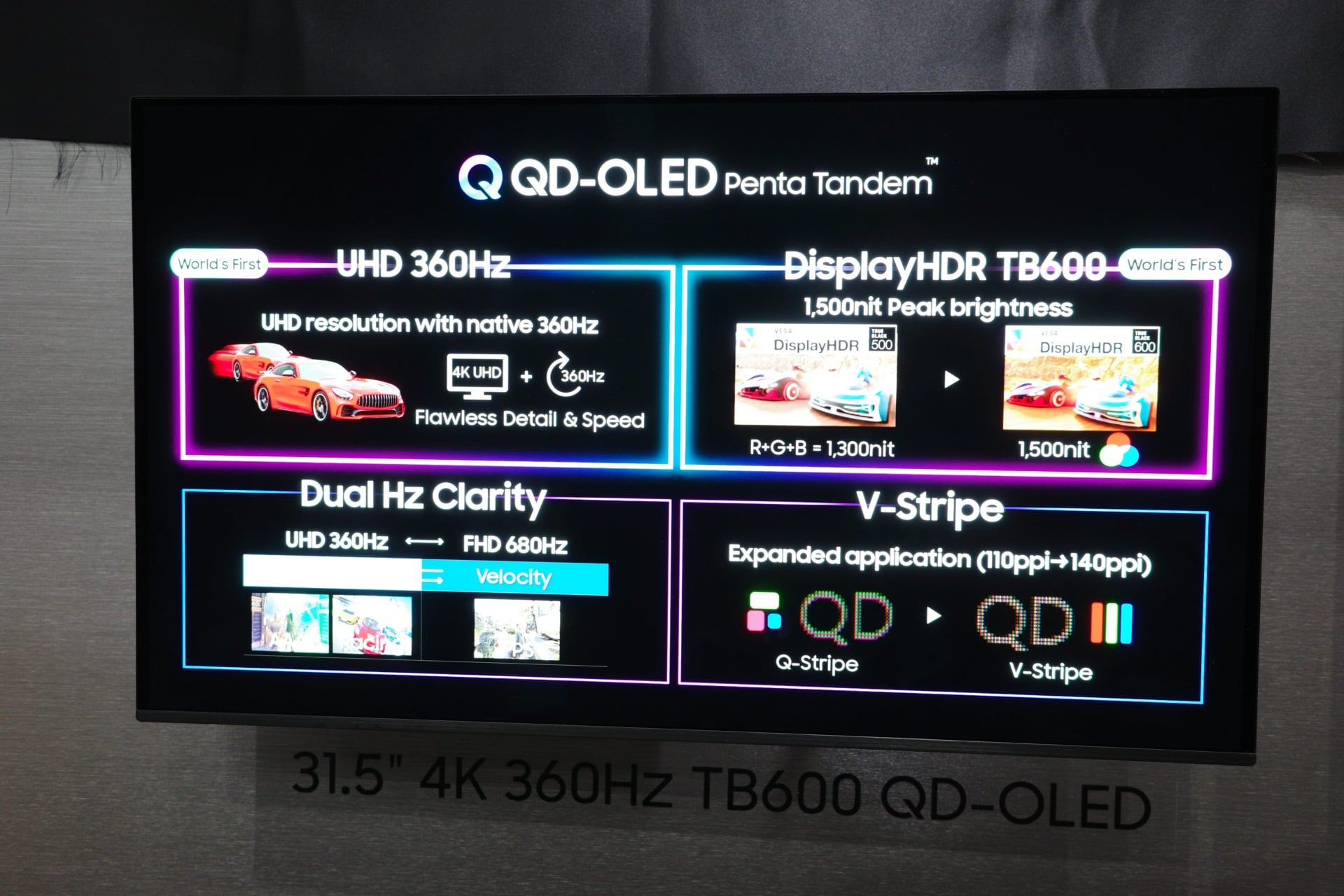
Samsung’s showcase at Computex 2026 was lacking in monitors you can be actually excited about. This year, it’s supposed to release its revised 6K Odyssey 3D with its stereoscopic screen and another 6K Odyssey G8 IPS LCD dual-mode monitor. Those were absent from Computex, and in its place was a back room—or more like a back closet—hiding Samsung’s first 4K QD-OLED monitor that can hit a 360Hz refresh rate. That makes it a first in the world, though it’s not like you can buy one yet. At least, it’s using Samsung’s penta tandem design, which places five layers of self-emissive diodes in front of each other. All you need to know is the monitor can get plenty bright. Samsung’s panel exists, but the company is still finishing up R&D. We may have to wait until next year, maybe even CES 2027, to see it in action. —Kyle Barr
Maybe the World Isn’t Ready for AI Holograms (So Please Stop Trying)
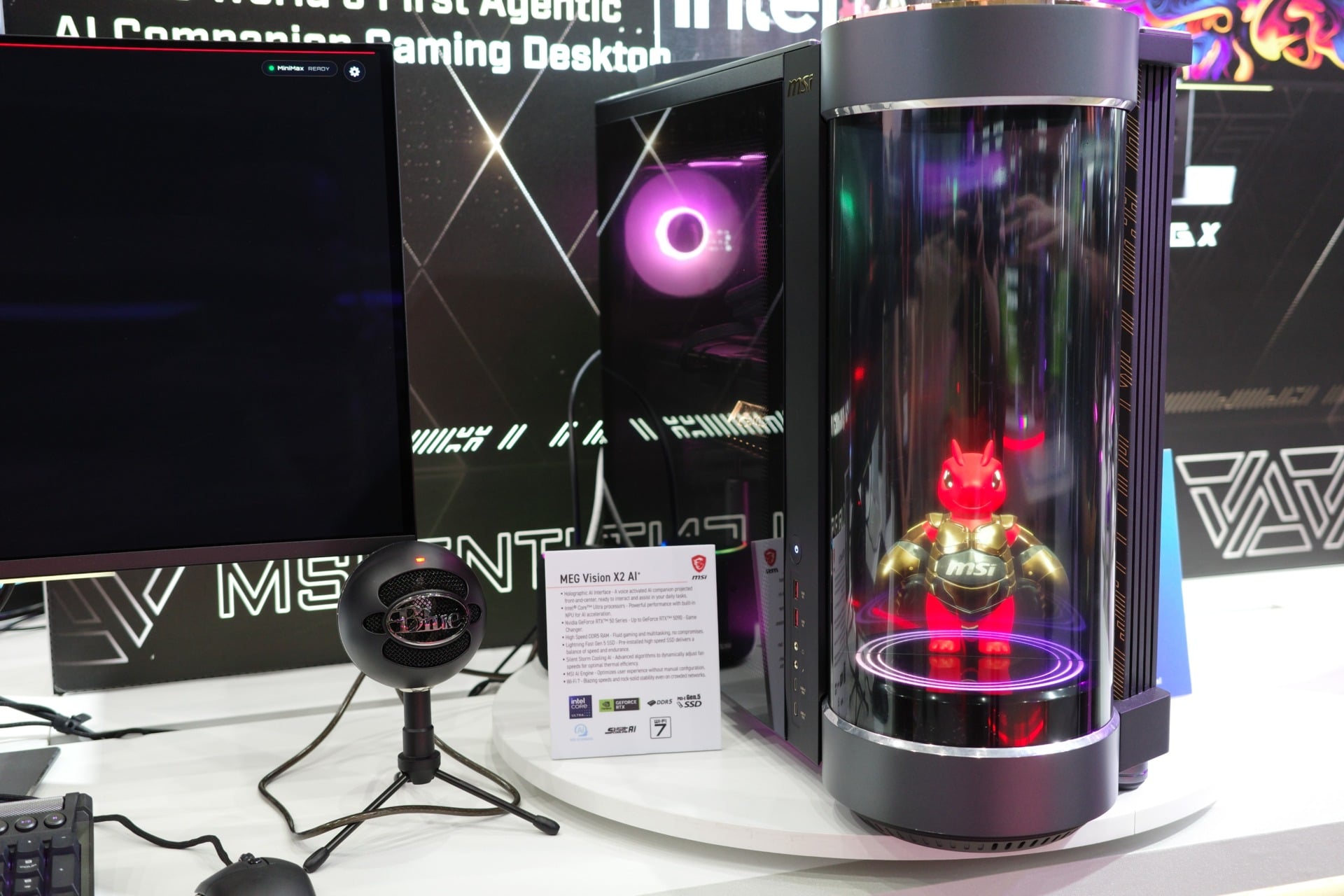
The last thing an AI chatbot needed was a face, even one that’s usually as cute as MSI’s dragon mascot Lucky. MSI’s MEG Vision X2 AI is a giant desktop PC tower with a glass cylinder in front. A hologram sits inside, though it’s the kind of projection and mirror-based hologram that may look off at odd angles. He has an incredibly annoying voice and an unbearable loquaciousness that will have him rattle off unceasingly based on a simple question. It got me thinking, holograms are already misunderstood, same as AI. Maybe the two technologies really are a match made in heaven… sorry, I meant hell. —Kyle Barr
Oh Look, It’s BMW’s Color-Changing E Ink Car

A little (or we should say enormous) surprise at the E Ink booth was the much-touted color-changing BMW that’s been promised on and off again since 2022. Essentially, every individual panel on the BMW iX Flow is covered in the same kind of e-paper you find on an e-reader, allowing the car to morph its color on the fly. It’s akin to those tone-changing vehicles found in the game Cyberpunk 2077 (which were added in patch 2.11 in 2024, so in this case it may be that the art was inspired by the technology, not the other way around).
Notably, this is not the iX3 Flow Edition shown off at the April Beijing Auto Show, where there’s only a single E Ink panel on the hood. Whatever car we inevitably get, it will be a lot less interesting than what E Ink was showing off at Computex 2026. —Kyle Barr
Acer’s Own MacBook Neo Compeitor Also Has a Bad Trackpad
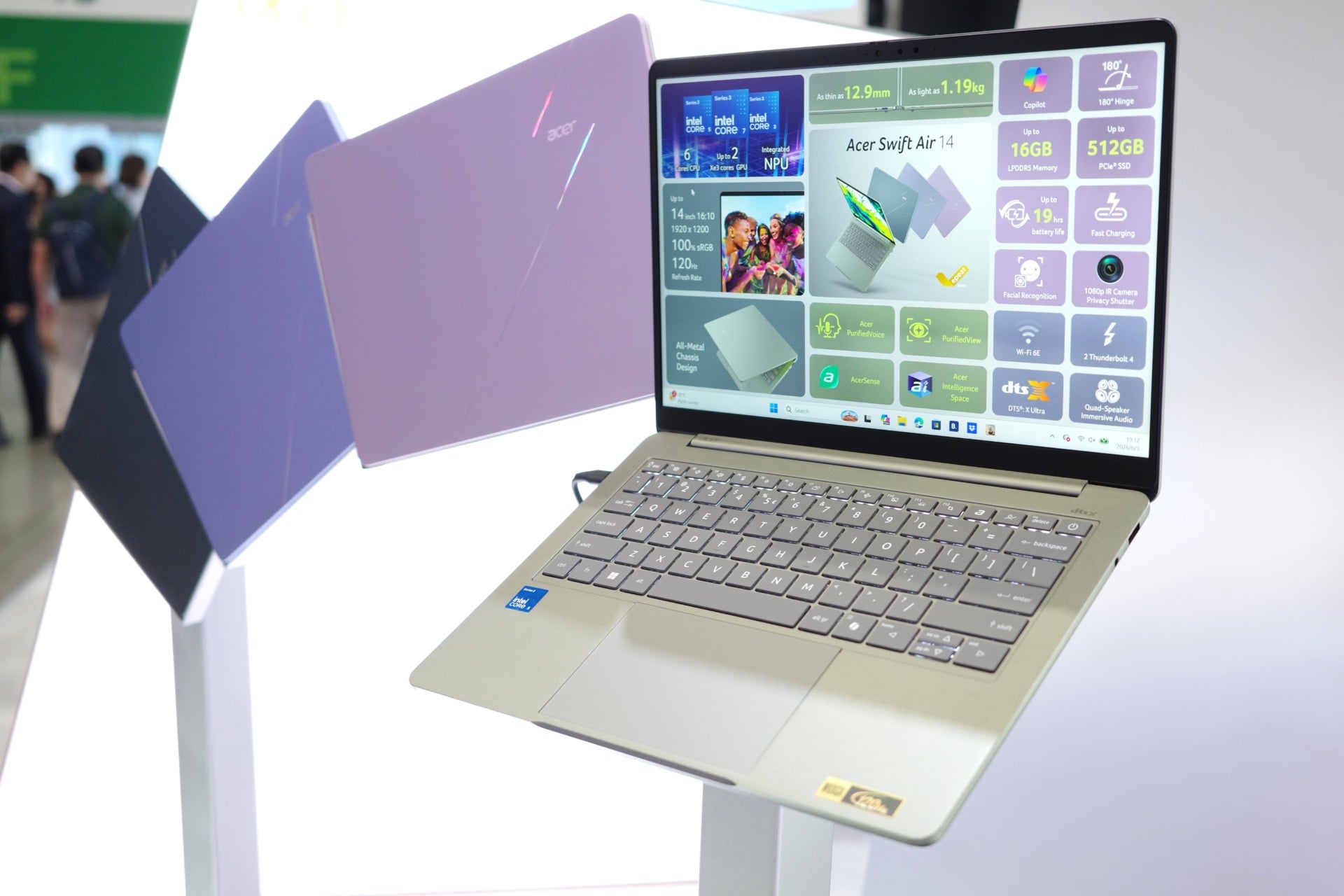
While Dell is explicitly setting itself up against Apple’s MacBook Neo with its XPS 13, Acer has been slightly more subtle about it with its own Intel Wildcat Lake-based laptop. The Acer Swift Air 14 (note how Acer’s borrowing Apple nomenclature) is lightweight at 2.6 pounds, has an aluminum chassis, and supports up to 16GB of RAM and a max of 512GB of storage. It’s also running with a 120Hz refresh rate display that unfortunately only hits a max of 1200p, a lower resolution than both the XPS 13 and MacBook Neo. The keyboard feels nice enough just by clacking on its keys, but the trackpad is worse than Apple’s affordable laptop. You have to go a third of the way down the mechanical pad before you can do any click. Apple’s engineers managed to create a trackpad that clicks well at any part. The Swift Air 14 starts at $700 and should be available in the U.S. come August. —Kyle Barr
Surprise, Surprise, Asus’ OLED Xbox Ally Is Really Good
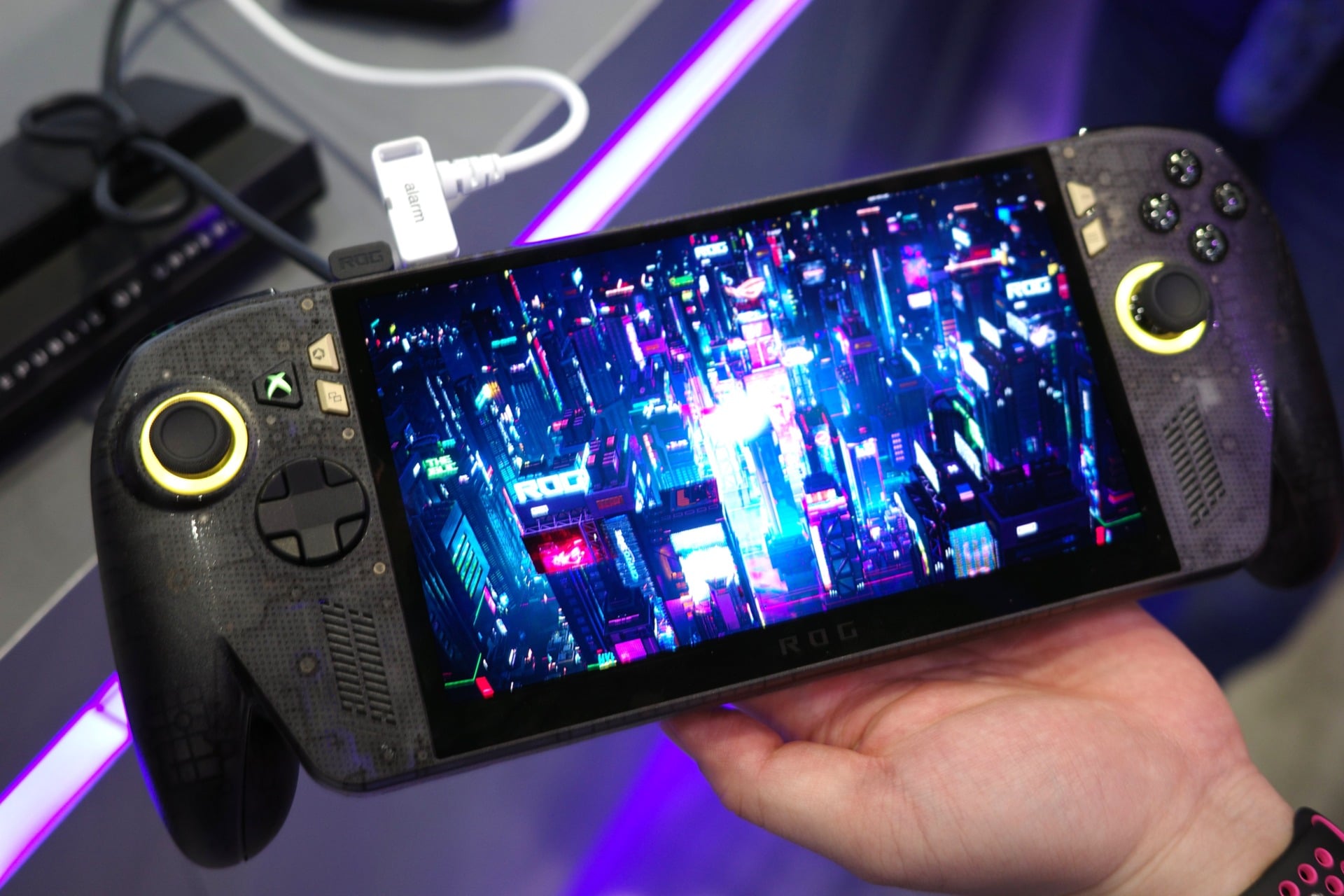
I had only a brief time with the Asus ROG Xbox Ally X20, but it was enough to impress me with just how much the company fixed from the original Xbox Ally X. It’s grippier, has better face buttons and joysticks, and has a new “transforming” D-pad that can rotate. Best of all, the new OLED display is larger than the original (7.4 inches compared to 7 inches) with smaller bezels. And of course, it looks damn sharp and bright despite the showroom lights shining directly on it. The X20 is supposed to be bundled with an expensive pair of ROG XReal R1 AR glasses, but Asus told me it’s considering separating it out for purchase. Let’s just hope it doesn’t cost $1,500 like the MSI Claw 8 EX AI+. —Kyle Barr
Corsair’s Nightsword V2 Mouse Is a Secret Stream Deck
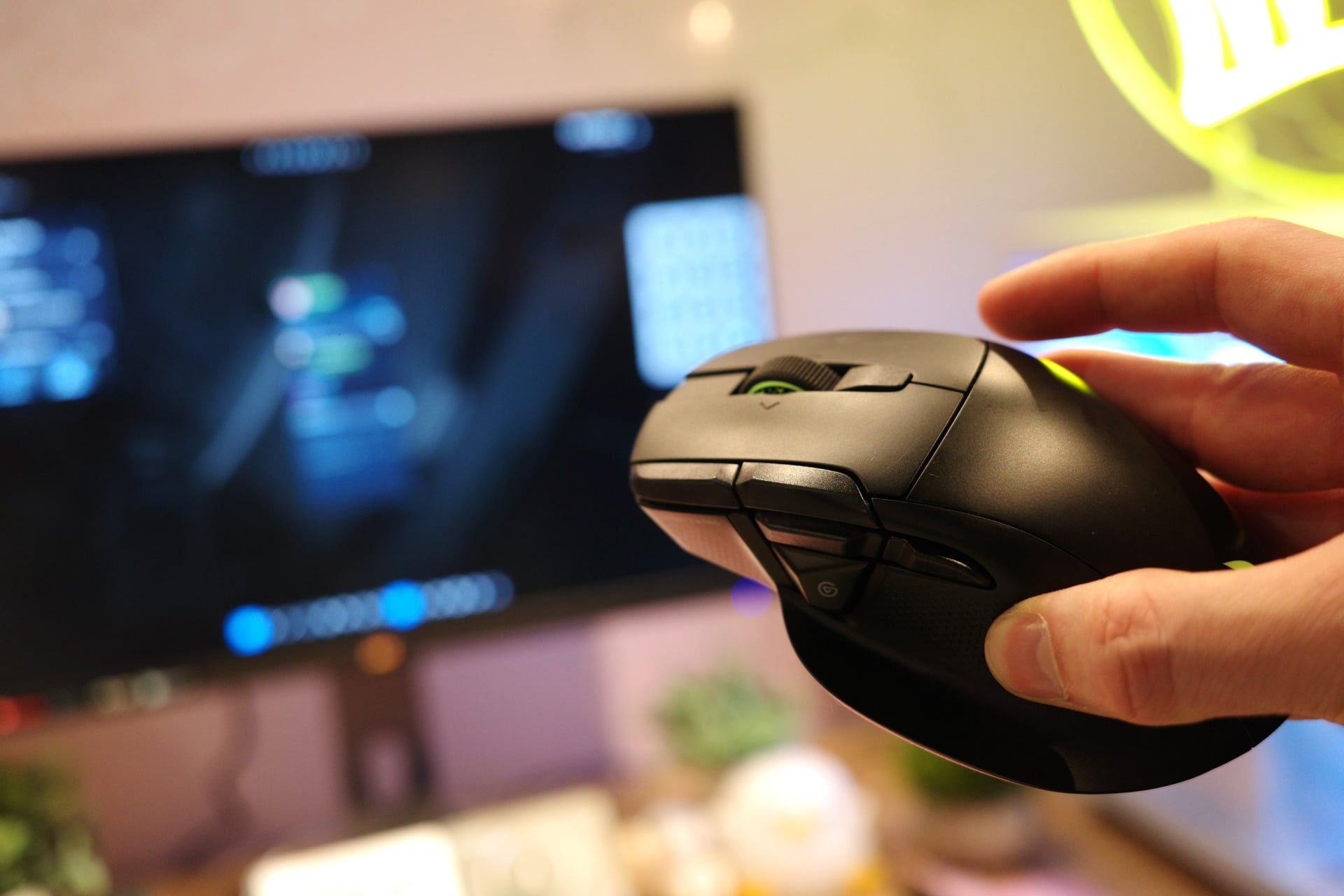
Corsair is trying to make everything a stream deck and not just its keyboards like the Galleon 100 SD. The company’s Nightsword V2 Wireless contains a single key on the right, where your thumb rests (for right-handed folk), that turns on Corsair’s virtual stream deck on your desktop. The pop-up gives you all the same button controls you have on a typical button pad, so streamers don’t have to take their hand off their mouse to adjust settings or surreptitiously silence the chat. Corsair was supposed to launch the mouse earlier this year, but delayed the release to work out some of the software bugs. It should be available for $130 from Corsair’s website. —Kyle Barr
This ‘Memory Bomb’ Could Destroy Your Data From a Distance
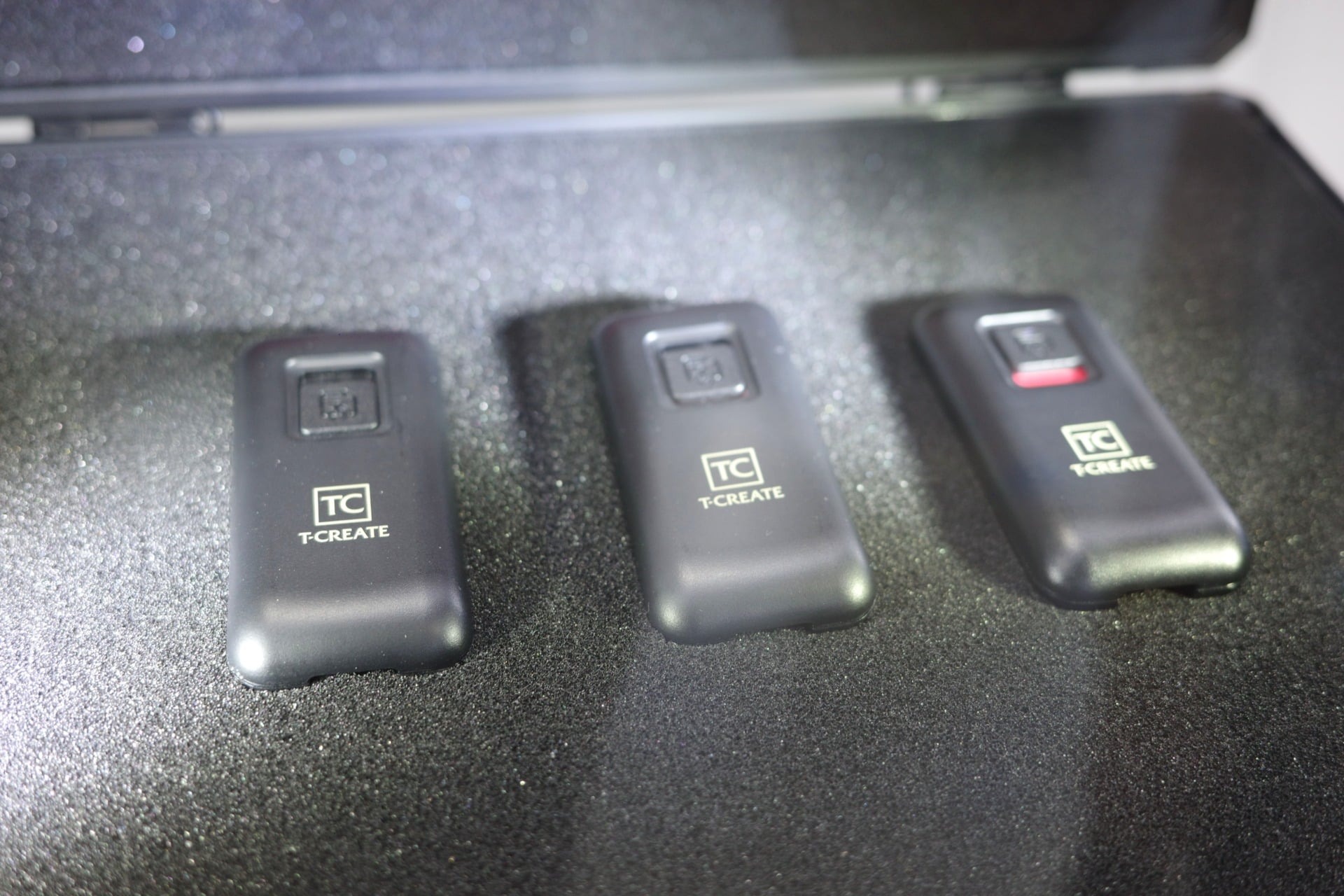
Why shouldn’t we add a little James Bond flair to our drives full of sensitive data? Team Group has an SSD called T-Create P35SG with a simple built-in button. If you push it in all the way, the external drive will decimate any of the data within. It’s not simply moving files to trash. The drive will literally destroy the chip within. Team Group claims this destruction is irreversible, so ostensibly a hardware hacker can’t extract any data left within the SSD. There’s a two-stage activation, first half and full press, to avoid any accidental data destruction.
At Computex, the team was extolling new technology it claims will let you remotely demolish your data. A 4G connection to the device would allow users to remotely activate the destruction procedure. Sure, it won’t blow the hand off of any reckless saboteur absconding with your drive, but the idea is entertaining nonetheless. I described it as a “memory bomb” to Team Group reps, and the company said that was a pretty accurate description. The remote destruction feature is not yet available, but it may come for future spies. —Kyle Barr
‘I Love Gooooooooooooooold’
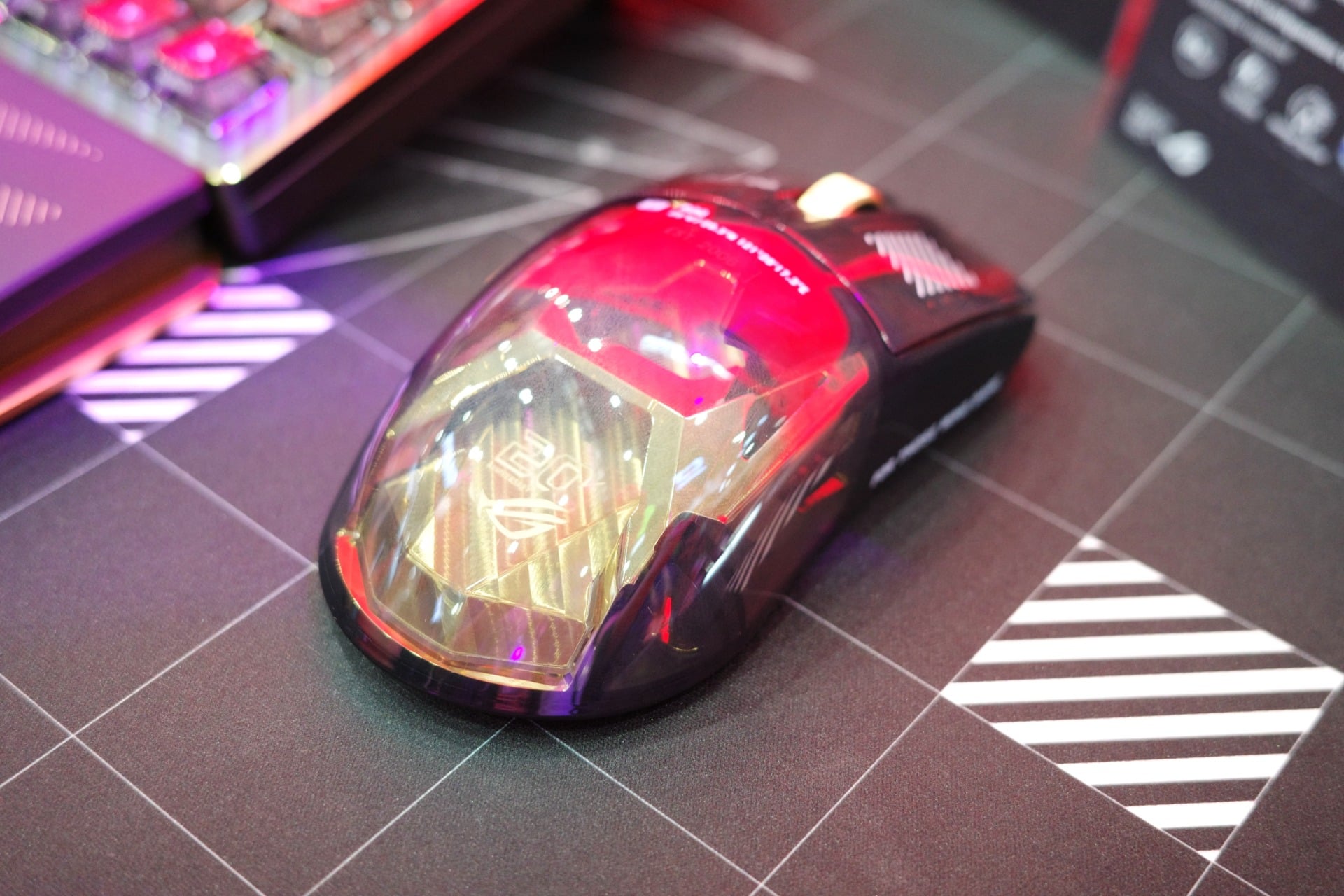
Unlike Goldmember, I do not understand the appeal and luster of gold. Sure, I enjoy the aesthetics of gold as a color, especially on a black background, but the actual material is more interesting to me for its properties of being the most noble (in scientific terms, not in a caste system sense) of all known metals. So why would you stick gold behind a pane of regular, cheap plastic? And furthermore, why the hell would you stick it inside a mouse and keyboard?
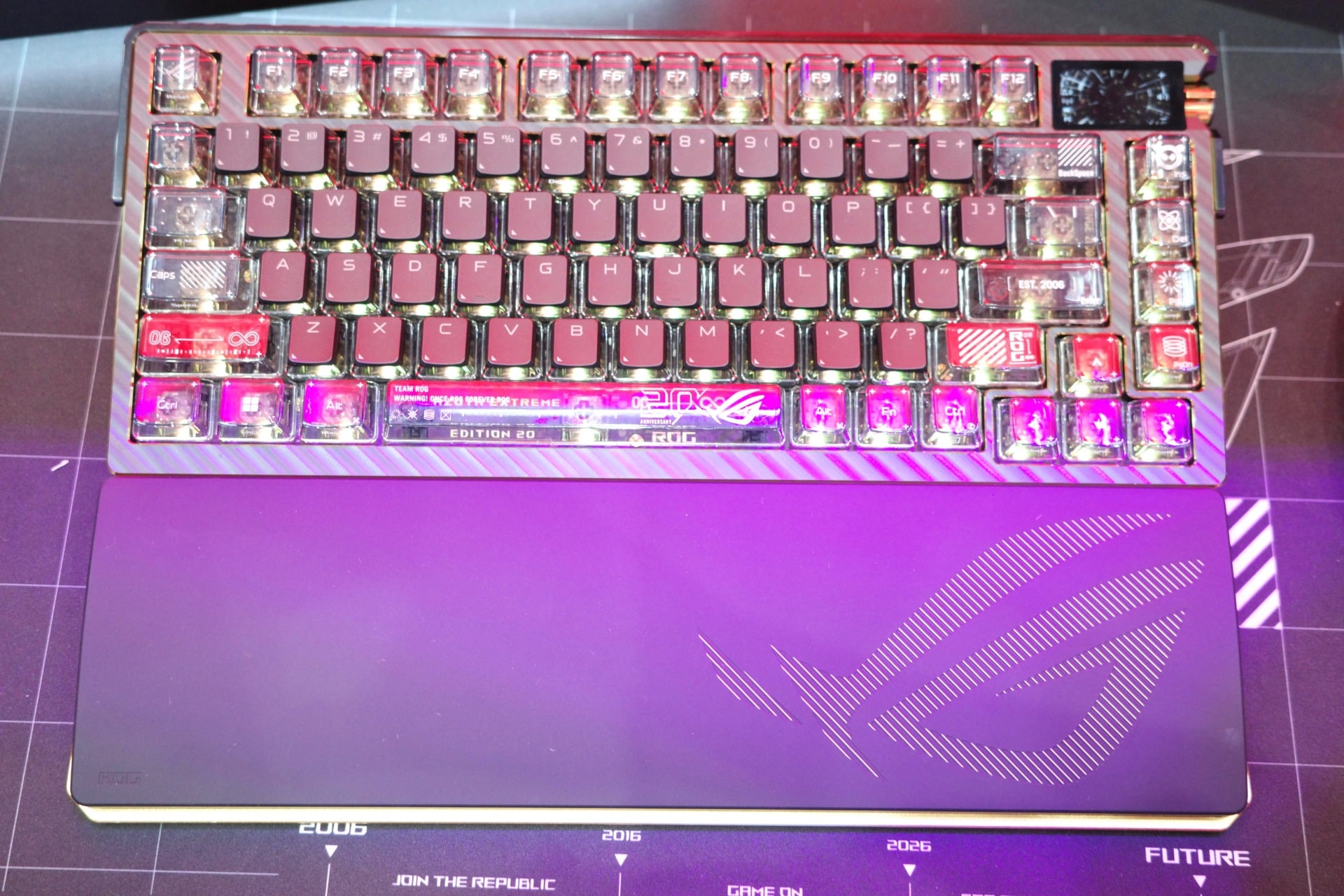
Asus ROG is celebrating its 20th anniversary as a brand by shoving out a ROG Haste II Extreme Edition 20 mouse and ROG Azoth Extreme Edition 20 keyboard. There’s also a separate series of “aritsan” keycaps available to replace some of your keyboard keys. The keyboard has a removable 24K gold nameplate, while the mouse has a 24K gold internal metal frame. There’s a part of me that doesn’t even want to share the price, but the keyboard is available to preorder for $600. The mouse will cost you $260. At least they’re not nearly as excessive as Razer’s $1,337 20th anniversary Boomslang mouse. —Kyle Barr
Look at this Power Supply With Game Boy-like Clear Plastic
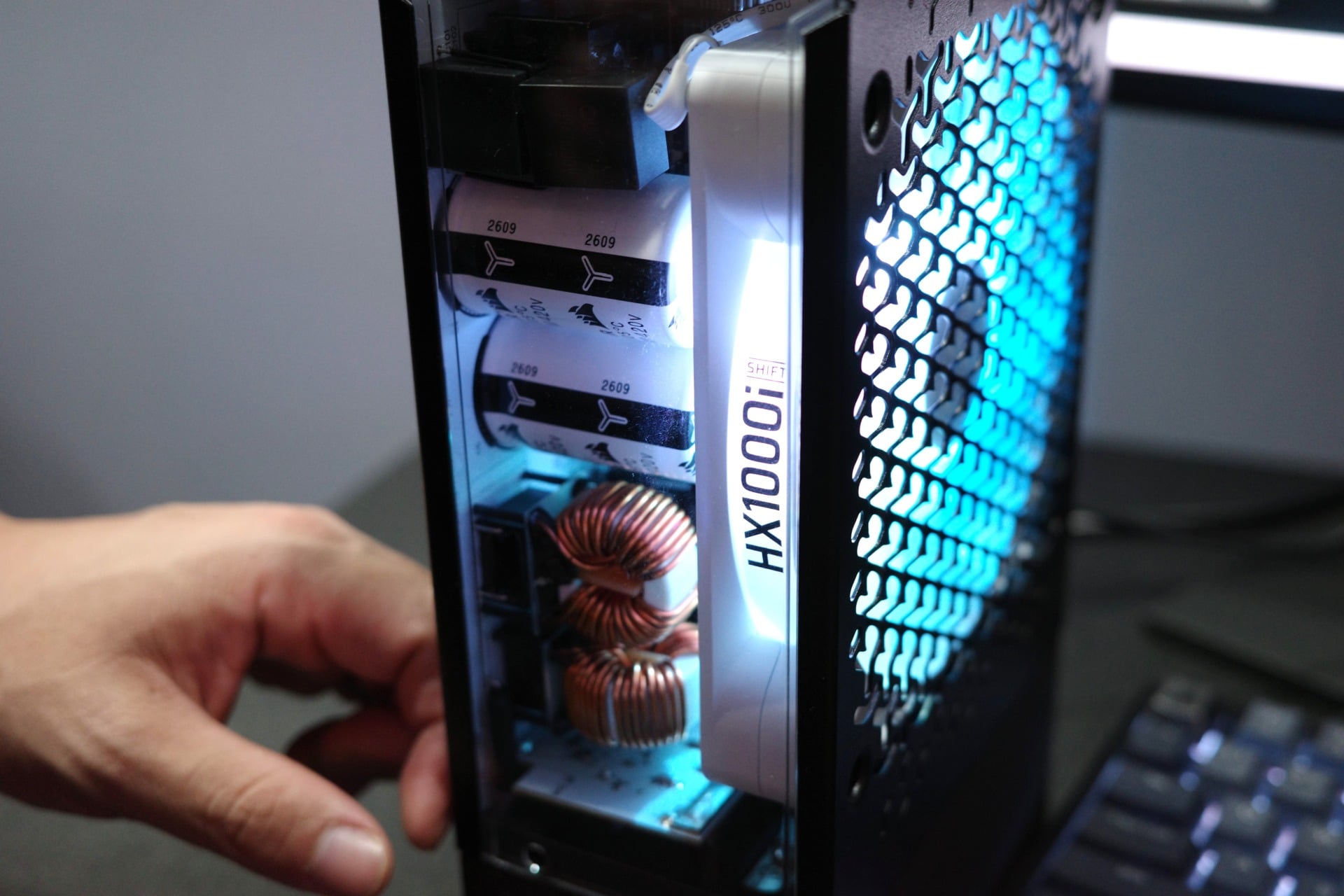
If you’re like me, you’re eternally curious about what’s going on behind the literal black box of your desktop PC’s power supply. Beyond ripping it open and exposing all the sensitive components (note: do NOT do this unless you know what the hell you’re doing), Corsair has a better option. As you’ve already seen by the pic, Corsair’s HX1000i Shift comes with a clear plastic shell around most sides, except for the intake fan.
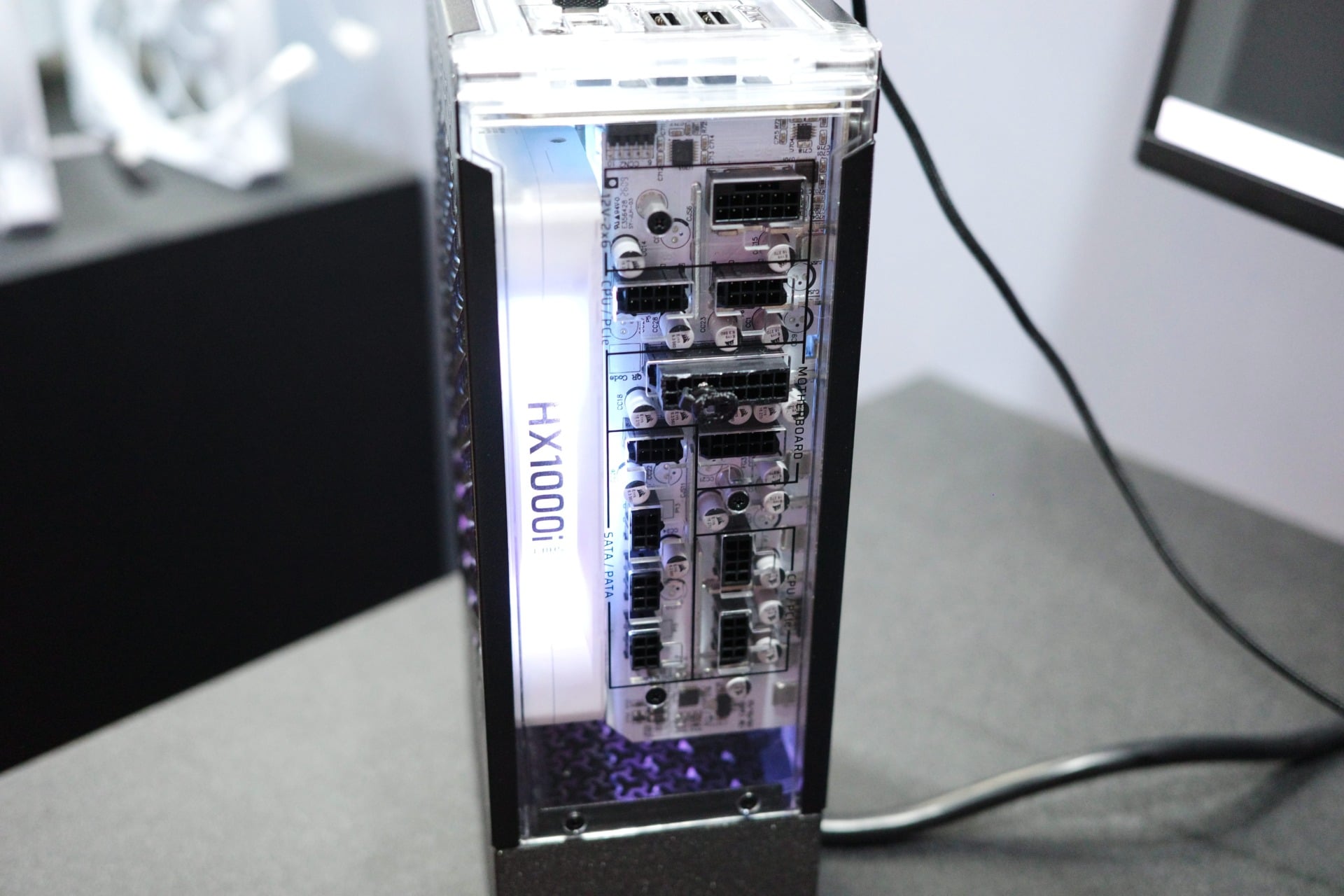
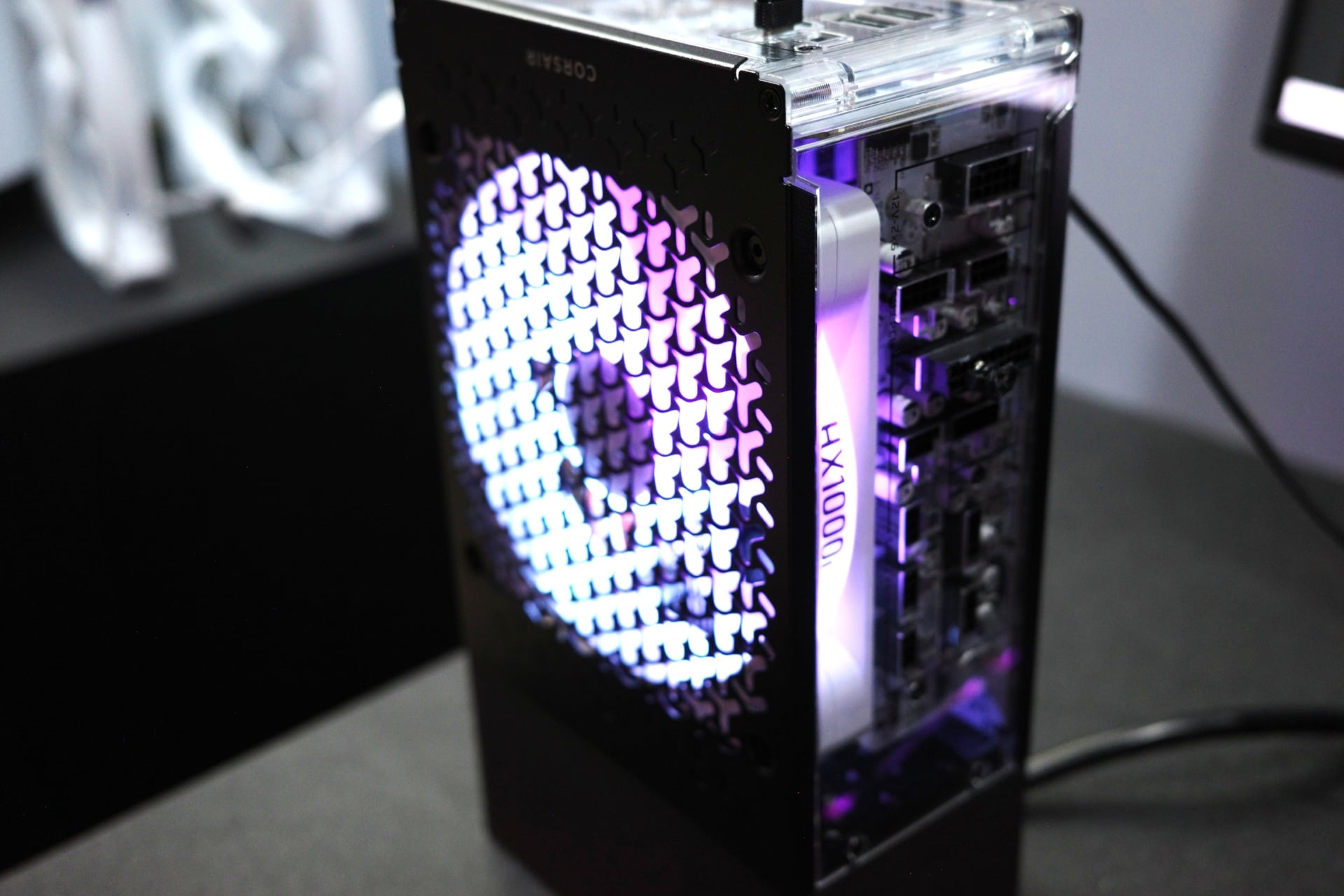
Listen, it’s just cool. Ever since my original translucent purple plastic Game Boy, I’ve been obsessed with seeing my components through the shell of my gadgets. Corsair’s Shift power supplies also have the benefit of sticking the power connectors out the side, making it far easier to access those pin connectors in some builds. Corsair also promoted exclusive iCue software for the highest-end PSUs that let you monitor the individual connections going to each pin to look for shorts or faults. —Kyle Barr
Hytes New Desktop Tower Can Finally Compete With Lian Li on Price
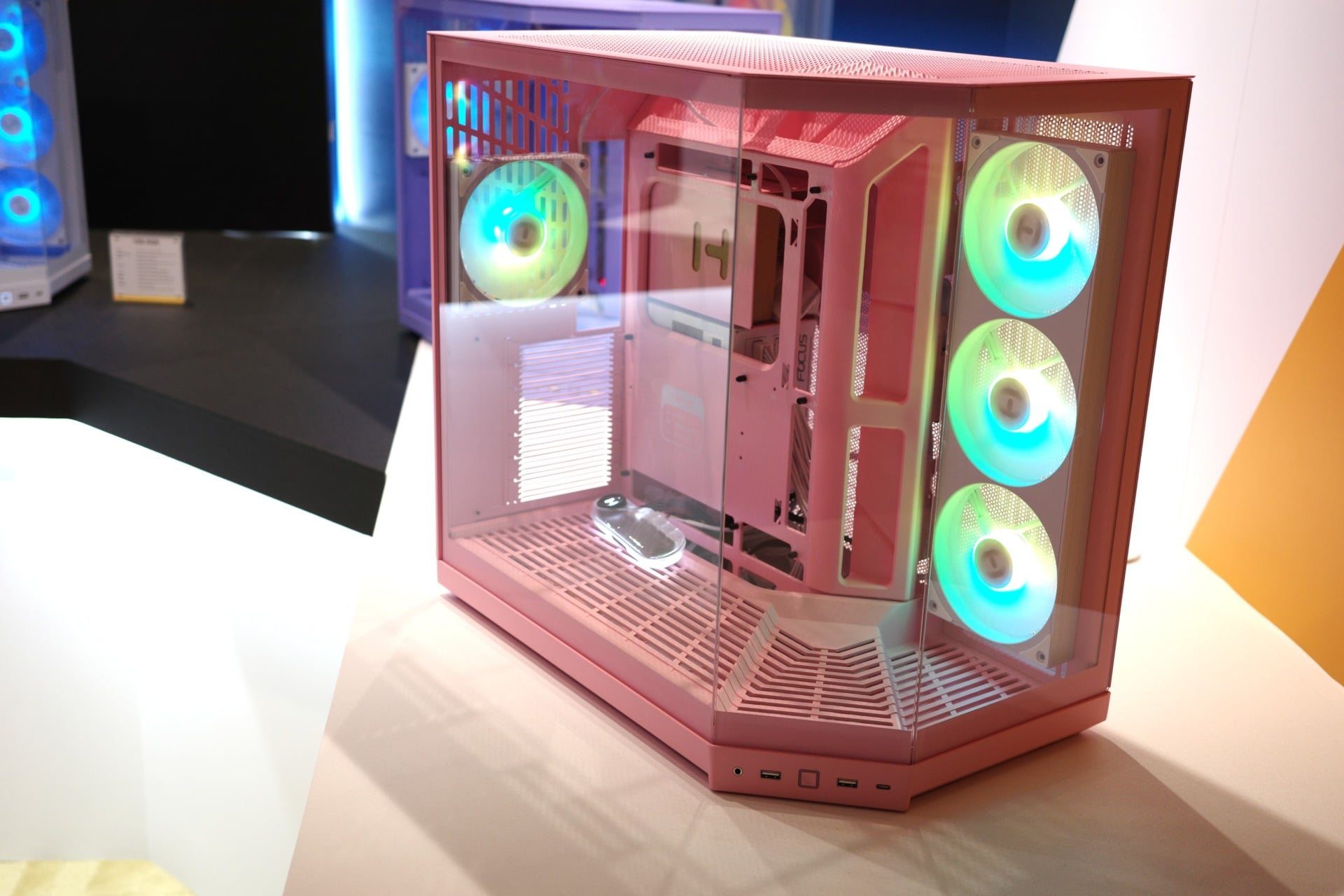
Fewer people are building big-budget gaming PCs in today’s day and age. It’s the result of a knock-on effect from the RAM price apocalypse, where pricey components are less accessible and gamers feel they can’t afford to build anything too excessive. Given that push toward affordability, Hyte, the maker of PC cases and components, may have one of the most appealing cases I’ve seen for a budget price of just $100.
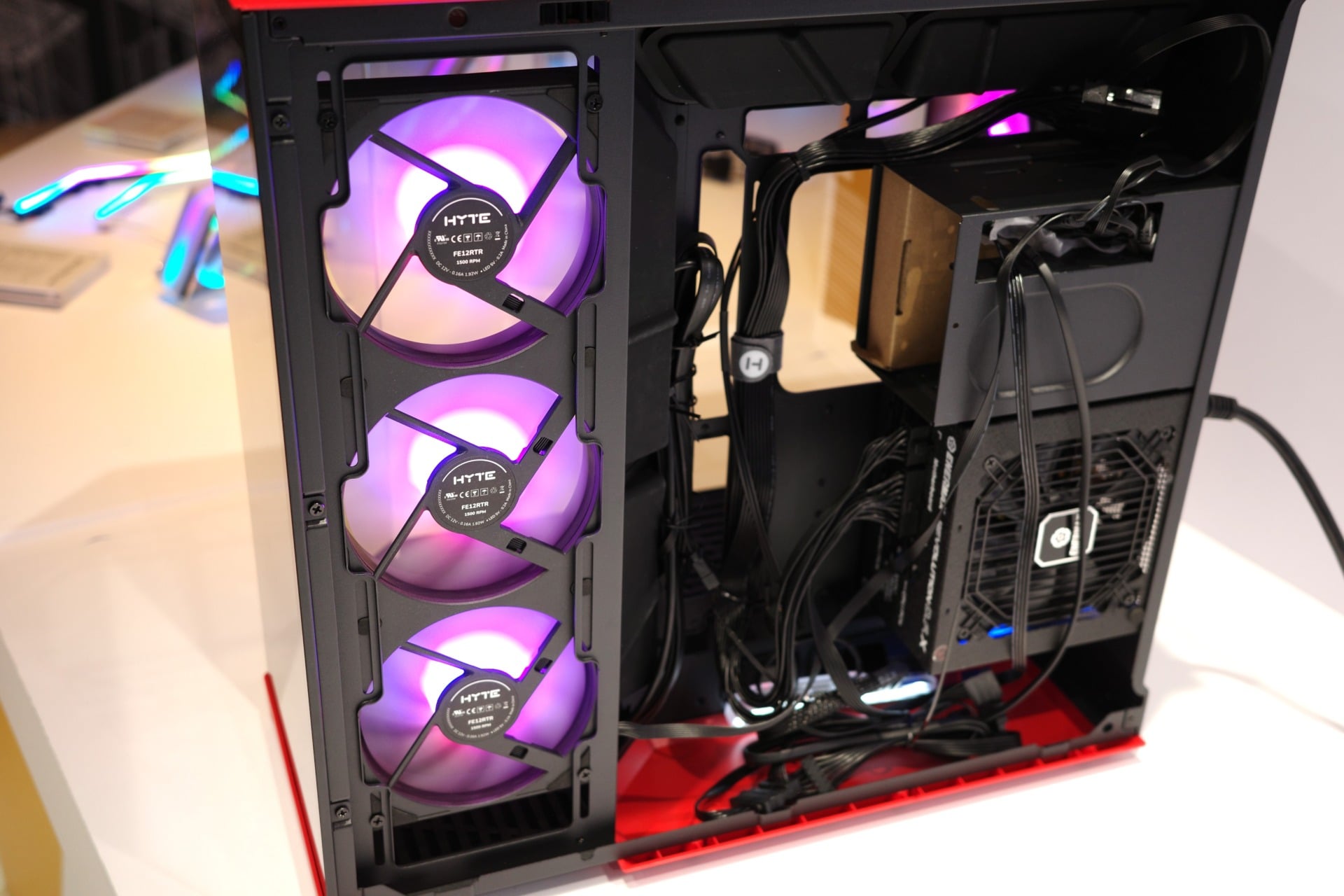
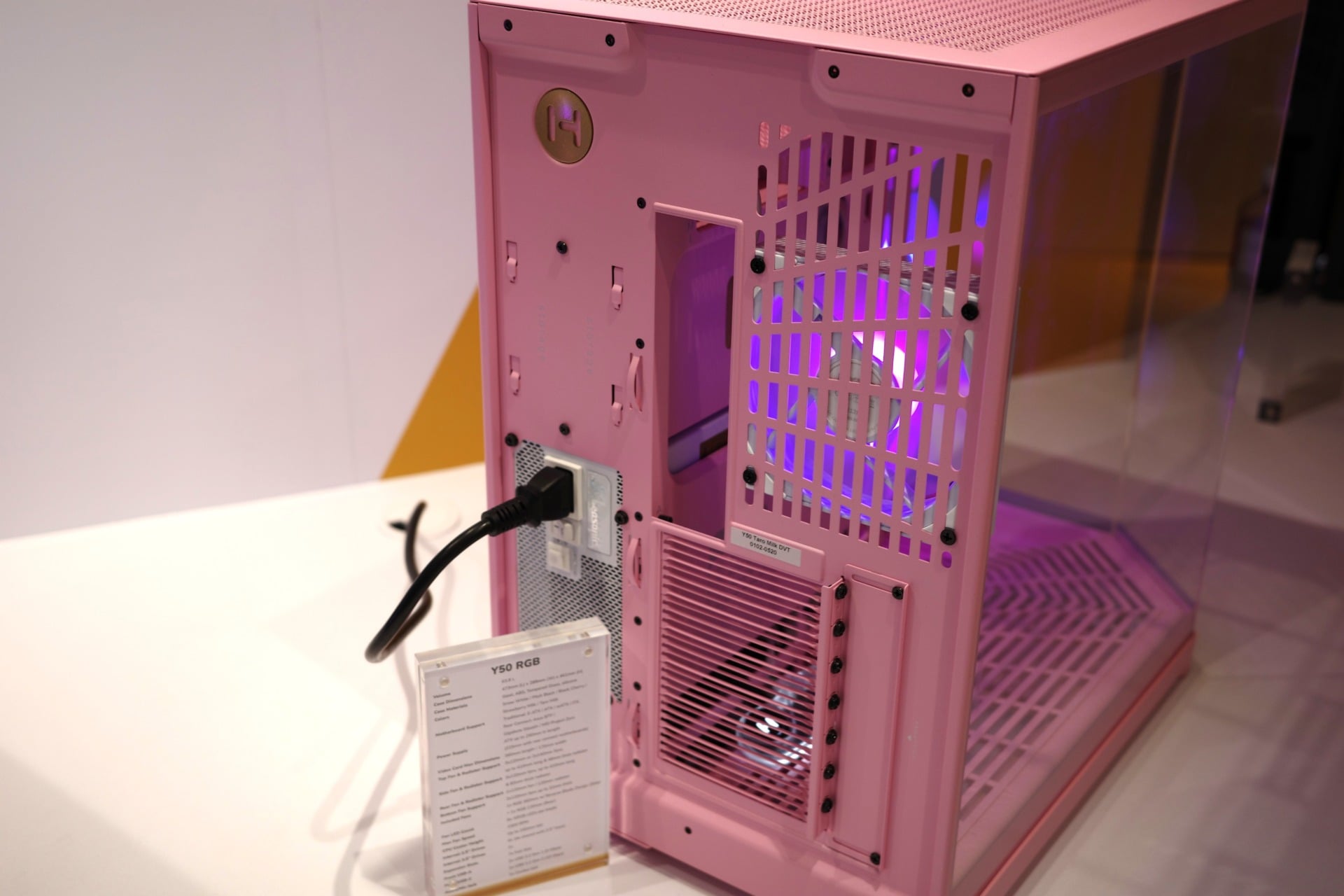
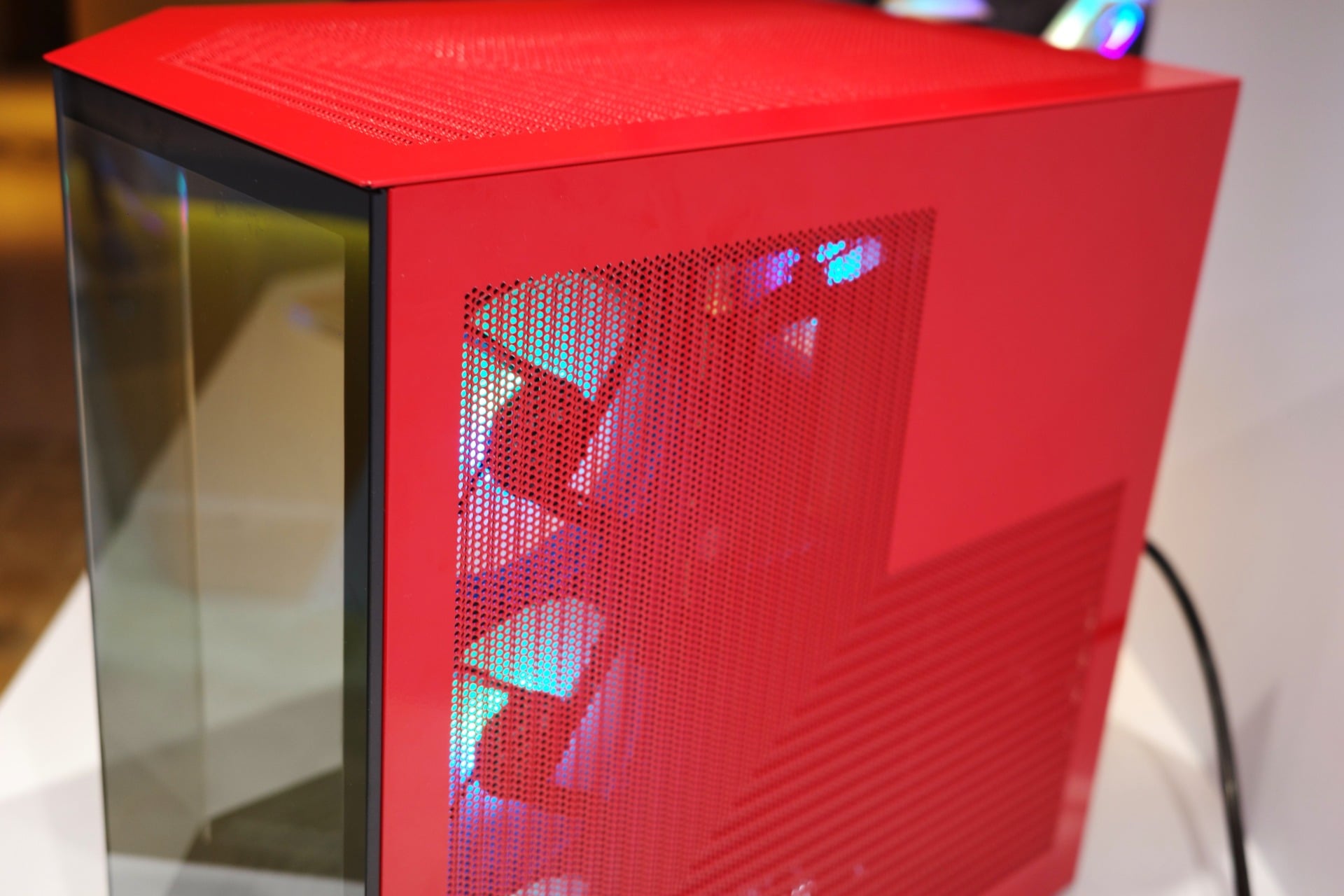
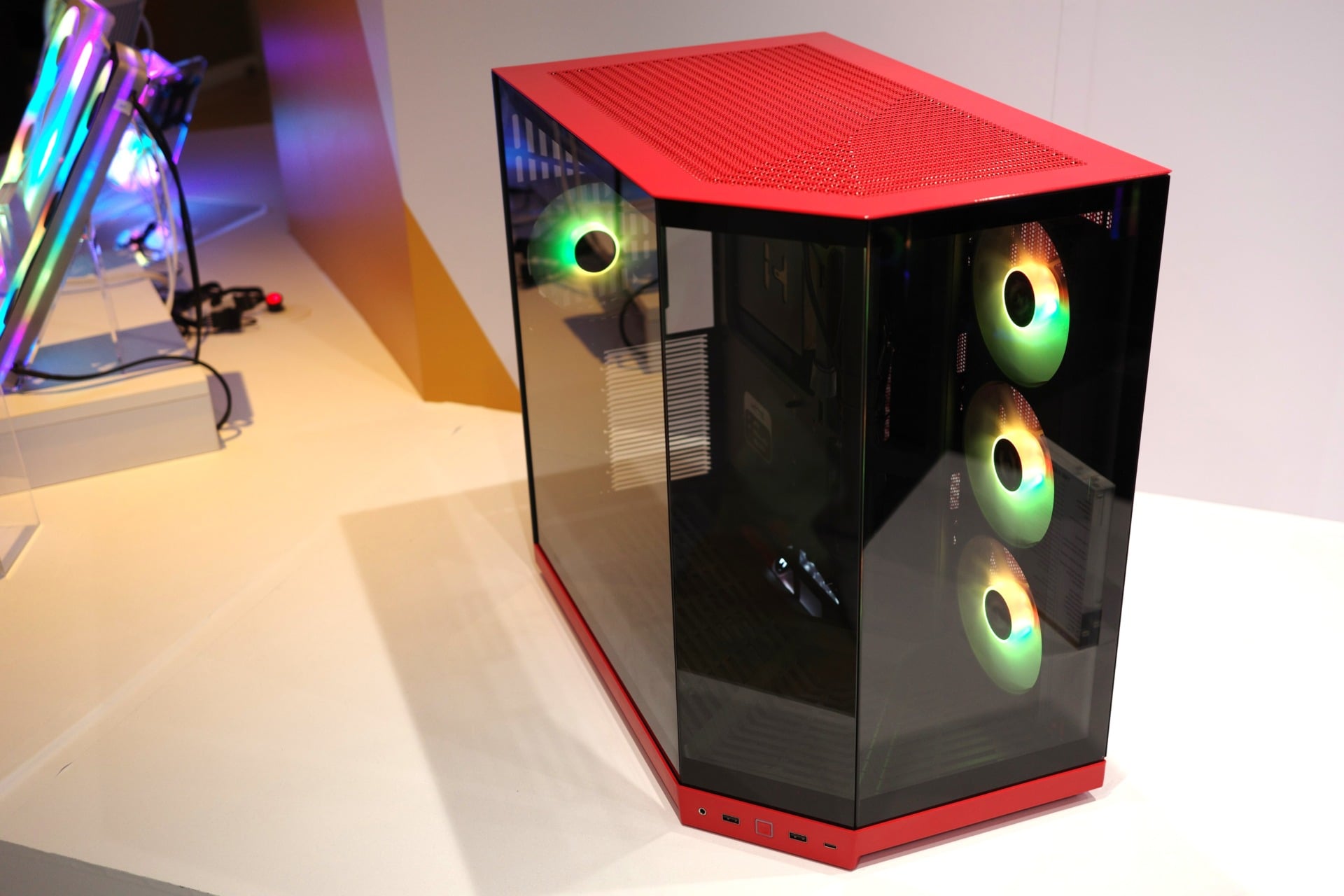
The Hyte Y50 RGB uses a tri-panel design that helps open up the PC case while holding off on being a full “fishbowl” case. There are a fair few small embellishments that make this case more appealing, such as a 3D-textured mesh on the top and side aluminum panels to make it seem more personalized. The Y50 is sitting at a price point that’s been overrun with well-regarded cases from Lian Li, but Hyte’s case also comes with a three-fan module as well as a single-fan component. It comes in several colors: white, red, taro (light blue), pink, black, and white. Some include color-matched fans, though the pink and taro don’t. —Kyle Barr
MSI’s Special Edition Laptops Are Literal Works of Art
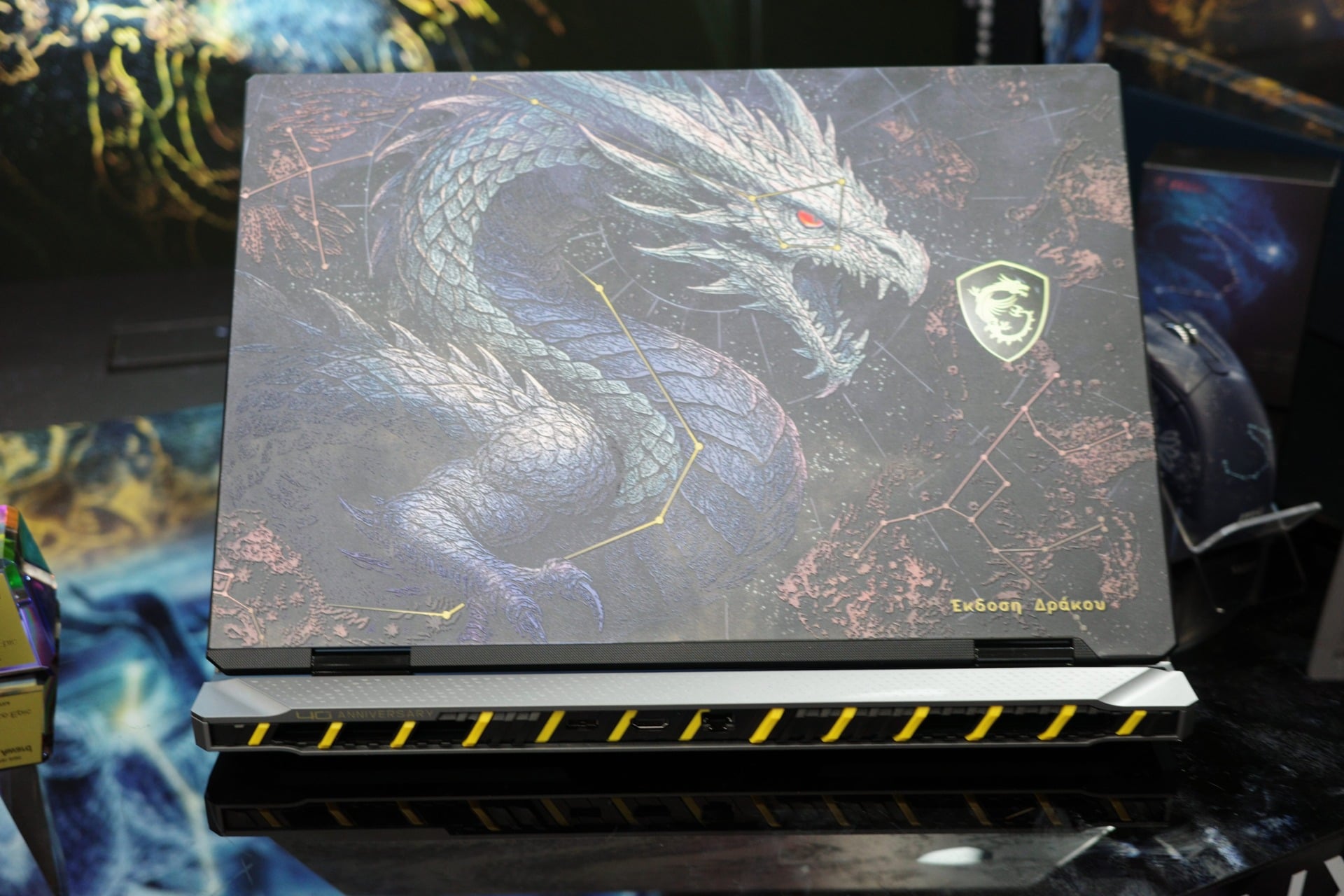
Listen, I love reporting on laptops. I just think most of them look boring, even ugly. So I can’t help but feel respect for MSI and its penchant for artistic special editions of its mainline notebooks and gaming PCs. Last year, MSI debuted a version of its Titan 18 HX with a “Dragon Norse Myth” image depicting some vaguely Nordic dragon. This year, for MSI’s 40th anniversary, the new Titan 18 now sports a Greek-inspired “Draco Epic” laptop with a lid that’s etched in a unique, though over-the-top, draconic artwork. MSI hasn’t revealed pricing on this model, but expect it to cost more than $6,000.

Then, there are two special editions of its Prestige 14 Flip. The Prestige 14 Flip AI+ Vincent van Gogh Edition sports the famous “Starry Night” and “Starry Night Over the Rhône.” They look very nice in person, not the least because of the deep blue colorway for the aluminum body. I have my own problems with the Prestige 14 Flip, but I may be able to overlook some (but not all) issues with that color alone. —Kyle Barr
Tracking My One Big Problem With the XPS 13
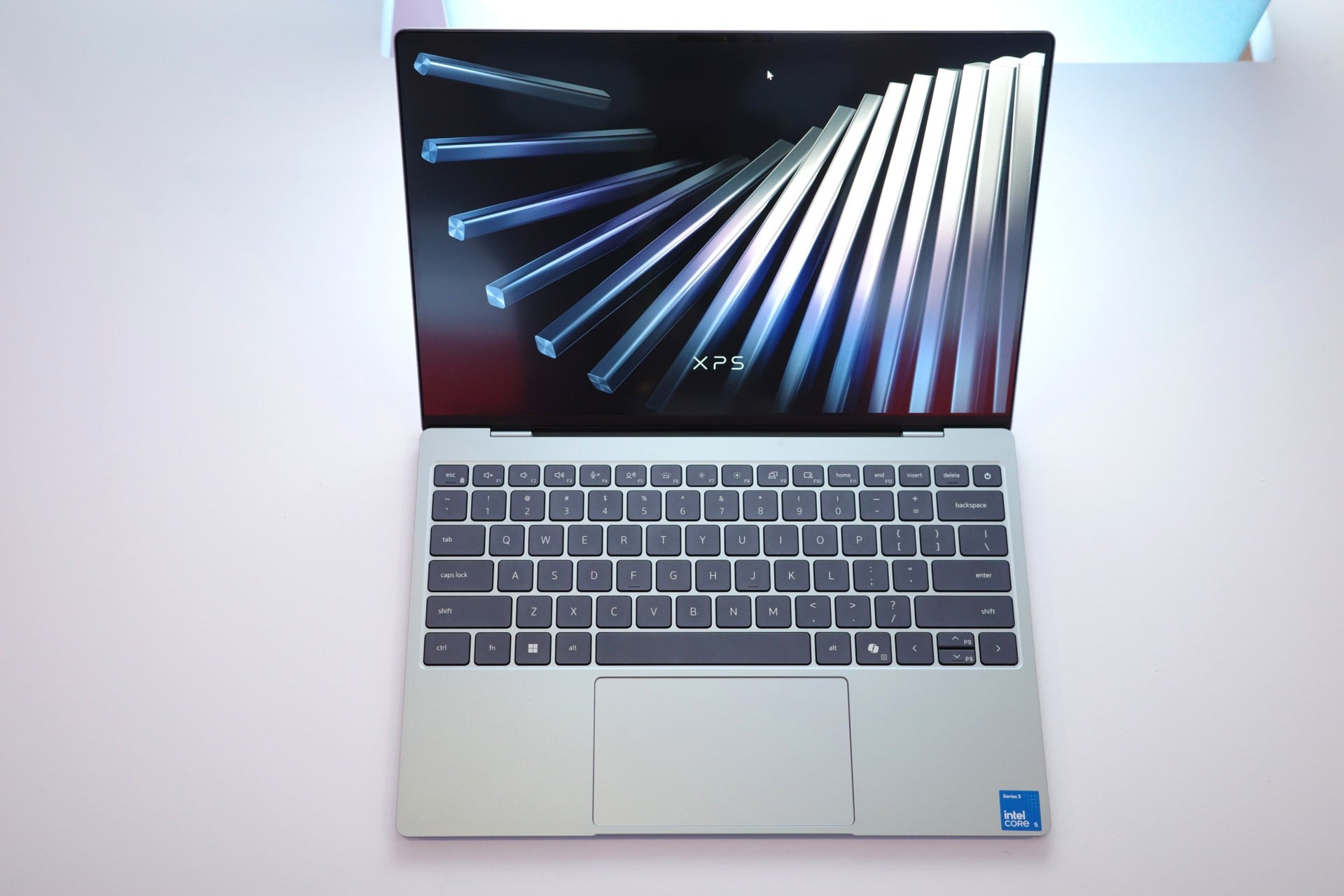
The MacBook Neo must die. At least, that seems to be the common thread among many of the PCs here at Computex.
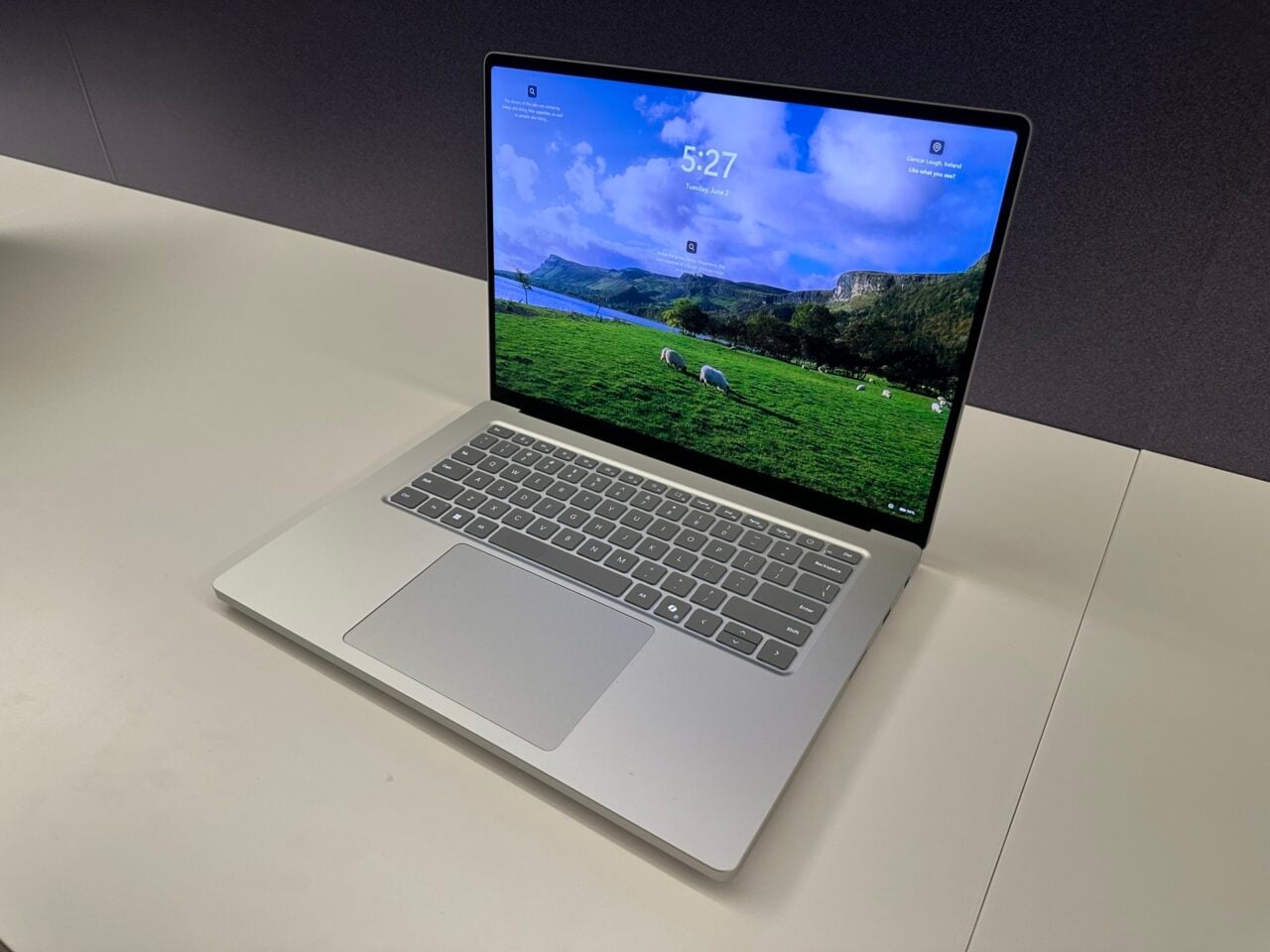
So far, Dell may have the best Neo-murdering knife in the 2026 XPS 13. I finally got to fool around with Dell’s $700 laptop and found it felt great to hold and type. It sports a solid screen and is even thinner and lighter than Apple’s system. Here’s the problem: the trackpad is straight-up bad. If you’ve ever used a trackpad that’s harder to click toward in spots closest to the keyboard, you’ll know exactly the struggle I’m talking about. —Kyle Barr
Nvidia’s Push for RTX Spark Is Copilot+: The Squeakquel
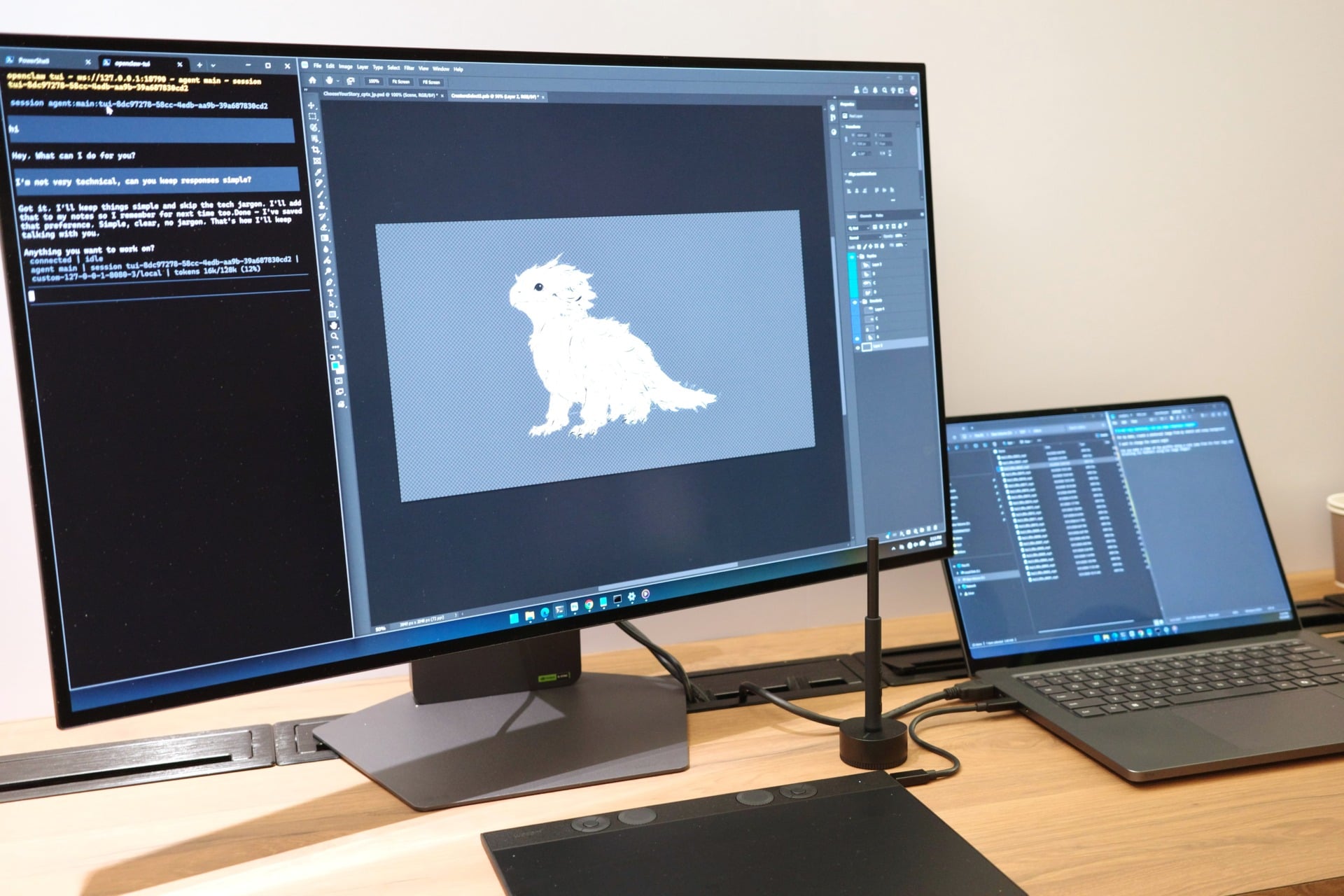
Getting Windows on ARM working has taken years and years of effort, and most of that preceded Nvidia’s RTX Spark launch. Now, in 2026, Microsoft and Nvidia believe these new ARM-based PCs can drive the agentification of computing. What I’ve heard from the bigwigs of Nvidia, Microsoft, Qualcomm, and elsewhere is a bit dystopian. TL;DR: We may become renters of our own PCs’ processing power, with AI as the landlord. —Kyle Barr
Viewing RTX Spark’s Gaming Potential Through a ‘Prism’
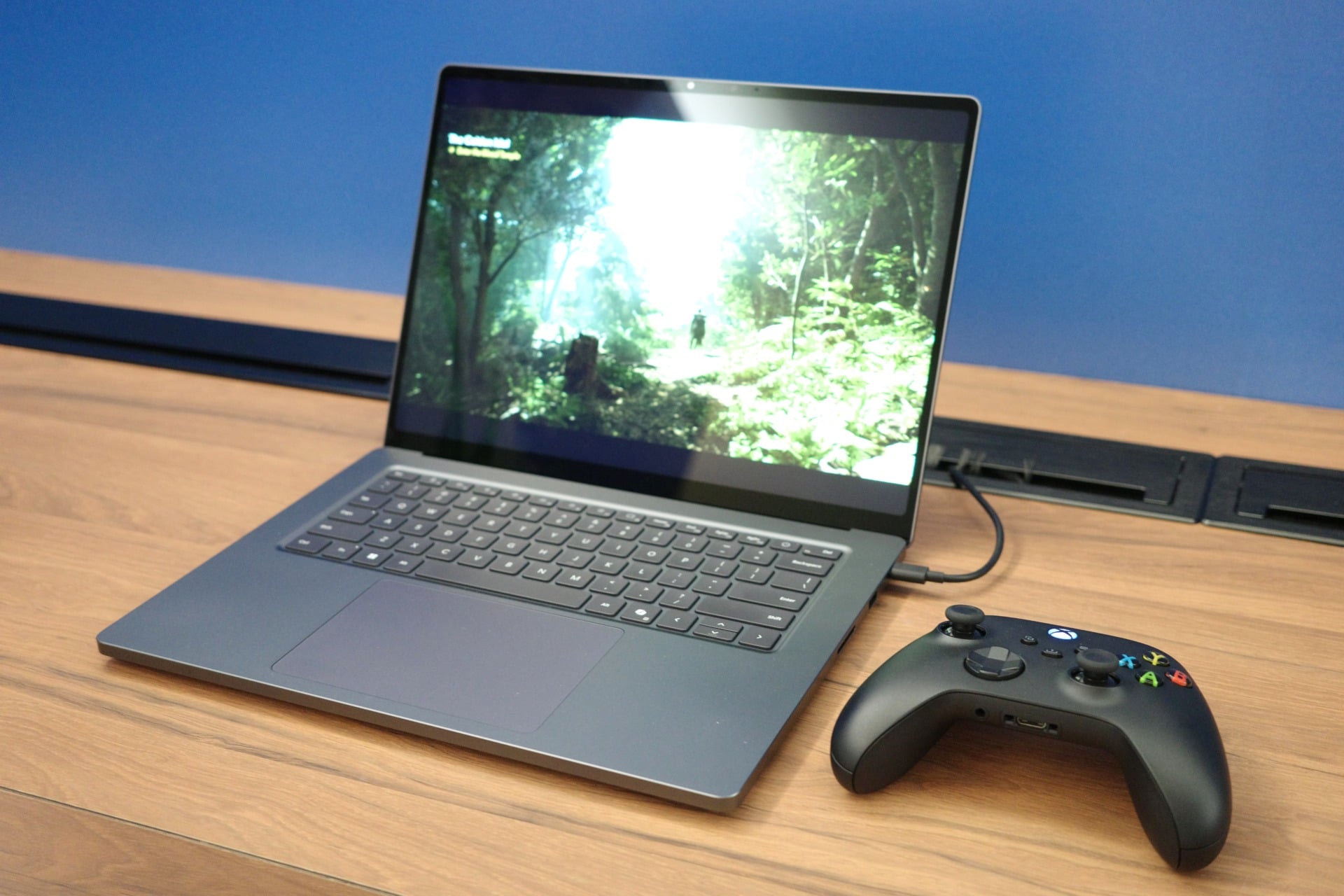
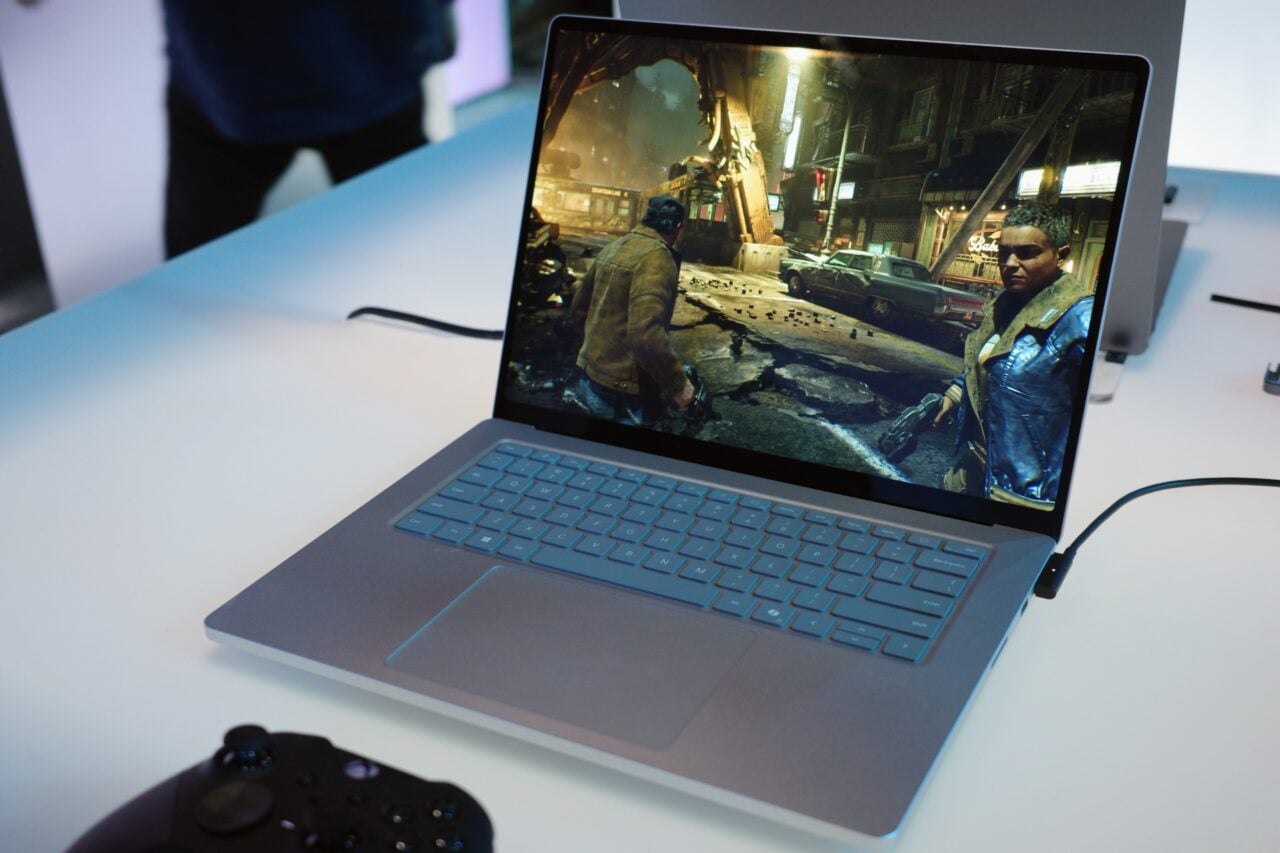
In an interview with Gizmodo, Microsoft principal program manager Peter Dawoud said the company specifically optimized its Prism x86-to-ARM emulator for Nvidia’s new RTX Spark PCs. So what, you may ask? Well, it’s the reason why Nvidia CEO Jensen Huang can stroll around the stage with laptops running games like 007 First Light and Forza Horizon 6.
I went through several demos showcasing gaming on these RTX Spark machines, and in that time, I went from fully skeptical to cautiously intrigued. I could play Pragmata at around 60 fps with ray tracing enabled on Prism. Even better, I saw none of the hitching or stuttering that I would expect to find when playing an emulated AAA game.
Of course, these demos can’t tell the full story of ARM gaming. For that, we’ll have to wait until we get the finalized devices in for review. —Kyle Barr
Here Are All the RTX Spark PCs
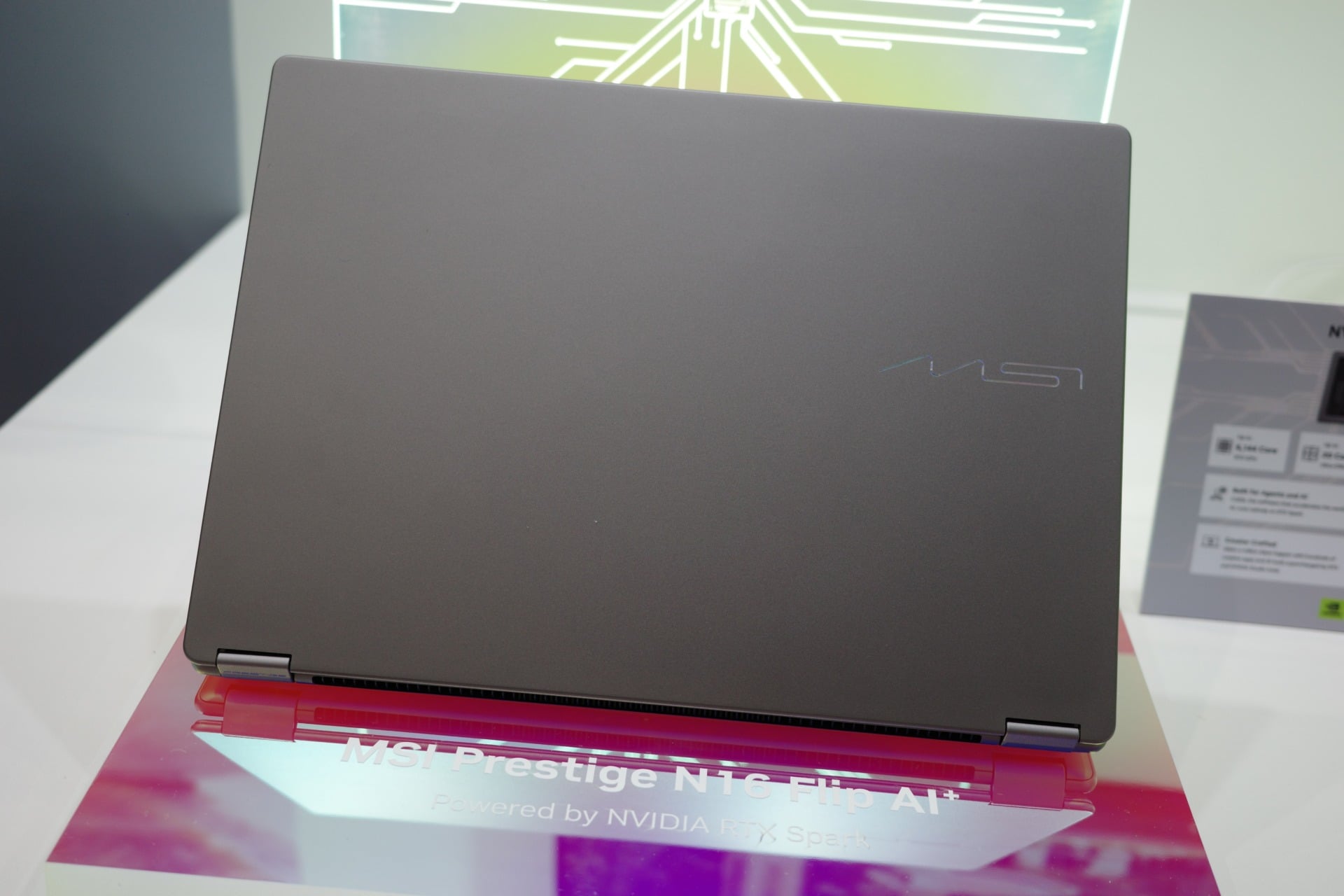
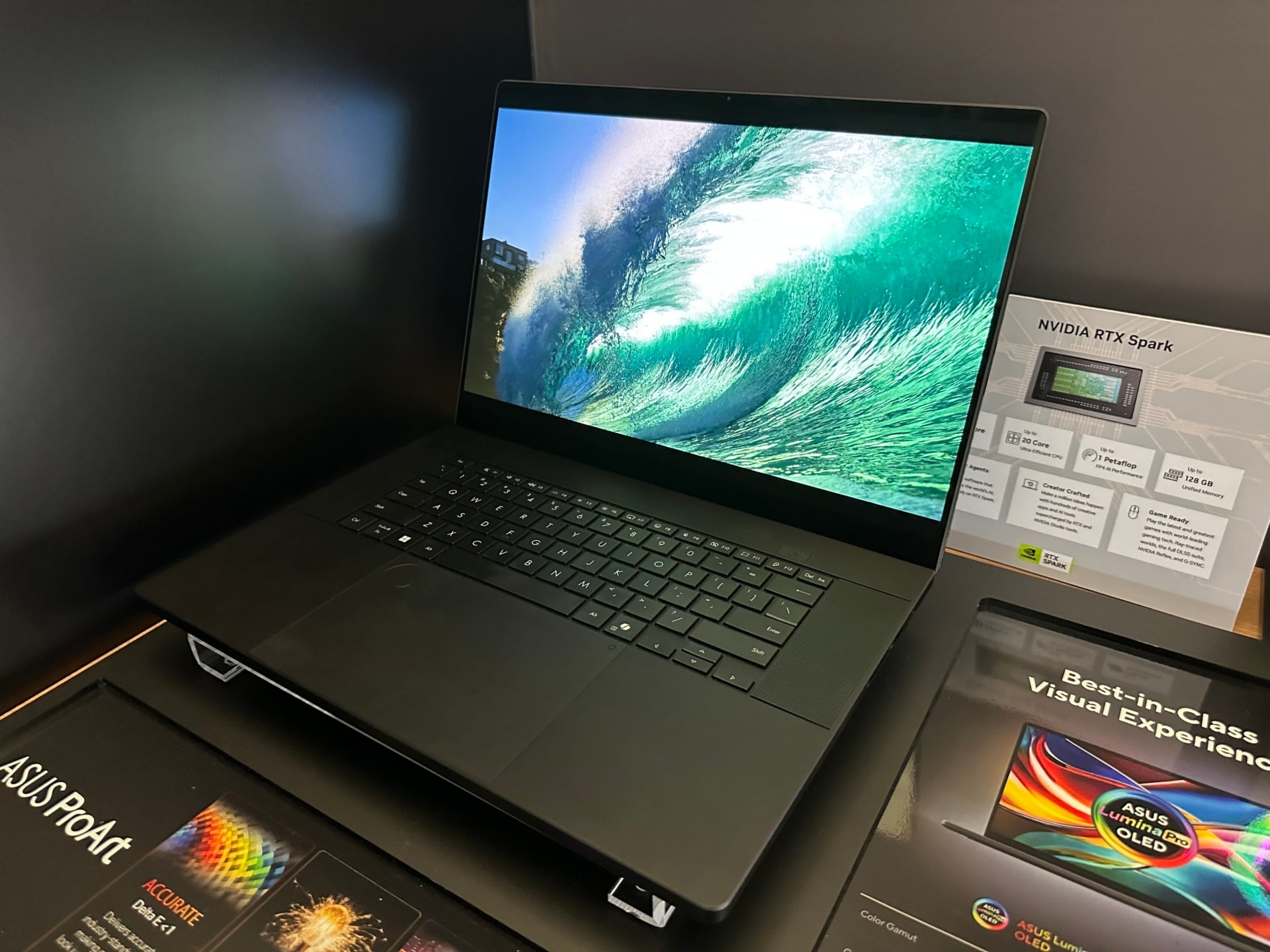
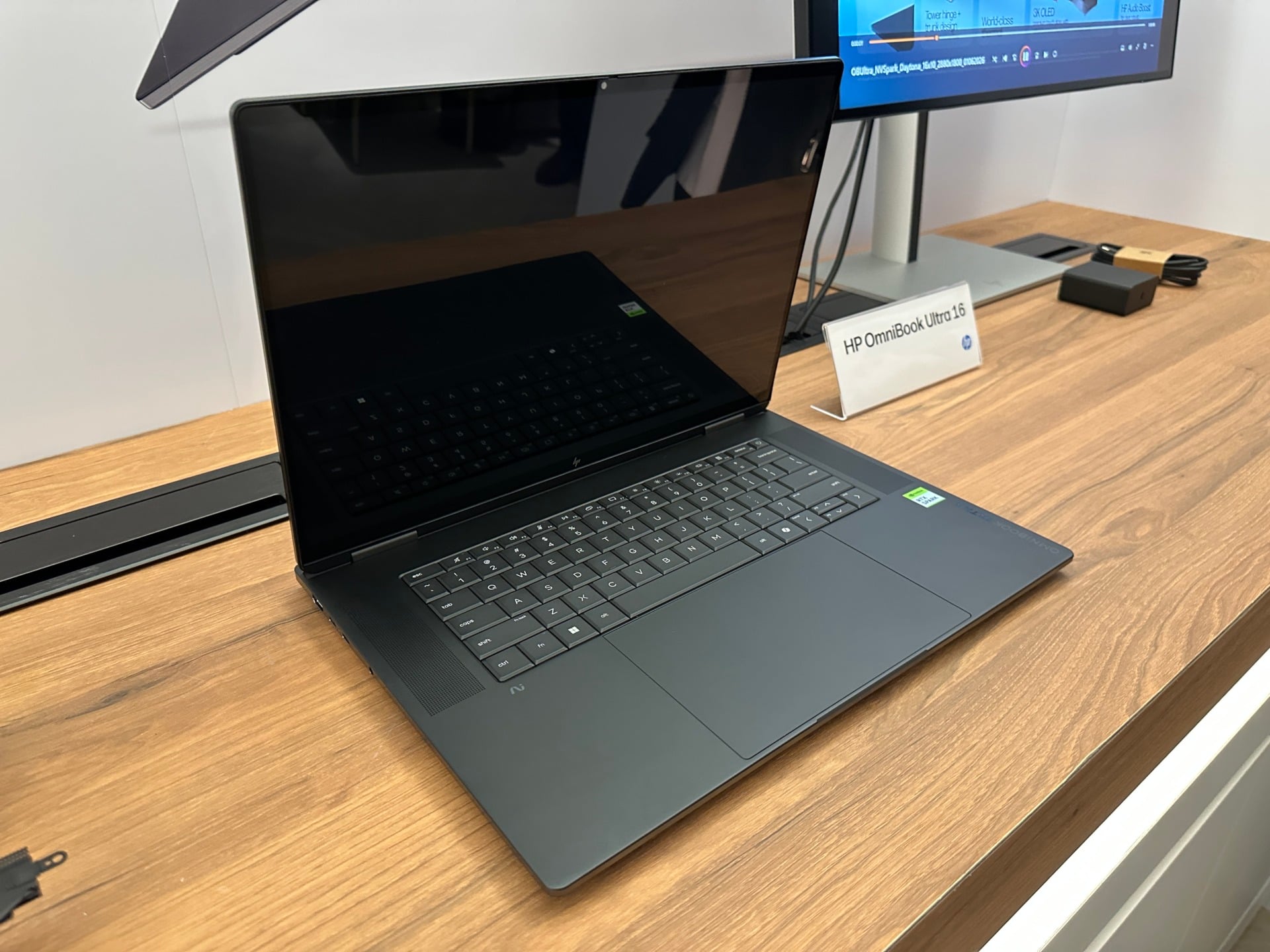
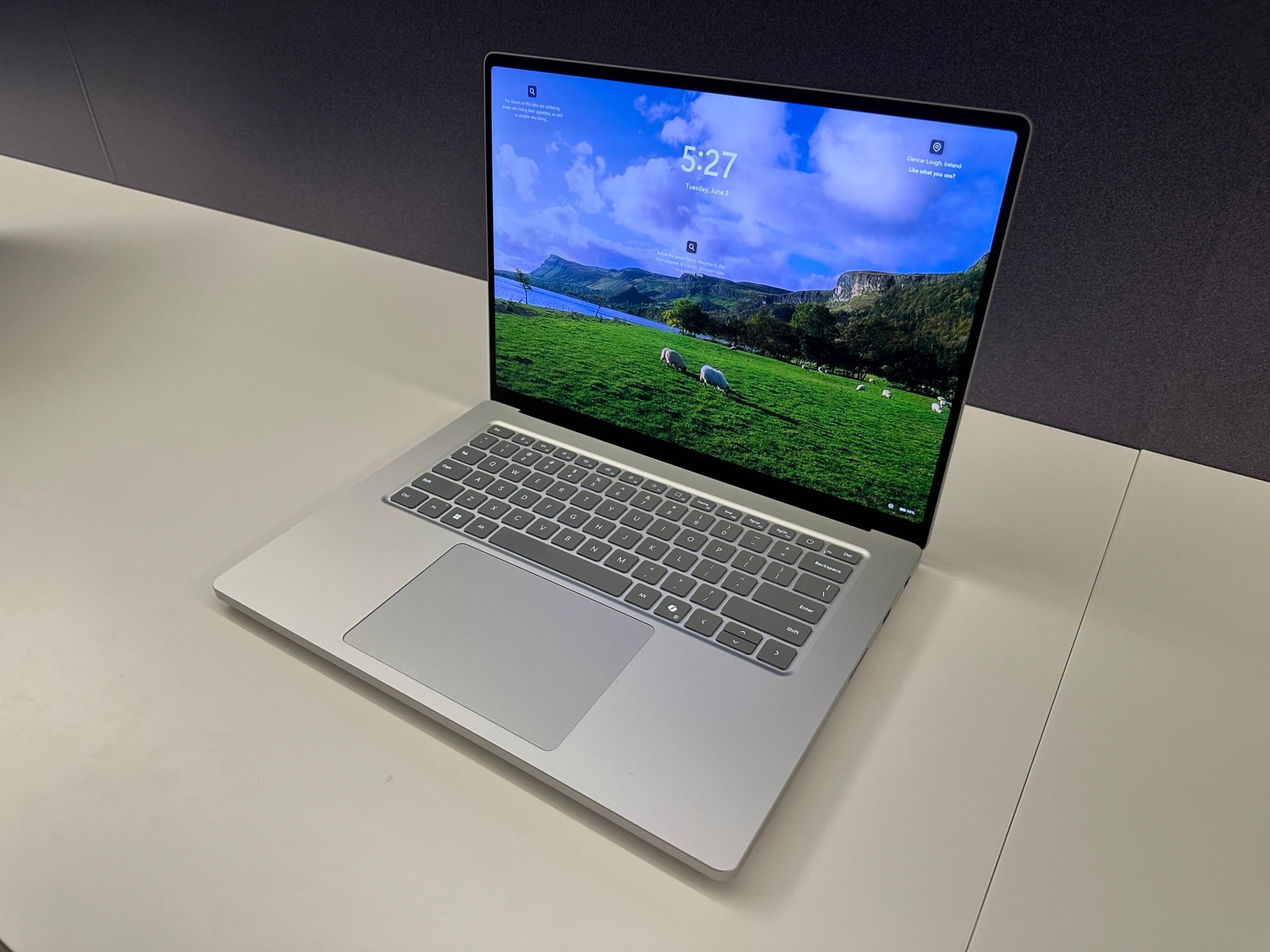
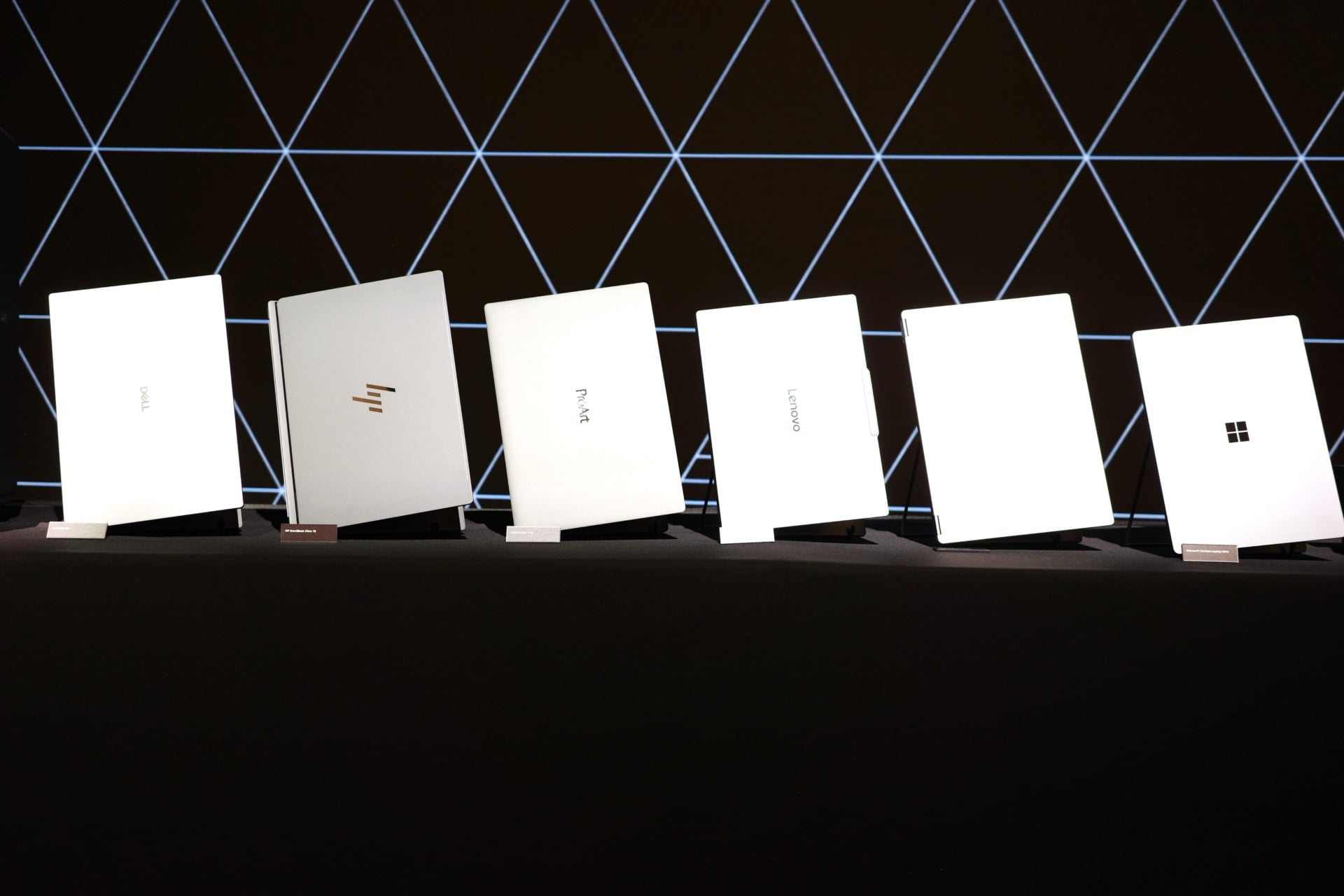
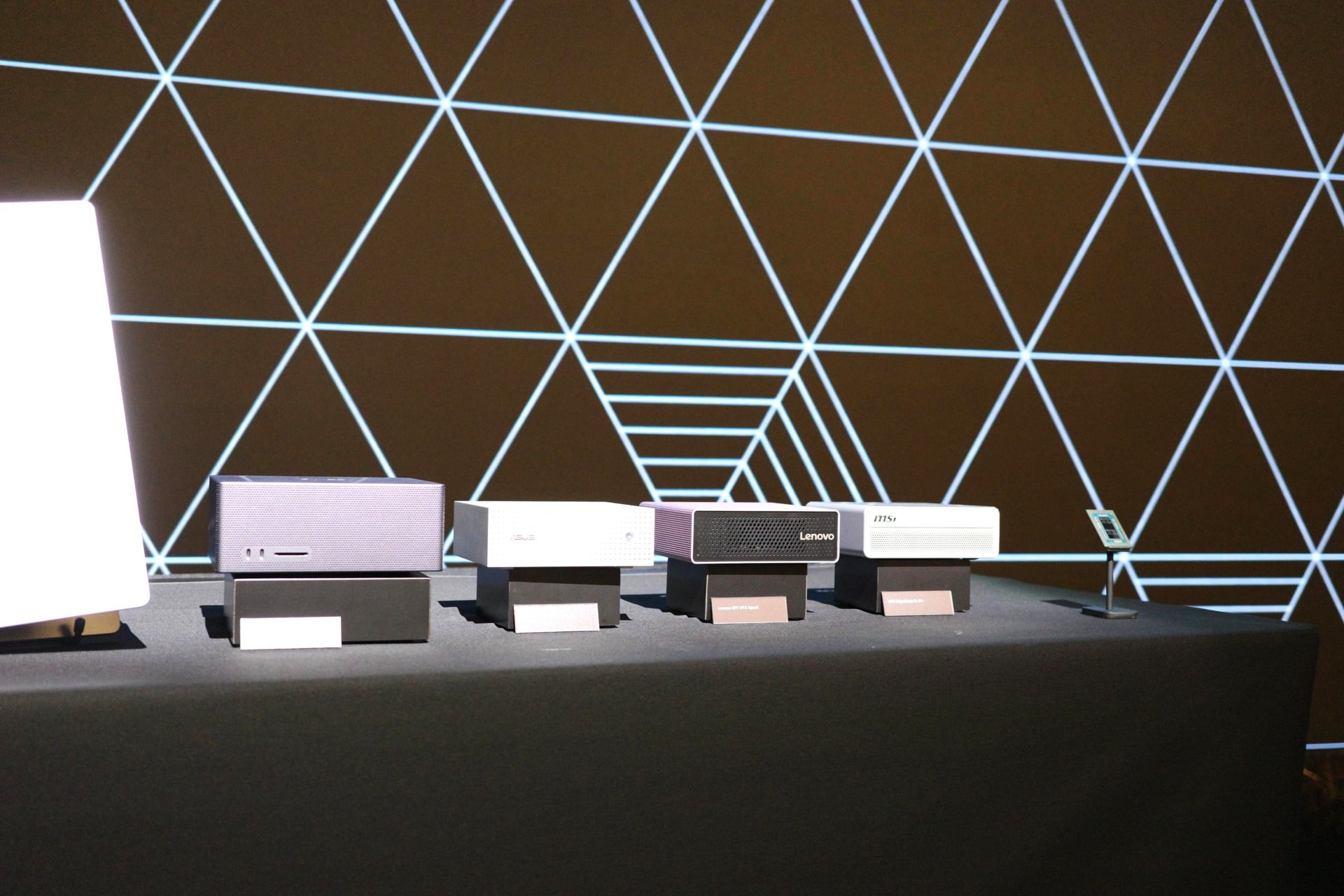
None of the companies that have agreed to build the first laptops featuring RTX Spark chips are allowed to talk about how powerful their upcoming devices will be. Nvidia has been saving that bit for itself. I have, however, gotten a peak at some of these laptops running. Not running any specific apps or benchmarks, mind you, just… running.
There are some products worth paying attention to. I was especially intrigued by the Microsoft Surface Laptop Ultra, with a mini LED display and extra attention to cooling. The Asus ProArt P16 is also a looker, thanks to its 4K OLED display that promises brightness and contrast in one. MSI’s Prestige N16 Flip AI+, the only 2-in-1 of the bunch, includes tandem OLED. Like the Prestige 14 from earlier this year, it includes a pen built into the bottom of the chassis. MSI swore to me that it’s fixed the issue that made the pen a pain in the caboose to insert back into that earlier model.
Most of these companies were also promoting mini PCs with RTX Spark, but there are very few differences between them, save for minute I/O variations. If RTX Spark is supposed to power MacBook Pro competitors, then maybe it can also power Mac mini slayers as well. That will depend on how much each costs, and Nvidia isn’t offering a peep on that front yet. —Kyle Barr
Alienware’s 39-Inch 5K Monitor Looks Even Better in Person
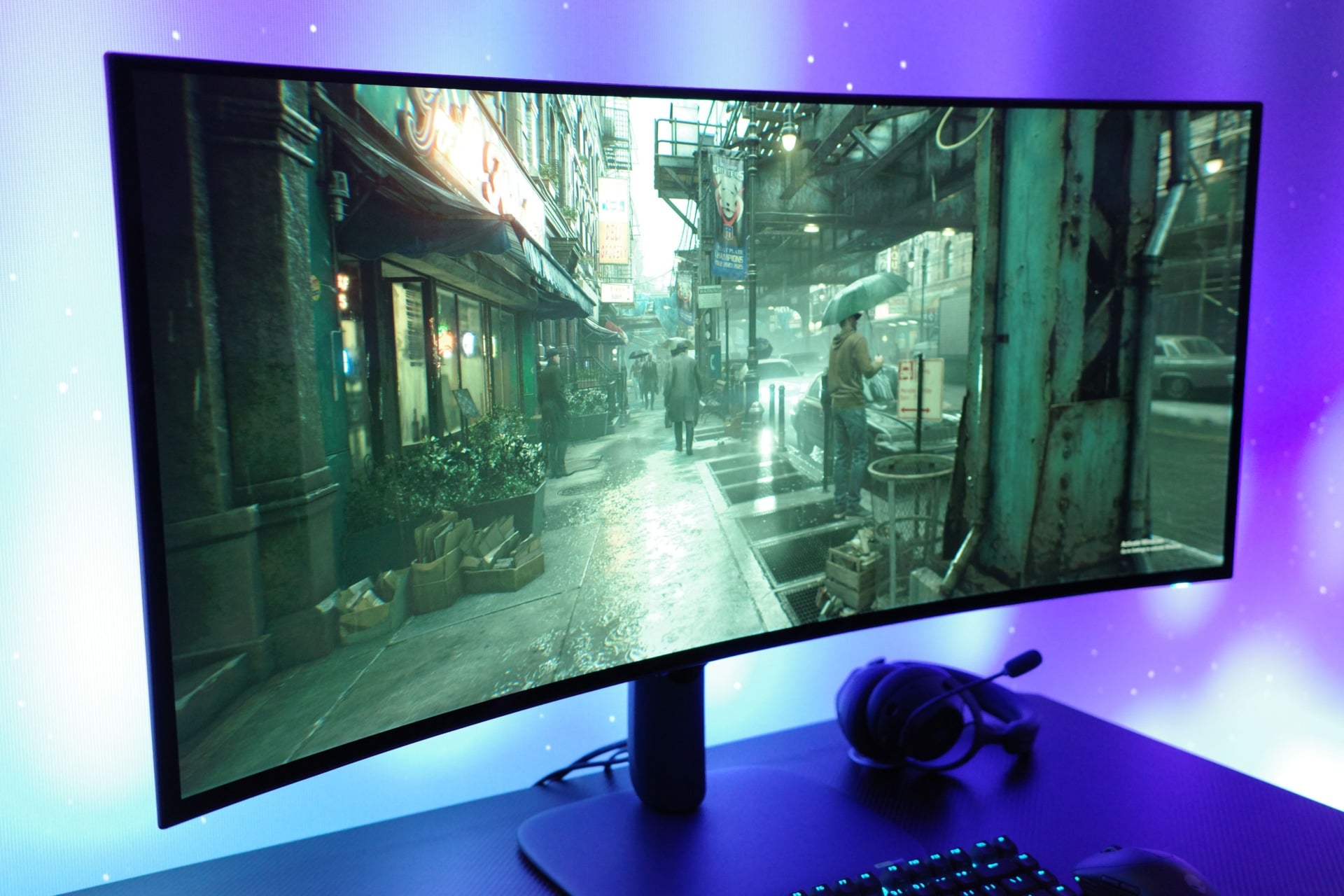
Nothing makes you appreciate a screen like basking in its in-person glow. And Alienware’s upcoming AW3926QW really is a looker. It’s a 5K tandem OLED monitor that supports LG’s RGB Stripe technology, which means it’s bright as QD-OLEDs go and lacks the frizziness you may see around text on similar monitors.
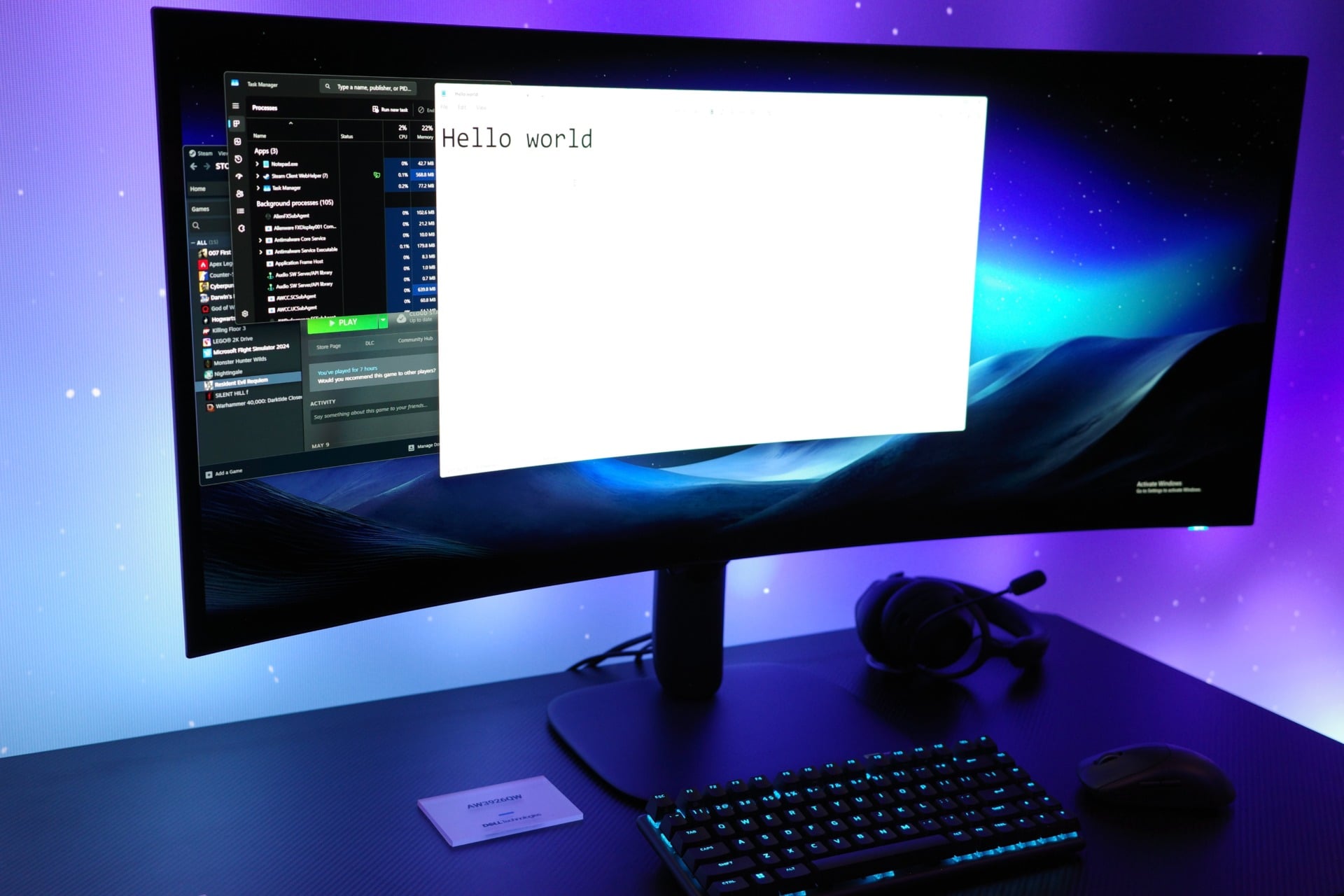
This sucker is bigger in person than you may be able to tell from screenshots. While a 39-inch, 1,500R curved display will fill a desk, the picture quality is certainly among the best I’ve seen at Computex 2026 so far. The monitor uses a glossy finish with an extra anti-reflective layer, so you don’t lose picture quality, and it may reduce reflections or glare from ambient light.
Dell’s gaming brand may not have an exact price point yet. However, company reps said they’re targeting around $1,100. That’s a lot for this monitor category. However, the company’s 2024 32-inch AW3225QF started at $1,200, which makes the AW3926QW sound a little more appealing. —Kyle Barr
Tablet Time
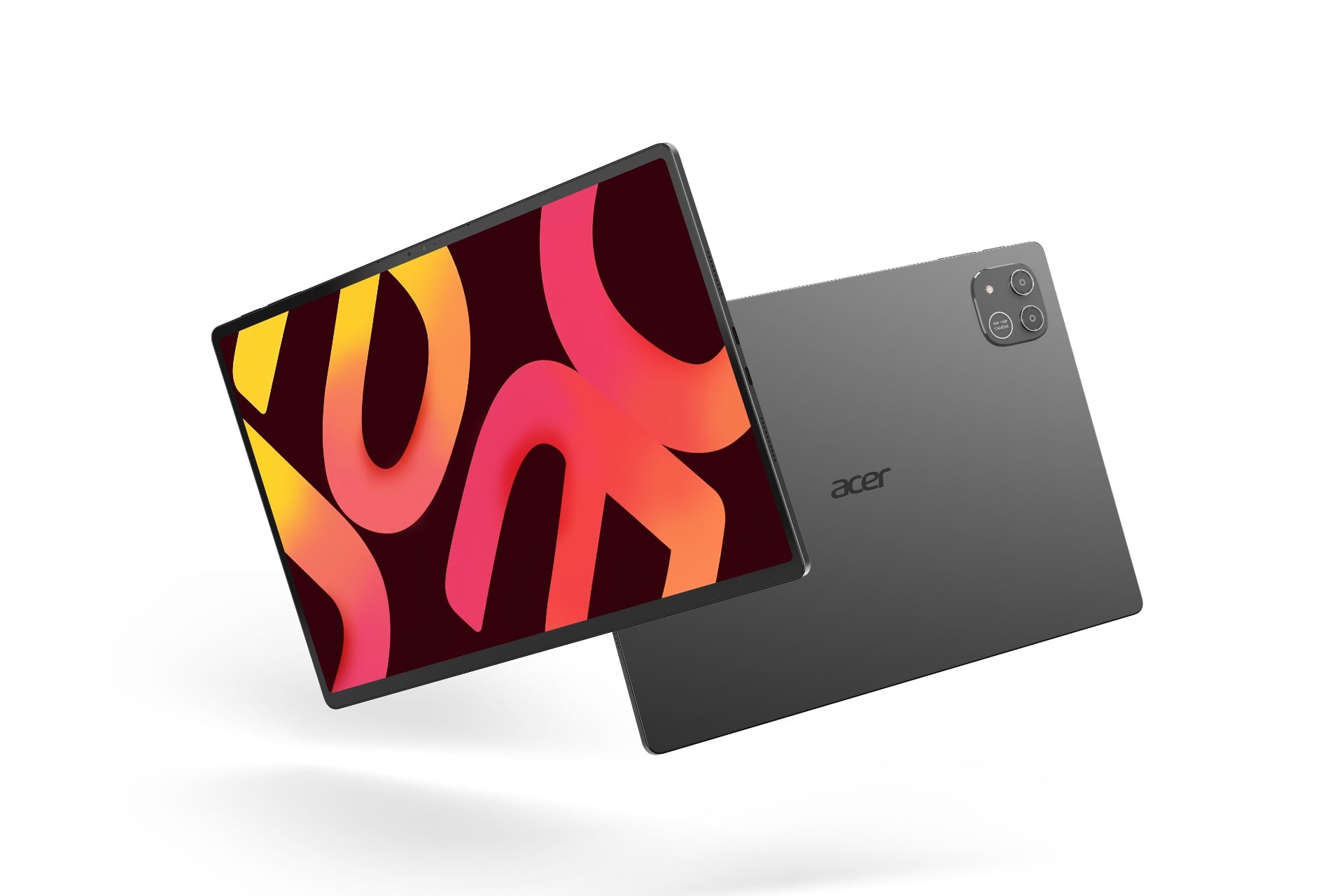
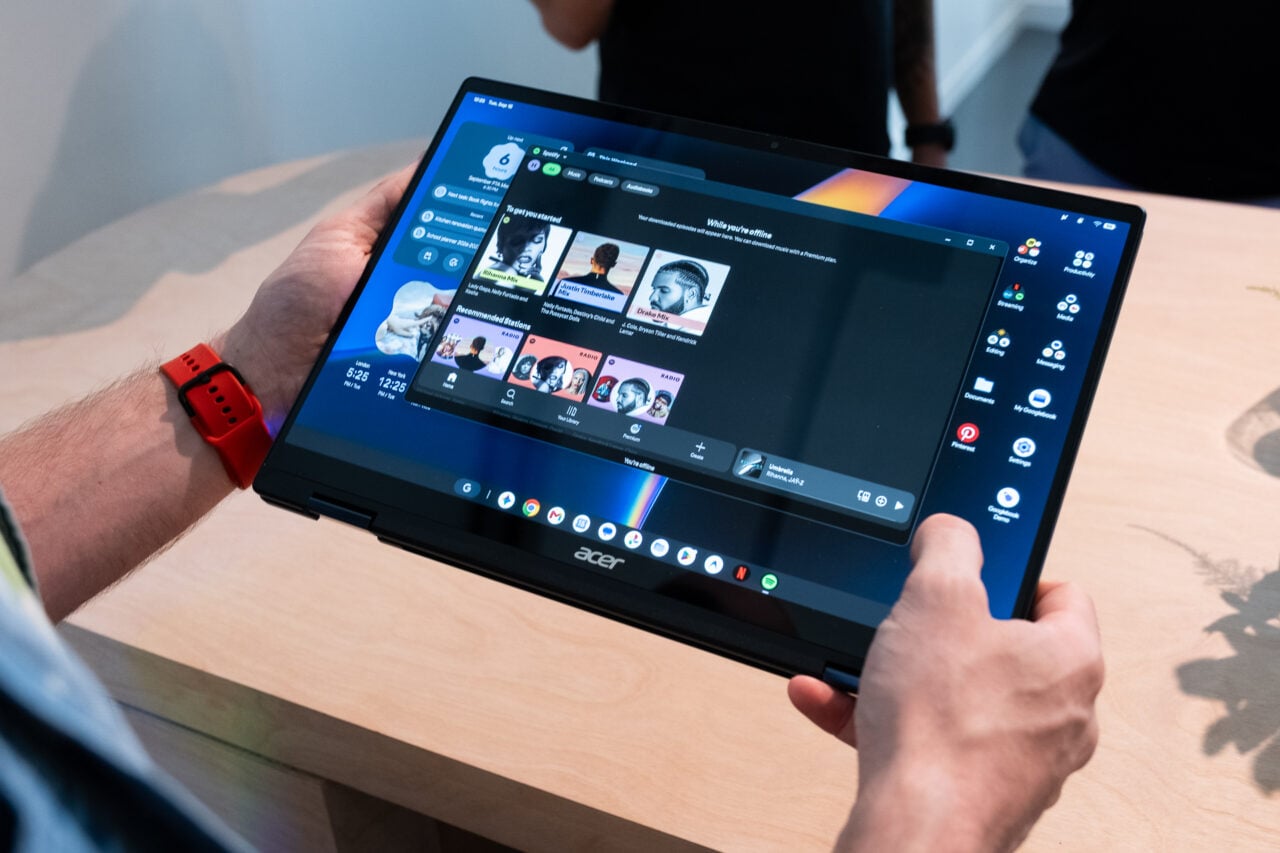
Acer has made quite a few announcements so far, including AR glasses and smart glasses, which is why its new tablets have flown under the radar. If creative tablets are your thing, the Iconia Duo S14 looks solid, with a 14-inch OLED screen and DisplayPort support, allowing you to use it as a second monitor. All three tablets have a 3:2 aspect ratio, too. —James Pero
MSI’s New Handheld Makes a Strong Impression
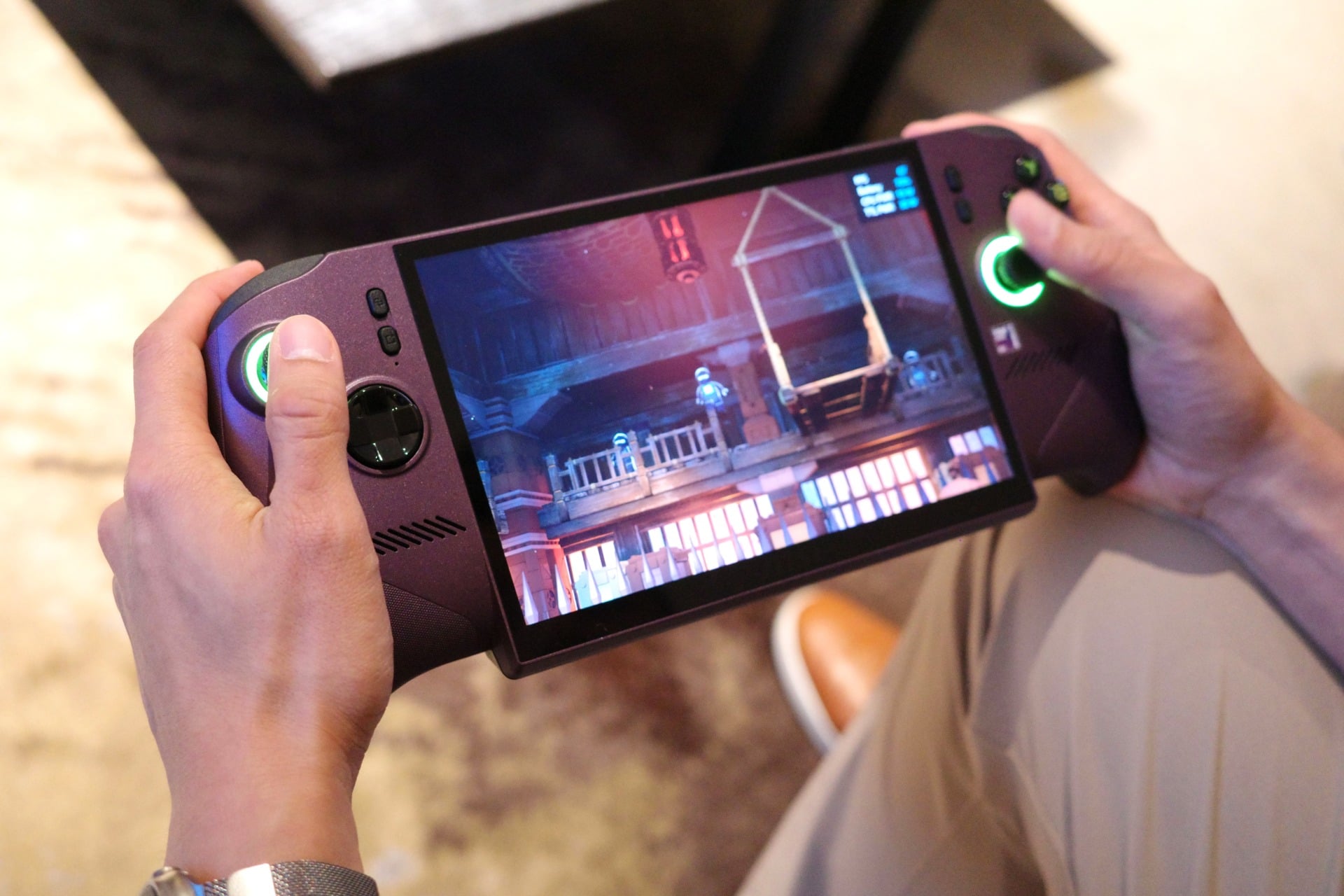
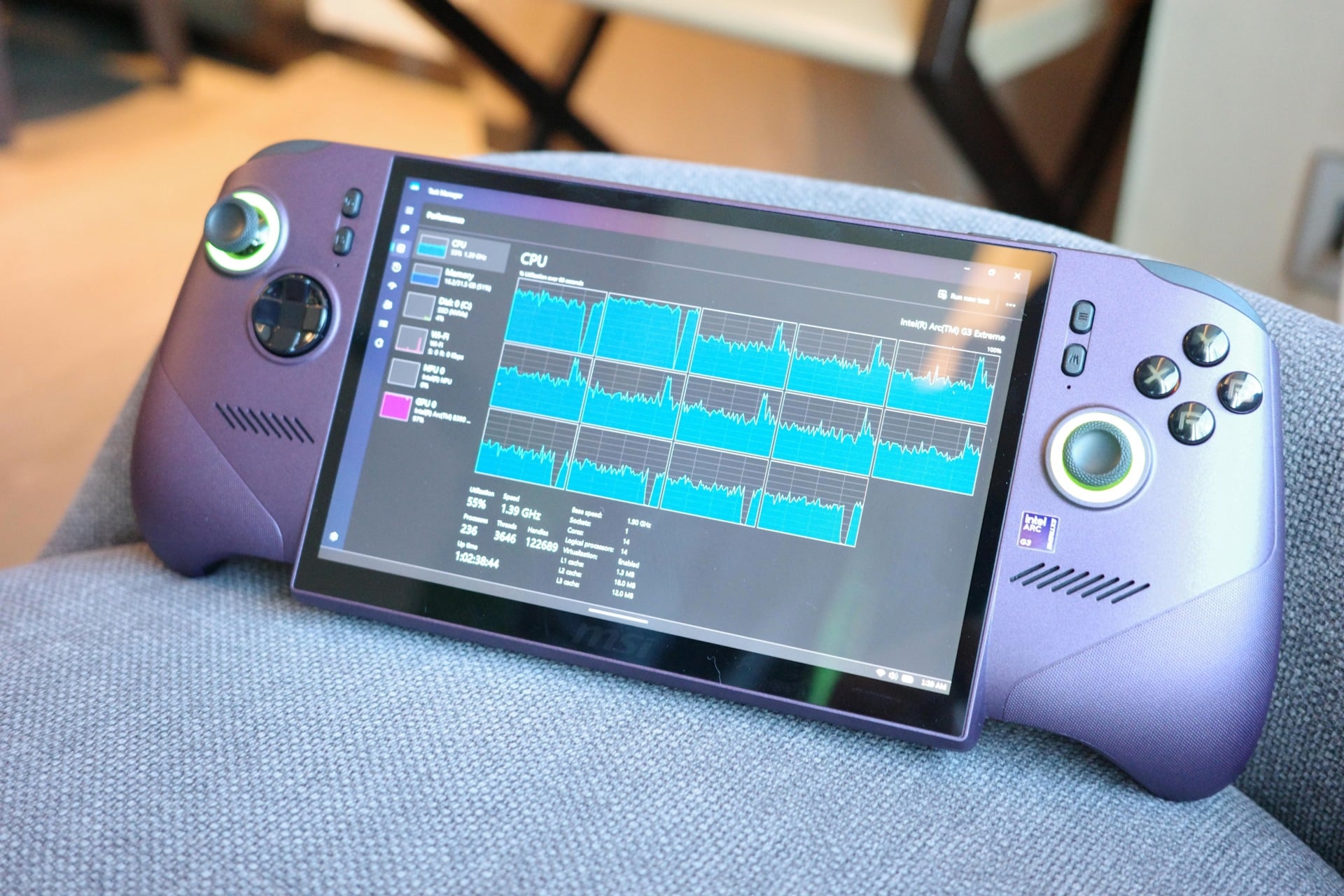
I’ve spent nearly two hours playing the various handhelds sporting Intel’s new Arc G3 Extreme chip. MSI’s Claw 8 EX AI was a clear winner. It had just the right ergonomics for my hands, helping me hold the device aloft. The controls felt finely tuned, and the screen wasn’t bad to boot. But more than anything, it was the overall performance that left me excited for a potential future in which I can play my PC game library with fewer compromises. There’s only one big issue: the expected MSRP of $1,500. —Kyle Barr
Hey, Kid, You Like Dual-Mode Monitors? MSI Made a Triple-Mode Screen
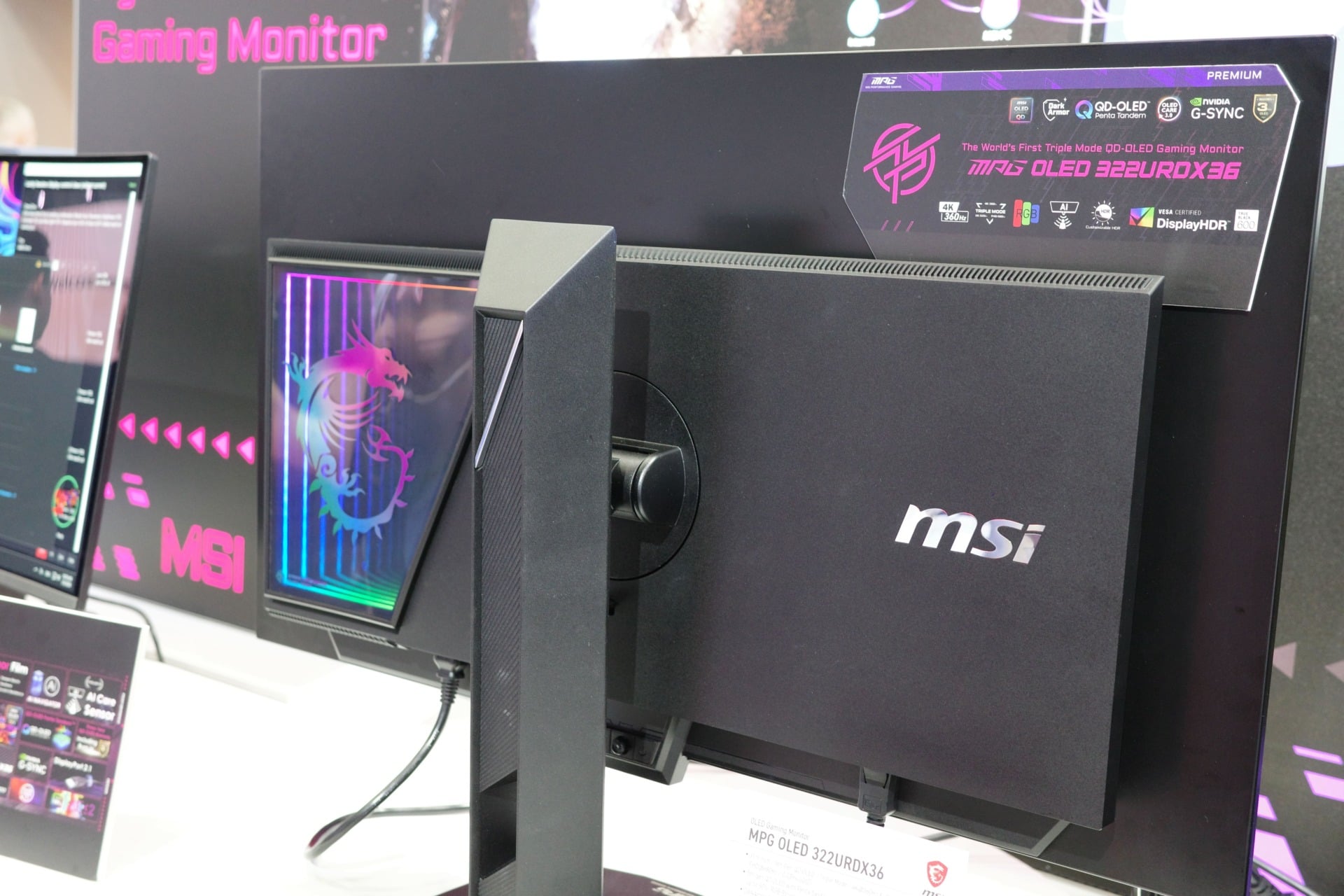
MSI’s new slate of gaming monitors heralds even more versatility for players who want blistering refresh rates at every resolution. MSI has brought its MPG OLED 322URDX36 out into the open, though it’s not ready to turn it on yet. The screen has three modes, with the ability to run 4K at a 360Hz refresh rate (pretty fast), 2K at 520Hz (very fast), and finally 1080p at 680Hz (goddam fast).
There’s even more to this monitor than refresh rates. MSI’s panels are made by Samsung, so the MPG OLED also supports the latest Penta Tandem display technology that the South Korean screen giant is bringing to Computex this year. It also includes RGB Stripe, which helps eliminate the frizziness around text that you may spot on some high-resolution OLED screens.
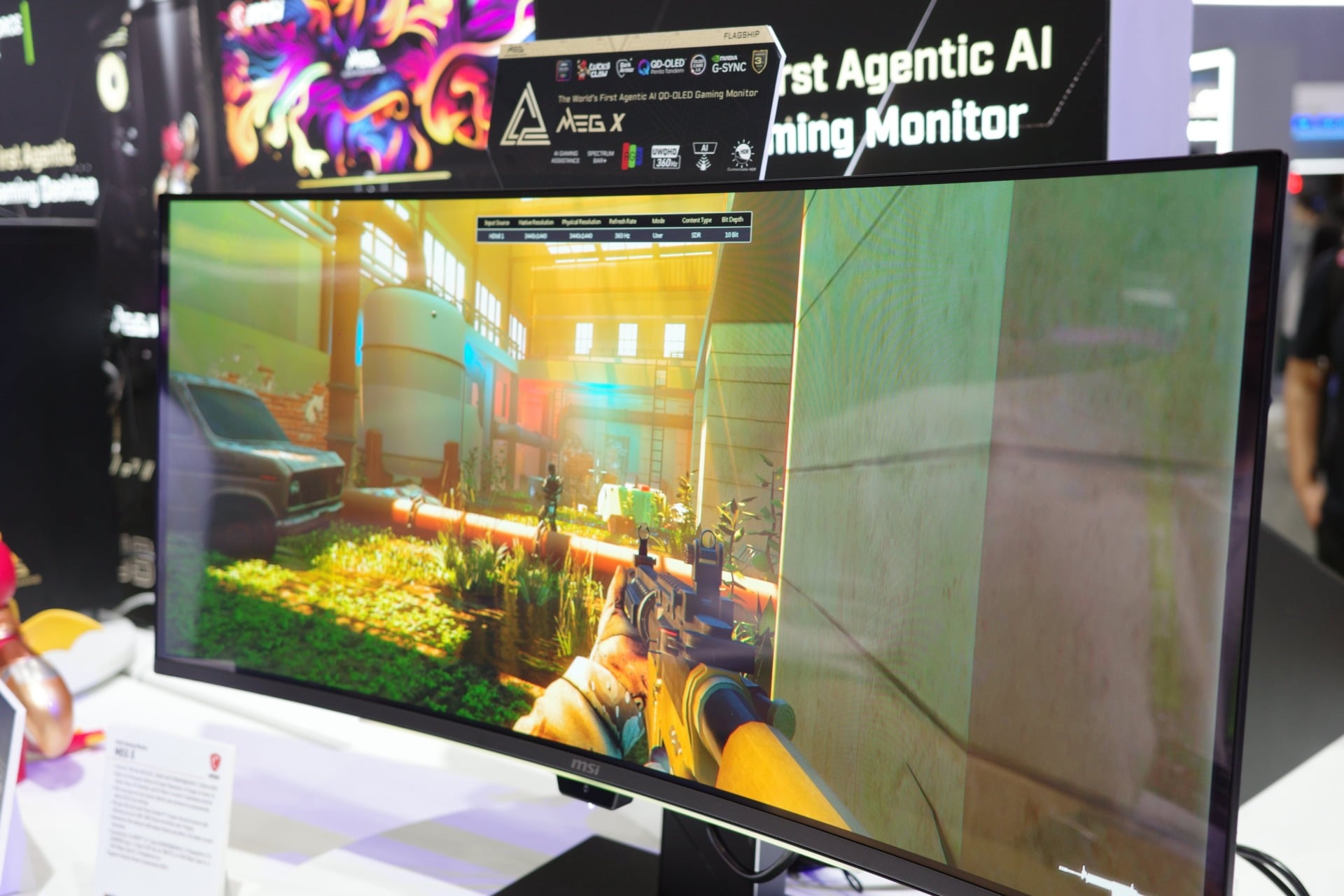
The display can hit a max of 1,500 nits in HDR. MSI isn’t releasing this yet, but it will bring the monitor to CES 2027, where we’ll see it in its full glory. Otherwise, you can avail yourself of MSI’s MEG X, a 34-inch curved monitor with Penta Tandem and RGB Stripe technology. That new monitor also has AI upscaling directly built in, plus other AI features that will track characters in games or zoom in on enemies (nope, definitely doesn’t sound like cheating). —Kyle Barr
Expect Intel’s Answer to AMD’s X3D Chips Sooner Rather Than Later
During a Q&A session with media, Intel execs were asked whether they had any plans for a desktop-ready chip to counter AMD’s ultimate gaming-performance CPUs. AMD’s chips, like the Ryzen 7 9850X3D, use a 3D V-cache structure that stacks memory on top of itself, making it easier for the chip to access its memory pool—something that’s especially important for graphics scenarios.
CEO Lip-Bu Tan, being “The Bu,” had the authority to pawn the question off to Intel’s general manager of client computing, Alex Katouzian (who was a Qualcomm executive until about a month ago). Katouzian said, “We have a very strong road map coming, and we will be gunning for that section of the market.” Gizmodo has already reported on recent leaks suggesting Intel is working on a “big last level cache” (bLLC) intended to enhance gaming, similar to X3D. —Kyle Barr
‘Humans Rent Cores, but Agents Get Work Done’

During a Q&A with media and analysts, Nvidia CEO Jensen Huang had strong opinions about the future of “personal computing.” When answering a question about its new Vera CPU, Huang explained that it “isn’t built for humans,” adding that “humans rent cores, but agents get work done.” That’s a very choice take, considering that the very nature of computing, for years, has centered on pushing CPU power to produce output.
Jensen would now like to give AI any additional compute power that comes along. Of course, the company’s all-new RTX Spark PCs are built explicitly to push the GPU, which you would imagine is a nice bonus for graphics tasks and gamers. If the end of this road is to run AI partially on mobile platforms and partially in the cloud, computers may be locked into a larger network ecosystem. The result will necessarily mean less control over your own devices, and that seems to be what Nvidia wants. —Kyle Barr
Everybody’s Got Glasses Now

It seems like everybody wants to stick a secondary screen right in front of their eyeballs. Acer’s come to Computex with another weird one: the Acer AR Glasses GR0. They’re akin to the pair of smart glasses co-developed by Xreal and Asus, but with micro OLED displays that support up to 1080p resolution. These smartglasses also cost $500 and require that you use a cable to tether them to the device whose screen you’re mimicking. So, yes, that means they may have limited use cases. But I will say that during a 15-hour plane flight, such as the one I took to get here, a pair of these might’ve been useful. —Kyle Barr
The ROG Xbox Ally OLED Is Here
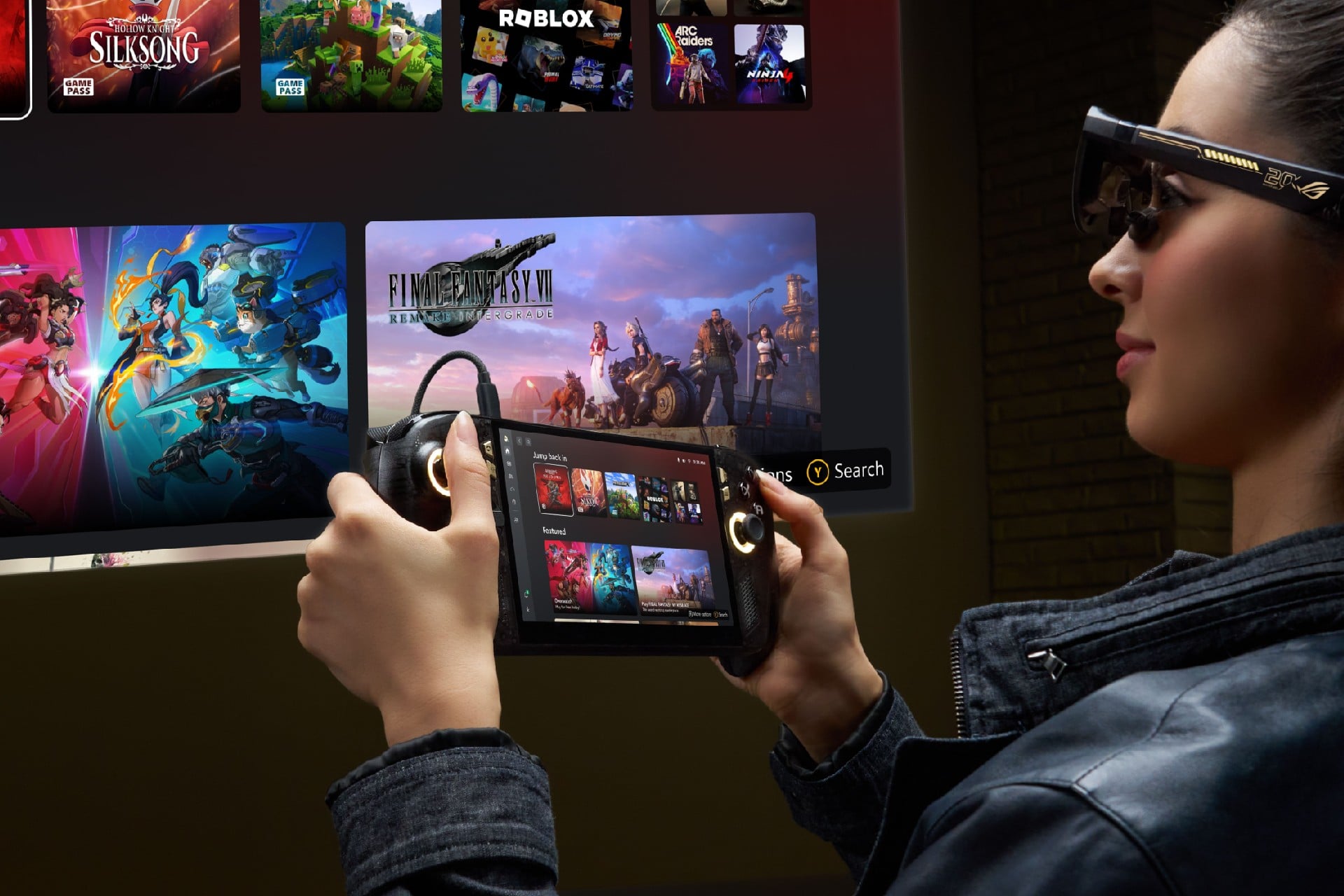
When Valve released its revised Steam Deck OLED in 2023, it became the perfect sweet spot handheld for years (until recent price hikes, that is). Asus is performing a similar magic trick with its 20th anniversary edition of the ROG Xbox Ally X. It’s more than just a re-skin. The OLED display offers better contrast than IPS LCD, and the device sports TMR joysticks to reduce the chance of drift. There’s also a new action button, replacing the old library key, that lets you take screenshots or perform other quick in-game actions. The strange thing is that Asus will only let you buy it bundled with a pair of its ROG Xreal R1 AR glasses. We still don’t have pricing info yet, but don’t expect a cheap ROG Xbox Ally X with ROG Xreal R1 AR bundle (say that five times fast). —Kyle Barr
Have an Old Motherboard? Now You Don’t Need to Upgrade
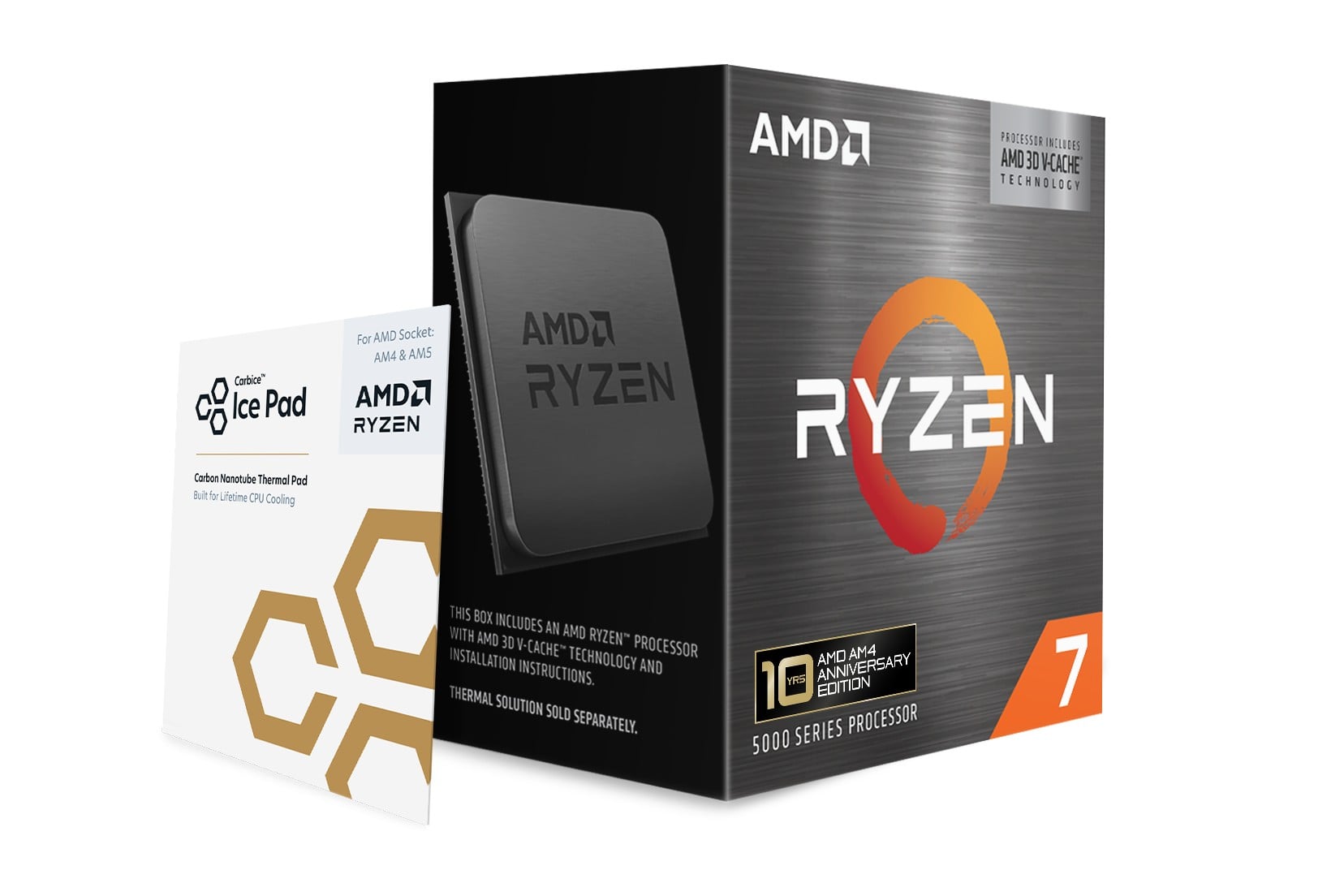
There’s good news coming to anybody using old sockets of AMD’s AM4 motherboards. AMD has long promised it would support the AM4 motherboard socket for its desktop CPUs for years down the road. We honestly didn’t expect AMD would even relaunch its older CPUs built for gamers first. The Ryzen 7 5800X3D starts at $350 and should be available this June. That means it costs $350, less than what the scalpers typically demand in 2026, and it’s still $100 less than the GPU did at launch. That’s one way to deal with the ongoing RAM pricing crisis, I guess. —Kyle Barr
Alienware’s Fan-Favorite Monitor Is Now Larger and Comes in 5K
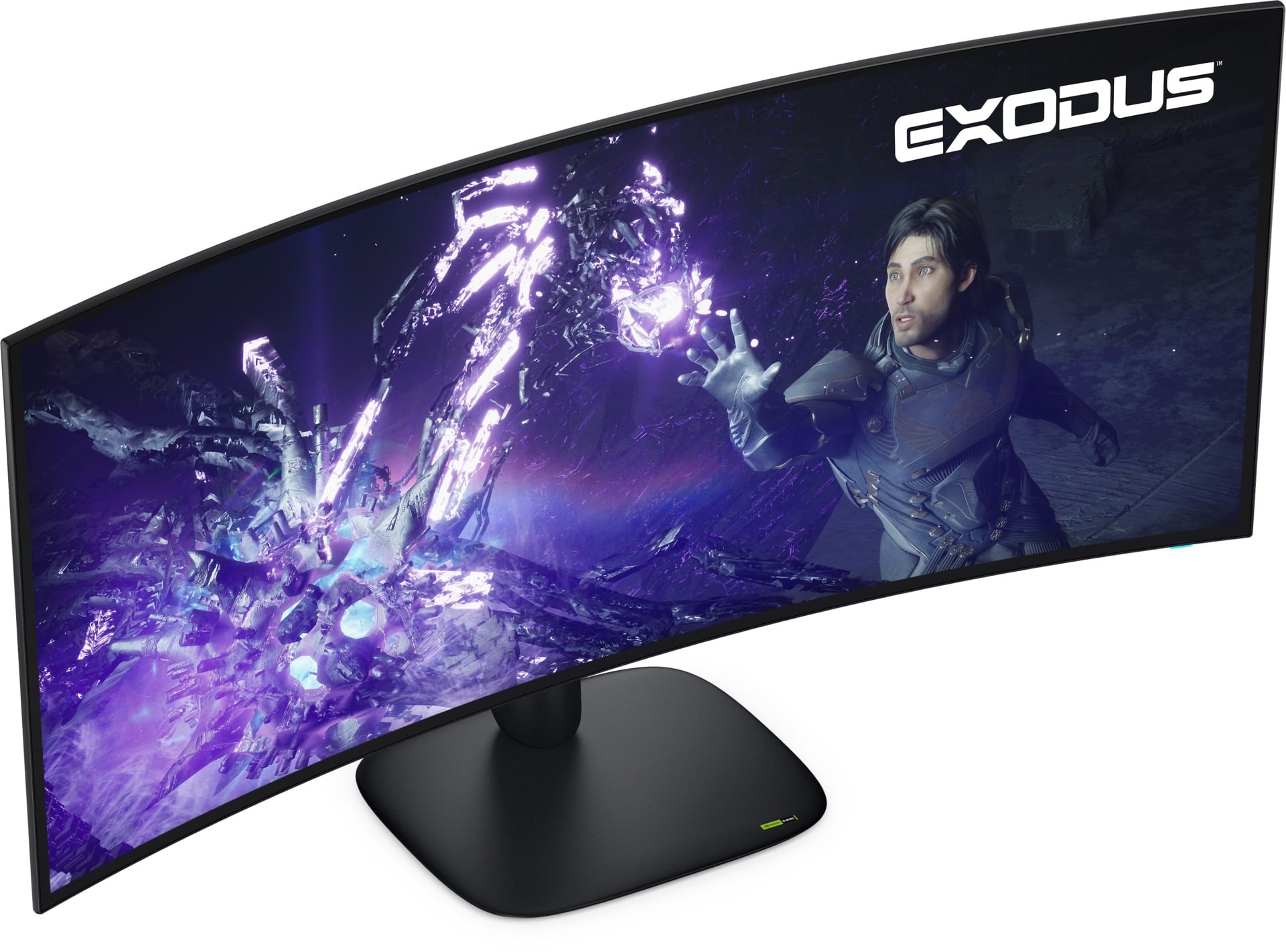
Do you need 5K to enjoy premium gaming? No. A 4K resolution display is plenty for today’s slate of demanding games. That isn’t stopping Alienware from dropping what immediately seems the most excessive monitor at this year’s Computex. Alienware’s dual-mode monitor hits 165Hz at its max 5K and still it measures 39 inches from corner to corner. The screen also features LG’s novel full ‘Stripe RGB’ panels that boosts brightness and eliminates fraying of some individual words on OLEDs. —Kyle Barr
We Can Be Excited About the XPS 13 Again
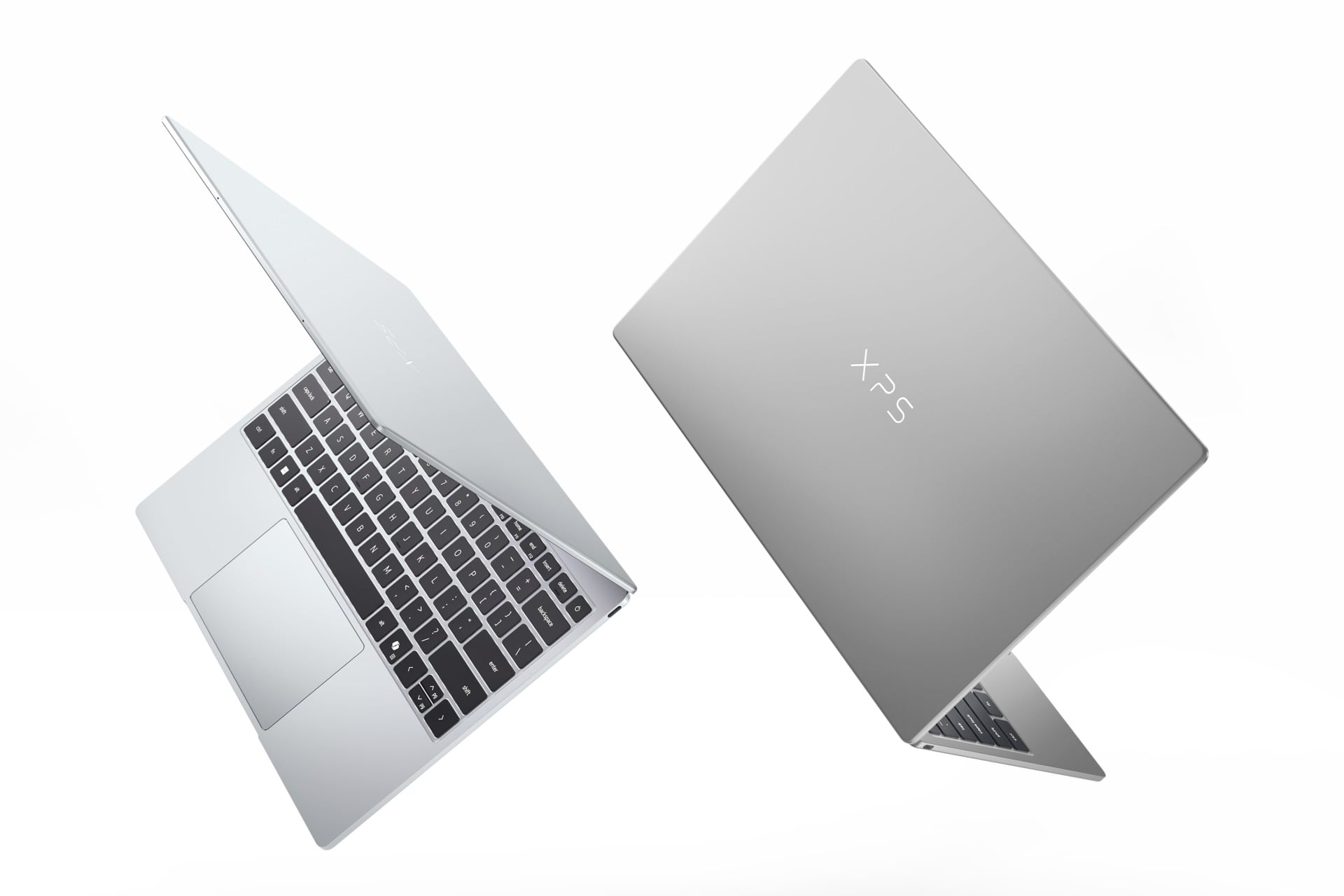
The reason you can feel a little extra excited about Dell’s on-again, off-again XPS laptop brand is twofold. One—the most obvious reason—is because the new XPS 13 costs $700 at its base. You can get it for $600—the MacBook Neo price point—if you claim a student discount. In addition, Dell’s budget laptop promises a high-quality all-aluminum shell, a 2,560 x 1,600 resolution display, and extra features like a backlit keyboard and upgradeable RAM. Dell is explicitly targeting the Neo at this price point, but if it can show that PCs can feel good and cost less again, it will be a change of pace for how premium laptops have become in recent years. —Kyle Barr
MSI Is Clawing Back Into Intel-Based Gaming Handhelds
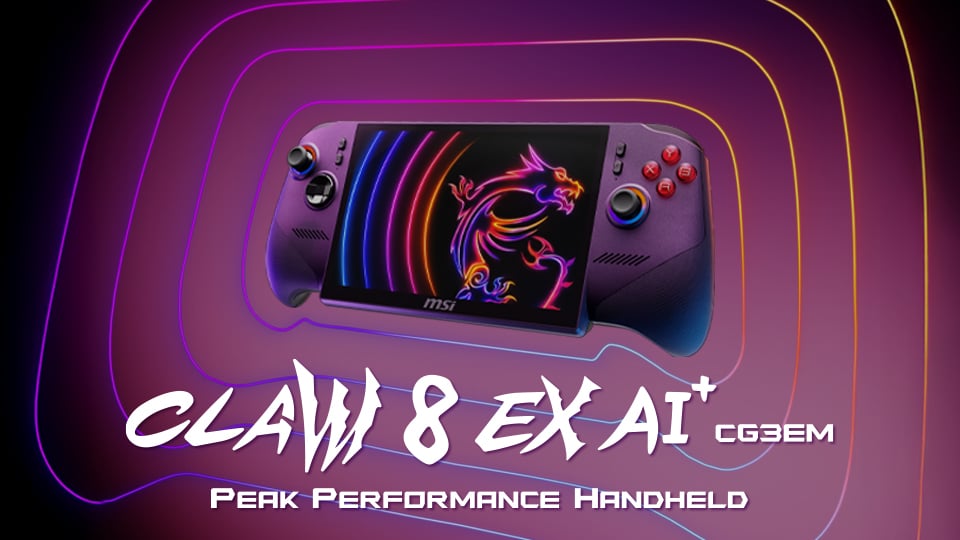
MSI’s Claw 8 AI+ was the first handheld gaming PC that proved Intel’s laptop chips worked pretty damn well for portable gaming. It makes sense that the company would also be one of the first to reveal a travel-friendly device sporting Intel’s Arc G3 handheld chips. The new handheld is called the MSI Claw 8 EX AI+, so don’t get yourself confused.
Like the last Claw 8, this new model is using an 8-inch display that can hit a 120Hz refresh rate with VRR (variable refresh rate) support. The big difference this go-around is the more ergonomic grip design and a “Void Purple” colorway that first reminds me of the Lenovo Legion Go S with SteamOS. We’re excited to see how well it performs compared to the last Claw 8 as well as all those handhelds running AMD Z-series chips. The one hurdle is price, approximately $1,500. The original Claw 8 started at $1,000 at launch. Nowadays, you’d be hard-pressed to find it at a price point below $1,130. —Kyle Barr
Well, That Sounds Dystopian

During Qualcomm’s future-looking keynote, CEO Cristiano Amon offered even more embellishments about the inevitable arrival of next-gen connectivity, 6G. Qualcomm had been very consistent that updated data speeds will be necessary for devices that rely on cloud-based AI. When referring to smart glasses, Amon said, “6G will make us walking cameras.” That’s an interesting thought, considering the significant privacy implications inherent in wearable devices like smart glasses.
6G devices are supposed to connect everything, so high-speed connectivity of video sure does sound like the point is to turn the world into an inevitable panopticon. “The whole network is an AI network… it’s part of a very large data center,” Amon added. That doesn’t exactly make me very excited, to be honest. —Kyle Barr
The Microsoft Surface Is Going Ultra
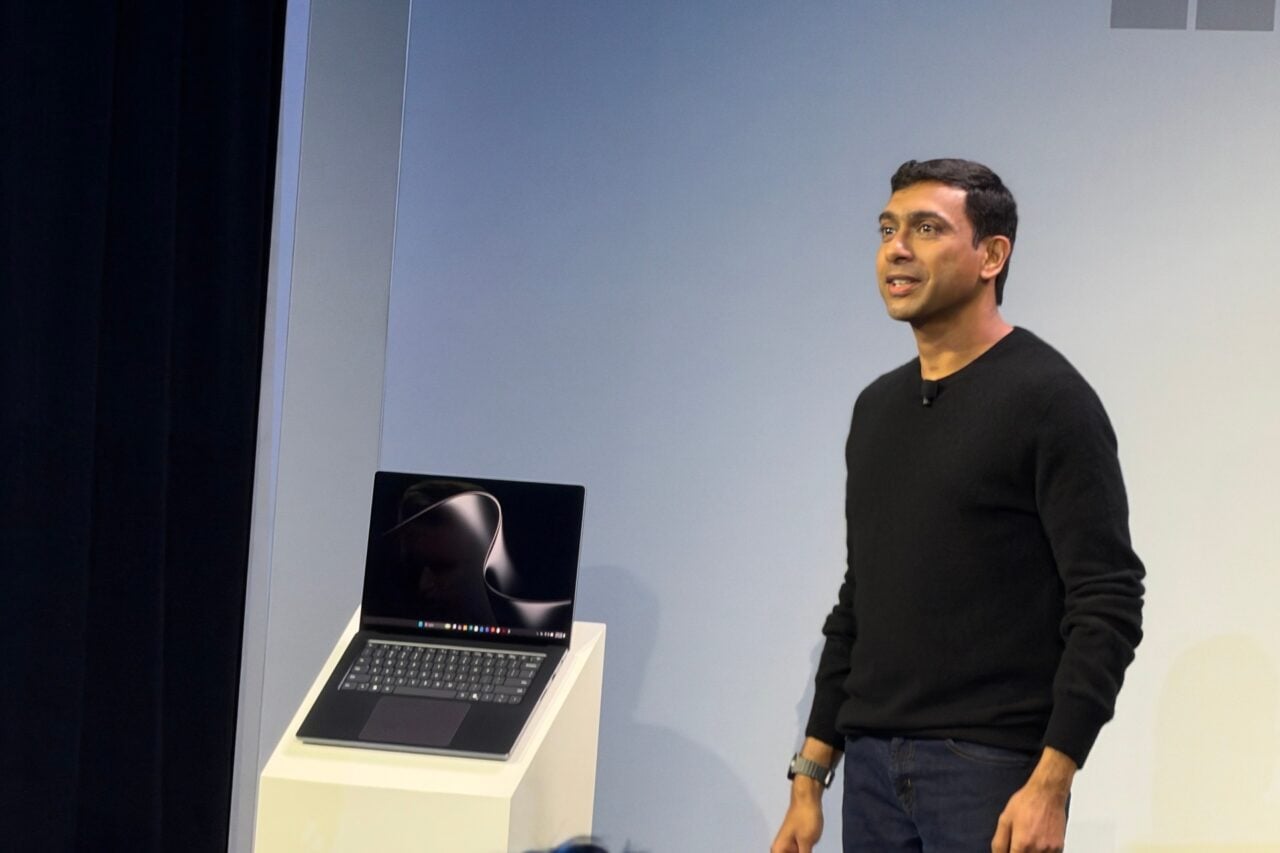
Microsoft is now hooking up with Nvidia on its next Surface laptop. The Surface Laptop Ultra comes packed with the new N1X chip and its 20 CPU cores and Blackwell GPU. Microsoft touts the promise of up to 128GB of unified memory and the efficient ARM-based architecture.
It’s meant to be a premium device with a mini LED display that claims up to 2,000 nits of peak HDR brightness. It will also feature a haptic trackpad and plenty of ports. When’s it coming? Later this year, according to Microsoft. How much will it cost? Microsoft isn’t saying yet, but expect it to be $$$$. —Kyle Barr
A Picture Is Worth 1,000 AI Overpromises
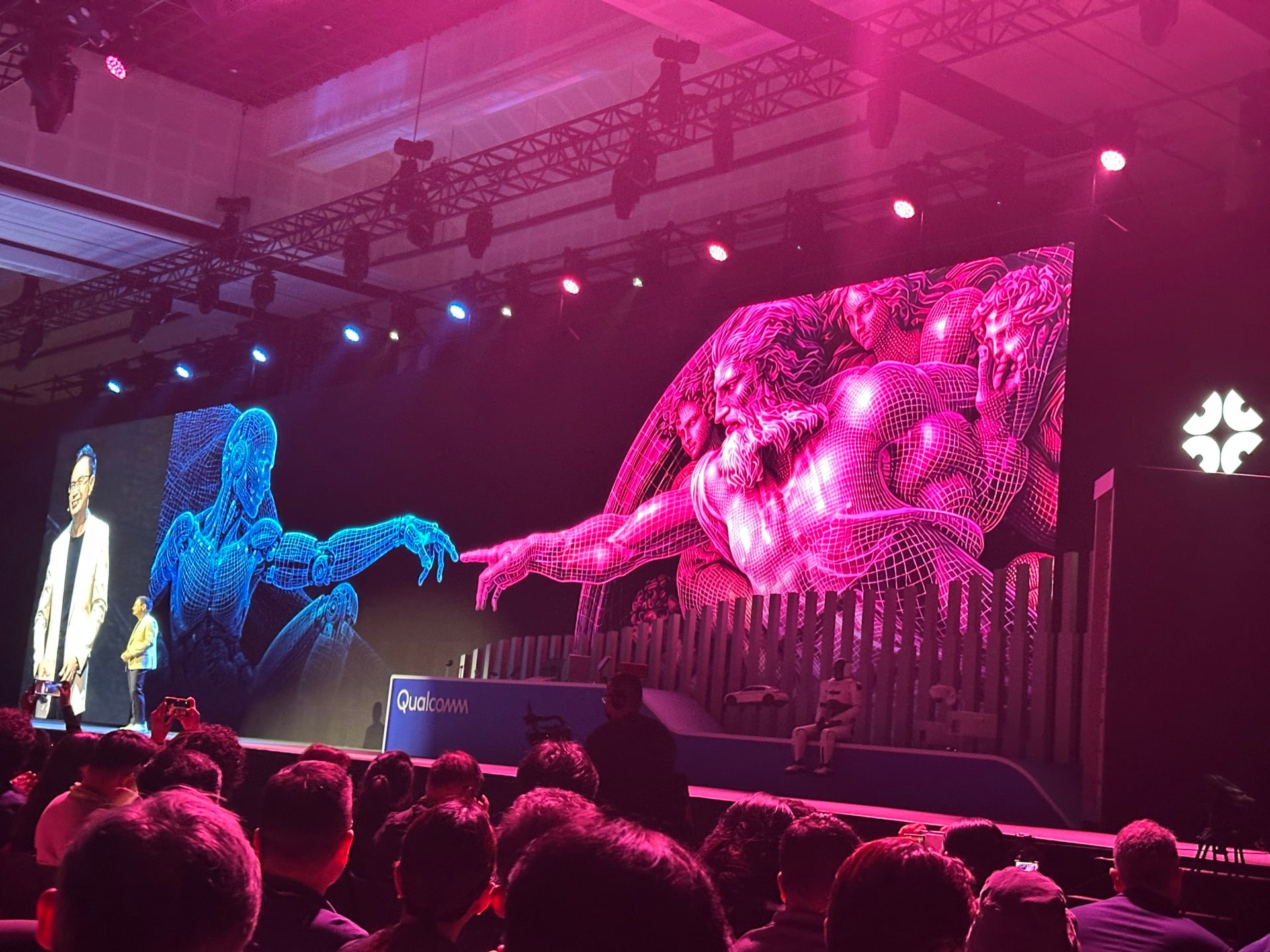
In its opening keynote, Computex tried to push the main theme of this year’s trade show, “AI Together.” Of all the AI-generated images and videos permeating these recent keynotes, this odd rendition of Michelangelo’s Sistine Chapel ceiling feels the most telling. —Kyle Barr
How Much Would You Spend on an Nvidia Shirt?

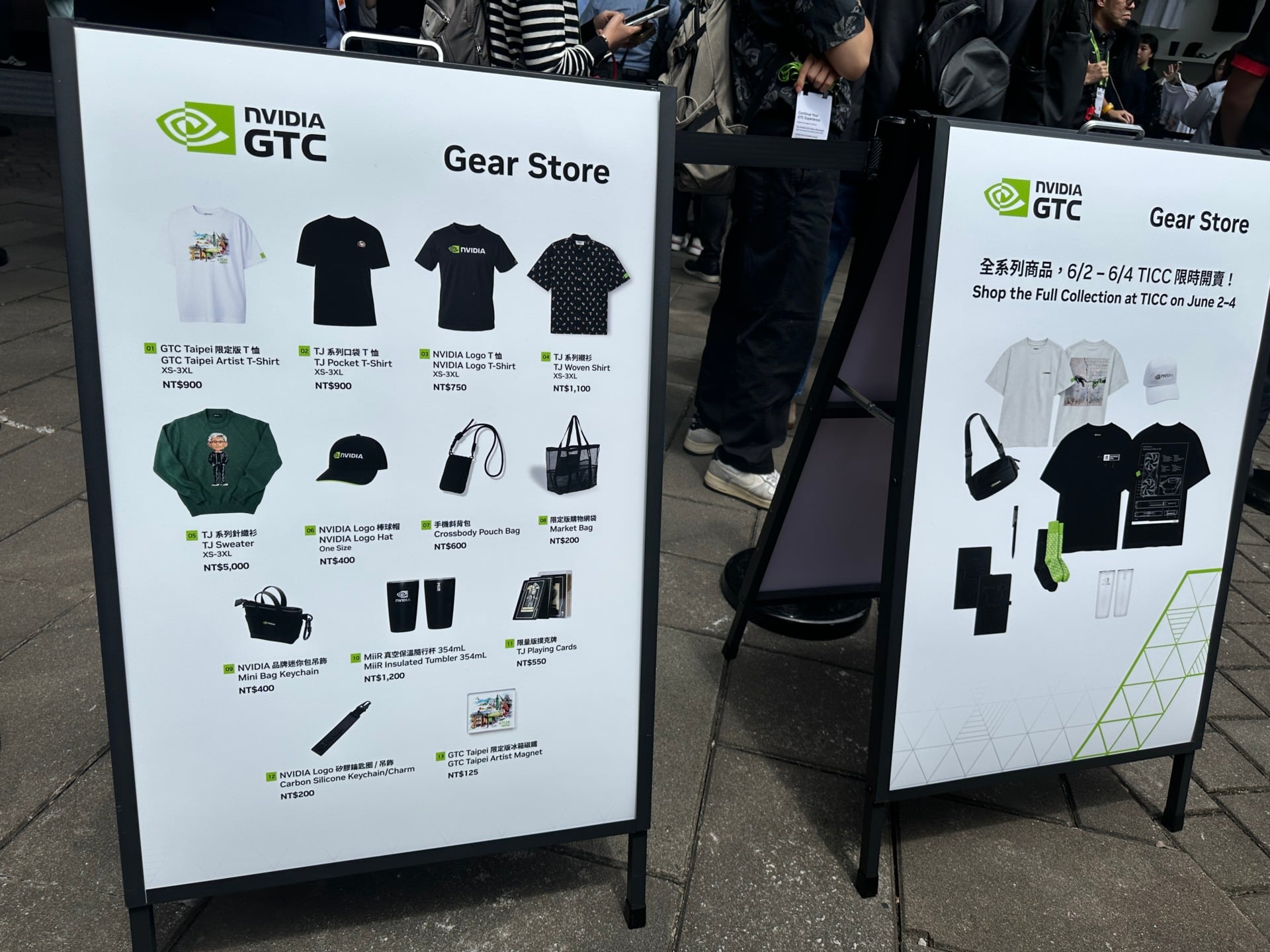
Nvidia’s keynote is over, and already there’s a massive line forming to buy company merch. It’s unfortunate that the world’s most valuable company still feels the need to charge so much for branded clothing. A T-shirt is worth the equivalent of $30. That sweater is roughly $160. —Kyle Barr
Nvidia’s RTX Spark Will ‘Reinvent PCs’
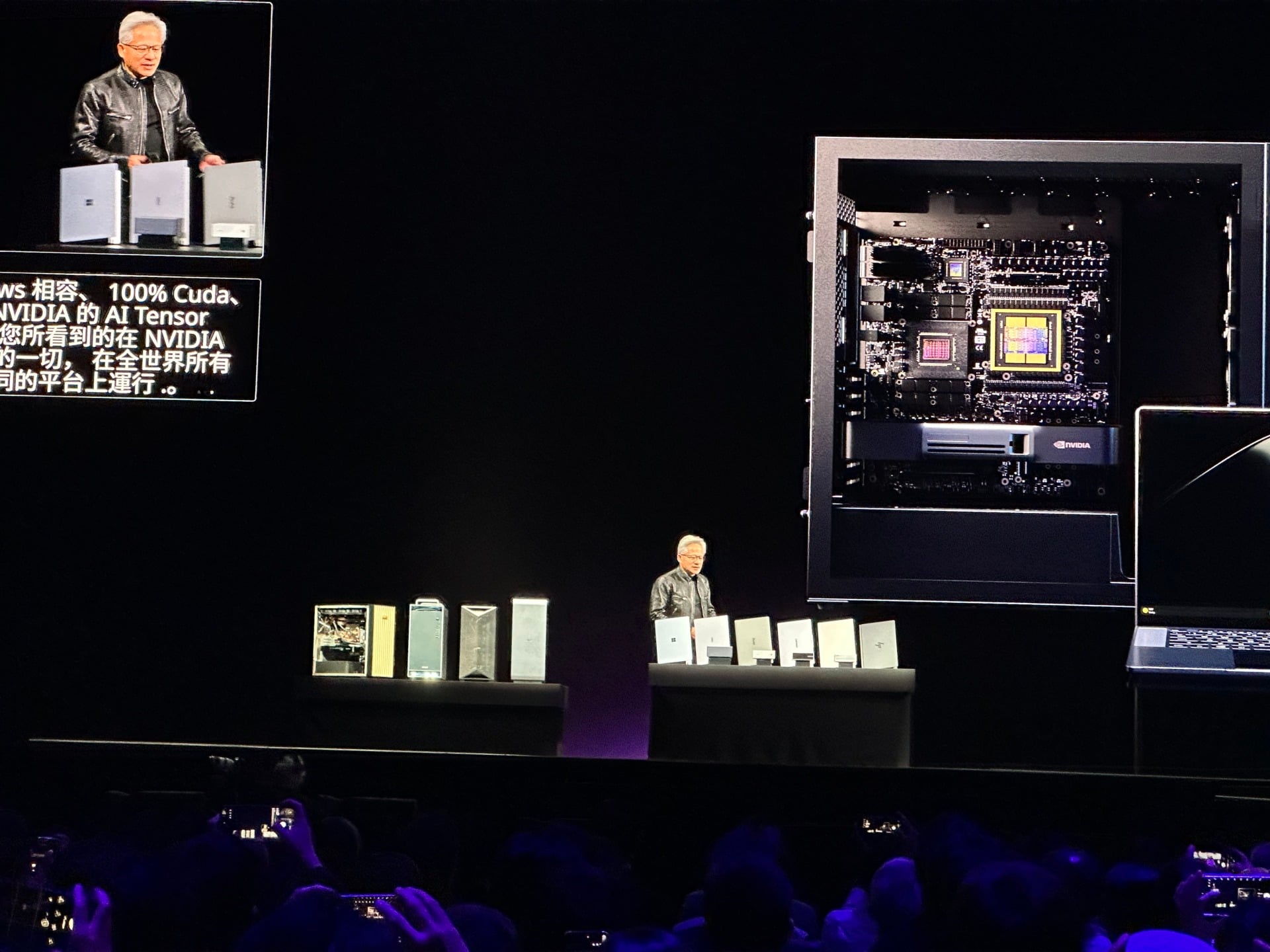
The RTX Spark is Nvidia’s first new line of CPUs in a long, long time. And yes, they were built for running AI on-device. Nvidia CEO Jensen Huang made a ton of big claims about the ARM-based PCs these chips will power, such as that they’ll manage “100% of Nvidia’s software stack” and “every application that Windows has ever run.” That’s a stretch, especially for an ARM-based PC. Companies including Lenovo, Acer, Microsoft, Asus, MSI, and others are supposedly developing new RTX Spark systems. They may not completely reinvent PCs, as Huang was all too ready to claim, but it is still exciting to see more all-new PC chips on the scene. —Kyle Barr
‘It’s OK to Clap’
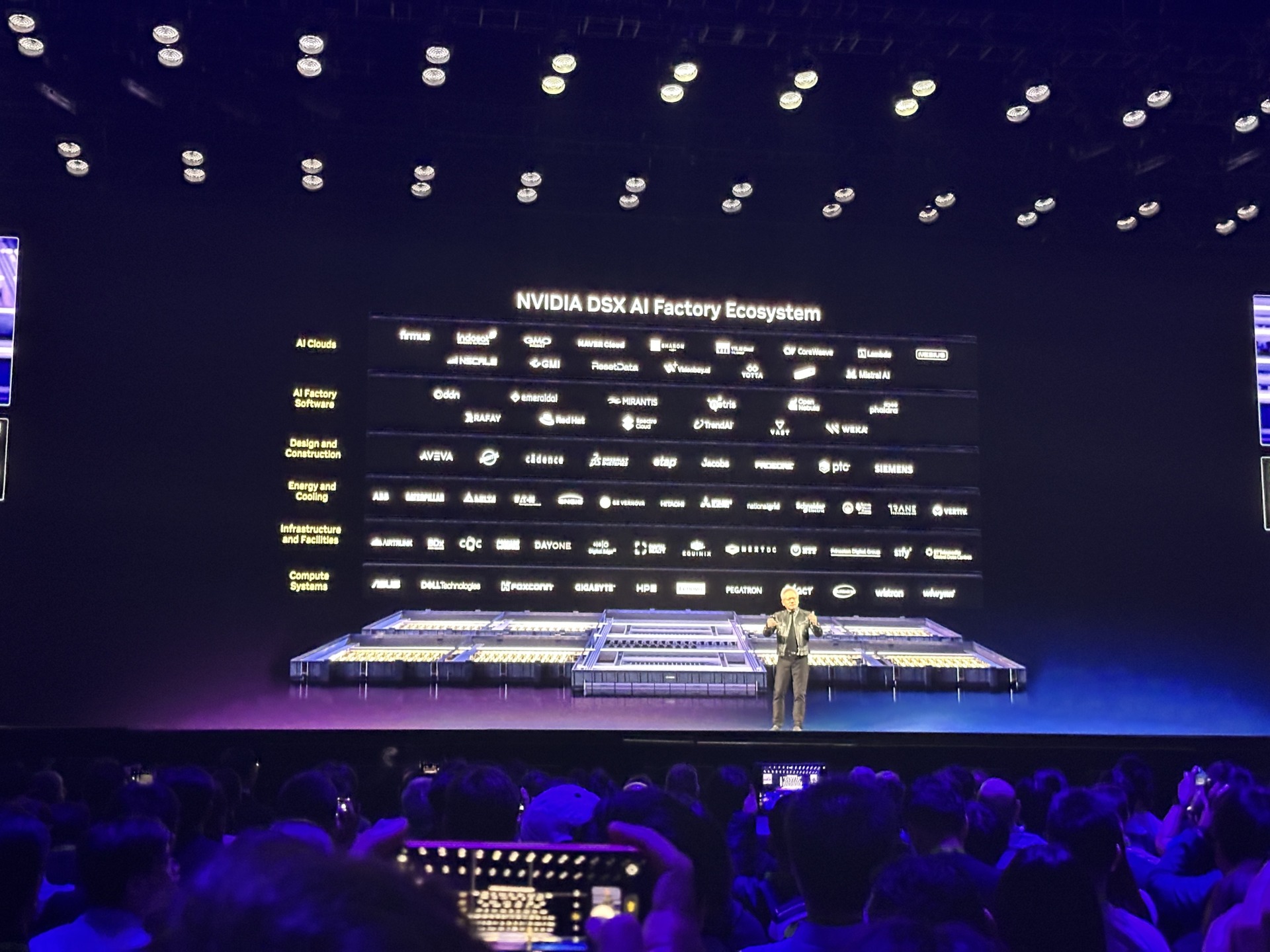
Nvidia used to be a GPU company. After that, Huang called it a “technology company.” Now, it’s an “AI infrastructure company.” And what does that actually mean? Fulfilling orders for the massive buildout of AI data centers, or as Nvisia calls them, “AI factories.” It’s hard to feel enthused about all the billions of dollars being spent to create new data centers, as it seems the very essence of PC, the “personal computer,” is being erased for the sake of computation performed in the cloud. Oh, and these data centers require so much power and water that they’ll inevitably strain the grid. Huang himself said they need to “make the grid stronger.” Will that come before or after all these AI factories go live?’
After all this talk of AI buildout all over the world, Jensen ended his speech with a classic, “It’s OK to clap.”
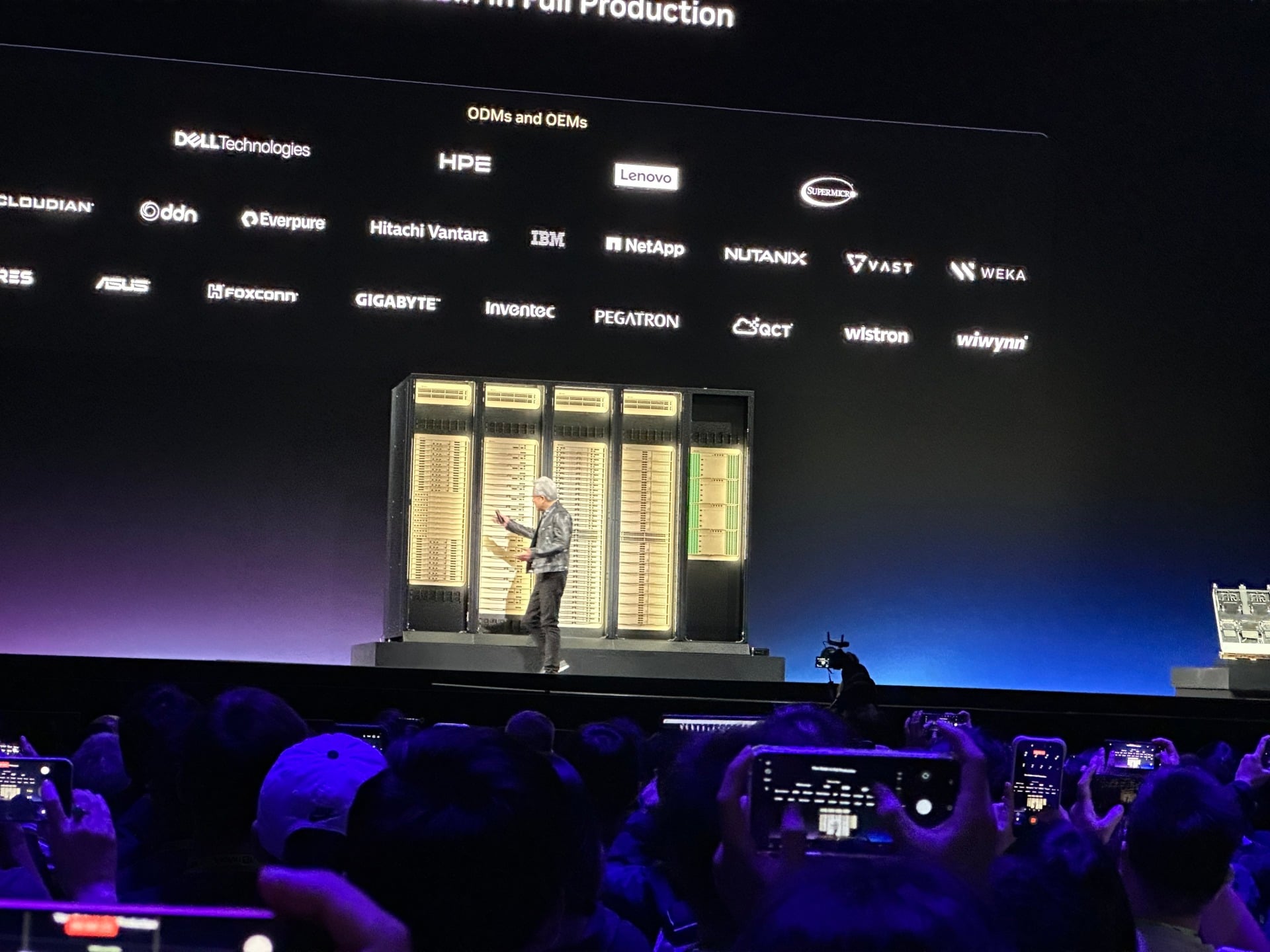
And guess what? The company’s Vera Rubin AI training chips “are in full production.” Nvidia needs more factories if it wants to keep the gravy train rolling. —Kyle Barr
Maybe You Shouldn’t Advertise That Palantir Loves Your Models
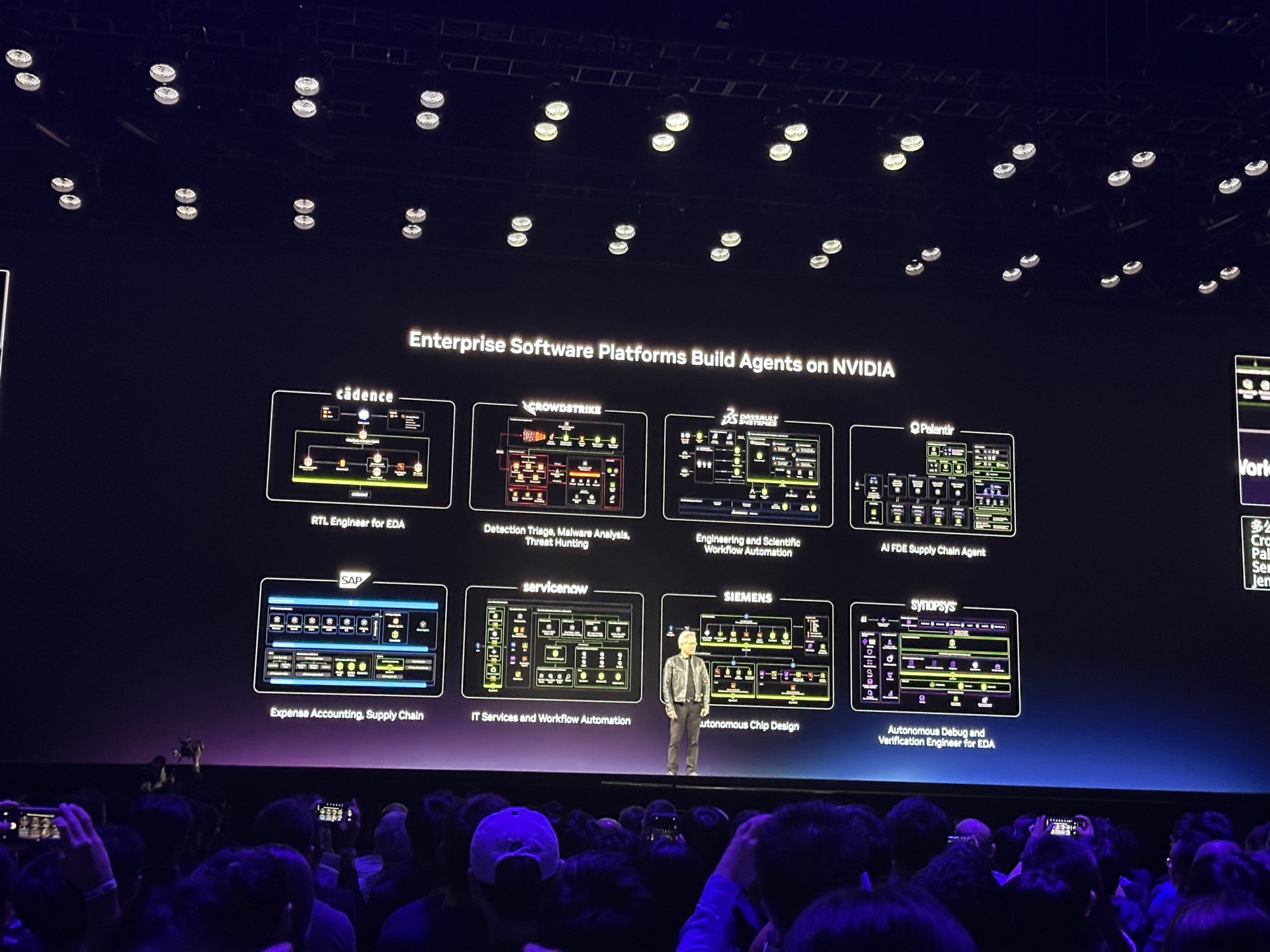
Listen, if you have new AI chip-designing software and you imagine you’ll hire even more chip designers, then good on you. But maybe you shouldn’t also acknowledge companies like Palantir, the surveillance and data company that works with governments and corporations, and is led by Alex Karp, who tends to go full supervillain mode in public. —Kyle Barr
Nvidia’s New CPU Was Not Built for Humans
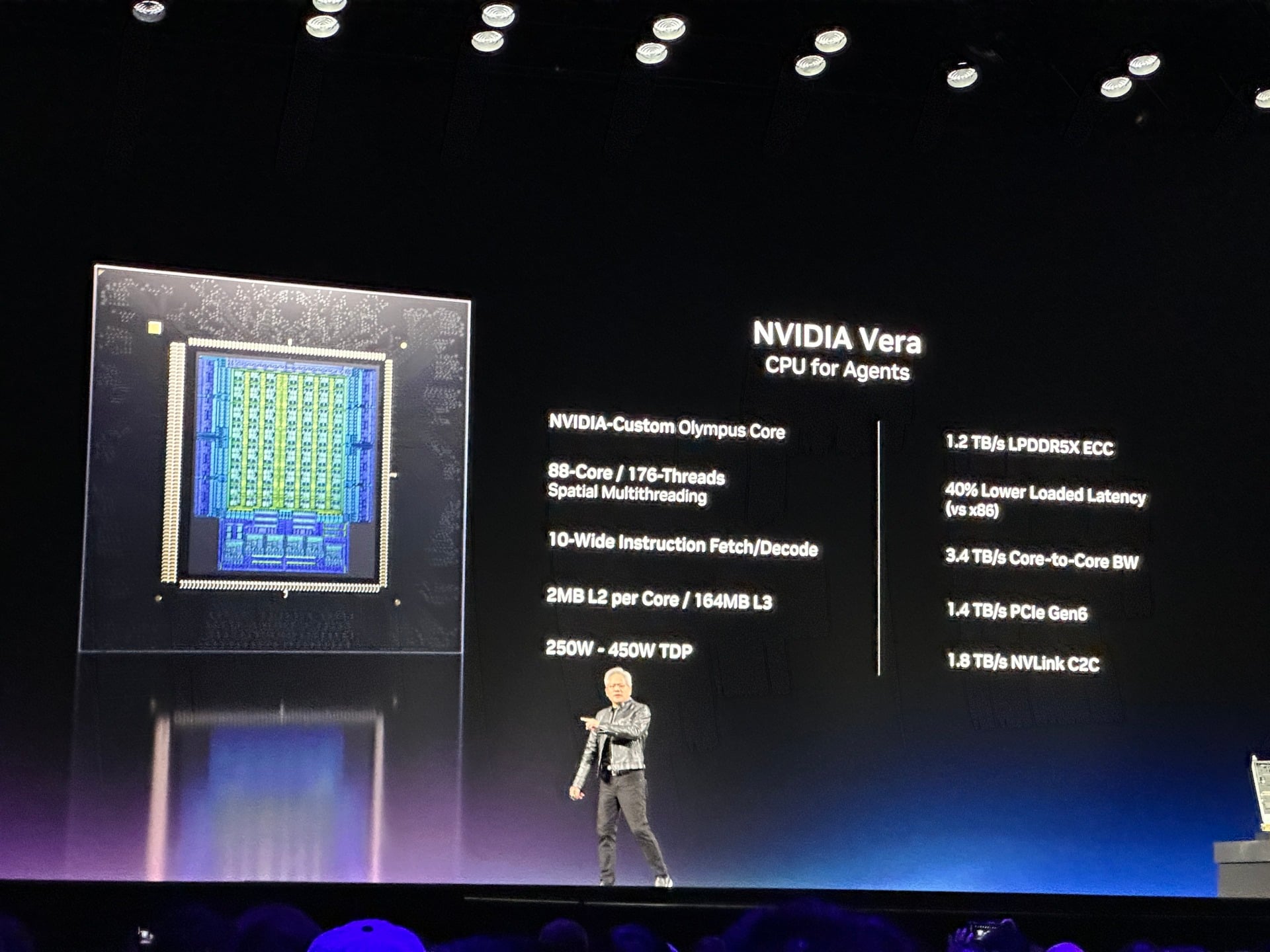
Nvidia CEO Jensen Huang seems adamant that what we were missing wasn’t a more powerful CPU, but rather a CPU that wasn’t built for us flesh bags. The Vera CPU, Nvidia’s latest processor, is scaled for AI training and explicitly built for AI agents. The CPU was designed to reduce latency and enable cores to communicate with each other using maximum bandwidth. The chip also uses LPDDR5X memory with a super-fast 1.2 TB/s bandwidth. He compared that number to similar AMD-made x86 CPUs and claimed it was nearly two times as fast at handling agentic tasks. —Kyle Barr
I’m Not Sure This Math Checks Out…

Huang laid out some… interesting math. He claimed that if the salaries of millions of software engineers are worth $3 trillion, that’s easily overcome by “useful AI,” such as algorithms coding inside GitHub, which he proclaimed is generating $9 trillion in value for companies. Who knows where the Nvidia CEO is getting his figures? He went on to call the idea of AI replacing jobs “complete nonsense,” proclaiming that companies will still want to hire more software engineers to increase productivity. That may make sense in a bubble where companies can experience infinite growth, but as evidenced by recent polls of CEOs, execs indeed imagine AI will replace jobs within a year. —Kyle Barr
It Begins!
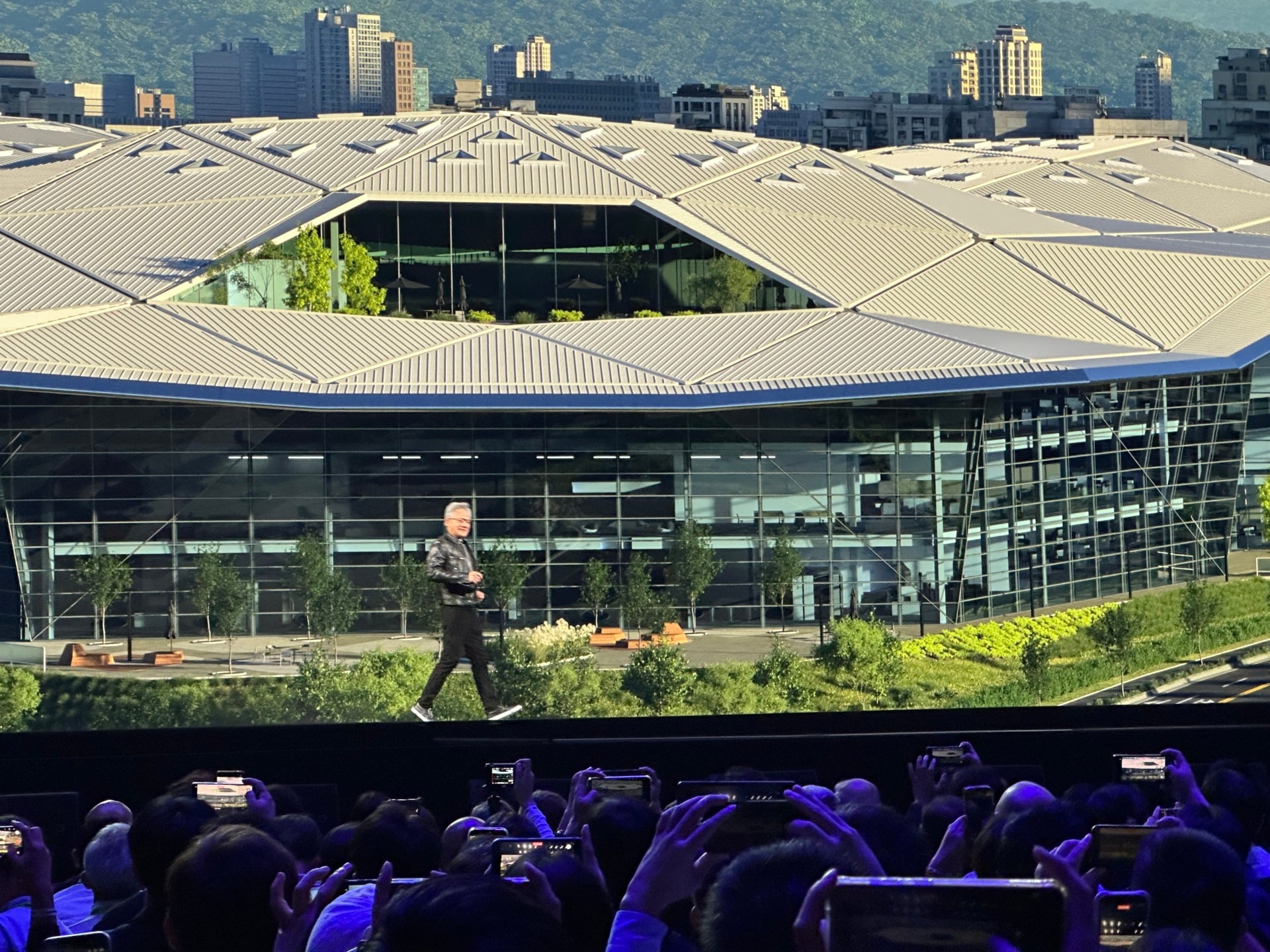
Here comes Jensen, black jacket and all (his closet must be very hard to parse at this point in his life). The theme for this year’s GTC Taiwan talk? Come on, you already know. It’s that “tokens” are a new currency we’re going to use for everything from VTOL planes to robotics. “Today, we’re going to talk about the whole ecosystem,” Huang said. —Kyle Barr
Nvidia’s Already Popping Off
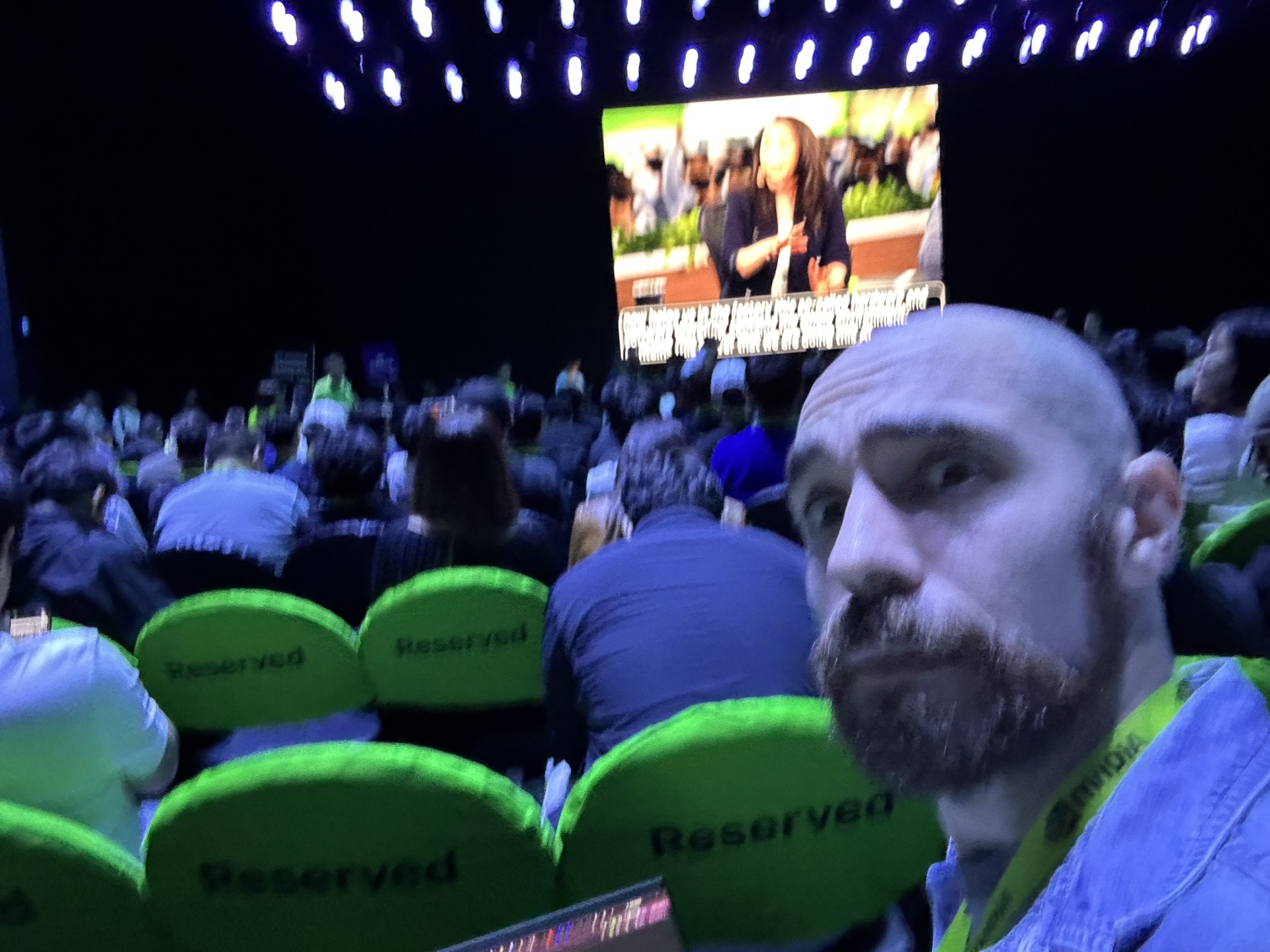
As has become consistent for each one of Nvidia CEO Jensen Huang’s big conference appearances, Nvidia’s GTC showcase here at Computex 2026 is already packed to the gills. That makes more sense here in Taiwan, where Huang is considered something of a hometown hero (the CEO was born in Taipei). It also helps that Nvidia is now the most profitable company in the world.
If anybody wants to cast bets for how long Nvidia takes to talk about its new chips, I’m starting the bid at 50 seashells we won’t hear a peep until two hours in. —Kyle Barr
All Badger Up

Badge has been received. I’ve been in Taipei, Taiwan, for a little more than 24 hours and the jet lag is hitting hard. I had a whole sordid affair surrounding the necessity of business cards for this event that I’ll refrain from ranting about here. I’m now at Nvidia, ready for its big reveals (hopefully). —Kyle Barr
Corsair’s New CUDIMM RAM Has Its Own Cooling
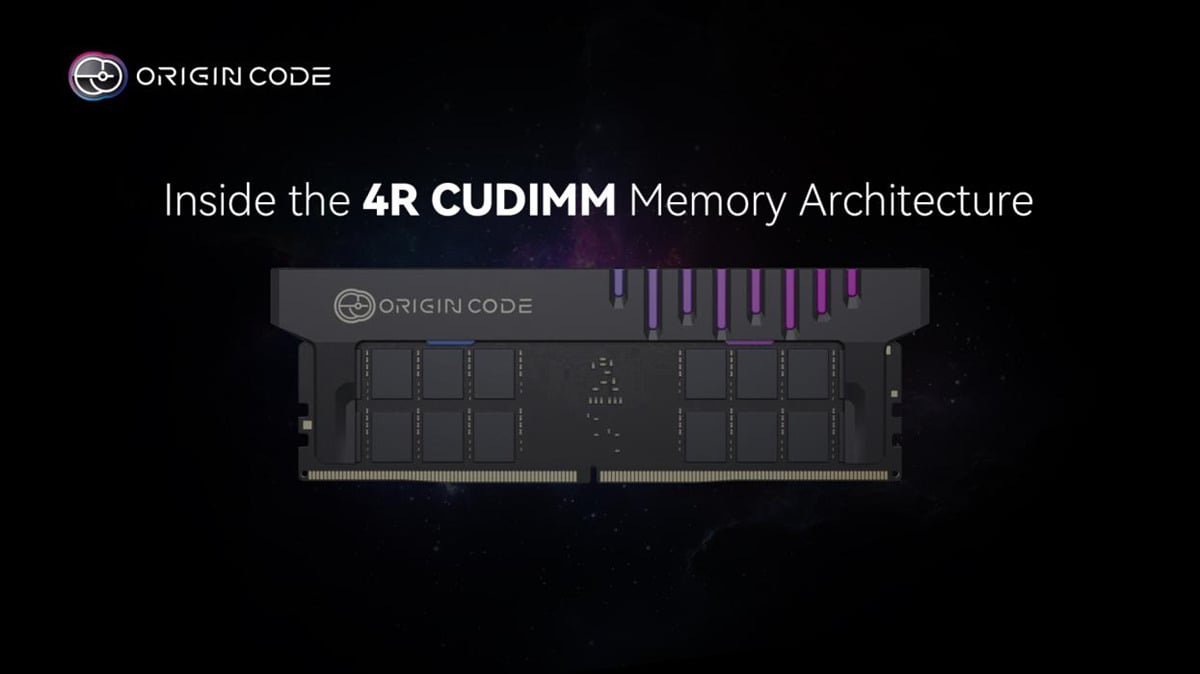
You already can’t afford DDR5 RAM. Unfortunately for you, the news I’m about to share may make you even hungrier for the latest memory sticks. Multiple companies known for PC components, including Corsair and G.Skill, have unveiled new CUDIMM DDR5 (which stands for “clocked unbuffered dual in-line memory”) modules that we expect to reach higher frequencies than other DDR5 modules. What’s even more interesting is Corsair’s 4R CUDIMM, which packs 256GB of capacity into a single stick. Corsair said these RAM sticks were tuned to Intel’s recent midrange desktop gaming CPUs.
What’s even crazier is that Corsair plans to show off this RAM with a “Vortex water block” on top. This add-on also includes a screen to help you monitor PC metrics like temperatures and operating frequencies. —Kyle Barr
So, There’s an AI Hologram in This PC Case
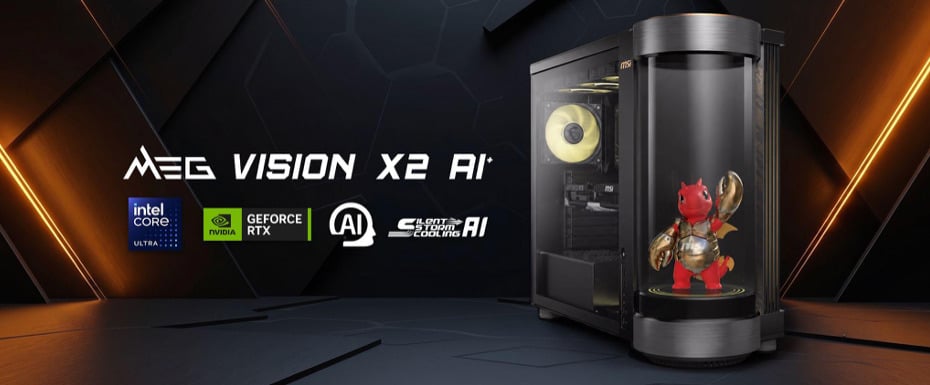
Remember Razer’s Project Ava, more commonly known as the “AI waifu”? It was a hologram in a jar, powered by a generative AI that created its speech and movements. MSI has taken that concept up a notch with its MEG Vision X2 AI+. The concept is a giant PC case with a glass cylinder in the front meant to hold a “Holostage” featuring the company’s lovable dragon mascot, Lucky.
The PC is supposed to run MSI’s LuckyClaw, which seems to be a play on the open source AI agent OpenClaw. It’s unclear whether the hologram Lucky will be able to manage your PC environment for you, but I guess we’ll know more once Computex kicks off properly. I can’t wait to ask AI Lucky if he would prefer to live outside his glass cage. —Kyle Barr
What’s in My Pack: Computex 2026 Edition

A 15-hour flight, plus a packed week in Taipei, Taiwan, demands a heap of tech to keep me occupied. I’m taking several items that I’m in the middle of testing, including an HP Omnibook Ultra as well as a GoPro Mission 1 Pro action camera and accompanying attachments. For my own pleasure, I’m bringing along a Boox Palma 2 Pro and the Asus ROG Xbox Ally X (covered by Dbrand’s Killswitch case), packed with a few games I’ve been meaning to finish, like Esoteric Ebb. I’m also carrying along a Genki Covert Dock 3 that the company sent me for testing, though I’m saving my impressions for later. I have my trusty Ricoh GRIIIx fixed-lens camera and a Lenovo travel dock for any extra photos. And I’ve started rereading Patrick O’Brian’s Aubrey—Maturin series, so that’s why fellow sailing fiction fans may spot Post Captain among my haul. Believe it or not, this is me traveling light. —Kyle Barr
It’s Like a PlayStation Portal Running Linux
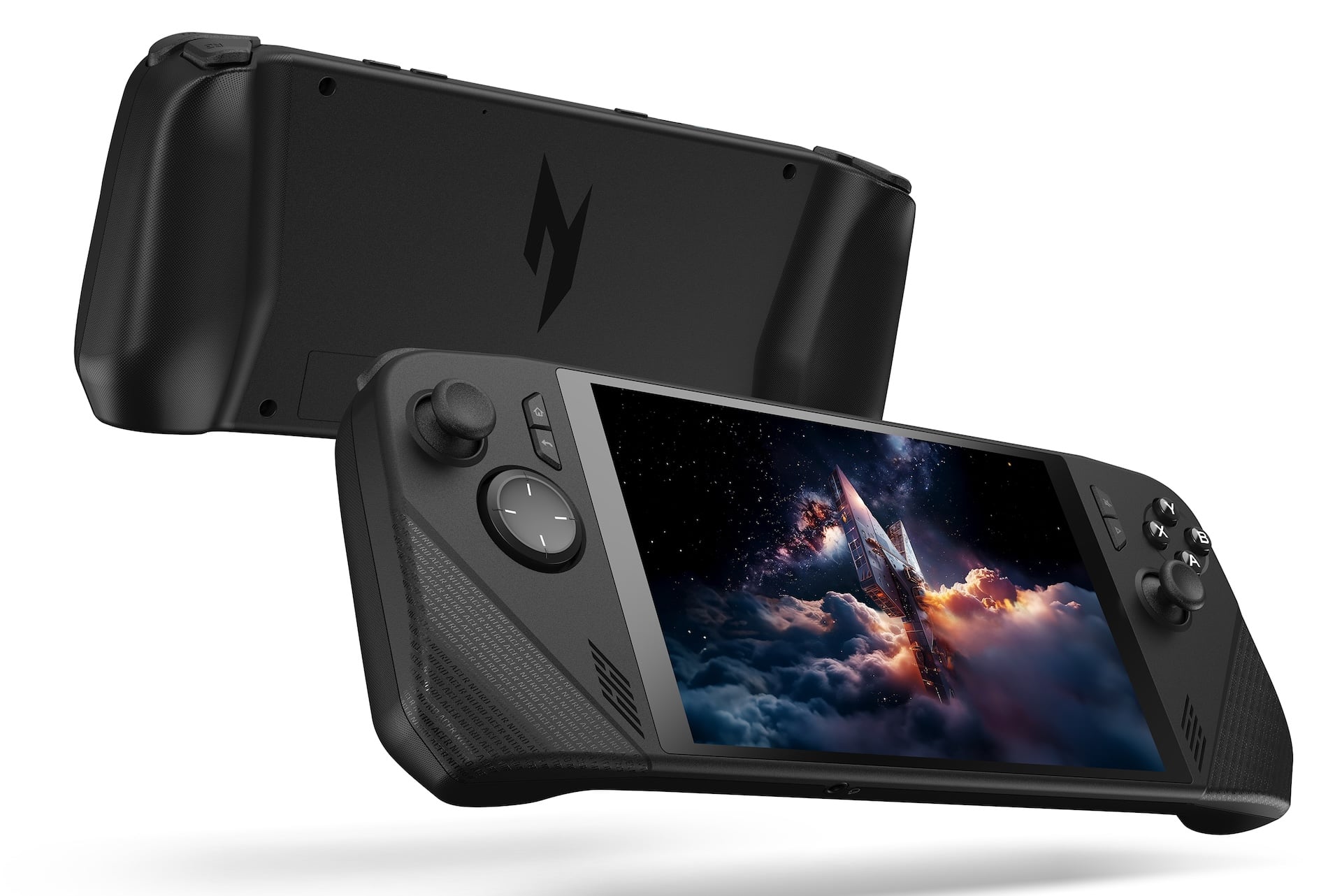
Acer is debuting a whole bunch of gaming-related products at Computex 2026. It’s dropping refreshes of the usual set of Predator and Nitro gaming laptops, including a massive Predator Helios 18, as well as an unexpected streaming-only handheld. The Acer Nitro Blaze Link runs on Linux, not Windows, and is designed for device-to-device streaming via open-source apps like Sunshine and Moonlight.
Acer isn’t offering any pricing information for that or any of its other mobile PCs coming later this year. That makes sense, considering memory prices are in such disarray that even major OEMs aren’t willing to share a clear idea about prices even a few months out. —Kyle Barr
You’ll Never Guess What the ‘C’ in Qualcomm’s ‘Snapdragon C’ Stands for
If you thought that the Snapdragon X chip series was going to be Qualcomm’s only computer chip, think again. Th company’s next ARM-based CPU built for laptops is the Snapdragon C. In what’s perhaps the most on-the-nose branding ever devised, the “C” stands for “compute.” We don’t know much about this chip, except that it will appear in budget laptops designed to compete with Apple’s $600 MacBook Neo. —Kyle Barr
Acer’s Atlas Gaming Handheld Sure Does Look Thick
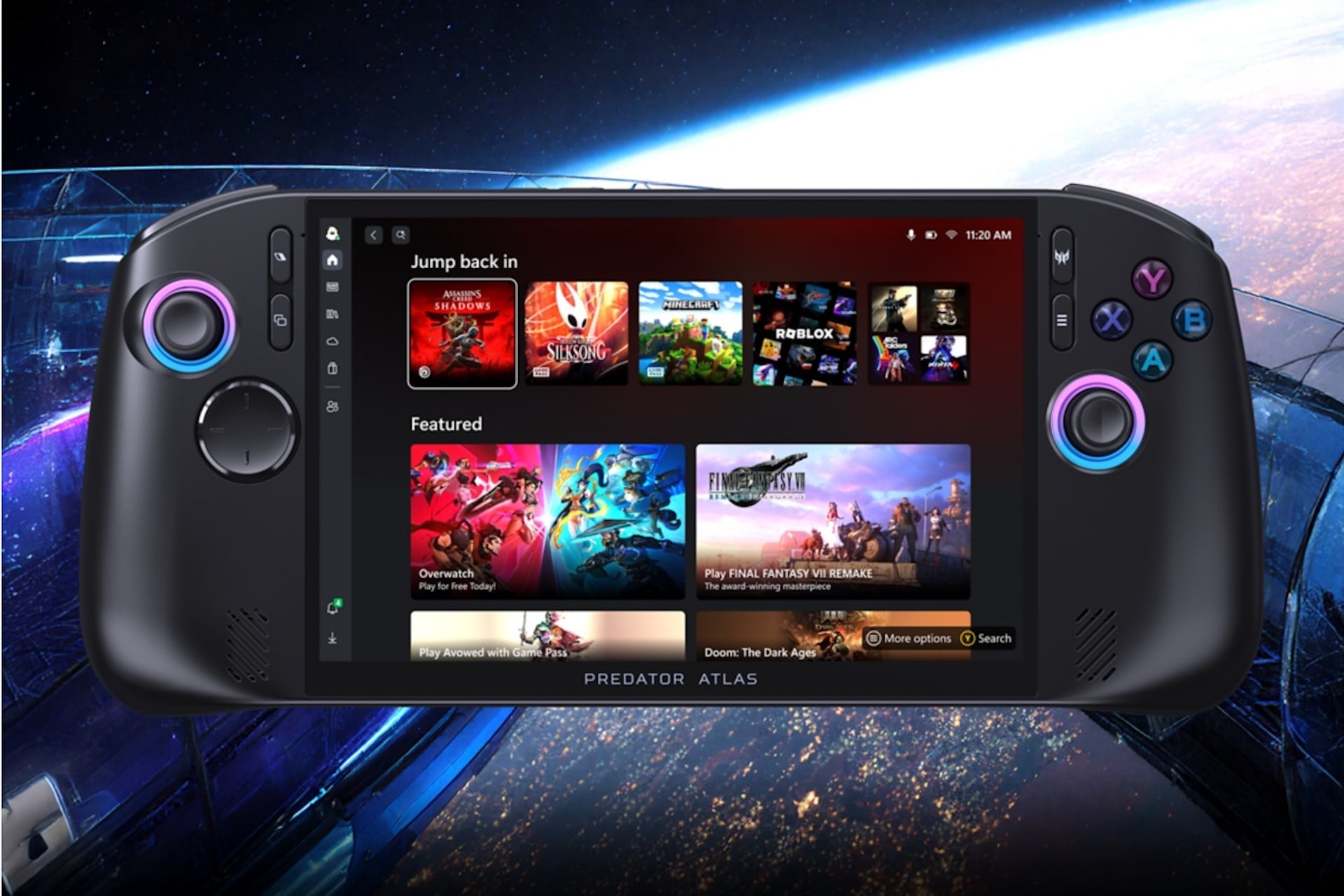
Acer shared a sneak peek at its first gaming handheld, which it promises will actually come to the U.S., unlike its still-MIA Nitro Blaze 7. The Acer Predator Atlas 8 is one of the first devices confirmed to sport the Intel Arc G3 and Arc G3 Extreme chips inside, meaning it will pit itself against similar AMD-based devices like the Asus ROG Xbox Ally X. We don’t know how much it will cost, but we should hopefully see it on the Computex show floor. —Kyle Barr
Channeling Moses, Intel Made an Arc for Handhelds
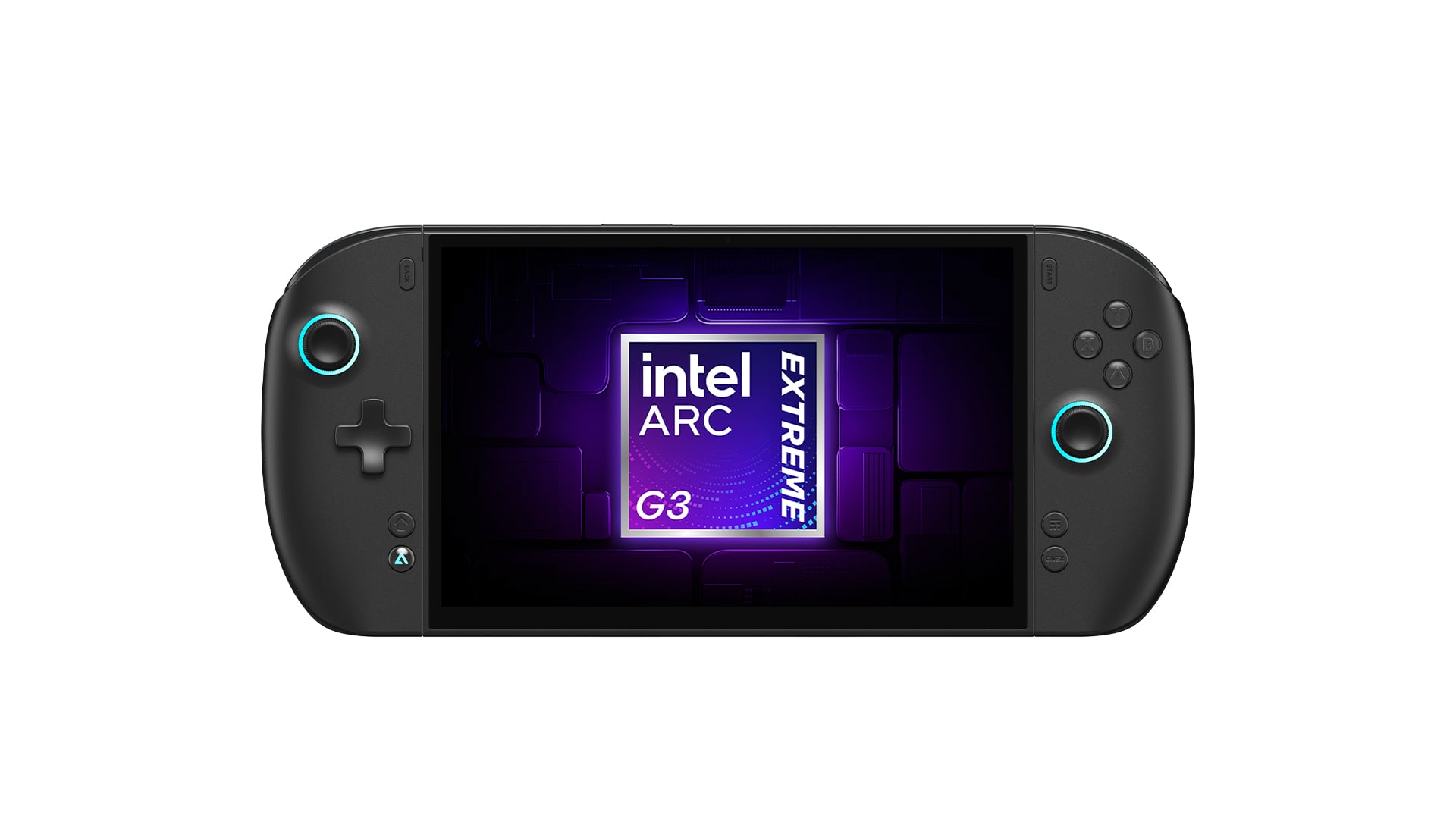
Intel’s Arc G3 chips are Team Blue’s attempt to knock AMD from its handheld monopoly. Though it’s built on the same 18A process as the company’s top-end Panther Lake CPU, the Arc G3 chip features half as many P (performance) and E (efficiency) cores. Instead, it’s relying on the Arc B370 and B390 GPUs to potentially deliver high-end graphics performance with—hopefully—solid battery life. We already know of two handhelds that plan to make use of the Arc G3. We should learn more during Computex proper. —Kyle Barr
Team Green’s Next CPU Could Be a Big One

Nvidia CEO Jensen Huang has been crawling around Taiwan for the last week in preparation for his company’s GTC Taipei showcase that starts June 1. So far, Huang’s been yammering on and on about hyperscalers this and data centers that, but there’s a reason why you should pay attention next month.
There are enough rumors going around to suggest Nvidia could finally reveal its first laptop CPU in well over a decade. Multiple leaks suggest the N1 and N1X chips will be based on ARM microarchitecture, similar to Qualcomm’s Snapdragon X and Snapdragon X2 chips. However, the exciting part is how Nvidia could apply its GPU know-how to an APU (accelerated processing unit) that could compete with AMD’s latest Strix Halo and Gorgon Halo processors.
It all seems promising, though the ongoing leaks suggest that Team Green had to delay its chips for more than a year to squash a mountain of bugs before release. Hopefully, Nvidia will have those issues ironed out before we see the N1X in action. —Kyle Barr
AMD’s Own ‘AI Supercomputer’ Is More PC-Like Than Nvidia’s
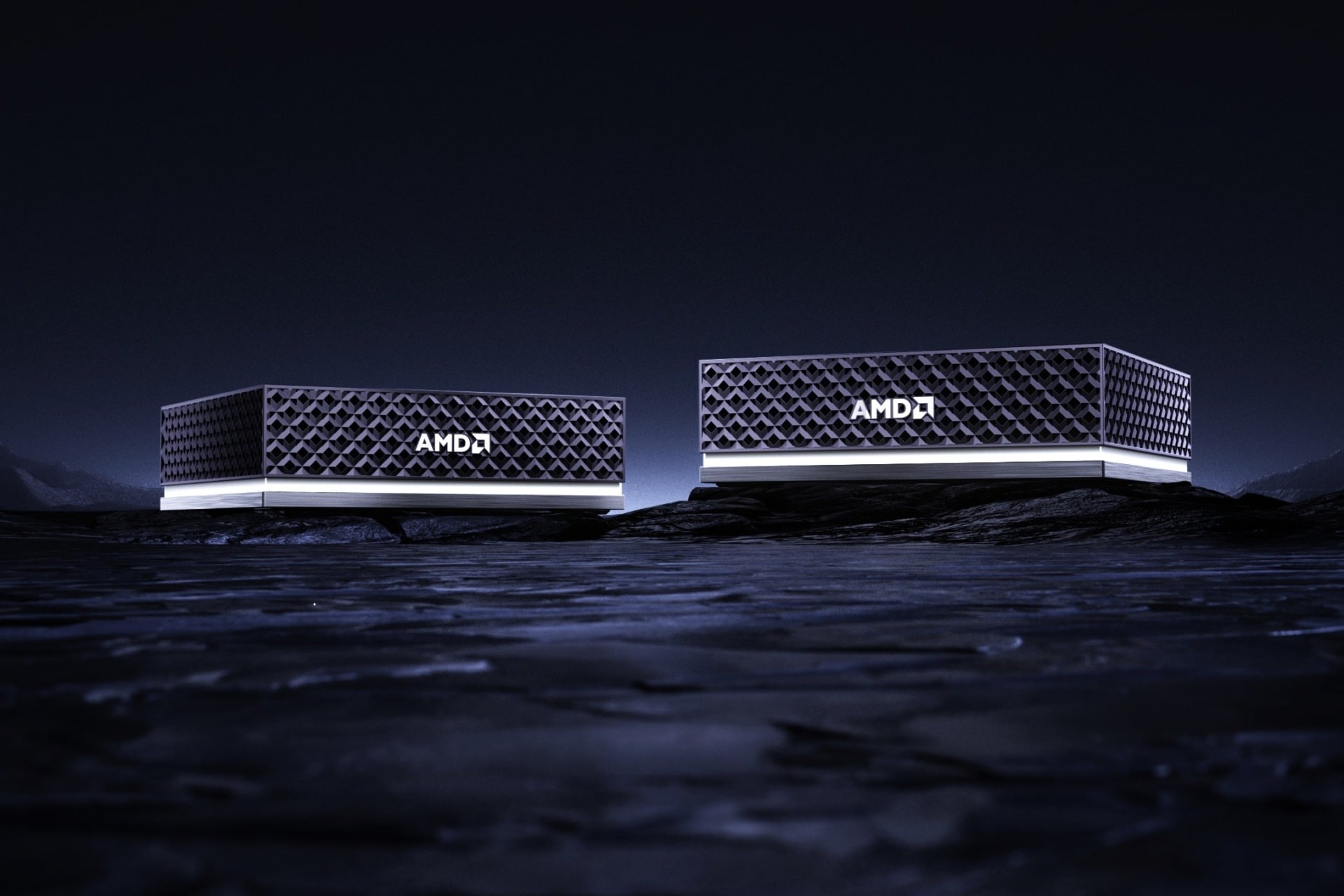
Let the APU (accelerated processing unit) battle commence. AMD’s new Ryzen AI Max+ Pro 495 chip seems beefy since it’s packing 16 Zen 5 CPU cores and a 40 CU (compute units) GPU. Despite that, the new chip doesn’t seem like a major upgrade from the last-gen Strix Halo lineup. That’s mostly because it’s using the same RDNA 3.5 GPU microarchitecture on a slightly updated Radeon 8065S graphics chip.
As if you couldn’t get enough “Halo,” AMD is also producing its own mini PC using both last- and current-gen Halo chips called—of course—Ryzen AI Halo. As you can guess by the title, it’s built for AI. Compared to Nvidia’s DGX Spark “AI supercomputer,” AMD’s version is running on good ol’ x86 and supports Windows. By comparison, Nvidia’s little AI box runs on ARM and only supports a customized Linux backend. —Kyle Barr