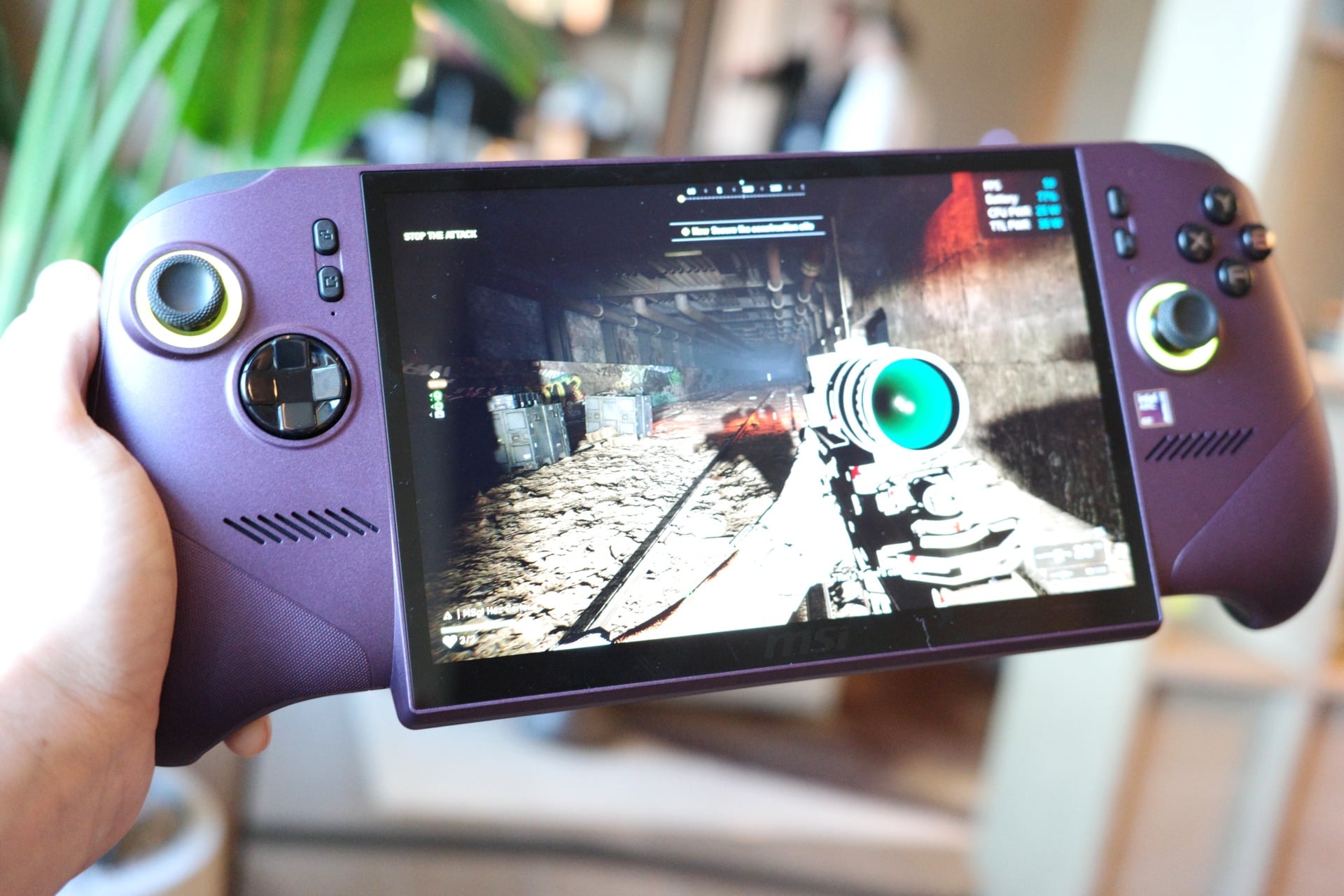
MSI’s new Claw 8 EX AI+ is exactly the kind of handheld I want to slot between my weary fingers. The Intel-based gaming PC has the ergonomics of the now-$790 Steam Deck and still promises performance and efficiency that AMD’s offerings lack. It’s too bad that it may cost a depressing amount of money.
This device has big shoes to fill, considering the number of similar devices available today. But even in preproduction, when the hardware and software are not finalized, this PC, built for your palms, excels in performance and comfort. It’s light enough, at 1.7 pounds, that I didn’t need to strain to hold it aloft. Its display is large enough that you’re not squinting at the characters on-screen. It hits target frame rates and performance, finally giving me the sense that handhelds are coming into their own.
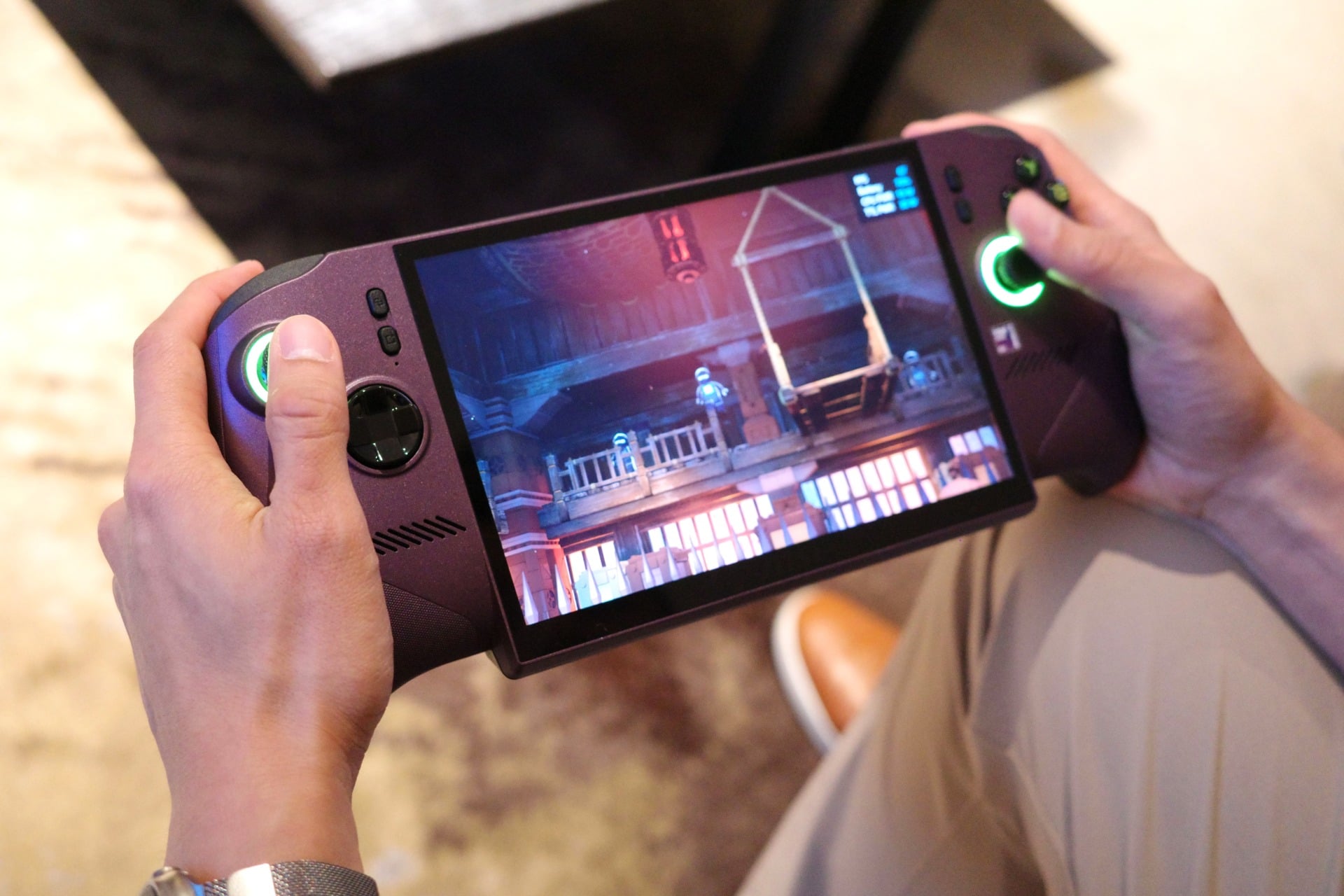
Of course, for that privilege, the device may cost close to $1,500. MSI hasn’t revealed specific pricing yet, but the Taiwan-based PC and peripheral company, alongside Intel, has independently confirmed that we could be in for a pricey device. I haven’t had enough testing time to properly evaluate whether the MSI Claw 8 EX AI+ is worth the cost, though. I’m not sure any gaming handheld is worth that much.
Anyway, I also spent several hours with all four newly announced handhelds sporting Intel’s Arc G3 Extreme chip. There’s the OneXPlayer 3 and OneXPlayer X2, with the latter sporting an optional keyboard attachment and removable controls like the now-$2,000 Lenovo Legion Go 2 (are you sensing a theme here?). There’s also the Acer Predator Atlas 8, which packs a similar 8-inch display to MSI’s Claw 8 Ex AI. Based purely on controls of these preproduction units, I would still prefer the Claw.
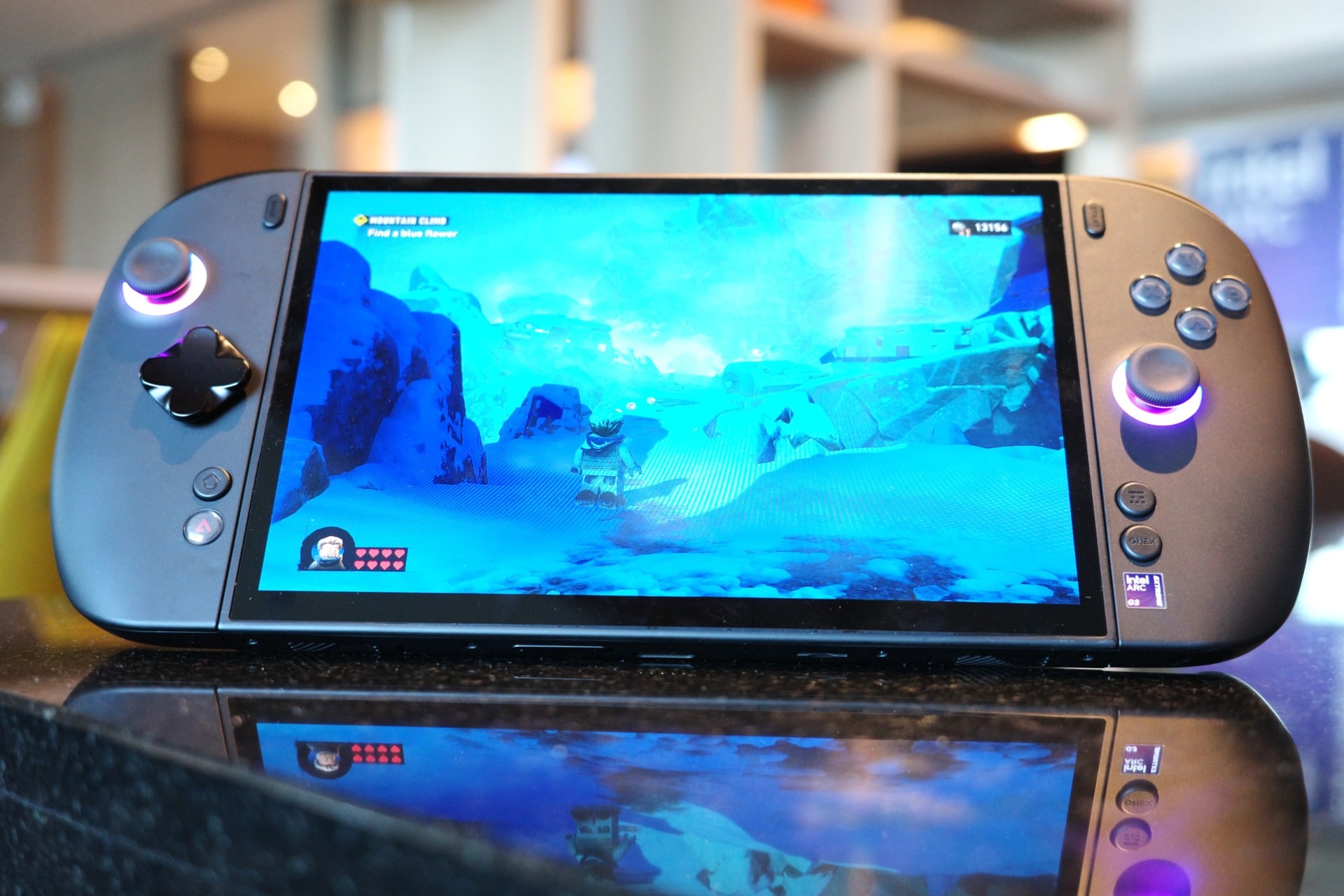
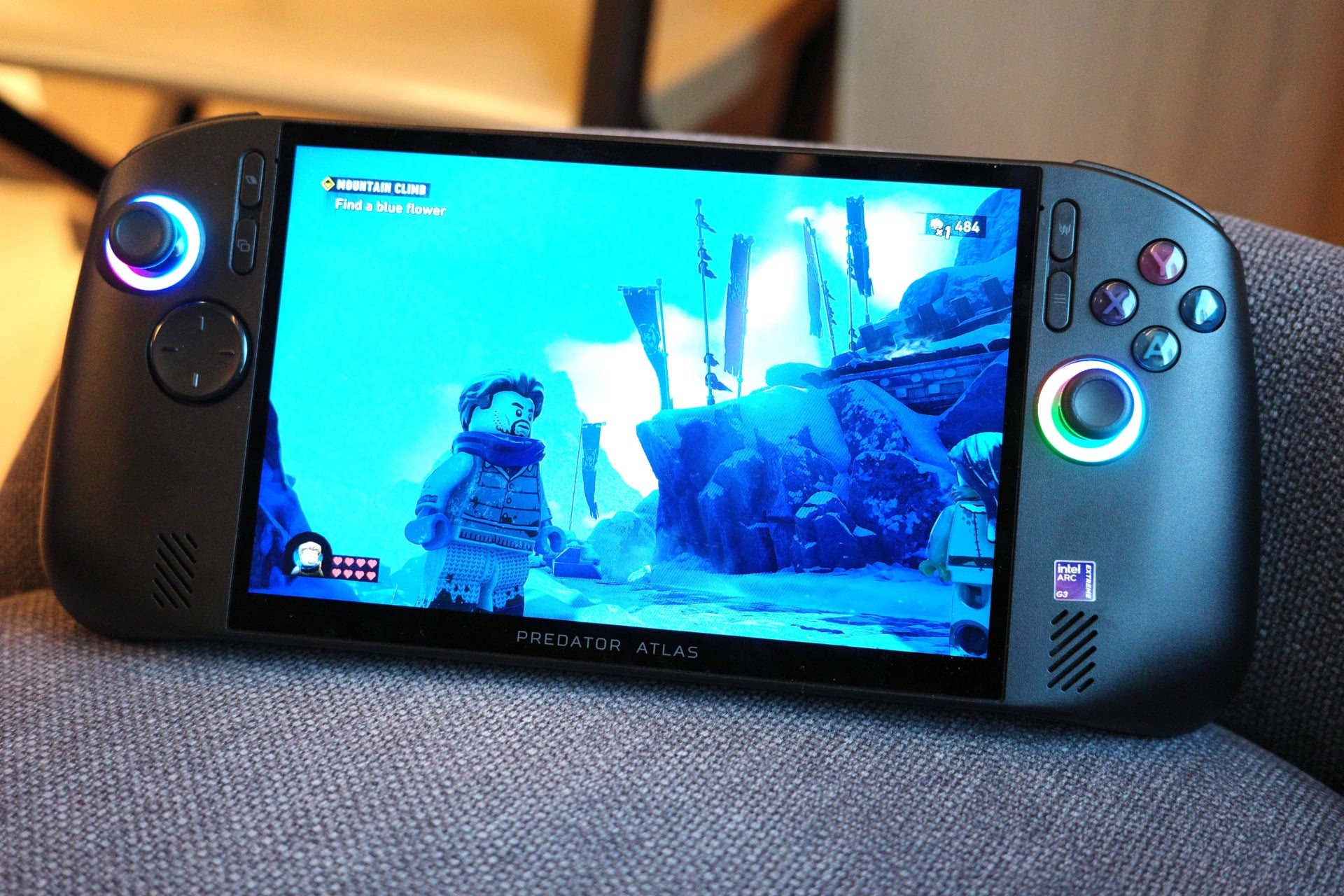
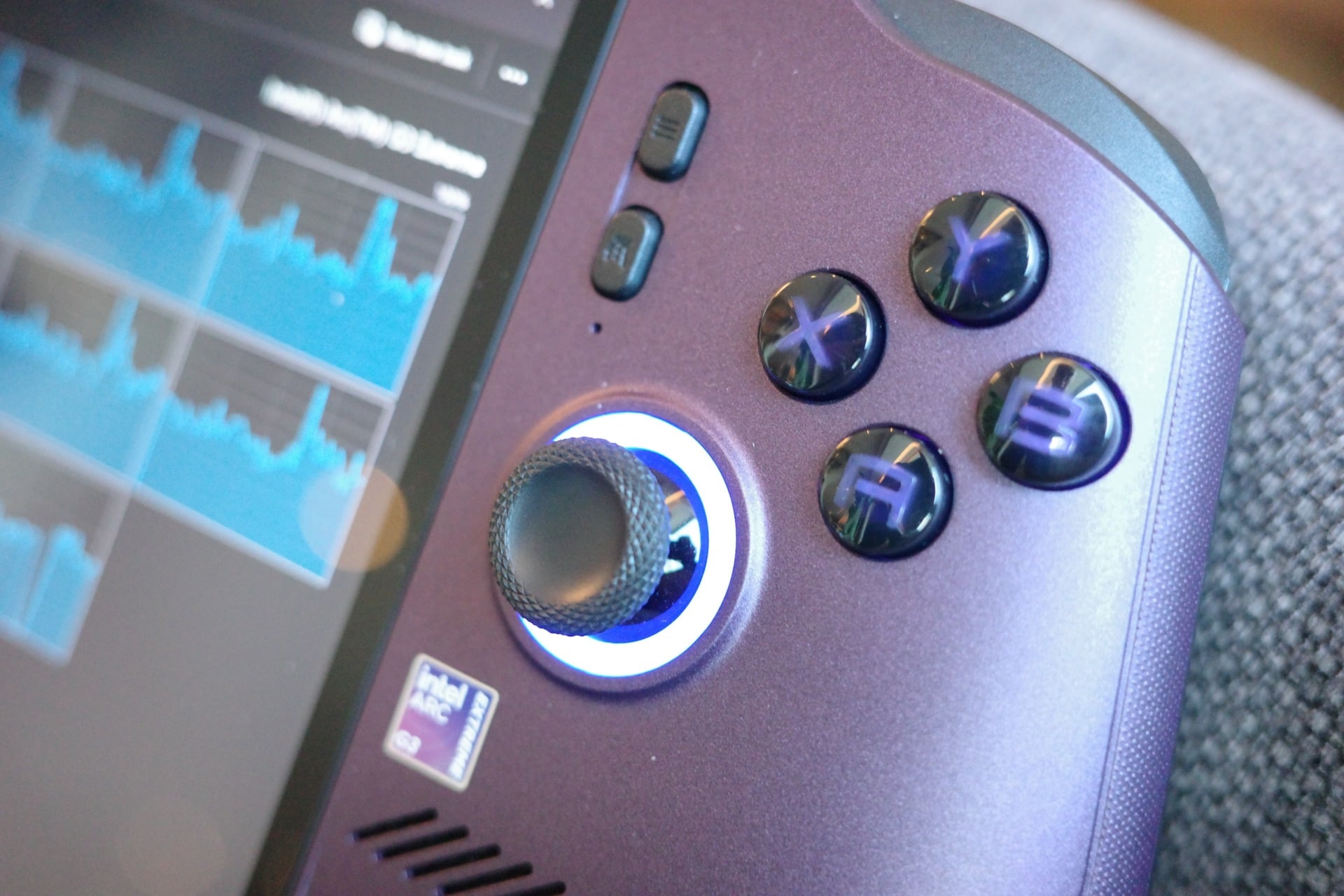
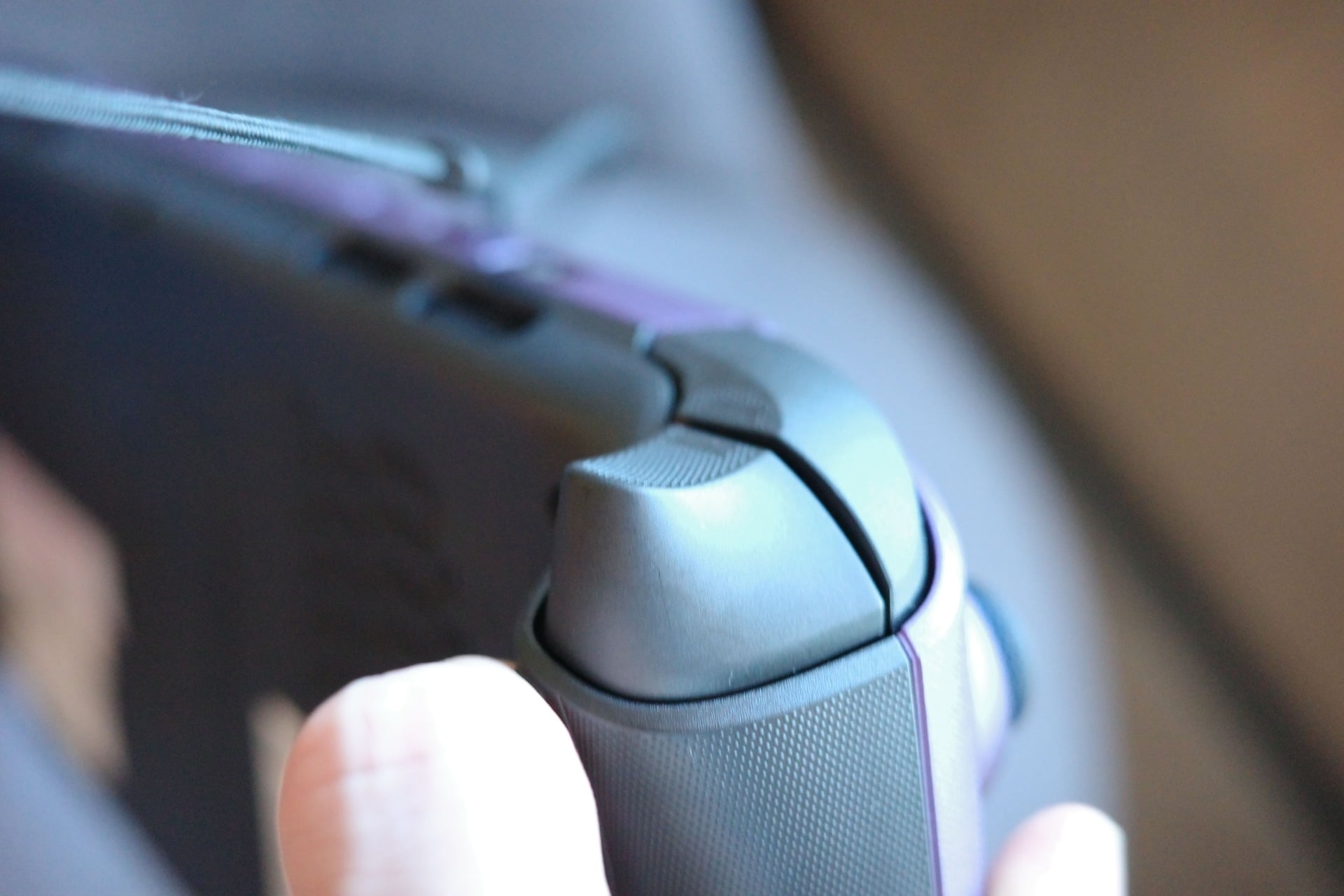
I came to Computex 2026 with the Asus ROG Xbox Ally X taking up space in my bag. I also had a Dbrand Killswitch case wrapped around it, which makes the device feel bulkier and heavier than it normally does. While the Claw 8 Ex weighs about 0.2 pounds more than the Ally, it’s thinner thanks to the lack of full Xbox-controller-like grips. MSI seems to have nailed the ergonomics this time. My hands slotted into each grip with ease, comforted by the textured plastic on each side.
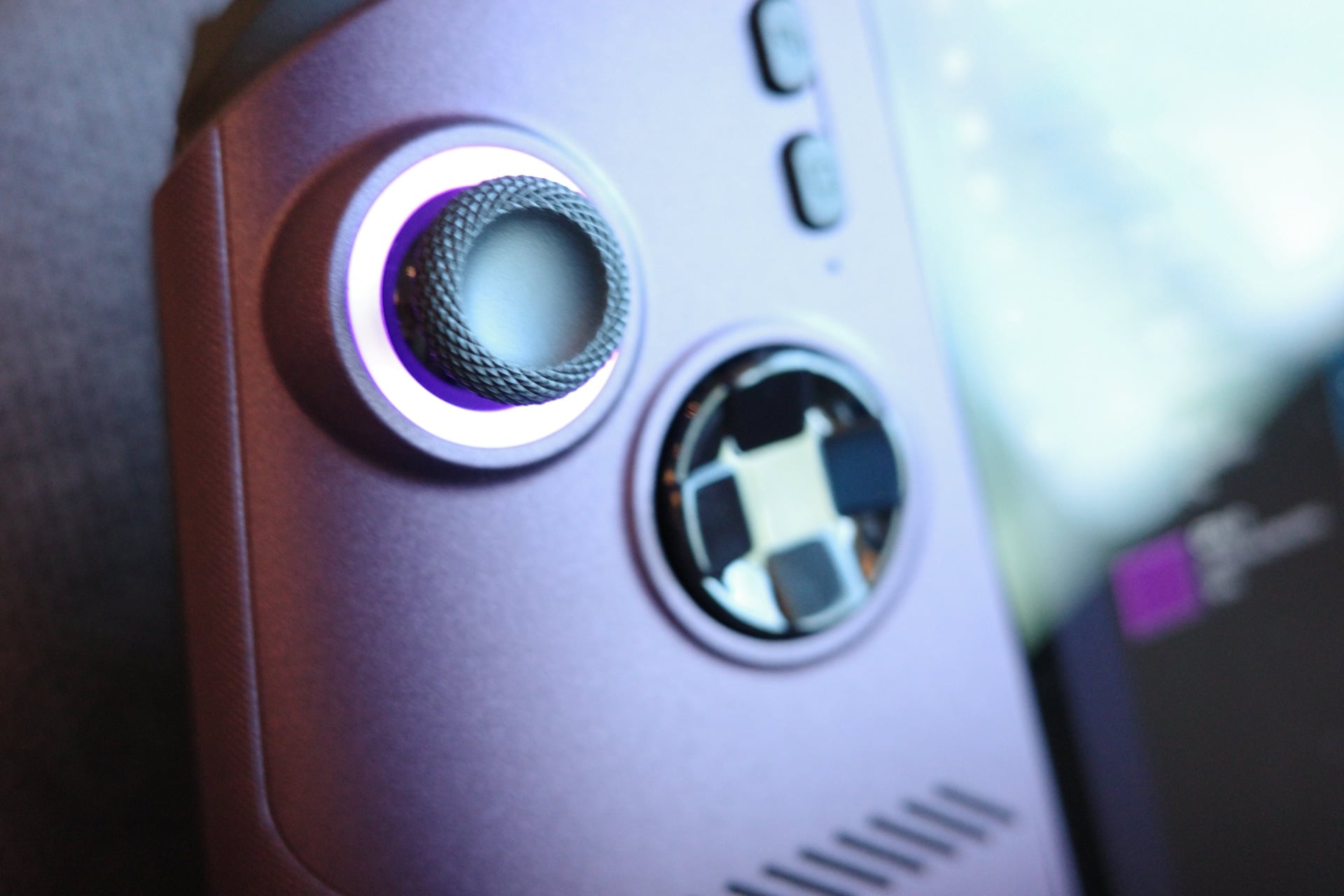
While the sticks felt thinner than I normally prefer, they had a full range of movement. Plus, they’re Hall effect, a type of magnetic sensing technology that is better at resisting dreaded stick drift and false input issues. The Acer Predator Atlas is stuck with old-school potentiometer joysticks, which are inherently prone to potential breakage. MSI’s face buttons and trigger ergonomics also felt on point for my talon size.
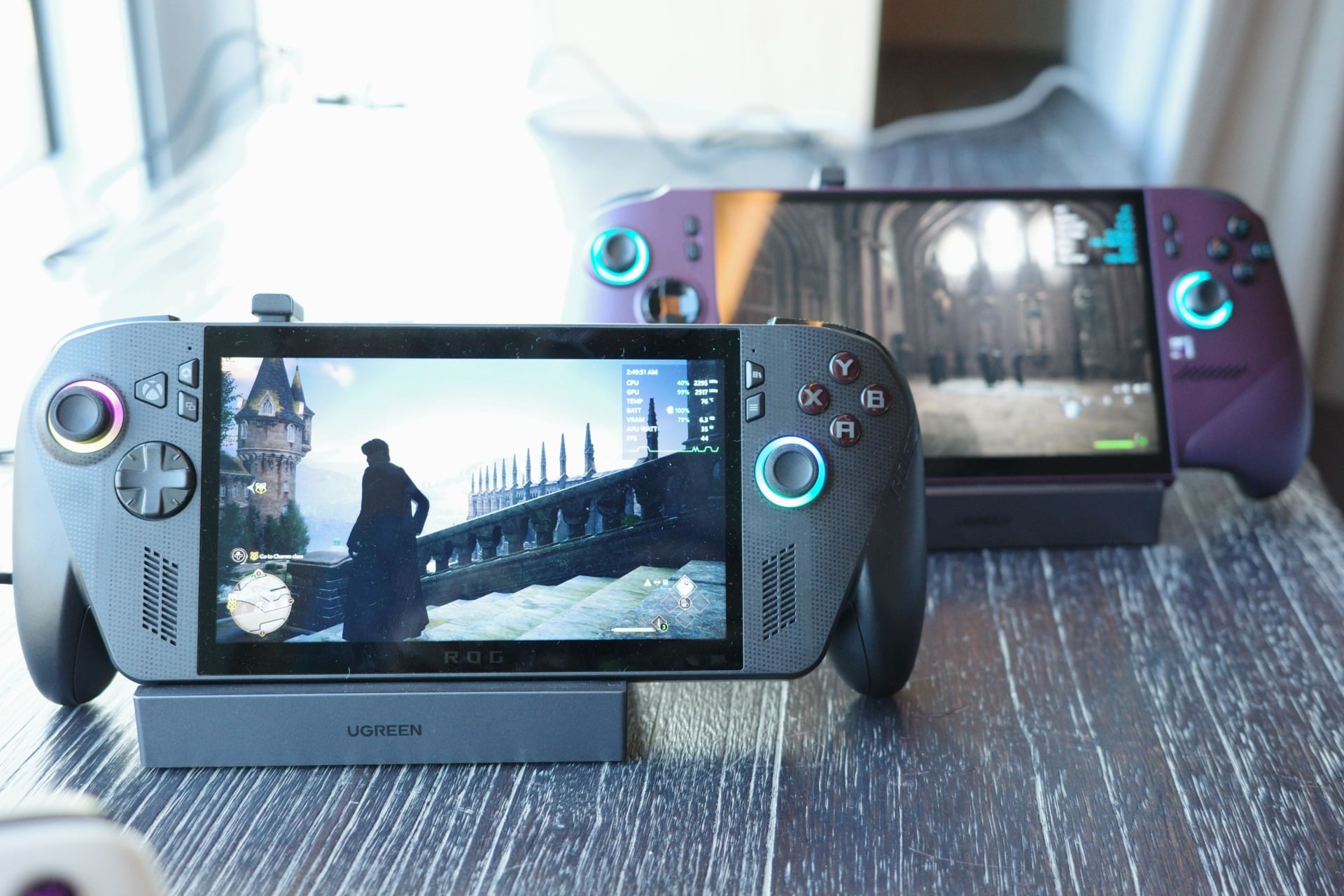
MSI’s new handheld feels like something made to be used outside of a dock or away from a power outlet. Considering that, it’s the performance that puts this device over the top. I played multiple games, including Forza Horizon 6, Hogwarts Legacy, and Clair Obscur: Expedition 33, all at the high TDP (thermal design power) of 35W, and each managed to beat 60 fps on high graphics settings, with the help of Intel’s XeSS upscaling.
Intel promises these new Arc G3 Extreme-based handhelds will overcome AMD’s Ryzen Z2 Extreme in several key ways. In its own charts, Intel promises you’ll see the new Claw 8 beat an Asus ROG Xbox Ally X running at 1080p with 2X upscaling enabled (using AMD’s FSR software when Intel’s XeSS wasn’t supported). Some games, like Diablo IV, get nearly 85% better performance—equivalent to 122 fps versus 66 fps. There were titles that the Claw could play at more than 60 fps, where the Ally was scraping by at 30 fps.
That likely can’t be attributed to AI upscaling alone. On my flight to Taipei, Taiwan, I played a few hours of 007 First Light on the Xbox Ally X at low graphics settings, 25W TDP, and with FSR upscaling enabled, and managed between 30 and 40 fps. On the MSI Claw 8 EX AI+, with high graphics settings and FSR enabled, I could play the game at a buttery 80 fps. That was running the game at the system’s full TDP without a power cable, but it was still a better experience on the Claw than Ally.
At 17W, the Claw 8 still beats the Xbox Ally X in some games, like Cyberpunk 2077. In other titles, like Crimson Desert or Battlefield 6, the Claw may perform up to 18% worse at those wattages. Intel chalked this up to driver and compatibility issues rather than hardware. It still shows that how much better of an experience you’ll have depends on the games you’re running.
Intel’s Arc G3 Extreme is essentially a cut-down Panther Lake laptop chip with only two P (performance) cores. The other 12 cores are all E (efficiency) and LP-E (low-power efficiency) cores. It shifts the importance onto the GPU side of the chip. At power levels below 12W, Intel said the handheld doesn’t even enable the P cores. That’s how GPU-dependent this system is, though one advantage of relying on efficiency cores is overall battery life. If you limit the power envelope to 17W on “endurance” mode, Intel claims you can get more than five hours of battery life in a game like Forza Horizon 6.
It’s here where Intel tries to push its multi-frame generation technology. This technology is a form of frame interpolation that inserts AI-generated frames between two rendered frames, artificially increasing the frame rate. The chipmaker stressed that it’s merely an option. Intel fellow Tom Petersen, the company’s main mouthpiece for most things gaming and computing, emphasized that this technology is better thought of as frame “smoothing” rather than increasing real performance.
I’ve said it before, but frame generation makes more sense on smaller screens with less-powerful systems. Frame generation produces odd visual artifacts, especially when the game runs at lower frame rates before interpolation is enabled. It’s harder to see those visual faux pas on a smaller display. Intel wants you to enable frame generation to help you get over the hump of battery life, though you’ll still need to go into Intel’s graphics software (which will force you to use the touchscreen) to force multi-frame generation to work in XeSS-compatible games.
I was left hungering for more time with the Claw 8 Ex AI+. Luckily, the device is set to launch on June 25, so I won’t have to wait long to get deeper into it. A $1,500 price point is a heavy cross to bear, even despite rising RAM prices. To be worth it, the Claw has to become the only handheld device you need. Let’s hope that’s the case.