Xreal is arguably the biggest name in the AR smart glasses space, thanks in part to its partnership with Google, but it’s not alone in its efforts to make big virtual screens that blast stuff into your eyeballs—in fact, the video glasses room is becoming increasingly crowded.
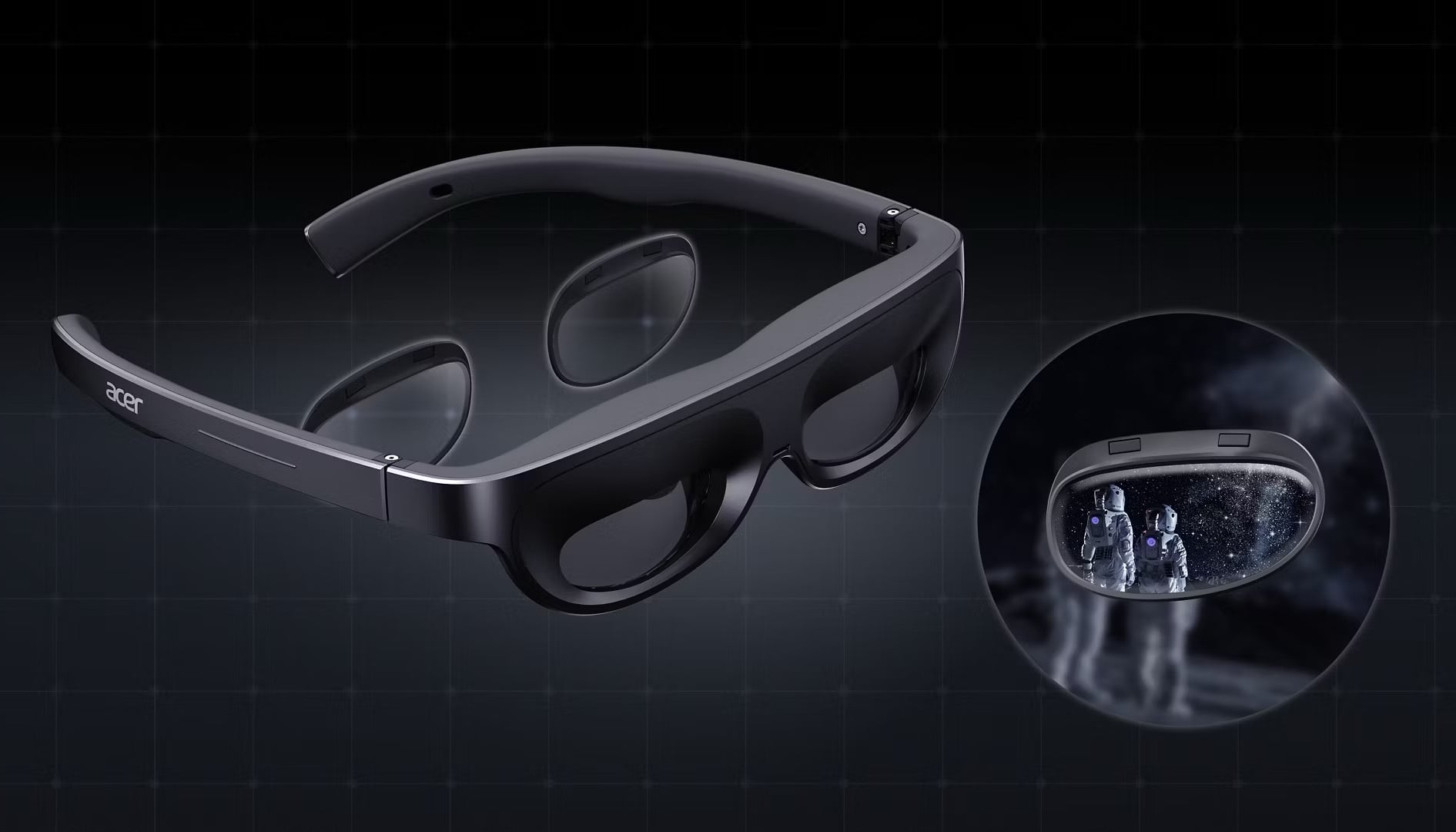
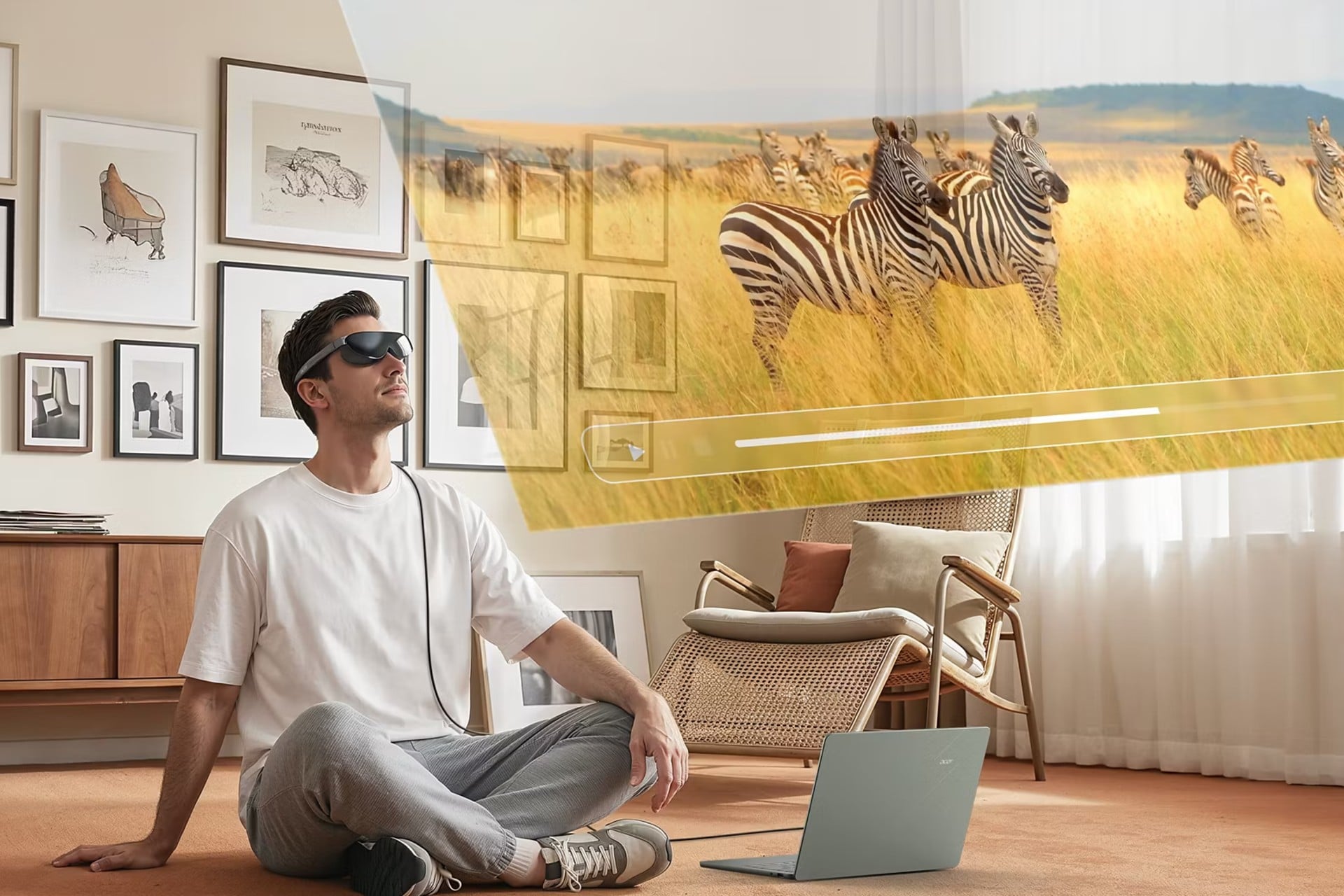
Acer, for example, now wants a piece of Xreal’s AR glasses domain, launching its own competitor, the $500 Acer AR Glasses GR0. Like Xreal’s video glasses, the GR0 are tethered, meaning they need to be plugged into a separate device (your laptop or phone) for power, and they act as a big virtual screen on your face once they’re wired up. They’re also solid spec-wise. The Acer AR Glasses GR0 have a micro OLED screen with a 1080p resolution and a 60Hz refresh rate. Inside, the AR glasses can project a screen that’s equivalent to 172 inches, according to Acer, and they have three degrees of freedom (3DoF), meaning they can be used for stuff like spatial computing—pinning apps in 3D space.
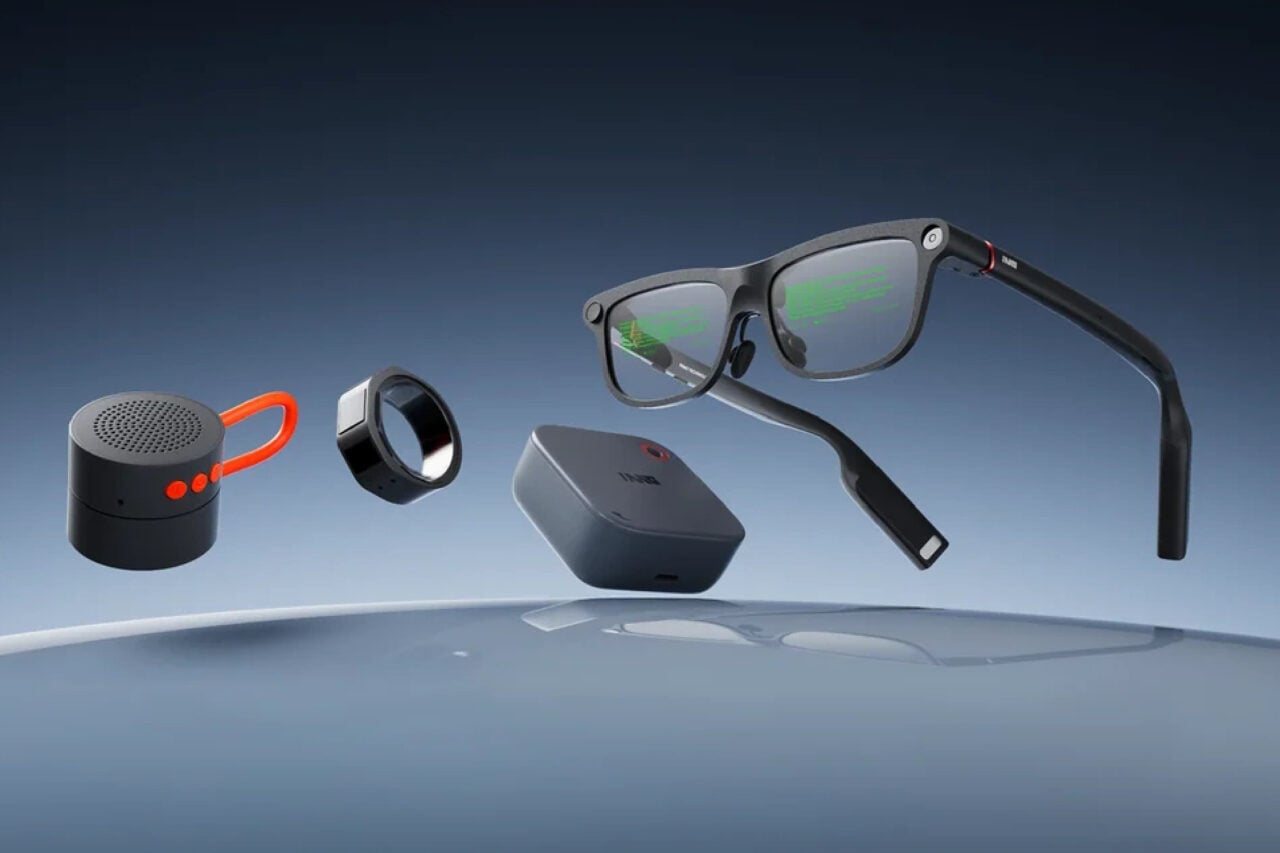
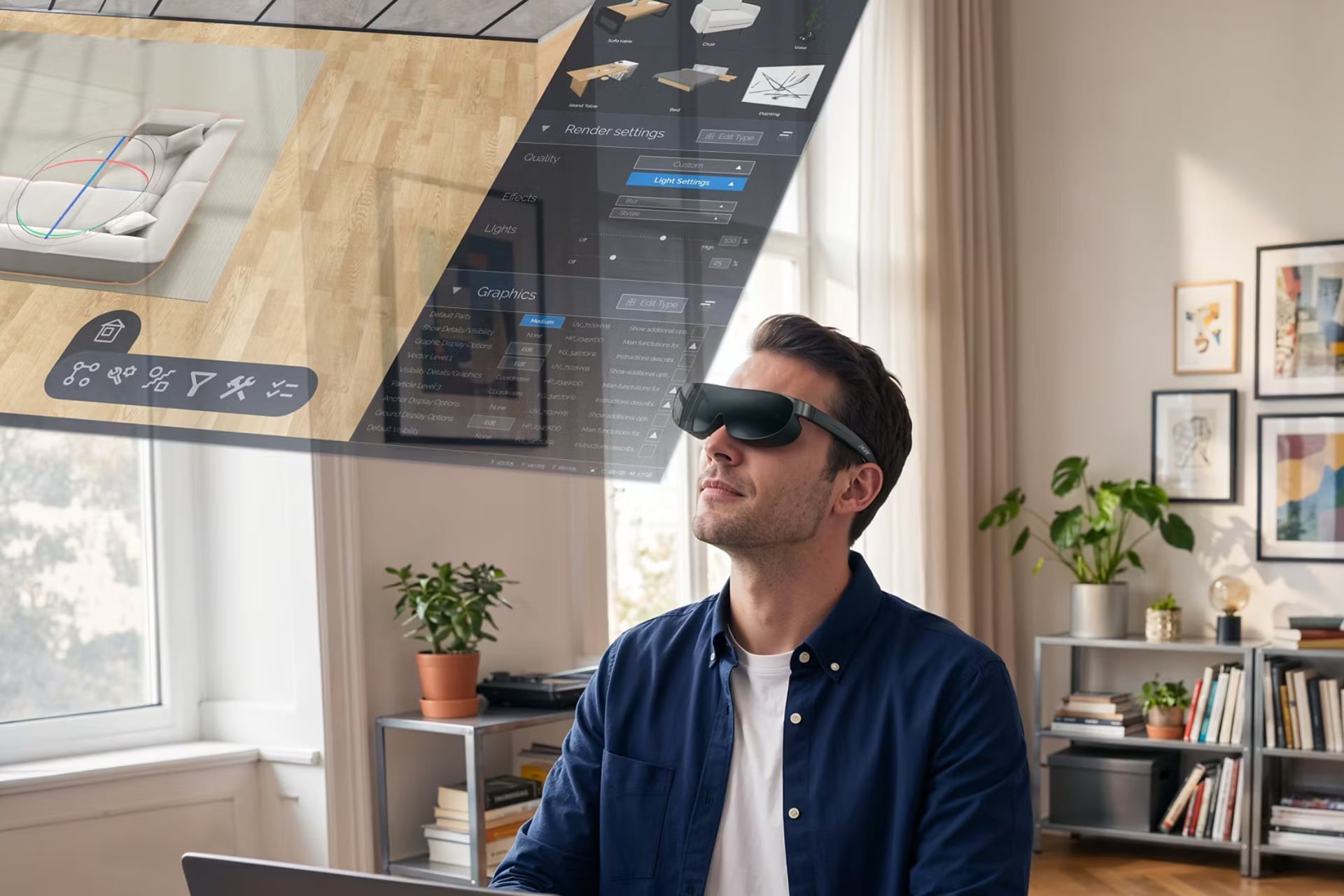
To be honest, they’re not much different than Xreal’s similarly priced AR glasses, but then again, neither are the ones made by RayNeo, an XR company owned by TCL. I’ve tried the RayNeo Air 4 Pro, for example, and the experience is as plug-and-play as you can get. They have HDR10, dual micro OLED displays, and a 120Hz refresh rate. They could be a little more comfortable, but in my testing, the virtual screen was bright, sharp, and more than you need for things like gaming or watching movies. Oh, and to top it all off, they cost just $299.
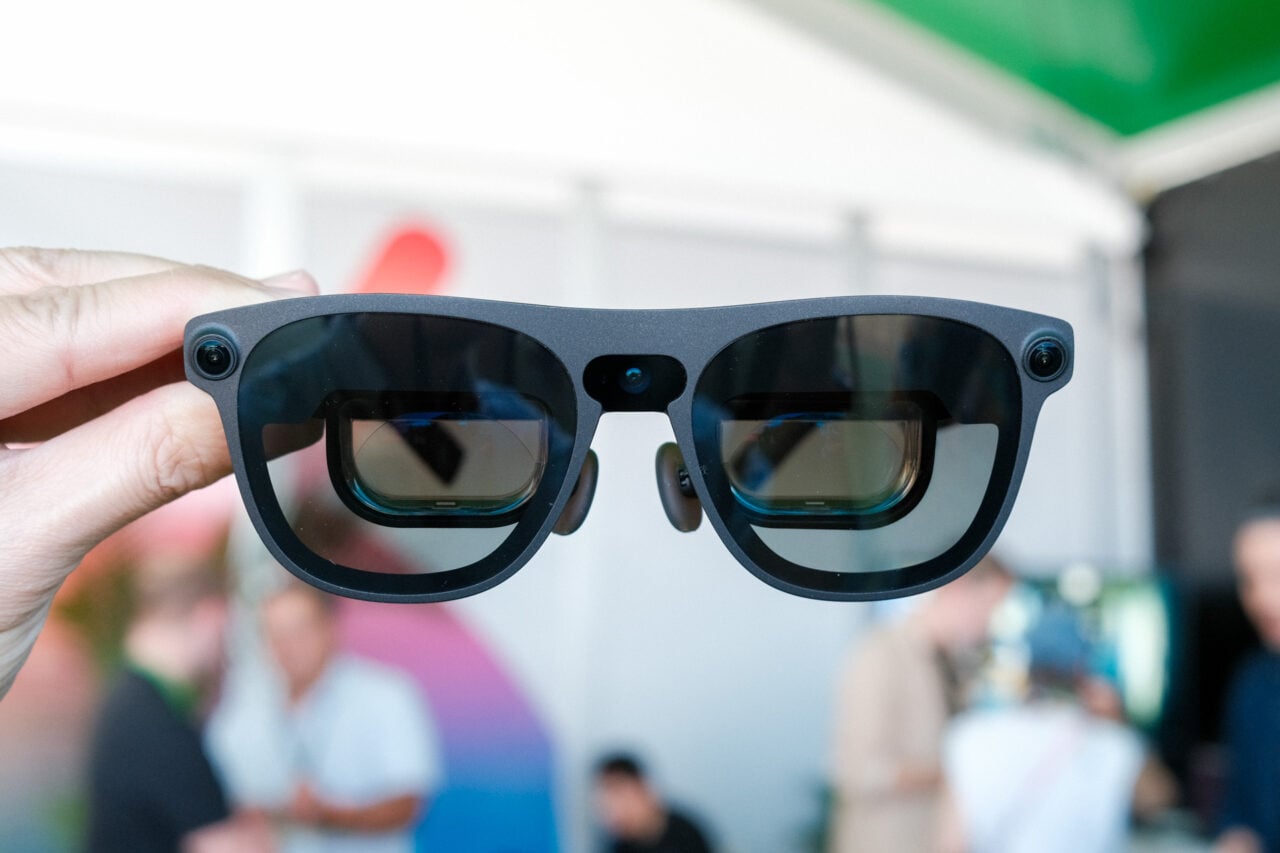
That price, if I had to guess, has had some ripple effects. Xreal just recently launched a sub-brand called X by Xreal (XBX, for short, which feels like a copyright disaster waiting to happen), and the price of its first video glasses, the a01, mimics RayNeo’s Air 4 Pro. The smart glasses, which are coming to the U.S. in July, have a 1,600-nit micro OLED display with HDR10 and weigh 62g—lighter than the Xreal 1S, which weighs about 82g. The screen has a 50-degree field of view and is the equivalent of a 147-inch TV when you have it on your face. If customization is your thing, you can also swap the front plates of the a01 for fun.
It’s a more-than-solid alternative to RayNeo, but what makes the a01 interesting is the fact that it makes AR/video glasses feel very competitive. Just like the RayNeo Air 4 Pro, the price is reasonable, the specs are solid, and while I haven’t had a chance to use them for myself, I’d be surprised if they weren’t as seamless to plug in and use as RayNeo’s offering. If you needed proof that AR glasses have arrived as a category, this is the kind of back-and-forth competition that you’d look for. Xreal, to its credit, is already poised to push the AR glasses race further with Project Aura on the horizon—AR glasses with a whole compute puck that constitute a whole self-contained device that doesn’t rely on your laptop or phone.
Even with the help of Google, though, Xreal clearly has its work cut out for it. Acer might be the most recent company to offer a new pair of AR glasses in the space, but something tells me it won’t be the last.