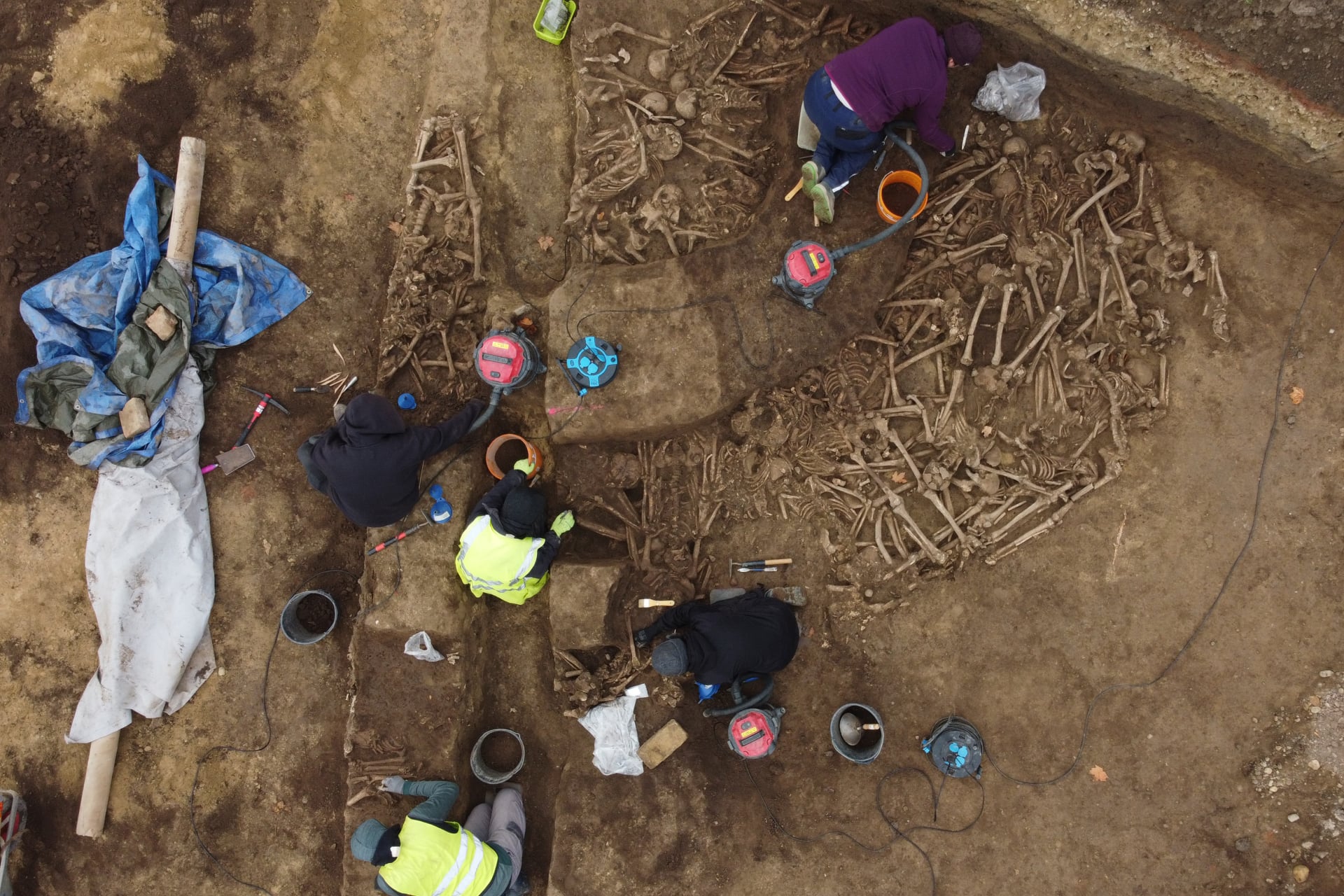
In 2024, construction workers in Austria had an unlikely encounter with a mass grave. Expert analysis dated the grave back to the Roman era, finding around 150 young men who likely perished in combat. The team now has more details on how exactly these soldiers were hurt. And let me just say: ouch.
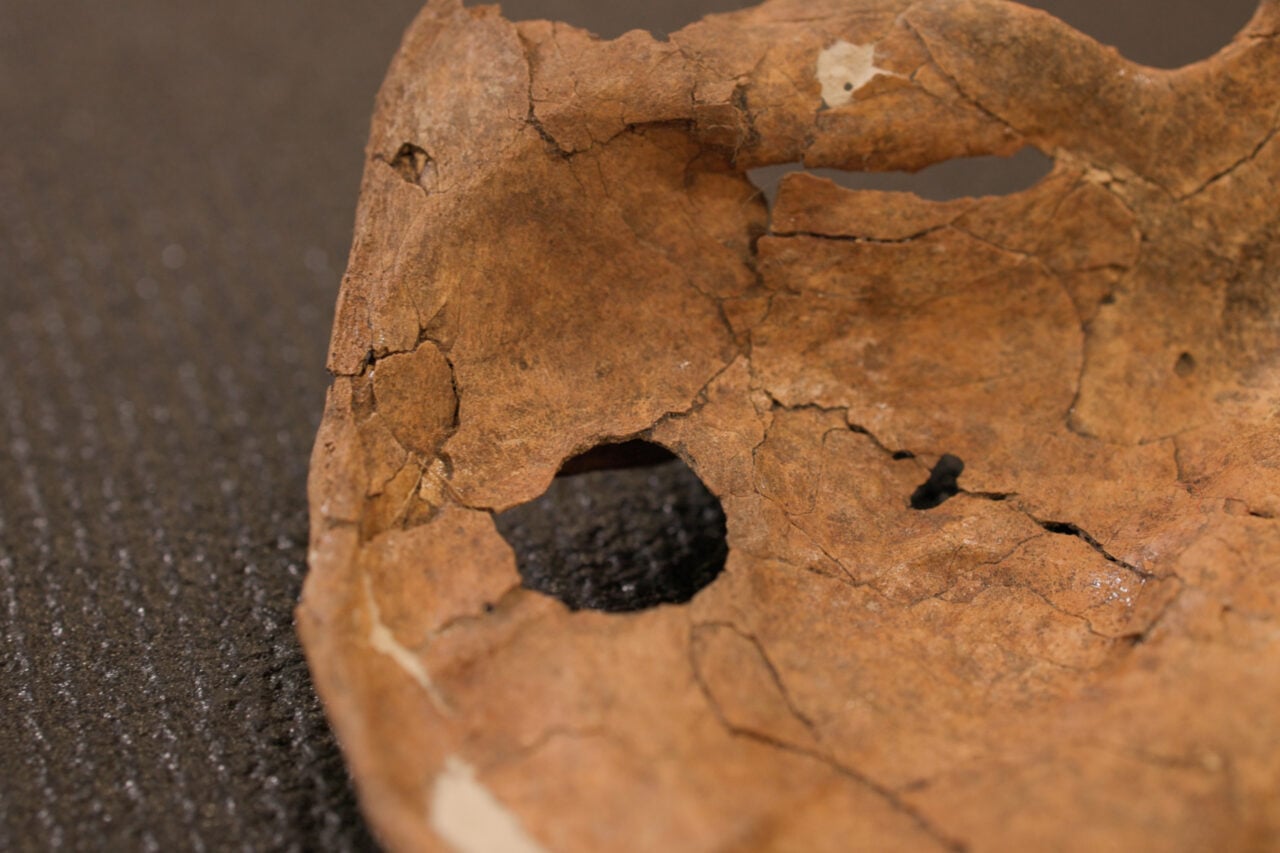
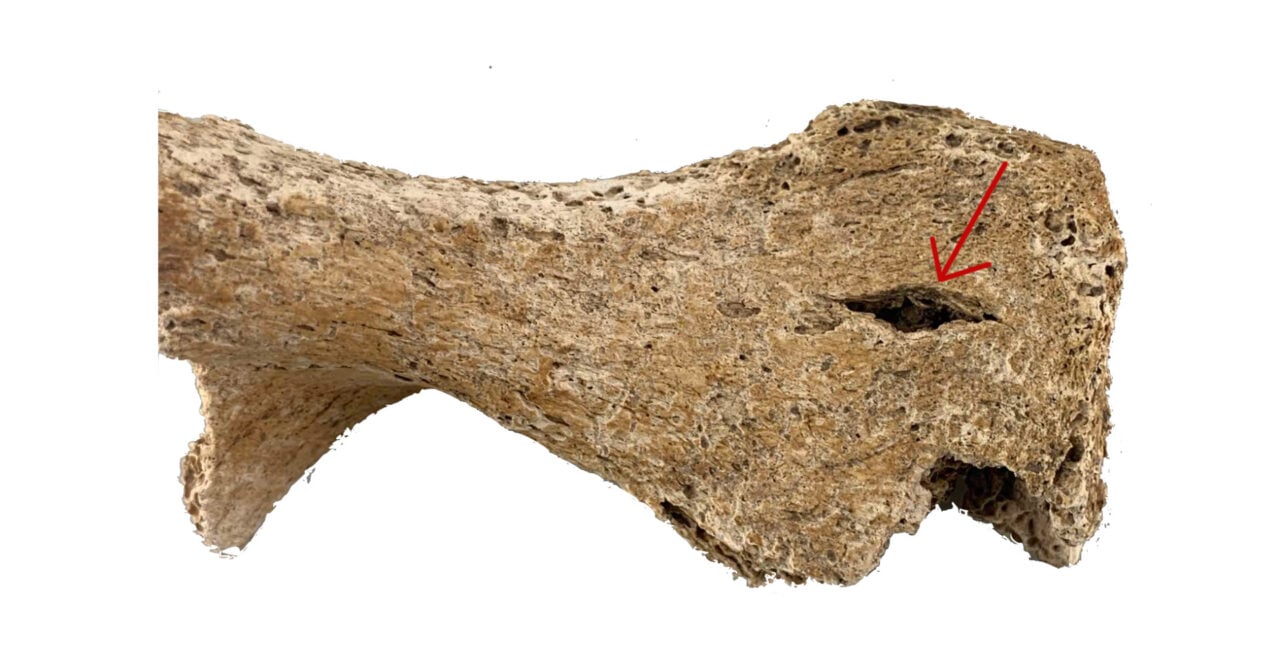
Most of the sharp force was observed on the skull—fairly standard. But 40% of the 128 individuals studied displayed “trauma seen on and around the pelvis,” according to a presentation overview of the findings, announced at a recent meeting of the 25th European Paleopathology Association. The discovery itself was huge, as the site represented a large repository of corpses connected to the fierce battles of the Roman Empire, as Michaela Binder, who led the project, told the Associated Press in 2025. The latest analysis deepens the mystery of the mass grave. Was this groin attack some sort of war tactic? And why were these soldiers discarded in such a disorganized manner?
“Although warfare in the Roman period is well documented in historical sources, physical evidence of war-related events has been exceedingly rare,” explained the overview. “The mass grave from Hasenleitengasse [area in Vienna], thus, represents a unique source of data, allowing first-hand insights into the life and death of Roman-period combatants.”
Rest in pieces?
Preliminary analyses of the site, presented in a 2025 statement from the Vienna Museum, revealed rather grim details of the mass grave, which was dated to between the late 1st and early 2nd centuries CE. Setting aside the whole groin thing, it really did seem like the skeletons went through a lot. They all suffered a variety of physical injuries and didn’t show signs of disease. The evidence pointed to a battle rather than an execution or a military hospital.
For some reason, it also seemed the fighters had their weapons confiscated. One individual was dumped with a spearhead stuck in his hips. Given the elaborate funerary rituals of the Roman Empire, this mass grave indeed raised many questions for archaeologists. It also added weight to the hypothesis that the site demonstrated a “catastrophic end to a military operation,” according to the statement.
Unsettling attackers
In the 2025 statement, the team noted that it had completed analyzing roughly a third of the skeletons. But now, after fully cataloguing the remains, the researchers were able to define patterns across the skeletons, including the strange prevalence of groin injuries. To Live Science, Sheridan Strang, a bioarchaeologist with the archaeology firm Novetus, explained that the most likely scenario is that horseback attackers used lances to target a gap in the enemy’s armor.
The first DNA analyses of 25 skeletons revealed a diverse ancestry, which could mean that not all of the men were necessarily Roman military personnel, Strang explained. According to the Vienna Museum, historical records indicated that the Roman Empire frequently engaged in combat with Germanic tribes around this time. So the grave could be a “commingled grave,” Strang told Live Science. She added that the team’s next steps will be to further investigate the remains, with a focus on the individuals’ health and diet.