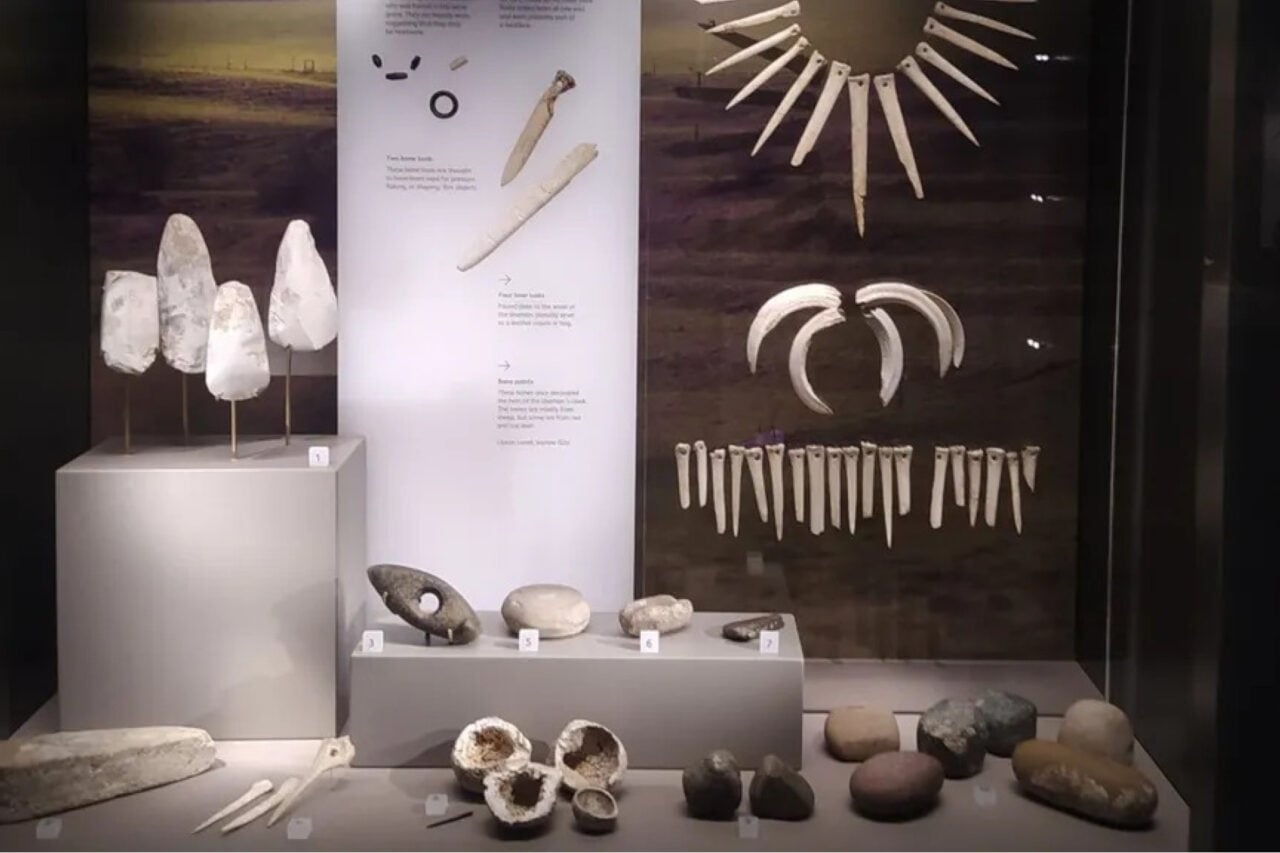
Researchers in Spain investigated what kind of noise shells used by Neolithic societies made.
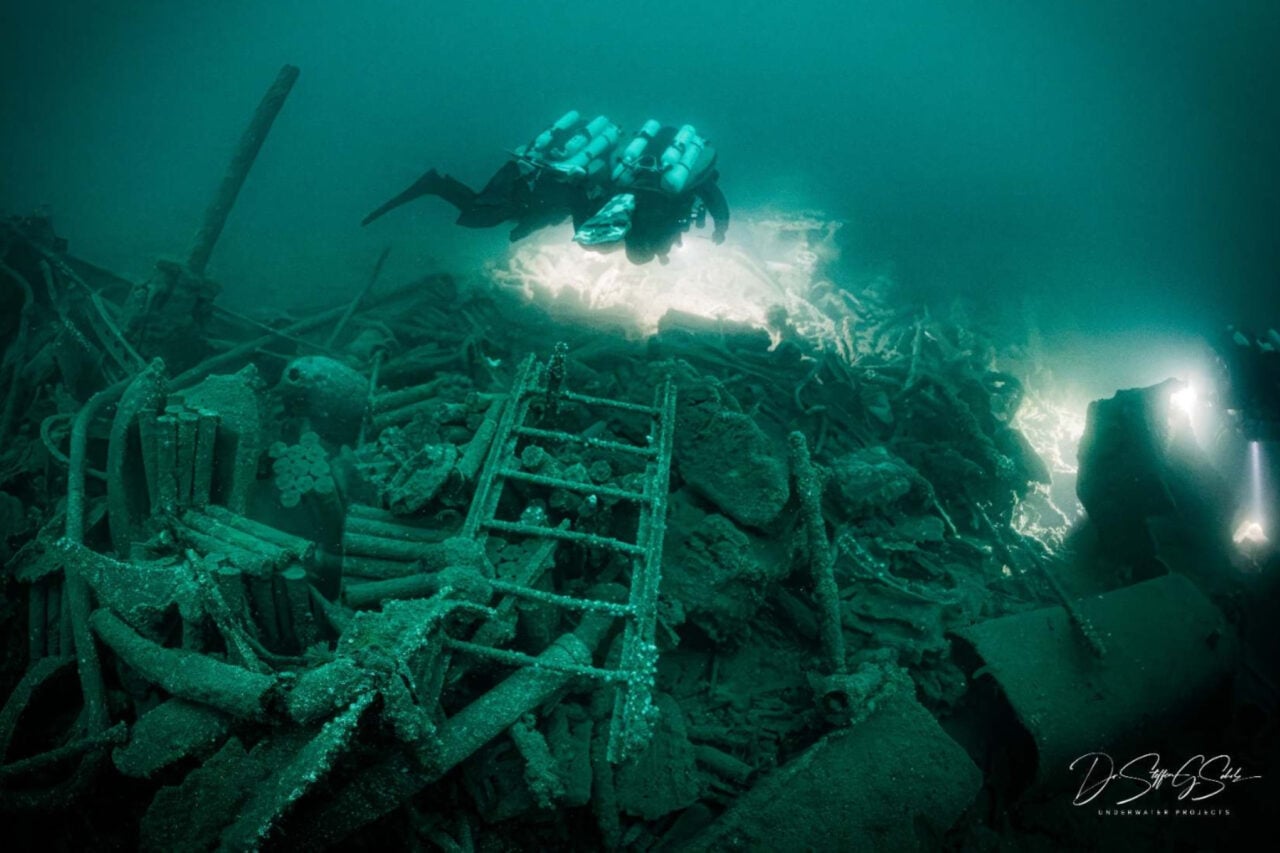
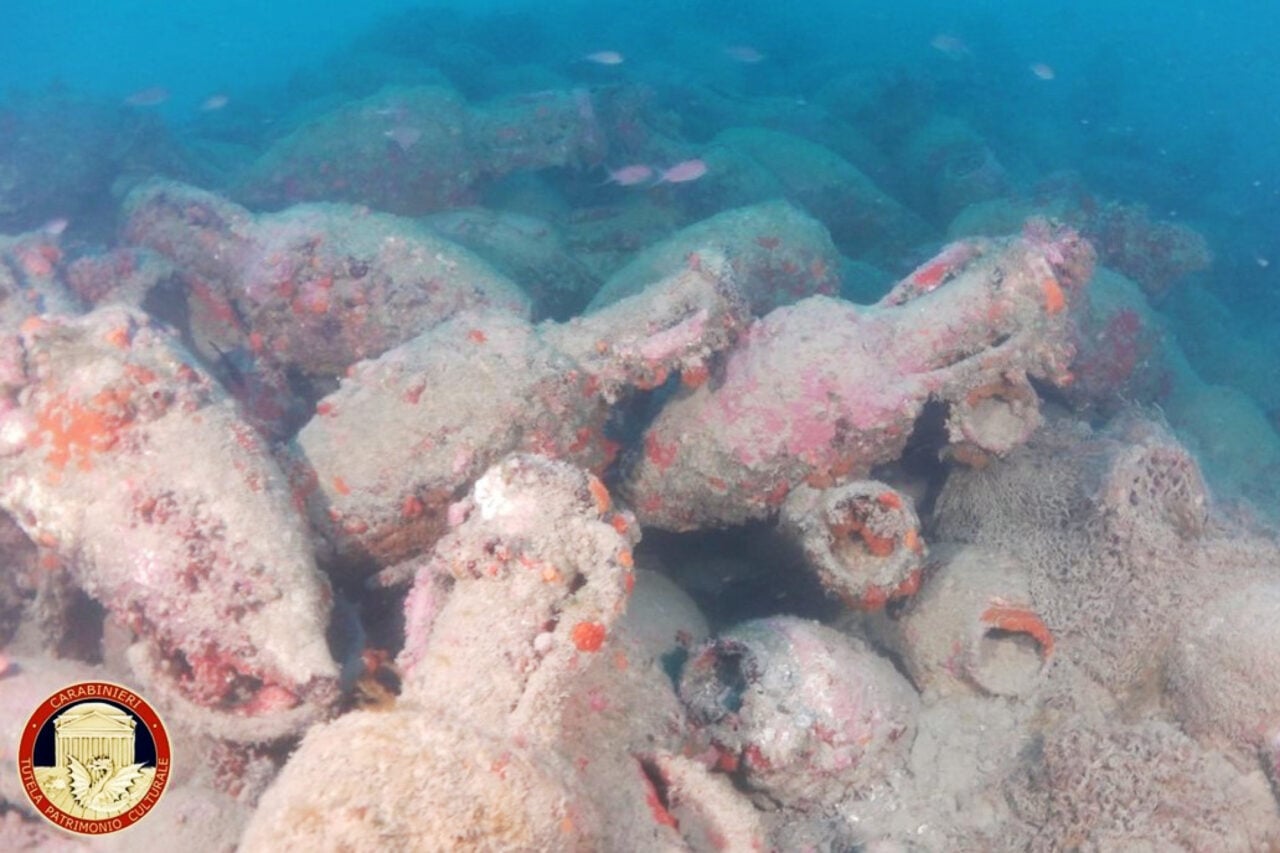
International research and highly-specialized divers are bringing an underground, underwater world to the surface
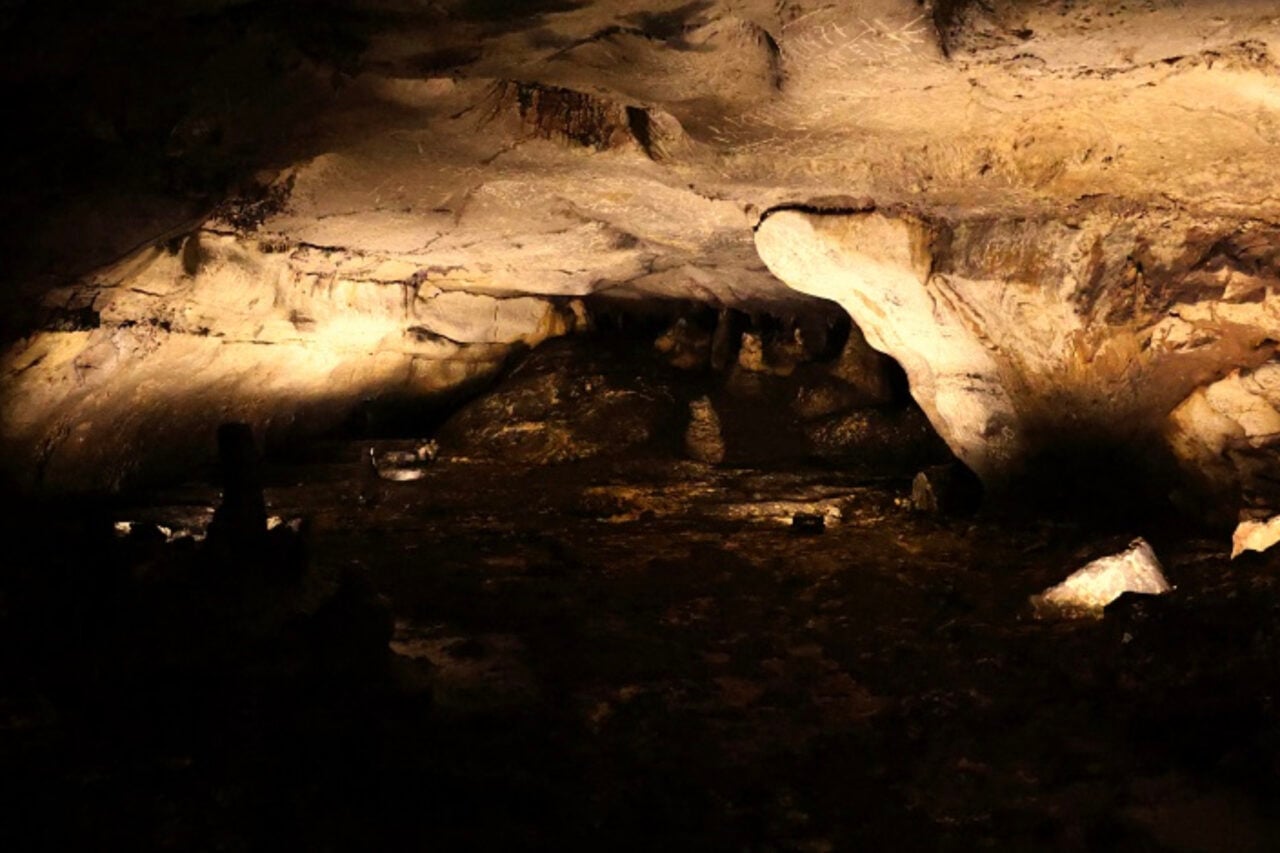
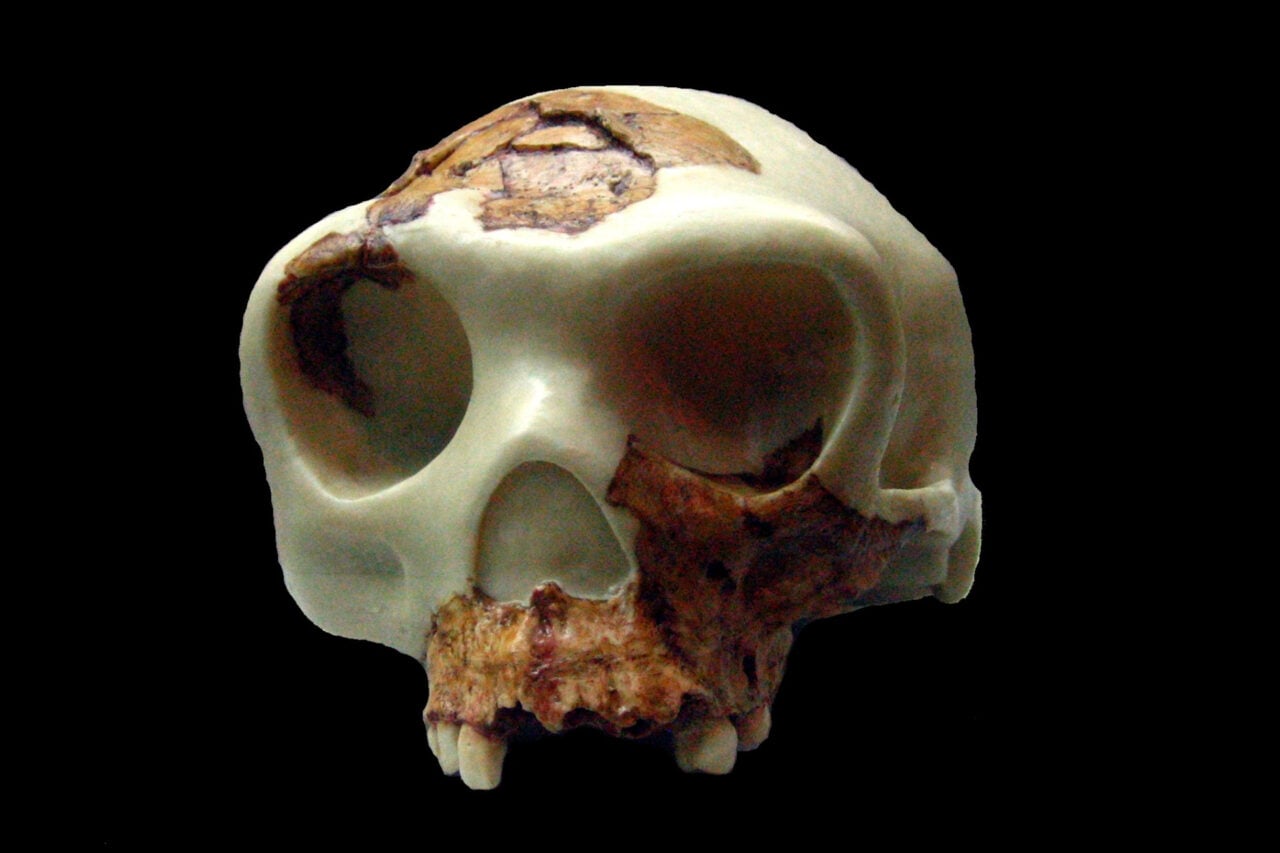
Human remains found inside a Belgian cave tell a grisly story of selective cannibalism among our hominid cousins.
Researchers used drone imagery to construct a 3D model of Rapa Nui's main moai quarry and reveal its secrets.
The Ushbati figurines were meant to work for the dead.
Archaeologists recently explored a long-lost Silk Road city at the bottom of a lake, uncovering a trove of artifacts and a medieval cemetery.
These are some of the women behind the technologies that make our modern world go round, from WiFi to windshield wipers.
Archaeologists in Israel have discovered the oldest known figurine representing human-animal, uh, interactions.
Archaeological excavations outside the ancient city of Megiddo shed light on the area's Bronze Age alcohol production and a potential folk cult.
Researchers analyzed brown residue in an incredibly rare alabaster vase.
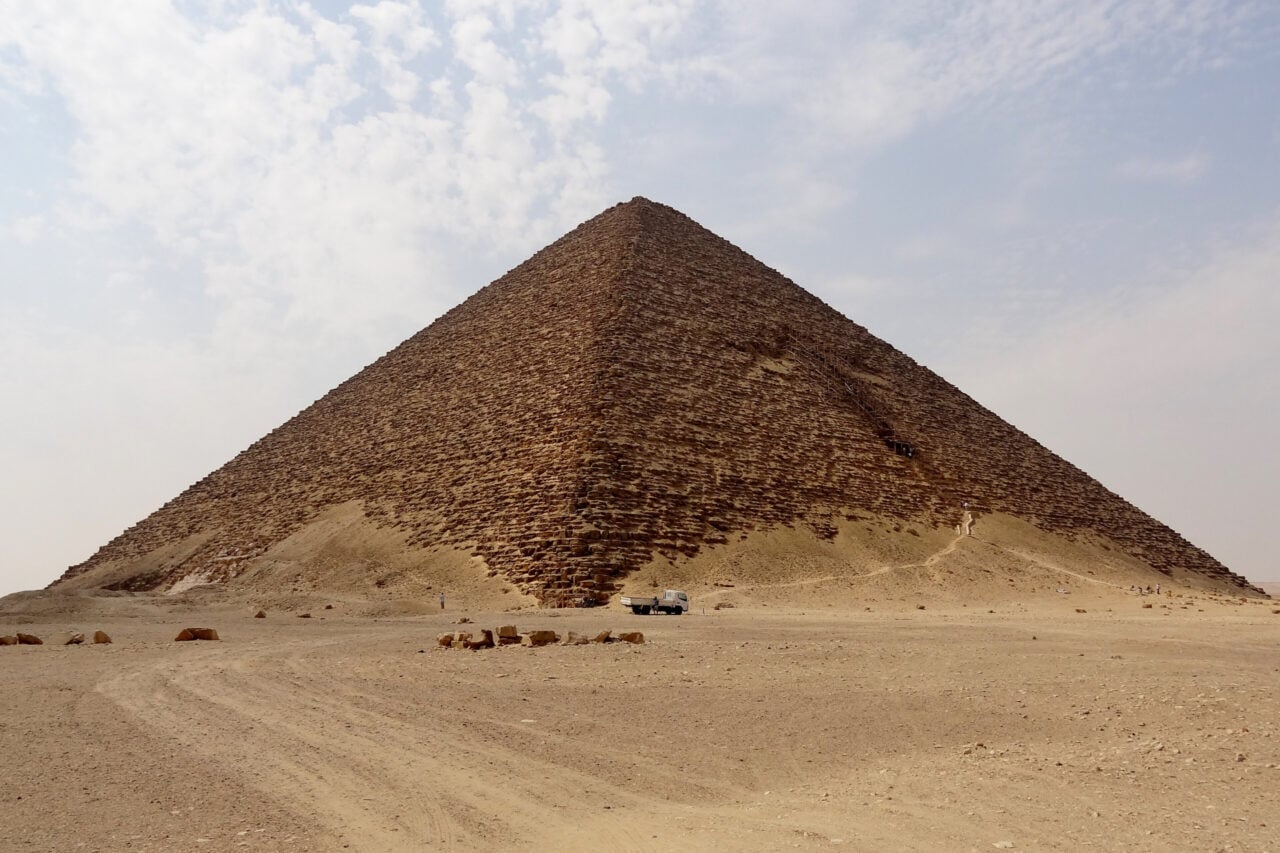
A strangely smooth expanse of granite on the Menkaure Pyramid might be a second entrance.
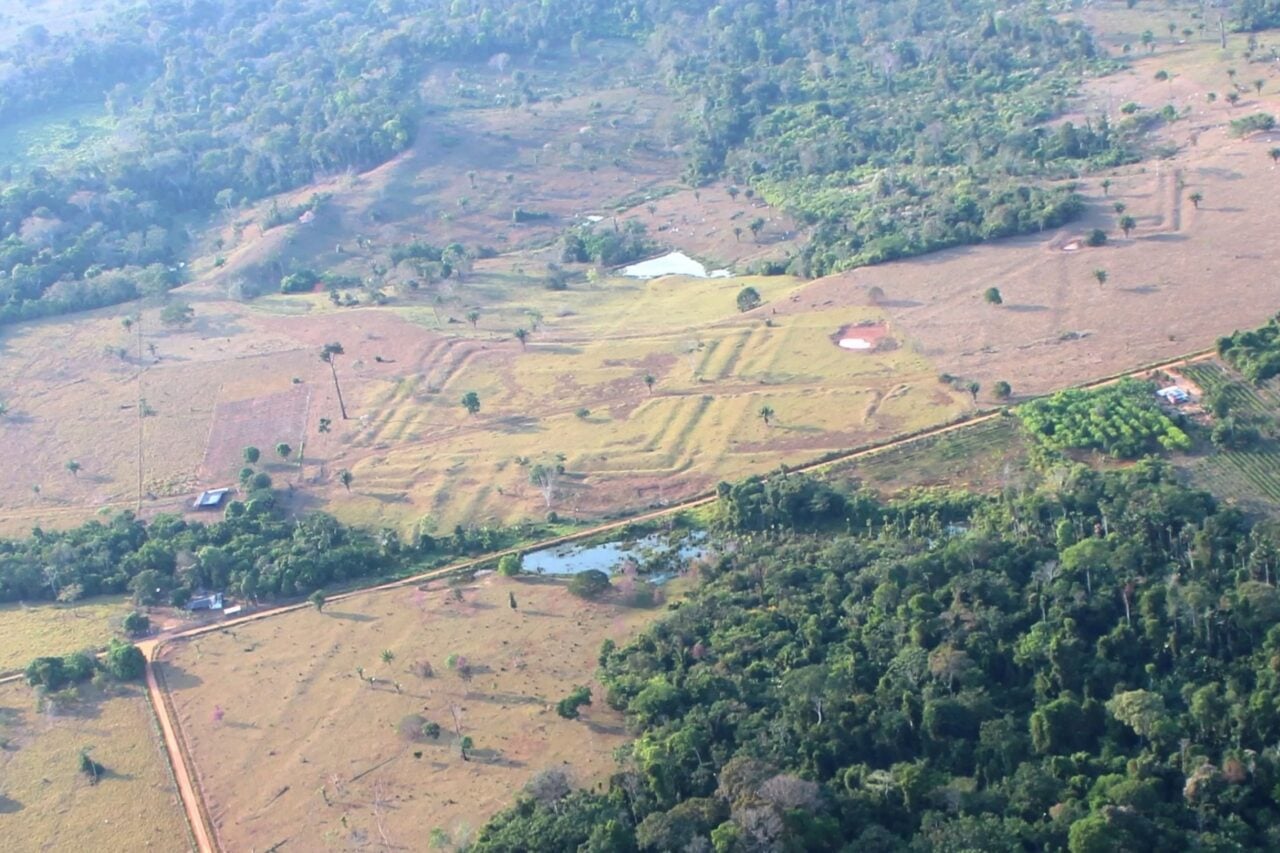
New research proposes a new theory for a perplexing monument in South America.
A new study identified over 68,000 more miles of ancient Roman roads than were previously known.
1,700-year-old ancient Roman burial grounds have come to light in southern France.
Researchers identify two pathogens in the remains of soldiers in Napoleon's army.
Acoustics were an important aspect of Incan architecture, according to a researcher.
Homeowners found a marble slab carved with inscriptions while clearing out undergrowth in their yard. Turns out it was 1,800-years-old.
The number of diamonds will make you dizzy.
The "walking moai hypothesis" could end a long-time debate over how ancient engineers moved these iconic statues around Easter Island.
It turns out explorer Sir Ernest Henry Shackleton knew his vessel had shortcomings.