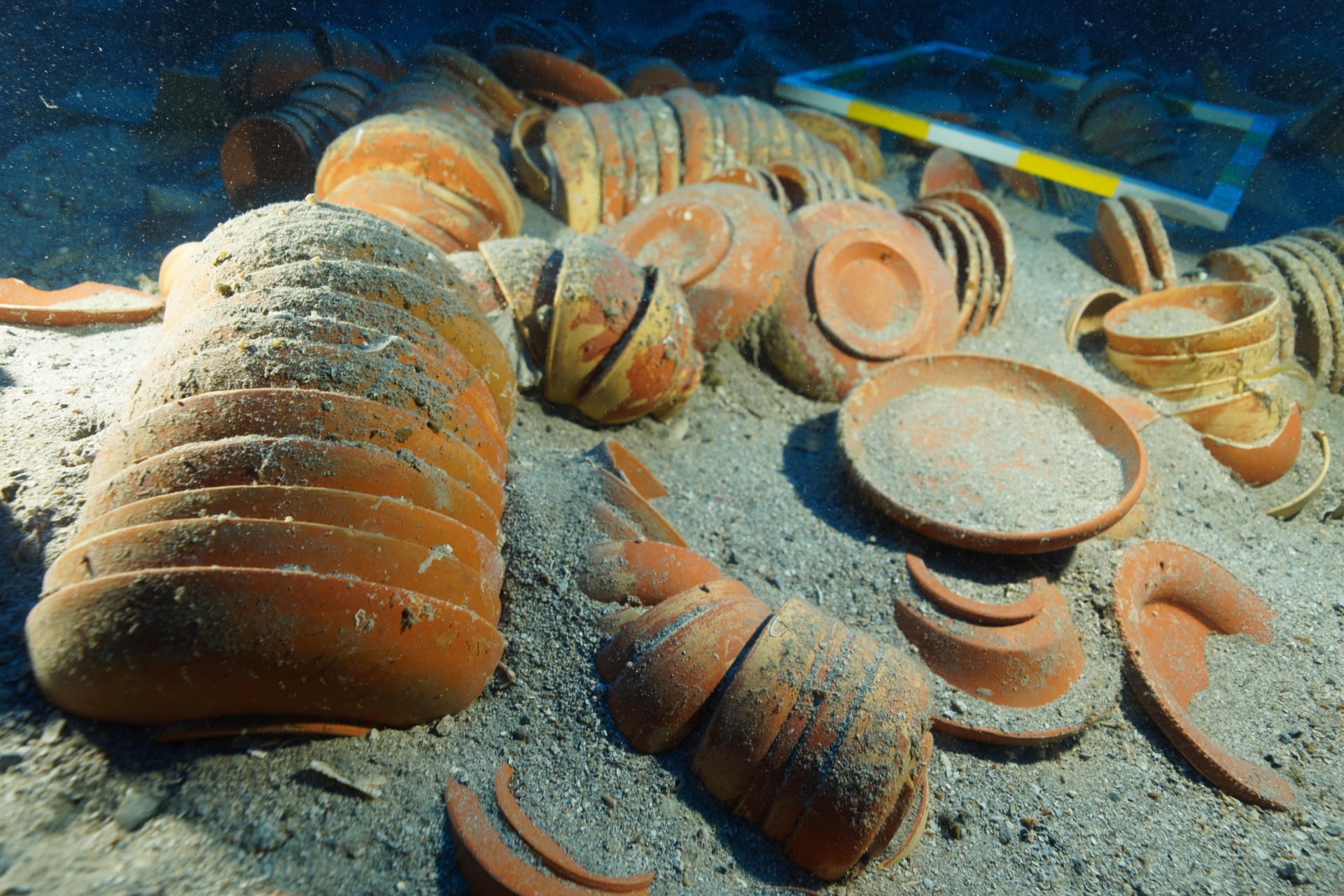
A long time ago, a merchant ship carrying luxury tableware sank to the bottom of the Mediterranean. Merchants at the time seemed to appreciate the value of these ceramics—they were packed so carefully that an impressive 6,511 pieces remained intact for 2,100 years.
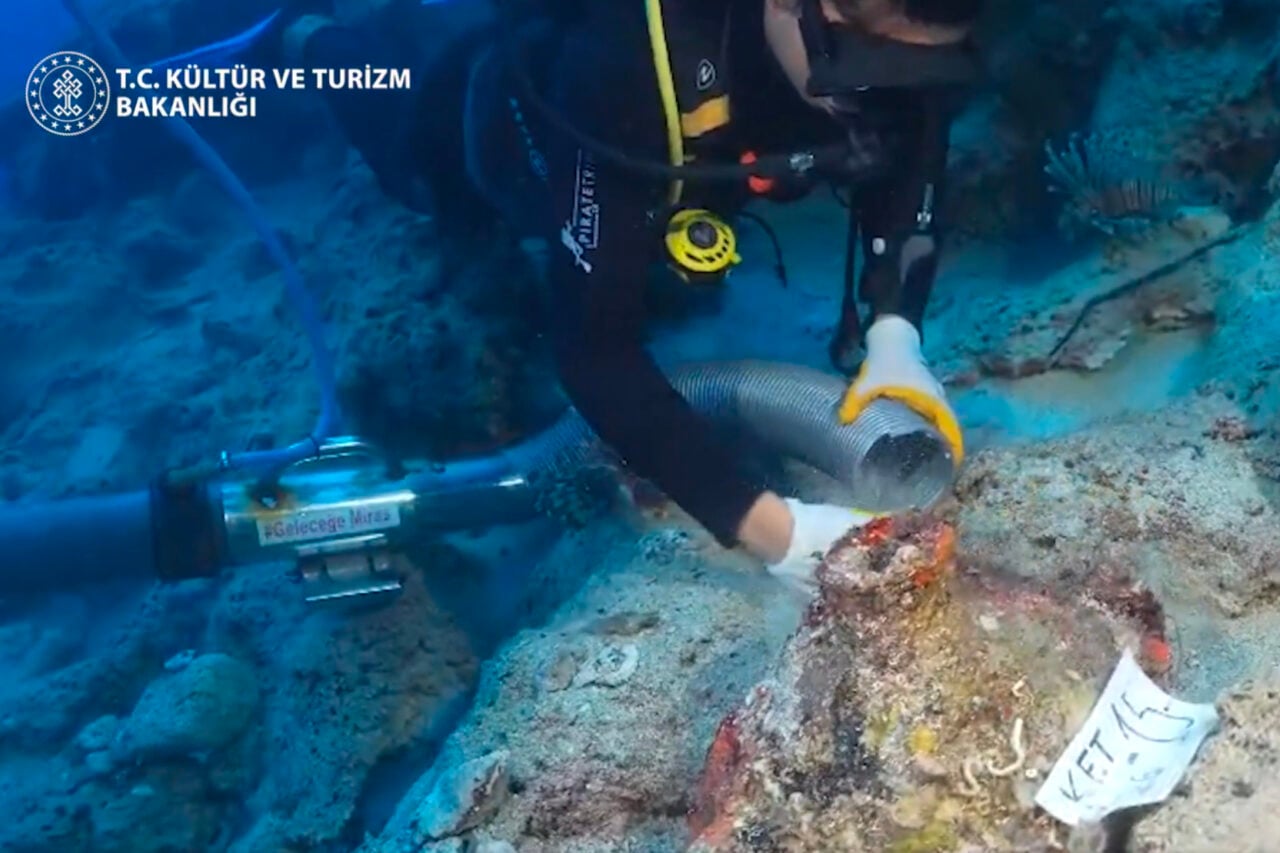
Archaeologists explored the sunken boat—the Adrasan wreck off Antalya—during underwater excavations organized by Türkiye’s Ministry of Culture and Tourism in 2025. In a social media post, Minister Mehmet Nuri Ersoy explained that the ship contained an unprecedentedly intact collection of plates, bowls, and trays in 122 different shapes and sizes. Closer inspection indicated that the tableware was manufactured in Rhosus (modern-day Arsuz, southern Türkiye), which records indicate produced luxury products for elite customers.
Researchers at Akdeniz University’s Underwater Archaeology Research Center with public partners contributed to the investigations. Following the excavations, the team has sent additional fragments retrieved from the site to the university’s conservation lab in Kemer.
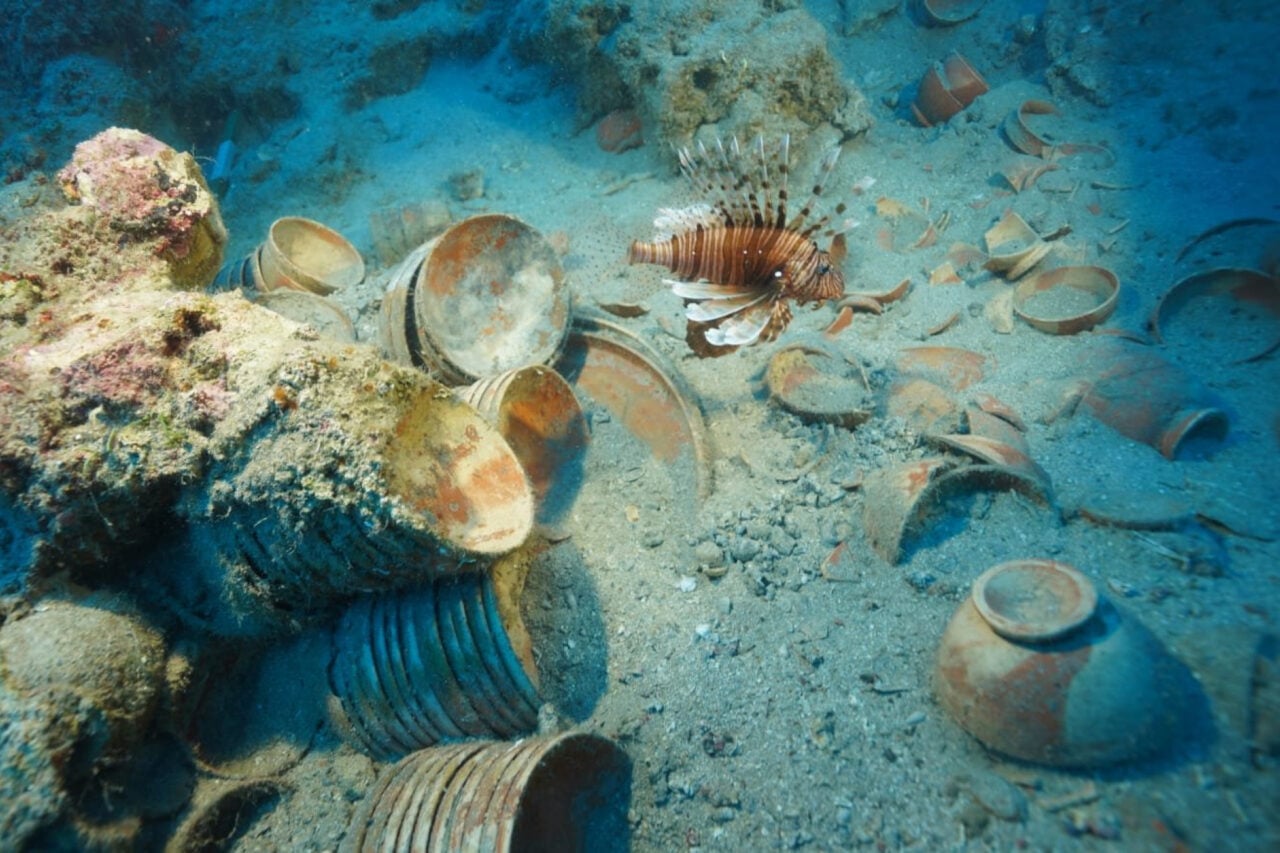
“We are bringing 2,100-year-old tableware to light from the depths of the Mediterranean,” Ersoy wrote in his post (translated via Google).
Plates fit for kings
In an explainer for the Metropolitan Museum of Art, art historian Christopher S. Lightfoot wrote that “wealth poured into Rome on an unprecedented scale” during the second and first centuries BCE. That meant wealthy Romans would build lavish villas and commission elaborate jewelry, now on display at museums around the world. Importantly, Lightfoot added, these artifacts are an indication of the craftsmanship required from Roman artisans to appease their wealthy patrons.
If records are correct, it appears that the Roman elite had preferences for sourcing these luxury items, which included fancy tableware. For example, politician and philosopher Marcus Tullius Cicero mentioned ordering “fine” Rhosian ware in his letter to his friend, Titus Pomponius Atticus, taking a playful jab at how Atticus reportedly served him “vegetarian fare on fern-pattern plates and in magnificent baskets.”
Lost at sea
It was this kind of “Rhosian ware,” the same type Cicero ordered for his friend, that archaeologists found about 138 to 180 feet (42 to 55 meters) underwater. Perhaps as a testament to their value, the cargo was packed with clay between the dishes as a shock absorbent, then placed into wooden crates. As a result, the artifacts were unusually intact for a typically fragile object, and they “carry Anatolia’s craftsmanship and the Mediterranean’s trading history into the present day,” Ersoy remarked.
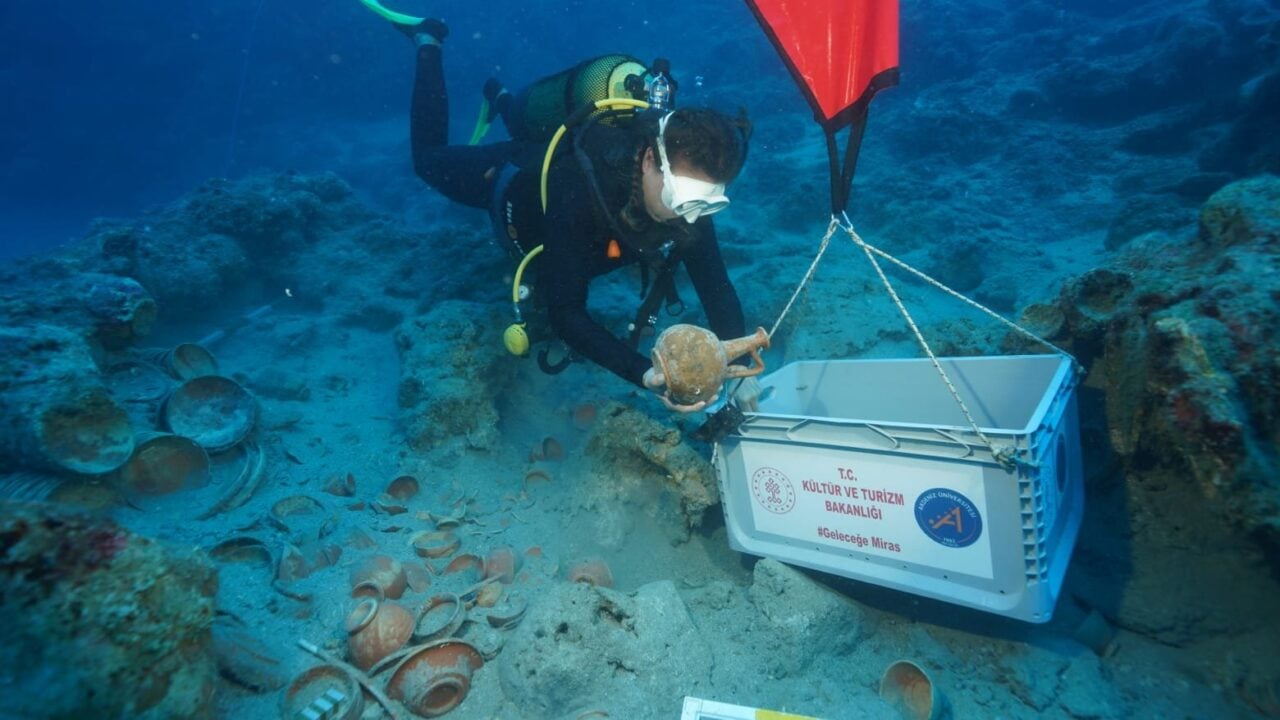
However, the shipwreck also contained other artifacts, such as coins from Antioch (located in modern-day Syria), according to Anadolu Agency, Türkiye’s state-run news outlet. This implies that the ship departed from Rhosus, possibly headed to Rome, but never made it to its destination. If true, the findings also point to the presence of a trade network between Antioch, the Aegean, Greece, and the Italian coast during the 1st century BCE, Anadolu reported.