It looks like investors hoping to get a piece of the Anthropic IPO pie are going to have to wait in line.
Orders for shares of the AI company—whose stock market debut is expected to be one of (if not the) biggest in the history of Wall Street—have already exceeded the number currently on offer several times over, according to a Wednesday report from Bloomberg.
The report (which cited anonymous sources and didn’t specify exactly how far demand for the shares exceeded the current supply) is bad news for prospective investors, but it’s likely to be a jolt of encouragement for Anthropic’s bankers and financial underwriters: a reassuring signal that public demand for the company’s shares remains high, despite some serious tremors that have recently rocked the AI industry.
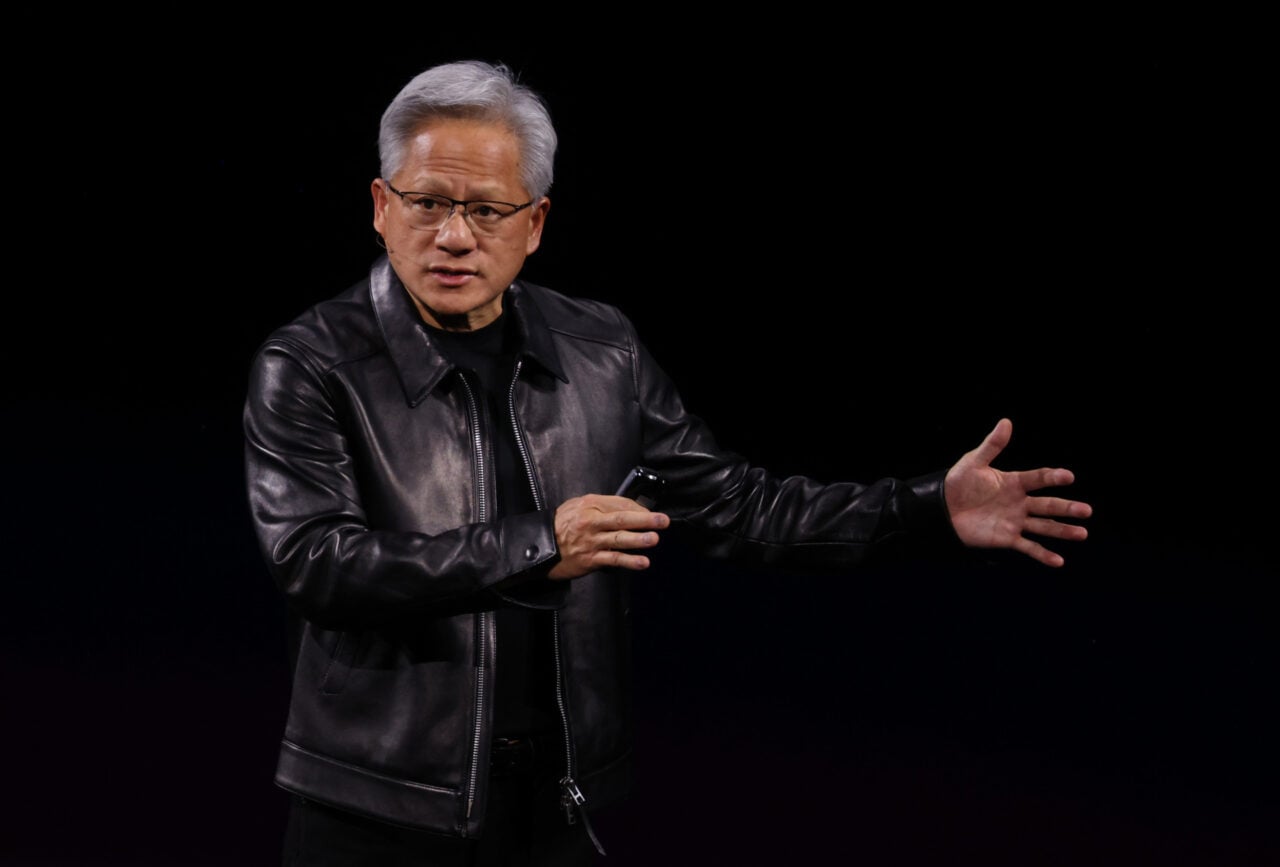
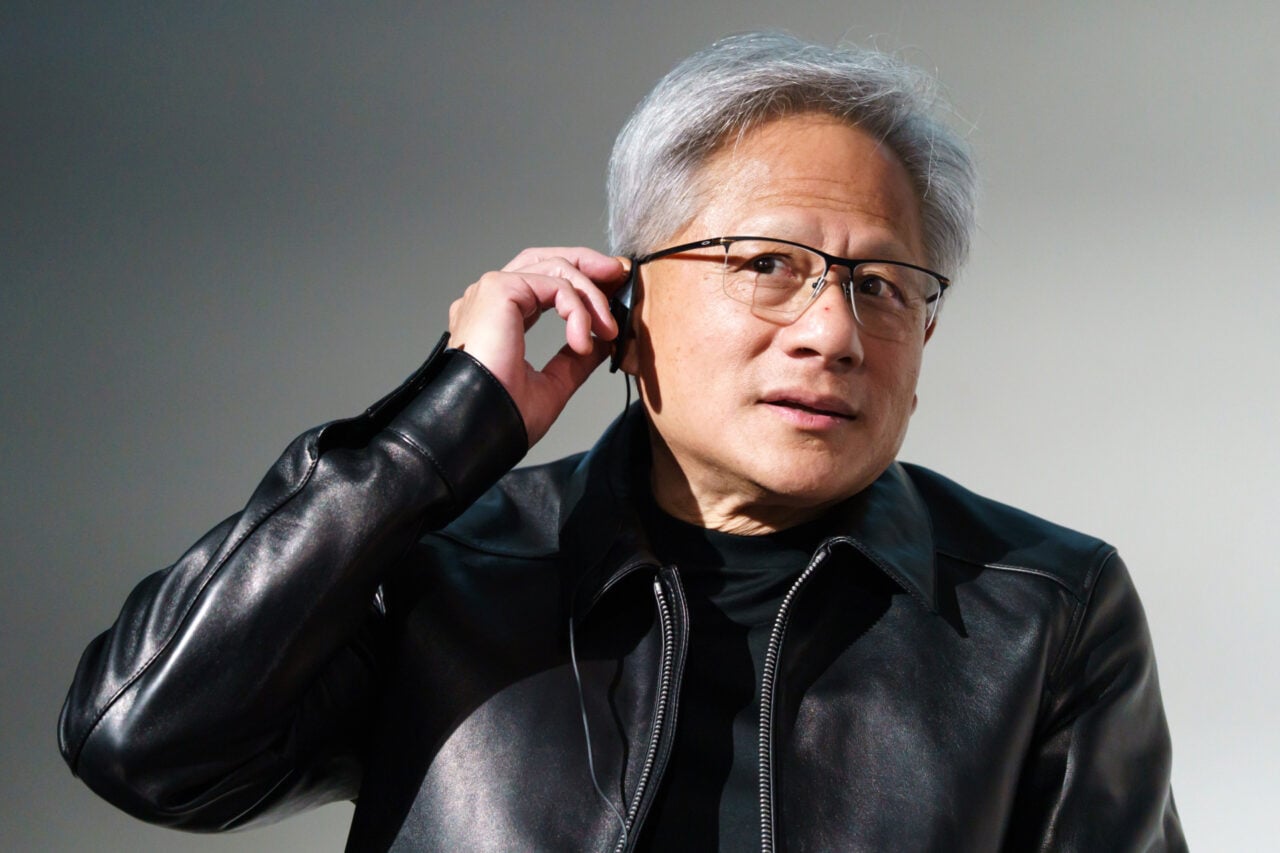
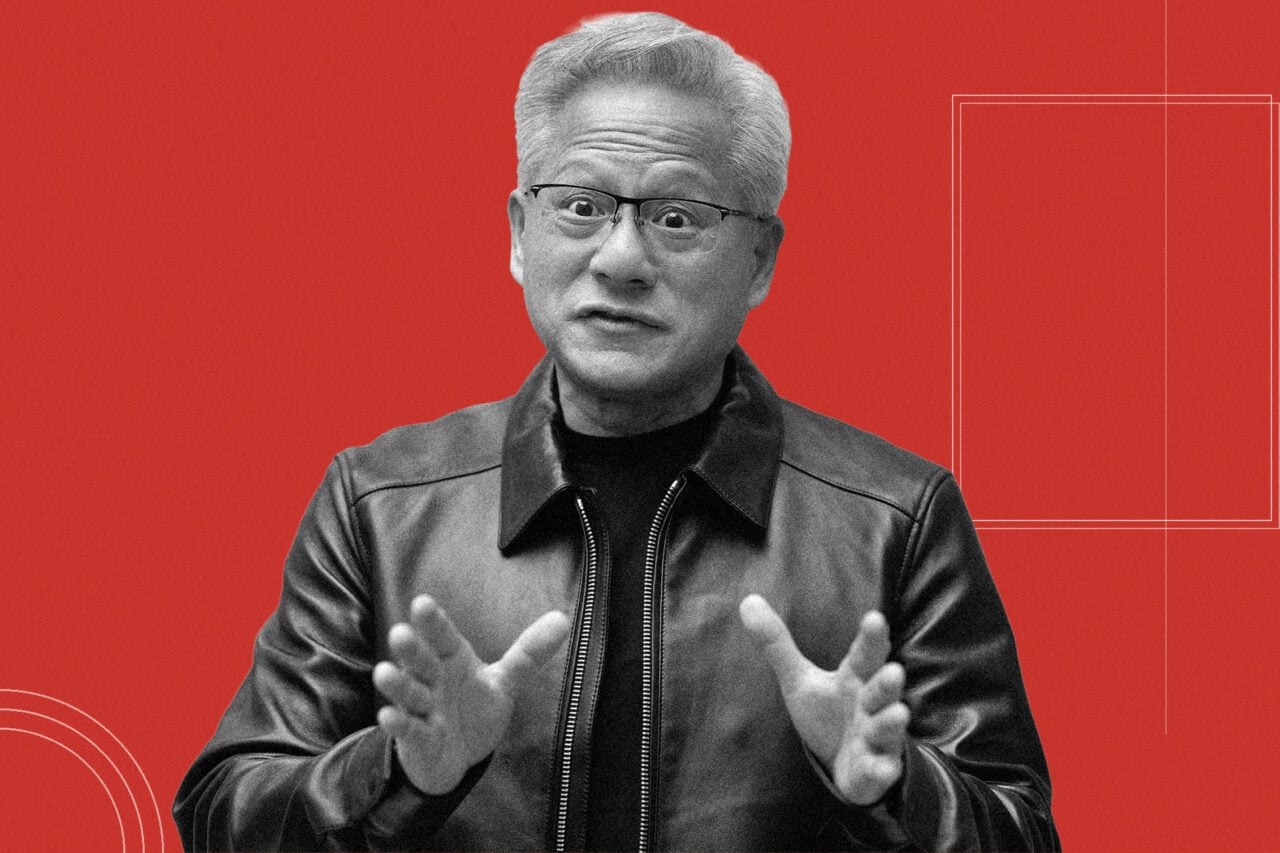
AI stocks hit a rough patch following last week’s midterm elections, which resulted in a resounding victory for AI critics within the Democratic Party as well as a nationwide voter rejection of plans to build new data centers. Nvidia, whose chips are the cornerstone of the AI industry, has faced additional headwinds following CEO Jensen Huang’s admission that he’d cheated on his wife with a woman believed by U.S. intelligence agencies to be a Chinese spy, and potentially jeopardized U.S. national security in the process. (Nvidia says its board of directors has launched an internal investigation in response to the revelations.)
Even before the Nvidia scandal and the campaign cycle for the midterms had begun, investors had been wary of AI companies like Anthropic, which, despite their huge popularity and rapid financial growth, have yet to offer a clear path to long-term profitability. OpenAI has already ruled out a stock market debut this year, with CEO Sam Altman citing unresolved safety issues and arguing that the company was better positioned to address them while remaining private.
Anthropic, founded just under six years ago by OpenAI expats and long positioned as the voice of safety in an otherwise reckless industry, clearly feels it’s ready to balance the responsibilities of building powerful AI with the obligations that come with being a publicly listed company. “We believe that AI is one of the most consequential technologies in human history,” the company’s founders wrote in a letter accompanying its Tuesday IPO announcement. “If managed well, it could rapidly accelerate scientific innovation, greatly increase economic growth rates, bring cures for major diseases within reach, and solve problems that have resisted generations of human effort.”
That kind of superlatively confident language is typical of AI companies at a time when they’ve been burning dizzying quantities of cash in order to build new models, while simultaneously trying to reassure investors—current and future—that all those investments will eventually pay off in a big way. The over-demand for shares reported by Bloomberg suggests that, at least for the time being, it’s an effective marketing strategy. You can expect to hear a lot more of it as Anthropic proceeds with its pre-IPO promotional roadshow, which will include a livestreamed event with CEO Dario Amodei and JPMorgan Chase & Co. CEO Jamie Dimon this Friday.
Anthropic says its IPO will consist of 825 million shares of Class A common stock, priced between $70 and $78 apiece. The underwriters for the listing, Goldman Sachs and Morgan Stanley, are also expected to be granted the option within the first thirty days of the IPO to buy up to an additional 123,750,000 shares, which would bring the total number of available shares to a little under 950 million.
Some of the biggest names in Silicon Valley, including Google, Microsoft, and the beleaguered Nvidia, have reportedly already agreed to invest a total of $26 billion in Anthropic as it moves forward with its IPO—yet another reminder of the circularity and mutual dependence of competing tech companies as they buy, sell, and lease computing resources to one another amid their mutual efforts to build and operate AI. That circular dealmaking, incidentally, has been another source of concern among investors who fear a precarious AI bubble that could, if popped, bring the entire U.S. economy down with it. It was also a visible feature in SpaceX’s IPO back in June, which was bolstered in part by enormous computing contracts with Anthropic and Google—SpaceX’s (ostensible) competitors.

At the time, SpaceX’s IPO was by far the biggest in history, rocketing the company to a record-shattering valuation of $1.77 trillion and, for a brief spell, making Musk the world’s first trillionaire. Rumors circulating throughout Wall Street in recent months have placed Anthropic’s post-IPO valuation at around $2 trillion, but it now looks like those were overblown: at its currently slated share prices, the company is expected to be worth somewhere in the range of $1.26 and $1.41 trillion.
Bear in mind that all these numbers are provisional, as Anthropic could still revise its IPO plans. The Financial Times reported on Tuesday that the company’s bankers were eyeing a higher valuation target after its IPO, at $1.5 trillion or more. It remains to be seen if “or more” could surpass the $1.77 trillion stock market debut achieved by SpaceX. Anthropic could also, like OpenAI, decide to postpone its IPO, but that would almost certainly be ill-advised, spooking investors who already have enough to worry about.