Peru’s archaeological record is arguably one of the most pillaged in the world. For centuries, thousands of its pre-Columbian artifacts have been looted, first by Old World conquistadors, then by black market marauders and their local accomplices, known as huaqueros, an indigenous Quechua word that now has effectively come to mean “grave robbers.” So, it’s saying something when researchers manage to uncover a sacred site that is eerily intact.
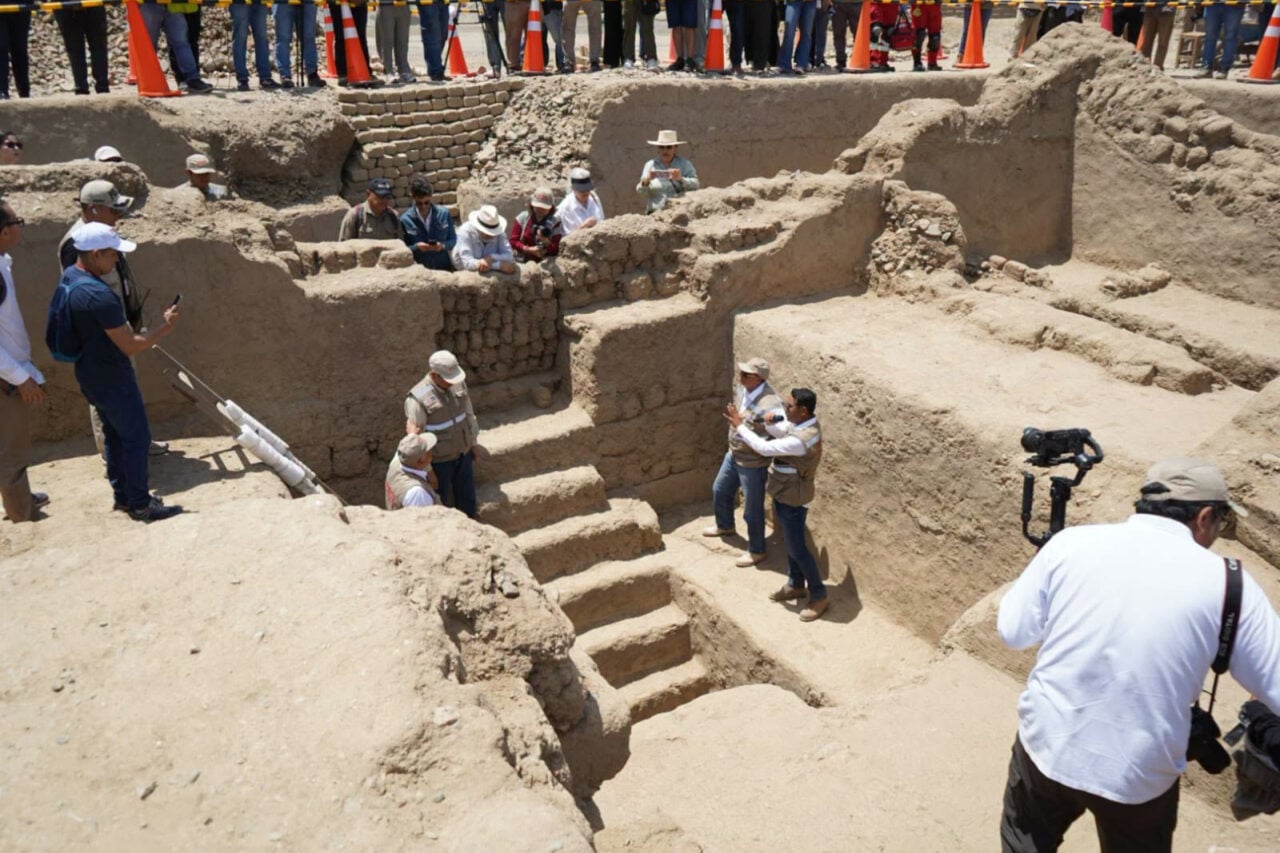
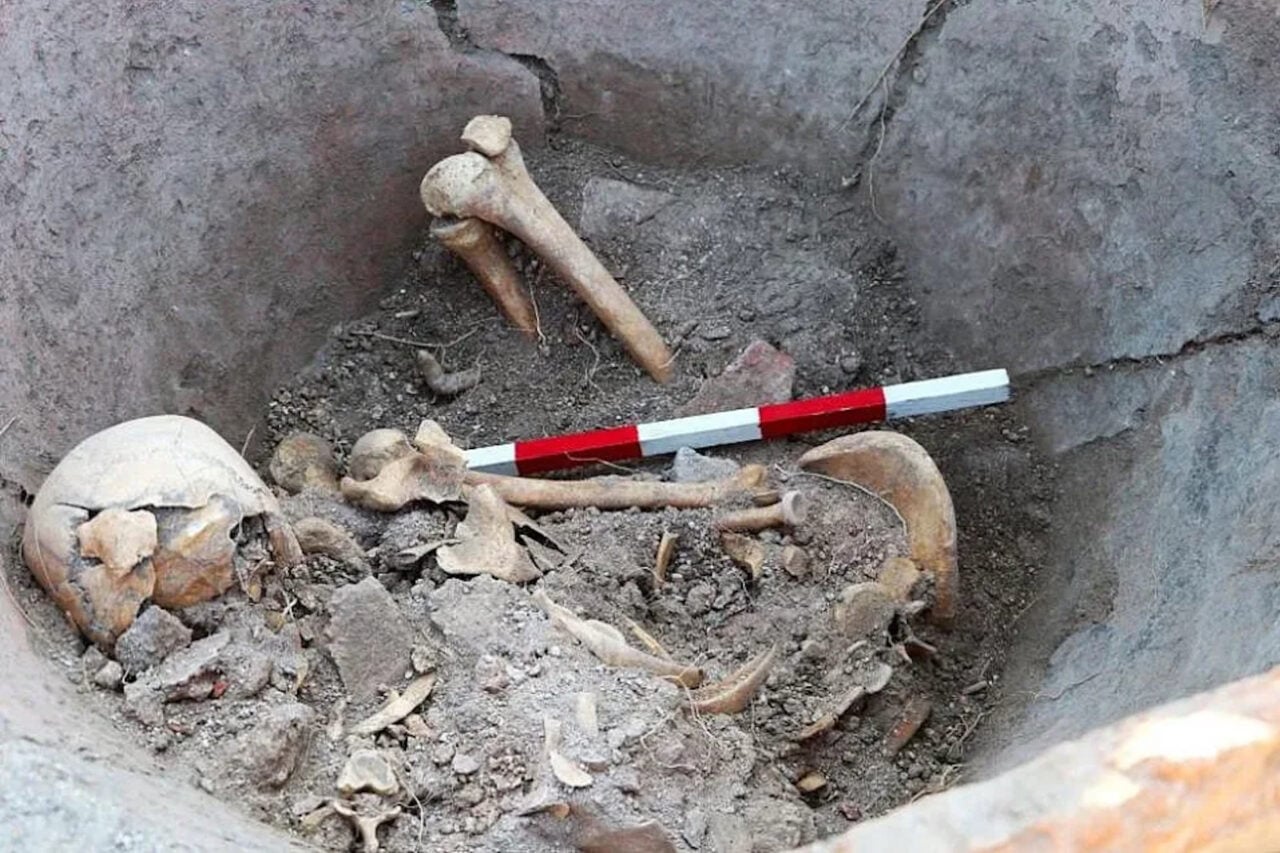
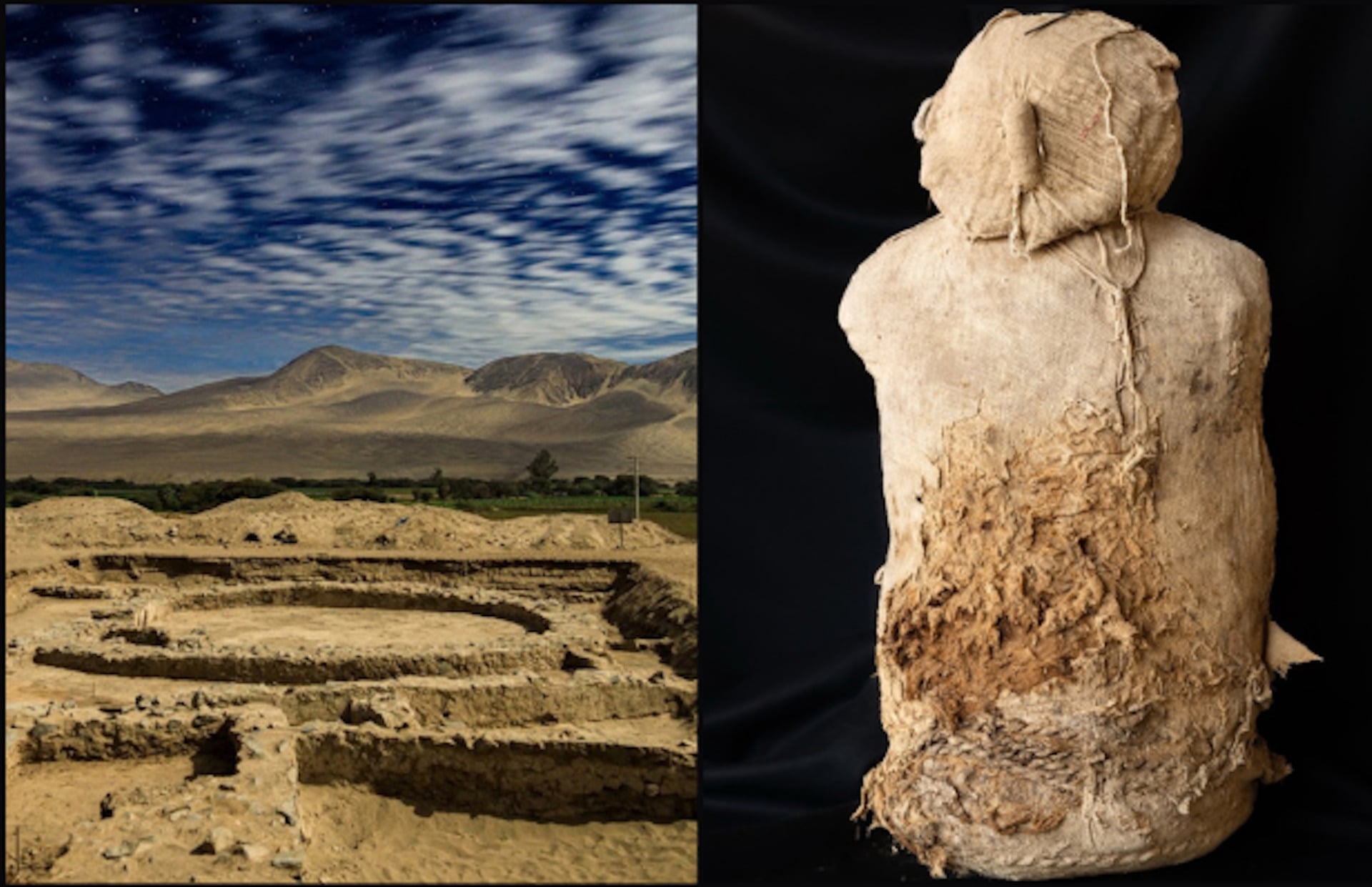
Corina Kellner, a professor of biological anthropology at Northern Arizona University, stumbled upon just that in 2022 while excavating Huaca del Loro, a large site along the southern coast of Peru dating back to the Nasca, a civilization that occupied the region between 1 and 750 CE. Kellner and her colleagues found the mummified remains of four individuals, bound in cloth, that had somehow remained undisturbed for over 1,000 years. These Nasca mummies (often transliterated as “Nazca”) were seated upright, posed with their knees to chest and their hands posed near their faces—but, according to Kellner, the biggest surprise was actually where these bodies were found.
“[What] makes these individuals so interesting is that we found them buried by a Wari temple and not in the cemetery like the rest,” Kellner explained in a statement. “Looking at the Nasca region, we kind of turned upside down a little bit of what we thought the Wari were doing in the area.”
Hearts and minds
Peru’s ancient Wari Empire stretched out across the nation’s Ayacucho Basin into its coast and highlands between about 600 and 1100 CE—colonizing its neighbors in violent military campaigns that left behind fortified complexes, like the roughly one-square-mile (2-square- kilometer) Pikillaqta ruins. But, despite crafting plenty of art and iconography depicting its soldiers ready for battle, the Wari’s behavior at Huaca del Loro suggests a more peaceful history with the Nasca.
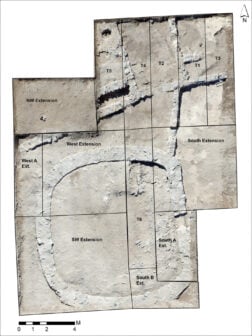
Huaca del Loro was “likely the seat of Wari administrative power in Nasca,” complete with classic signs of Wari imperial architecture, including its iconic D-shaped temples, according to Kellner and her colleagues’ presentation to the 66th meeting of the Institute of Andean Studies.
But that evidence of colonial might was complicated by their preliminary findings in the tomb of these four mummies. Their plaster-encased final resting place, Kellner’s team found, contained posthumous tribute in the form of “important local foods, local and imperial ceramics, and camelid [e.g., alpaca] sacrifices.”
“These individuals may have represented a consecration of the connections between the Wari and Nasca within a special place of ideological importance,” as the researchers told the institute.
War and peace
Speaking for herself, Kellner speculated that the extent of cultural intermixing of these ceremonial practices suggests that the Wari and the Nasca had a previous, more peaceful relationship. The Nasca, she said, “might have supported the Wari Empire.”
While the team’s preliminary assessment was built off of X-rays of the mummies, interpreted in consultation with a radiologist and a doctor, Kellner and her team hope to get more detailed work done on these remains with the help of Peru’s Ministry of Culture. Peruvian archaeologists working with the Museo Nacional de Lima have already taken DNA samples and scanned the mummies via computerized tomography (CT) imaging.
Once Kellner receives the results of these tests from the museum, the mummies’ current home, she said her team at Northern Arizona University’s Anthropology Isotope Paleodiet lab will undertake further isotopic analyses to better understand the geographic reach of this Wari outpost. Subtle regional differences in the ratios of carbon, nitrogen, and oxygen isotopes left inside the organic tissues found at Huaca del Loro, she said, “will help us figure out diet, relationships and migration patterns.”
“We are looking for colonization techniques to see if there was any type of resistance and to determine how complex their relationship was,” Kellner said.
“We usually think of colonization as this rough and tumble violent thing, but that is not always the case,” Kellner noted. “[Humans] are social animals, and we do cooperate and take advantage of the different strengths of each society.”