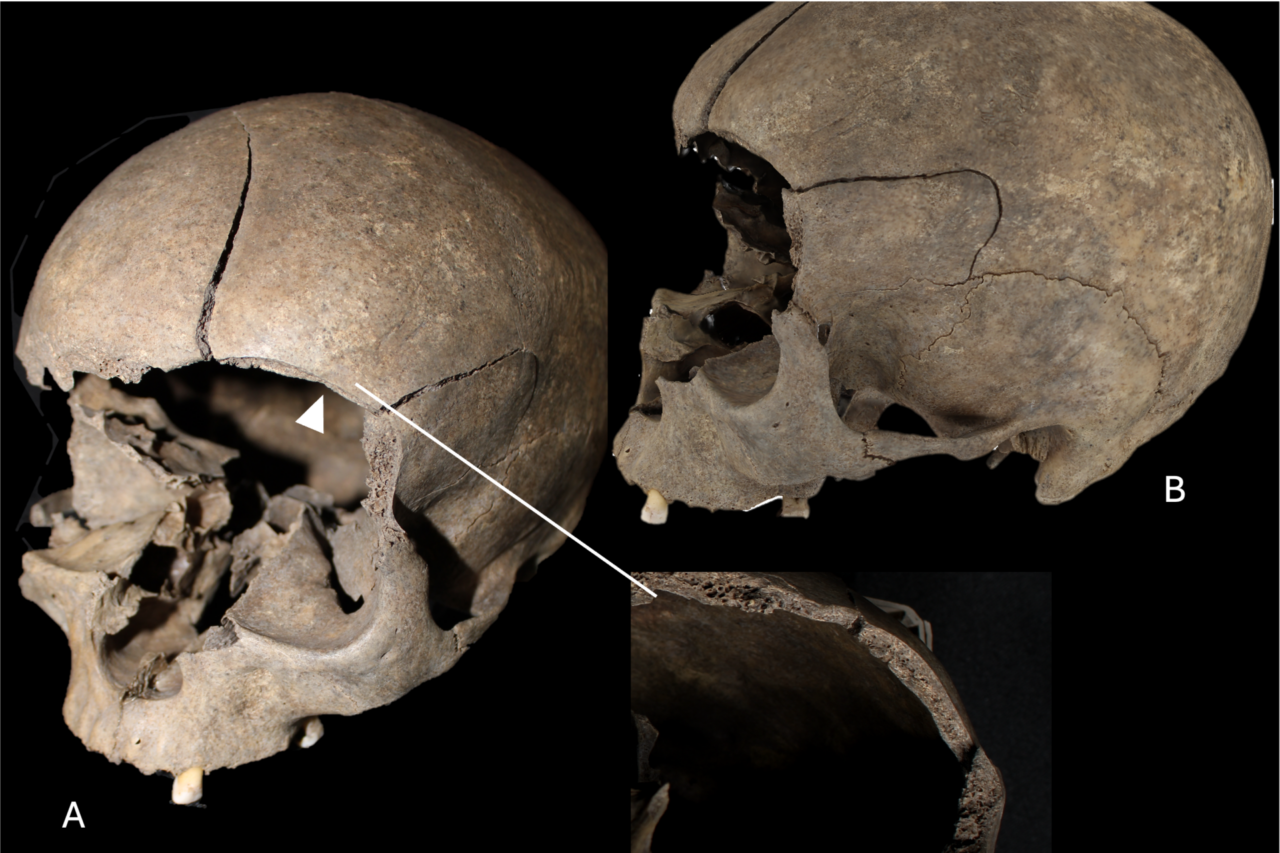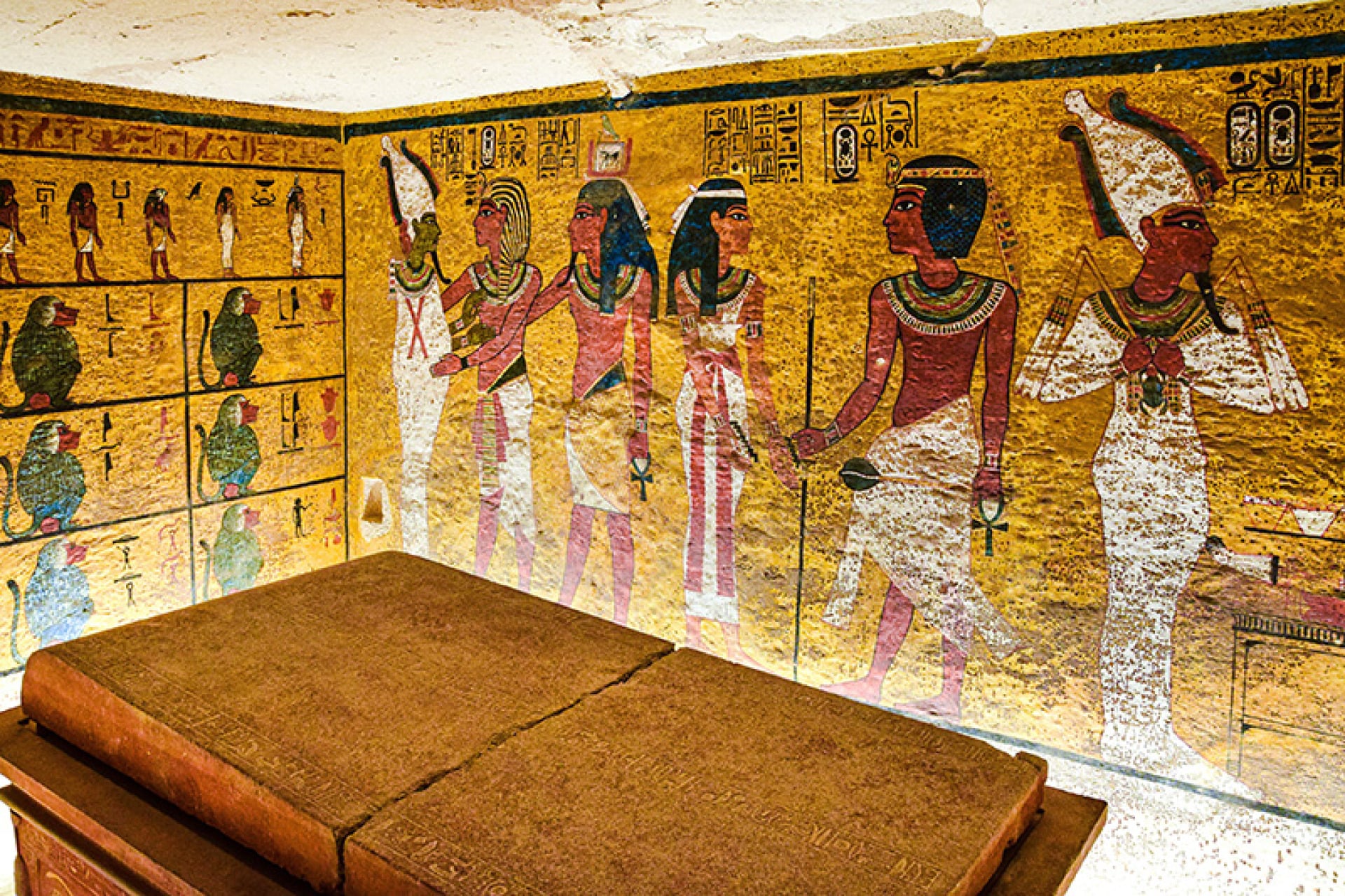
According to Daniel Potter, a curator at the National Museums Scotland, it’s a “popular misconception that ancient Egyptian tombs all contain curses.” Indeed, the superstition inspired countless fictional depictions of cursed mummies. And now, in a strange turn of events, scientists say that there might be a real “curse” lying in wait for ill-intentioned traffickers.
That curse comes in the form of hazardous biomaterial, as researchers explain in a recent paper published in the International Journal of Cultural Property. Mummified human and animal remains are often festering with molds, fungi, and, in some cases, traces of toxic chemicals that keep them intact. Conservation experts are trained to safely handle these remains. However, as the study found, unofficial—often illegal—transactions of mummified body parts largely lack the required safety precautions.
“The rise of the internet, especially social media, has amplified international trafficking and driven demand for unique cultural heritage, including mummified humans and animals,” Kirsty Squires, the study’s first author and a bioarchaeologist at the University of Staffordshire in the U.K., said in a statement. These listings obviously “exhibit signs of biodeterioration, yet sellers provide no safety guidance, suggesting limited awareness or deliberate disregard of hazards,” she added.
Real-life Resident Evil
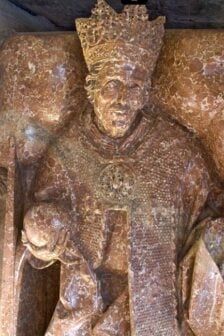
Supposedly cursed tombs aren’t solely an Egyptian trademark. In the 1970s, the sudden deaths of more than a dozen conservation scientists were associated with the opening of a tomb belonging to Casimir IV, a Polish king. But nearly 20 years later, a German microbiologist revisited the samples taken from the grave and identified traces of the toxic fungus Aspergillus flavus. According to the team, that revelation has resparked the debate surrounding similar tales of “curses,” most famously the so-called “King Tut’s Curse” from the 1920s.
Fungi can be frighteningly resilient, with the potential to lay dormant for hundreds of years. Once a tomb is opened, they can become airborne and latch onto organic surfaces, like the lungs and skin of an unassuming human. But that’s not the only chemical hazard present in mummified remains. In the paper, the team identified common elements in embalming fluids known to be hazardous to human health—arsenic, mercury, lead, and copper, to name a few. More ancient practices used oils, resins, and smoke condensates. Some of these cause mild skin irritation, while others can lead to severe poisoning, organ damage, and major cardiovascular and neurological issues, according to the study.
Biohazards on demand
In the long tradition of archaeology, experts have learned (sometimes the hard way) how best to protect themselves from the stuff they’re studying. There are the obvious protocols, like personal protective equipment, but museum collection spaces are also subjected to regular monitoring and maintenance to keep biodeterioration and human exposure at bay, the team explained in the paper.
The same, unfortunately, cannot be said of unofficial dealers of live remains. For the study, the researchers collected 128 listings of mummified remains from social media and e-commerce platform posts between 2015 and 2025. The team then assessed the preservation state of the sample, any safety precautions noted, and the seller’s shipping locations.
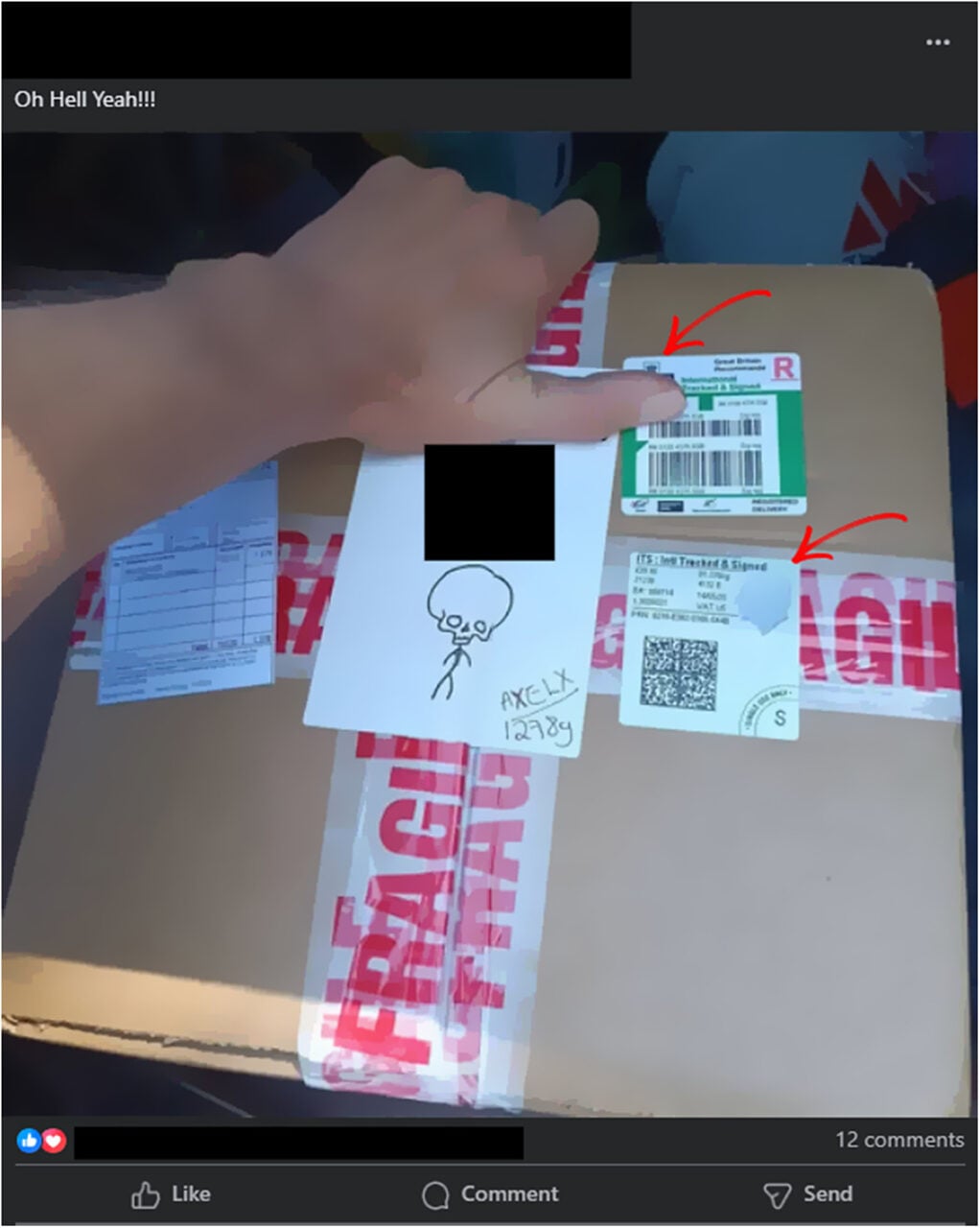
The study had several limitations, however, given legal and ethical implications. For instance, the team could only confirm microbial growth if it was obviously visible in the photos provided by the seller. The research scope was also limited to a few countries, and the team did not have access to clandestine sales platforms.
Let’s keep it safe
Still, biologically speaking, it is “widely acknowledged” that surviving soft tissues will deteriorate and that this won’t always be visible, the team wrote. The sample size is admittedly not large, but as the work shows, “there appears to be an active market for such remains, which warrants future investigations.” In cases that the team could confirm, there was “evidence to show that mummified remains are being mailed to buyers, both nationally and internationally, with little (if any) consideration of the health and safety implications of these actions,” Squires said.
“Until more effective measures are implemented, the public should remain vigilant and report sales of mummified remains to relevant authorities and professional bodies,” she added. “Improved oversight and education are therefore essential to safeguard public health and preserve archaeological remains.”