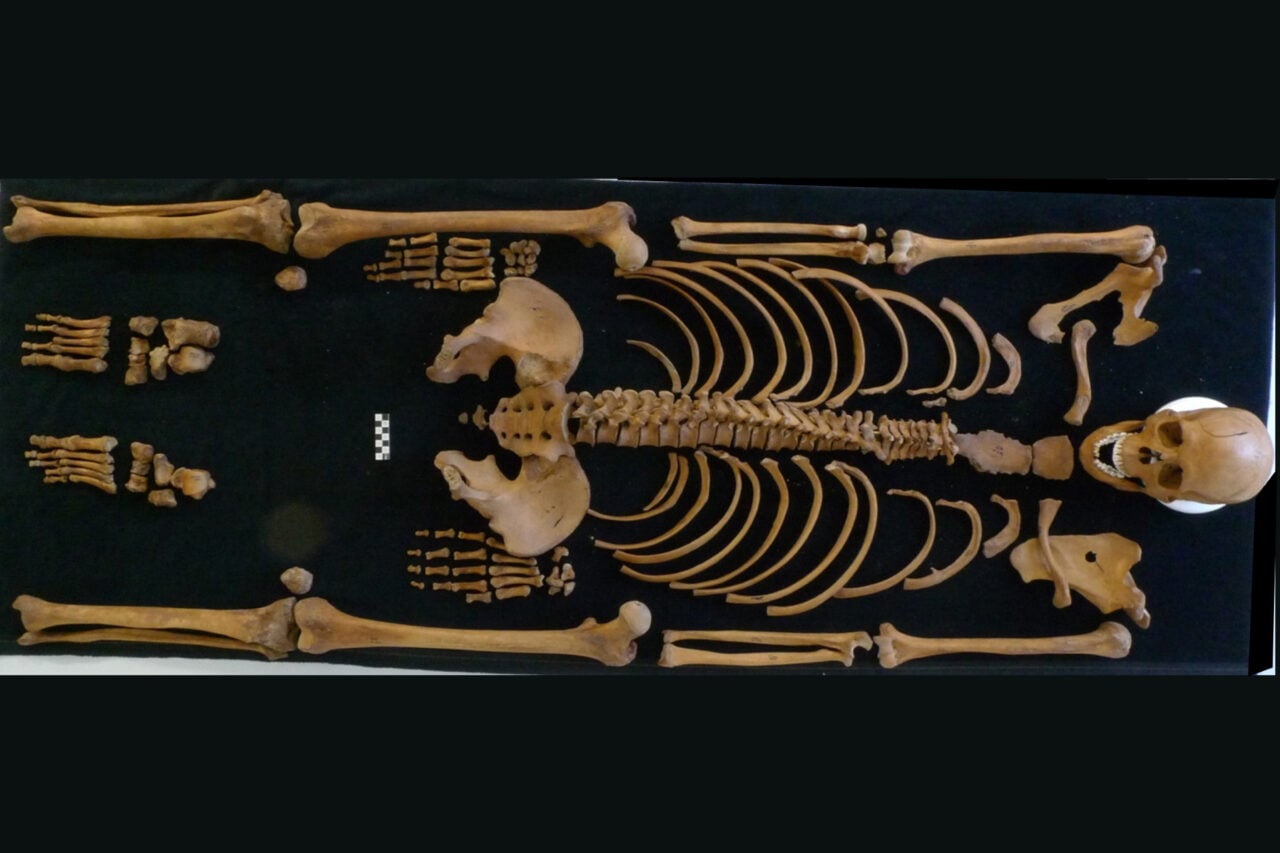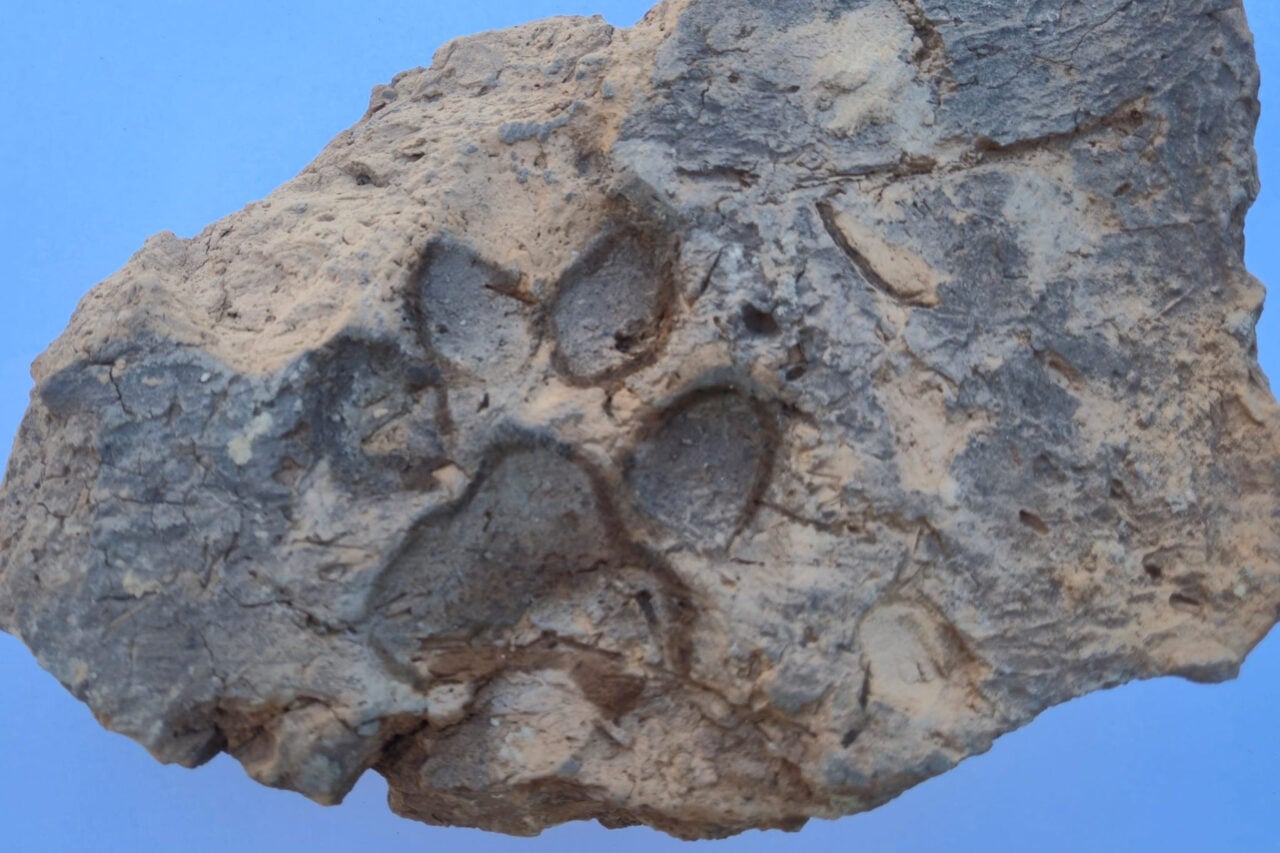
As one of our closest ancient human relatives, the Neanderthals knew how to exploit natural resources for their benefit. That said, some Neanderthal tools survived the wear of time much better than others, so the archaeological record had a large wooden gap—until now.
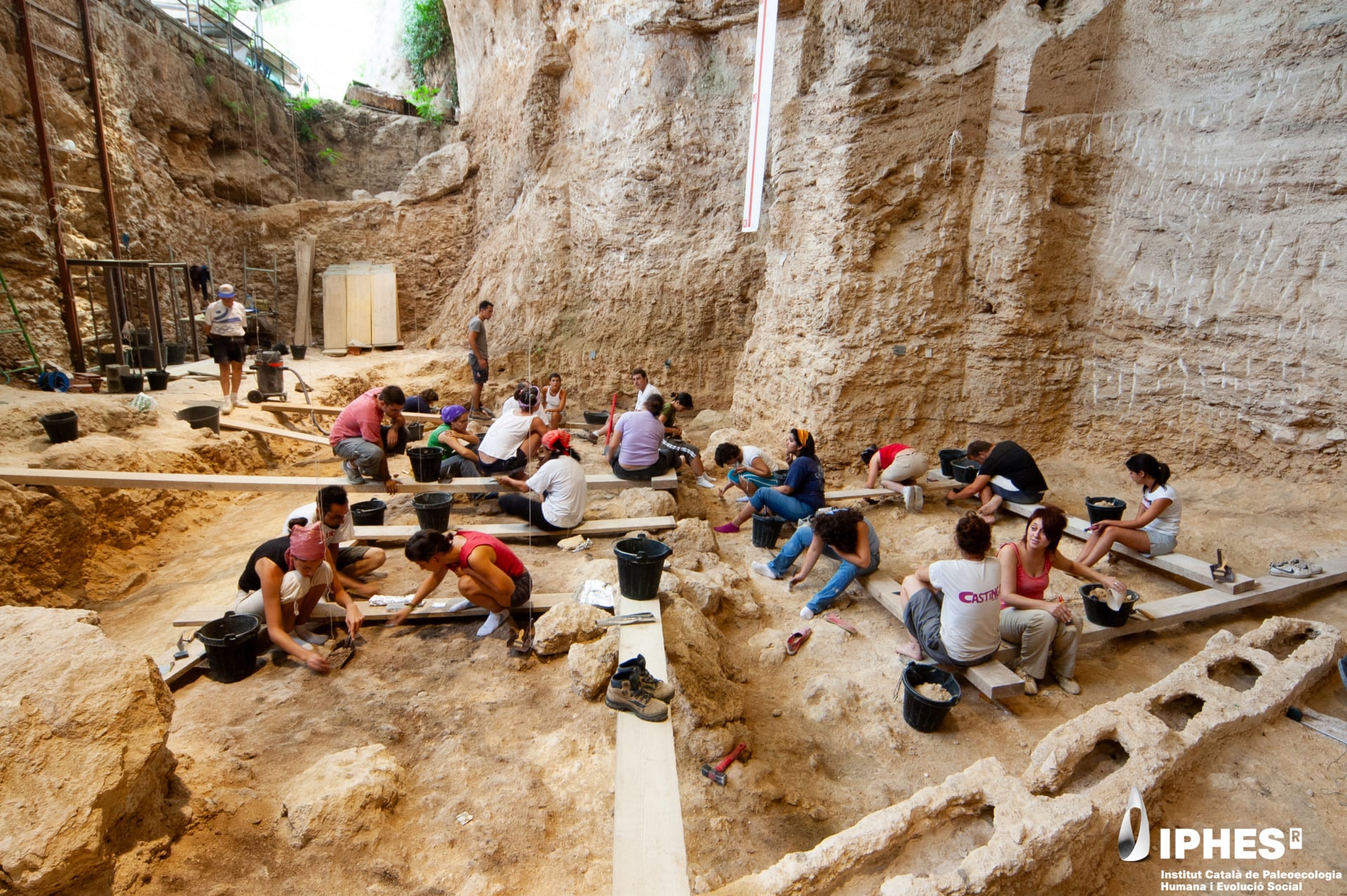
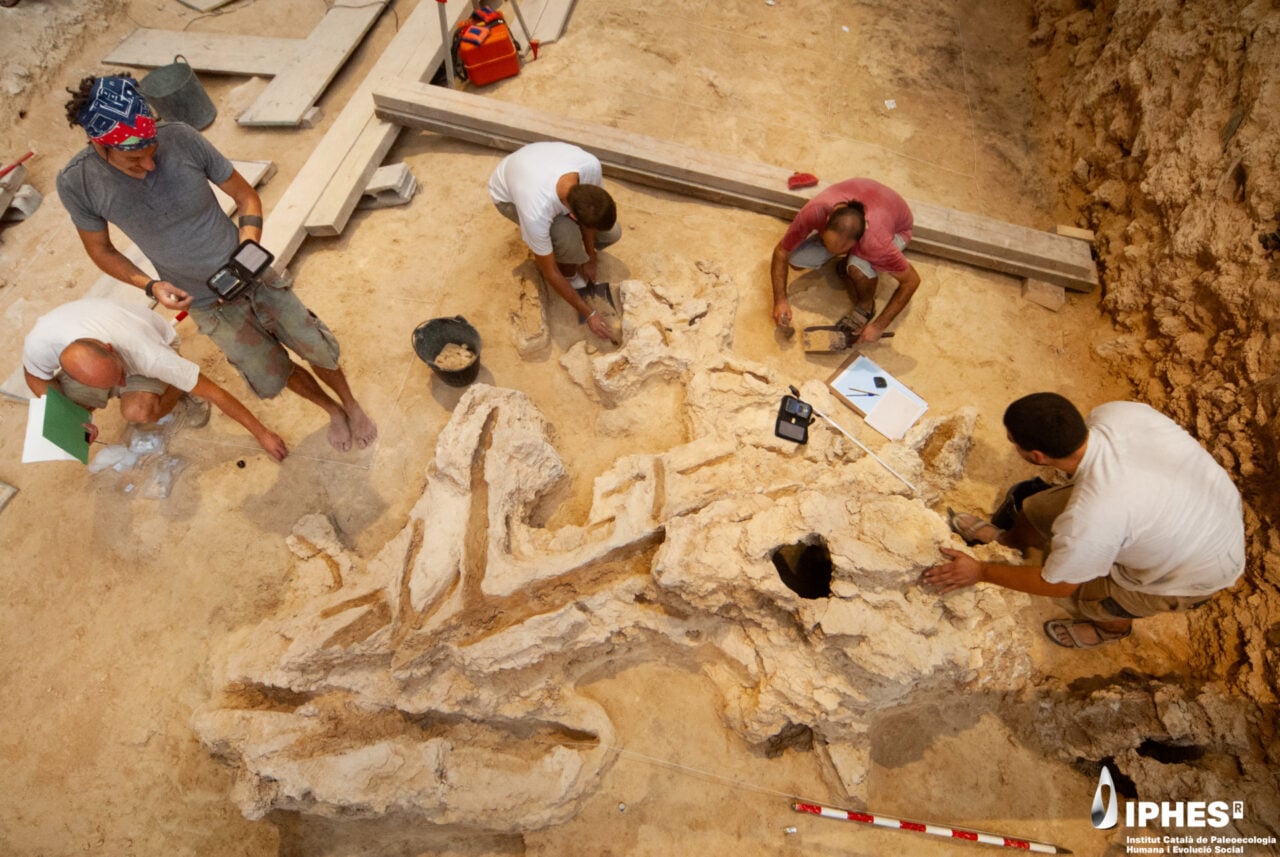
In a Science Advances study published today, scientists report the first comprehensive analysis of wooden Neanderthal tools retrieved from Abric Romaní, an archaeological site near Barcelona, Spain. The collection added up to 597 wooden remains and imprints from roughly between 62,000 and 42,000 years ago. The team identified 13 objects that resemble spears and pointed items, bark containers, structural elements, and a club-like object. Although this is not the first time archaeologists have discovered wooden objects attributed to Neanderthals, the findings expand our knowledge of our relatives’ lifestyles.
“I think the main message is quite simple,” Josep Vallverdú, a study co-author and an archaeologist at the Catalan Institute of Human Palaeoecology and Social Evolution (IPHES-CERCA), told Gizmodo. “Wood was probably a much more important part of Neanderthal life than we normally see in the archaeological record.”
A wooden hole
In many ways, archaeology is a race against time. This isn’t a fancy analogy—even now, objects of varying archaeological value are literally decomposing from existing for hundreds to hundreds of thousands of years. Some items tend to survive better than others, and while archaeologists can make educated guesses on the evolution of ancient technology, it’s not always possible to identify physical evidence to back their stories.
“Stone survives extremely well, so naturally stone tools dominate the archaeological record,” Vallverdú explained. “Wood usually disappears. But wood is an incredibly versatile material.”

Wood is much easier to shape than stone or metal. So ancient humans could use it to make weapons, tools, containers, and likely “many other things that we simply cannot see archaeologically,” Vallverdú added. “So when we talk about Neanderthal technology, we have to remember that what archaeologists normally recover is only part of it,” he said.
Nature’s gift to archaeology
Given the limitations, Abric Romaní represented a rare case in which nature had decided to preserve just enough traces for archaeologists. In fact, archaeologists had known this for a while and had intermittently studied individual elements discovered at the site, Palmira Saladié, the study’s first author and an archaeologist at IPHES-CERCA, told Gizmodo.
“But we had never really brought all of this evidence together and looked at it as a whole,” she said. “And, to be honest, this was something we had wanted to do for years. These remains are extraordinary, but they are also very difficult to work with.”
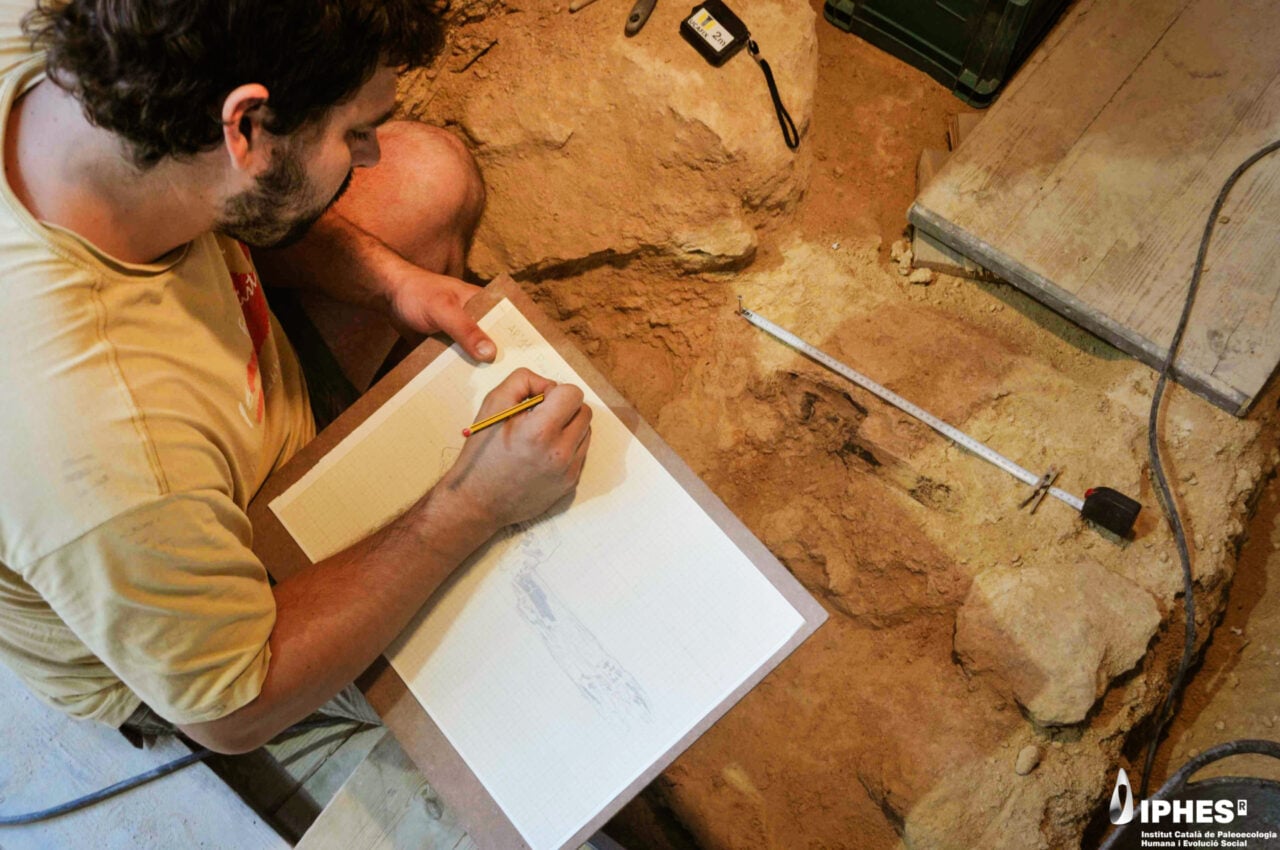
Previously, investigating wooden remains and imprints involved a complex process of making molds and treating the samples further with conservation and restoration techniques. But recent developments in 3D recording technology enabled the team to rapidly reconstruct a sample, which prompted the latest, larger-scale analysis, Saladié explained.
Not a fluke
Again, archaeologists had already identified wooden artifacts associated with Neanderthals at other sites, so there was already reason to believe Neanderthals were capable woodworkers. What sets Abric Romaní apart, however, is that we “see wood again and again, in different archaeological levels, over thousands of years, and being used for very different things,” study co-author Gema Chacón, also of IPHES-CERCA, told Gizmodo.
“This suggests that woodworking was not occasional or exceptional. It was simply part of their technology,” she explained. “And I think that is important. We should not think about Neanderthal woodworking only in terms of a few spectacular wooden spears.”
Saladié added that the diversity of the wooden tools further supports this idea. There are objects that stand out more than others, like the club-like item with a narrow handle and a larger, bumpy head. But the entire assemblage boasts weapons, containers, pointed items, and items “related to the organization of living spaces,” she explained.
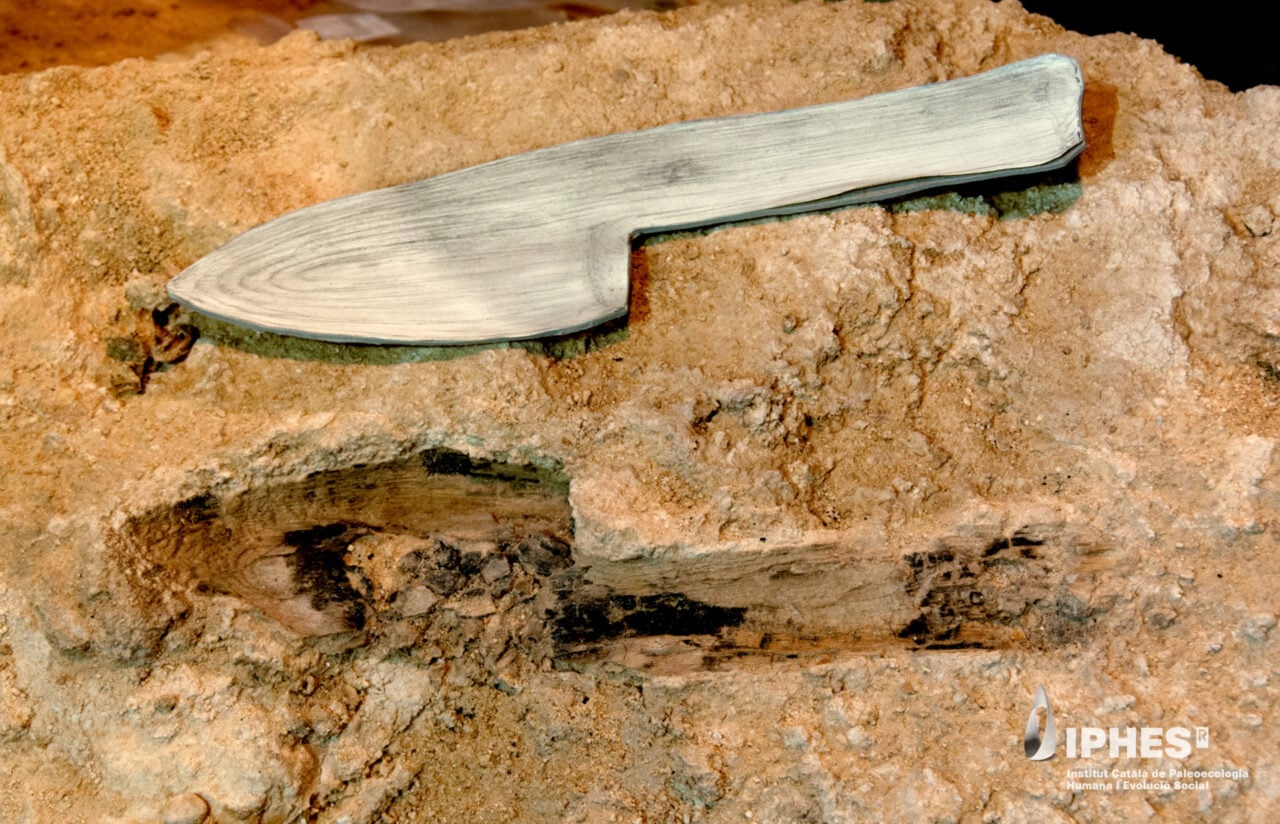
“When you put all these objects together, you suddenly see wood appearing in many different parts of Neanderthal life,” she went on. “It gives us a glimpse of a Neanderthal material world that is normally almost completely invisible to us.”
The ‘invisible’ Neanderthal life

And the team hopes to find more to add to this “invisible” story. Chacón explained that the team was still excavating Abric Romaní and new imprints kept popping up as the researchers exposed more surfaces and layers. They’d also like to explore other questions, like how much work went into creating and maintaining a wooden tool, or how these relate to Neanderthal activities observed elsewhere at the site.
“Perhaps the simplest message is that the Palaeolithic was not a world made only of stone,” Vallverdú concluded. “We tend to imagine prehistoric people through the things archaeologists find, and that can be misleading. Stone survives. Wood usually doesn’t. So there is an enormous part of their material world that we almost never get to see.”