Khaled el-Shahat Khalil was working on his land in Behbeit el-Hagar, a village in northern Egypt’s Gharbia, when he found an unusual, inscribed stone outside his home. He reported it to the local antiquities authorities, providing the first clue to something extraordinary buried beneath the surface of this ancient landscape.
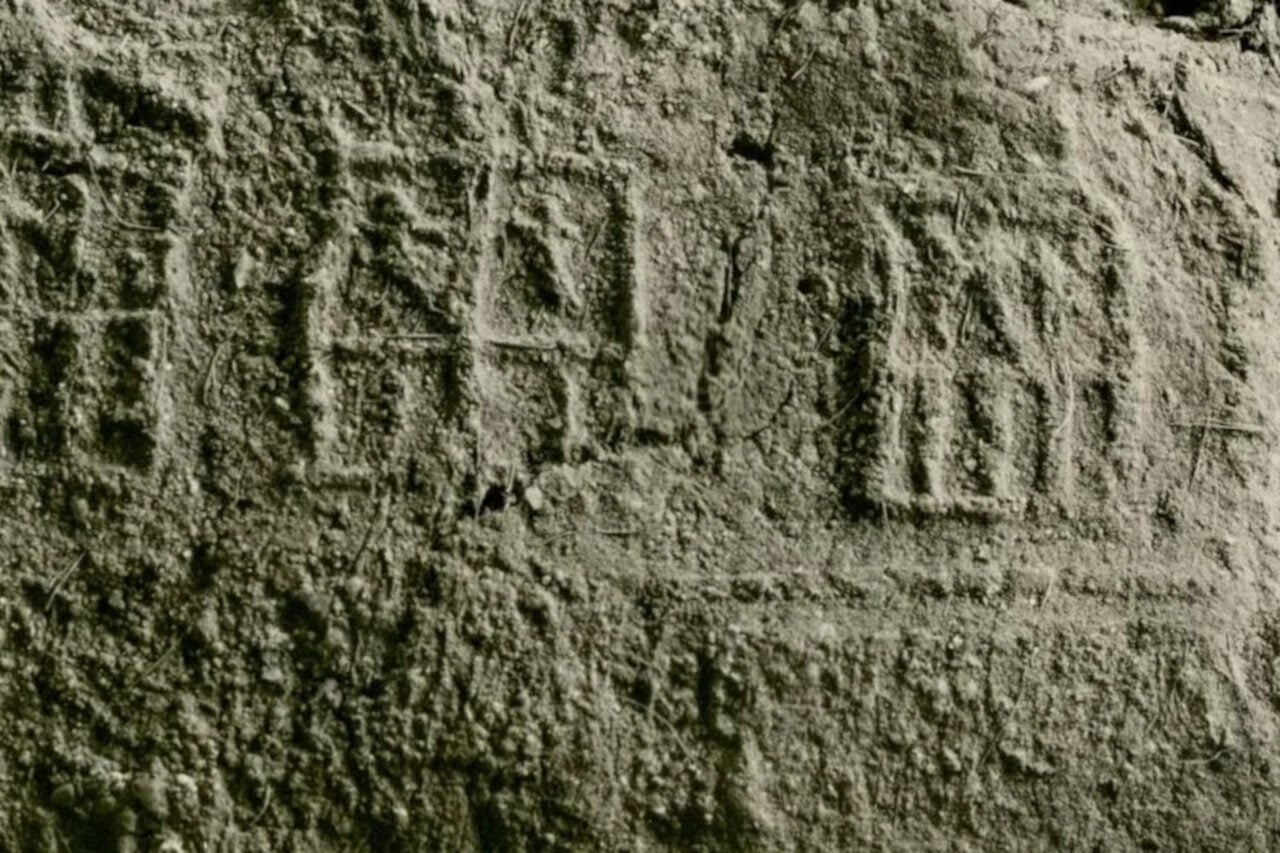
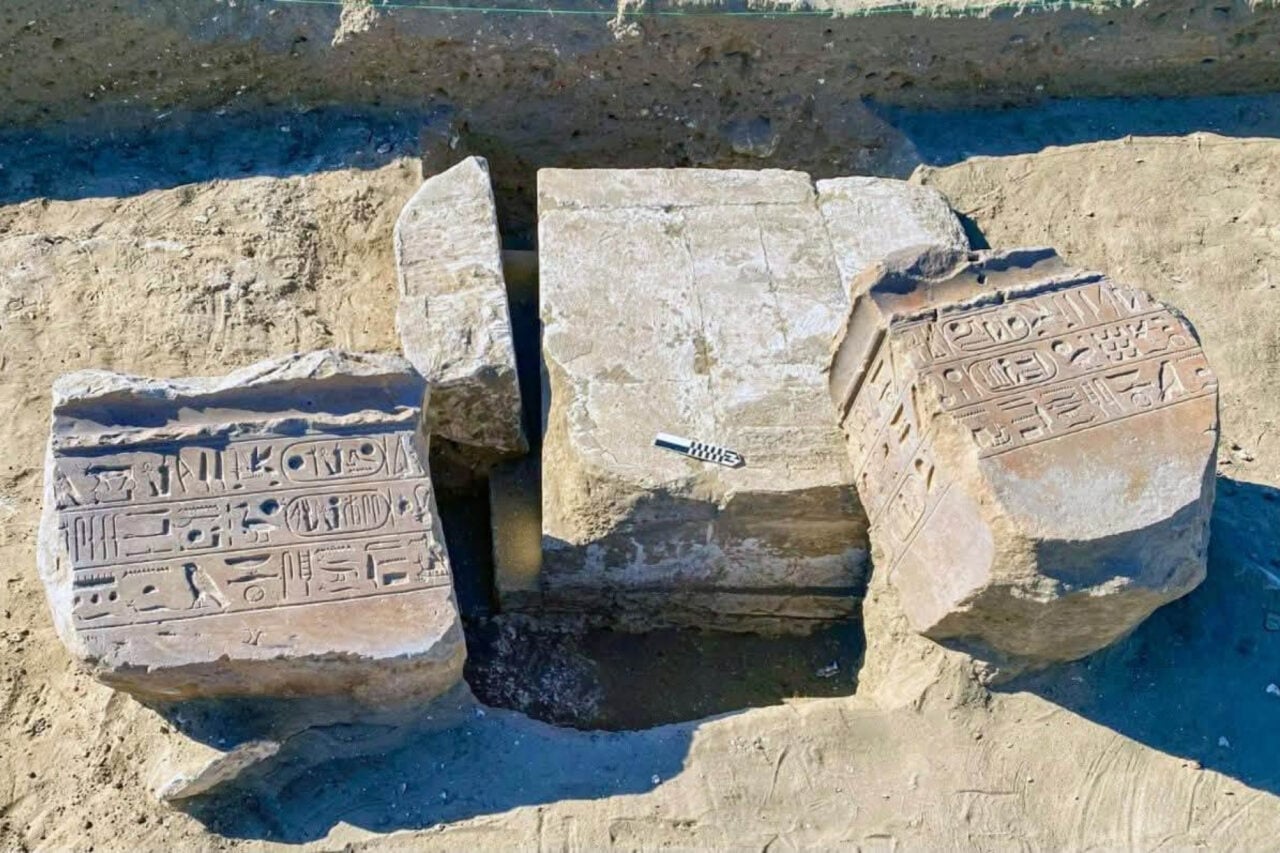
The initial find prompted an archaeological excavation, as experts set out to determine whether the stone was an isolated relic or part of something much larger. Beneath the plot of land in the Nile Delta were the remains of two colossal statues, at least one of which belongs to Ramses II, and a pink granite block bearing ancient Egyptian hieroglyphic inscriptions, including the pharaoh’s royal titles, according to the Egyptian Ministry of Tourism and Antiquities.
The discovery raises questions as to how the Ramses II statue ended up in the village where an ancient temple once stood nearly nine centuries after the pharaoh’s reign had ended.
A chance discovery
The recent discoveries were made by a rescue mission affiliated with the Supreme Council of Antiquities (SCA), which inspected the site to confirm the archaeological significance of the find.
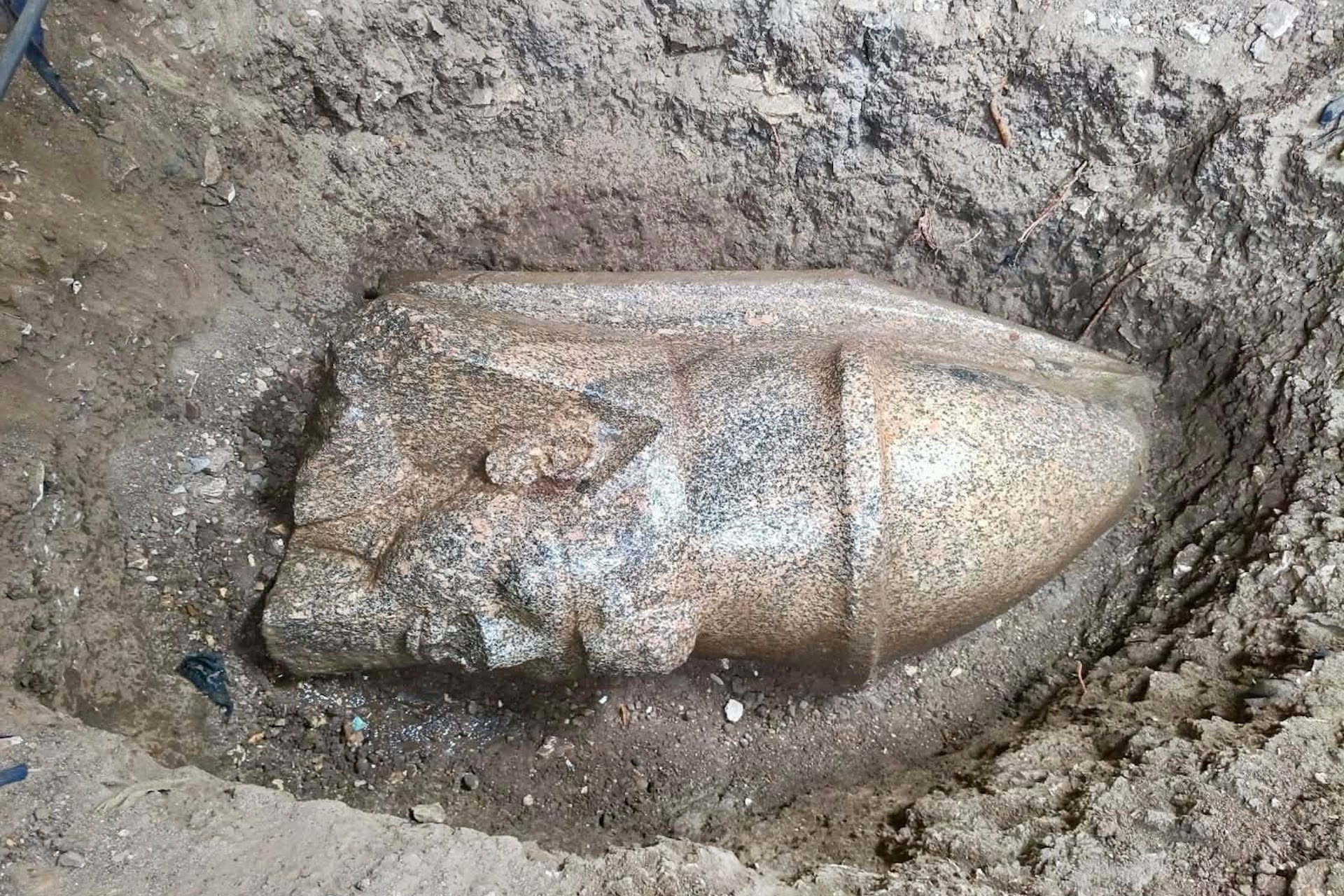
The excavators found a giant statue head measuring 5.25 feet (1.6 meters) tall, depicting Ramses II wearing the double crown, a royal symbol representing the unification of Upper and Lower Egypt. Next to the head was the upper piece of the statue’s back pillar, which was inscribed with one of the five names given to the king, Hor Kanakht Meri-Maat. The name translates to “Horus, strong bull, beloved of Maat,” establishing Ramses II as a living incarnation of the god Horus and his alignment with the goddess of cosmic order, Maat. Based on the size of the head, the statue likely stood at around 28 feet tall (8.5 meters), according to Hisham El-Leithy, secretary-general of SCA.
The second discovery is of another royal statue measuring about 7 feet 10 inches tall (2.40 meters) but missing its legs and base. The statue is depicted wearing the nemes headdress, a striped linen headcloth worn by ancient Egyptian pharaohs. It is believed to also be of Ramses II.
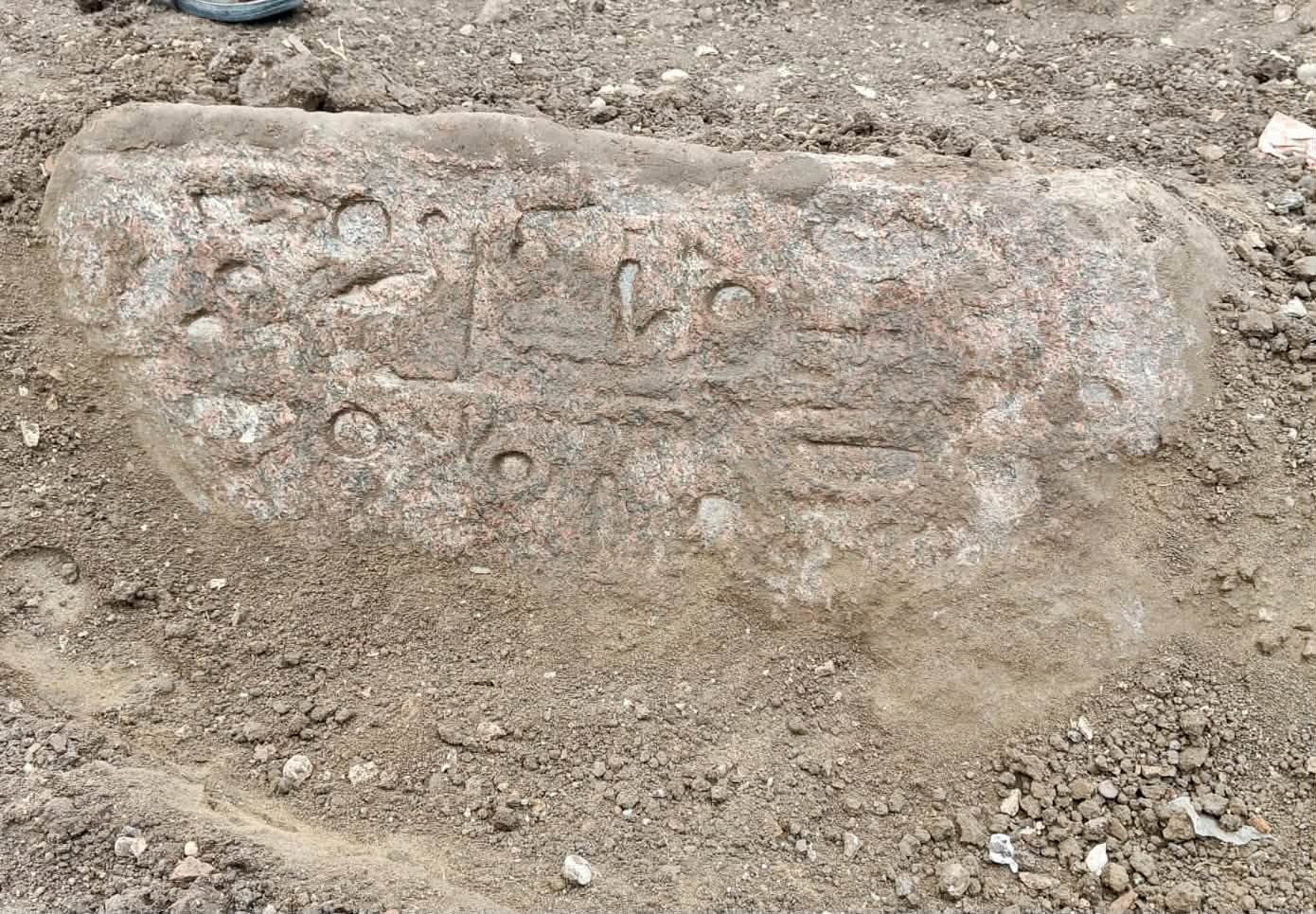
The excavation mission also uncovered a 4 feet 3 inches long (1.30 meters) block of pink granite with hieroglyphic inscription bearing two of Ramses II’s titles: nesu-bity (king of Upper and Lower Egypt) and sa-Ra (son of Ra).
Ancient ruins
Behbeit el-Hagar has a long archaeological history, and the recent discovery adds a potentially significant new chapter to it.
The village’s name combines an ancient Egyptian place name with an Arabic word. “Behbeit” derives from an ancient Egyptian term meaning “house of festivals,” while the Arabic addition “el-Hagar” means “the stones.” Its ancient identity was associated with religious festivals, while its modern name reflects the scattered stones of the temple that once stood there.
The site contains the ruins of an enormous ancient Egyptian temple dedicated to Isis, which belongs to the Late Period and Ptolemaic eras in the third century BCE. That’s many centuries after Ramses II’s reign (approximately 1279–1213 BCE).
Although the recent discovery does not establish where the statues originally stood, it does raise questions about the site’s history before construction of the temple began under the rulers of Egypt’s 30th dynasty.
Egypt’s SCA will continue to carry out excavations and archaeological studies of the site in an effort to understand the relationship between the statues and the history of the site.