
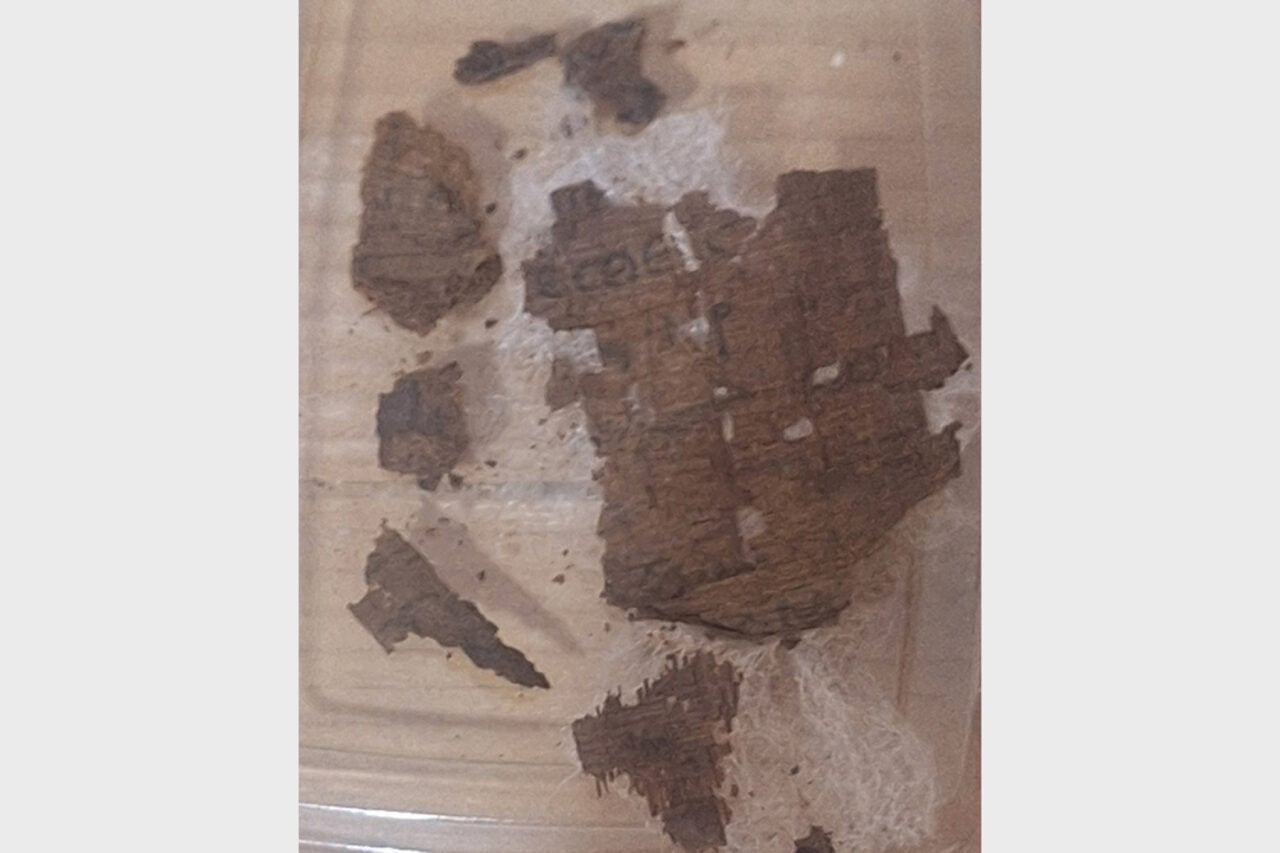
The device is called "Messenger" and recites biblical readings in multiple languages.
The Romans may have treasured the trilobite fossil for its presumed magical or protective powers.
A local of indigenous descent suggests one of the human stick figures might represent the mischievous demigod Maui.
The man, who died roughly 3,800 years ago, may have been a prominent military leader and was buried in an elaborate fashion.
Maggot-infested meat likely provided Neanderthals and even some modern-day humans with a rich source of fat and nitrogen.
Three burials are challenging a widespread notion about the interactions between Mesoamerican cultures.
Generations of survivors of the world’s first nuclear bomb test have been excluded from any federal compensation.
Scholars may have been misreading verses from a 12th-century sermon for over a century.
Rock art may have been a way for elite individuals to show off their power.
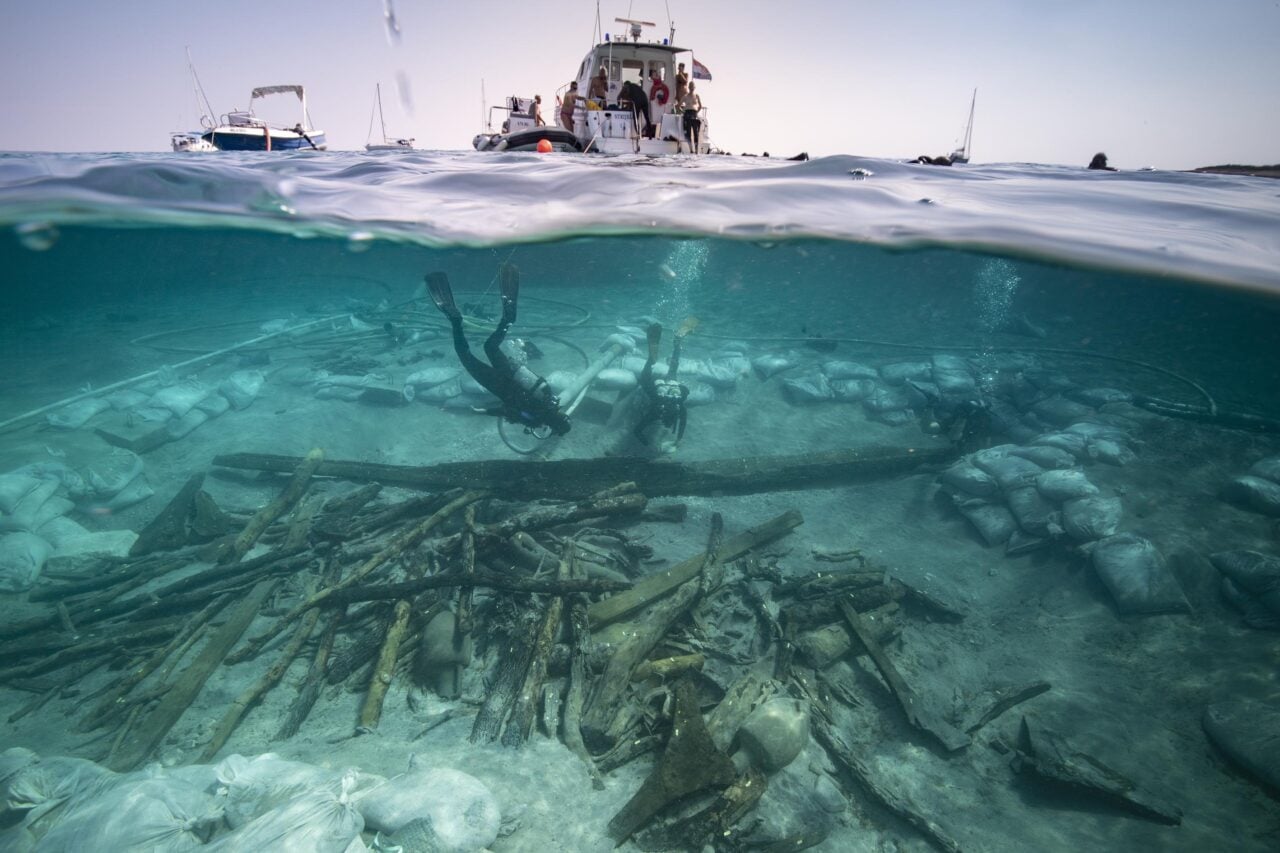
The vessel, seized by infamous pirates en route to Lisbon from Goa, was carrying an “eye-watering” amount of treasure, archeologists say.
The individual lived 4,500 years ago, and his genome is offering new insights into ancient Egyptians and the lives they led.
Roman salting plants processed fish so thoroughly that researchers struggle to identify the species once used in ancient condiments.
Stone Age Europeans sported animal teeth as accessories, but how did they extract the materials to make them?
In a new study, researchers reenacted how people in Taiwan might have reached the Ryukyu Islands tens of thousands of years ago.
Scholars have long believed that Hatshepsut’s spiteful successor wanted to destroy every image of her, but the truth may be more nuanced.
New research suggests the first Americans weren't who we thought they were.
The 30 Viking graves range from richly furnished to bare-bones, hinting at a burial ground for both nobles and the people they enslaved.
The cherished pet continues to guard her in the afterlife as it likely did when they were both alive.
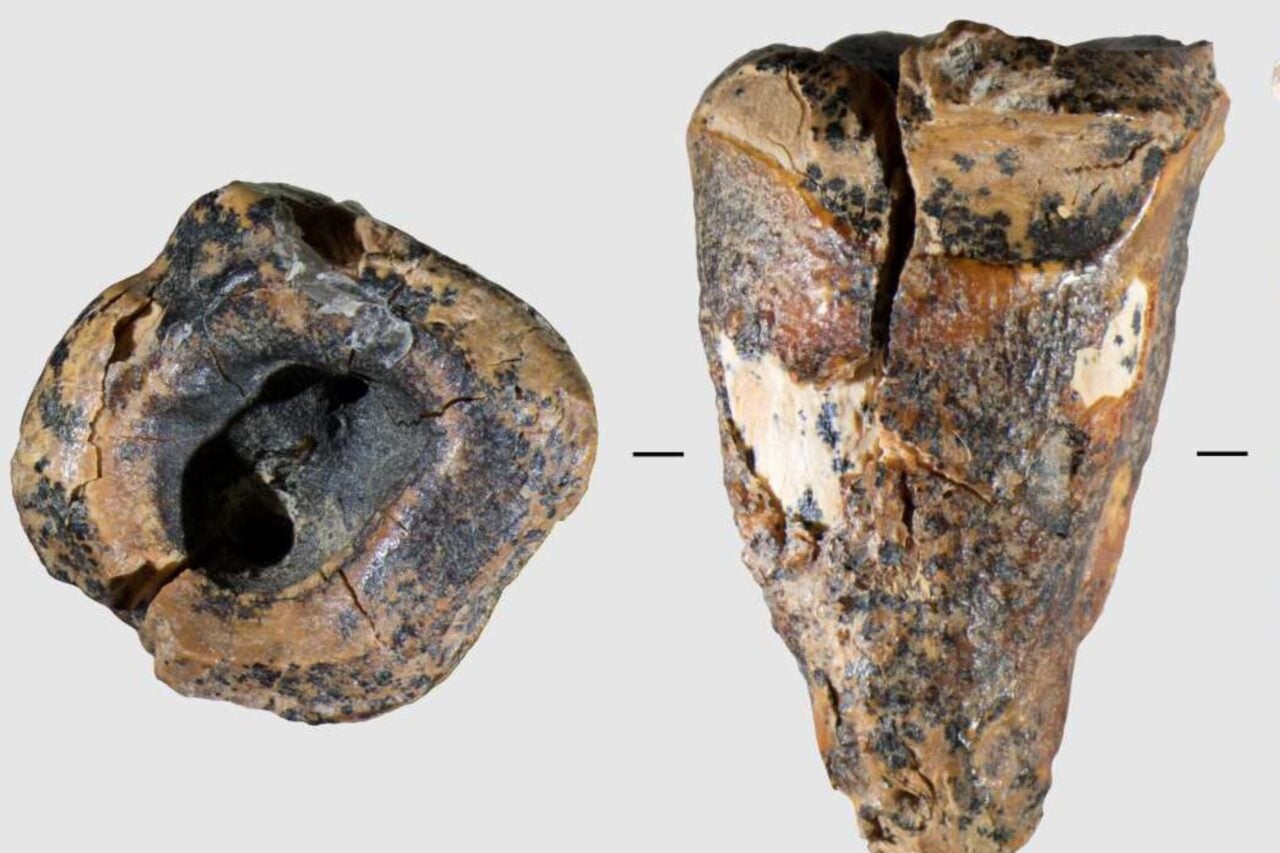
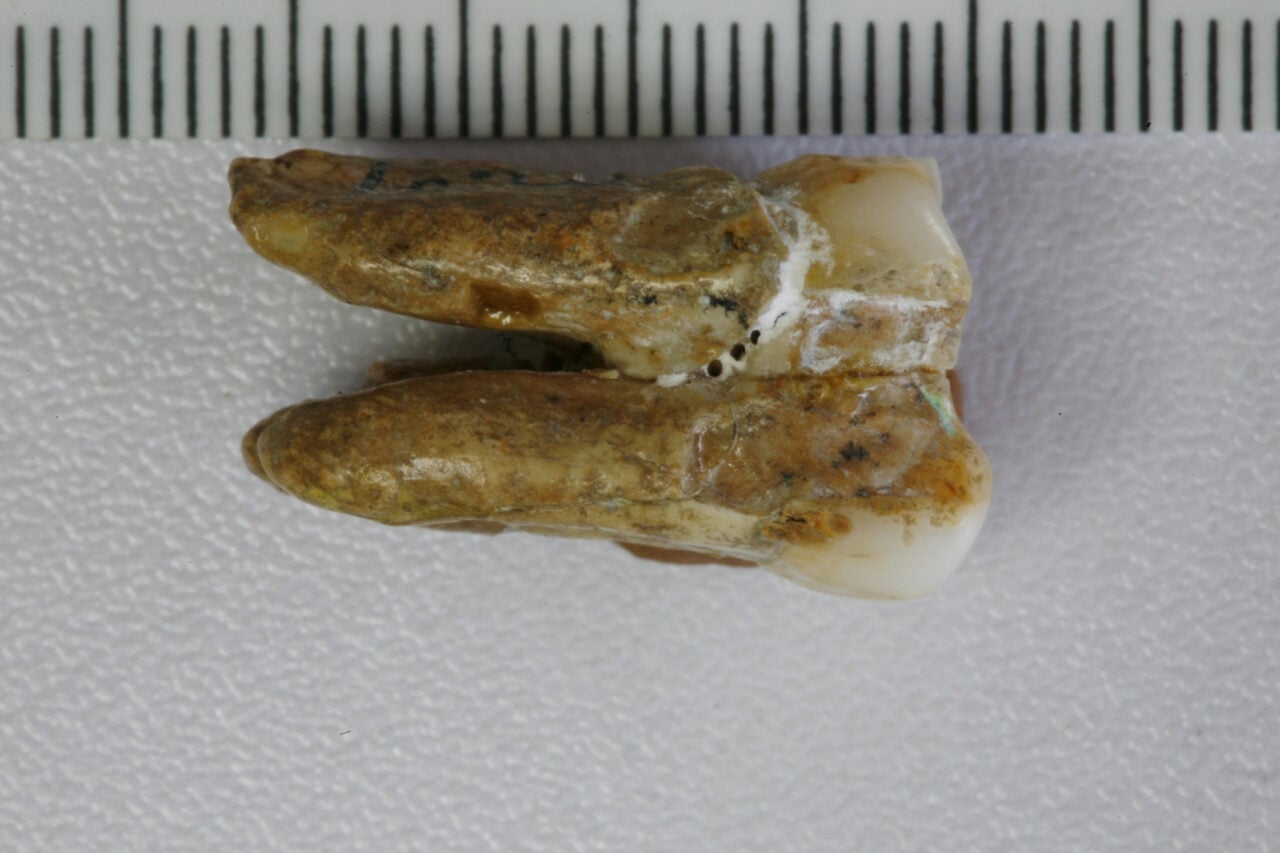
A new study suggests our prehistoric cousins likely traveled through the Ural Mountains and southern Siberia.
A study of animal remains from an ancient trash pit in Mallorca suggests thrushes were once a staple of Roman street food culture.