
The Spanish galleon sank in 1708 and was discovered in 2015, but its true identity remained unconfirmed—until now.
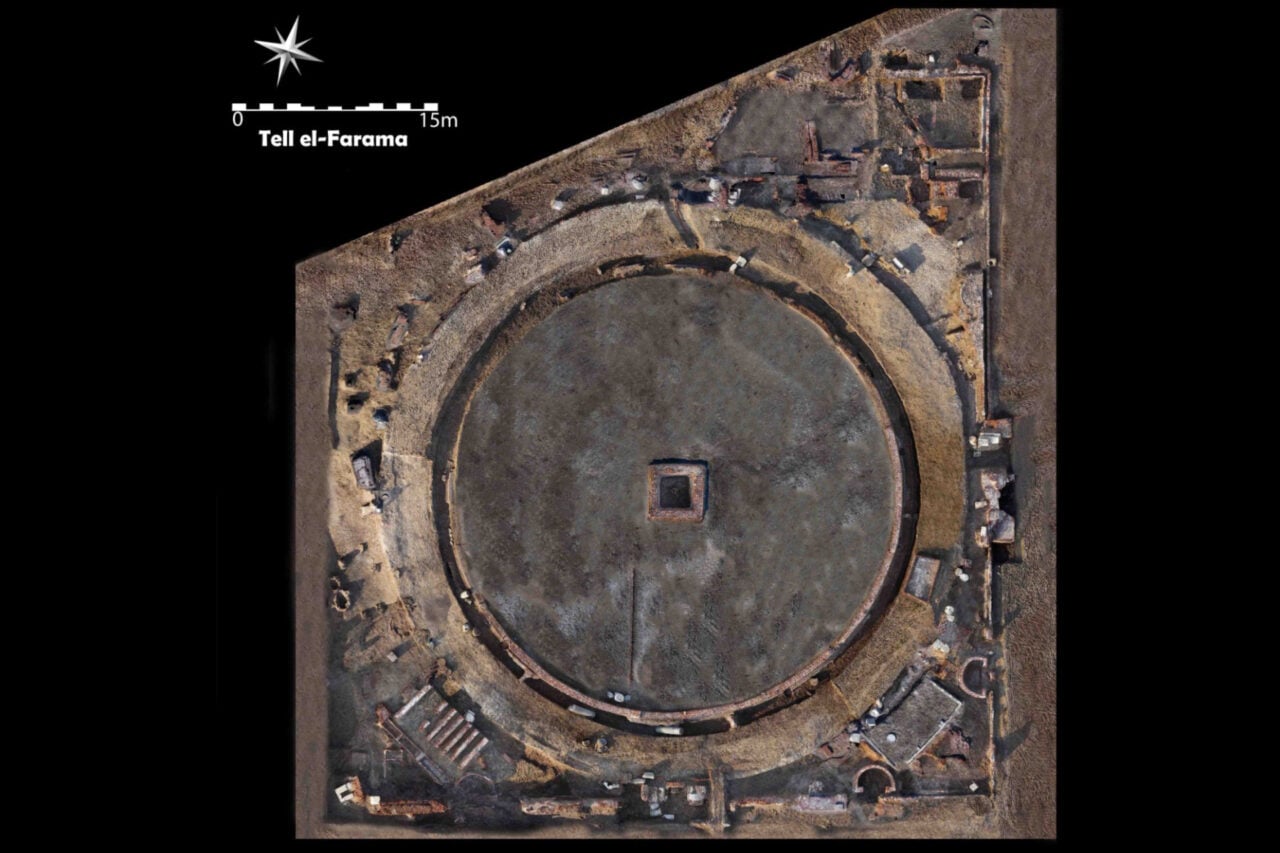
A recent excavation reveals that a large building excavated in 1966 was just a part of an even grander ancient complex.
The discovery of fire was one of the most fundamental advancements of human development, but researchers can't agree on why it came about.
A bread made from ancient grains is rising again in Turkey, and it's a big hit.
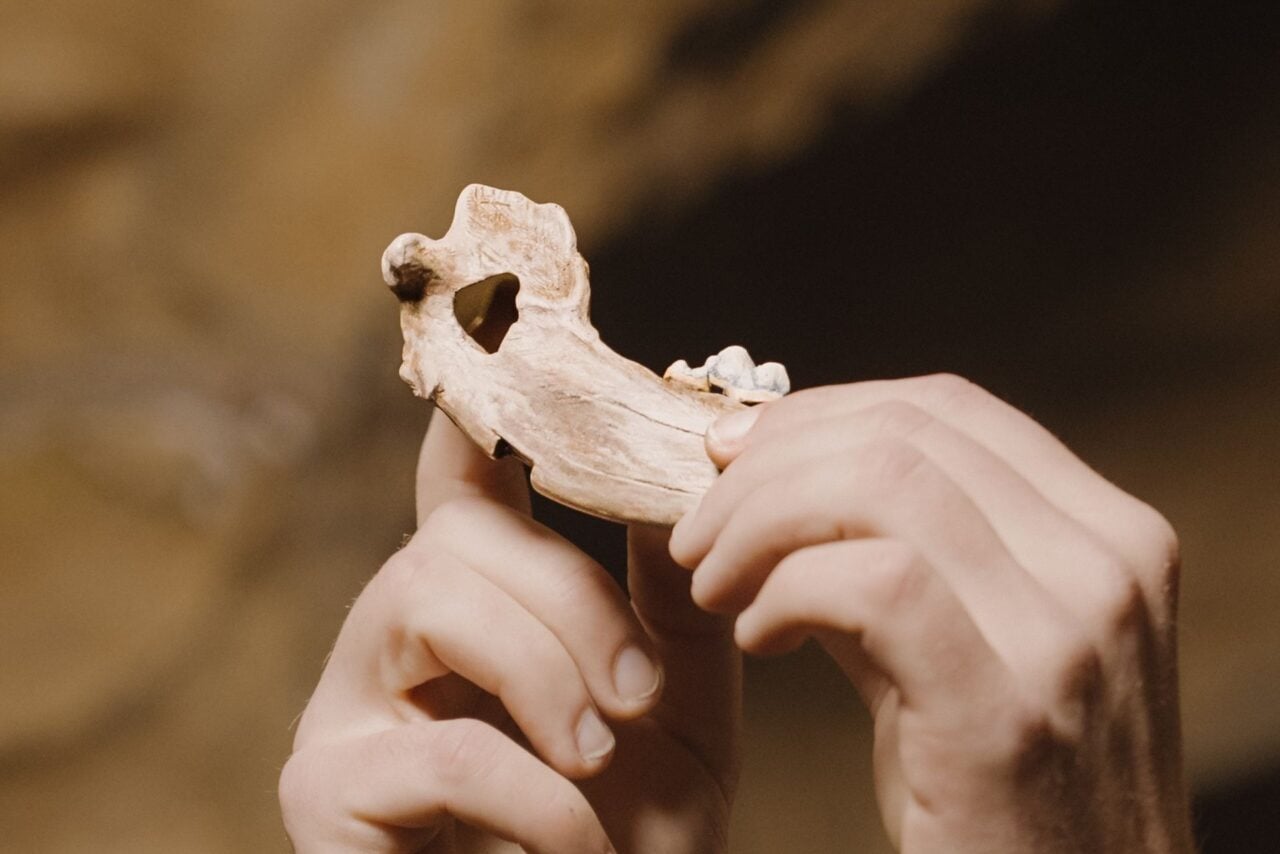
The discovery could deepen our understanding of the Neanderthal mind, but some experts aren’t convinced by the interpretation of the evidence.
With cutting-edge deep-sea imaging technology, researchers captured high-definition images of a 100-year old submarine.
This vast frontier served a very different purpose than previously believed, researchers suggest.
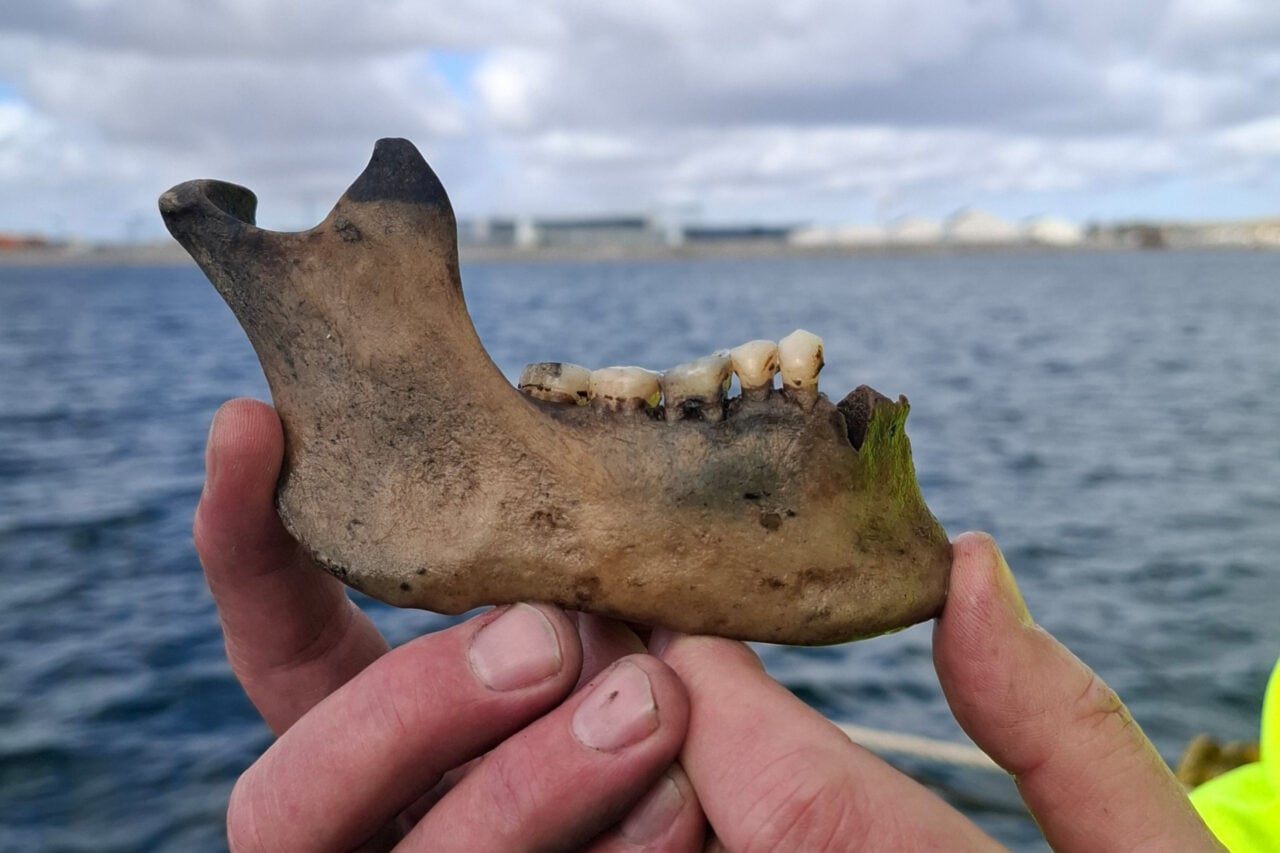
Whale bones retrieved from prehistoric shores are shedding light on how humans lived—and hunted—along Europe's vanished coastlines.
To trace forgotten Viking trade routes, an experimental archaeologist spent three years braving frozen Norwegian waters.
Shi’s Star Catalog has been notoriously difficult to date, but new research suggests astronomers drafted it centuries before its Western counterpart.
A new study shows that pregnancies during the Viking Age were far from a private matter, closely tied to conflict, social status, and the harsh realities of life and death.
Harvard had an Antiques Roadshow moment when a professor discovered that an original copy of the Magna Carta was worth millions.
We asked ChatGPT directly.
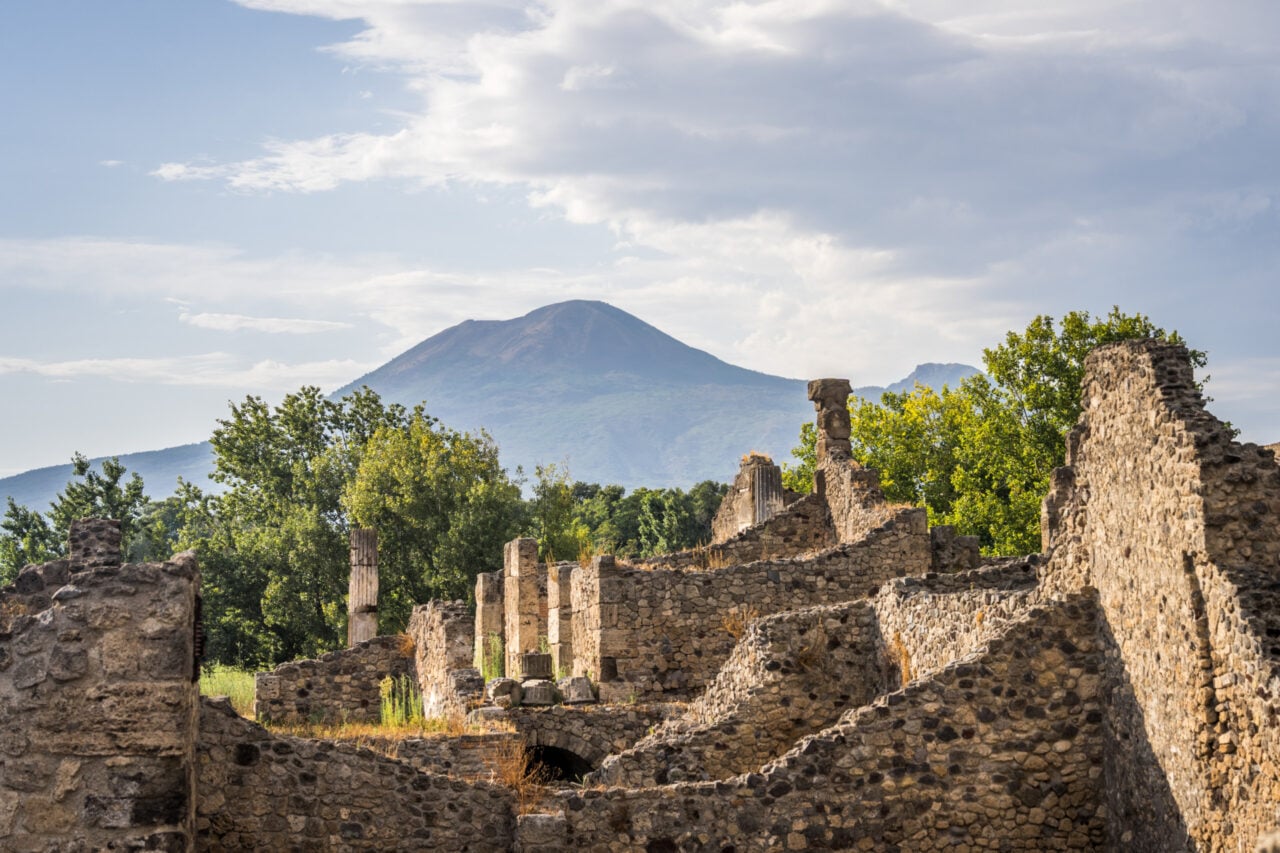
Almost 2,000 years after Mount Vesuvius exploded, scholars continue to uncover extraordinary archaeological remains immortalized in ash and pumice.
A sealed Herculaneum scroll yields its secrets—revealing a lost philosophical treatise by Philodemus through virtual unwrapping.
A newly transcribed book about cheese from the 1580s offers advice on everything from when to eat your meal to what kinds of milk to use.
Scientists found a mummy's abdomen filled with wood and fabric—but it's how they got in there that's strange.
The woman—with skin, hair and nails still intact—belonged to the little-known Caral civilization, which flourished in Peru 5,000 years ago
The 3,300-year-old monument has sat in the French capital's center for almost 200 years, but no one else noticed these strange encryptions.
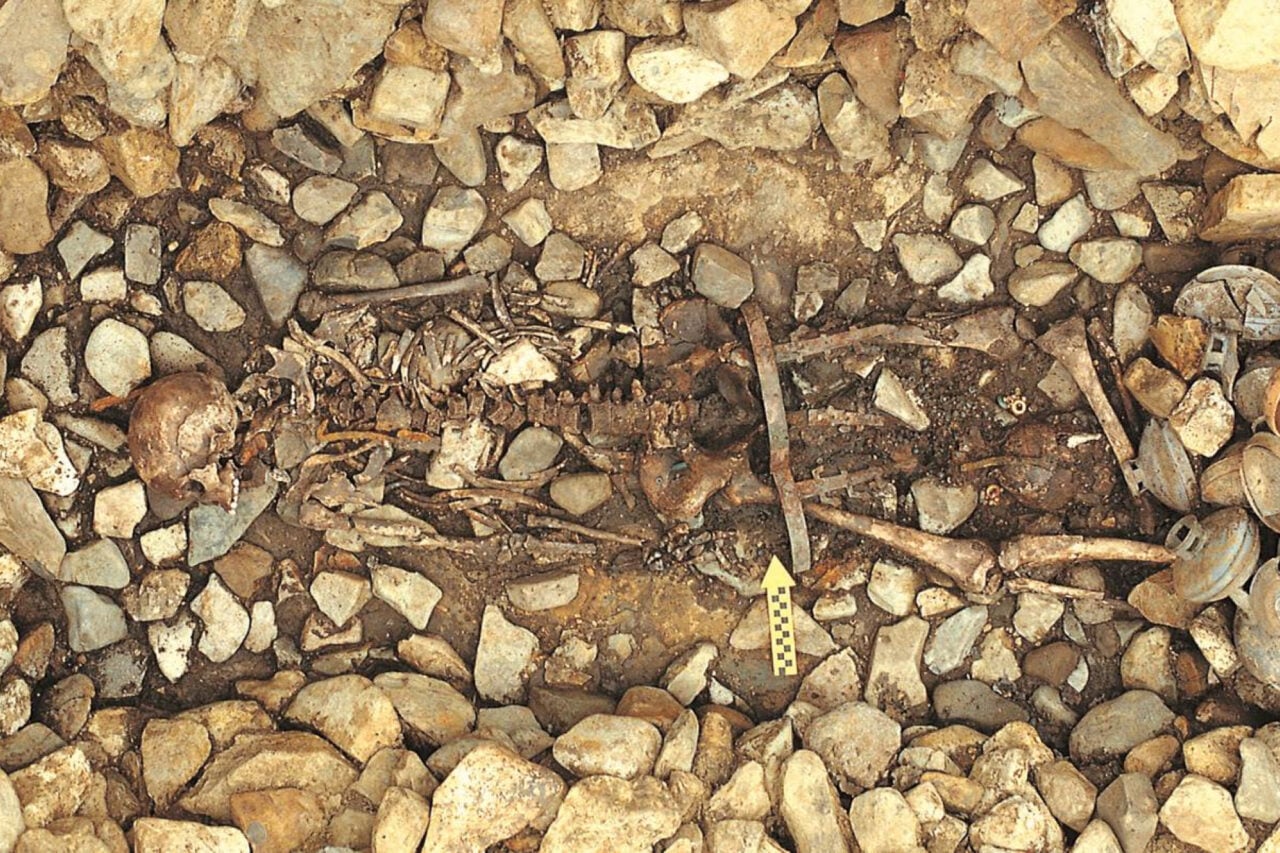
Researchers compared puncture marks on an 1,800-year-old skeleton in the UK to various animal bites, and concluded that the individual was likely bitten by a lion.