
Seems like Europeans were playing blocking games centuries earlier than previously thought.
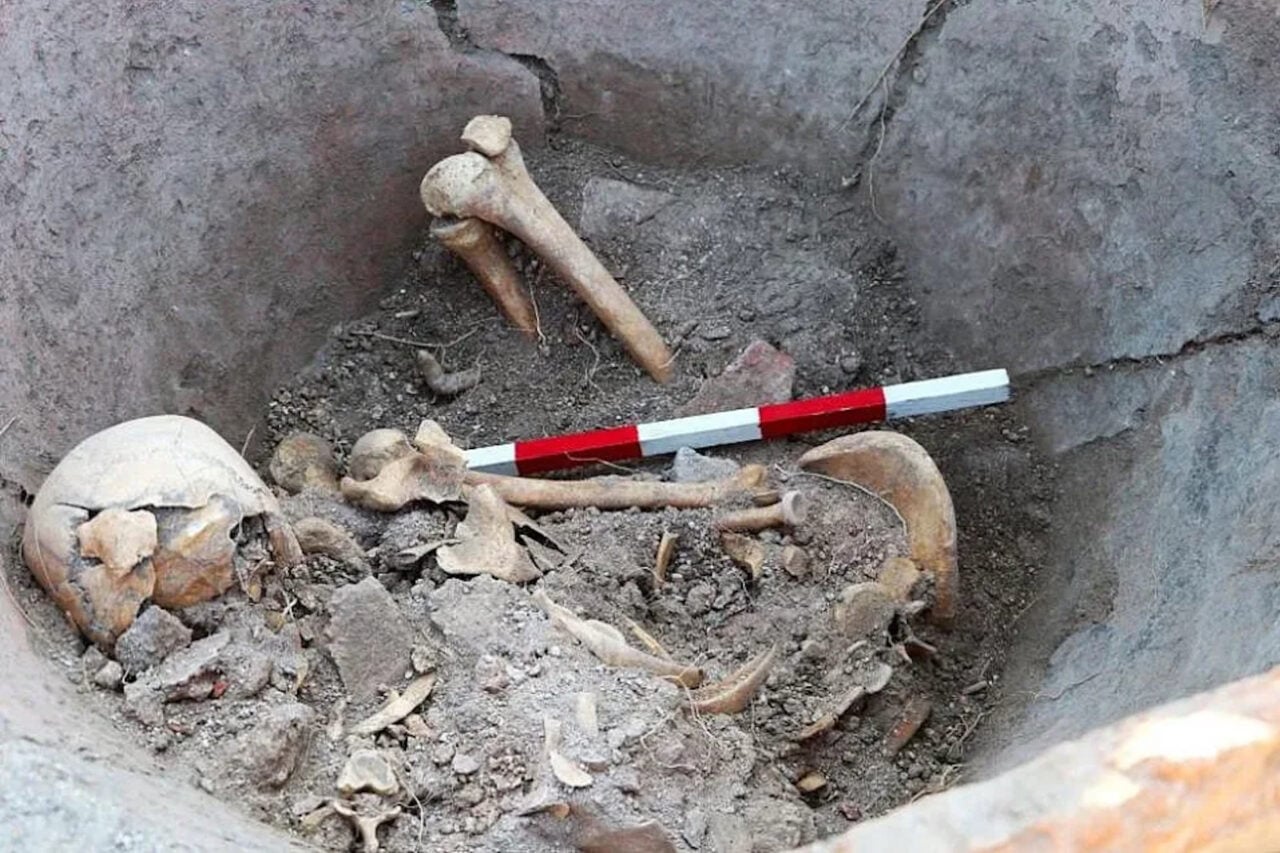
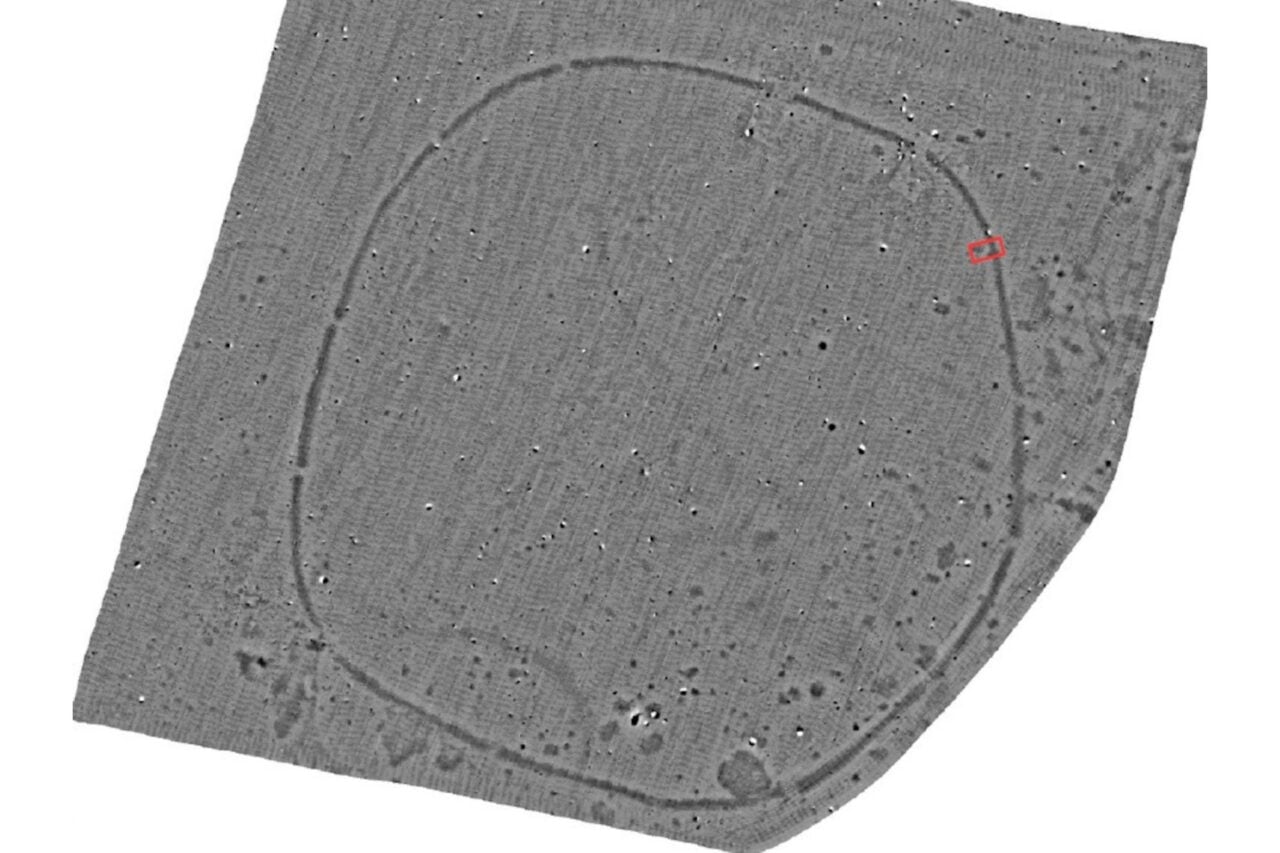
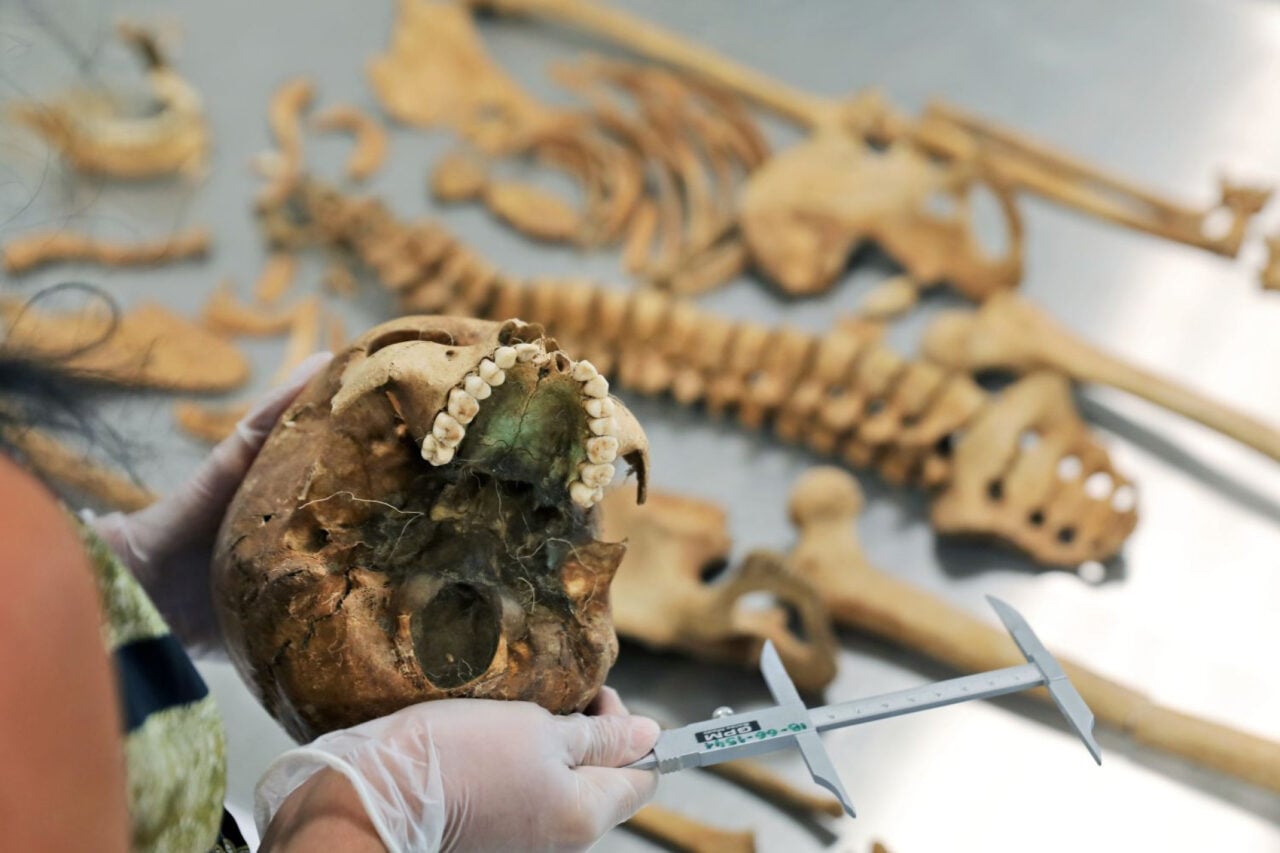
Archaeologists and students in England have uncovered a mass grave, which includes the remains of an exceptionally tall man with a hole in his skull.
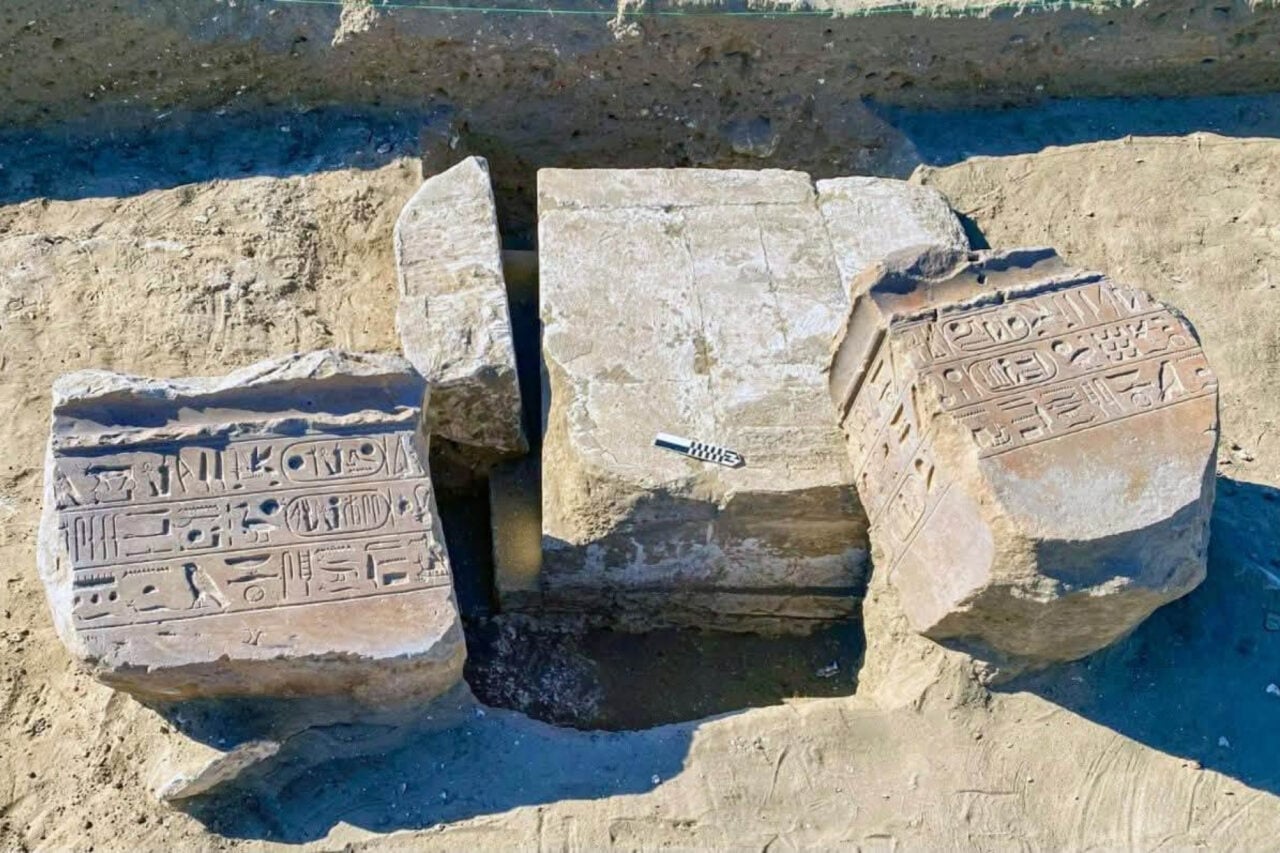
This is probably not how the ancient Egyptian priests thought their afterlife would go.
At least they had a nice burial?
The unfortunate ship, along with its cargo of oranges, sank in 1890 while en route to New York City.
A volunteer in Germany may have linked a medieval wheel cross to a mold unearthed four decades ago.
It seems like glaciers weren't helpful in the construction of the famous prehistoric monument.
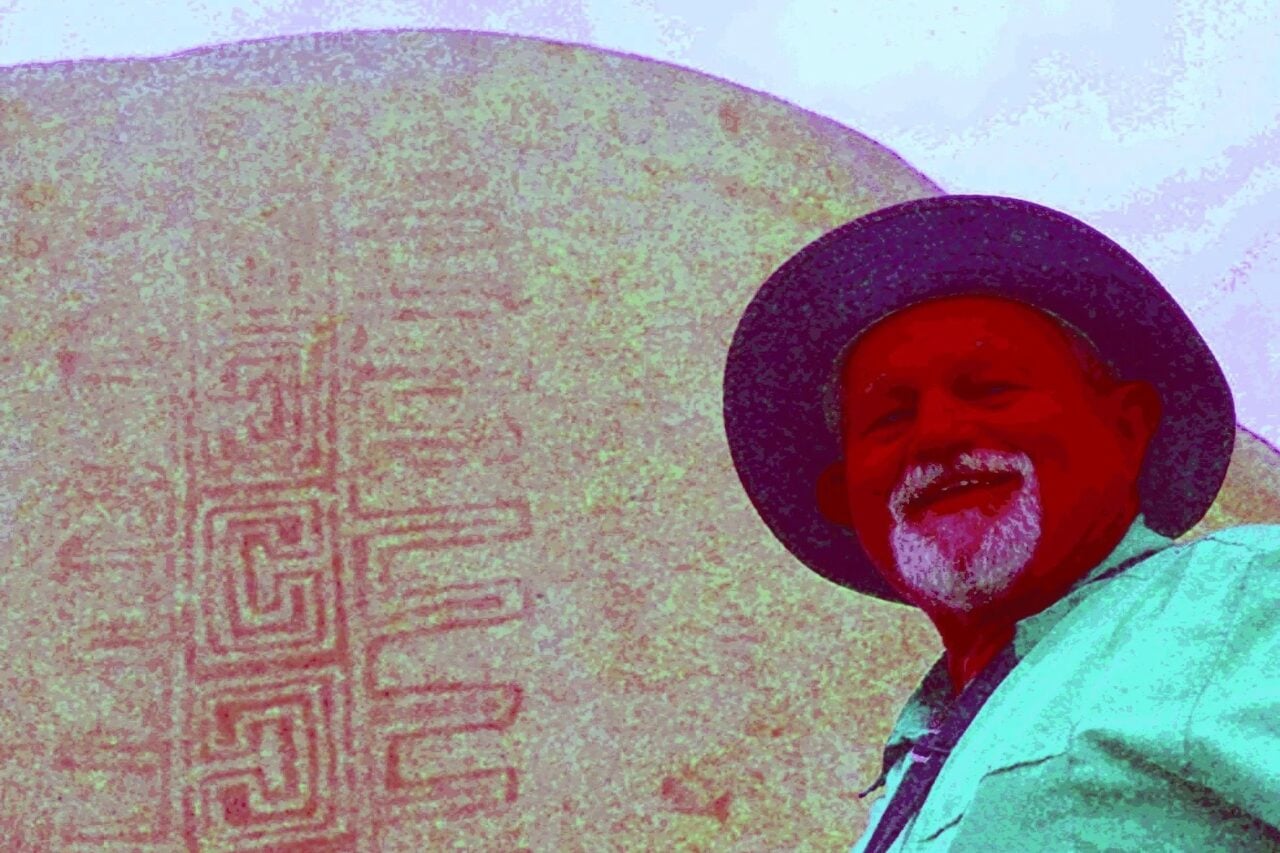
A newly dated Indonesian cave painting may be 1,100 years older than the world’s oldest known rock art, but not everyone is convinced by the evidence.
The shipwreck is exceptionally preserved and provides the first archaeological confirmation of features seen in illustrations.
The over 2,400-year-old ceramist's stylus likely features Dionysus...and his other bits.
Mount Vesuvius preserved the ancient city's water system, including evidence of filth.
A 9,500-year-old cremation site in Malawi is rewriting what we thought we knew about ancient funerals.
The use of poisoned weapons 60,000 years ago would have required big brain power.
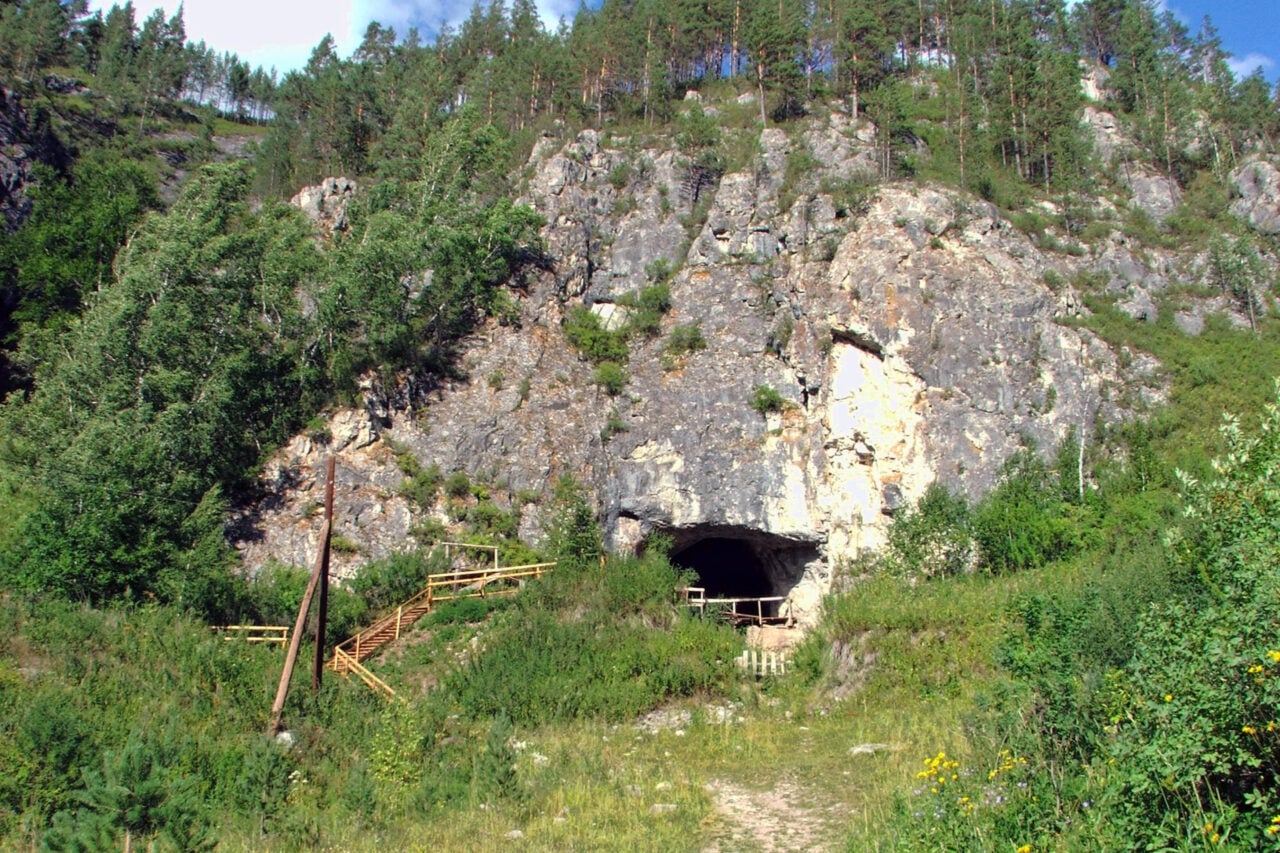
New research sheds light on the ancestors that gave rise to Neanderthals, Denisovans—and us.
Despite the fact that Mount Vesuvius triggered one of the most infamous ancient tragedies, not everyone agrees on exactly when it took place.
New research challenges the previous identification of a famous fossil dubbed "Little Foot."
Researchers traced tattoos across hundreds of human remains from northeastern Africa.
In the fourth century BCE, mysterious raiders attacked a Danish island. Now we might finally know where they came from.
Humans likely harvested their first flames from wildfire. When they learned to make it themselves, it changed everything.
How often do you think of ancient Roman cement?