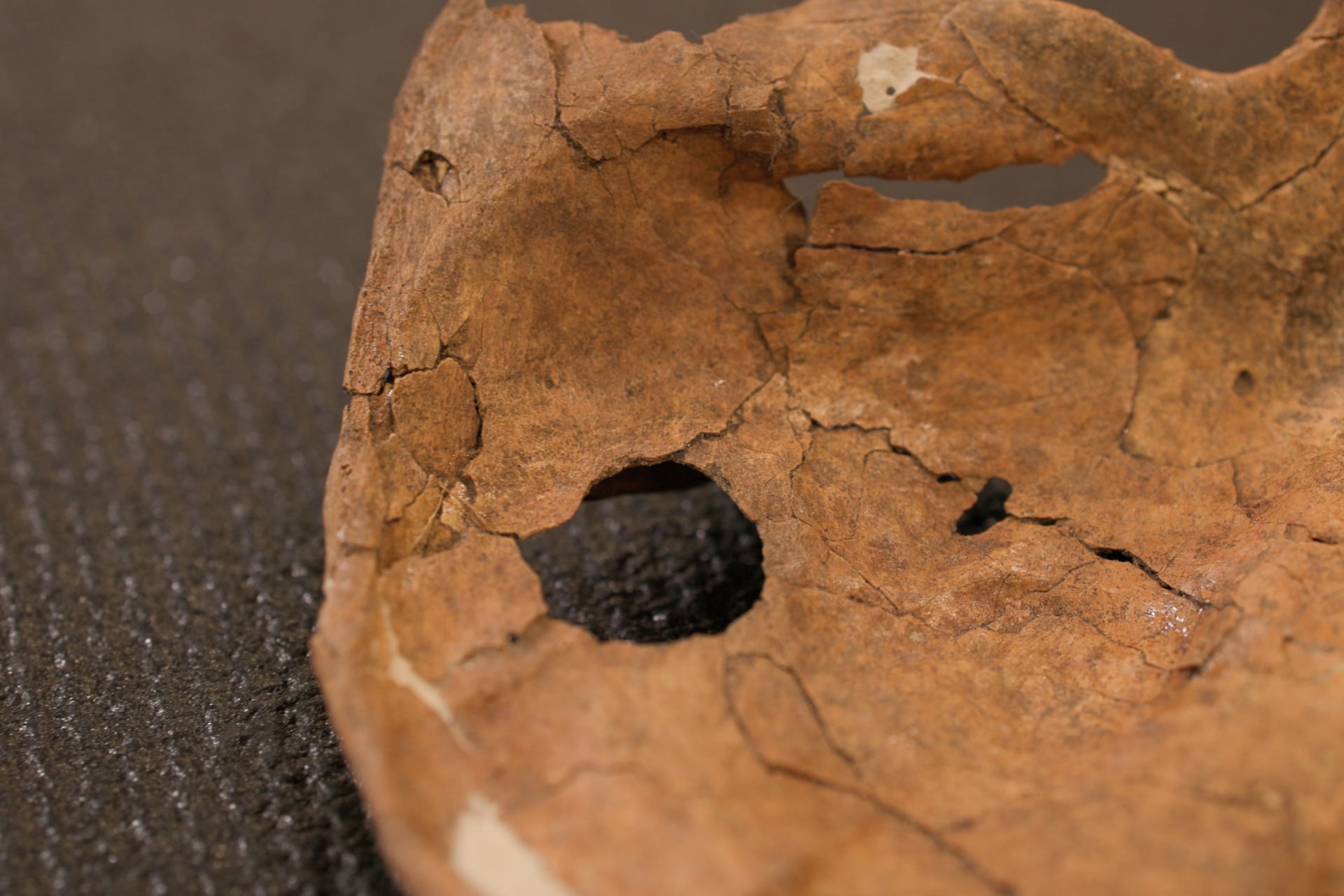
Life probably sucked for Shanidar A, a Neanderthal who lived around 75,000 years ago. First, they hurt their face so bad that the injury split a tooth and rotated others. But they survived. Later, a wooden spear punctured their shoulder blade—presumably punching a hole through their lung and major arteries. And that was it for Shanidar A.
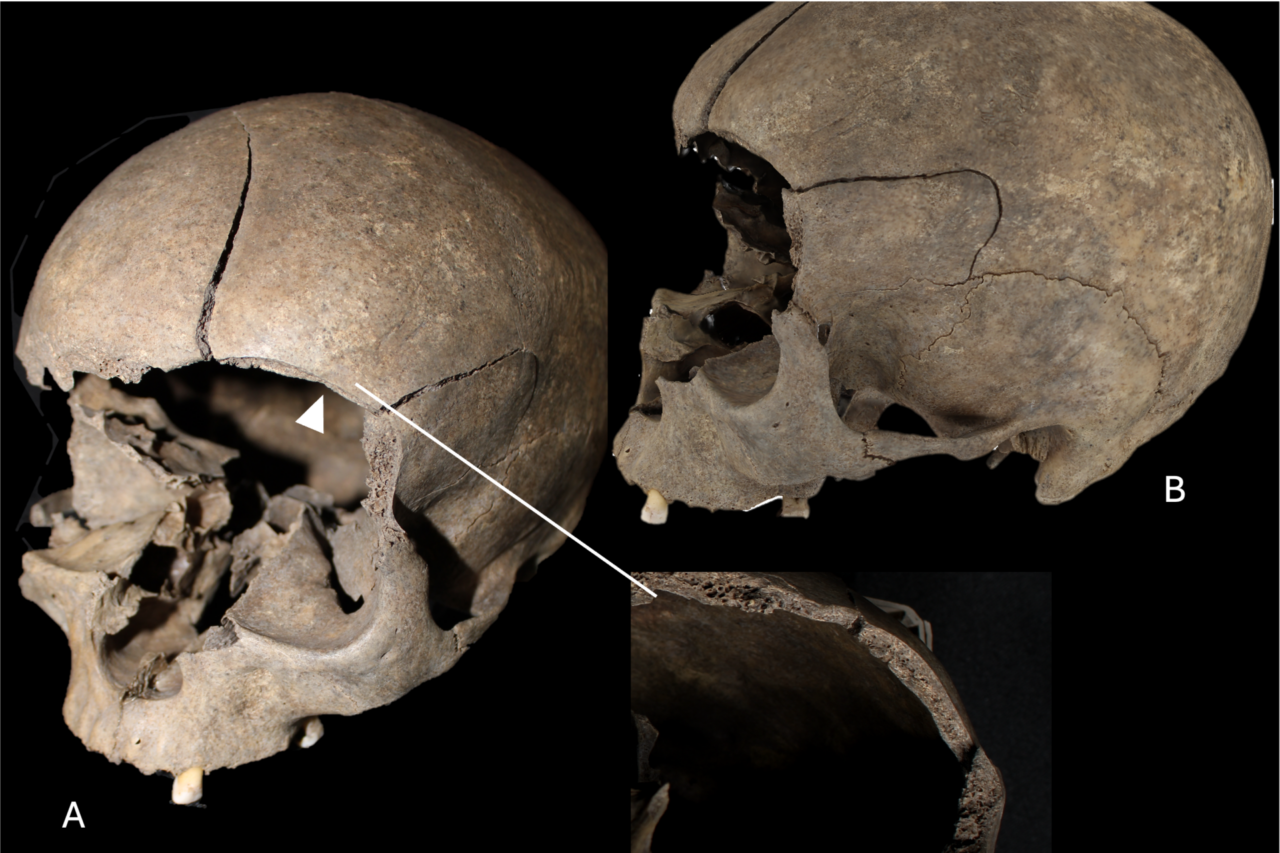
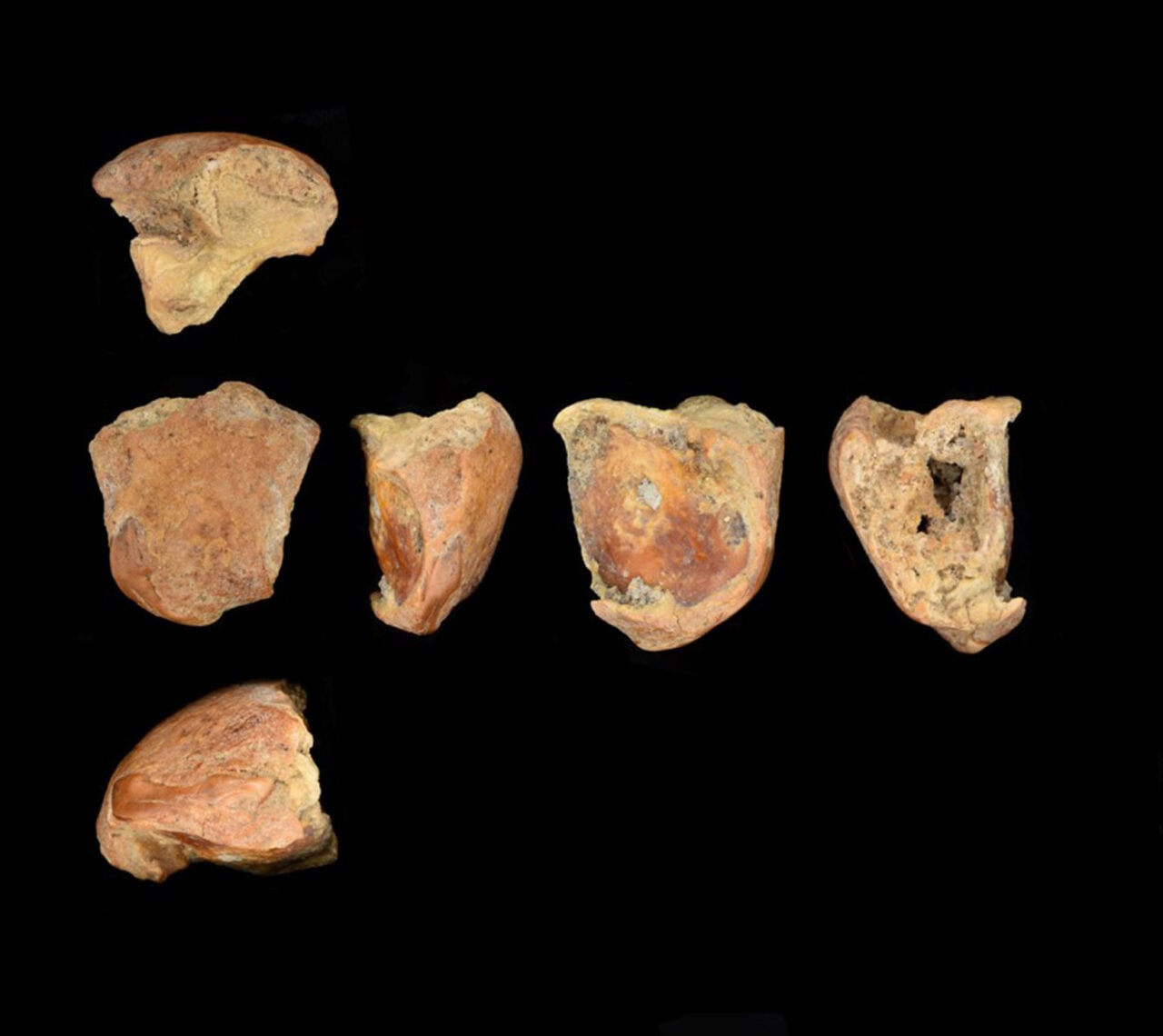
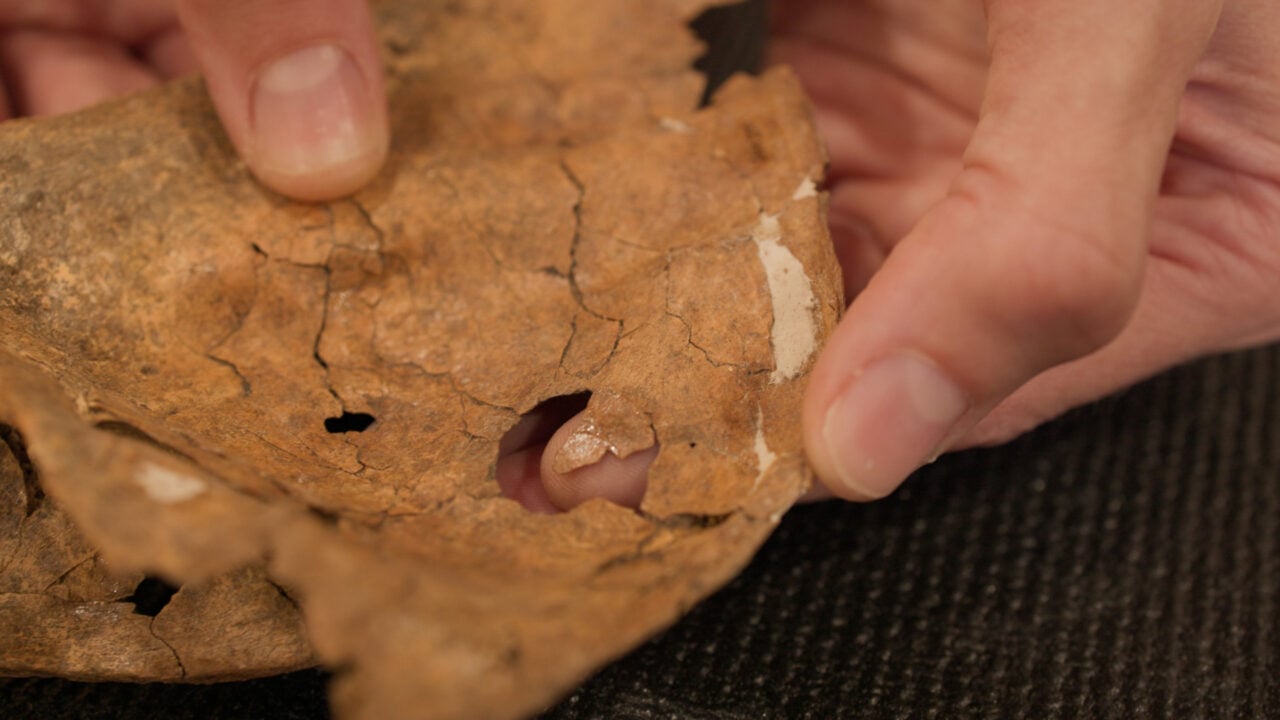
But their remains did survive the test of time—allowing researchers to retrieve Shanidar A’s bones and share their story. In a study published today in Scientific Reports, archaeologists describe unusual wounds on Shanidar A, one of five Neanderthals individuals buried together at Shanidar Cave in Iraqi Kurdistan. The remains were fragmented but well-preserved enough for the team to identify a right hand, two left ribs, a right-rib fragment, and seven teeth—some of which were split or rotated inward. There was a scapula (a broad, flat bone in the shoulder blade) with a clear, round hole about 0.6 inches (15 millimeters) wide, very likely caused by a spear. Further investigations showed the facial injuries were incurred while the individual was alive, whereas the shoulder wound was likely lethal.
“What is particularly remarkable is that we see evidence of two contrasting facets of human nature—care and violence—juxtaposed in the same individual,” Emma Pomeroy, the study’s first author and a bioanthropologist at the University of Cambridge in the U.K., told Gizmodo.
We get weird about cavemen
Cambridge archaeologist Graeme Barker has been directly involved in excavations at sites of prehistoric human occupation that archaeologists have been exploring since the 1950s. Barker, also a co-author of the latest study, told Gizmodo that past historians and scholars tended to favor one end of an extreme when thinking about Neanderthals. On one hand, 19th-century prehistorians described their lives as cultureless “savagery.” On the other, 20th-century scholars insisted they were “peace-loving, food-sharing non-accumulators.”
“Both versions are obviously simplistic,” Barker said. “That doesn’t mean they were ‘like us’—they show us that there were other ways of being human, and we are not unique in our capacities, both to help and to hurt each other.”
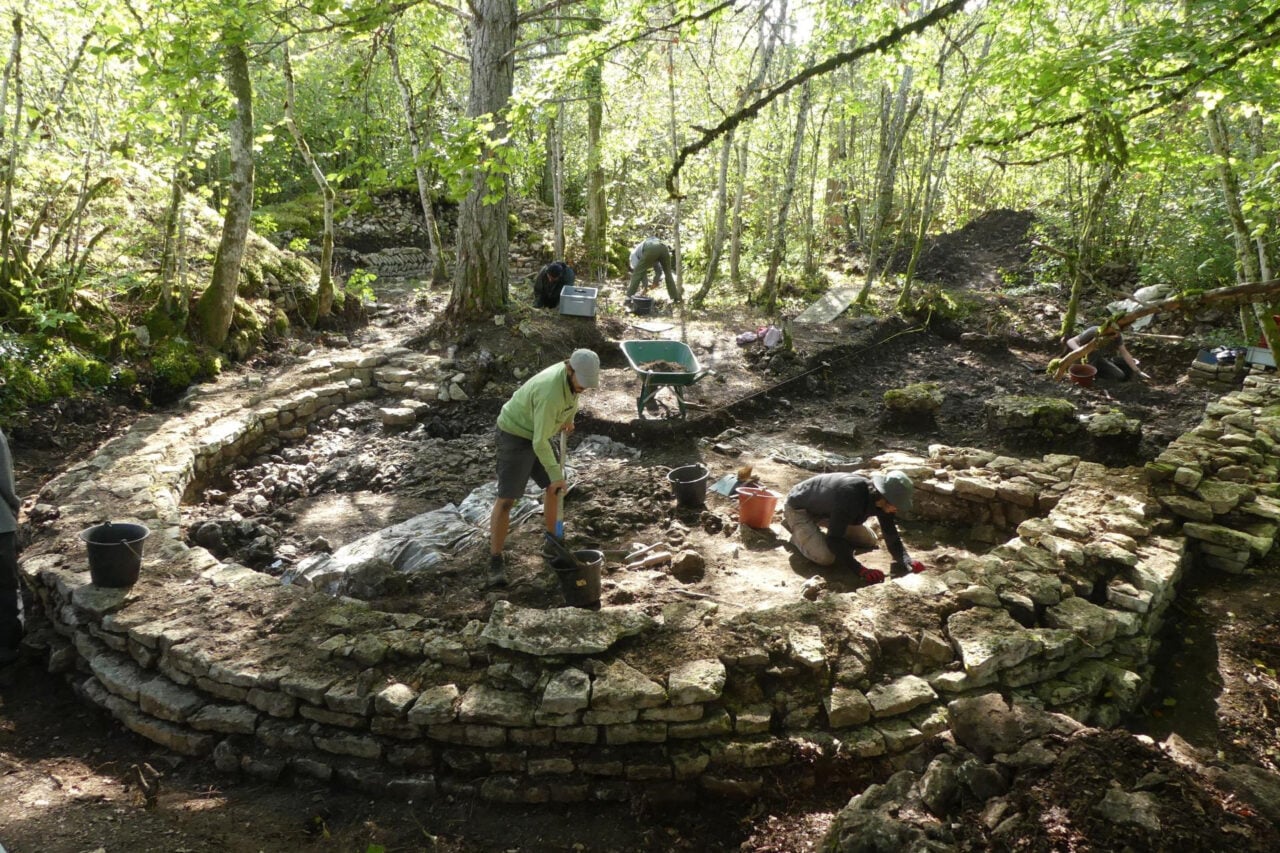
That’s one key takeaway from the latest work, he added. Shanidar Cave has been central to discussions on Neanderthal culture. In the new work, the team identified two main phases of Neanderthal occupation: around 75,000 years ago and later again between 45,000 and 50,000 years ago. Shanidar A, who was around 45 years old at the time of death, was buried with at least four others, and their placement behind a tall rock pillar suggests some “meaningful treatment of the dead,” explained Pomeroy.
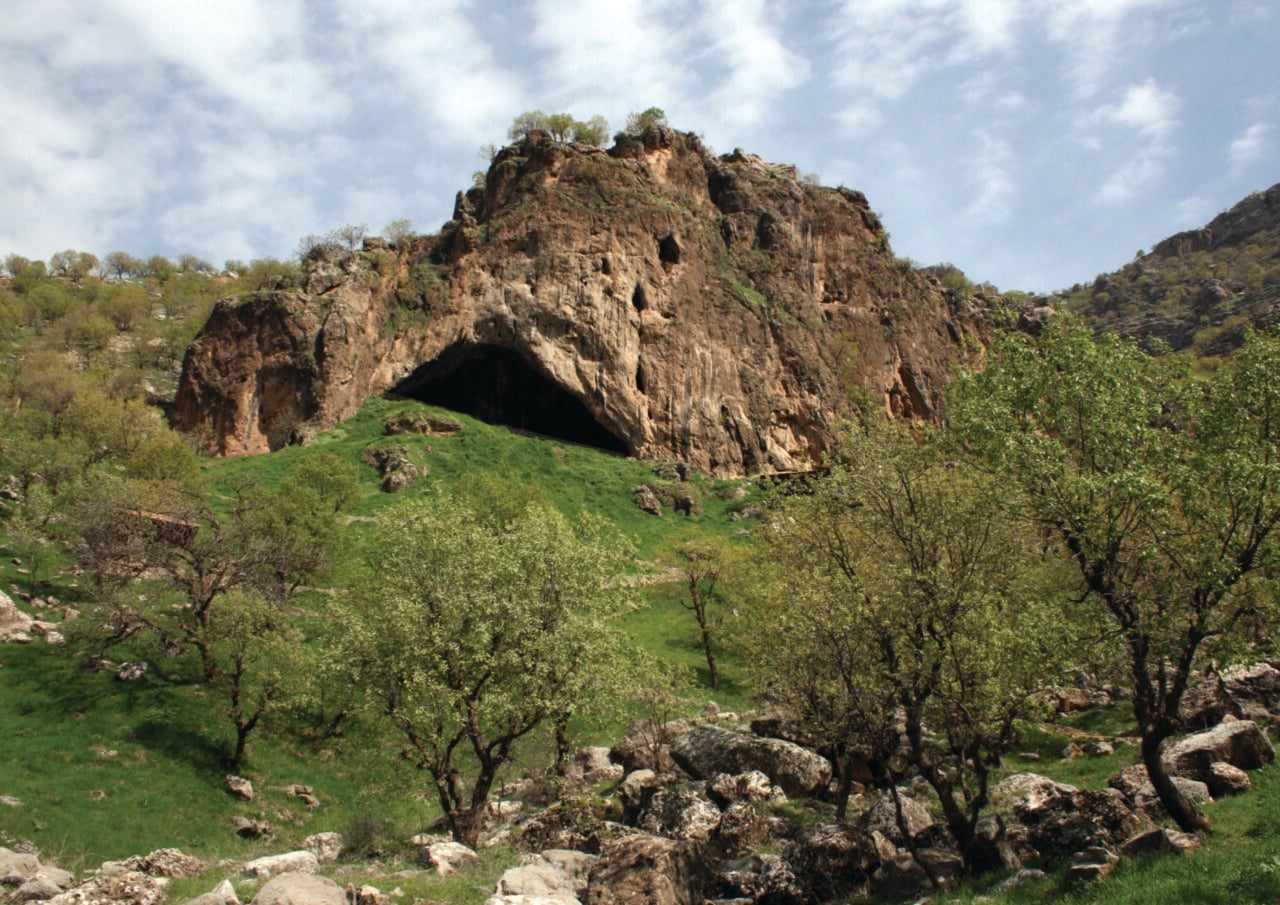
Incidentally, this cluster includes the bones that Ralph Solecki—an American archaeologist who led the first excavations at Shanidar—interpreted as having been buried with flowers, based on pollen evidence. That particular connection is probably incorrect given what we know now, Barker said, but the “combined evidence” of the old and new excavations does reignite the debate of Neanderthal burial rituals.
Lucky or unlucky?
But it’s because Shanidar A simultaneously shows the “more violent side of Neanderthal life” that the findings are so fascinating, Pomeroy added. And the team really did consider many other scenarios—root action, animal burrowing, damage from the old or new excavations—for what could have created such a perfectly round hole. The researchers also compared examples of spear-caused wounds on scapulae on humans and other animals.
“The science gets us to the point of showing death by spear thrust,” Barker concluded. “Beyond that is speculation, from tripping over the spear to being speared by a fellow Neanderthal from the same group or from a neighboring group to a fight with a Homo sapiens.”
As for the facial injury, researchers have previously found signs of healed injuries in Neanderthals and modern humans, Pomeroy said. These included physical wounds, but also arthritis, bone infections, or developmental differences. So, we can reasonably assume that they did take care of each other as needed, although it’s also possible that “sick or injured people didn’t just manage to get by while being left on the edge of their social group and perhaps tolerated,” she added.
“We see evidence all around us today that violence and care are both aspects of how we humans behave,” Pomeroy said, “and we see this here in Shanidar A too. Neanderthals were like us in many respects, both the good and the bad, and this find really highlights that, going against stereotypes of Neanderthals as unintelligent, uncaring cavemen and cavewomen. Their behavior and lives were complex, just as ours are today.”