The great Inca Empire is survived by its legacy in economics, science, art, religion, and—an add-on to the last two—sacrificial rituals. According to a new study, these holy proceedings also included llamas and guinea pigs.
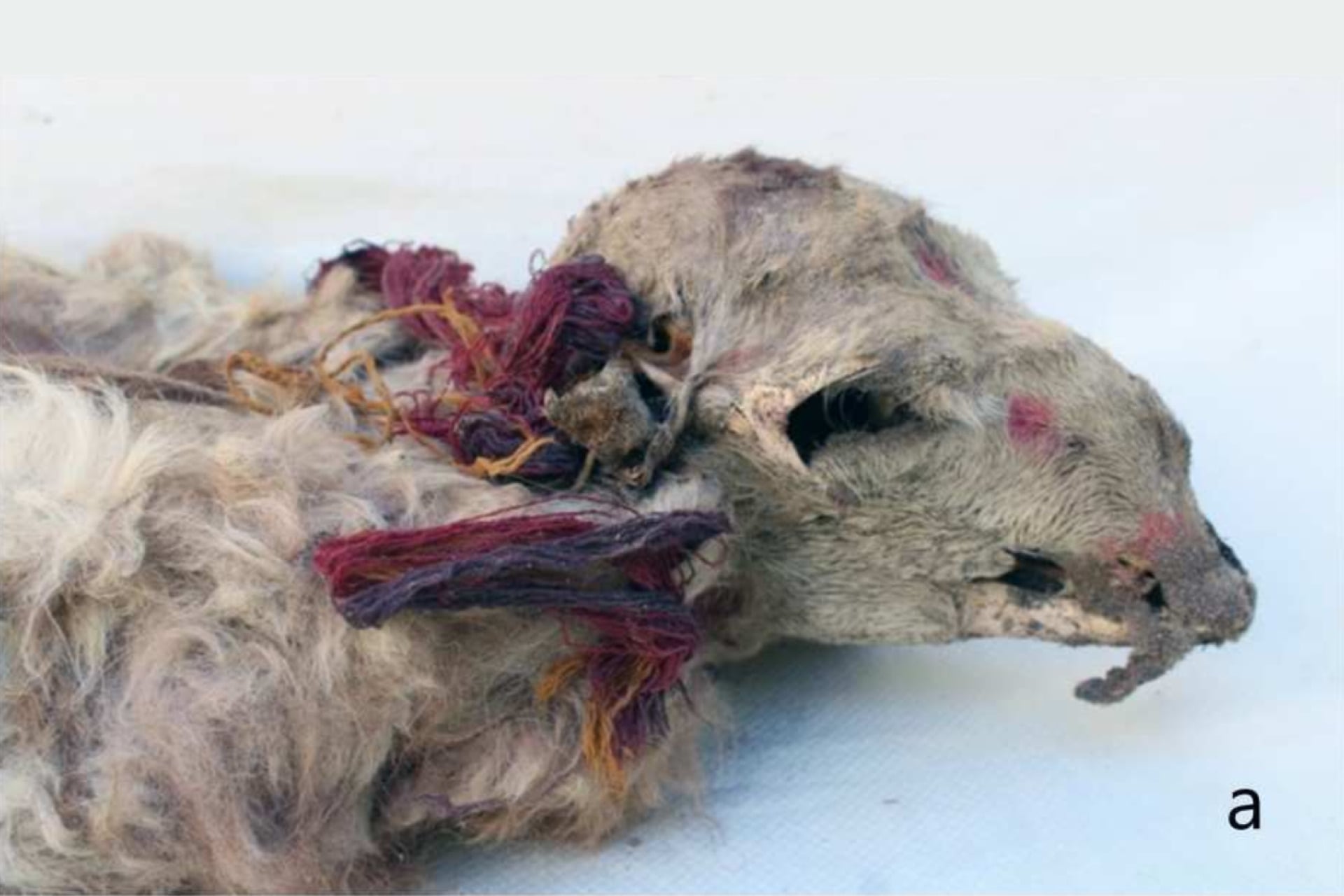
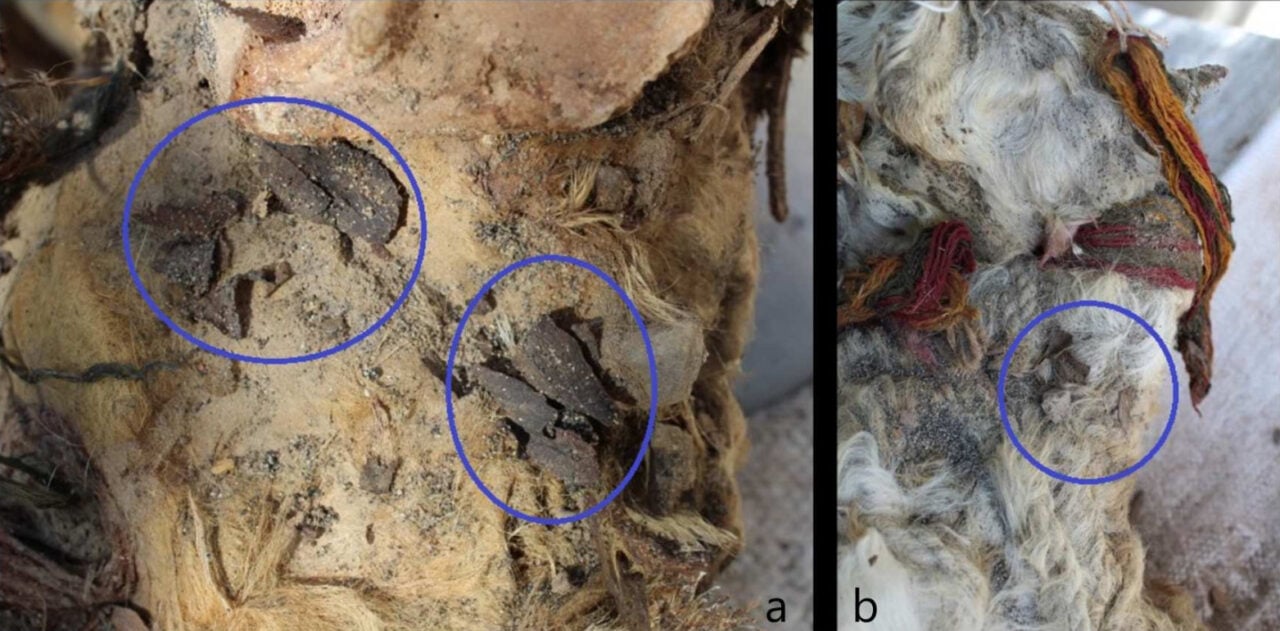
During recent investigations at Tambo Viejo, Peruvian archaeologist Lidio Valdez and colleagues unearthed an unusual collection of naturally mummified llamas and guinea pigs. The llamas in particular had colorful ear tassels and necklaces, red face paint, and most importantly, coca leaves stuck in their wool. The Inca considered coca a divine plant, and features such as the positioning of the llamas indicate that a sacrificial ritual took place here, as the team reported in a recent paper in Ñawpa Pacha. If valid, this interpretation complicates written sources that claimed coca leaves were burned during rituals.
Tambo Viejo, a site associated with Inca occupation, hosts a particularly special archaeological record, Valdez, currently with the University of Calgary in Canada, told Gizmodo. For instance, “nicely, naturally” mummified guinea pigs have only turned up at Tambo Viejo, he said, adding that “[N]othing similar has been reported from other Inka settlements.”
Among the gods
According to Valdez, archaeological records indicate that rituals and offerings were means to “negotiate” with deities who owned the land that the Inca lived on. The idea was that gifts “presented in a ritualized context” would prompt the deities to send back good fortune, the researchers explained in the paper. It appears that child sacrifices were the most valuable, but it was more common to offer domesticated animals like llamas and guinea pigs, they added.
The earliest known external record of these sacrifices comes from the Spaniards in the 16th to 17th centuries, according to the paper. A written account from chronicler Pedro de Cieza de León mentions how the Inca would clench coca leaves between their teeth. He later learned from interactions with the Inca that the plant held spiritual meaning for them. For instance, the foreigners observed how the Inca would deposit coca leaves at shrines and special landmarks.
But these accounts are “general and do not give insights about the context,” the team wrote. Some Spanish documents claim the leaves were burned, but because coca leaves are so fragile, they rarely survive, and scholars couldn’t confirm it.
An ancient offering
For the latest excavation, Valdez and colleagues focused on an area dubbed Structure 4, an enclosure of cobblestone walls roughly 4,650 square feet (432 square meters). Previous investigations had identified a stash of coca seeds, suggesting coca was a locally available resource at Tambo Viejo. But the researchers weren’t able to find actual coca leaves to support this hypothesis before studying Structure 4.

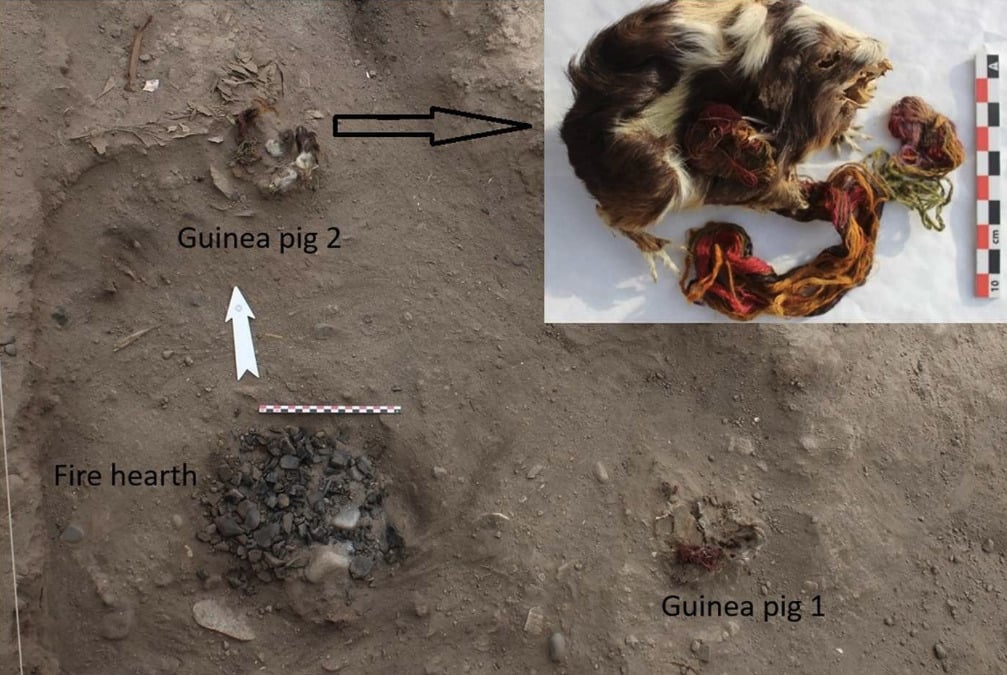
The discovery of coca leaves itself was significant, but the building was hiding even more surprises. The team found a total of 14 llamas at the site, nine of which were packed into a corner of the area. Miraculously, fragments of coca leaves were stuck inside the wool of the llamas, who were lavishly decorated with accessories and red paint. Then, the llamas were covered with a clean layer of sand and four guinea pigs. Finally, the shrine was sealed with a layer of clay.
Burnt or buried?
It seems that a fire pit was lit on top of the llamas, although it’s unclear whether any coca leaves were burnt in the pit, the team added. A biological analysis of the animals showed that they were mostly young, with minimal signs of physical trauma. This also contradicts ethnohistorical sources—namely conquistador-era chronicles—that stated the Inca burnt their guinea pig offerings, the team noted. But the new findings imply the animals were probably buried alive and suffocated for these rituals.
“If the Inkas were capable of burying children alive, it’s reasonable to think they did something similar with animals,” the researchers wrote in the paper.
“We may never know the reasons for the sacrifices,” Valdez said. “The Inkas knew that they were in the lands belonging to other peoples; in order to legitimate their presence, they had to negotiate with the powerful deities. Rituals were the means to do this.”