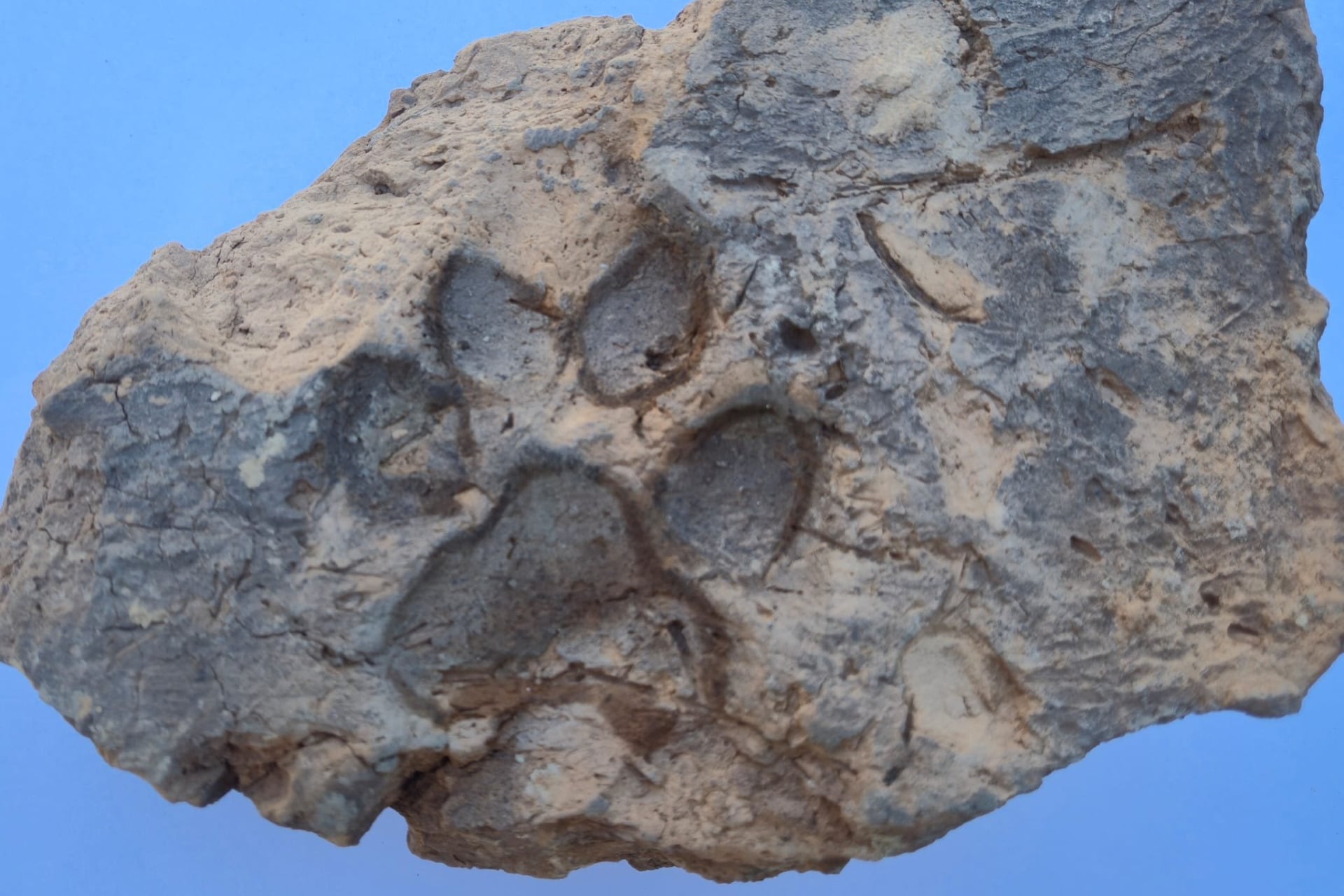
We probably have a lot more in common with ancient societies than we realize—like, for example, furry friends that bring small joy in our daily lives.
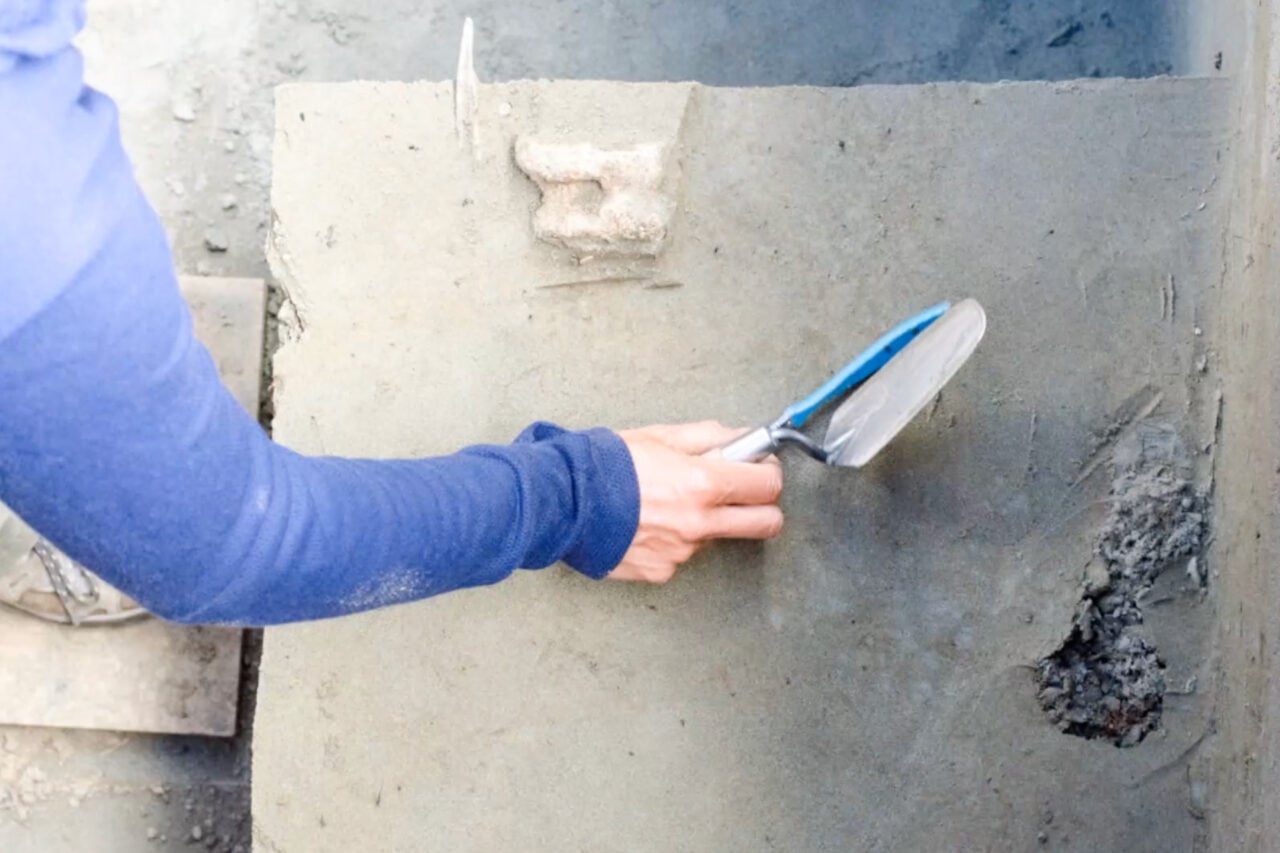
In a social media post yesterday, Türkiye’s minister of culture and tourism, Mehmet Nuri Ersoy, shared photos of dog paw prints left on a mudbrick at the archaeological site of Tavşanlı Höyük. The prints are believed to be roughly 4,000 years old, and the brick was likely part of a Bronze Age building. Ersoy’s post does not specify how many paw prints were discovered nor the details of the excavation, although he mentioned that a research team led by archaeologist Erkan Fidan at Bilecik Şeyh Edebali University had been working at the site since 2021.
“At Tavşanlı Höyük, one of the largest Bronze Age settlements in Western Anatolia, we are uncovering not only structures and artifacts but also such small and unexpected traces of life,” Ersoy wrote in his post (translated via Google).
The site that keeps on giving
Earlier this summer, Fidan’s team shared details of their excavation in a study for the Coğrafya Dergisi Journal of Geography. According to this paper, the settlement of Tavşanlı Höyük covers an area of roughly 111 acres (45 hectares), and previous surface and excavation studies have found evidence of human occupation dating back to the 3rd millennium BCE.
Again, Ersoy’s post doesn’t share too much detail on the archaeological context of the footprints. But the earlier paper does allude to certain aspects of the site that may be of relevance. For example, the team identified multiple boreholes consisting of “abundant ceramics, adobe, bone, burnt wood, flint, and other organic/refined materials,” according to the paper. There’s also ample evidence of both human- and nature-caused fires at the site, as well as filling materials “placed by human hands between natural deposits,” the team wrote.
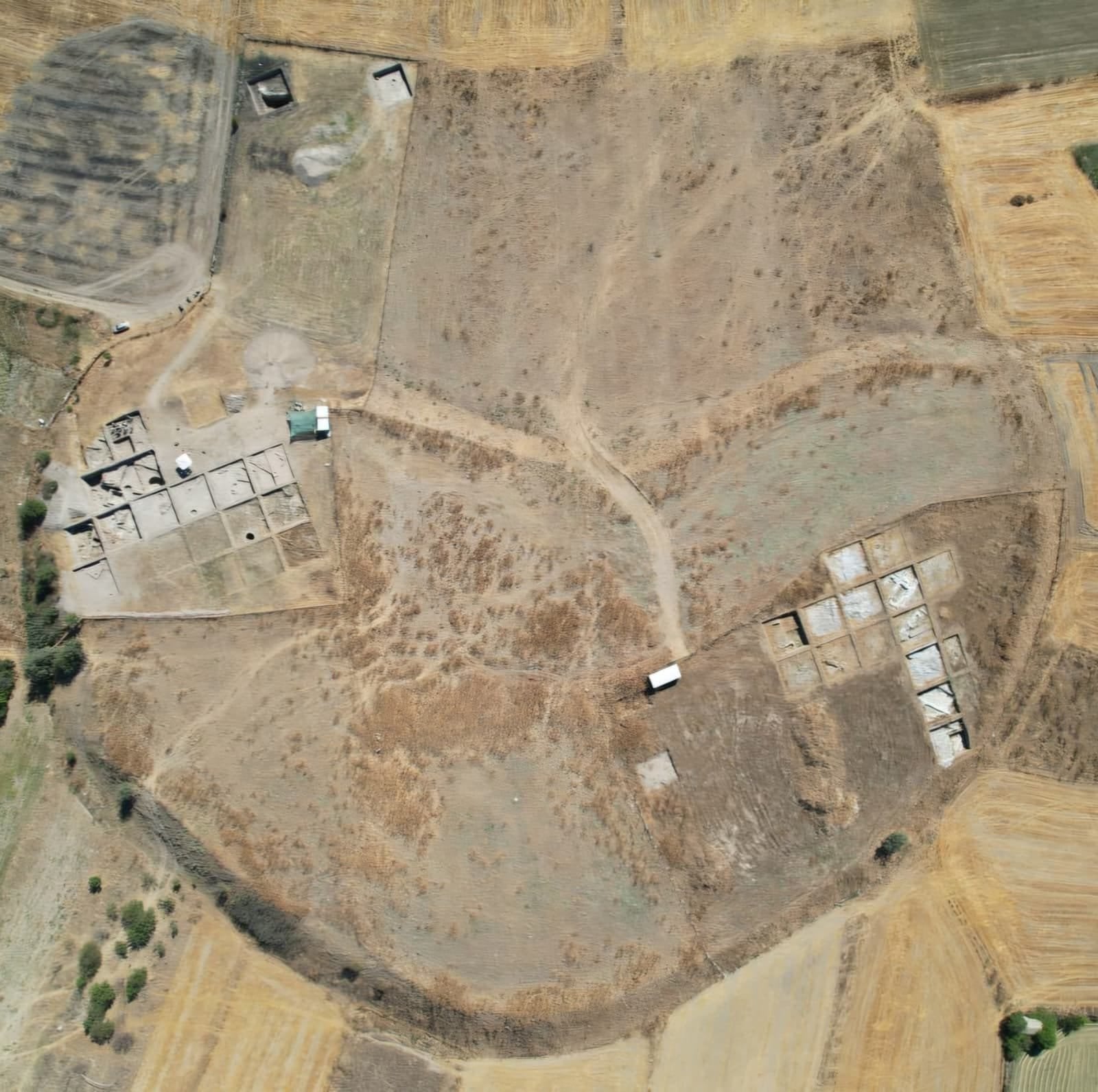
In other words, there’s little reason to doubt that humans long occupied the plains of Tavşanlı Höyük. As for details relevant to the latest footprint discovery, there’s also evidence that these folks knew how to make adobe, a sun-dried mudbrick. And these bricks drew the attention of a canine friend of ours from 4,000 years ago, assuming the date of the print is correct.
Small friends
For the study, the team conducted radiocarbon analysis of samples from the site, finding evidence that humans settled at Tavşanlı Höyük as early as 8,000 years ago. If this is accurate, that would mean this site has immense archaeological value—and the discovery of a dog paw print might pale in comparison to thousands of years of continuous human occupation.
It’s worth noting that this isn’t at all the first time animals (literally) left a mark in history. In 2013, a scholar found ink splotches in the shape of a cat’s paw scattered across the pages from a medieval manuscript. Some 2,000 years ago, a cat reportedly snuck across wet tiles being prepared by Roman architects putting together a roof.
We can’t help it
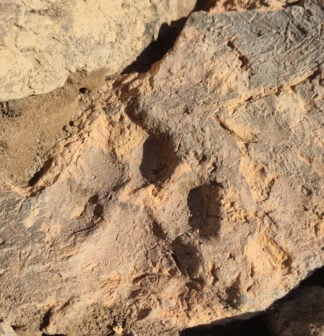
We’ll probably never know how humans reacted to these animals—technically—being a nuisance. But I have a hunch that the interaction probably ended with the human scoffing and giving the furry troublemaker an affectionate tousle. (If you’re among the millions that love videos of clingy pets, you know exactly what I mean.)
But in all seriousness, findings like these are a crucial reminder that, at the end of the day, archaeology isn’t just about old stuff from thousands of years ago. It’s also about understanding how society as we know it today evolved in a certain way—including our tendency to forgive our pets being a nuisance.