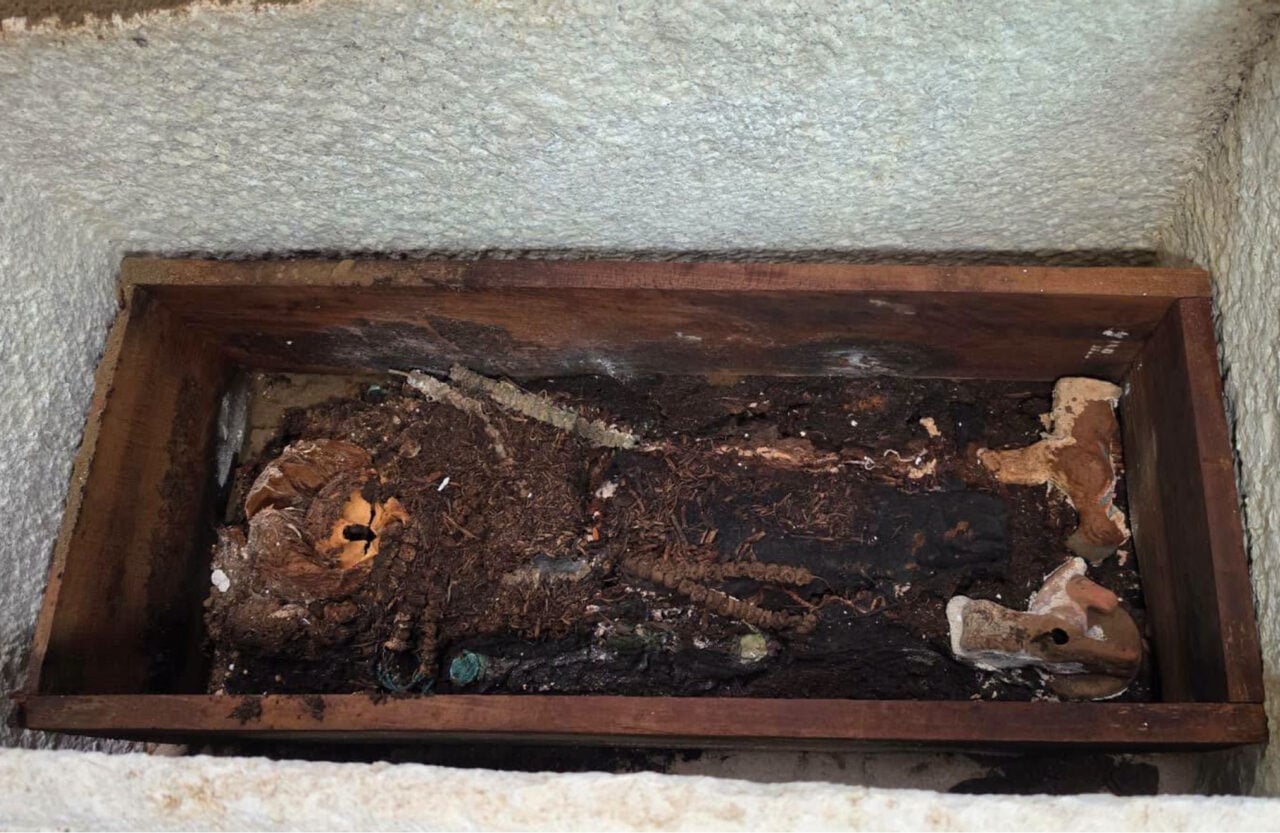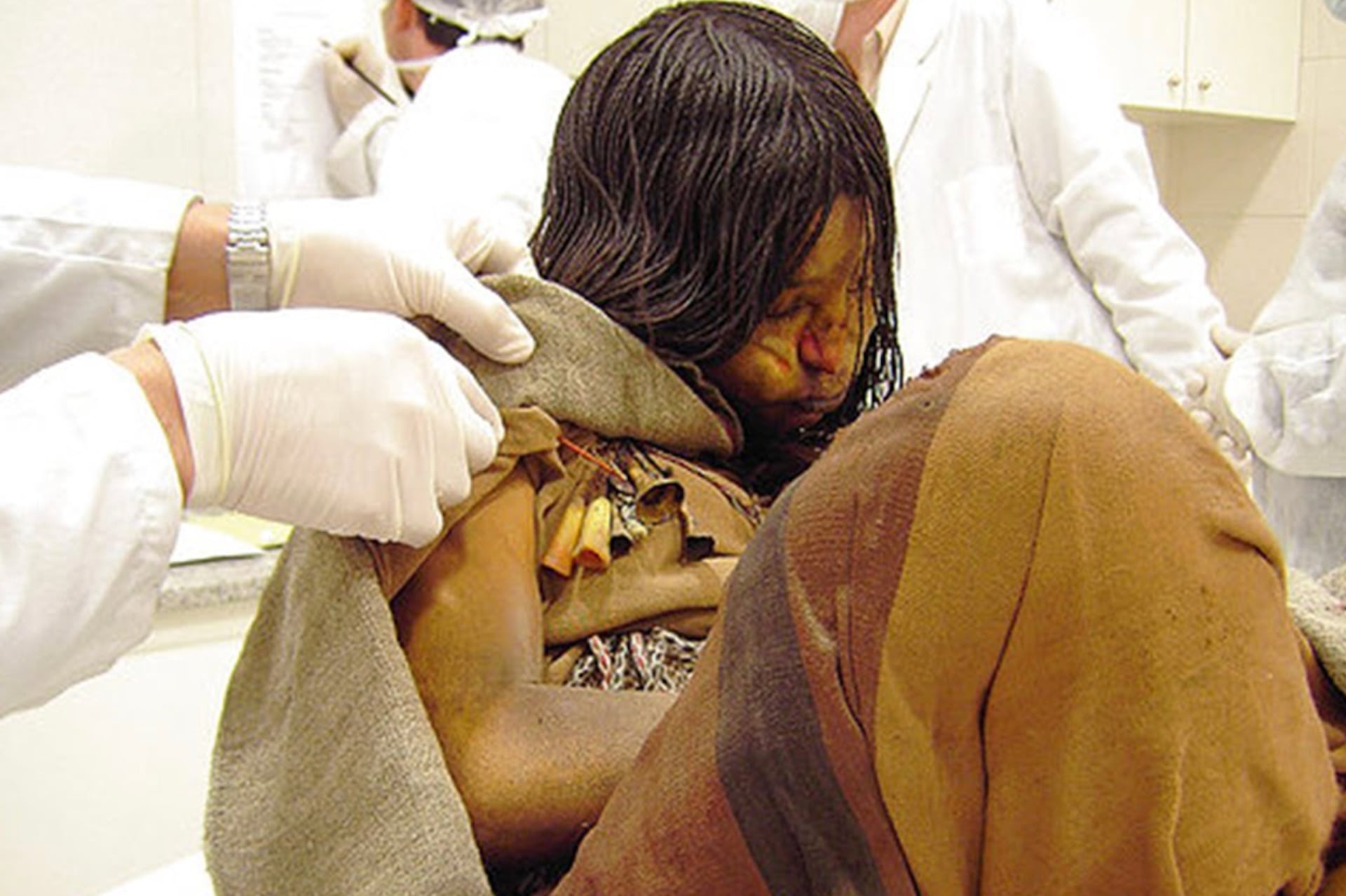
The capacocha—the Inca’s main sacrificial ritual—wasn’t just meant as an offering to appease higher beings. Rather, they believed the sacrificed, typically children, would ascend to become a messenger between humans and the gods. And to make the “ascension” less painful, the Inca would offer coca and alcohol to the sacrifice—the methods for which seem to be more diverse than previously believed.
In a study published today in Antiquity, researchers report results from the analysis of hair and nail samples from eight Inca mummies, discovered on volcanoes in Peru and Argentina. Although scientists already knew the Inca gave psychoactive plants to sacrificed individuals, it was less clear what specific plants they received. From a toxicological analysis of the keratin structures in the mummies’ hair and nails, the team identified cocaine—from coca leaves, a holy plant to the Inca—in all the mummies studied. Half of the mummies showed signs of alcohol consumption. The researchers theorize this was to help calm the children during the sacrificial rites.
“What is interesting is that, although coca appears to have been a common element of the capacocha ritual, the use of other psychoactive substances varied between individuals and locations,” Dagmara Socha, the study’s first author and a bioarchaeologist at the University of Warsaw, Poland, told Gizmodo. “This suggests that the preparation of children for sacrifice was not uniform across the Inca Empire.”
A divine negotiation
As Peruvian archaeologist Lidio Valdez previously told Gizmodo, the Inca believed they lived on land owned by divine beings and, ideally, that they should act to keep the gods happy. According to the paper, the capacocha was reserved for “events that could disturb the cosmic order,” such as drought, famine, or political instability. For this ritual, children from across the empire would be chosen for sanctification ceremonies, followed by the sacrifice either at the capital, Cusco, or provincial oracles and temples.
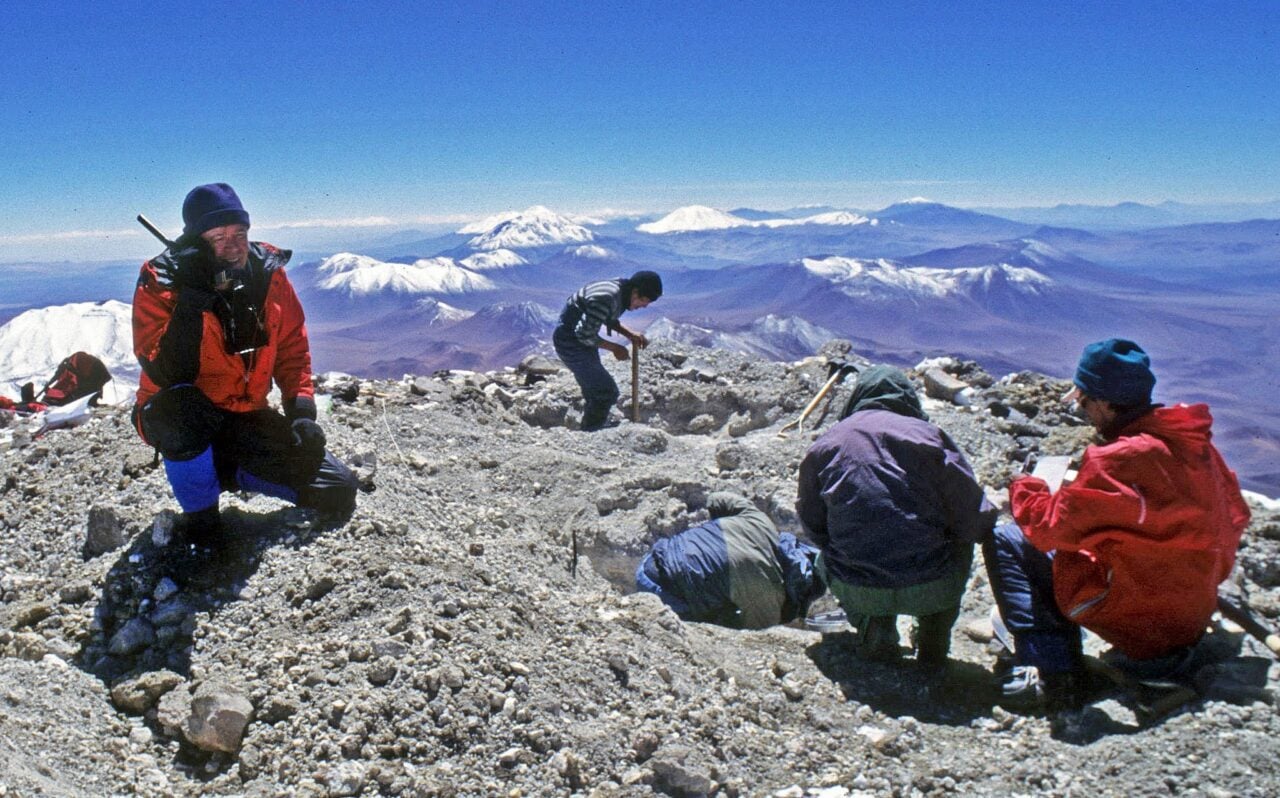
“The ritual also had a political dimension, helping the Inca state establish relationships with local communities and incorporate regional deities into the imperial religious system,” Socha explained. “The ceremonies involved elaborate preparations, offerings, and often long journeys to high-altitude sanctuaries. Their exact course could differ depending on the location and the [deity’s] prerogatives.”
In the keratin
An added element of identifying the exact substance the children received is to explore why they were given the substance in the first place, according to Socha. For instance, plants with medicinal properties might have been given to keep the child healthy. But the substance could also have helped to send the child to be sacrificed into “altered states of consciousness,” she explained.
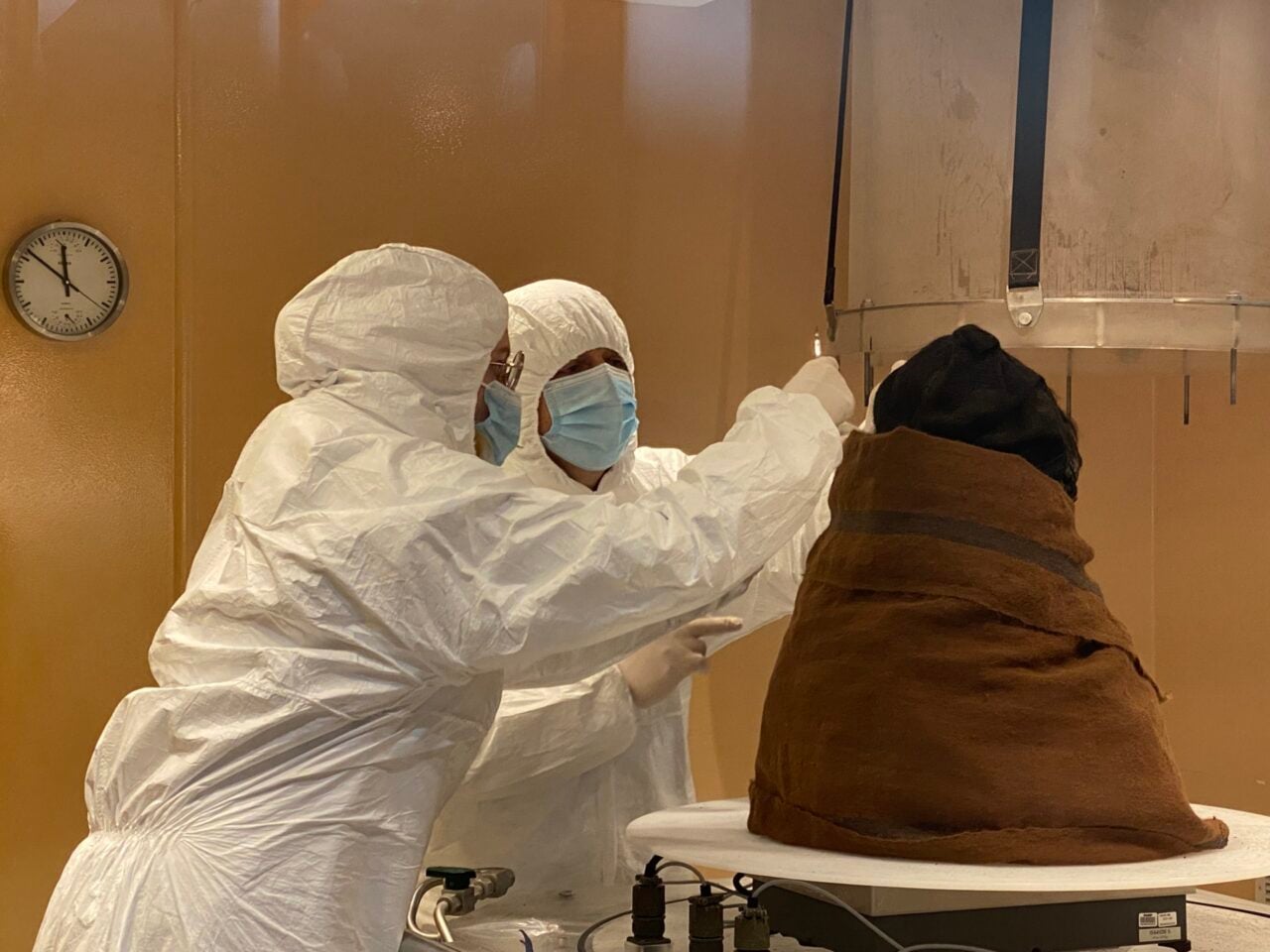
As Socha and colleagues confirmed from previous work, traces of substance use persist for a surprisingly long time in the keratin structures in the hair and nails. The team used modern forensic toxicology methods, paying close attention to compounds associated with coca, alcohol, and other hallucinogenic plants from pre-Columbian times.
The sacrificed children
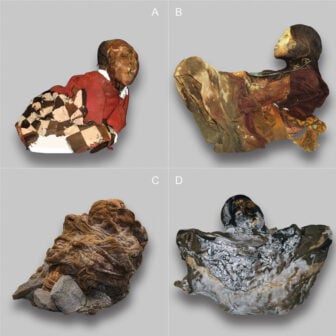
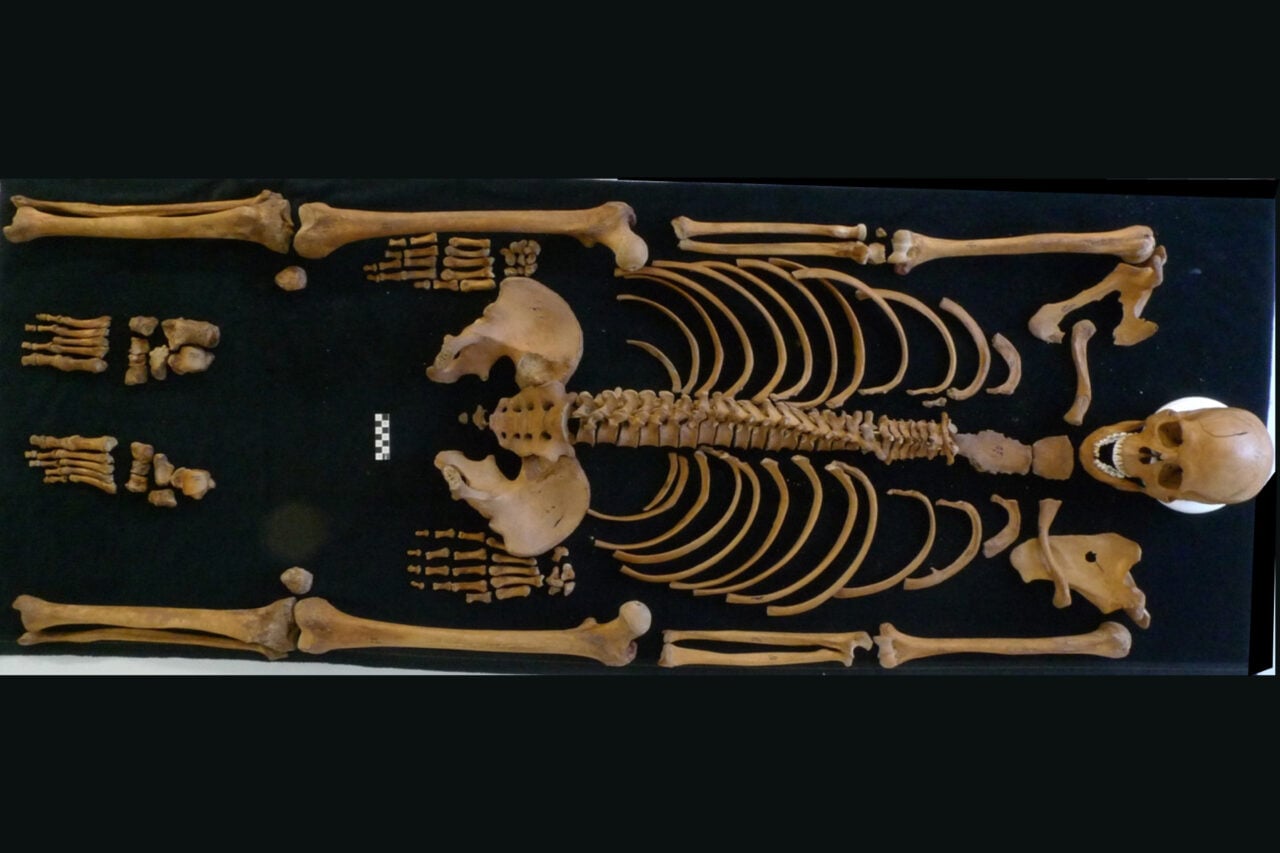
The eight mummies in the study come from different excavations from roughly the last 100 years, and the children’s ages ranged from 6 to 14 years old at the time of death. In addition to ubiquitous coca and some alcohol consumption, the team also found harmine, a compound associated with ayahuasca, the South American psychoactive drink.
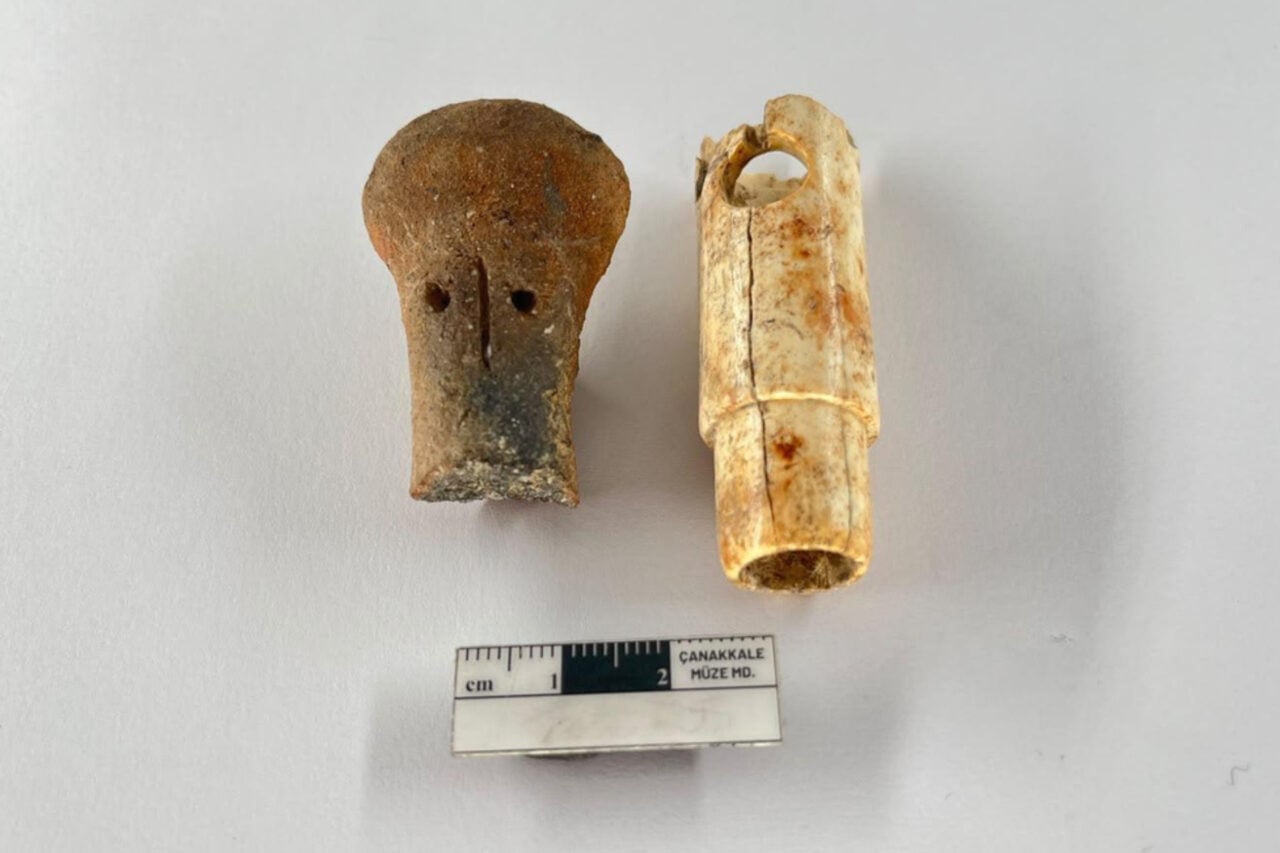
The alcohol likely comes from the maize beer chicha, as traces of this drink were discovered in the vessels buried with the children, according to the paper. Historical records make note of chicha use in Inca rituals, the team added in the paper, and male figurines excavated from suspected sacrifice sites have “bulges” in their cheeks, as if they were chewing coca quids.
Farewell to Earth
Hair in particular preserves a chemical record of substances that an individual consumed during the final months of their life. Accordingly, the team identified changes in coca consumption over six months for a girl sacrificed in Chuscha, and traces of alcohol only appeared during her final month among earthly beings.
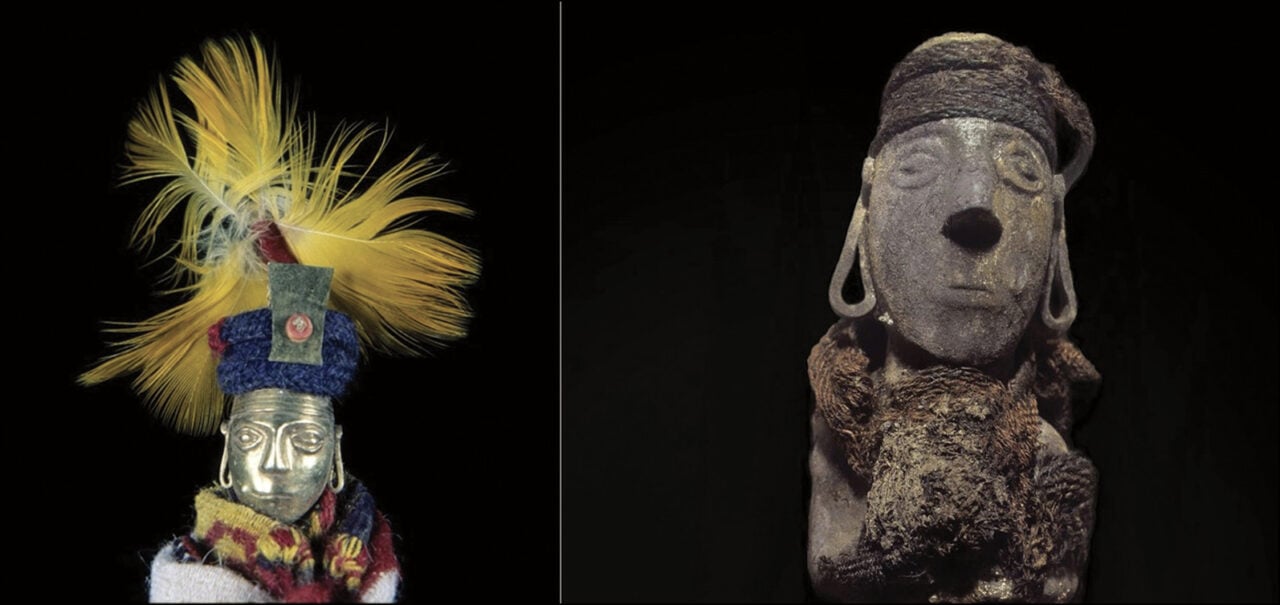
“For me, the most interesting aspect is that we can reconstruct small details of these children’s final months, even after more than 500 years,” Socha said. For example, the changes in what the girl from Chuscha consumed may “reflect her entry into the last stage of ritual preparations,” she added.
And we might be able to get even more of these tidbits. Fascinatingly, the team identified coca consumption in individuals that previous research concluded didn’t eat coca leaves, which speaks more to advances in analytical methods than anything else, Socha explained. The team will now try to revisit other aspects of the Inca’s religious practices, she said.