3G, 4G LTE, and 5G
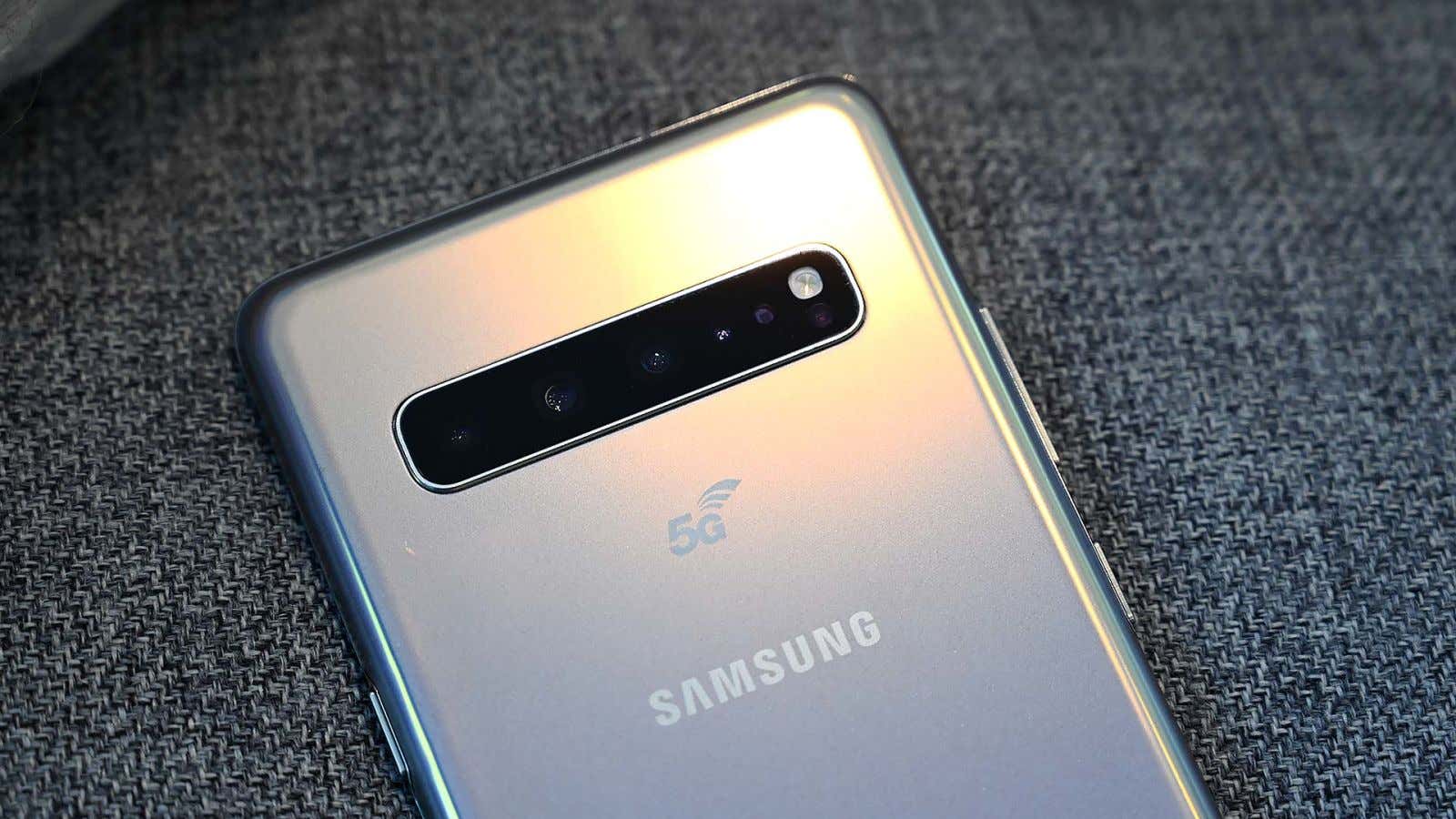
5G isn’t exactly exciting, but we can’t talk about smartphone innovation without discussing the rapid evolution of mobile networks.
The original iPhone supported 2G networks for SMS, MMS, and (very) slow data transmission but was swiftly supplanted by the iPhone 3G, which had the same internals but faster mobile speeds. 3G was the first technology to provide sufficient data transfer speeds for users to have a satisfactory experience browsing the web, conducting video chats, or watching videos on a mobile device. It wasn’t until 2010, when 4G LTE arrived, that we started seeing rich multimedia content created on and for the smartphone. High-def video, gaming, streaming, and other data-heavy tasks were enabled by a network many still use today.
We’ve sluggishly moved to 5G, and though there’s a long road ahead, significant progress has been made in the past few months that provide glimpses of the future it could enable. There are many flavors of 5G, but in general, the network will deliver significantly faster speeds, lower latency, and increased capacity and bandwidth. 5G promises to replace home internet (for some), and enable multiple high-res video streams, VR and AR applications, and cloud gaming.