The “chess Turing test”
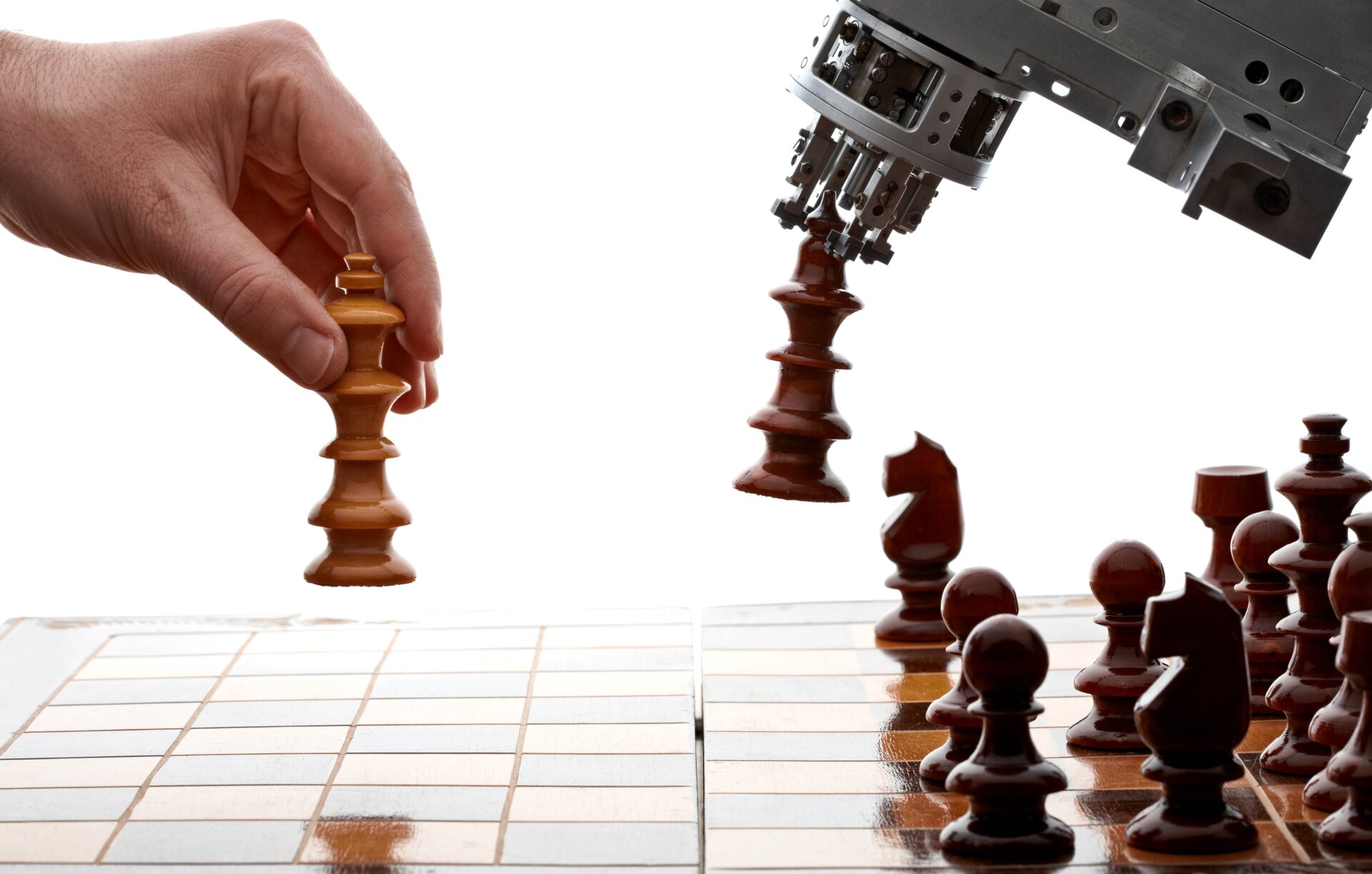
According to ChessBase, a German company that sells chess software including the classic Fritz chess engine, some of their founding members were the first ones to try using computers to cheat at chess, “for science” as they say. During the 1980 Hamburg Chess festival, some computer engineers and media from a German TV station tried to perform what the team called a “chess Turing test” on an unsuspecting player, meant to test the capabilities of an AI player against a human if the human didn’t know they were competing against a computer.
According to ChessBase’s own recounting of events, their team set up their game against German grandmaster Dr. Helmut Pfleger. They hid a radio receiver under the hair of one of their comrades with the capacity to talk to the player as the game progressed, with one of their crew calling out moves from a vantage point. They entered every one of Pfleger’s moves into the computer and then respond with the AI’s moves.
Pfleger was still winning the majority of his games including the one played strictly against the computer’s moves. While this was ostensibly an experiment, it might be the earliest example of an attempt to use a computer to “cheat” against a grandmaster. The fact that AI has progressed so much since Deep Blue’s win against Garry Kasparov in 1997 makes this early “Turing test” feel all the more like a canary in the coal mine for the wider chess world.