The Soviet Luna 15 mission (1969)
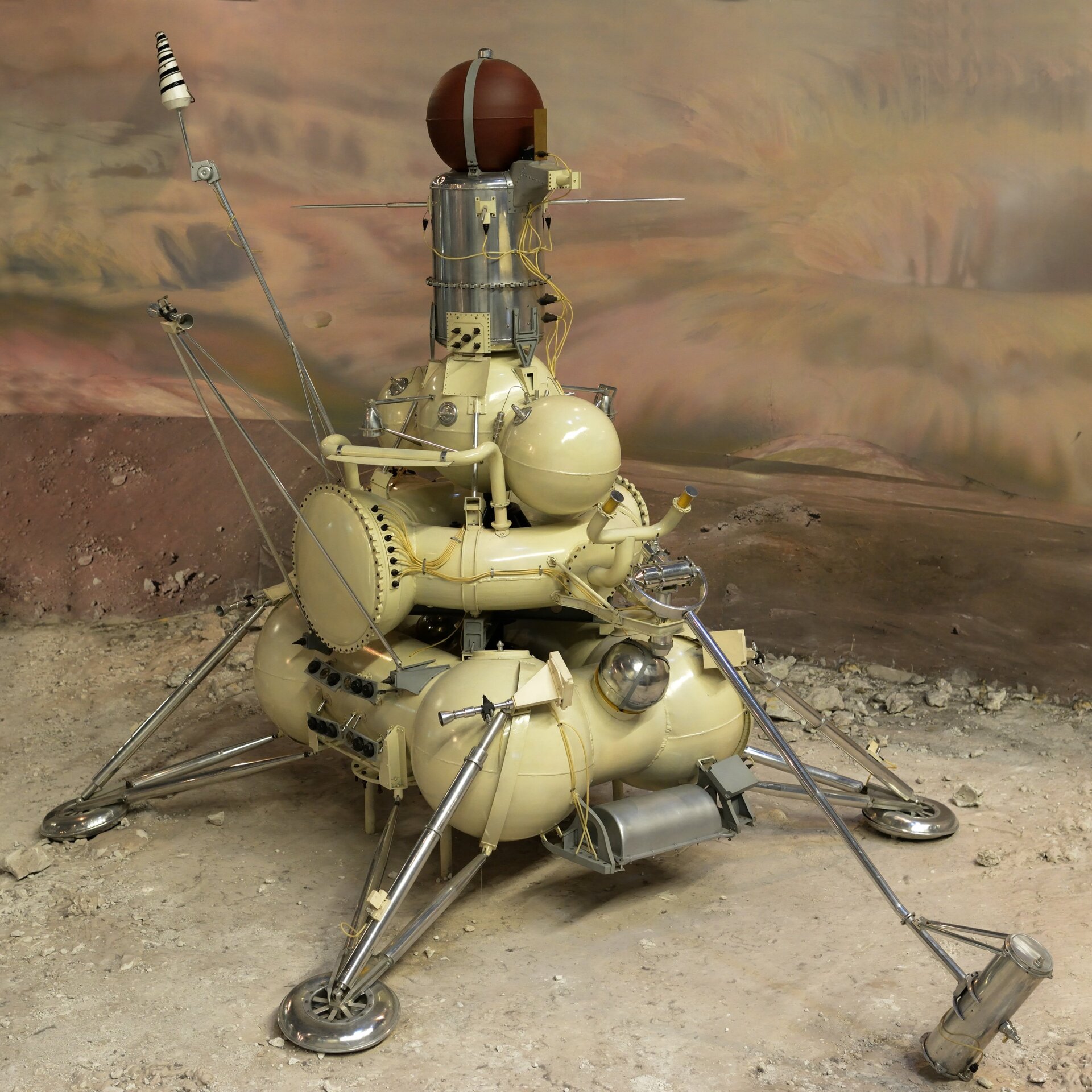
The Soviet Union’s long-running Luna program involved dozens of missions to the Moon, not all of them successful. Luna experiments, of which 46 were organized, involved either orbiters or landers, which were used to collect scientific data about the Moon and perform preliminary work for crewed missions that never happened. Running from 1958 to 1976, Luna missions achieved many firsts, including the first flyby of the Moon and the first soft landing, but for each successful mission the program endured around two failures.
One notable failure was Luna 15, which attempted a lunar landing and sample return mission. The probe unexpectedly crashed on the lunar surface on July 21, 1969—the same day that NASA astronaut Neil Armstrong became the first human to walk on the Moon. The Tranquility Base moonwalkers were never in any danger, as the 12,500-pound probe crashed around 540 miles (870 km) away in Mare Crisium.