Mount Adams
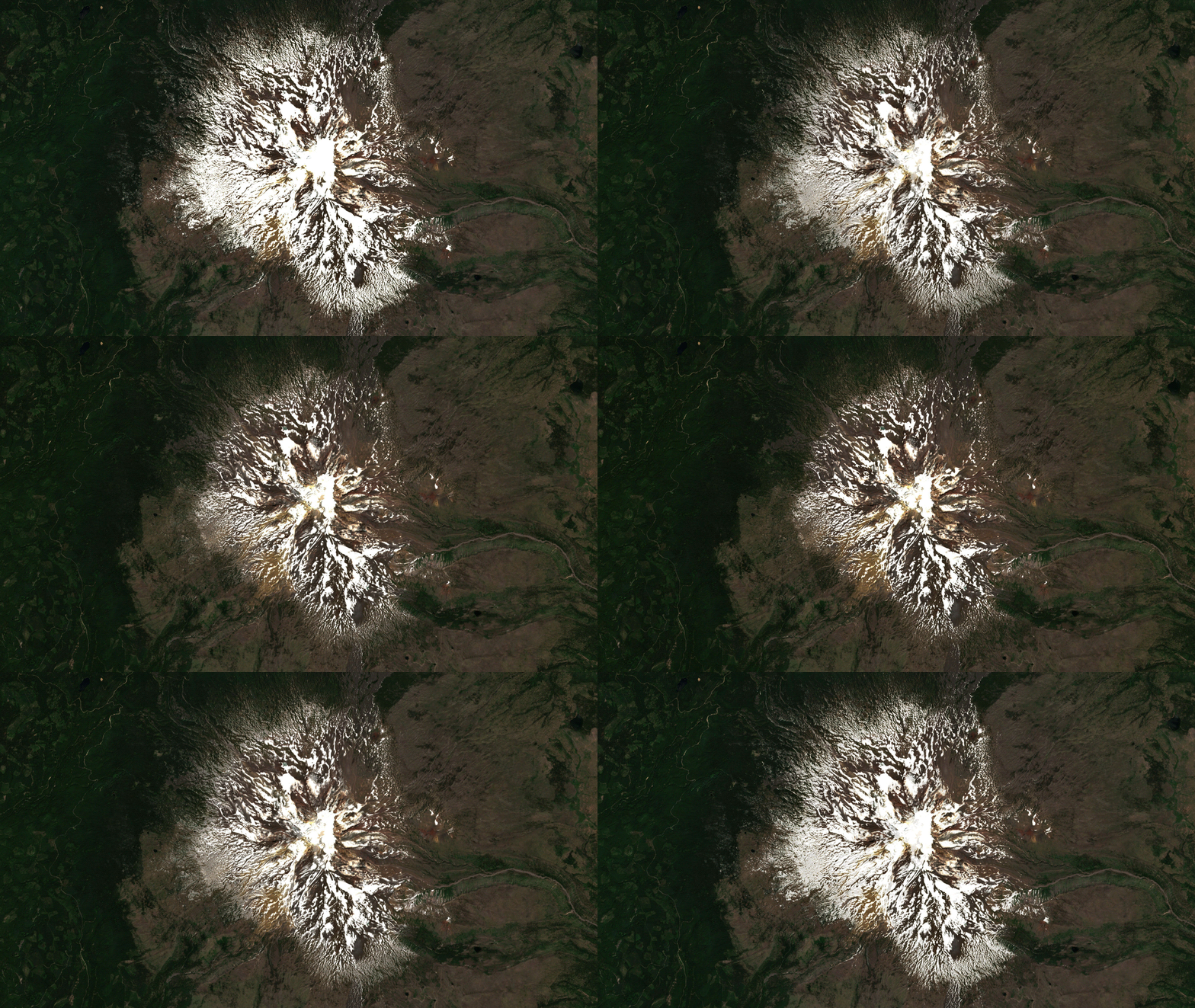
Mount Adams sits just to the east of Mount Saint Helens. It’s high enough to support glaciers, including a number located in cirques or steep valleys carved by ice. Similar glaciers exist across the North Cascades, and Pelto said he’s curious to assess how those glaciers are doing.
That’s because those glaciers rely not just on direct snowfall but also frequent avalanches that can help them gain mass. That’s particularly true for ones that are lower in elevation where snow is more marginal and melt season starts sooner. Pelto said a colleague visited Columbia Glacier in North Cascades in June and reported that avalanches had served the glacier well over the winter. What the heat wave did, though, remains to be seen.
The freak heat, which was made 150 times more likely due to climate change, isn’t the only risk to those glaciers. In fact, climate change could be causing other issues for them as well. Less snowfall could make avalanches less likely, further speeding glaciers’ demise.
“As the climate changes, are those slopes, are the pockets [in them] harder to fill?” Pelto said. “It’s not straightforward, but on the Columbia, we’ve really seen that it takes a lot more snow to fill up the pockets. They used to have little niche glaciers. And so avalanching doesn’t happen as easily.”