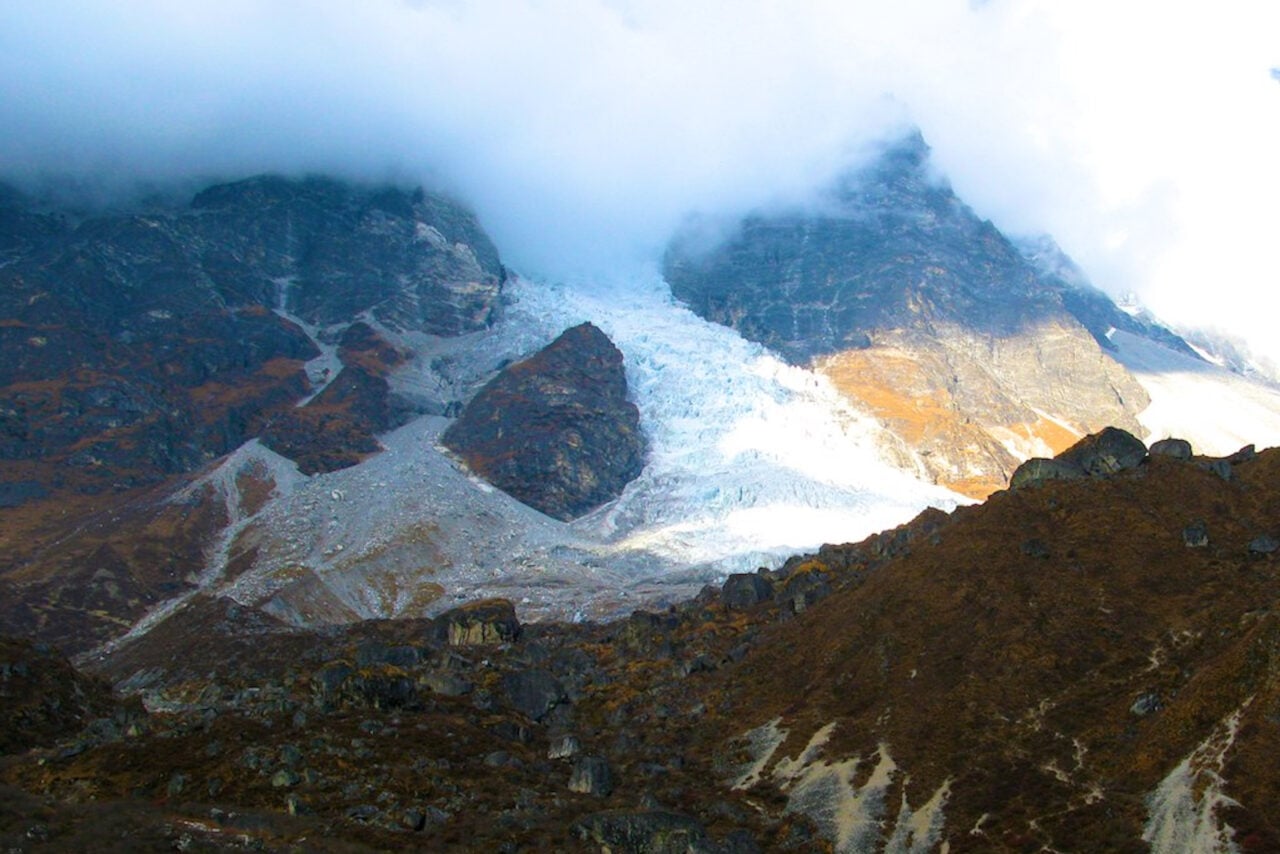
Garibaldi Provincial Park
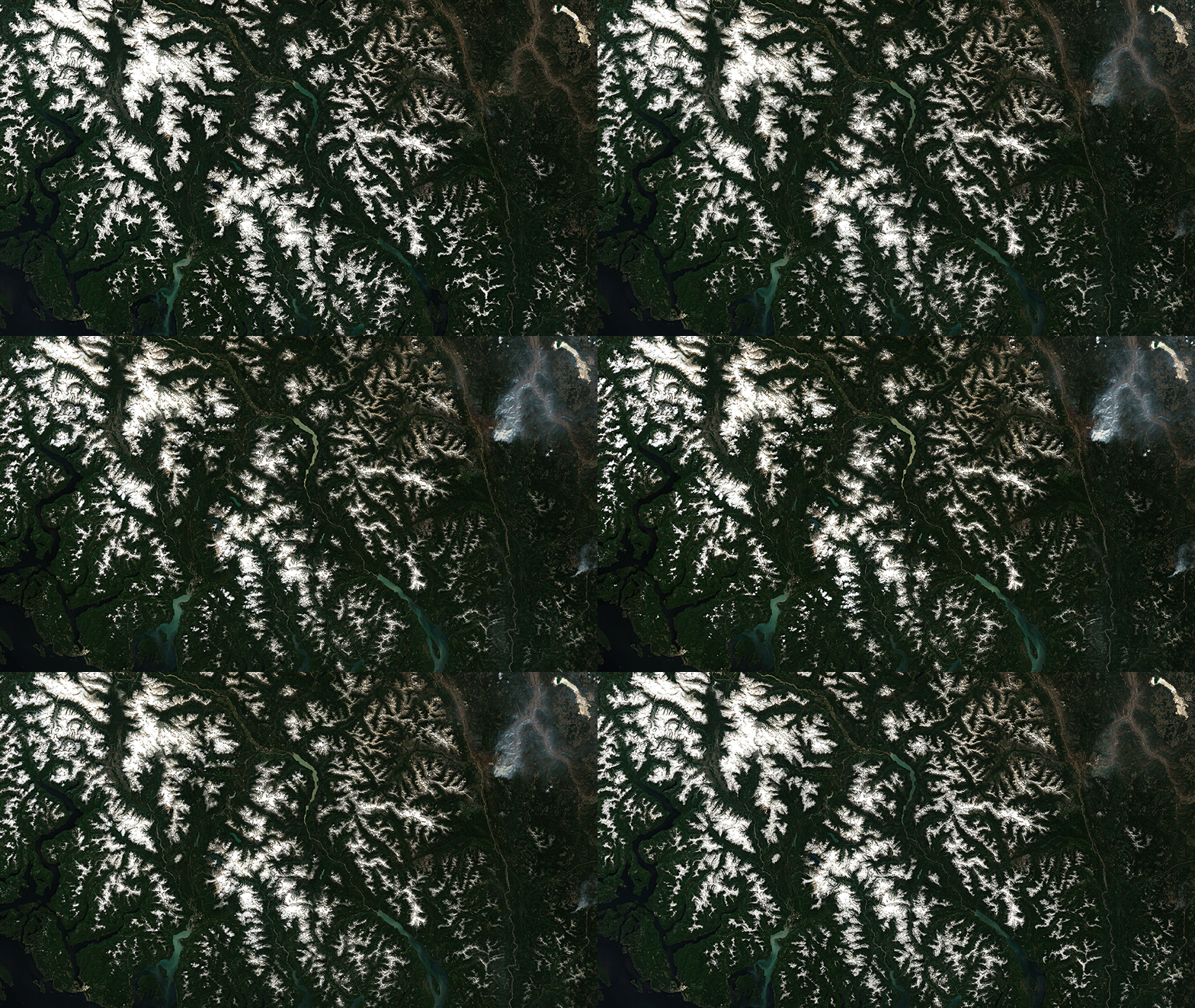
There’s perhaps no more perfectly terrible distillation of the heat wave’s impact than the final satellite image, which shows the disappearing snow in British Columbia’s Garibaldi Provincial Park, the northern end of the line for the Cascades, and wildfires igniting to the park’s east. The extreme heat coupled with a slew of lightning ignited the tinderbox that was interior British Columbia. Firefighters are grappling with at least 300 fires.
Of course, this is also far from a regional story. The world’s ice is disappearing at an alarming rate from Antarctica to Everest. Fires, too, are becoming more intense and frequent. These problems are intertwined with the climate crisis, driven by fossil fuels and carbon pollution. that’s making these conditions increasingly the norm. While we may see some years here and there that offer a respite, the long-term trend is one that urgently tells us we need to change course or suffer even worse consequences.
“A good winter is not enough anymore,” Pelto said of the snowfall needed to sustain glaciers. “If you look at the overall pattern, the story is very similar to the mass loss for alpine glaciers around the world.”